
In the Northern Hemisphere, the autumnal equinox marks the end of astronomical summer, the instant when the sun’s path, the ecliptic, crosses the celestial equator and enters southern skies. The days that occasion both the spring and the fall equinoxes are renowned for their equal periods of both daytime and night—12 hours each.
In the six months since last spring’s equinox in March, the period of daylight at latitudes to our north has been longer each day than those same periods at latitudes to our south. Many breeding birds have found improved success by taking advantage of these prolonged intervals of sunshine to nest. Extended daylight gives them a lengthened opportunity to collect for their nestlings the plentiful food produced by the prolonged hours of solar exposure provided during the growing season. This enhanced feeding regime shortens the length of time vulnerable young must spend in the nest before fledging. Long northern days can provide significant survival advantage for these birds that migrate to breed.
During the thousands of years since the retreat of the most recent North American glaciers, the birds we call Neotropical migrants have developed migration patterns to take full advantage of this phenomenon. As various ecosystems have edged their way north with the moderating climate, these birds have, with each successive generation, followed. They leave their tropical wintering grounds each spring to work their way north to find favorable habitats for efficient reproduction. Natural selection has given them specialized capabilities for recognizing when it’s time to move and how to find their way. In large part, we’re just beginning to understand some of these fascinating capabilities.
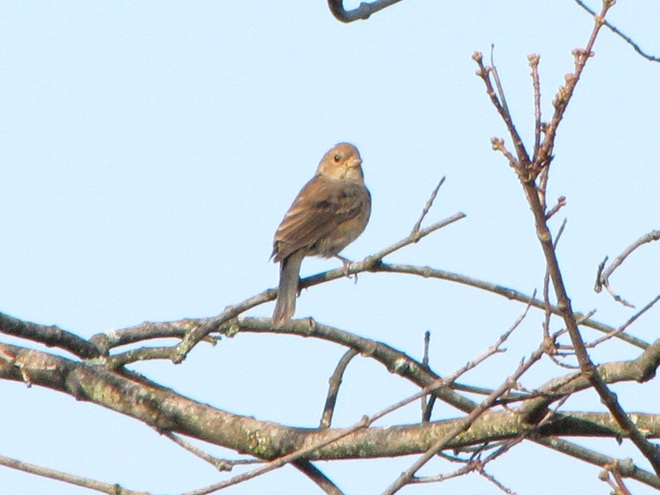
Today’s autumnal equinox is the moment of change. For the coming six months, the period of daylight at latitudes to our south will be longer each day than those same periods at latitudes to our north. Neotropical migrants are fully aware of this change, and these survivors of the ages have already mobilized.
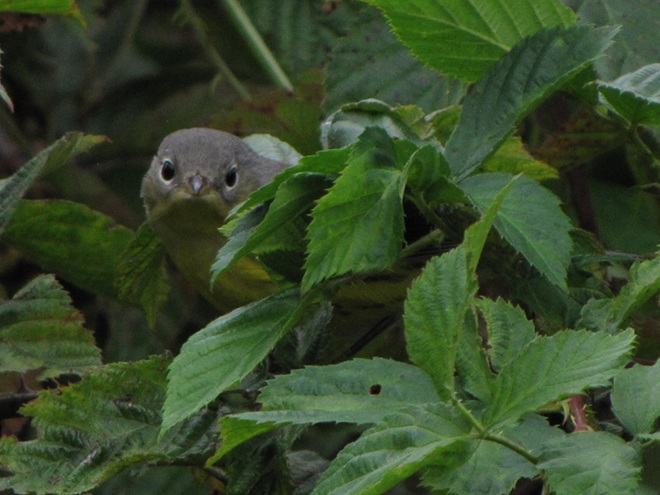
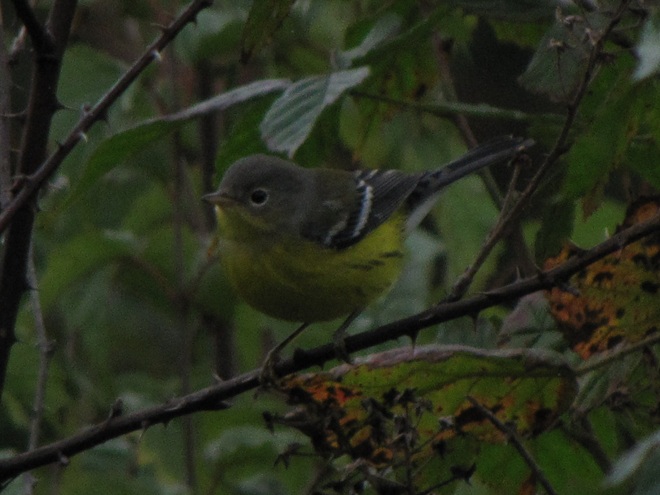
In the next week or two, most of the Neotropical migrants still to our north will pass us by. On a quiet night, you may hear their “chip” notes as they communicate with one another while flying overhead. In the mornings, a visit to a forest, a woodland edge, or a successional field may provide a chance for a good look at a migrant “fallout”.
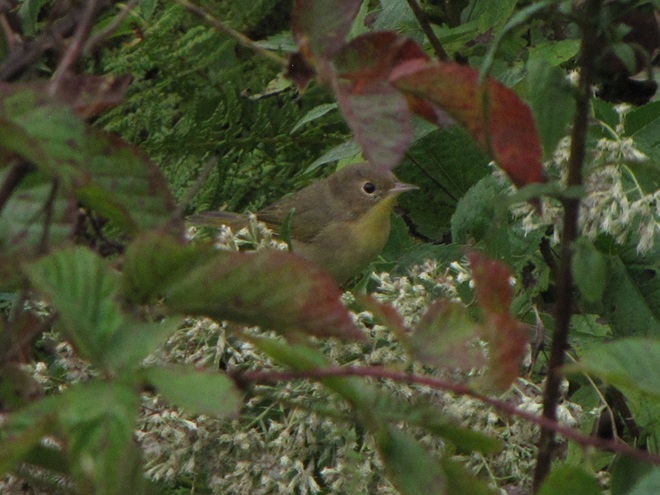
Nocturnal migrants have acquired this nighttime flight behavior in large part to successfully escape the threat of predation. There are, however, some diurnal Neotropical travelers. These day trippers include birds possessing exceptional speed and maneuverability such as hummingbirds, swifts, and swallows, the latter two engaging in flocking behavior to further reduce the chances of becoming a raptor’s lunch.
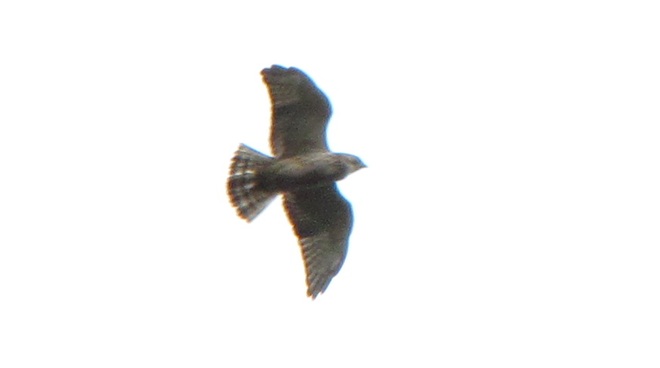
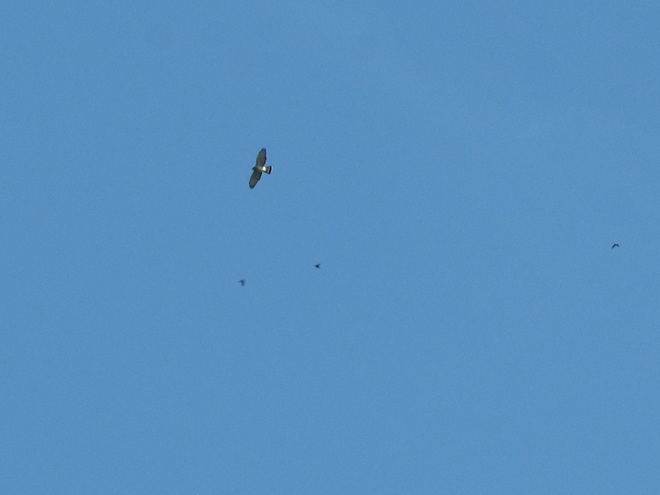
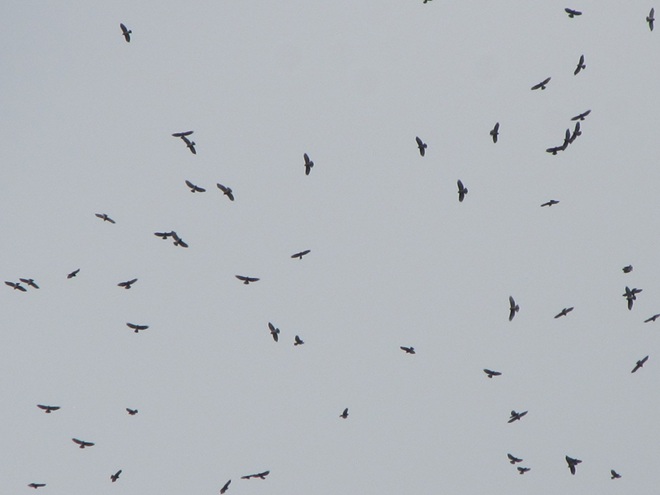
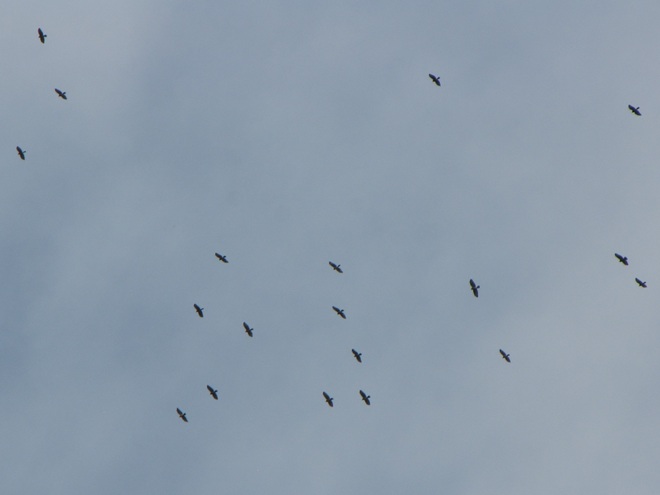
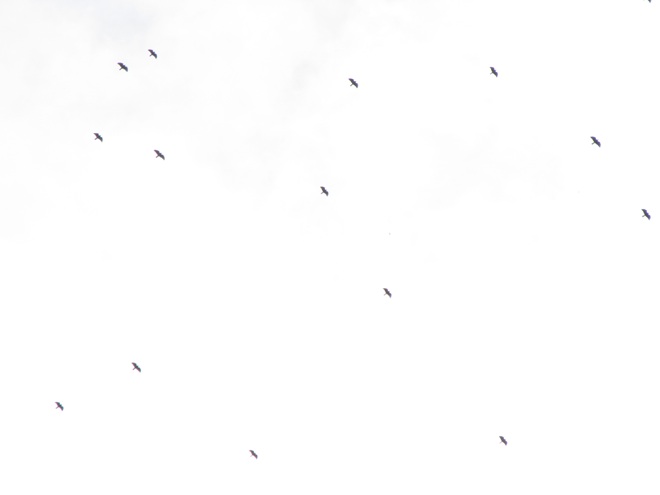
During recent days, the bird that may be our most conspicuous daytime Neotropical migrant—the Broad-winged Hawk—has been putting on a show as it passes through our region. Itself a raptor, it has little to fear while flying in the daytime. In fact, thermal updrafts generated by solar heating under bright sunlight are the key to its energy-saving method of covering as many as 200 miles per day while migrating.
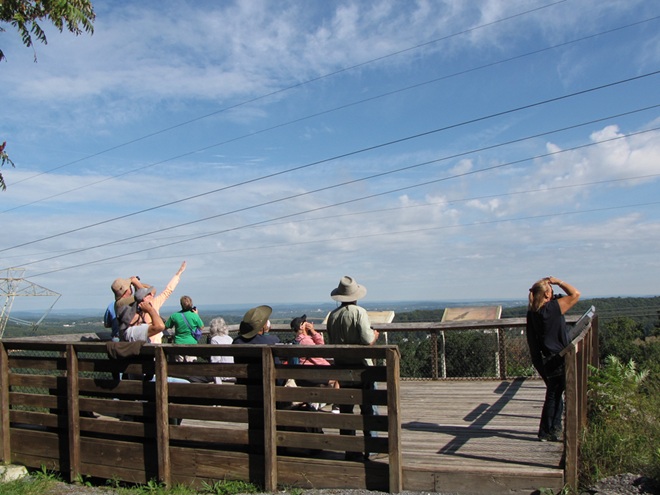
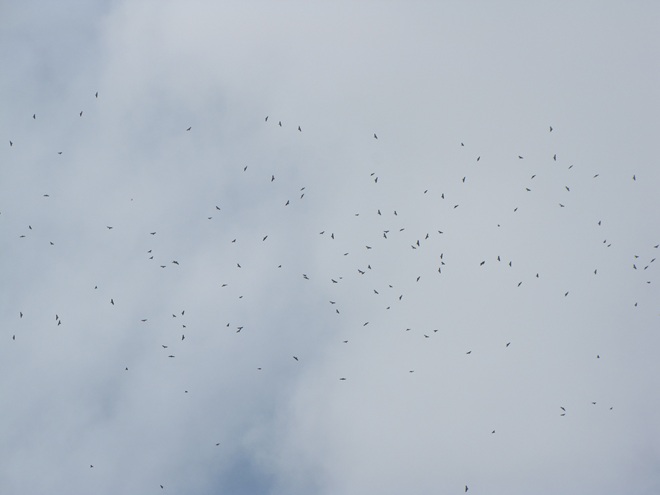
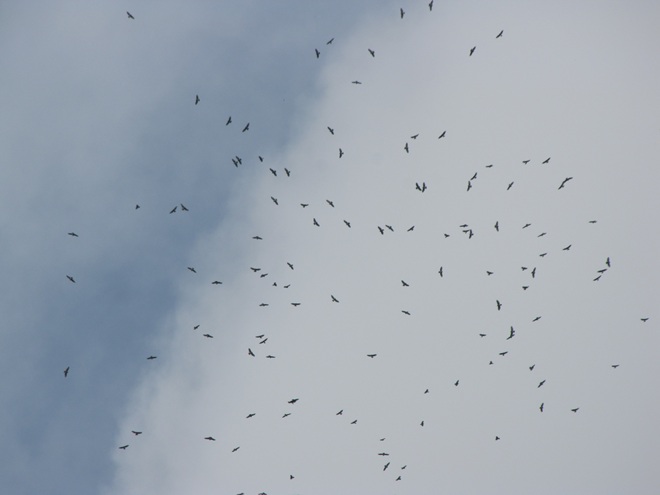
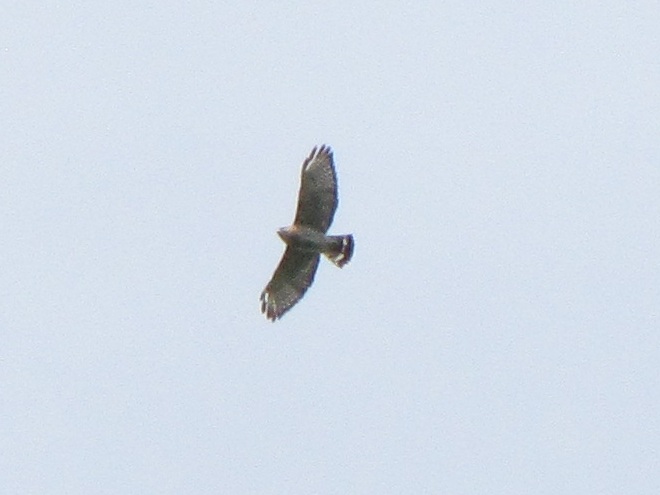
Hawk migration and the movements of other sub-tropical and temperate bird species will continue throughout the fall. To find regional hawk-counting stations and to learn how to identify our local species, visit our “Hawk Watcher’s Helper: Identifying Bald Eagles and other Diurnal Raptors” page by clicking the tab at the top of this page.