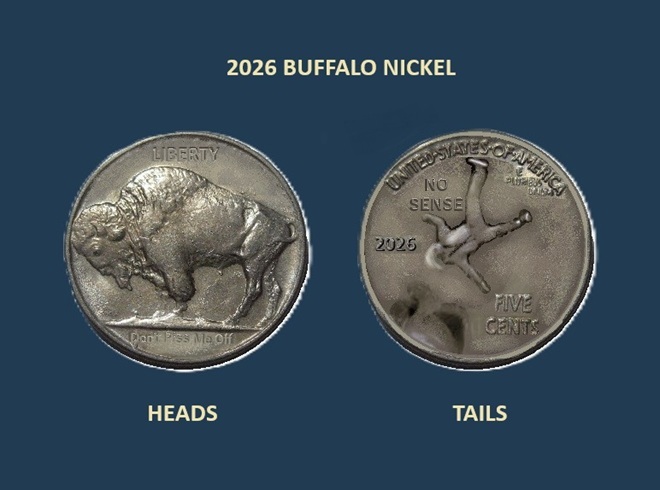
Uncle Tyler Dyer is a bit of a numismatic. He’s not invested in anything particularly valuable, but he enjoys filling books with examples of each year’s newly minted specie. Earlier this month, he was perusing his fifty-year-old collection of coins from the bicentennial year of 1976, as well as his book of state and other commemorative quarters issued earlier this century, when he realized he hadn’t acquired a set of semiquincentennial metal. After visiting a local dealer, he stopped by to show us the latest additions to his albums. We found this five-cent piece to be particularly interesting…
Uncle Tyler Dyer’s latest addition to his nickel folder.
Uncle Ty said he had never before come across a coin that was so well balanced—it’s ideal for tossing. He purchased some extras to share and told us they’re great to carry around in case you’re ever wondering whether or not you’re keeping sufficient distance between yourself and the wildlife you encounter. Just give the coin a tumble skyward and heads or tails, it always yields sound guidance. And that’s no pile of buffalo chips!
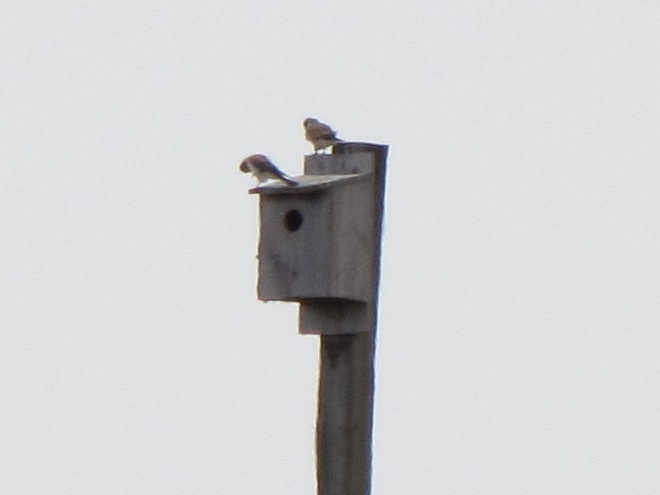
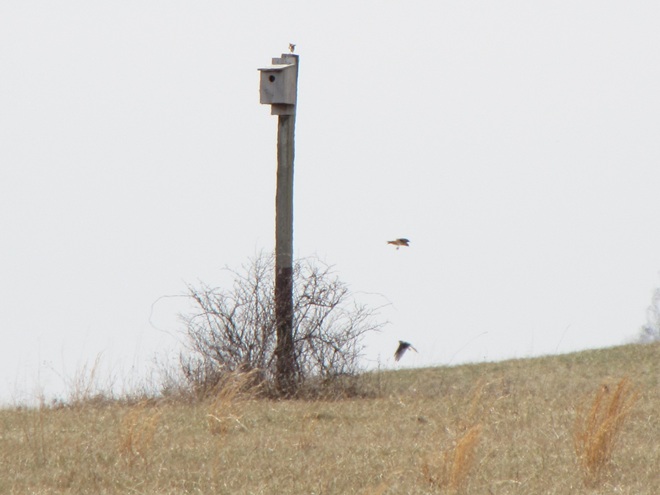
If you’ve visited Middle Creek Wildlife Management Area anytime during the past month, you may have noticed quite a bit of activity around the large pole-mounted nest boxes placed out in the open fields.
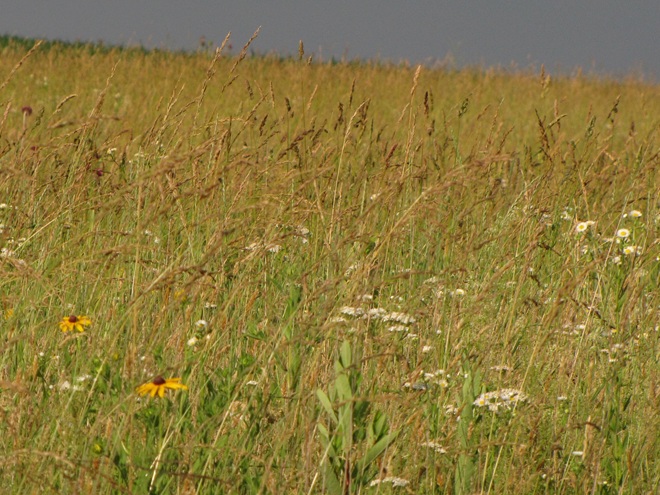
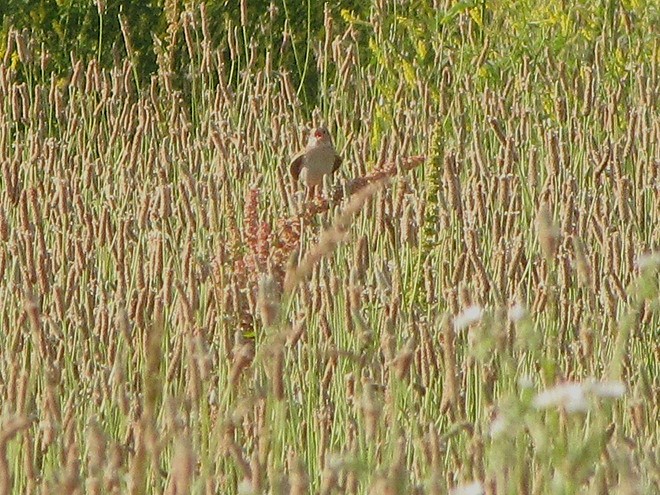
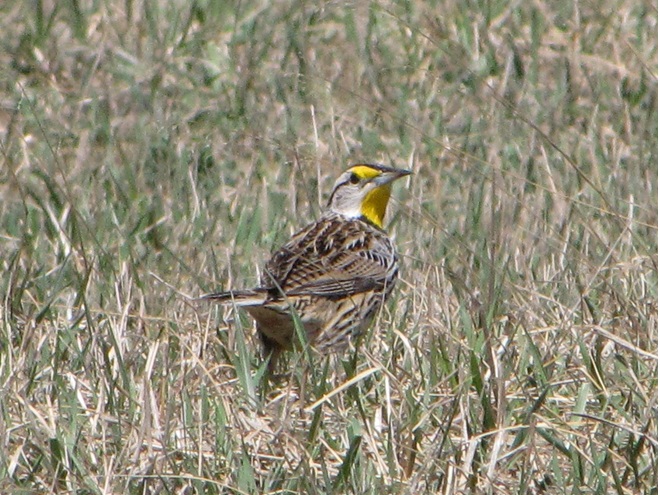
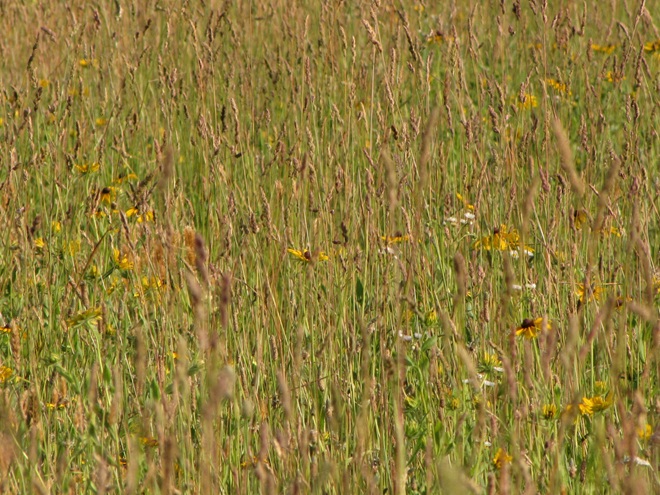
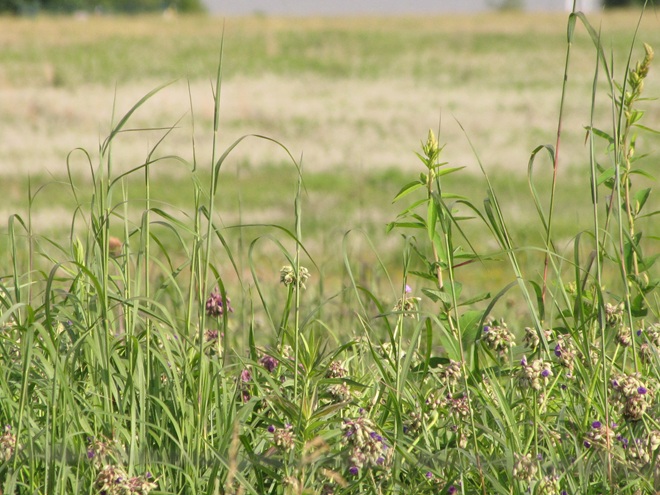
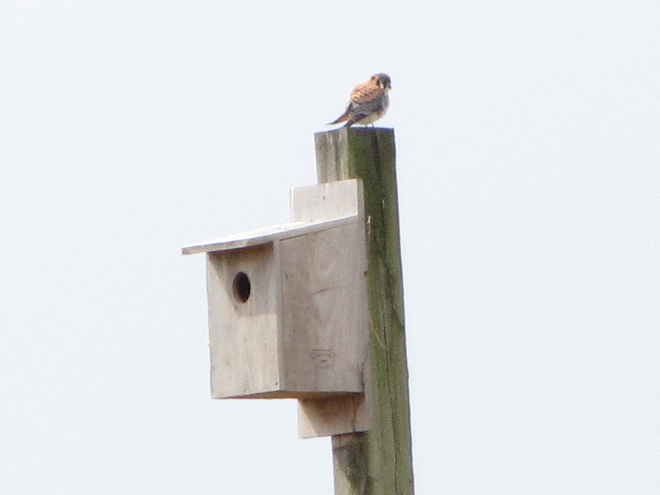
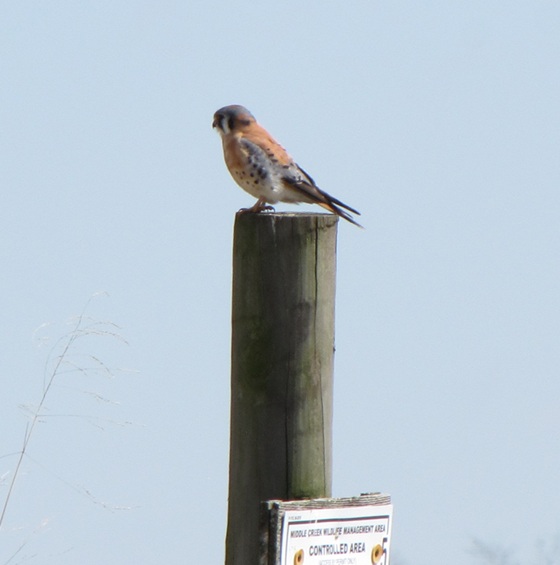
American Kestrels, a male and female, at a nest box at Middle Creek Wildlife Management Area.Within the past week, we noticed that kestrels are still competing for nesting sites and territory, driving away unwanted trespassers. A pair of kestrels seemed to be occupying each of the four box sites we observed. That’s good news, but the presence of these man-made nest cavities is in no way wholly responsible for this positive response from these declining birds. It’s a matter of habitat, much needed grassland habitat.Cool-season grasses including fescue (Lolium species) and non-native Orchard Grass (Dactylis glomerata) mature by late spring. If left standing, they continue to provide indispensable habitat for grassland wildlife through the summer. Mowing early and often for hay harvest has rendered most cool-season meadows death traps for nesting birds. By delaying cuttings until at least early August, ground-nesting birds are given adequate time to fledge their young and get the juvenile birds strong enough to fly away from a set of spinning blades.A male Grasshopper Sparrow sings to demarcate its nesting territory in a stand of Timothy, an introduced species cultivated for harvest as hay. An insectivore during the breeding season, he and his mate will attempt to raise their brood exclusively within the cover of these cool-season grasses.Eastern Meadowlarks arrive in cool-season grasslands by late-winter to begin their breeding cycle which typically extends into the hot summer days of July.Prior to being mowed, Orchard Grass provides the short, dense cover meadowlarks and other ground-nesting grassland birds need to successfully reproduce. Growing a cool season grassland can be as easy as delaying the mowing of a pasture, field, or oversize lawn until August, then have a farmer friend come and take off a cutting or two of hay or straw to prevent woody plants from becoming established.More durable stands of native warm-season grasses including Big Bluestem, Indiangrass, Switchgrass, and Little Bluestem thrive in the summer heat and provide wildlife habitat throughout the year. These perennial “prairie grasses”, fed by root systems five to eight feet deep, are especially drought tolerant . From these entrenched anchors, the plants would quickly bounce back after the once great herds of hungry bison had grazed the landscape bare of surface vegetation before moving on. This adaptation also assured “prairie grass” regeneration following naturally occurring seasonal fires, events mimicked in eastern North America by its pre-Columbian human residents. They used recurrent fire to perpetuate early successional habitat for wildlife propagation, foraging, and agriculture. Today in the lower Susquehanna watershed, establishing warm-season grassland meadows requires soil prep and seeding to get things going again.To prevent succession, warm-season grassland parcels are most commonly maintained using applications of prescribed fire every 3 to 5 years. Among their benefits, these burns invigorate native vegetation while inhibiting the invasive tendencies of many non-native plants. Well-planned periodic fire can significantly reduce fuel accumulations, particularly in tinderbox woodland tracts managed as fire-free zones for the past century or more. Many forest trees including oaks rely on sporadic fire events for regeneration.
LEARN HOW LAND MANAGERS UTILIZE PRESCRIBED FIRE
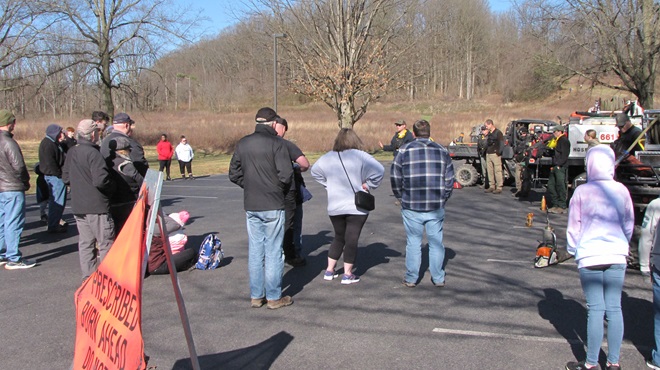
This coming Saturday, April 18, 2026, beginning at 10 A.M. (rain date April 25), the Pennsylvania Game Commission is hosting a “Prescribed Fire Festival” at Middle Creek Wildlife Management Area. Be certain to come out to the visitor’s center at 100 Museum Road, Stevens, PA, for this event. Land managers will be there to answer questions and to explain the planning and preparations involved in overseeing a prescribed burn. There will be guided walks of habitats preserved using fire of varying intensities. You’ll see the equipment and protective clothing used by certified personnel to administer a live prescribed fire burn right before your eyes. Then you can have lunch—food trucks will be available on site.
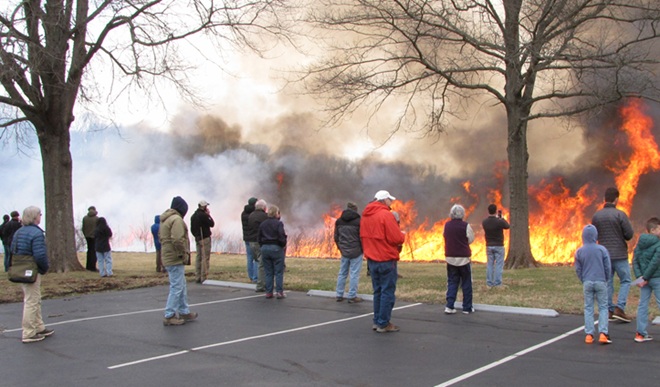
Visitors witness a prescribed fire demonstration at the Pennsylvania Game Commission’s Middle Creek Wildlife Management Area in 2025.
After the burn demonstration, why not go for a walk or drive around the refuge. You can take note of how grassland and early successional plant communities are responding to previous doses of prescribed fire…
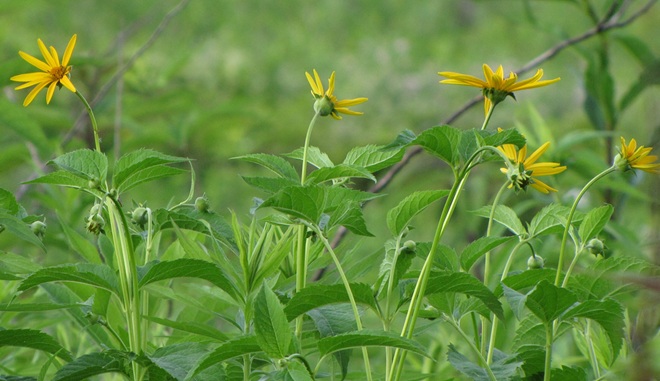
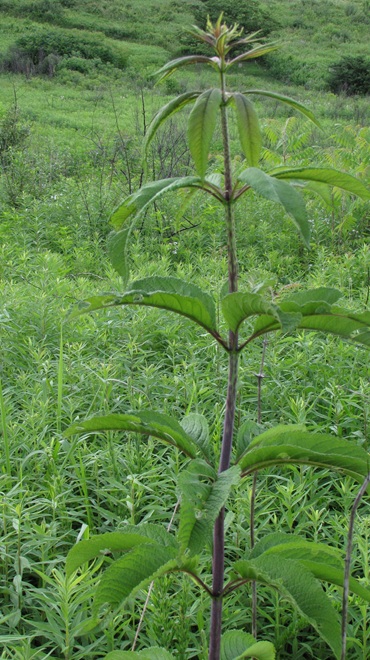
Greening up a week or two after the burn, Wingstem is blooming by June in areas treated using prescribed fire earlier in the spring.Another scene from June: Four-foot-tall Joe-Pye-Weed amidst lush growth of goldenrod in early successional habitat where a prescribed burn eliminated accumulating wildfire fuel and turned back the growth of invasive plant species in March.
And how the grassland animals respond as well…
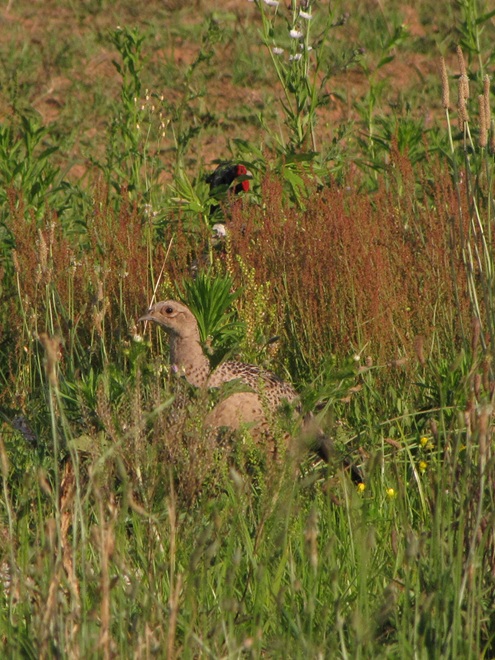
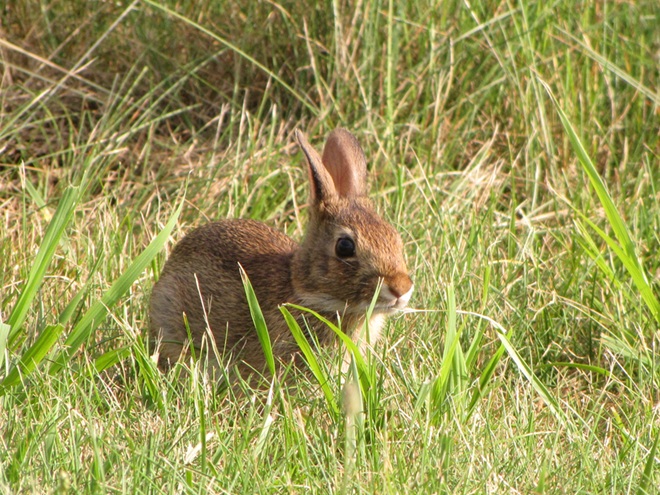
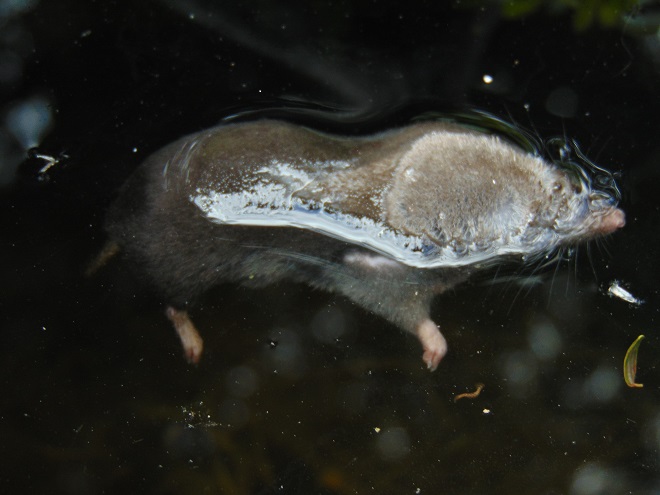
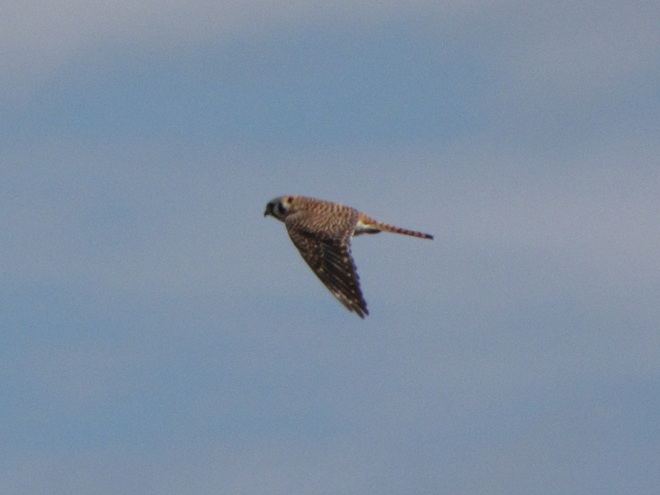
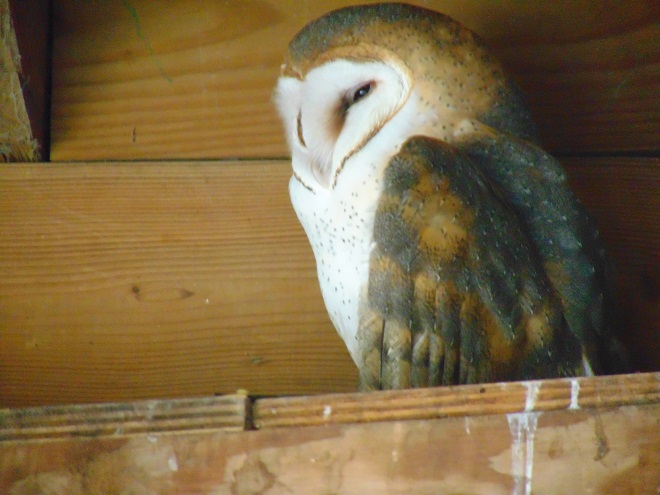
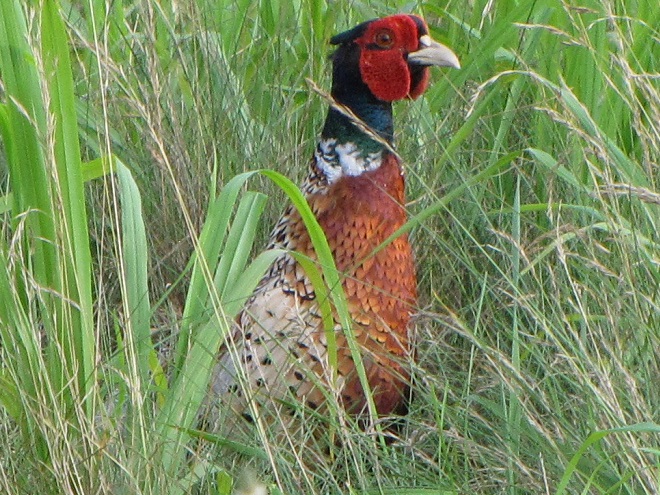
Ring-necked Pheasants in early successional habitat maintained by the periodic application of prescribed fire.Eastern Cottontails prosper in the mosaic of warm-season grasses and early successional thickets on lands sustained using prescribed fire. Rabbits are herbivores, primary consumers eating mostly legumes and other plants, the producers that through the process of photosynthesis convert the energy of the the sun into food energy.Other small vegetation-eating rodents including mice and voles thrive in managed grasslands. Similar in appearance are the shrews. Though seldom noticed, Northern Short-tailed Shrews spend day and night foraging for food, even in the shallow waters of wet meadows and thickets. Unlike the aforementioned herbivorous rodents, shrews are insectivores, secondary consumers feeding mostly on primary consumers including a variety of insects and other arthropods.Some years ago, we found this tiny Masked Shrew (Sorex cinereus) in a grassland area being preserved using prescribed fire. Like other shrews, Masked Shrews are secretive, but always on the go. They feed constantly to fuel their vast energy requirements, sometimes consuming three times their body weight in a single day. But their voracious appetite can get them into trouble, causing these incessant eaters to encounter numerous potentially infective parasites during their non-stop foraging missions.Patrolling the grasslands is the female American Kestrel, a secondary consumer. She’s on the lookout for primary consumers including large insects like grasshoppers or crickets. But perhaps more likely is a small rodent whose less-than-ideal vigor may cause it to slip up, creating an easy target. If she selects a careless shrew as her prey, she may be assuming the role of a tertiary consumer, eating a secondary consumer (the shrew) that fed on insects (the primary consumers) that derived their energy from photosynthesized plant matter.The strictly nocturnal American Barn Owl (Tyto furcata), another secondary and sometimes tertiary consumer, takes the night shift, hunting unwary voles, mice, and shrews, often by sensing the sounds they make among runways in the grass. As a native predator in its favored habitat, the owl’s selection of each victim actually helps to keep the prey species’ population healthy, eliminating the weak and vulnerable to provide a qualitative service to the surviving wildlife of the grasslands. While we may not think of the barn owl as a direct consumer of insects, its positive influence on insectivorous shrew populations makes it an important functionary in maintaining balance in the ecosystems it calls home.As food becomes increasing plentiful in the grasslands, a female kestrel will remain mostly out of sight, performing the majority of the egg incubation duties while her colorful mate stands guard nearby.The male not only keeps watch, but also continues the hunt for insects, small mammals, and other prey to feed not only the newborn nestlings, but also his mate while she tends the nest. As the young grow and no longer need brooding to stay warm, the female will join the male in a joint effort to snatch up enough food to keep their three to seven offspring nourished. Like other raptors, populations of these predators are abruptly regulated in the nest. The first hatched of these falcon’s young will receive the most food, giving them, particularly the oldest individual, the best chances of survival. The later-hatched and thus smaller offspring may have trouble competing for the available provisions brought to the nest. If food is plentiful, there may be enough for all of the birds to grow and survive. If food is scarce, only the oldest (which also happen to be the biggest, strongest, and most aggressive) baby falcon(s) will live to fledge and leave the nest. If hunting becomes really poor, the adults will sustain themselves at the expense of their young.
The fate of an avian predator such as a kestrel lies at the mercy of the fate of its quarry. Because, you see, the sun’s energy, after being converted to chemical energy by photosynthesizing plants, flows upward through the trophic levels of the food chain—herbivores (primary consumers) such as rodents and insects to carnivores (secondary and tertiary consumers) including kestrels. Grasslands, when abundant and diverse, are correspondingly abundant and diverse with small mammals and insects and will therefore support thriving populations of American Kestrels and other predators. These secondary and sometimes tertiary consumers fulfill a role in cultivating healthier populations of their prey—the primary and secondary consumers in the food web—as a balanced component of a flourishing grassland ecosystem. Sparse and fragmented grasslands, on the other hand, beget negligible small mammal and insect populations, are stricken with broken food webs, and champion few if any American Kestrels or other predators. If the land it occupies is neat, tidy, manicured, exploited, or sprayed sterile and dead, the energy flow cycle of the ecosystem is dead as well. There’s nothing animal introductions, reintroductions, rescues, culling, stocking, or harvesting can do about it, because in the end, it’s all about the habitat.
Homo sapiens owes much of its success as a species to an acquired knowledge of how to make, control, and utilize fire. Using fire to convert the energy stored in combustible materials into light and heat has enabled humankind to expand its range throughout the globe. Indeed, humans in their furless incomplete mammalian state may have never been able to expand their populations outside of tropical latitudes without mastery of fire. It is fire that has enabled man to exploit more of the earth’s resources than any other species. From cooking otherwise unpalatable foods to powering the modern industrial society, fire has set man apart from the rest of the natural world.
In our modern civilizations, we generally look at the unplanned outbreak of fire as a catastrophe requiring our immediate intercession. A building fire, for example, is extinguished as quickly as possible to save lives and property. And fires detected in fields, brush, and woodlands are promptly controlled to prevent their exponential growth. But has fire gone to our heads? Do we have an anthropocentric view of fire? Aren’t there naturally occurring fires that are essential to the health of some of the world’s ecosystems? And to our own safety? Indeed there are. And many species and the ecosystems they inhabit rely on the periodic occurrence of fire to maintain their health and vigor.
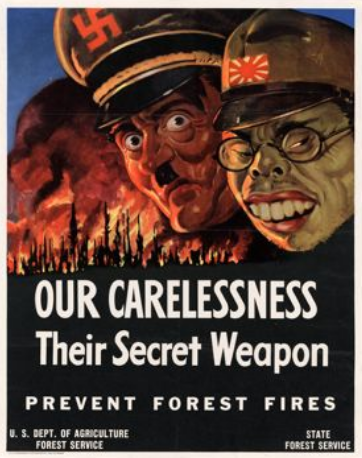
For the war effort- The campaign to reduce the frequency of forest fires got its start during World War II with distribution of this poster in 1942. The goal was to protect the nation’s timber resources from accidental or malicious loss due to fire caused by man-made ignition sources. The release of the Walt Disney film “Bambi” during the same year and the adoption of the Smokey the Bear mascot in 1944 softened the message’s delivery, but the public relations outreach continued to be a key element of a no-fire policy to save trees for lumber. Protection and management of healthy forest ecosystems in their entirety has only recently become a priority. (National Archives image)
Man has been availed of the direct benefits of fire for possibly 40,000 years or more. Here in the Lower Susquehanna River Watershed, the earliest humans arrived as early as 12,000 years ago—already possessing skills for using fire. Native plants and animals on the other hand, have been part of the ever-changing mix of ecosystems found here for a much longer period of time—millions to tens of millions of years. Many terrestrial native species are adapted to the periodic occurrence of fire. Some, in fact, require it. Most upland ecosystems need an occasional dose of fire, usually ignited by lightning (though volcanism and incoming cosmic projectiles are rare possibilities), to regenerate vegetation, release nutrients, and maintain certain non-climax habitat types.
But much of our region has been deprived of natural-type fires since the time of the clearcutting of the virgin forests during the eighteenth and nineteenth centuries. This absence of a natural fire cycle has contributed to degradation and/or elimination of many forest and non-forest habitats. Without fire, a dangerous stockpile of combustible debris has been collecting, season after season, in some areas for a hundred years or more. Lacking periodic fires or sufficient moisture to sustain prompt decomposition of dead material, wildlands can accumulate enough leaf litter, thatch, dry brush, tinder, and fallen wood to fuel monumentally large forest fires—fires similar to those recently engulfing some areas of the American west. So elimination of natural fire isn’t just a problem for native plants and animals, its a potential problem for humans as well.
Indiangrass (seen here), Switchgrass, Big Bluestem, and Little Bluestem are native species requiring periodic forms of disturbance to eliminate competition by woody plants. Intentional fires ignited by pre-Columbian human residents of eastern North America may have been at least partially responsible for the survival and distribution of burn-reliant species in the post-glacial landscape. These warm-season grasses develop roots that penetrate deep into the soil, sometimes to depths of six feet or more, allowing them to survive severe drought and flash fire events. In the tall grass prairies, these extensive root systems allow these grasses to return following heavy grazing by roaming herds of American Bison (Bison bison). Without these habitat disturbances, warm season grasslands succumb to succession in about seven years. With the periodic occurrence of fires, these plants thrive and provide excellent wildlife habitat, erosion control, and grazing forage.
To address the habitat ailments caused by a lack of natural fires, federal, state, and local conservation agencies are adopting the practice of “prescribed fire” as a treatment to restore ecosystem health. A prescribed fire is a controlled burn specifically planned to correct one or more vegetative management problems on a given parcel of land. In the Lower Susquehanna River Watershed, prescribed fire is used to…
Eliminate dangerous accumulations of combustible fuels in woodlands.
Reduce accumulations of dead plant material that may harbor disease.
Provide top kill to promote oak regeneration.
Regenerate other targeted species of trees, wildflowers, grasses, and vegetation.
Kill non-native plants and promote growth of native plants.
Prevent succession.
Remove woody growth and thatch from grasslands.
Promote fire tolerant species of plants and animals.
Improve habitat for rare species (Regal Fritillary, etc.)
Recycle nutrients and minerals contained in dead plant material.
Let’s look at some examples of prescribed fire being implemented right here in our own neighborhood…
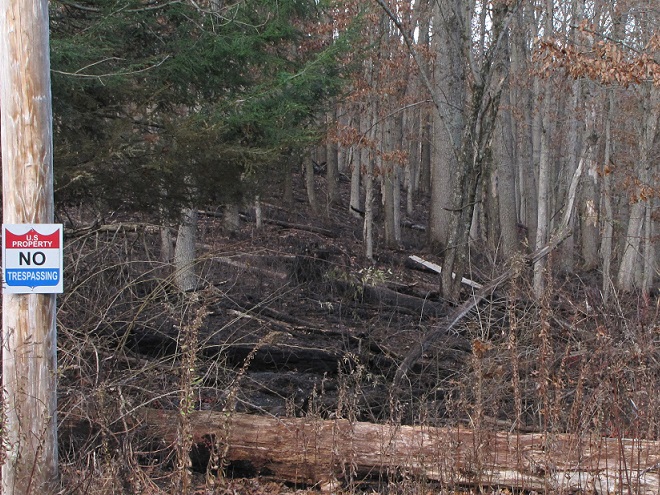
Prescribed fires are typically planned for the dormant season extending from late fall into early spring with burns best conducted on days when the relative humidity is low.Prescribed fire is used regularly at Fort Indiantown Gap Military Reservation in Lebanon County, Pennsylvania, to keep accumulations of woody and herbaceous fuels from accumulating on and around the training range areas where live ordinance and other sources of ignition could otherwise spark large, hard-to-control wildfires.Prescribed fires replace the periodic natural burns that would normally reduce the fuel load in forested areas. Where these fuels are allowed to accumulate, south-facing slopes are particularly susceptible to extreme fires due to their exposure to the drying effects of intense sunlight for much of the year. The majority of small oaks subjected to treatment by the prescribed fire shown here will have the chance to regenerate without immediate competition from other species including invasive plants. The larger trees are mostly unaffected by the quick exposure to the flames. Note too that these fires don’t completely burn everything on the forest floor, they burn that which is most combustible. There are still plenty of fallen logs for salamanders, skinks, and other animals to live beneath and within.
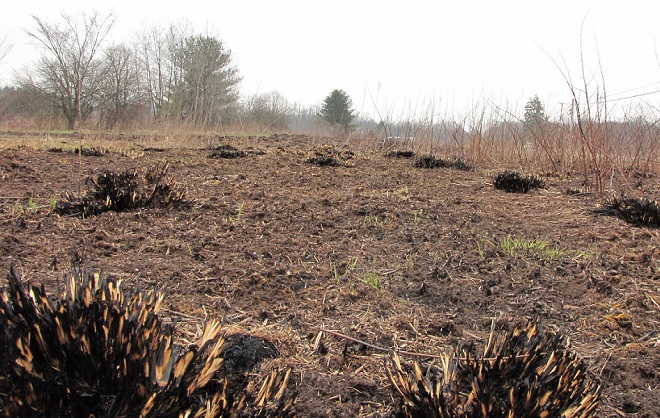
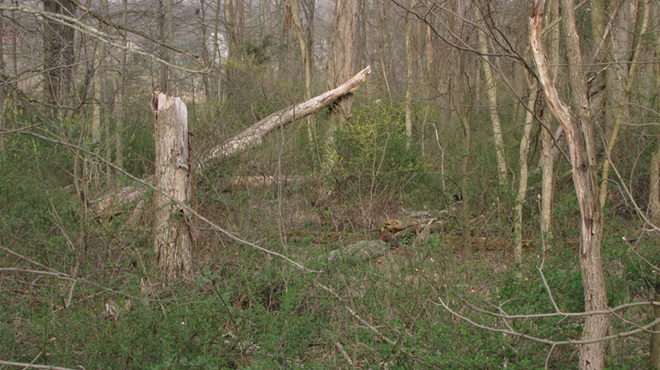
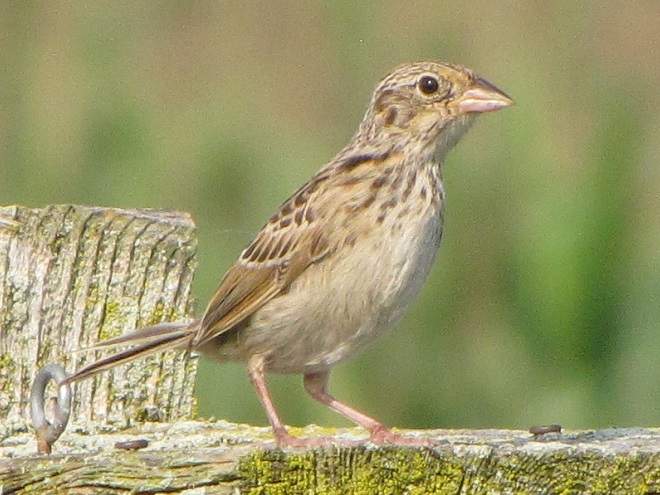
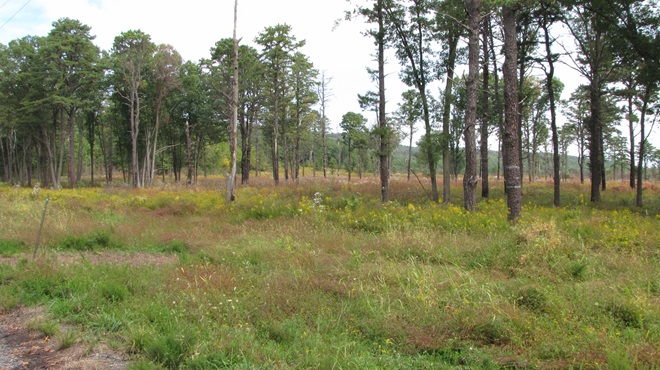
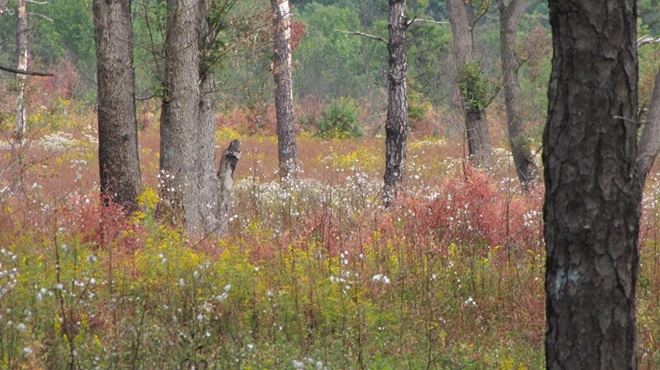
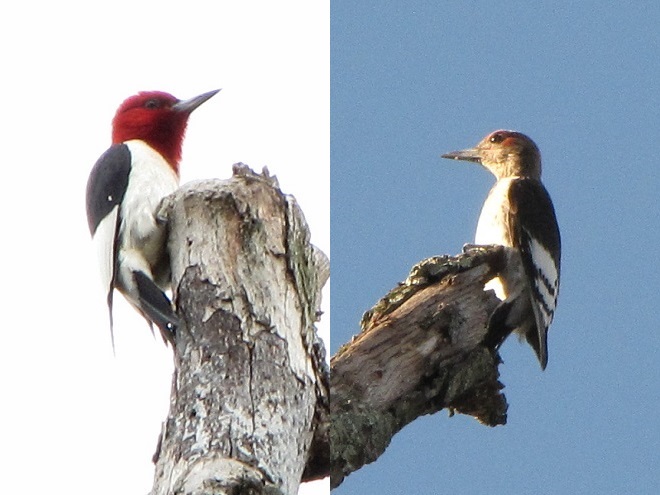
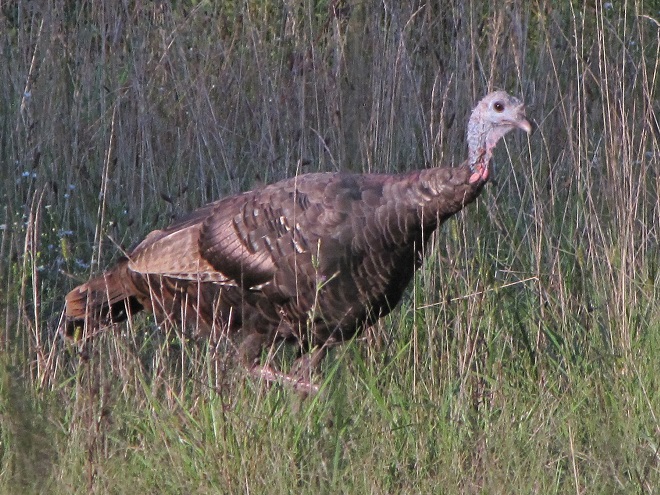
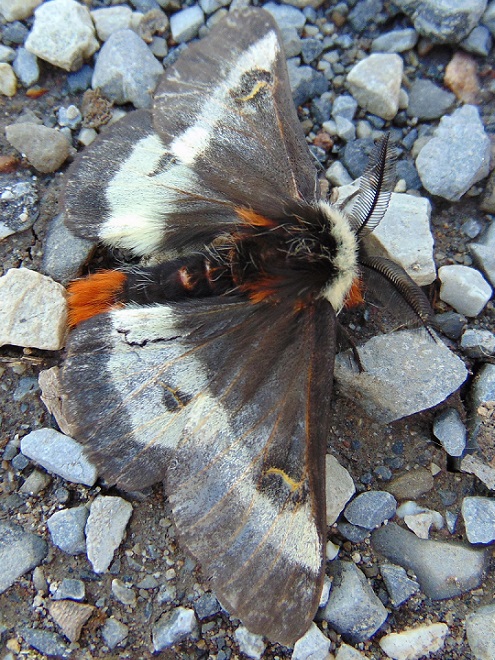
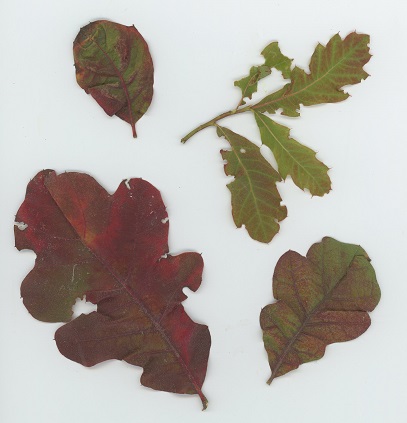
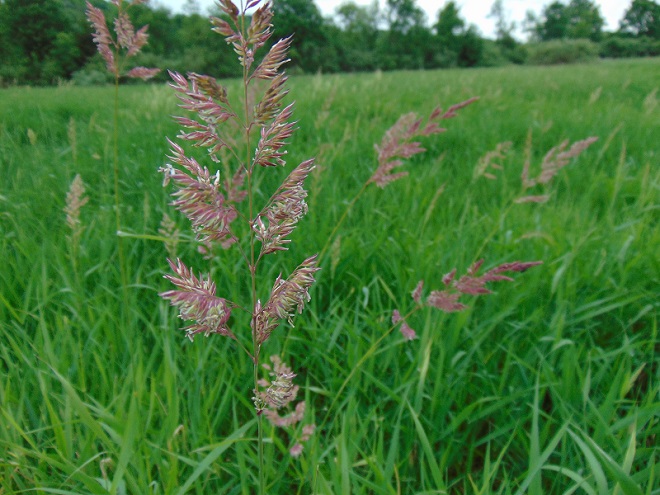
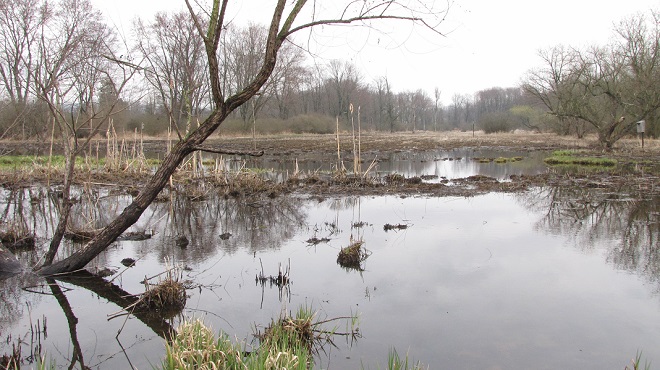
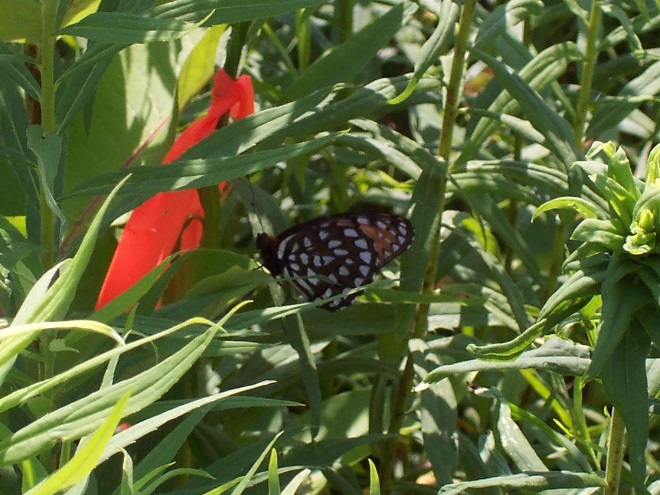
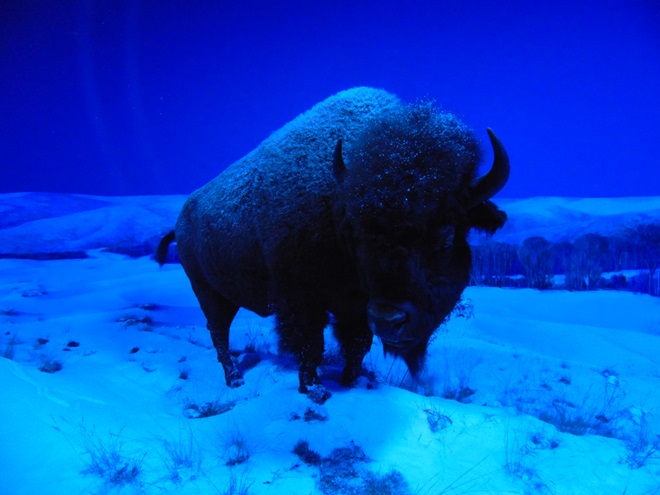
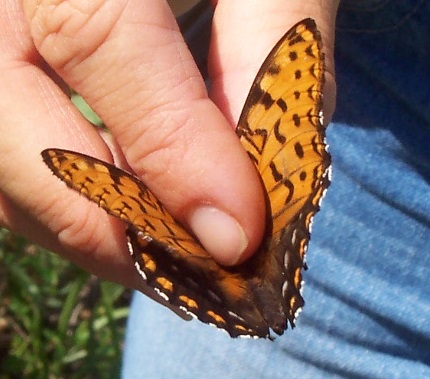
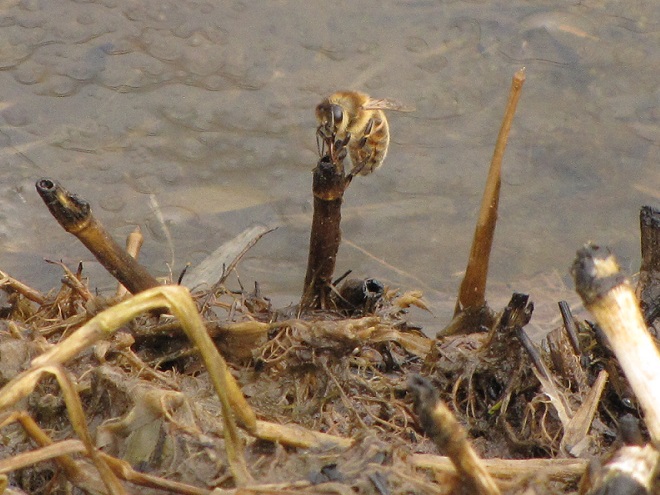
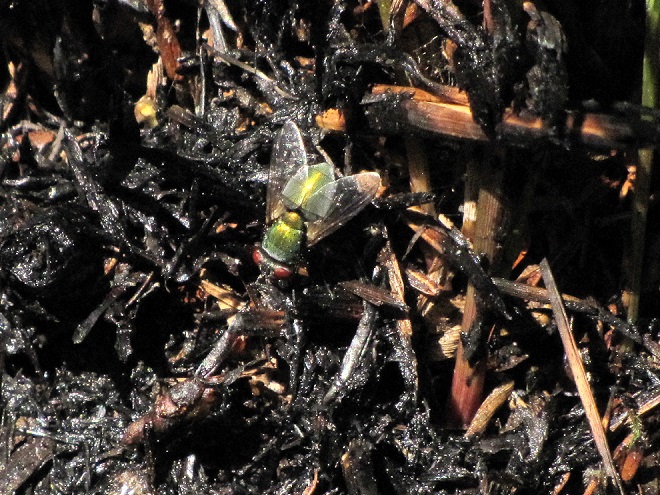
A prescribed fire in late winter prevents this grassland consisting of Big Bluestem and native wildflowers from being overtaken by woody growth and invasive species. Fires such as this that are intended to interrupt the process of succession are repeated at least every three to five years.In its wildlife food plots, prescribed fire is used by the Pennsylvania Game Commission to prevent succession and control invasive species such as Multiflora Rose, instead promoting the growth of native plants.An example of a woodlot understory choked with combustible fuels and dense tangles of invasive Multiflora Rose. A forester has the option of prescribing a dose of dormant-season fire for a site like this to reduce the fuel load, top kill non-native vegetation, and regenerate native plants.A dose of prescribed fire was administered on this grassland to kill the woody growth of small trees beginning to overtake the habitat by succession.The Pennsylvania Game Commission employs prescribed fire at Middle Creek Wildlife Management Area and on many of their other holdings to maintain grasslands.Prescribed fire is used to eliminate invasive species including Multiflora Rose from grasslands at Middle Creek W.M.A. Annual burns on the property are conducted in a mosaic pattern so that each individual area of the grassland is exposed to the effects of fire only once every two to five years. Without fire or some type of mechanical or chemical intervention, succession by woody trees and shrubs would take hold after about seven years.Prescribed fire is planned for a fraction of total grassland acreage at Middle Creek W.M.A. each year. Another section of the mosaic is targeted in the following year and yet another in the year that follows that. Because burns are conducted in the spring, grassland cover is available for wildlife throughout the winter. And because each year’s fire burns only a portion of the total grassland acreage, wildlife still has plenty of standing grass in which to take shelter during and after the prescribed fire.Prescribed fire at Middle Creek W.M.A. provides grassland habitat for dozens of species of birds and mammals including the not-so-common Grasshopper Sparrow……and stocked Ring-necked Pheasants that do nest and raise young there.On a few sites in the Lower Susquehanna River Watershed , prescribed fire is being used to establish and maintain savanna-like grasslands. This one, located on a dry, south-facing slope near numerous man-made sources of ignition, can easily be dosed with periodic prescribed burns to both prevent succession and reduce fuel accumulations that may lead to a devastating extreme fire.One year following a prescribed burn, this is the autumn appearance of a savanna-like habitat with fire-tolerant Pitch Pine (Pinus rigida), Bear Oak, warm-season grasses, and a variety of nectar-producing wildflowers for pollinators. These ecosystems are magnets for wildlife and may prove to be a manageable fit on sun-drenched sites adjacent to man-made land disturbances and their sources of ignition.Savanna-like grasslands with oaks and other scattered large trees, some of them dead, make attractive nesting habitat for the uncommon Red-headed Woodpecker.Prescribed fire can benefit hungry Wild Turkeys by maintaining savanna-like grasslands for an abundance of grasshoppers and other insects in summer and improving the success of mast-producing oaks for winter.In the Lower Susquehanna River Watershed, the caterpillar of the rare Eastern Buck Moth feeds on the foliage of the Bear Oak, also known as the Scrub Oak, a shrubby species that relies upon periodic fire to eliminate competition from larger trees in its early successional habitat.Leaves of the Bear Oak in fall. The Bear Oak regenerates readily from top kill caused by fire.Reed Canary Grass (Phalaris arundinacea) is a native cool-season grass with a colorful inflorescence in spring. But given the right situation, it can aggressively overtake other species to create a pure stand lacking biodiversity. It is one of the few native species which is sometimes labelled “invasive”.Prescribed fire can be used to reduce an overabundance of Reed Canary Grass and its thatch in wetlands. Periodic burning can help restore species diversity in these habitats for plants and animals including rare species such as the endangered Bog Turtle (Glyptemys muhlenbergii).On the range areas at Fort Indiantown Gap in Lebanon County, Pennsylvania, disturbances by armored vehicles mimic the effects of large mammals such as the American Bison which periodically trampled grasses to prevent succession and the establishment of woody plants on its prairie habitat. To supplement the activity of the heavy vehicles and to provide suitable habitat for the very rare Regal Fritillary (Speyeria idalia) butterflies found there, prescribed fire is periodically employed to maintain the grasslands on the range. These burns are planned to encourage the growth of “Fort Indiantown Gap Little Bluestem” grass as well as the violets used as host plants by the Regal Fritillary caterpillars. These fires also promote growth of a variety of native summer-blooming wildflowers to provide nectar for the adults butterflies.A last record of a wild American Bison killed in Pennsylvania was an animal taken in the Susquehanna watershed in Union County in 1801. The species is thereafter considered extirpated from the state. Since that time, natural disturbances needed to regenerate warm-season grasses have been limited primarily to fires and riverine ice scour. The waning occurrence of both has reduced the range of these grasses and their prairie-like ecosystems in the commonwealth. (Exhibit: State Museum of Pennsylvania, Harrisburg)A male Regal Fritillary on the range at Fort Indiantown Gap, where armored vehicles and prescribed fire provide suitable prairie-like habitat for this vulnerable species.Prescribed fires return the nutrients and minerals contained in dead plant material to the soil. Following these controlled burns, insects like this Honey Bee can often be seen collecting minerals from the ashes.A Greenbottle Fly gathering minerals from the ash following a prescribed burn.
In Pennsylvania, state law provides landowners and crews conducting prescribed fire burns with reduced legal liability when the latter meet certain educational, planning, and operational requirements. This law may help encourage more widespread application of prescribed fire in the state’s forests and other ecosystems where essential periodic fire has been absent for so very long. Currently in the Lower Susquehanna River Watershed, prescribed fire is most frequently being employed by state agencies on state lands—in particular, the Department of Conservation and Natural Resources on State Forests and the Pennsylvania Game Commission on State Game Lands. Prescribed fire is also part of the vegetation management plan at Fort Indiantown Gap Military Reservation and on the land holdings of the Hershey Trust. Visitors to the nearby Gettysburg National Military Park will also notice prescribed fire being used to maintain the grassland restorations there.
For crews administering prescribed fire burns, late March and early April are a busy time. The relative humidity is often at its lowest level of the year, so the probability of ignition of previous years’ growth is generally at its best. We visited with a crew administering a prescribed fire at Middle Creek Wildlife Management Area last week. Have a look…
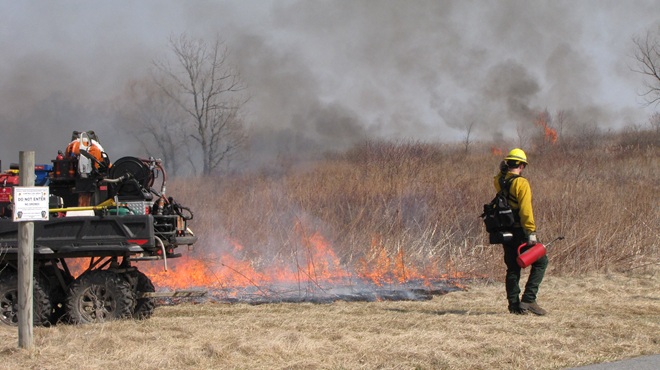
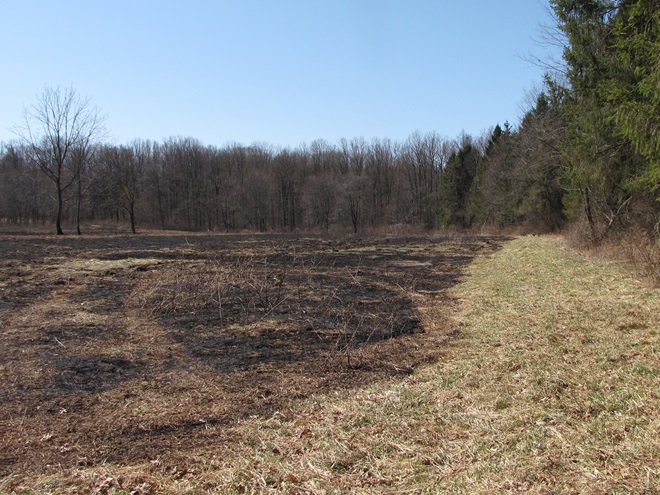
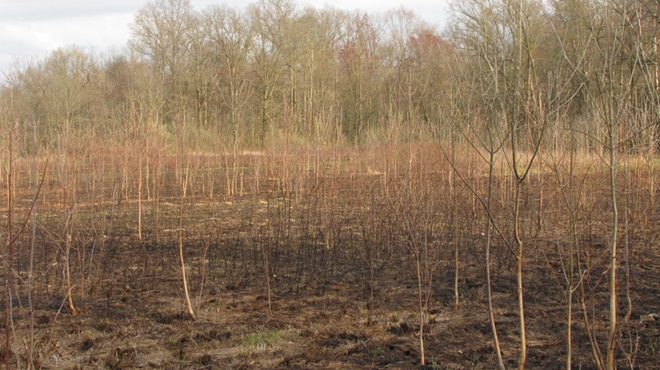
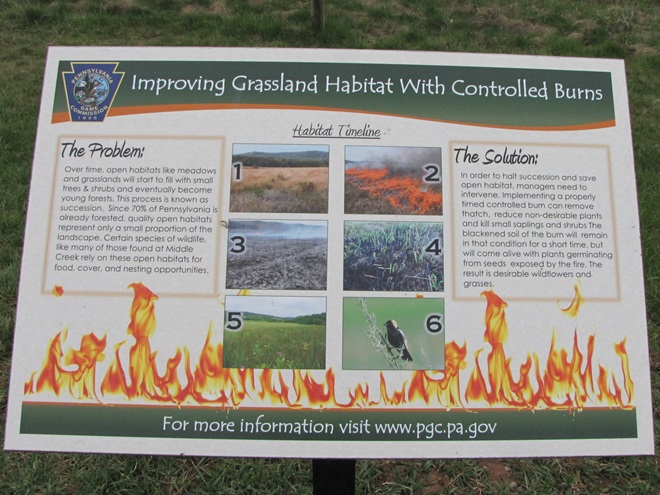
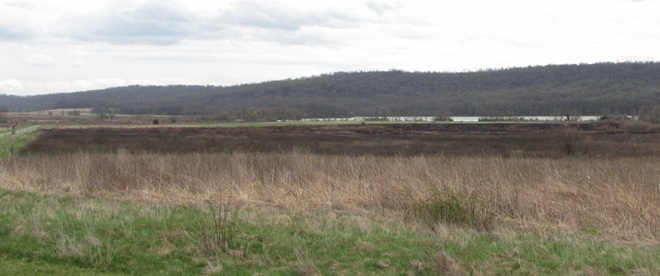
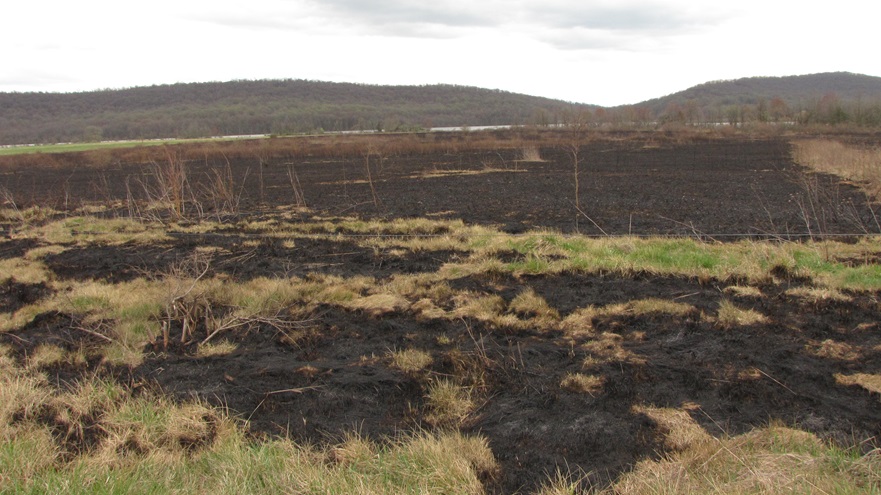
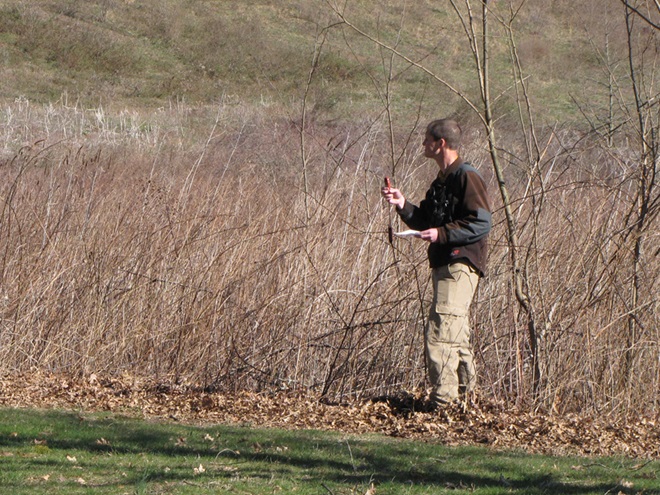
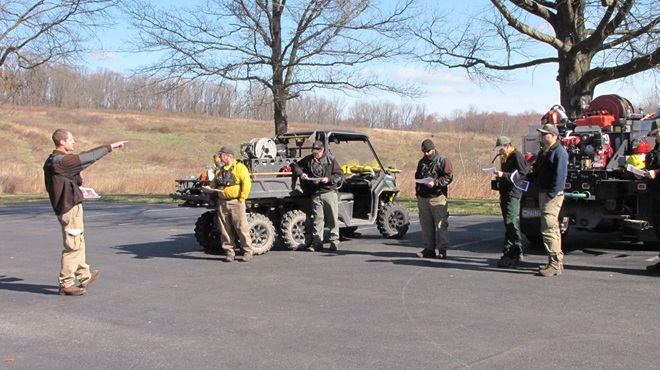
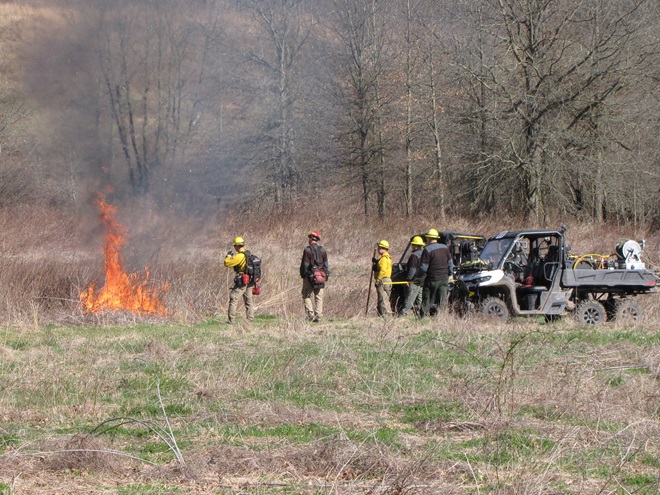
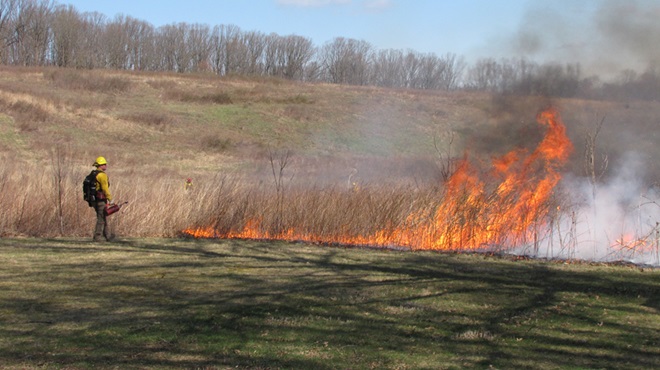
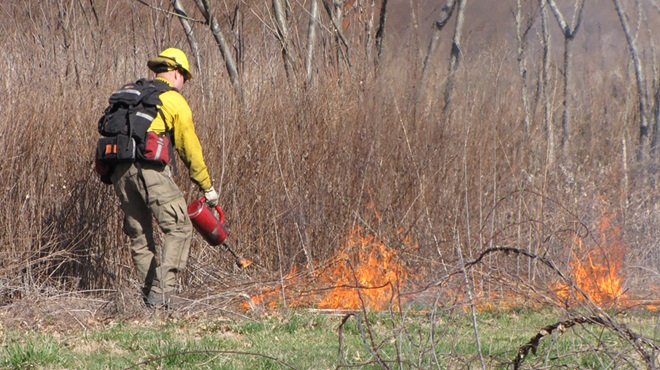
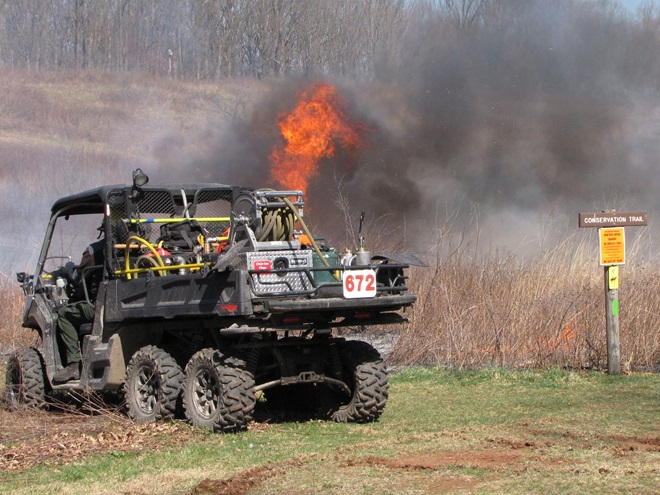
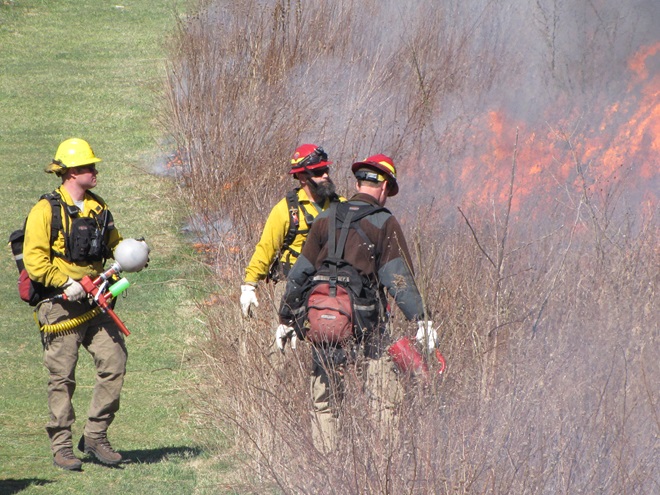
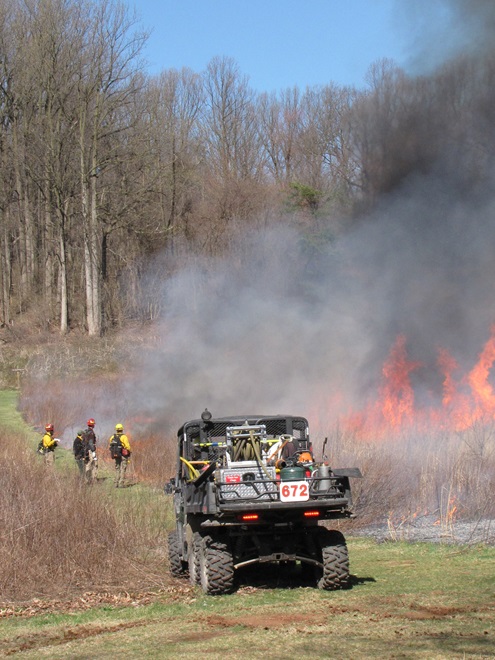
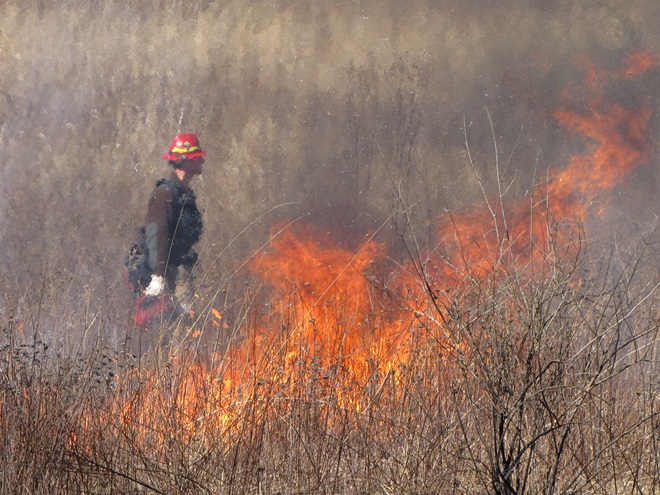
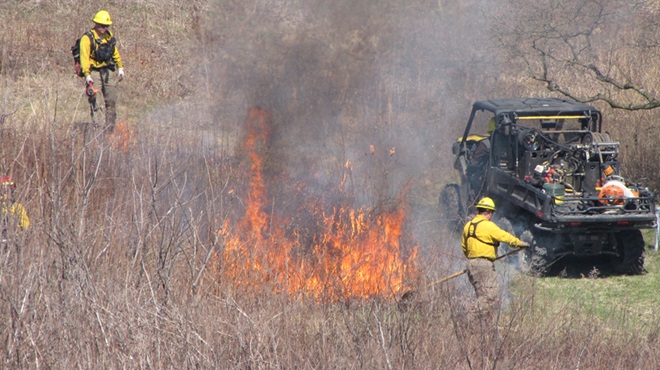
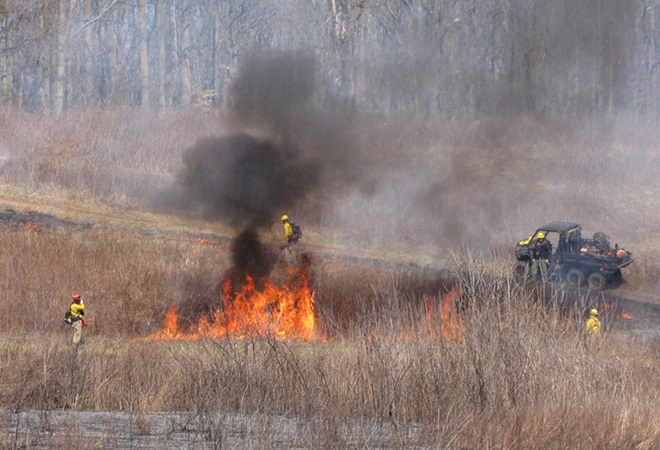
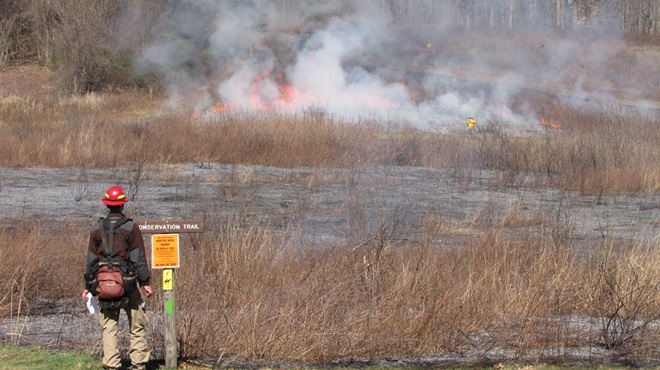
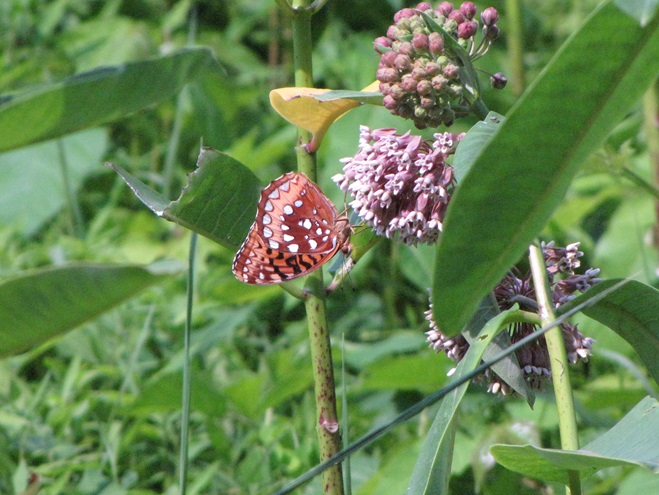
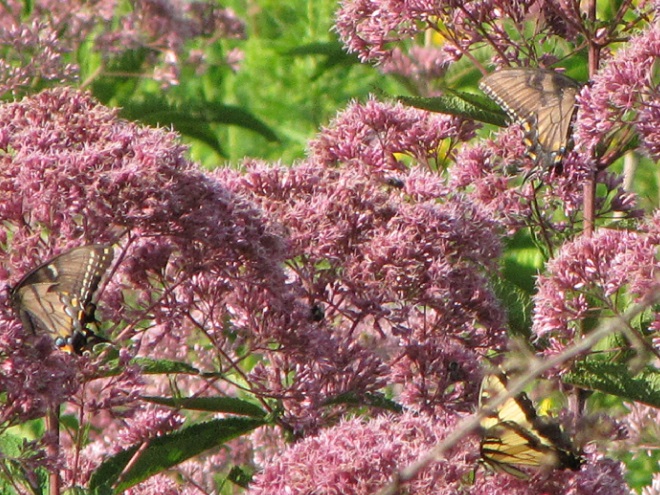
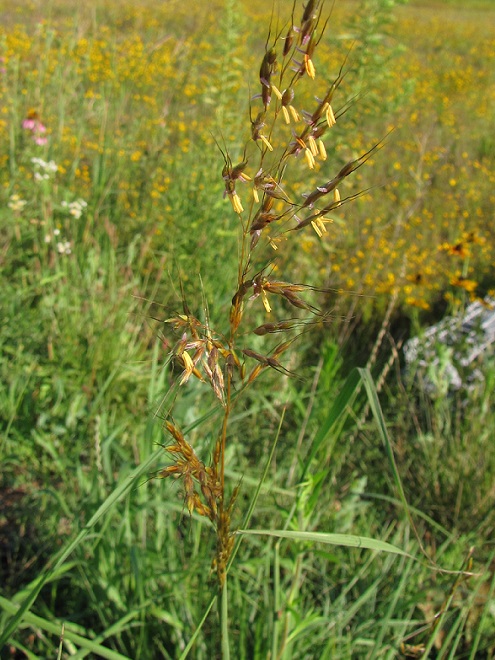
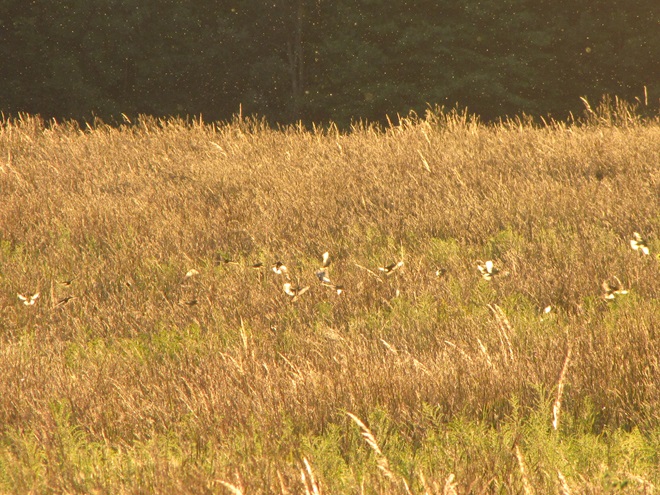
Members of a Pennsylvania Game Commission burn crew provide visitors to Middle Creek Wildlife Management Area with an overview of prescribed fire and the equipment and techniques they use to conduct a burn.Pennsylvania Game Commission Southeast Region Forester Andy Weaver will fulfill the role of Burn Boss for administering this day’s dose of fire. His responsibilities include assessing the weather before the burn and calculating a probability of ignition.The Burn Boss briefs personnel with information on site layout, water supply location(s), places of refuge, emergency procedures, the event’s goals and plan of action, crew assignments, and the results of the weather check: wind from the northwest at 5 miles per hour, temperature 48 degrees, and the relative humidity 63%. Today’s patient is a parcel of warm-season grasses receiving a dose of fire to eliminate invasive non-native plants, woody growth, and thatch. The probability of ignition is 20%, but improving by the minute.To begin the burn, a test fire is started in the downwind corner of the parcel, which also happens to be the bottom of the slope. Fuel ignition is good. The burn can proceed.Crews proceed uphill from the location of the test fire while igniting combustibles along both flanks of the area being treated.A drip torch is used to ignite the dried stems and leaves of warm-season grasses and wildflowers. Each member of the burn crew wears Nomex fire-resistant clothing and carries safety equipment including a two-way radio, a hydration pack, and a cocoon-like emergency fire shelter.An all-terrain vehicle equipped with various tools, a fire pump, hose, and a small water tank accompanies the crew on each flank of the fire.A mowed strip of cool-season grasses along the perimeter of the burn area is already green and functions as an ideal fire break. While the drip torch is perfect for lighting combustibles along the fire’s perimeter, the paintball gun-looking device is an effective tool used to lob incendiaries into the center areas of the burn zone for ignition.With green cool-season grasses already growing on the trails surrounding the burn zone, very little water was used to contain this prescribed fire. Where such convenient fire breaks don’t already exist, crews carry tools including chain saws, shovels, and leaf blowers to create their own. They also carry flame swatters, backpack water pumps, shovels, and other tools to extinguish fires if necessary. None of these items were needed to control this particular fire.This fast-burning fire provides enough heat to damage the cambium layer of the woody tree and shrub saplings in this parcel being maintained as a grassland/wildflower plot, thus the process of succession is forestalled. Burns conducted during previous years on this and adjacent fields have also controlled aggressive growth of invasive Multiflora Rose and Olives (Elaeagnus species).Crews proceed up the slope while maintaining the perimeter by igniting dry plant material along the flanks of the burn zone.Ignition complete, the crews monitor the fire.The Burn Boss surveys the final stages of a safe and successful prescribed fire. The fire has left behind a mosaic of burned and unburned areas, just as a naturally occurring event may have done. Wildlife dodging the flames may be taking refuge in the standing grasses, so there is no remedial attempt to go back and ignite these areas. They’ll be burned during prescribed fires in coming years.By June, this grassland will again be lush and green with warm-season grasses and blooming wildflowers like this Common Milkweed being visited by a Great Spangled Fritillary.And later in the summer, Eastern Tiger Swallowtails on Joe-pye Weed.Indiangrass in flower in mid-summer.Bobolinks glow in the late August sun while taking flight from a stand of warm-season grasses maintained using springtime prescribed fire. The small dots on the dark background at the top of the image are multitudes of flying insects, many of them pollinators. The vegetation is predominately Indiangrass, excellent winter cover for birds, mammals, and other wildlife.
Prescribed burns aren’t a cure-all for what ails a troubled forest or other ecosystem, but they can be an effective remedy for deficiencies caused by a lack of periodic episodes of naturally occurring fire. They are an important option for modern foresters, wildlife managers, and other conservationists.