No, this is not an account chronicling a British invasion, especially during the month we celebrate the country’s 250th anniversary of its separation from commonwealth rule. This is instead a short introduction to some of the numerous regional insects of the order Coleoptera.
Globally, there are somewhere between 300,000 and 2 million or more species of beetles, depending on who’s doing the enumerating. A commonly settled upon number is 400,000, which makes beetles account for about 40% of the known insect species and 25% of the animals in the world. In the United States, there are almost 30,000 species.
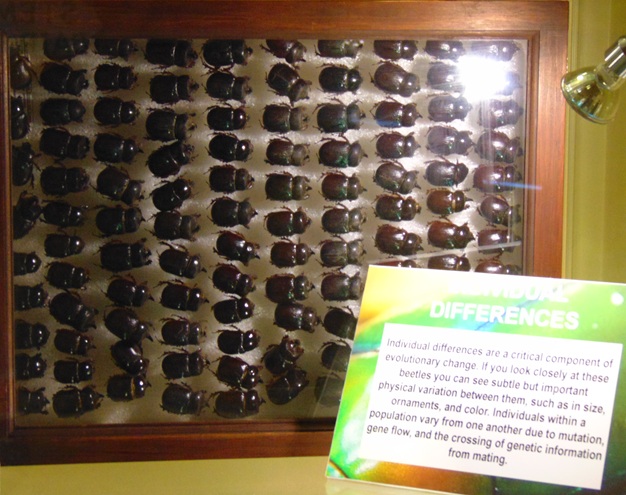
Morphological variation among individuals in a population of beetles is easily observed. These differences often manifest into adaptations that provide a survival advantage and speciation. It therefore comes as no surprise that beetles were among the life forms studied by Charles Darwin as he pondered natural selection and preparation of The Origin of Species.
During the nineteenth century, Professor Samuel Stehman Haldeman and other members of the Linnaean Society of Lancaster City and County made sizeable collections of beetles. Haldeman mentored society treasurer Simon S. Rathvon’s interest in the insects and he in turn curated the 12,000 beetles in the society’s holdings. The beetle case seen in the photograph is on display at the North Museum on the campus of Franklin and Marshall College in Lancaster. Many of the Linnaean Society of Lancaster City and County’s specimens were moved from the custody of the college to the museum upon its opening in 1953. (For more on the Lancaster Linnaeans, see our post from February 25, 2018, titled “A Century of Extinction” or, better yet, visit the North Museum.)
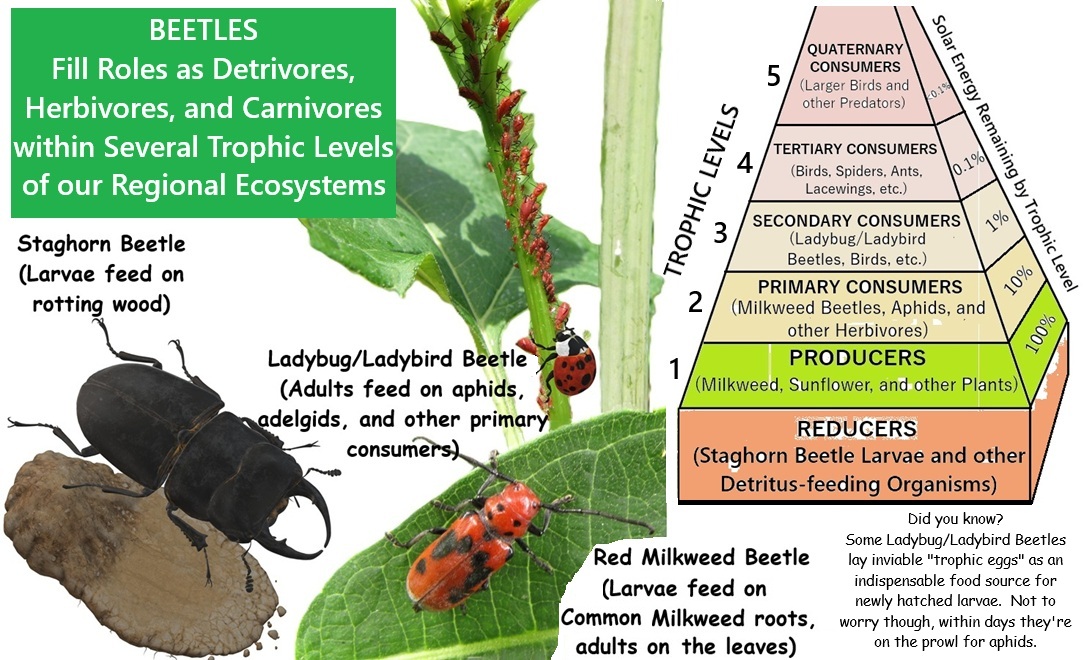
If it’s organic, living or dead, a beetle has probably become specially adapted to fill the role of reducing it or consuming it. Beetles are indispensable members of the ecosystems they inhabit. Many function as scavengers, breaking down dead plants or animals into the basic nutrients that renew life. There are those that consume rotting wood, dung, and carrion. Sometimes they eat these things when people would rather they didn’t—such as moist wood that’s part of a house. Then there are species of beetles that are herbivores, consuming parts of the plants that get their energy directly from the sun. There are beetles that eat stems, roots, leaves, buds, flowers, nectar, sap, seeds, and fruit—many specializing in particular plant species or families. Some of these herbivorous primary consumers come to our attention because their populations explode in response to our creation of monocultures of their favored food, but many more act as pollinators for plants critical to human survival. Linnaean Society treasurer Rathvon made these herbivore-plant relationships the focus of many of his nineteenth-century writings, particularly as they affected agriculture. On the upper trophic levels, there are the predatory beetles that feed on herbivores or other carnivores. Many of these species have narrowed their choice of prey to one or fewer species. For example, there is a beetle that feeds only on the subterranean nymphs of cicadas.
Beetles occupy numerous trophic levels within the food chain. Staghorn or stag beetle (Lucanidae) larvae are reducers that feed on rotting wood. Meanwhile the adults, which are sometimes attracted to man-made lights, consume sap. A herbivorous primary consumer, the Red Milkweed Beetle (Tetraopes tetrophthalmus), a member of the long-horned beetle family (Cerambycidae), feeds exclusively on Common Milkweed. Ladybird beetles (Coccinellidae), also known as ladybugs, are secondary consumers and favorites of gardeners due to their appetite for aphids throughout most of their lives. (Click the image for a larger version)
Ladies and gentlemen, the beetles…
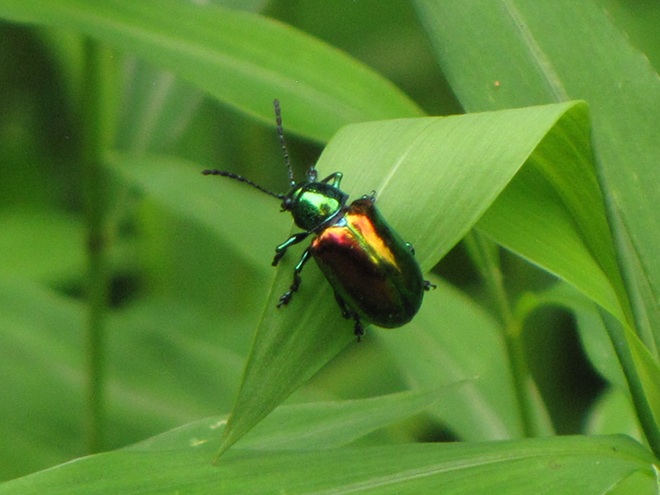
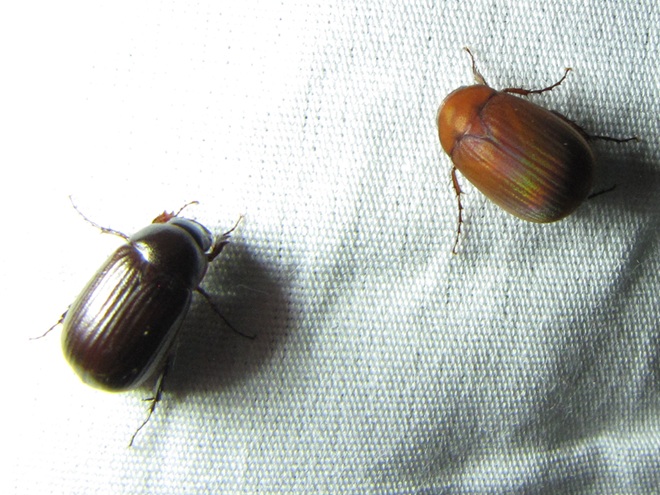
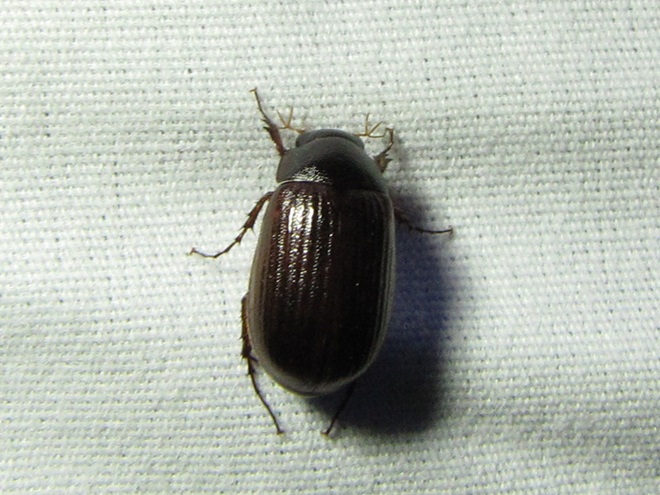
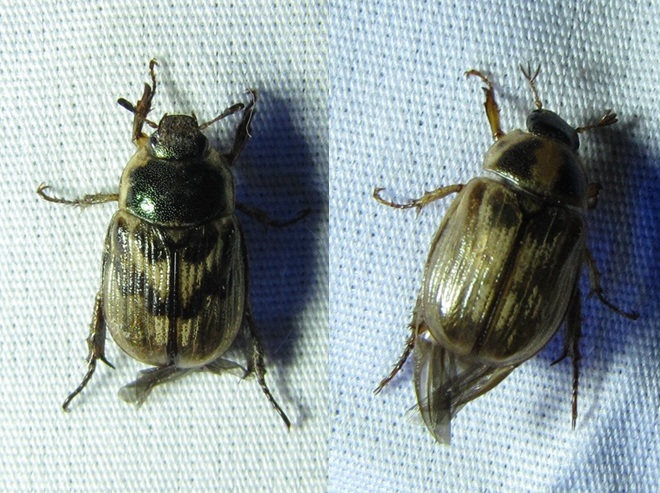
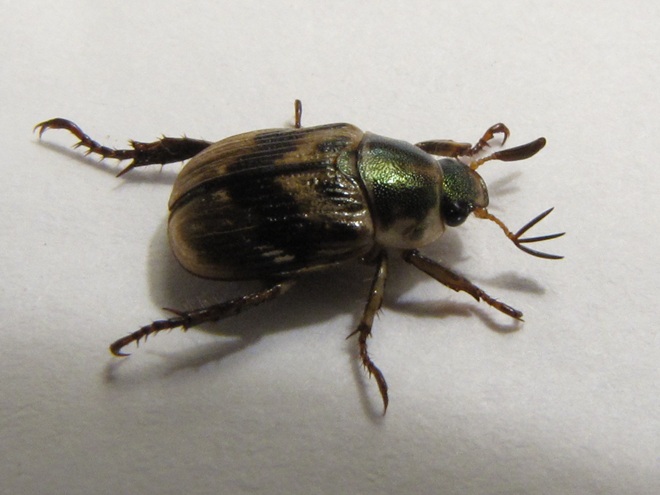
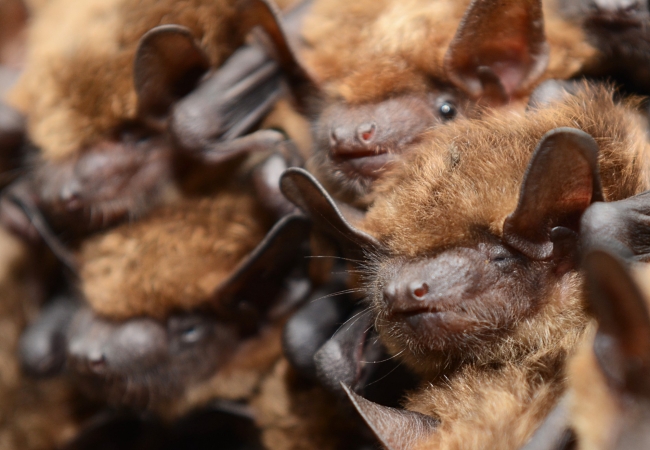
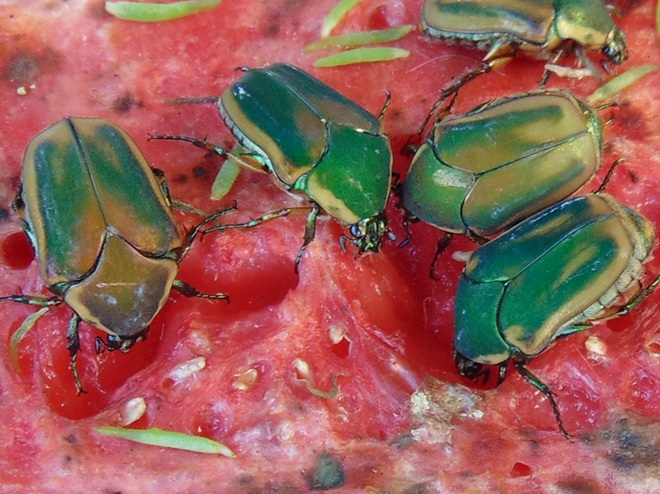
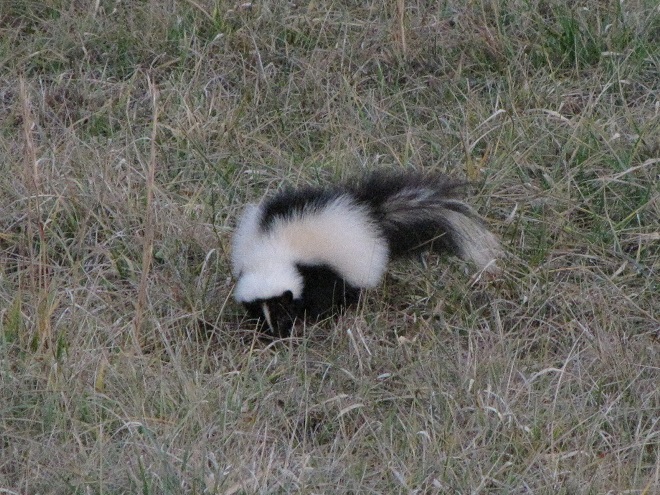
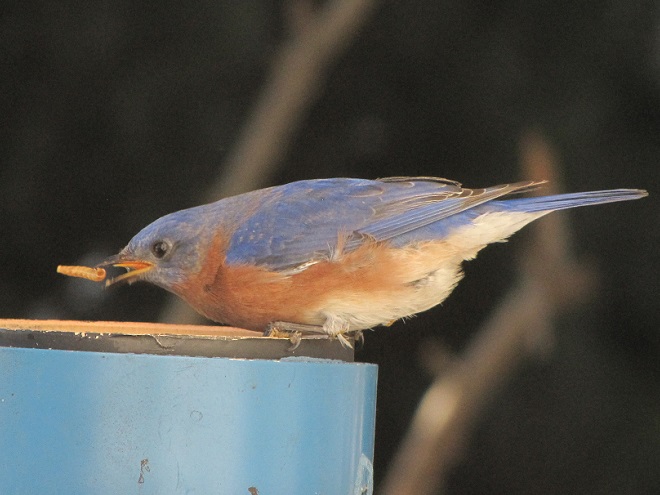
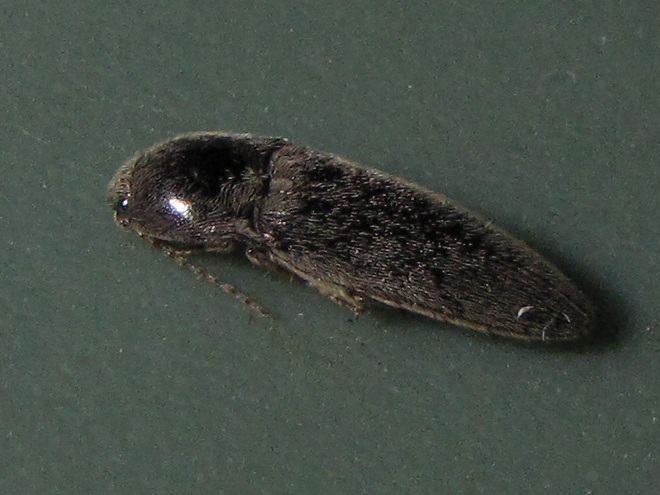
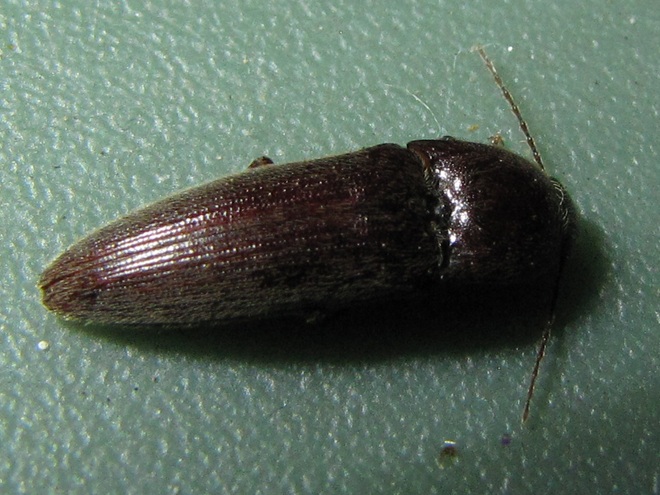
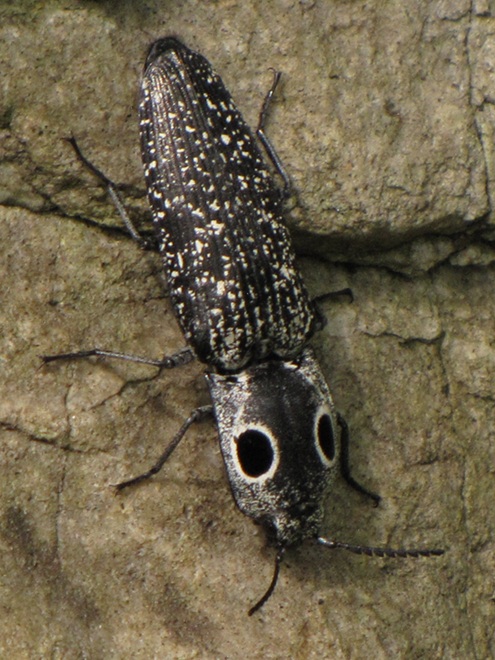
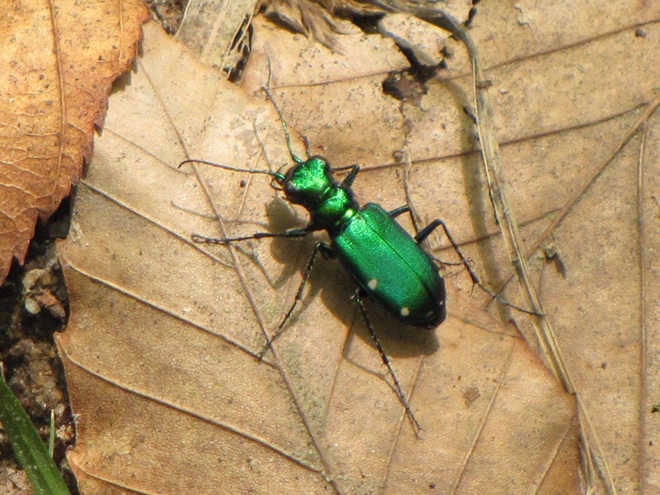
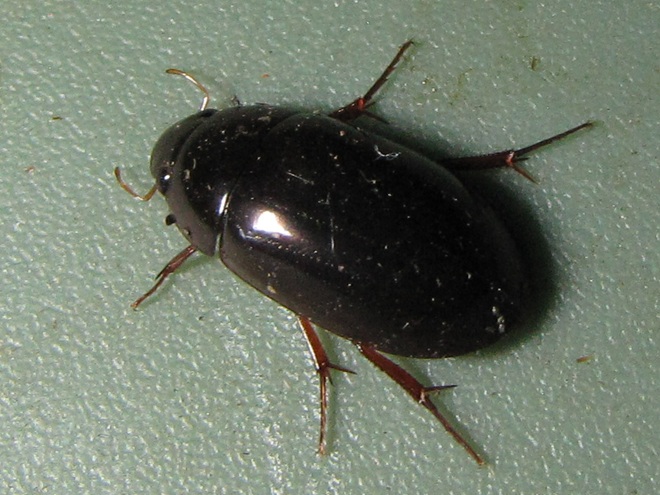
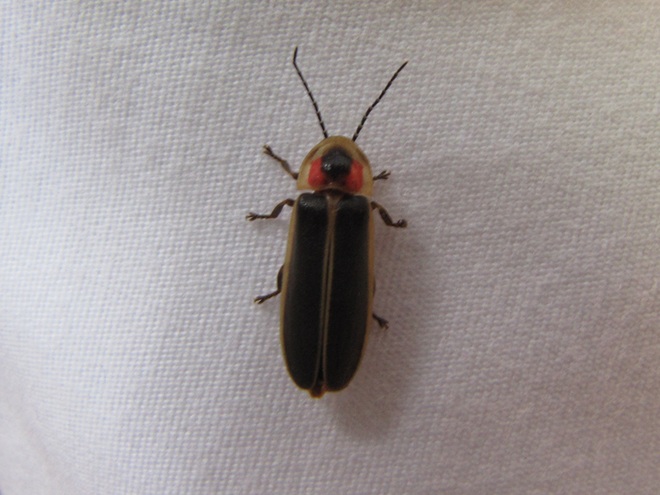
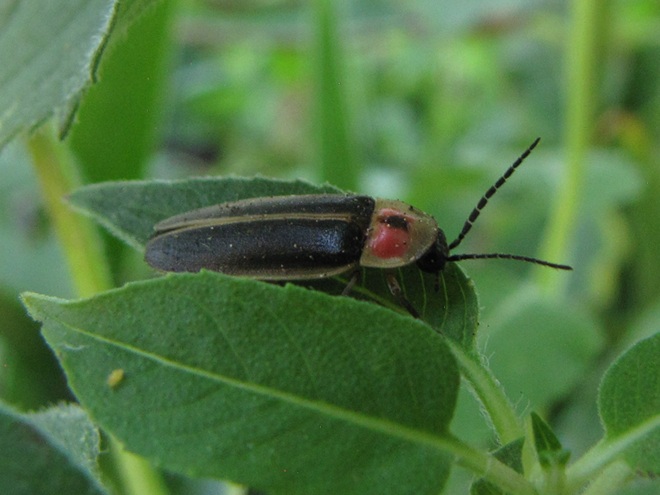
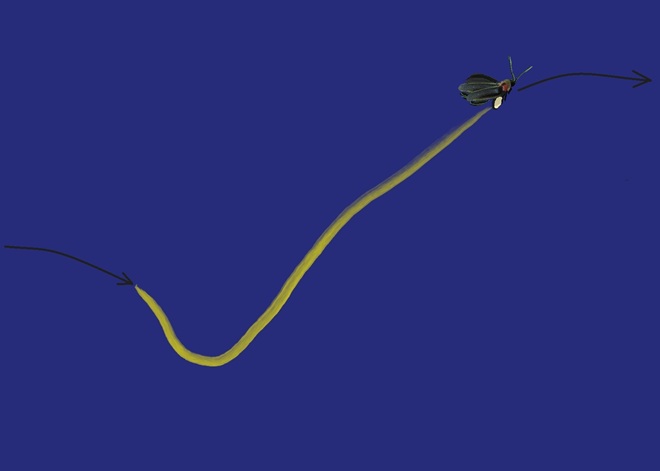
The Dogbane Beetle (Chrysochus auratus) is one of the leaf beetles (Chrysomelidae), a family which includes numerous agricultural pests. However, as its name suggests, this beetle feeds on dogbane (Apocynum species), a milkweed-like plant of woodland edges and early successional habitats, so it poses no threat to crops or ornamentals.The large family of scarab beetles (Scarabaeidae) includes dung beetles and other important detritus-feeding decomposers. The may beetles, also known as junebugs, seen here are probably of the genus Phyllophaga, but species-level identification typically requires lab examination.Adult may beetles feed on a variety of leaves throughout the night. The larvae consume the roots of grasses and other plants. Neither life stage does significant damage, but skunks have a passion for digging in lawns to find the larval grubs.Like the others shown in our images, these may beetles were photographed after being attracted to man-made lighting. They’re frequently very noisy when tumbling in for a visit because their soft wing membranes, seen here protruding from the beetles’ posteriors, often tangle with their elytra, the hardened pair of front wings that make up over half of their armor-like dorsal surface when closed.A more colorful may beetle, aka Junebug.Big Brown Bats are the only commonly encountered flying mammal remaining in the lower Susquehanna valley. To provide the nutrition and energy they need to raise young and store up reserves for hibernation, Big Brown Bats consume large quantities of night-flying scarab beetles (including Phyllophaga species) throughout the summer and fall. In addition, their survival relies in large part upon the availability of adequate summertime birthing roosts in places like warm attics. Later in the year, their needs shift to wintering sites in caves, mines, and quiet old cellars where they don’t need to share space with colonies infected by the fungus Pseudogymnoascus destructans, the pathogen that causes White-nose Syndrome (WNS), a fatal disease that has wiped out 95% of the bats in some hibernacula. (United States Fish and Wildlife Service image by Pete Pattavina)Adult Green June Beetles, also known as June Bugs, are often most evident in July. These diurnal herbivores normally consume fruit like this watermelon only after it begins rotting or has been damaged by some other animal. The larvae are mostly detrivores, specializing in consuming mold and humus, especially among the roots of plants that lie beneath layers of mulch or thatch. The grubs are preyed upon by skunks, birds, and moles.Skunks digging among grasses are often harvesting the larvae of many different species of scarab beetles.Mealworms are the commercially raised larvae of the Yellow Mealworm Beetle (Tenebrio molitor), a species of darkling beetle in the family Tenebrionidae. Perpetual pests in food storage, the grubs are now raised for research and as food for humans and insectivorous animals like this Eastern Bluebird supplementing its winter diet at our headquarters feeding station.Click beetles (Elateridae) have an articulating prothorax that snaps and propels the insect into the air as a protrusion resembling a spine “clicks” into a furrow on its ventral surface. These sudden launches can help the click beetle escape a potential predator.Like the previous individual, this click beetle was attracted to man-made light. The larvae consume small rootlets, seeds, and tubers in soil and among decaying organic matter.Another member of the click beetle family, the Eyed Elator (Alaus oculatus) mimics the head of a snake or other predator to avoid assuming the role of victim. The larvae feed among the stumps and roots of dead and dying forest trees consuming the larvae of wood-boring insects.The Six-spotted Tiger Beetle (Cicindela sexgutata) is a familiar sight on sun-dappled forest paths. It is a fast-running predator, consuming ants, spiders, and other small arthropods. The larvae ambush hunt from the entrance to their burrow, quickly snagging prey as it passes by.The aquatic larvae of the Giant Water Scavenger Beetle (Hydrophilus triangularis) are voracious predators consuming snails, other invertebrates, tadpoles, and even small fish. In some waters, they may contribute to the control of mosquitos. The adults are herbivores and scavengers. Some, like this one, are attracted to lights at night.Fireflies, also known as lightning bugs, are renowned for their ability to produce a flash of light to attract a mate on a warm summer evening. Both sexes of fireflies in the genus Photinus (seen here) produce pulses of yellow light through the chemical reaction known as bioluminescence. Their larvae feed mostly on earthworms. The genus Photuris includes the Pennsylvania Firefly (Photuris pennsylvanica), the keystone state’s official insect, but a beetle that is not particularly plentiful in the commonwealth. Photuris flashes are greenish in color and begin a bit later, usually after dark. Their larvae are scavengers, consuming fallen insects and fruits. A third genus, Pyractomena, flashes amber light. Its larvae consume snails and can be seen ascending vegetation above damp soil along the shorelines of quiet segments of the lower Susquehanna River at nightfall.Photinus pyralis, the Common Eastern Firefly, is the most widespread and numerous “lightning bug” in the Lower Susquehanna River Watershed. Want to see more fireflies around your place next summer? It’s easier then you might think. Just turn out the lights, skip the the lawn treatments, and let more space rewild to tall, mature grass and herbaceous growth, then watch the magic. The star-like twinkles of glowing beetles will be signaling, “I want to hold your hand,” throughout your private firefly refuge.Because the male Common Eastern Firefly dips downward then makes an upward swing while illuminating, the species is also known by the common name Big Dipper Firefly.
With autumn coming to a close, let’s have a look at some of the fascinating insects (and a spider) that put on a show during some mild afternoons in the late months of 2019.
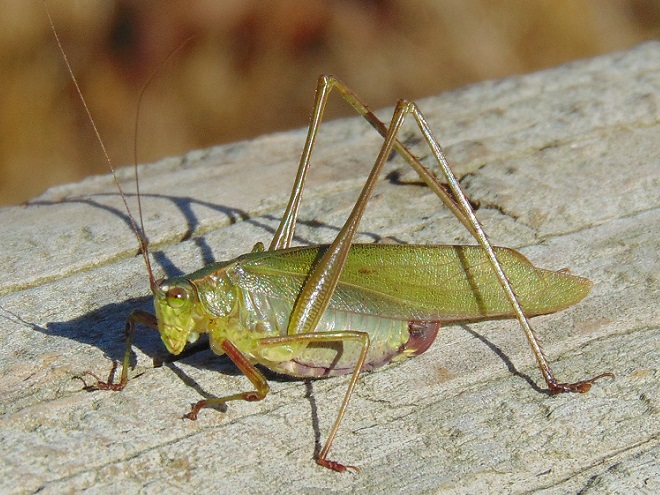
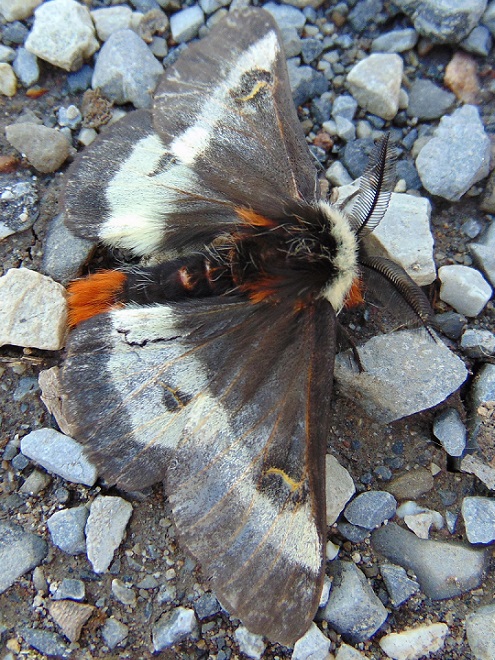
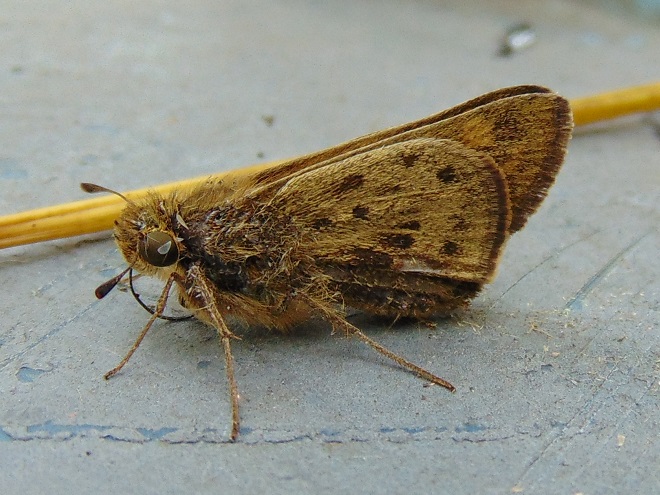
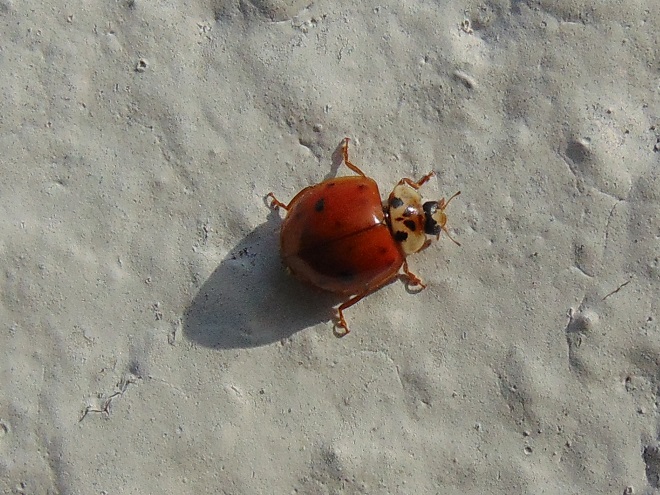
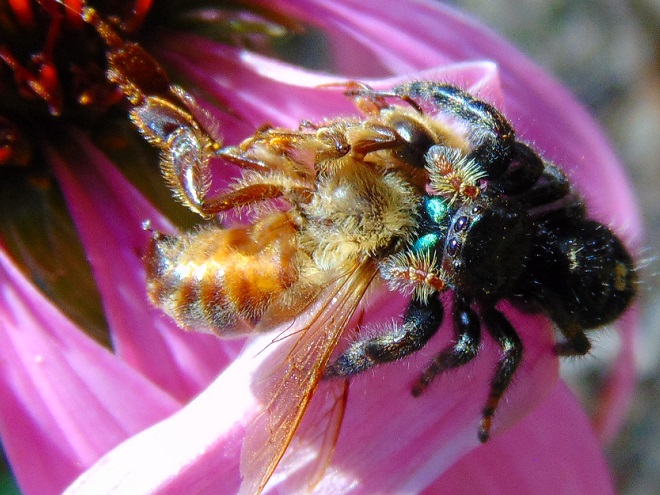
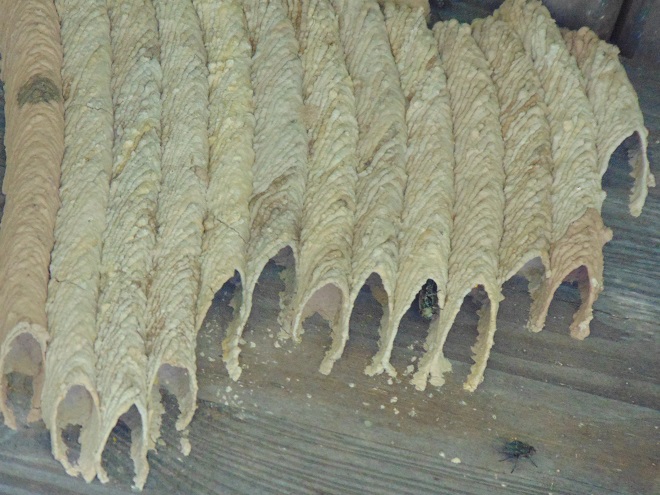
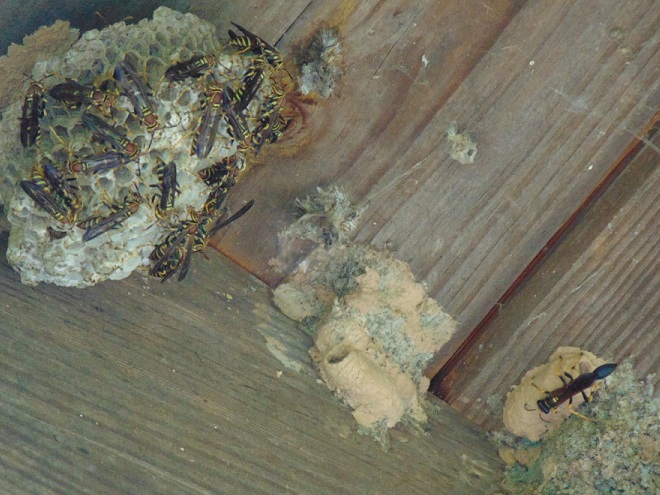
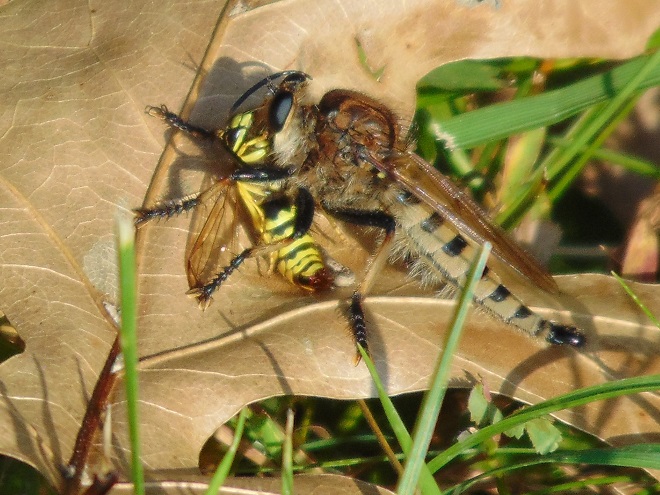
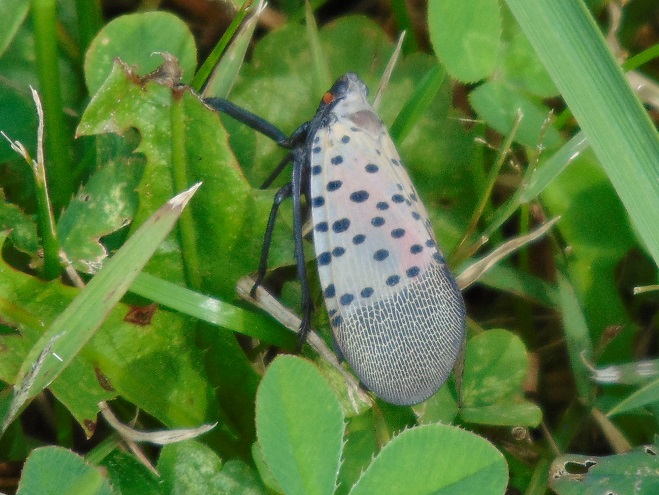
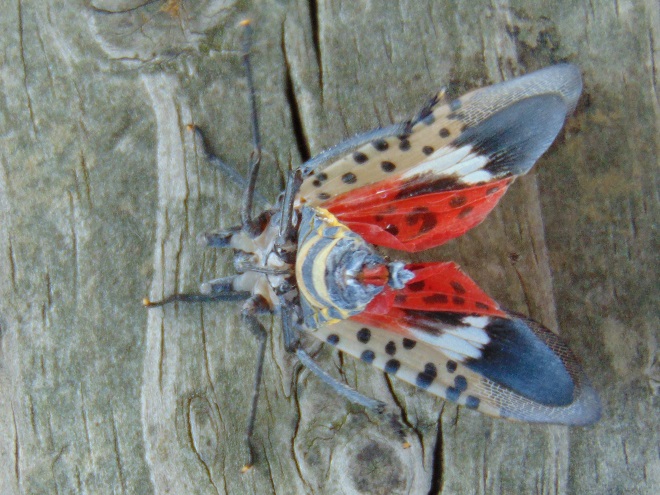
Bush Katydids (Scudderia species) are found in brushy habitats and along rural roadsides. Their green summer color fades to brown, maroon, and gold to match the autumn foliage where they hide. Bush katydids often remain active until a hard freeze finally does them in.The Eastern Buck Moth (Hemileuca maia) is fuzzy, appearing to wear a warm coat for its autumn expeditions. Adults emerge in October and may fly as late as December. Females deposit their eggs on the twigs of Bear Oak (Quercus ilicifolia), Blackjack Oak (Q. marilandica), or Chestnut Oak (Q. montana), trees that, in our region, seem most favorable for the moth’s use when growing on burned barrens and mountain slopes. The spiny caterpillars are known to feed only on the foliage of these few trees. In the lower Susquehanna valley, the Eastern Buck Moth is rare because its specialized habitat is in short supply, and it’s all Smokey The Bear’s fault.The Sachem (Atalopedes campestris) wanders north from the Atlantic Coastal Plain into the Susquehanna valley each summer. In some years they become the most numerous small orange butterfly of all, particularly around home gardens. The larvae will feed on Crabgrass (Digitaria species), but have not found success overwintering this far north. By November, adults begin to look pretty drab.From 1978 through 1982, the Asian Multicolored Lady Beetle (Harmonia axyridis) was introduced into the eastern states by the United States Department of Agriculture. It has become a nuisance in many areas where it swarms, sometimes bites, and often overwinters in large smelly masses within homes and other warm buildings. As you may have guessed, it’s possibly displacing some of the less aggressive native lady beetle species.On a chilly afternoon, a sun-warmed Bold Jumping Spider (Phidippus audax) pounced and dispatched this sluggish worker Honey Bee (Apis mellifera) that was trying to gather pollen from a late-season Purple Coneflower bloom. This spider is bold indeed.Under bridges, inside bird nest boxes, and sometimes beneath porches, the female Pipe Organ Mud Dauber (Trypoxylon politum), a predatory wasp, builds these elaborate nests composed of long rows (pipes) of nursery cells. Into each cell one or more paralyzed spiders is deposited along with one of the female’s eggs. When hatched, each larva will feed upon the paralyzed spider(s) inside its cell, then pupate. The pupae overwinter, then emerge from their cells as adults during the following spring. In the autumn, males often stand guard at an entrance to the nest to prevent parasitic species, including some flies (look at the fifth pipe from the right), from laying eggs on the pupae. These wasps are not aggressive toward humans.A Black-and-yellow Mud Dauber (Sceliphron caementarium) observes a neighboring nest of Common Paper Wasps (Polistes exclamans). The Common Paper Wasp, a species also known as the Guinea Paper Wasp, is a native of the southern United States. It is currently expanding its range into the lower Susquehanna valley from the Atlantic Coastal Plain. These two wasp species and the Pipe Organ Mud Dauber are known to regularly coexist. All three will take advantage of man-made structures for their nest sites. People using the picnic tables beneath this pavilion roof never noticed the hundreds of docile wasps above.Those moody Eastern Yellowjackets (Vespula maculifrons) can get very temperamental during warm autumn days. These wasps may appear to have no enemies, but away from areas impacted by man’s everyday activities, they do. The Robber Fly (Promachus species) hunts like a flycatcher or other woodland bird, waiting on a perch along the forest’s edge for prey to pass by, then ambushing it, yellowjackets included.The invasive Spotted Lanternfly, a native of eastern Asia, continues to spread destruction. It established itself throughout much of the east side of the lower Susquehanna River during the summer and fall of 2019. Their route of travel across the farmlands of the region intersects with plenty of vineyards to obliterate and few, if any, natural enemies. Expect them to begin colonizing the west shore en masse during 2020.In 2020, plan to roll a few Spotted Lanternflies over, enjoy the view, and wait for the crimson tide to pass. With any luck, they’ll peak in a year or two.
SOURCES
Eaton, Eric R., and Kenn Kaufman. 2007. Kaufman Field Guide to Insects of North America. Houghton Mifflin Company. New York, NY.