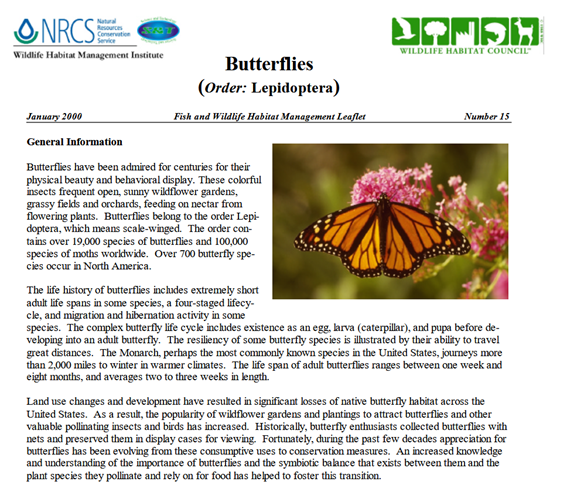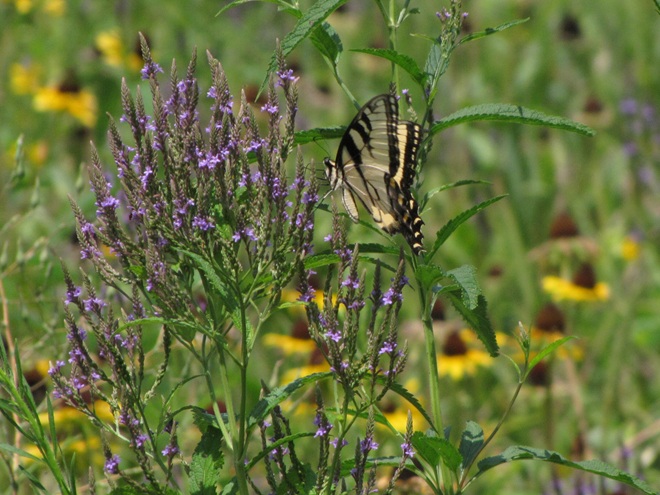
Uncle Tyler Dyer wants to know, “What happened to all the butterflies. Man, I’m worried. I’m seeing just one or two of the common species, but not in anywhere near the numbers we usually see by this time of year.” His question is a rhetorical one. He understands the contributing factors that have conspired to diminish, fragment, and even eliminate populations of butterflies and other insects throughout much of the lower Susquehanna valley.
Here at susquehannawildlife.net headquarters, we’ve observed but four or five species this year, and only several individuals of each. Despite our efforts to devote every square inch of available space in our gardens and pools to plants that benefit butterflies and other insects, we can only do so much. Much like other areas of the region, our compact parcel is surrounded by more and more pavement, manicured lawn, and properties planted with commercially produced ornamentals cultivated to look good, grow fast, and not attract “insect pests”. To butterflies, the land beyond our little border is a desert.
Among human habitations where there may sometimes be an effort to provide nectar for pollinators including adult butterflies, the surrounding landscape still remains largely composed mostly of asphalt, cement, mowed turf, and tanbark-covered ground that offers few if any host plants for butterfly eggs and caterpillars, and no winter cover for our resident species. In the farmlands, herbicide-tolerant crops treated with systemic insecticides are grown on ground sterilized against the emergence of any potential butterfly host species—no mustards, milkweeds, native grasses, violets, or indigenous legumes. Just look at that barren ag ground in January, no butterfly survives there.
Application of herbicides and insecticides is more widespread than you might think. Few plots of ground in proximity to human activity experience a year without use of at least one dose of a pesticide. Along the highway, in the field, on the lawn, in the trees, across the forest, in the soil, on the water, around the garden, about the house—it’s pure poison to insects and/or their host plants and they don’t survive it.
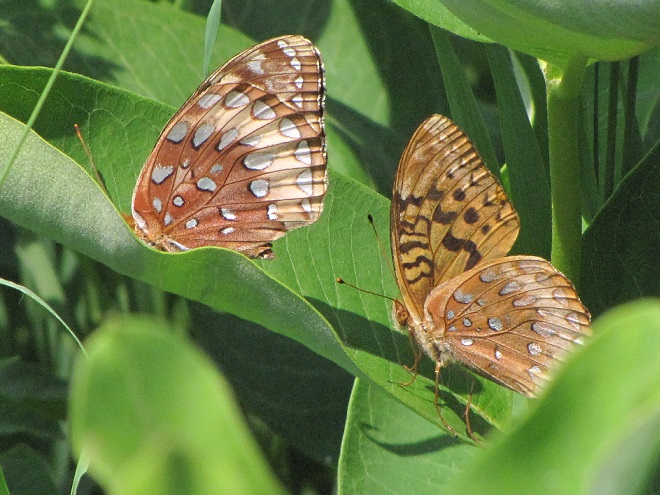
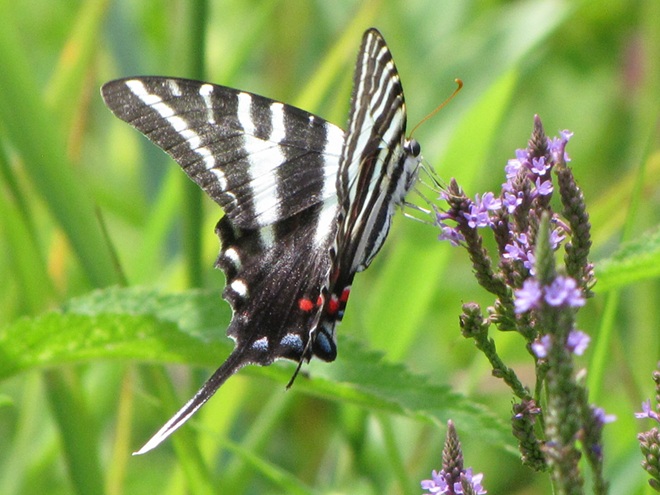
Here at susquehannawildlife.net headquarters, our most common butterfly this summer has been the Monarch. Considering the numeric loses this species has experienced in recent years, its good news for the Monarchs but not so great news for the butterflies we typically see in good numbers and have not.
While their wintering habitat in Mexico faces potentially catastrophic loses due to clandestine logging and other criminal activity, Monarchs do have an advantage once they come north to breed. While other butterflies mate and deposit eggs close to where they themselves were hatched and completed their metamorphosis into adults, each in the succession of each year’s several generations of Monarchs will roam widely in search of suitable stands of milkweed upon which they can lay their eggs.
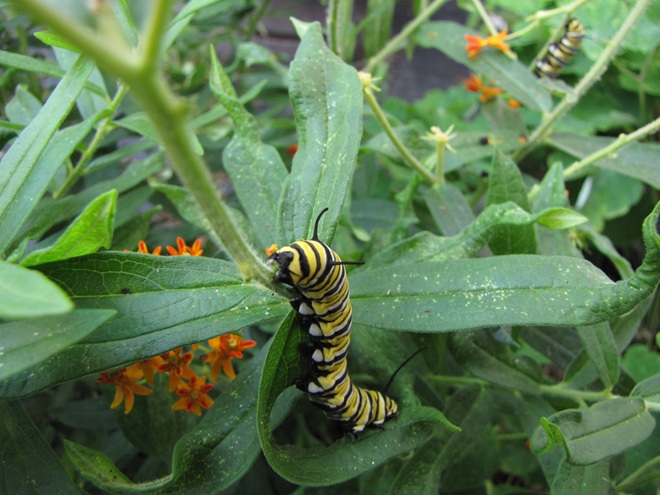
Other than in the few scattered places where habitat is managed for them, butterflies and other insects don’t fare well in proximity to human activity. This is especially true in the Lower Susquehanna River Watershed where an already neat and tidy culture has become obsessed with a cleared landscape and thus compulsively sprays, mows, whacks, and cuts away at the habitat critical to the survival of hundreds, maybe thousands, of species of these indispensable invertebrates. Take a walk or a drive and look around. Other than a hanging basket of flowers that may or may not have been treated with poisonous neonicotinoids, there’s no place for a butterfly, let alone its progeny, to survive. Just listen…that motorized, grinding racket outside is the sound of butterfly habitat being destroyed, April through November, day after day, year after year.
As for Uncle Ty, he’s putting in a little more effort. Scattered sanctuaries for butterflies aren’t going to save them from the wholesale fragmentation of their habitat that has been intensifying in recent years. Less than 1% of landowners actually rewild property or manage at the ecosystem level, so more must get involved. Uncle Ty asked us to pass along this guide to Butterfly Habitat Management from the United States Department of Agriculture’s Natural Resources Conservation Service. He’s used tips from the publication for years and highly recommends the list of host plants it includes.