
LIFE IN THE LOWER SUSQUEHANNA RIVER WATERSHED
A Natural History of Conewago Falls—The Waters of Three Mile Island
Have you noticed a purple haze across the fields right now? If so, you may have wondered, “What kind of flowers are they?”
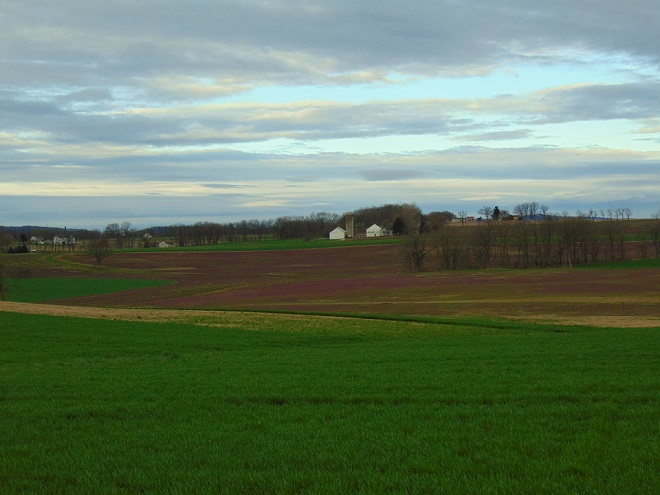
Say hello to Purple Dead Nettle (Lamium purpureum), a non-native invasive species that has increased its prevalence in recent years by finding an improved niche in no-till cropland. Purple Dead Nettle, also known as Red Dead Nettle, is native to Asia and Europe. It has been a familiar early spring “weed” in gardens, along roadsides, and in other disturbed ground for decades.
Purple Dead Nettle owes its new-found success to the timing of its compressed growing season. Its tiny seeds germinate during the fall and winter, after crops have been harvested and herbicide application has ended for the season. The plants flower early in the spring and are thus particularly attractive to Honey Bees and other pollinators looking for a source of energy-rich nectar as they ramp up activity after winter lock down. In many cases, Purple Dead Nettle has already completed its flowering cycle and produced seeds before there is any activity in the field to prepare for planting the summer crop. The seeds spend the warmer months in dormancy, avoiding the hazards of modern cultivation that expel most other species of native and non-native plants from the agricultural landscape.
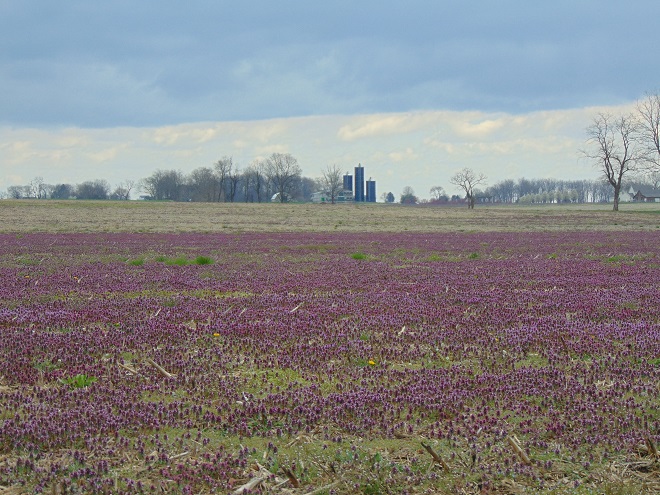
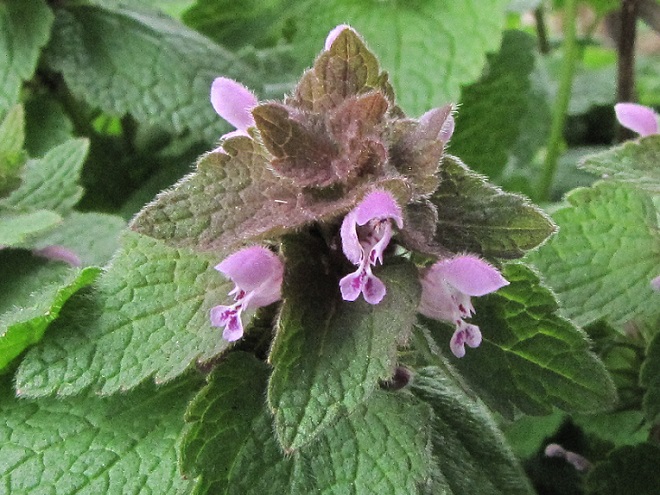
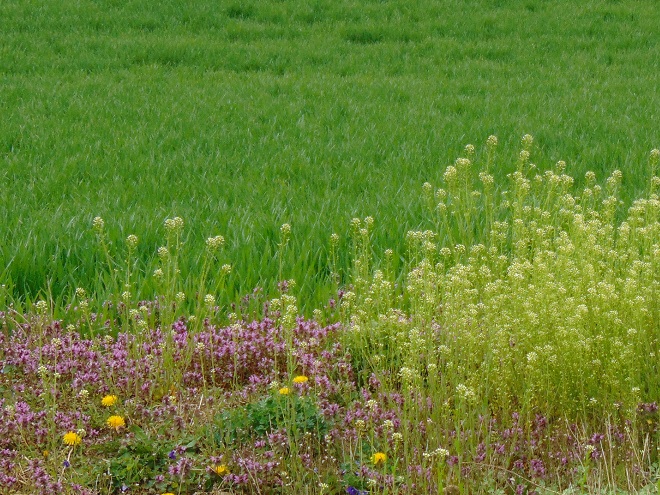
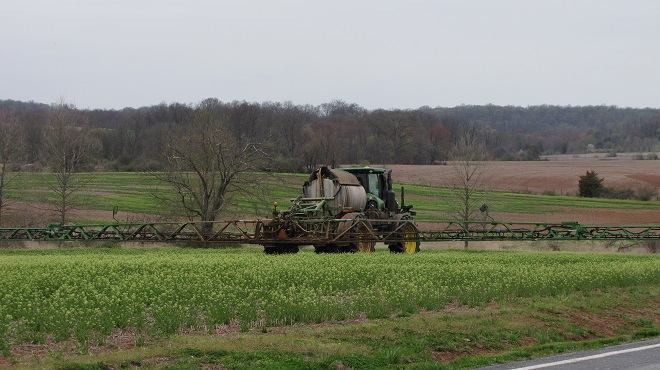
While modern farming has eliminated a majority of native plant and animal species from agricultural lands of the lower Susquehanna valley, its crop management practices have simultaneously invited vigorous invasion by a select few non-native species. High-intensity farming devotes its acreage to providing food for a growing population of people—not to providing wildlife habitat. That’s why it’s so important to minimize our impact on non-farm lands throughout the remainder of the watershed. If we continue subdividing, paving, and mowing more and more space, we’ll eventually be living in a polluted semi-arid landscape populated by little else but non-native invasive plants and animals. We can certainly do better than that.
Rising prices, an exhausted workforce, political polarization, and pandemic fatigue—times are tough. Product shortages have the consumer culture in a near panic. Some say the future just isn’t what it used to be.
Well, Uncle Tyler Dyer reminds us that things could be worse. He shares with us this observation, “Man, as long as people are spending money poisoning the weeds on their lawns instead of eating them, things aren’t that bad.”
Uncle Ty is particularly fond of the Common Dandelion (Taraxacum officinale), “Check it out. Roasted dandelion roots can make a coffee substitute, the blossoms a wine, and the leaves used to create my favorites, nutrient-dense salads or green vegetable dishes.”
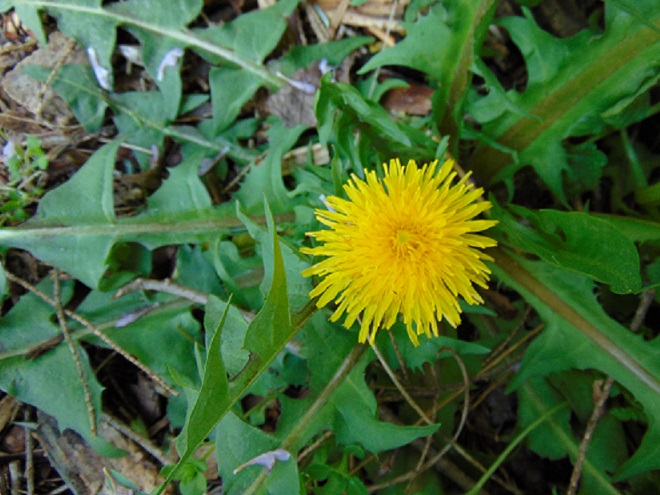

So have a homegrown salad and remember, maybe things aren’t that bad after all.