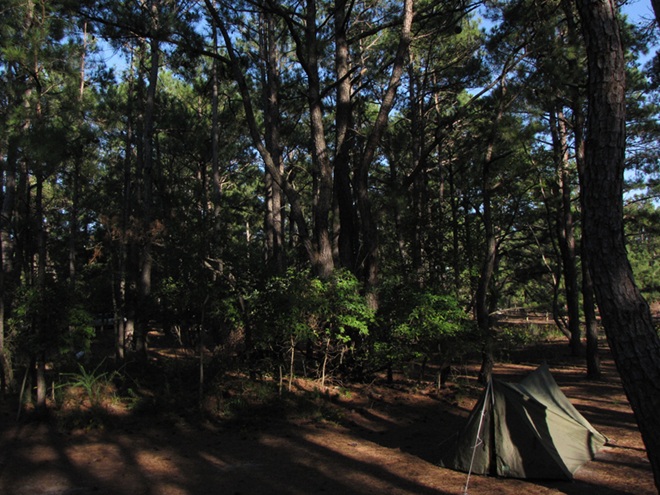
During the past week, we’ve been on a road trip seeking to score a hat trick—records of three particular species of flying creatures best found in our vicinity on the Atlantic Coastal Plain of the Delmarva Peninsula. Our excursion led us to the seaside environs of Cape Henlopen State Park at the mouth of Delaware Bay.
So just what were these three species we so eagerly sought?
Were they the three gulls we found scavenging the beaches and marshes for the remains of some expired mollusk, crustacean, or fish?
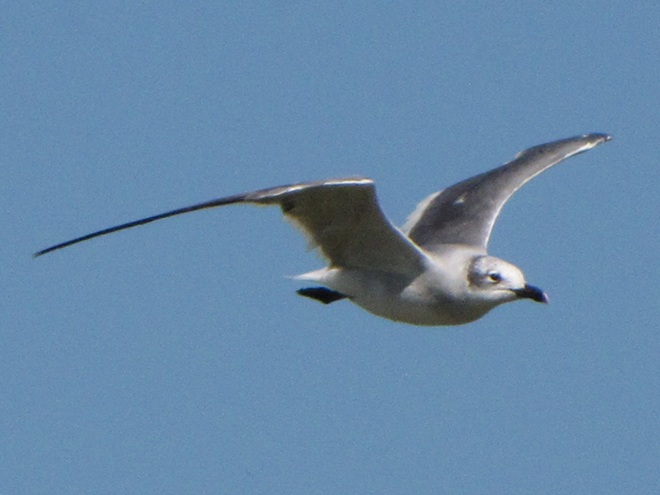
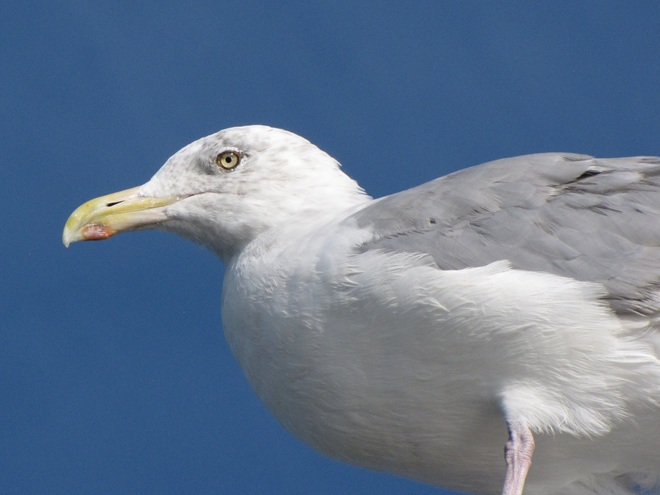
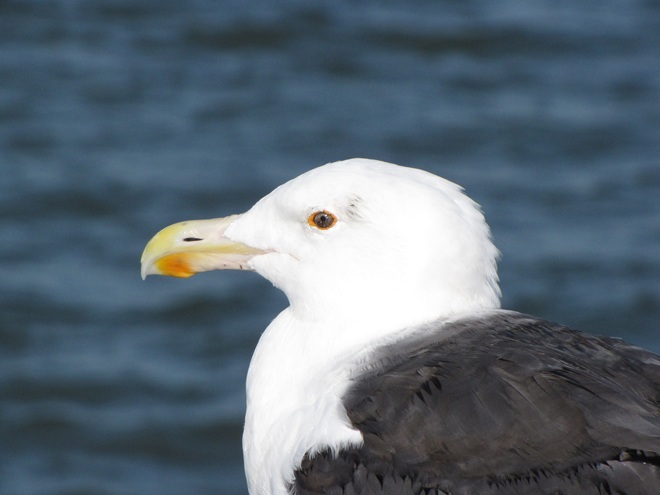
Always fun to watch, but no, they weren’t the reason for our visit.
How about the four heron and egret species observed in the tidal marsh and at the park’s Gordon’s Pond; that’s even better than a hat trick, right?
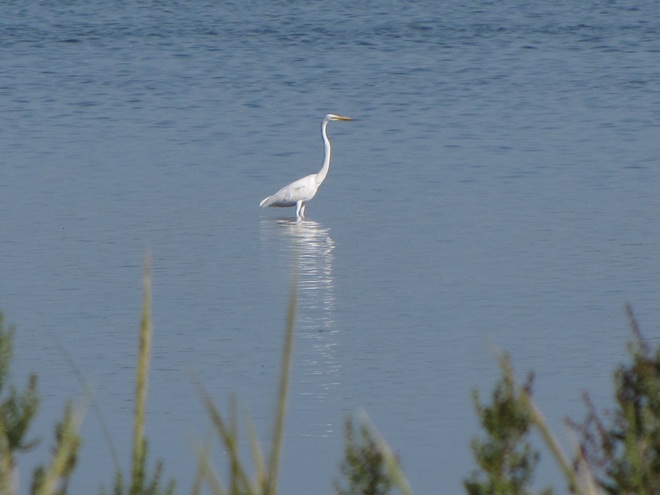
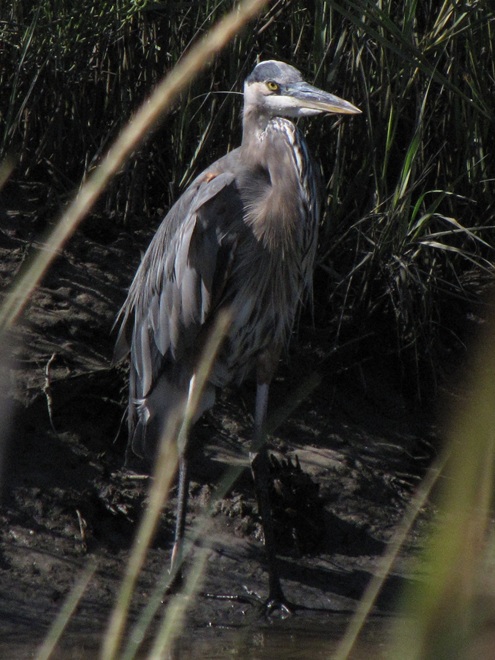
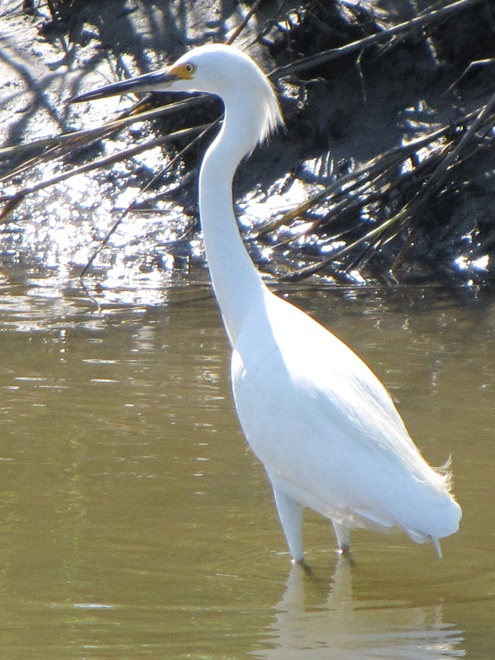
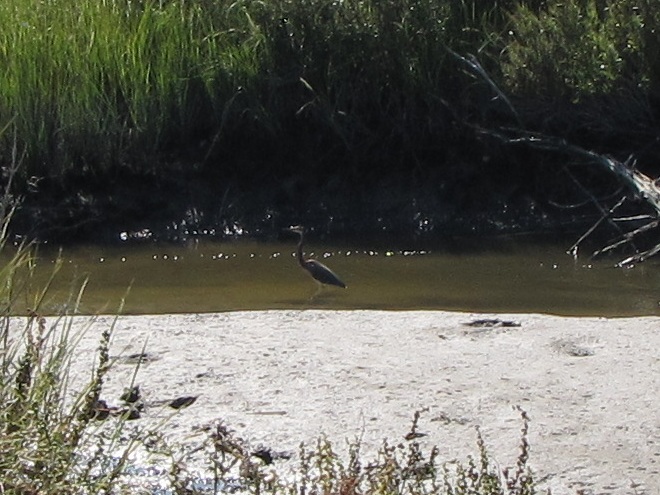
Not bad, but nope, it wasn’t the herons and egrets.
Well, then it must be the shorebirds; yeah, it has got to be the shorebirds?
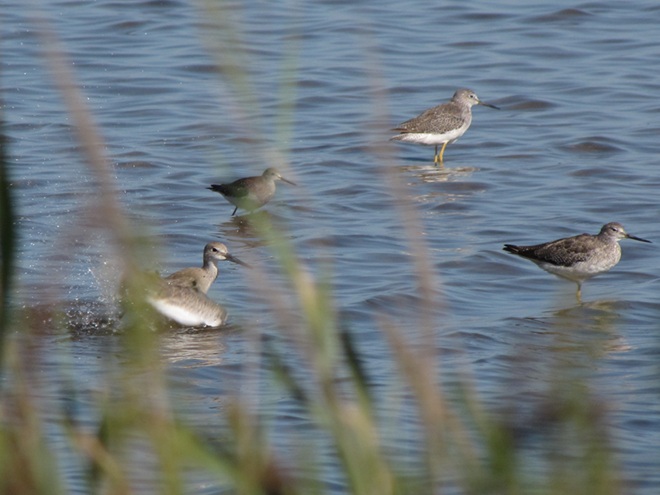
Very nice, but it wasn’t the shorebirds either.
What about the three appearances of the Clapper Rail in the tidal marsh?
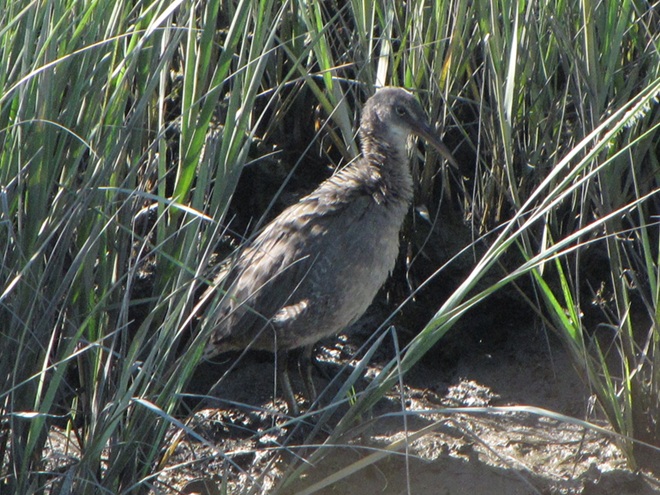
Now we’re reaching. No, it wasn’t the Clapper Rail’s numerous appearances.
The term “hat trick” has its origins in the game of cricket. A hurler upon retiring three batsmen with three consecutive balls was gifted a new hat. The three species we were seeking are, coincidentally, related to the insects called crickets. Our true goal was to track down the three species of annual cicadas known to emerge, sing, and breed during the late summer on the Atlantic Coastal Plain. None of these species are known to breed in the lower Susquehanna valley, but all are potential vagrants. We were quite fortunate to find all three singing in the vicinity of our temporary susquehannawildlife.net headquarters. During our numerous forays in the area, we were able to make sound recordings of each, and obtained photographs of two. It was an audio hat trick of sorts.
The Northern Dusk-singing Cicada (Megatibicen grossus), a species of southern oak forests…
The Coastal Scissor Grinder (Neotibicen latifasciatus), a species of subclimax maritime forests…
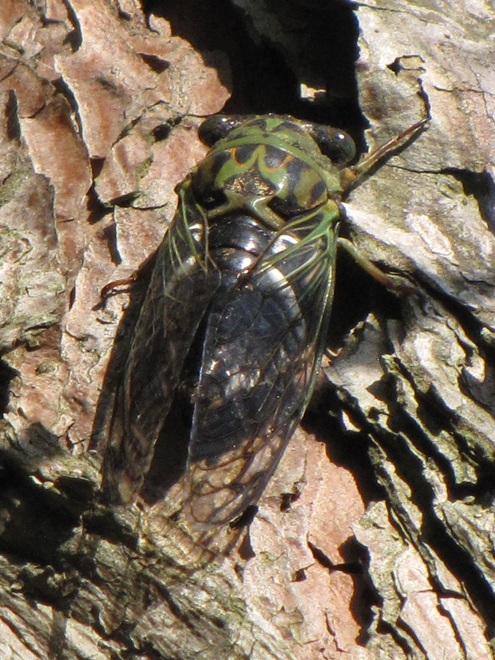
Davis’ Southeastern Dog-day Cicada (Neotibicen davisi), a species of long-needle pine forests…
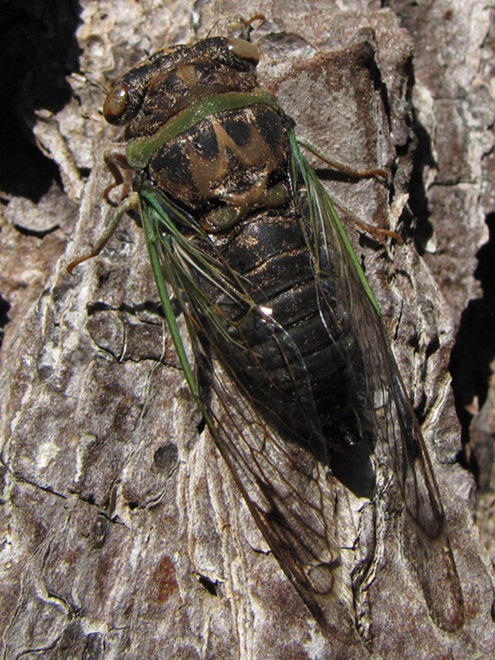
To learn more about these and other regional cicadas, be certain to visit our cicadas page by clicking the “Cicadas” tab at the top of this page. Once there, you’ll now find sound recordings of thirteen species of periodical and annual cicadas regularly found in the Lower Susquehanna River Watershed or adjacent portions of the Atlantic Coastal Plain including Delmarva. Take a listen.