A Natural History of Conewago Falls—The Waters of Three Mile Island
Trees, Shrubs, and Woody Vines
WELCOME TO
BETTER KNOWN AS…
UNCLE TYLER’S COLLECTION of LEAVES
from
Native and Naturalized Trees
and
Selected Woody Vines and Shrubs
of the Lower Susquehanna River Watershed
NATIONAL WETLAND PLANT LIST INDICATOR RATING DEFINITIONS
OBL (Obligate Wetland Plants)—Almost always occur in wetlands.
FACW (Facultative Wetland Plants)—Usually occur in wetlands, but may occur in non-wetlands.
FAC (Facultative Wetland Plants)—Occur in wetlands and non-wetlands.
FACU (Facultative Upland Plants)—Usually occur in non-wetlands, but may occur in wetlands.
UPL (Upland Plants)—Almost never occur in wetlands.
GINKGOACEAE
Ginkgo Family
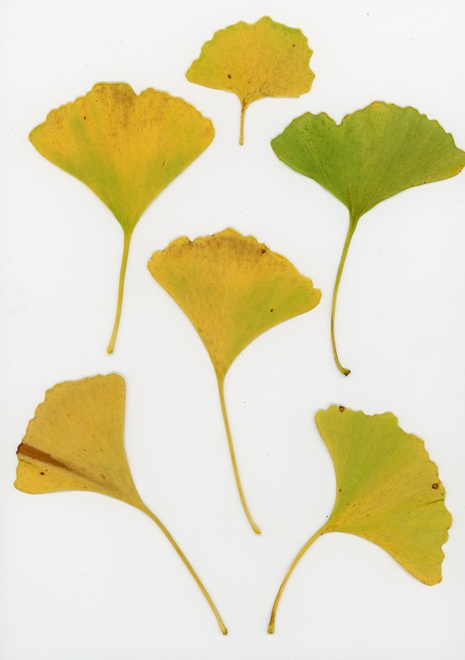
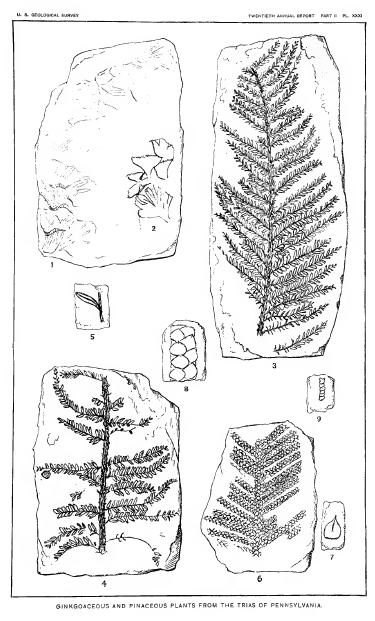
Ginkgo (Ginkgo biloba), also known as the Maidenhair Tree, is a long-lived, disease-resistant NATIVE TRANSPLANT. Ginkgo biloba isthe sole surviving member of the order Ginkgoales and the species shares a 300-million-year-old ancestry with its extinct taxa. Often referred to as a “living fossil”, petrified remains of Ginkgo biloba found in western North America (Washington, British Columbia, etc.) date back to the Eocene, 49 million years ago. Cultivated specimens found throughout the continent today are descended from trees found in China, where isolated wild stands may yet survive. A resilient species, six Ginkgo trees survived the atomic bomb blast that devastated Hiroshima, Japan, in 1945. These burned and splintered trees, including a specimen over 250 years old, are still alive today.Early Ginkgos- Triassic fossils recovered from the Gettysburg Basin’s New Oxford Formation (230-220 million years ago) in York County, Pennsylvania, include the early ginkgoaceous plants depicted here in figures 1 & 2. The genus Ginkgo probably emerged sometime after the existence of these plants, possibly during the Middle Jurassic (174-162 million years ago). For a more complete look at the Triassic gymnosperms including cycads, ginkgos, and pines, as well as the ferns found in strata of the Lower Susquehanna River Watershed’s New Oxford Formation, visit our “Geology, Fossils, and More” page by clicking the tab at the top of this page. (Fossil sketches by Atreus Wanner, edited by Prof. William M. Fontaine, “Triassic Flora of York County Pennsylvania”, Plate XXXI, United States Geological Survey, Twentieth Annual Report, 1900)
CUPRESSACEAE
Cypress Family
Dawn Redwood (Metasequoia glyptostroboides), a large NON-NATIVE tree. Considered extinct and known only from petrified remains millions of years in age, this “living fossil” was discovered growing as a small grove in China during 1941. Present-day landscape specimens and nursery stock are descendants of these trees. Because of the ease with which new seedlings are recognized near plantings of these massive giants, Dawn Redwoods pose little threat of escape from cultivation. Bald Cypress (Taxodium distichum), a large NATIVETRANSPLANT tree. The nearest native colonies are found on the Atlantic Coastal Plain in southern Delaware. Difficult, but not impossible, to naturalize in floodplains and other wetlands. OBL
SMILACACEAE
Catbrier Family
Common Greenbrier (Smilax rotundifolia), a NATIVE woody vine also known as Catbrier. FACU
CALYCANTHACEAE
Strawberry-shrub Family
Carolina Allspice (Calycanthus floridus), a shrub most often occurring as a NATIVE TRANSPLANT, perhaps native to some regional sites. Also known as Strawberry-shrub or Sweetshrub.
LAURACEAE
Laurel Family
Common Spicebush (Lindera benzoin), a NATIVE shrub. FACWSassafras (Sassafras albidum), a NATIVE tree. FACUSassafras (Sassafras albidum), a NATIVEtree. FACUSassafras (Sassafras albidum), a NATIVE tree. View showing leaf shape variations. FACU
MAGNOLIACEAE
Magnolia Family
Yellow Poplar (Liriodendron tulipifera), a large NATIVE tree also known as Tuliptree. FACUYellow Poplar (Liriodendron tulipifera), a large NATIVE tree also known as Tuliptree. FACUSweetbay Magnolia (Magnolia viginiana), a NATIVE semi-evergreen shrub or small tree also known as Sweetbay. FACW
ANNONACEAE
Custard-apple Family
Common Paw-paw (Asimina triloba), a NATIVE shrub or small tree. FACU
BERBERIDACEAE
Barberry Family
Japanese Barberry (Berberis thunbergii), a NON-NATIVE shrub. A naturalized escape from cultivation, native to Japan.
PLATANACEAE
Planetree Family
Eastern Sycamore (Platanus occidentalis), a large NATIVEtree. FACWEastern Sycamore (Platanus occidentalis), a large NATIVE tree. FACW
HAMAMELIDACEAE
Witch-hazel Family
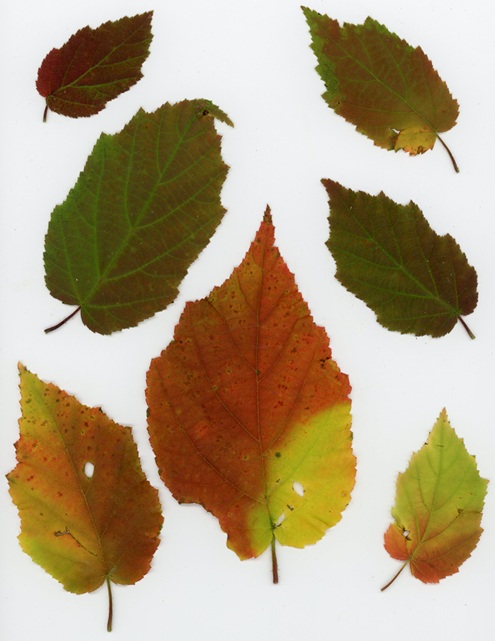
Coastal Witch-alder (Fothergilla gardenii), a NATIVE TRANSPLANT shrub from the coastal plain.Witch-hazel (Hamamelis virginiana), a NATIVE shrub. FAC
ALTINGIACEAE
Sweetgum Family
American Sweetgum (Liquidambar styraciflua), a large naturalized NATIVE TRANSPLANTtree from the coastal plain.FACAmerican Sweetgum (Liquidambar styraciflua), a large naturalized NATIVE TRANSPLANTtree from the coastal plain.FAC
ITEACEAE
Sweetspire Family
Virginia Willow (Itea virginica), a NATIVE shrub also known as Virginia Sweetspire or Tasselwhite. OBLVirginia Willow (Itea virginica), a NATIVE shrub also known as Virginia Sweetspire or Tasselwhite. OBL
VITACEAE
Grape Family
Virginia Creeper (Parthenocissus quinquefolia), a NATIVE woody vine also known as Woodbine. FACUVirginia Creeper (Parthenocissus quinquefolia), a NATIVE woody vine also known as Woodbine. FACUVirginia Creeper (Parthenocissus quinquefolia), a NATIVE woody vine also known as Woodbine. FACUFrost Grape (Vitis riparia), a NATIVE woody vine also known as Riverbank Grape.FACWFrost Grape (Vitis riparia), a NATIVE woody vine also known as Riverbank Grape.FACWFrost Grape (Vitis riparia), a NATIVE woody vine also known as Riverbank Grape.FACW
CELASTRACEAE
Staff-tree Family
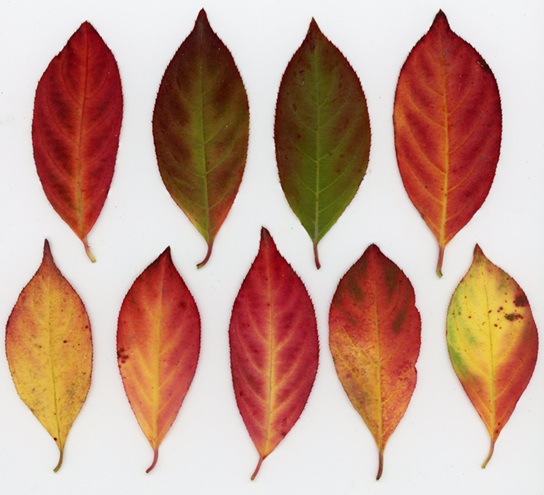
Burning Bush (Euonymus alatus), a NON-NATIVE shrub also known as Winged Euonymus. A naturalized escape from cultivation, native to Japan and China.Wintercreeper (Euonymus fortunei), a NON-NATIVE evergreen ground cover that can also take the form of a small shrub or climbing woody vine. A naturalized escape from cultivation, native to eastern Asia. Ventral leaf surfaces to the left, dorsal surfaces to the right.Oriental Bittersweet (Celastrus orbiculatus), a NON-NATIVE woody vine also known as Asiatic Bittersweet. A naturalized escape from cultivation, native to Japan and China. UPL
SALICACEAE
Willow Family
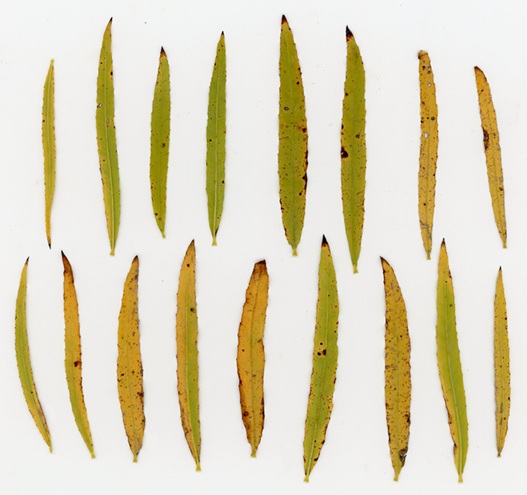
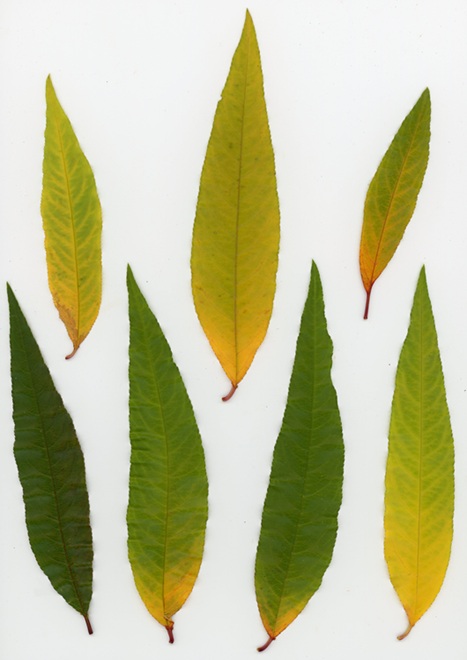
Eastern Cottonwood (Populus deltoides), a large NATIVE tree. FACUBigtooth Aspen (Populus grandidentata), a NATIVE tree. FACUQuaking Aspen (Populus tremuloides), a NATIVE tree.Interior Sandbar Willow (Salix interior), a NATIVE shrub or small tree. OBLBlack Willow (Salix nigra), a NATIVE tree. FACW
FABACEAE
Pea Family
Pink Silktree (Albizia julibrissin), a NON-NATIVE tree also known as Mimosa. A naturalized escape from cultivation, native to Asia.Eastern Redbud (Cercis canadensis), a small NATIVE tree also known as Judas Tree. FACUKentucky Coffeetree (Gymnocladus dioicus), a NATIVEtree.Kentucky Coffeetree (Gymnocladus dioicus), a NATIVEtree.Honey Locust (Gleditsia triacanthos), a NATIVE tree. FACHoney Locust (Gleditsia triacanthos), a NATIVEtree. FACBlack Locust (Robinia pseudoacacia), a NATIVE tree. FACU
FAGACEAE
Beech Family
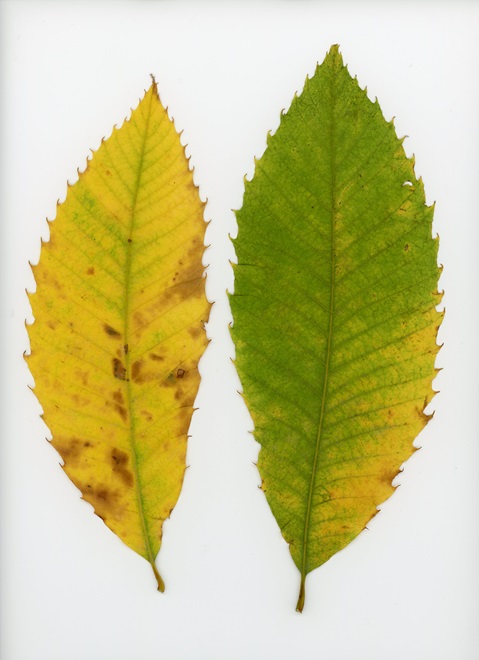
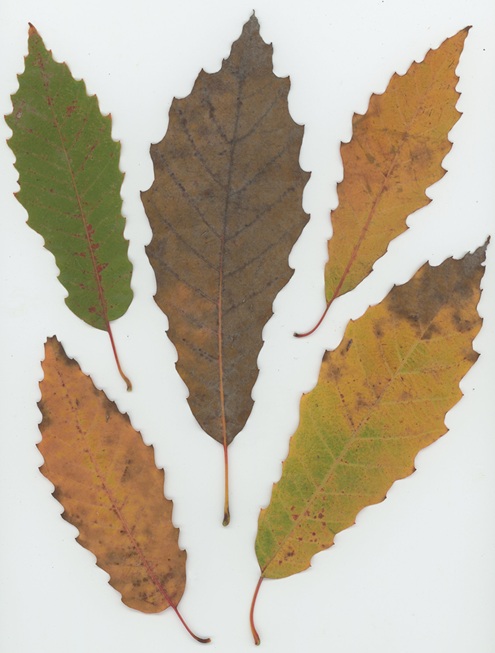
American Chestnut (Castanea dentata), formerly a large NATIVE tree, now stunted to growth as a shrub or small tree by chestnut blight.American Chestnut (Castanea dentata), formerly a large NATIVEtree, now stunted to growth as a shrub or small tree by chestnut blight.American Beech (Fagus grandifolia), a large NATIVE tree. FACU
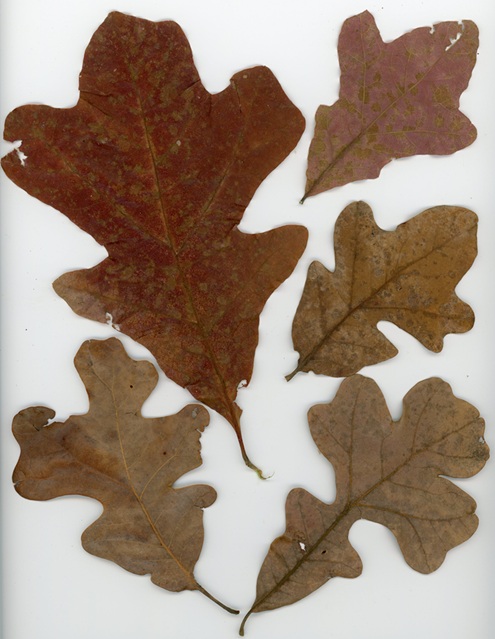
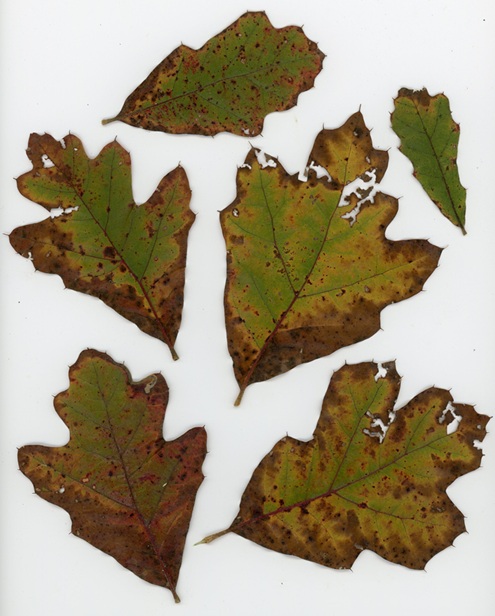
QUERCUS—WHITE OAK GROUP
Oak trees with rounded leaf lobes.
Acorns mature during the year of flowering.
Bark often light gray and flaky with scaling or peeling.
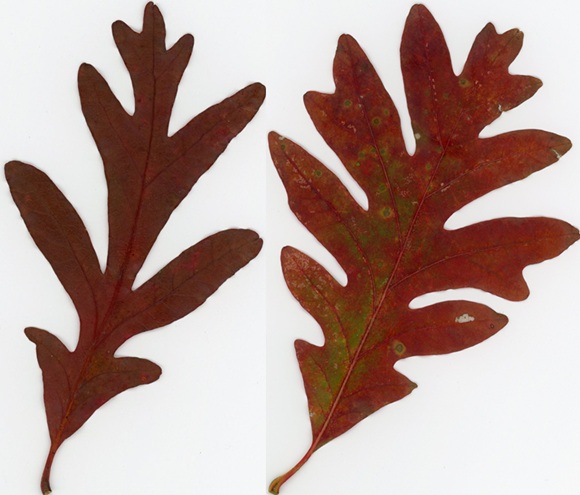
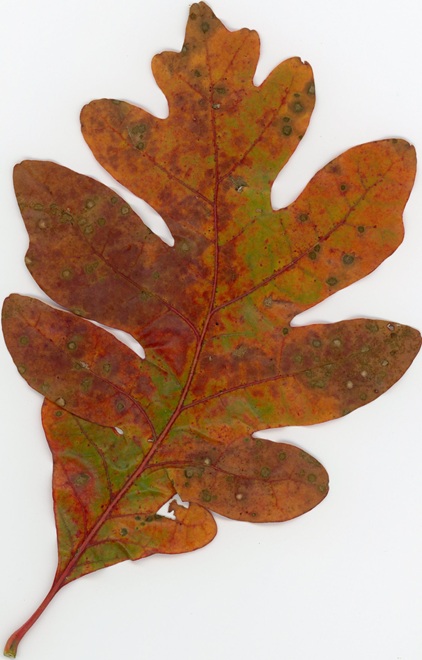
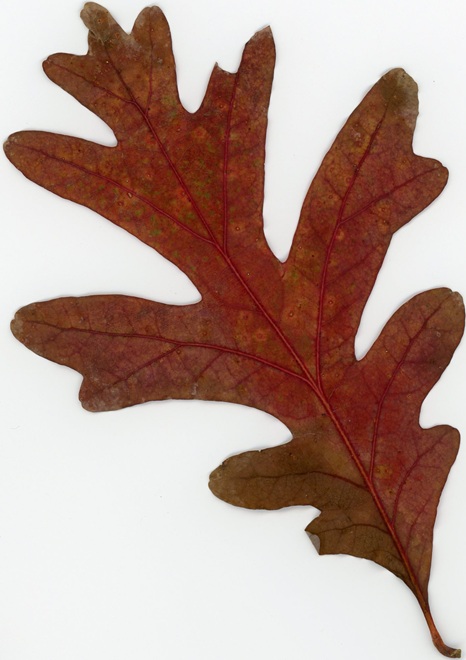
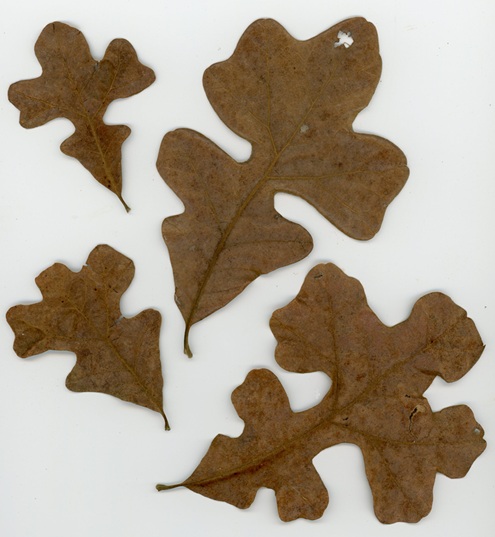
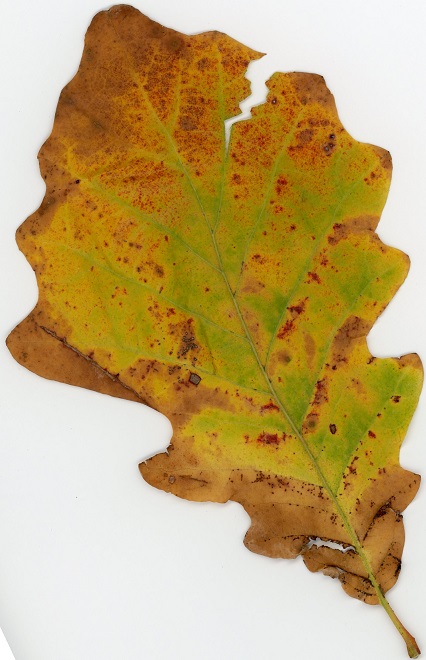
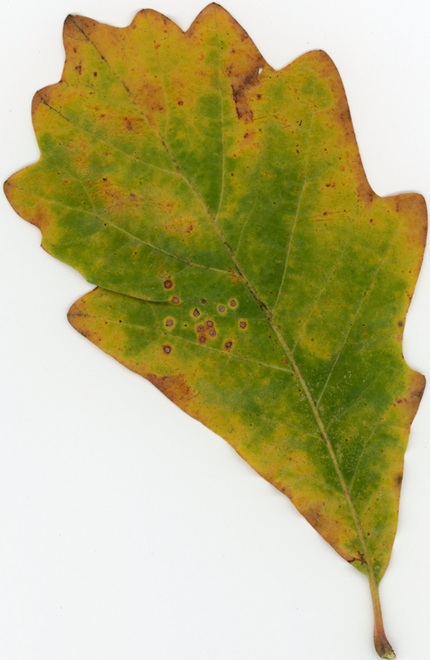
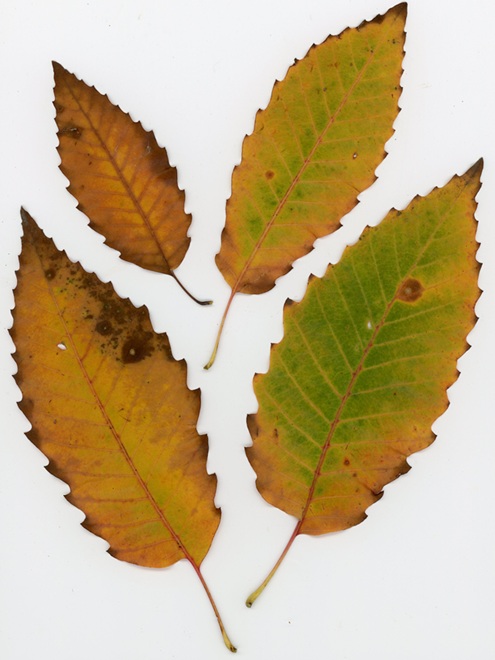
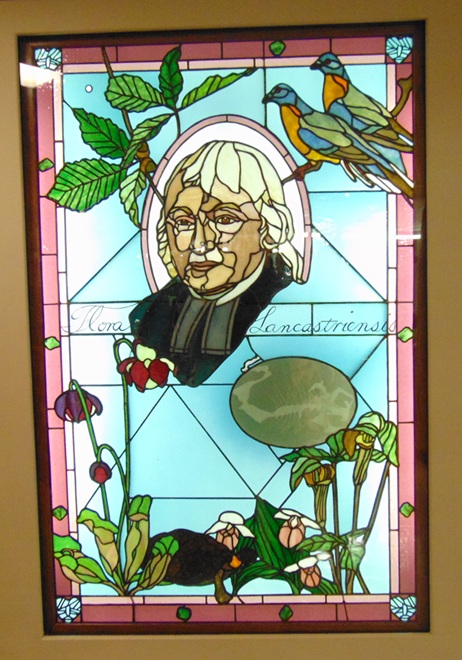
White Oak (Quercus alba), a large NATIVE tree. FACUWhite Oak (Quercus alba), a large NATIVE tree. FACUWhite Oak (Quercus alba), a large NATIVE tree. FACUPost Oak (Quercus stellata), a NATIVE tree of dry, rocky slopes and serpentine barrens. UPLPost Oak (Quercus stellata), a NATIVE tree of dry, rocky slopes and serpentine barrens. UPLBur Oak (Quercus macrocarpa), a large NATIVE tree also known as Mossycup Oak. FACBur Oak (Quercus macrocarpa), a large NATIVE tree also known as Mossycup Oak. FACSwamp White Oak (Quercus bicolor), a large NATIVE tree also known as Swamp Oak. FACWSwamp White Oak (Quercus bicolor), a large NATIVE tree also known as Swamp Oak. FACWEnglish Oak (Quercus robur), a large NON-NATIVE tree. A rare escape from cultivation, native to Europe.Chestnut Oak (Quercus montana), a large NATIVE tree. UPLChestnut Oak (Quercus montana), a large NATIVE tree. UPLChestnut Oak (Quercus montana), a large NATIVE tree. UPLChinkapin Oak (Quercus muhlenbergii), a NATIVE tree also known as Yellow Oak or Muhlenberg’s Oak. UPLChinkapin Oak (Quercus muhlenbergii), a NATIVE tree also known as Yellow Oak or Muhlenberg’s Oak. UPLThe Chinkapin Oak (Quercus muhlenbergii) is named for the Reverend Dr. Gotthilf Heinrich Ernst Muhlenberg (1753-1815). This stained glass window depicting Muhlenberg and the Chinkapin Oak is on display at the North Museum of Natural History and Science on the campus of Franklin and Marshall (F&M) College in Lancaster, Pennsylvania. According to the placard accompanying the window, Muhlenberg became pastor of the city’s Trinity Lutheran Church at the age of 27 and later served as the first president of Franklin College, F&M’s predecessor, from 1787 to 1815. Concurrent with these responsibilities, Muhlenberg’s passion was botany. Many of the plants he is credited with discovering are included in his first publication “Flora Lancastriensis” (1785). Over the course of his lifetime, Muhlenberg was the first to delineated more than 150 North American species. Portrayed at the bottom of the window, the Bog Turtle (Glyptemys muhlenbergii) was discovered by Muhlenberg while he was searching for flora in Lancaster County, Pennsylvania. Federally listed as a threatened species, this little reptile was named in Muhlenberg’s honor by Johann David Schoepff in 1801.
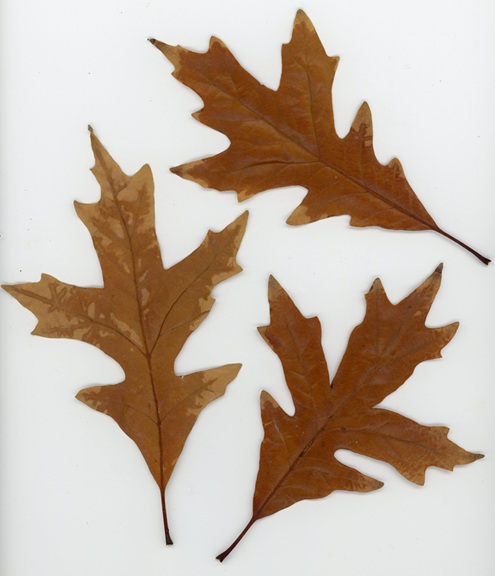
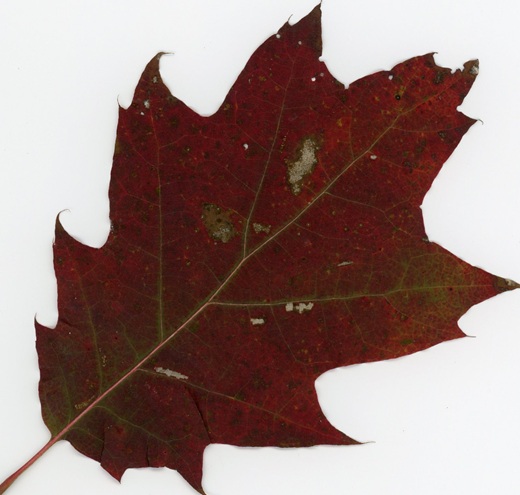
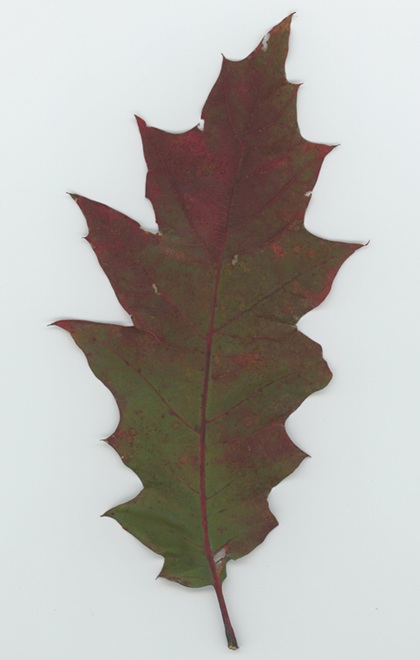
QUERCUS—RED OAK GROUP
Oak trees with pointed or bristly leaf lobes.
Acorns mature during the second year after flowering.
Bark often dark, tight, sturdy, and ridged, furrowed, or smooth.
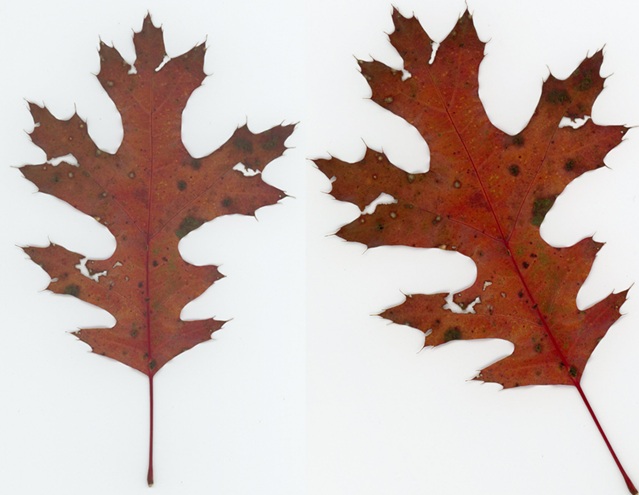
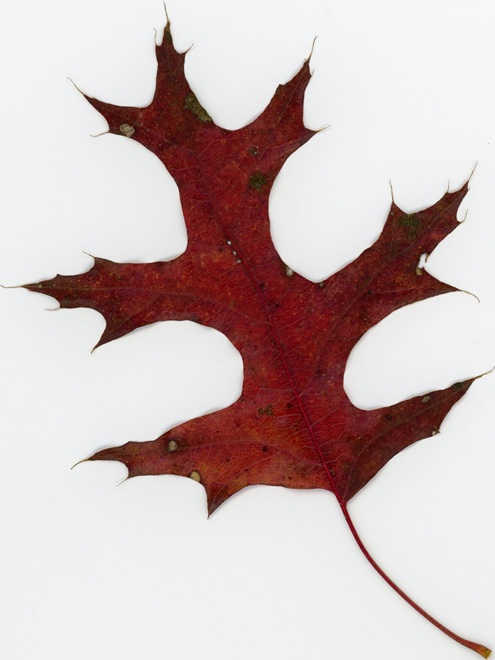
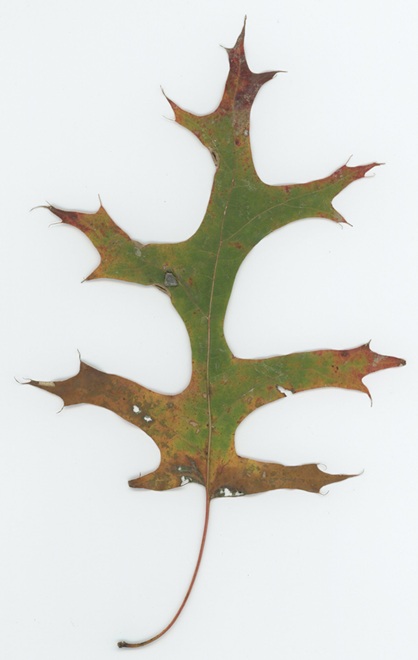
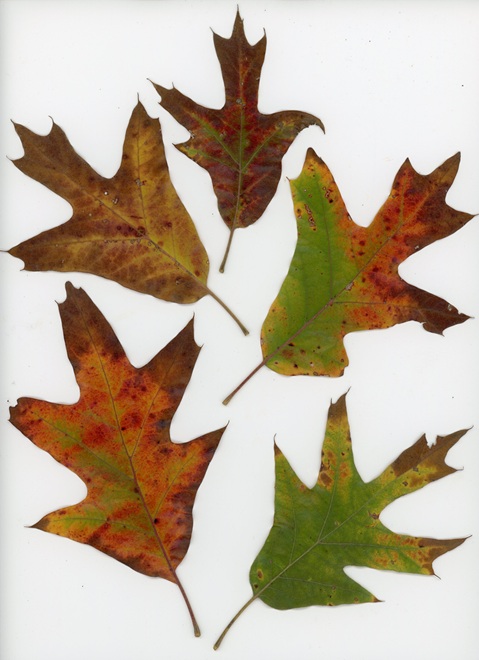
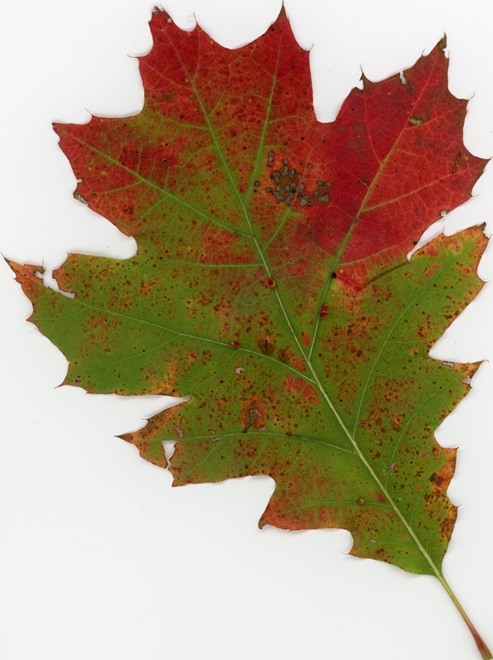
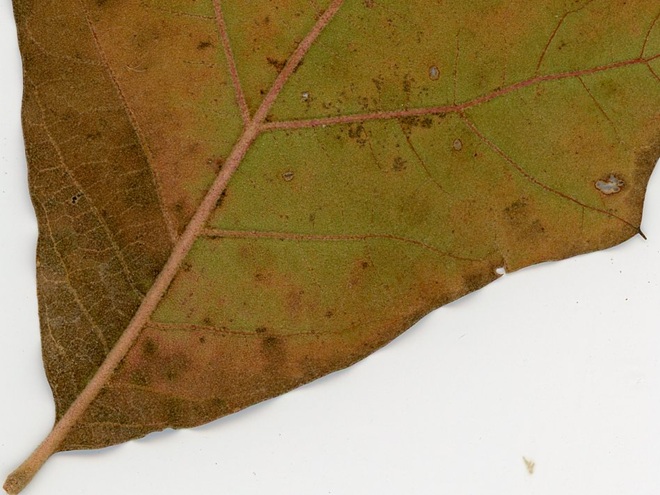
Scarlet Oak (Quercus coccinea), a large NATIVE tree.Pin Oak (Quercus palustris), a large NATIVE tree. FACWPin Oak (Quercus palustris), a large NATIVE tree. FACWPin Oak (Quercus palustris), a large NATIVE tree. FACWPin Oak (Quercus palustris), a large NATIVE tree. FACWSouthern Red Oak (Quercus falcata), a large NATIVE tree also known as Turkey-foot Oak or Spanish Oak. FACUNorthern Red Oak (Quercus rubra), a large NATIVE tree. The Northern Red Oak is known to hybridize with the Willow Oak (Quercus phellos). FACUNorthern Red Oak (Quercus rubra), a large NATIVE tree. FACUNorthern Red Oak (Quercus rubra), a large NATIVE tree. FACUNorthern Red Oak (Quercus rubra), a large NATIVEtree. FACUBear Oak (Quercus ilicifolia), a NATIVE shrub also known as Scrub Oak or Holly-leaf Oak.Bear Oak (Quercus ilicifolia), a NATIVE shrub also known as Scrub Oak or Holly-leaf Oak.Bear Oak (Quercus ilicifolia), a NATIVE shrub also known as Scrub Oak or Holly-leaf Oak.Bear Oak (Quercus ilicifolia), a NATIVE shrub also known as Scrub Oak or Holly-leaf Oak. A closeup view showing a holly-like spine at the end of each lobe.Bear Oak (Quercus ilicifolia), a NATIVE shrub also known as Scrub Oak or Holly-leaf Oak. A closeup view showing pubescence (whitish hairs) on twig and underside of leaves.Blackjack Oak (Quercus marilandica), a small NATIVEtree and a rarity on dry, rocky slopes and serpentine barrens. UPLBlackjack Oak (Quercus marilandica), a small NATIVE tree and a rarity on dry, rocky slopes and serpentine barrens. A closeup view showing pubescence on the underside of the leaves. Blackjack Oak is known to hybridize with the next two species, Black Oak (Quercus velutina) and Willow Oak (Quercus phellos), but only under fortuitous circumstances. UPLBlack Oak (Quercus velutina), a large NATIVE tree. The Black Oak is known to hybridize with the Blackjack Oak (Quercus marilandica). UPLBlack Oak (Quercus velutina), a large NATIVE tree.UPLBlack Oak (Quercus velutina), a large NATIVE tree. UPLWillow Oak (Quercus phellos), a large NATIVE tree. The Willow Oak is known to hybridize with the Northern Red Oak (Quercus rubra) and the Blackjack Oak (Quercus marilandica). FAC
JUGLANDACEAE
Walnut Family
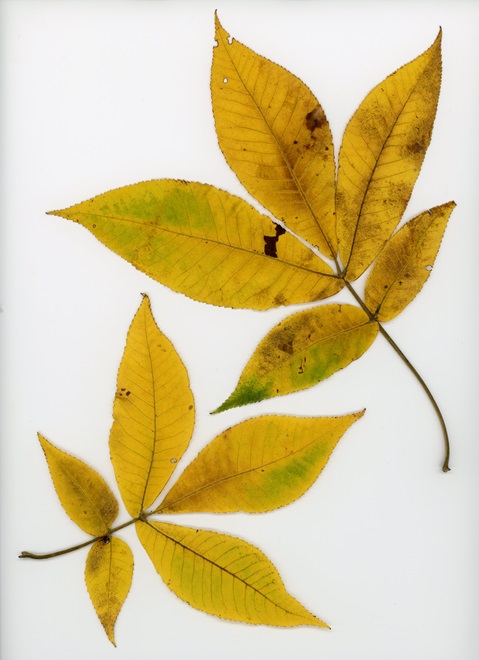
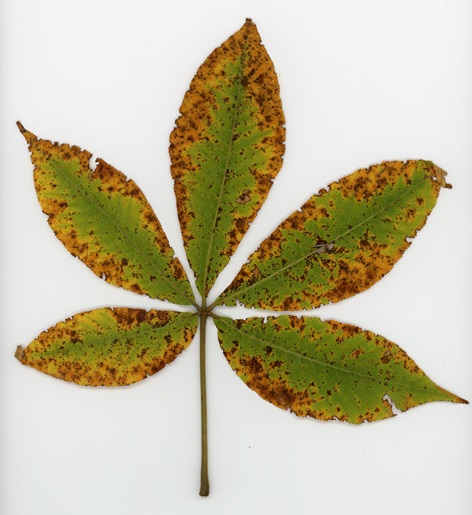
Bitternut Hickory (Carya cordiformis), a large NATIVE tree. FACUBitternut Hickory (Carya cordiformis), a large NATIVE tree. FACUPignut Hickory (Carya glabra), a large NATIVE tree. FACUPignut Hickory (Carya glabra), a large NATIVE tree. FACUShagbark Hickory (Carya ovata), a large NATIVEtree. FACUMockernut Hickory (Carya tomentosa), a large NATIVE tree.Butternut (Juglans cinerea), a largeNATIVE tree. FACUBlack Walnut (Juglans nigra), a large NATIVE tree. FACUBlack Walnut (Juglans nigra), a large NATIVE tree. FACU
BETULACEAE
Birch Family
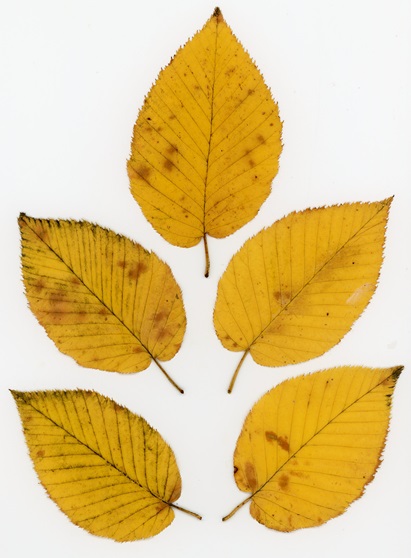
Black Alder (Alnus glutinosa), a NON-NATIVE shrub or tree also known as European Alder. A naturalized escape from cultivation, native to Eurasia. Leaves from a shrub form specimen.FACWBlack Alder (Alnus glutinosa), a NON-NATIVE shrub or tree also known as European Alder. A naturalized escape from cultivation, native to Eurasia. Leaves from a tree form specimen. FACWSpeckled Alder (Alnus incana), a NATIVEshrub. FACWSmooth Alder (Alnus serrulata), a NATIVE shrub. OBLYellow Birch (Betula alleghaniensis), a large NATIVE tree. FACSweet Birch (Betula lenta), a large NATIVE tree also known as Black Birch. FACUSweet Birch (Betula lenta), a large NATIVE tree also known as Black Birch. FACURiver Birch (Betula nigra), a large NATIVE tree. FACWPaper Birch (Betula papyifera), a NATIVE TRANSPLANT tree of northern Pennsylvania also known as White Birch or Canoe Birch. Naturalized populations in the Lower Susquehanna River Watershed fail to survive extended periods of hot weather.Paper Birch (Betula papyifera), a NATIVE TRANSPLANTtree of northern Pennsylvania also known as White Birch or Canoe Birch. Naturalized populations in the Lower Susquehanna River Watershed fail to survive extended periods of hot weather.Ironwood (Carpinus caroliniana), a small NATIVEtree also known as Hornbeam. FACAmerican Hornbeam (Ostrya virginiana), a NATIVE tree also known as Hop Hornbeam. FACUAmerican Hazelnut (Corylus americana), a NATIVE shrub also known as American Filbert. FACUAmerican Hazelnut (Corylus americana), a NATIVE shrub also known as American Filbert. FACU
ROSACEAE
Rose Family
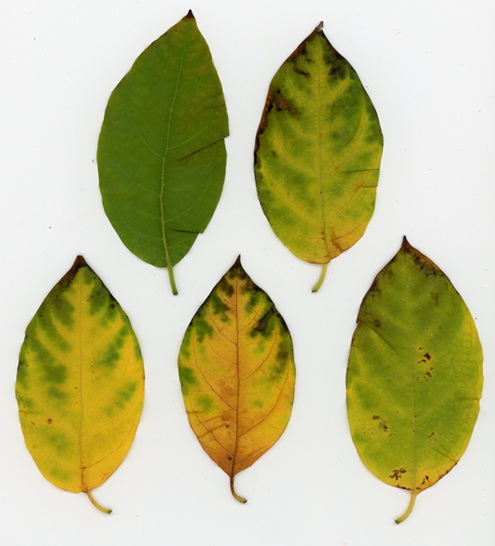
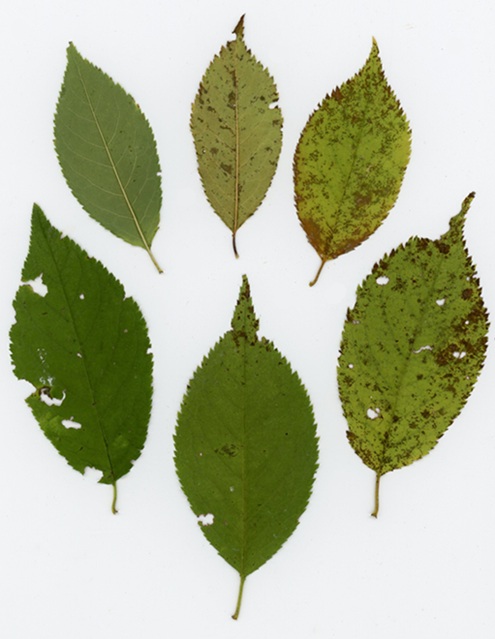
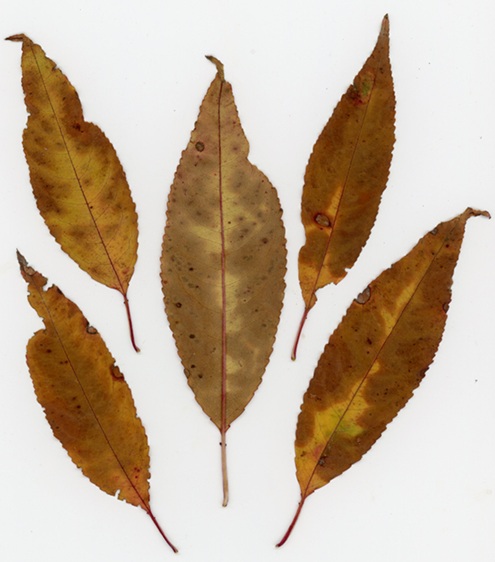
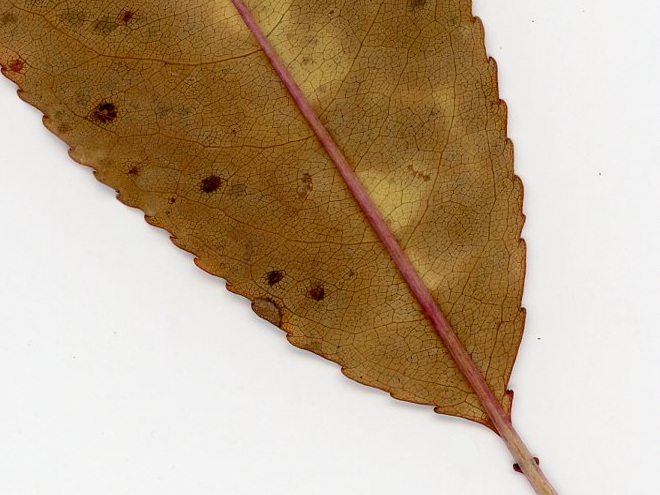
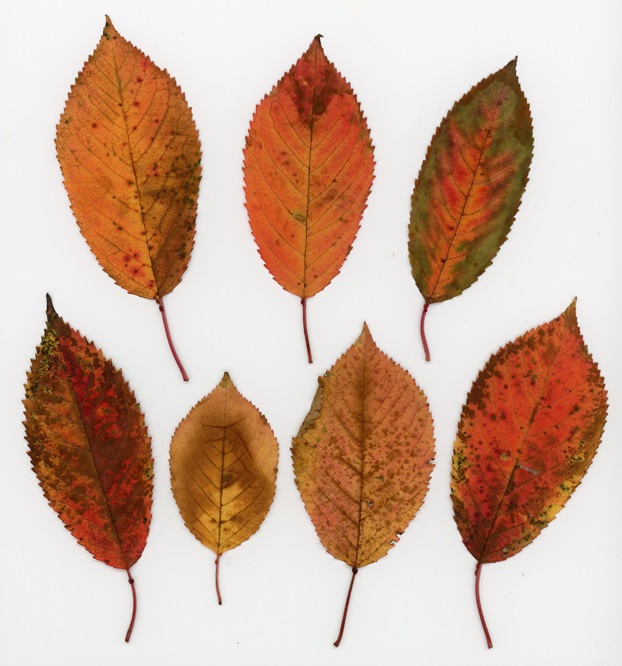
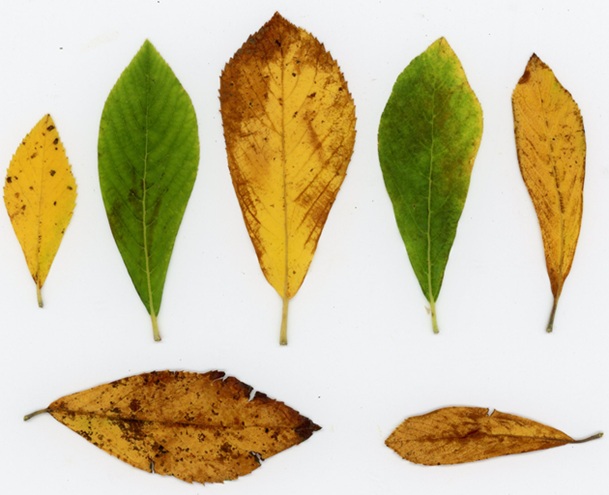
Multiflora Rose (Rosa multiflora), a NON-NATIVE shrub. A naturalized escape from cultivation, native to Asia. FACUPeach (Prunus persica), a NON-NATIVE small tree. A rare escape from cultivation, native to Asia.Wild Plum (Prunus americana), a NATIVE shrub or small tree also known as American Plum. FACUFire Cherry (Prunus pensylvanica), a NATIVE shrub or tree also known as Pin Cherry. Included is a ventral (underside) view of a leaf (center). FACUFire Cherry (Prunus pensylvanica), a NATIVE shrub or tree also known as Pin Cherry. Closeup, ventral (underside) view showing the absence of hairs along the basal section of the midrib. FACUBlack Cherry (Prunus serotina), a large NATIVE tree also known as Wild Black Cherry. Included is a ventral (underside) view of a leaf (bottom center). FACUBlack Cherry (Prunus serotina), a large NATIVE tree also known as Wild Black Cherry. Closeup, ventral (underside) view showing the fringe of light brown hairs along the basal section of the midrib.FACUBlack Cherry (Prunus serotina), a large NATIVE tree also known as Wild Black Cherry. FACUSweet Cherry (Prunus avium), a NON-NATIVEtree also known as Wild Cherry. A naturalized escape from cultivation, native to Eurasia.Ninebark (Physocarpus opulifolius), a NATIVE shrub. FACWRed Chokeberry (Photinia arbutifolia), aNATIVE shrub also known by the genus name Aronia. FACWRed Chokeberry (Photinia arbutifolia), closeup showing dark-colored glands on the top of the midrib, a trait shared with the following species as well.Black Chokeberry (Photinia melanocarpa), a NATIVE shrub also known by the genus and common name Aronia. FACBlack Chokeberry (Photinia melanocarpa), a NATIVE shrub also known by the genus and common name Aronia. FACWashington Hawthorn (Crataegus phaenopyrum), a NATIVE tree. FACSmooth Shadbush (Amelanchier laevis), a NATIVE shrub or small tree also known as Smooth Serviceberry, Allegheny Serviceberry, or Smooth Juneberry.“Juneberry” (Amelanchier x lamarckii), a NATIVE shrub or small tree occurring as a hybrid believed to be derived from a natural cross between Smooth Shadbush (A. laevis) and either Canadian Serviceberry (A. canadensis) or Downy Serviceberry (A. arborea). Man-made cultivars have also been developed and naturalized. Also known as Serviceberry or Shadbush.Callery Pear (Pyrus calleryana), a NON-NATIVE tree also known as the “Bradford Pear”, the name of a cultivar extensively planted as a street and landscape tree. A naturalized escape from cultivation, native to China.Domestic Apple (Malus domestica), a shrub or small NON-NATIVEtree . A seldom naturalized escape from cultivation derived from M. sieversii, a native of Central Asia. Center specimen showing ventral view.Domestic Apple (Malus domestica), a shrub or small NON-NATIVE tree . A seldom naturalized escape from cultivation derived from M. sieversii, a native of Central Asia. Center specimen showing ventral view.
RHAMNACEAE
Buckthorn Family
Lanceolate Buckthorn (Rhamnus lanceolota), a NATIVE shrub.
ELAEAGNACEAE
Oleaster Family
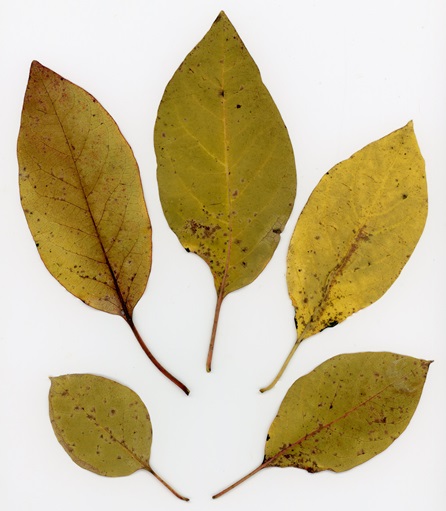
Silverberry (Elaeagnus commutata), a naturalized NATIVE TRANSPLANT shrub from central North America. Top row second from left showing silvery underside.Silverberry (Elaeagnus commutata), a naturalized NATIVE TRANSPLANT shrub from central North America. Closeup view showing silvery scales on both the ventral (left) and dorsal (right) surfaces of the leaves.Autumn Olive (Elaeagnus umbellata), a NON-NATIVE shrub. A naturalized escape from cultivation, native to Asia. Top row center showing the silvery scales which are limited to the ventral side of the leaves.
ULMACEAE
Elm Family
American Elm (Ulmus americana), a NATIVE tree. Large specimens are rare due to eventual infection by Dutch elm disease.Field Elm (Ulmus minor), a NON-NATIVE tree. Native to Europe and Asia Minor, this species rarely escapes cultivation due to the effects of Dutch elm disease. Field Elm (Ulmus minor), a NON-NATIVEtree. Native to Europe and Asia Minor, this species rarely escapes cultivation due to the effects of Dutch elm disease. Closeup, ventral (underside) view showing tiny black glands along the leaf veins, a field mark for separating U. minor from other elms.Siberian Elm (Ulmus pumila), a NON-NATIVEtree. Native to Russia and northern China, this species is resistant to Dutch elm disease and is therefore sometimes planted in place of the American Elm (U. americana) as a street tree. It occasionally escapes cultivation.Slippery Elm (Ulmus rubra), a large NATIVE tree also known as Red Elm. FACSlippery Elm (Ulmus rubra), a large NATIVE tree also known as Red Elm. FAC
CANNABACEAE
Hemp Family
Northern Hackberry (Celtis occidentalis), a large NATIVE tree. FACU
MORACEAE
Mulberry Family
White Mulberry (Morus alba), a NON-NATIVE shrub or small tree. A naturalized escape from cultivation, native to Asia. UPLRed Mulberry (Morus rubra), a NATIVE tree.FACUOsage Orange (Maclura pomifera), a sparsely naturalized NATIVE TRANSPLANTfrom the southwestern United States. UPL
MALVACEAE
Mallow Family
American Basswood (Tilia americana), a large NATIVE tree. FACUPeanut Buttercup (Theobroma cacao reesei), a popular NATIVE snackfood.
SIMAROUBACEAE
Quassia Family
Tree-of-heaven (Ailanthus altissima), a large NON-NATIVE tree. A naturalized escape from cultivation, native to Asia.
ANACARDIACEAE
Cashew Family
Poison Ivy (Toxicodendron radicans), a NATIVEwoody vine. FACPoison Ivy (Toxicodendron radicans), a NATIVE woody vine. FACWinged Sumac (Rhus copallina), a NATIVE shrub or small tree.Staghorn Sumac (Rhus typhina), a NATIVE shrub or small tree.Staghorn Sumac (Rhus typhina), a NATIVE shrub or small tree.
SAPINDACEAE
Soapberry Family
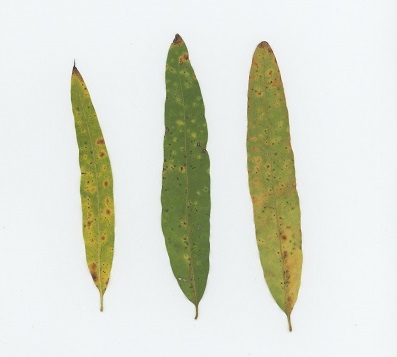
Box Elder (Acer negundo), a NATIVE tree also known as Ashleaf Maple. FACStriped Maple (Acer pensylvanicum), a small NATIVE tree also known as Moosewood.FACUStriped Maple (Acer pensylvanicum), a small NATIVE tree also known as Moosewood. FACUNorway Maple (Acer platanoides), a large NON-NATIVE tree. A naturalized escape from cultivation, native to Europe. UPLRed Maple (Acer rubrum), a large NATIVE tree. FACWSilver Maple (Acer saccharinum), a large NATIVE tree. View to the right showing the silvery tint to the ventral leaf surface. FACWSilver Maple (Acer saccharinum), a large NATIVE tree. View to the right showing the silvery tint to the ventral leaf surface. FACWSugar Maple (Acer saccharum), a large NATIVE tree also known as Rock Maple. FACYellow Buckeye (Aesculus flava), a scarcely naturalized NATIVE TRANSPLANTtree also known as Sweet Buckeye.
CORNACEAE
Dogwood Family
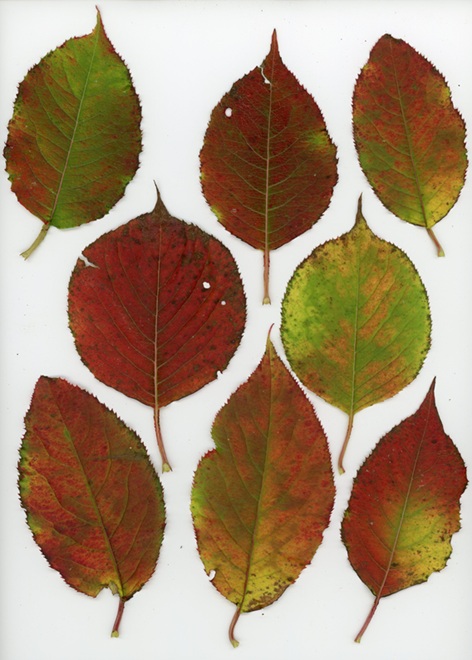
Silky Dogwood (Cornus amomum), a NATIVE shrub. FACWSilky Dogwood (Cornus amomum), a NATIVE shrub. FACWFlowering Dogwood (Cornus florida), a small NATIVE tree. FACURed-osier Dogwood (Cornus sericea), a NATIVE shrub. FACW
NYSSACEAE
Tupelo Family
Black Tupelo (Nyssa sylvatica), a NATIVE tree also known as Black Gum or Sour Gum. FACBlack Tupelo (Nyssa sylvatica), a NATIVE tree also known as Black Gum or Sour Gum. FACBlack Tupelo (Nyssa sylvatica), a NATIVE tree also known as Black Gum or Sour Gum. FAC
EBENACEAE
Ebony Family
Common Persimmon (Diospyros virginiana), a NATIVE tree. FAC
CLETHRACEAE
Clethra Family
Sweet Pepperbush (Clethra alnifolia), a NATIVE shrub. FACSweet Pepperbush (Clethra alnifolia), a NATIVE shrub. FAC
ERICACEAE
Heath Family
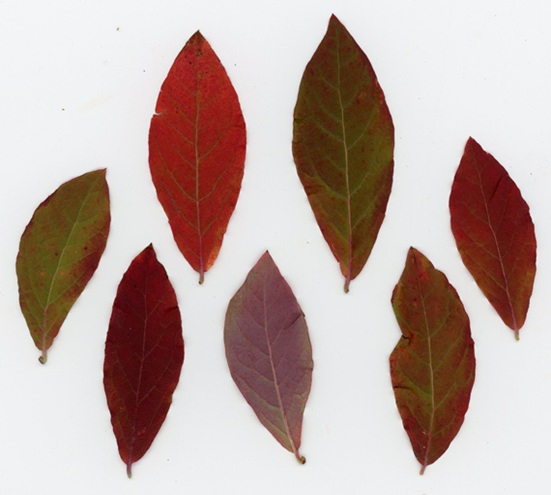
Mountain Laurel (Kalmia latifolia), a NATIVE evergreen shrub. FACUPinxter Flower (Rhododendron periclymenoides), a NATIVE shrub also known as Pink Azalea. FACHighbush Blueberry (Vaccinium corymbosum), a NATIVE shrub also known as Northern Highbush Blueberry. FACWHighbush Blueberry (Vaccinium corymbosum), a NATIVE shrub also known as Northern Highbush Blueberry. FACWDeerberry (Vaccinium stamineum), a NATIVE shrub also known as Tall Deerberry or Highbush Huckleberry. Bottom center leaf showing pale underside. FACU
RUBIACEAE
Madder Family
Buttonbush (Cephalanthus occidentalis), a NATIVE shrub. OBL
OLEACEAE
Olive Family
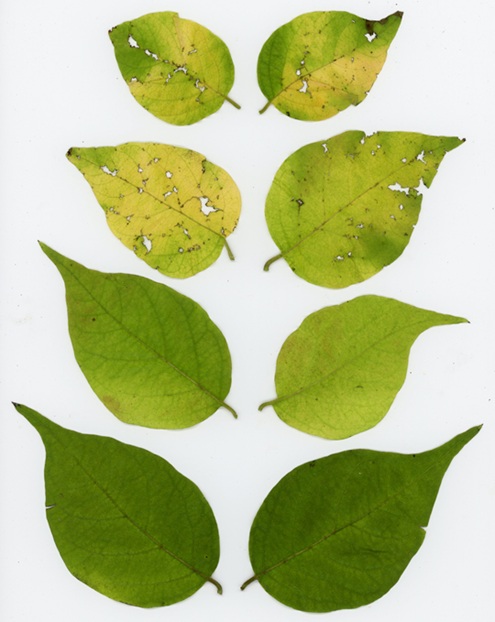
Common Privet (Ligustrum vulgare), a semievergreen NON-NATIVE shrub. A naturalized escape from cultivation, native to Europe. FACUGreen Ash (Fraxinus pennsylvanica), a large NATIVE tree also known as Red Ash. FACWGreen Ash (Fraxinus pennsylvanica), a large NATIVE tree also known as Red Ash. FACWFringetree (Chionanthus virginicus) a NATIVE shrub or small tree. FAC
BIGNONIACEAE
Trumpet-creeper Family
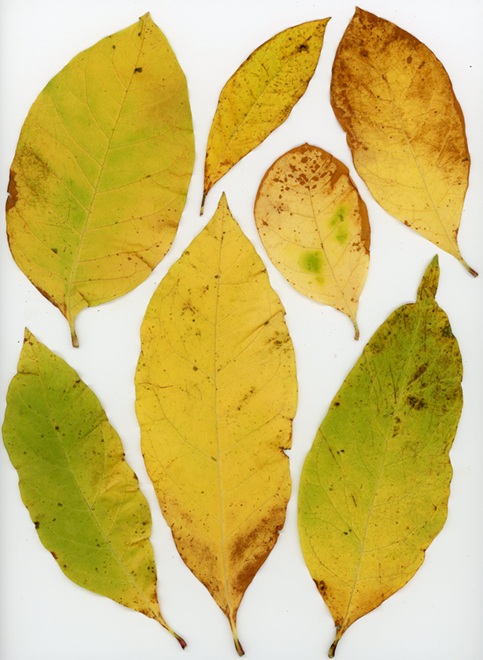
Northern Catalpa (Catalpa speciosa), a widely naturalized NATIVE TRANSPLANT tree from the lower Mississippi River valley. Also known as Cigar Tree or Catawba Tree. FACNorthern Catalpa (Catalpa speciosa), a widely naturalized NATIVE TRANSPLANT tree from the lower Mississippi River valley. Also known as Cigar Tree or Catawba Tree. FACTrumpet Creeper (Campsis radicans), a NATIVE woody vine also known as Trumpet Vine. FAC
AQUIFOLIACEAE
Holly Family
Common Winterberry (Ilex verticillata), a NATIVE shrub also known as Black Alder. FACWCommon Winterberry (Ilex verticillata), a NATIVE shrub also known as Black Alder. FACW
ADOXACEAE
Muskroot Family
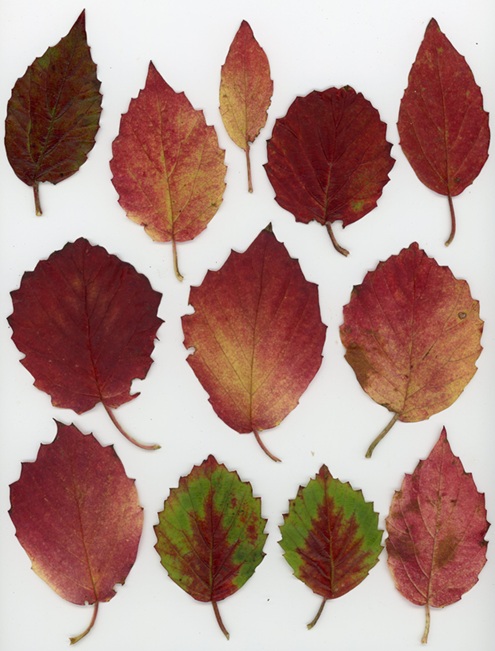
Mapleleaf Viburnum (Viburnum acerifolium), a NATIVE shrub. UPLSouthern Arrowwood (Viburnum dentatum), a NATIVE shrub. FACSouthern Arrowwood (Viburnum dentatum), a NATIVE shrub. FACSouthern Arrowwood (Viburnum dentatum), a NATIVE shrub. FACLinden Viburnum (Viburnum dilatatum), a NON-NATIVE shrub. A naturalized escape from cultivation, native to Asia.Nannyberry (Viburnum lentago), a NATIVE shrub also known as sheepberry. FACNannyberry (Viburnum lentago), a NATIVE shrub also known as sheepberry. FACNannyberry (Viburnum lentago), a NATIVE shrub also known as sheepberry. FACGuelder Rose (Viburnum opulus), a NON-NATIVE shrub. Introduced from Eurasia and often distributed for conservation plantings under the name Highbush Cranberry, this species sometimes escapes cultivation. The fruits are more bitter and less often consumed by wildlife than those of the native Highbush Cranberry (V. trilobum), a rare inhabitant of swamps and wet woods considered by some authorities to be a North American variation of the Guelder Rose.Blackhaw (Viburnum prunifolium), A NATIVE shrub. FACUAmerican Elder (Sambucus canadensis), a NATIVE shrub also known as Common Elderberry. FACWAmerican Elder (Sambucus canadensis), a NATIVE shrub also known as Common Elderberry. FACW
CAPRIFOLIACEAE
Honeysuckle Family
Coralberry (Symphoricarpos orbiculatus), a NATIVE shrub also known as Indian Currant. UPLJapanese Honeysuckle (Lonicera japonica), a semievergreen NON-NATIVE woody vine. A naturalized escape from cultivation, native to Asia. FACJapanese Honeysuckle (Lonicera japonica), a semievergreen NON-NATIVE woody vine. A naturalized escape from cultivation, native to Asia. FACAmur Honeysuckle (Lonicera maackii), a NON-NATIVE shrub. A naturalized escape from cultivation, native to Asia.Amur Honeysuckle (Lonicera maackii), a NON-NATIVE shrub. A naturalized escape from cultivation, native to Asia.Amur Honeysuckle (Lonicera maackii), a NON-NATIVE shrub. A naturalized escape from cultivation, native to Asia.Morrow’s Honeysuckle (Lonicera morrowii), a NON-NATIVE shrub. A naturalized escape from cultivation, native to Japan and Korea. FACUPretty Honeysuckle (Lonicera x bella), a NON-NATIVE hybrid shrub derived from Morrow’s Honeysuckle (L. morrowii) and Tatarian Honeysuckle (L. tatarica) of central Eurasia. A naturalized escape from cultivation. This hybrid will backcross with the parent species, so expect great variation in naturalized populations. Also known as Bell’s Honeysuckle.
SOURCES
Lichvar, Robert W., Norman C. Melvin, Mary L. Butterwick, and William N. Kirchner. 2012. National Wetland Plant List Indicator Rating Definitions. ERDC/CRREL TN-12-1. Wetland Regulatory Assistance Program. U.S. Army Corps of Engineers. Washington, DC.
Petrides, George A. 1986. A Field Guide to Trees and Shrubs. Houghton Mifflin Company. New York, NY.
Petrides, George A. 1988. A Field Guide to Eastern Trees. Houghton Mifflin Company. New York, NY.
Rhoads, Ann Fowler and Timothy A. Block. 2007. The Plants of Pennsylvania. University of Pennsylvania Press. Philadelphia, PA.