Photo of the Day

LIFE IN THE LOWER SUSQUEHANNA RIVER WATERSHED
A Natural History of Conewago Falls—The Waters of Three Mile Island

First there was the Nautilus. Then there was the Seaview. And who can forget the Yellow Submarine? Well, now there’s the S. S. Haldeman, and today we celebrated her shakedown cruise and maiden voyage. The Haldeman is powered by spent fuel that first saw light of day near Conewago Falls at a dismantled site that presently amounts to nothing more than an electrical substation. Though antique in appearance, the vessel discharges few emissions, provided there aren’t any burps or hiccups while underway. So, climb aboard as we take a cruise up the Susquehanna at periscope depth to have a quick look around!

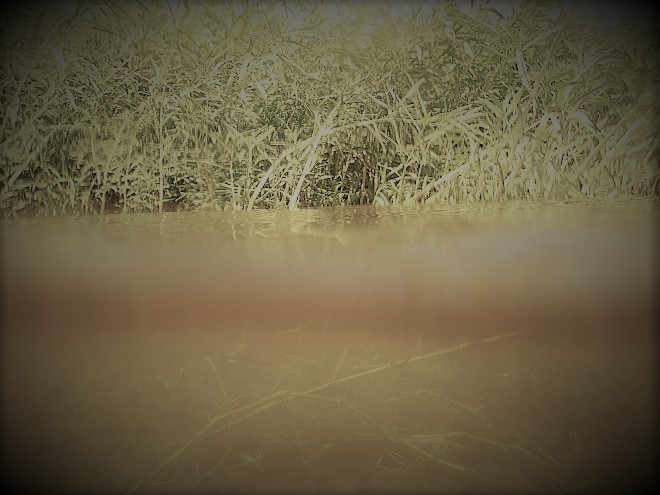

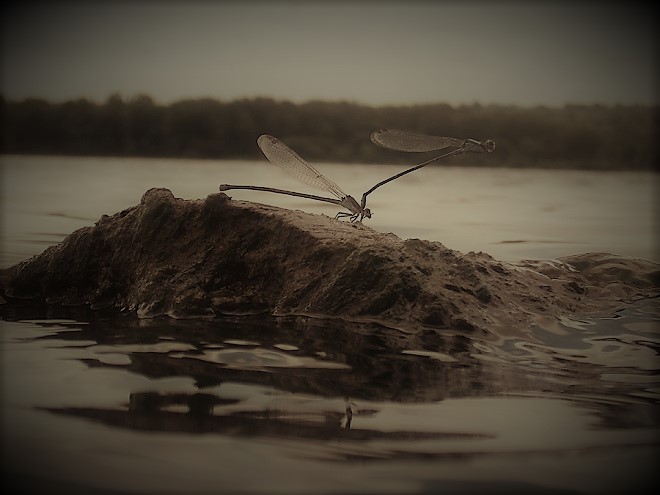
Watertight and working fine. Let’s flood the tanks and have a peek at the benthos. Dive, all dive!
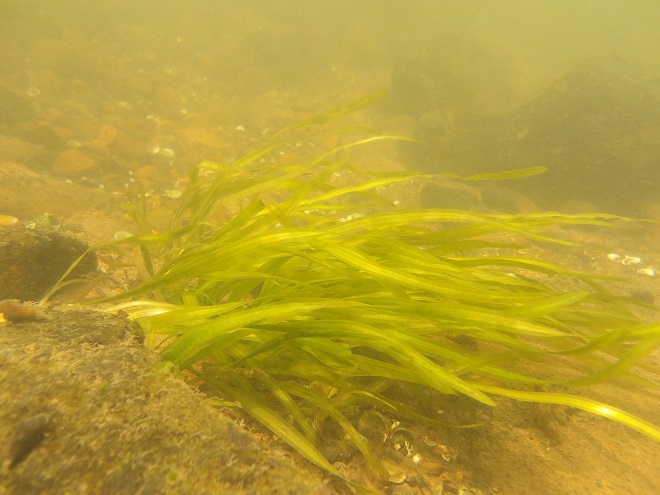


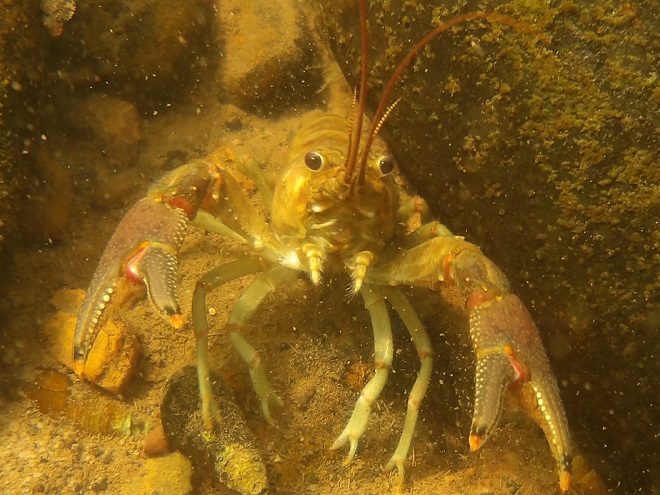
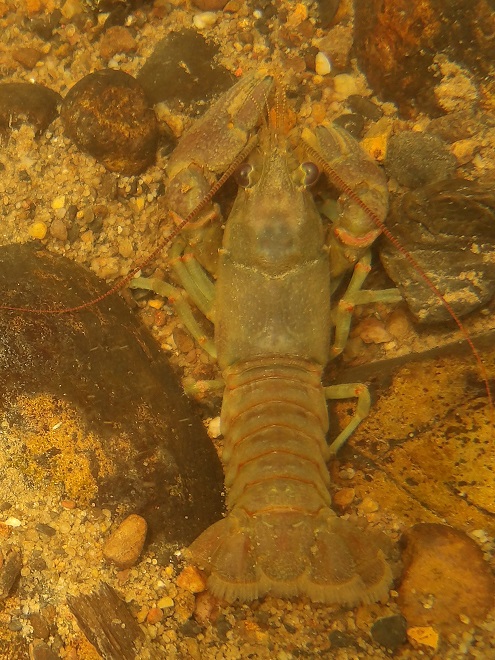
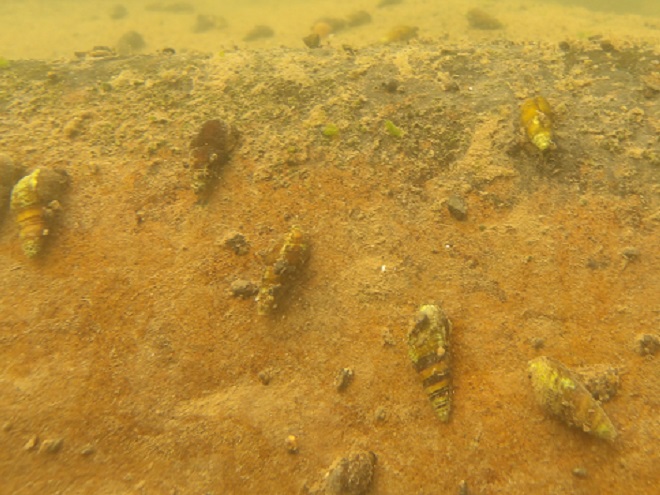
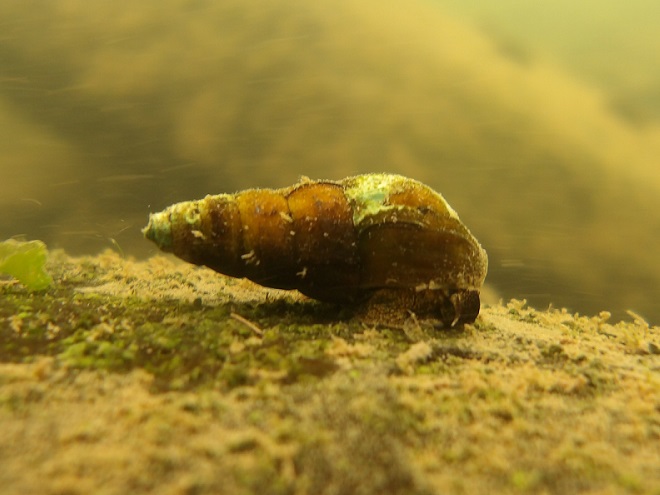
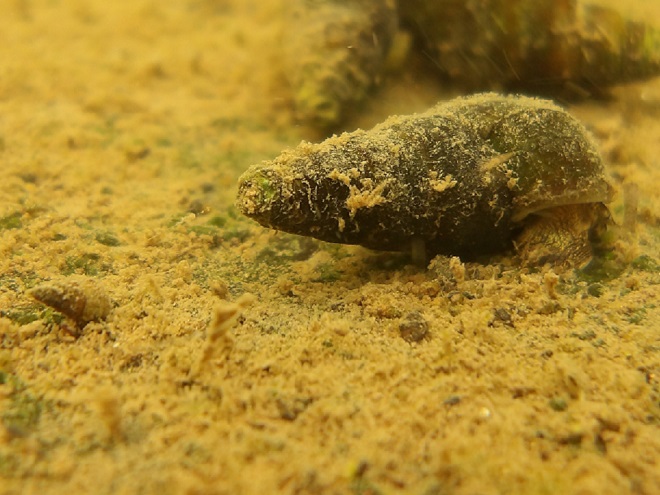
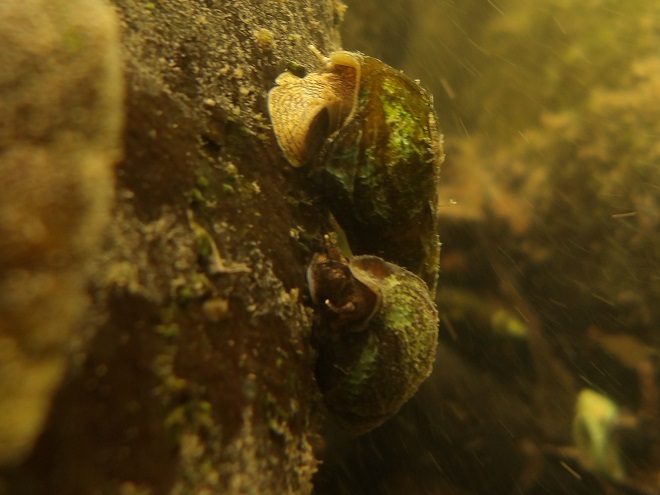
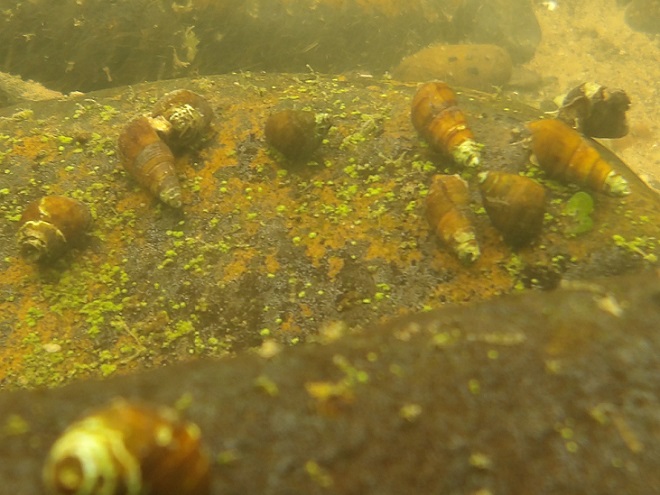
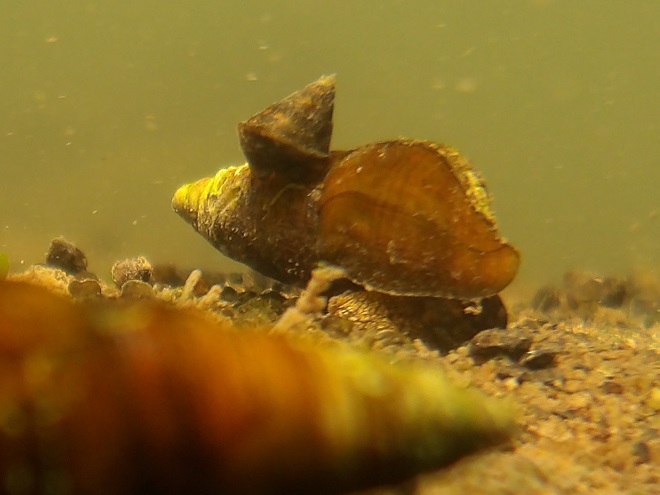
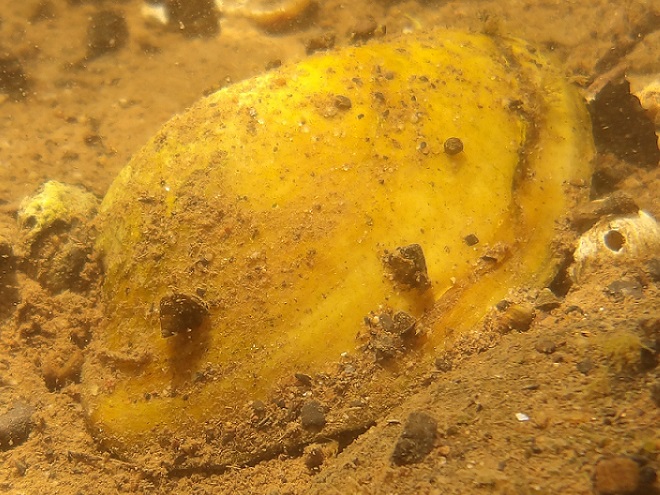
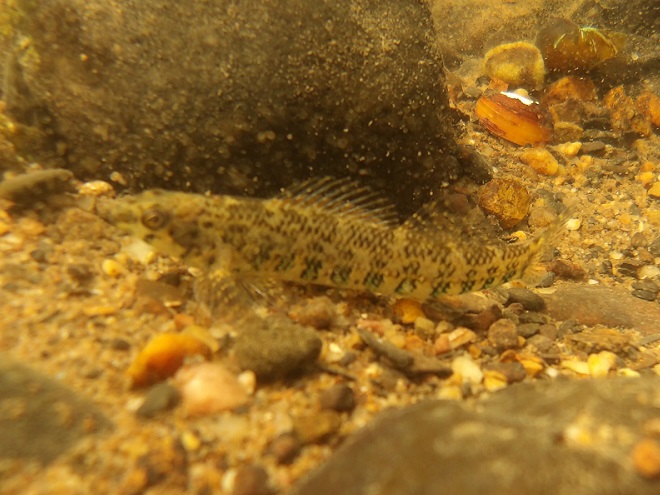
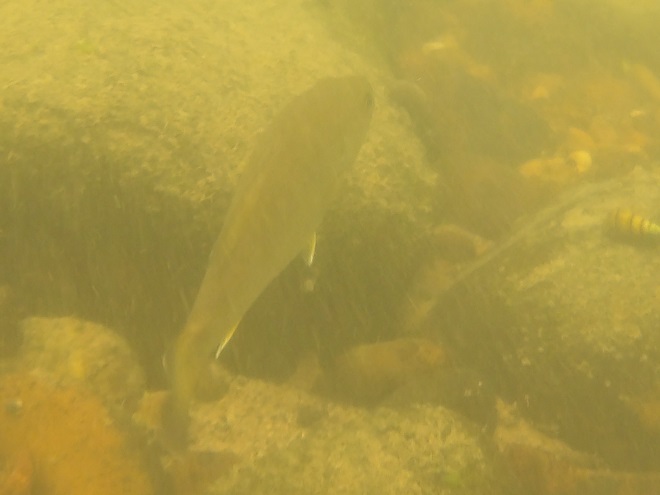
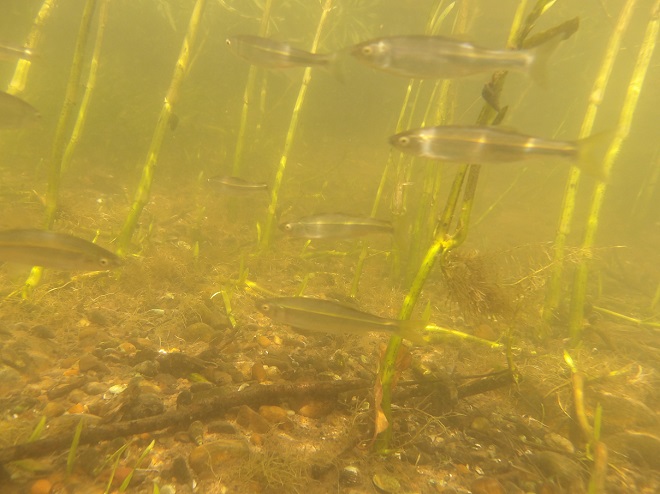
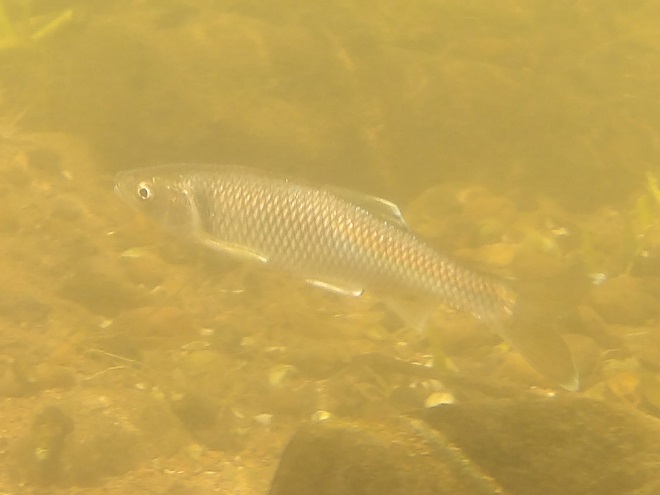
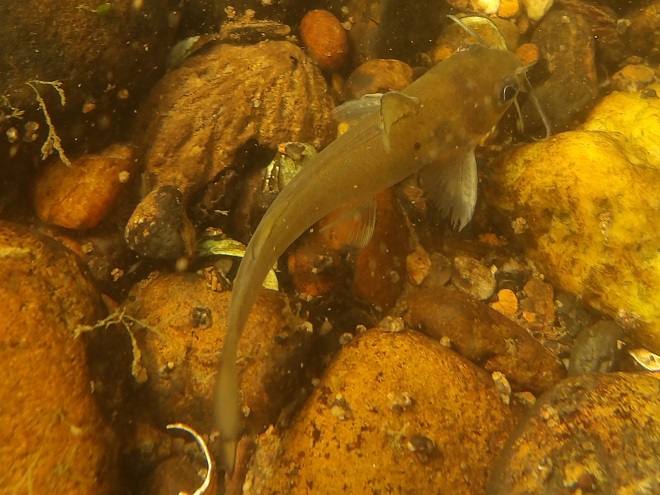
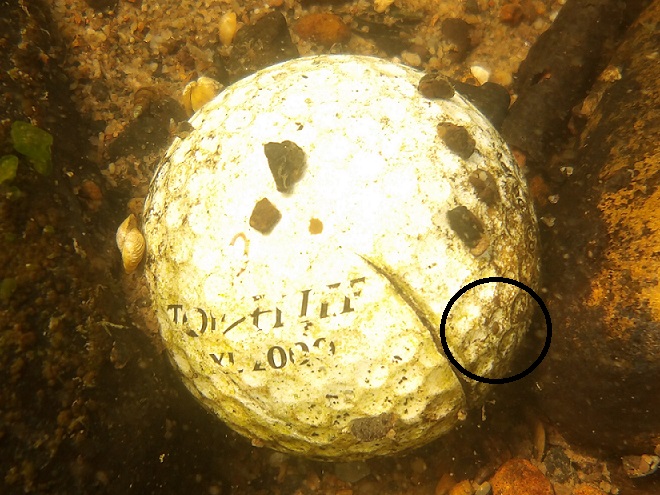
We’re finding that a sonar “pinger” isn’t very useful while running in shallow water. Instead, we should consider bringing along a set of Pings—for the more than a dozen golf balls seen on the river bottom. It appears they’ve been here for a while, having rolled in from the links upstream during the floods. Interestingly, several aquatic species were making use of them.

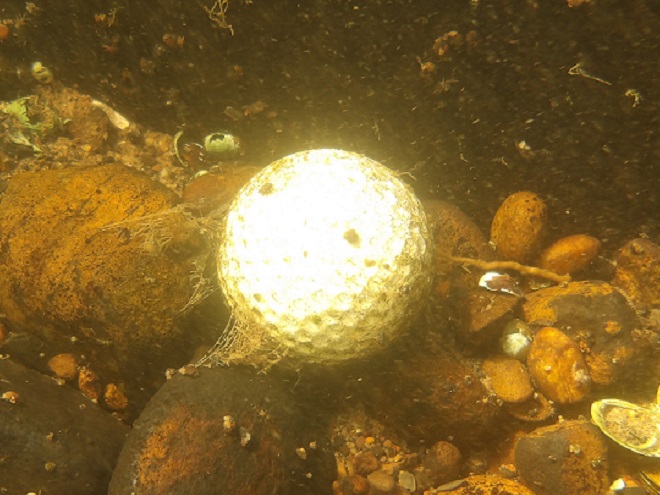


Well, it looks like the skipper’s tired and grumpy, so that’s all for now. Until next time, bon voyage!
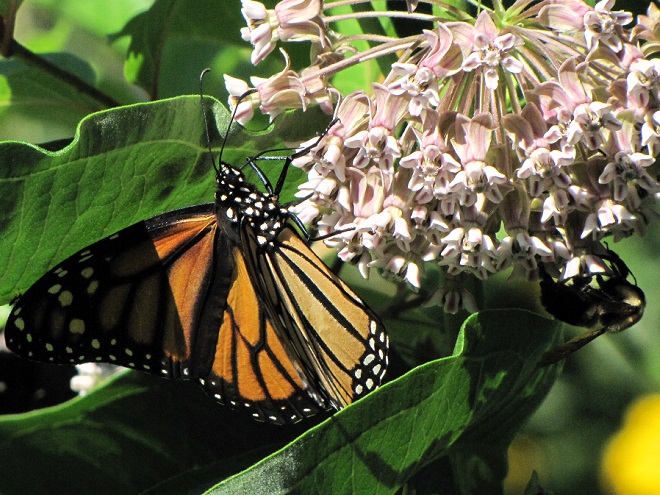
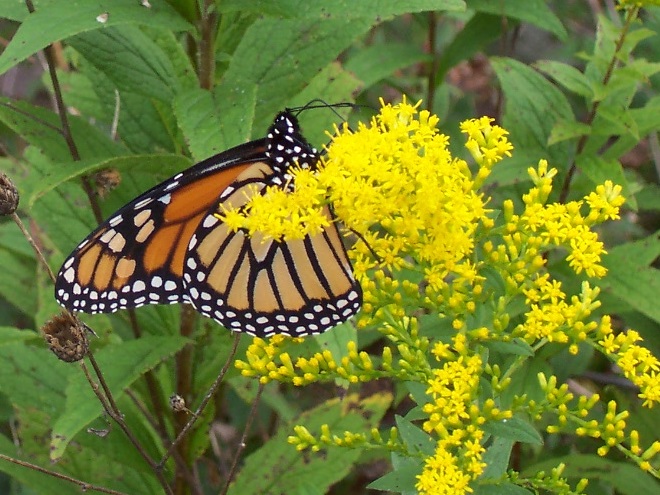
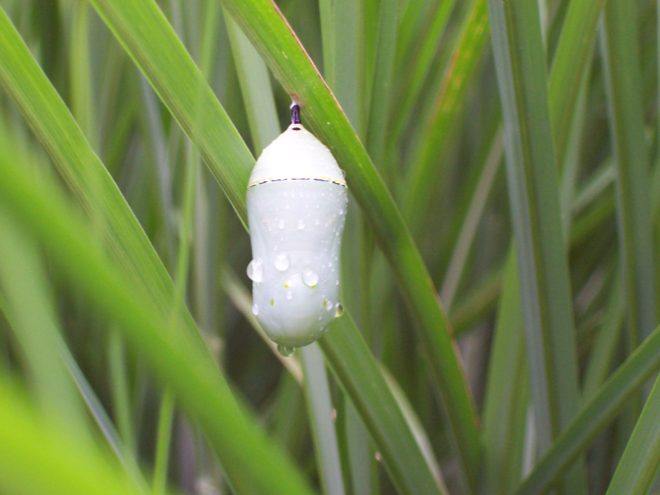
This month, the International Union for Conservation of Nature (I.U.C.N.) added the Migratory Monarch Butterfly (Danaus plexippus plexippus) to its “Red List of Threatened Species”, classifying it as endangered. Perhaps there is no better time than the present to have a look at the virtues of replacing areas of mowed and manicured grass with a wildflower garden or meadow that provides essential breeding and feeding habitat for Monarchs and hundreds of other species of animals.
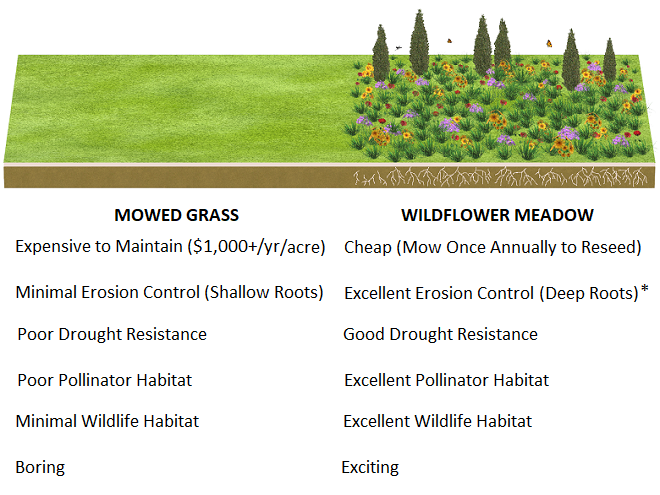
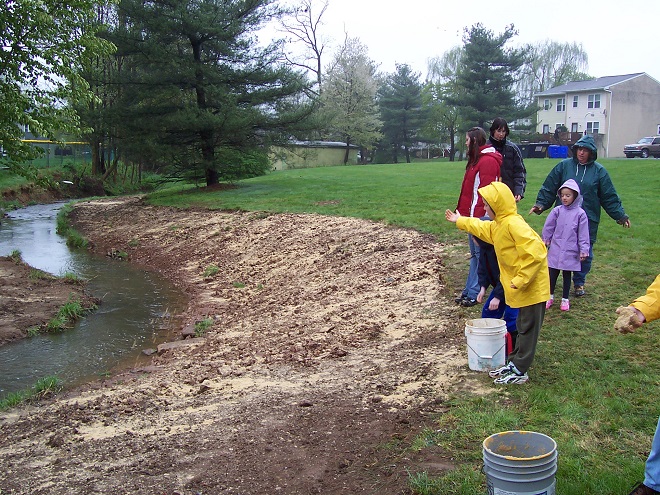
If you’re not quite sure about finally breaking the ties that bind you to the cult of lawn manicuring, then compare the attributes of a parcel maintained as mowed grass with those of a space planted as a wildflower garden or meadow. In our example we’ve mixed native warm season grasses with the wildflowers and thrown in a couple of Eastern Red Cedars to create a more authentic early successional habitat.
Still not ready to take the leap. Think about this: once established, the wildflower planting can be maintained without the use of herbicides or insecticides. There’ll be no pesticide residues leaching into the soil or running off during downpours. Yes friends, it doesn’t matter whether you’re using a private well or a community system, a wildflower meadow is an asset to your water supply. Not only is it free of man-made chemicals, but it also provides stormwater retention to recharge the aquifer by holding precipitation on site and guiding it into the ground. Mowed grass on the other hand, particularly when situated on steep slopes or when the ground is frozen or dry, does little to stop or slow the sheet runoff that floods and pollutes streams during heavy rains.
What if I told you that for less than fifty bucks, you could start a wildflower garden covering 1,000 square feet of space? That’s a nice plot 25′ x 40′ or a strip 10′ wide and 100′ long along a driveway, field margin, roadside, property line, swale, or stream. All you need to do is cast seed evenly across bare soil in a sunny location and you’ll soon have a spectacular wildflower garden. Here at the susquehannawildllife.net headquarters we don’t have that much space, so we just cast the seed along the margins of the driveway and around established trees and shrubs. Look what we get for pennies a plant…
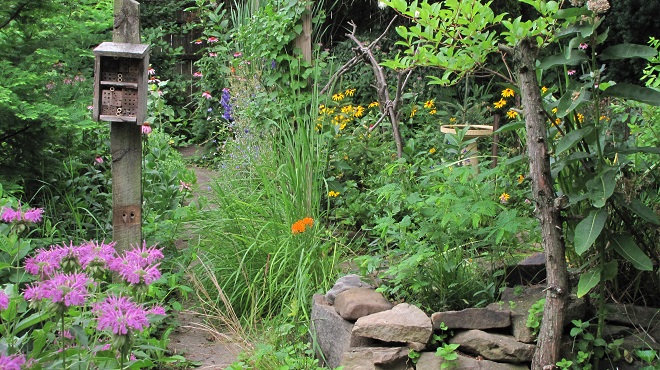
Here’s a closer look…
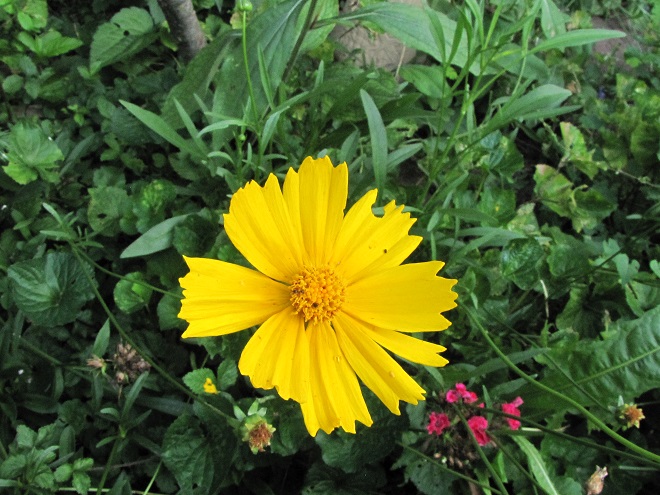


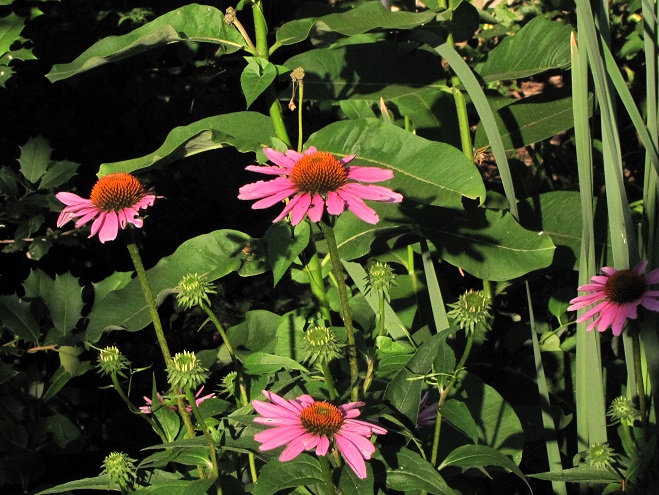
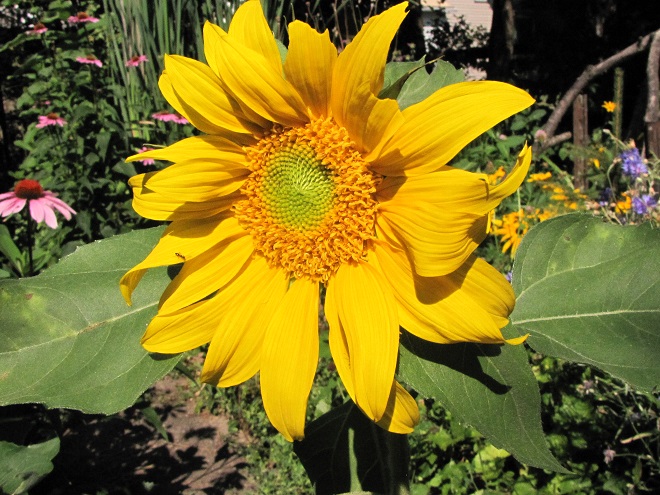
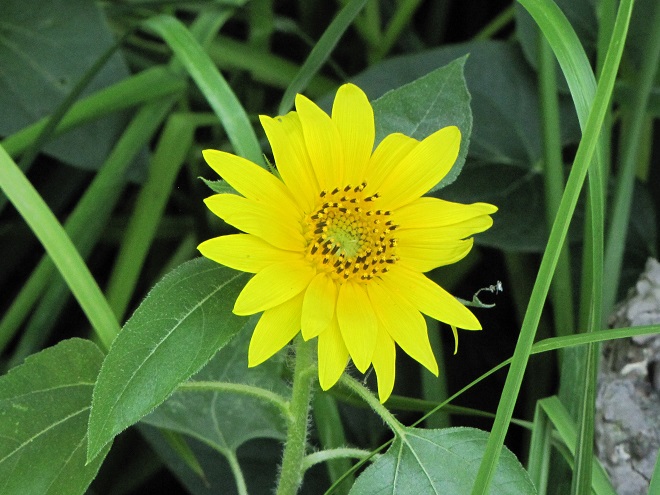
All this and best of all, we never need to mow.
Around the garden, we’ve used a northeast wildflower mix from American Meadows. It’s a blend of annuals and perennials that’s easy to grow. On their website, you’ll find seeds for individual species as well as mixes and instructions for planting and maintaining your wildflower garden. They even have a mix specifically formulated for hummingbirds and butterflies.
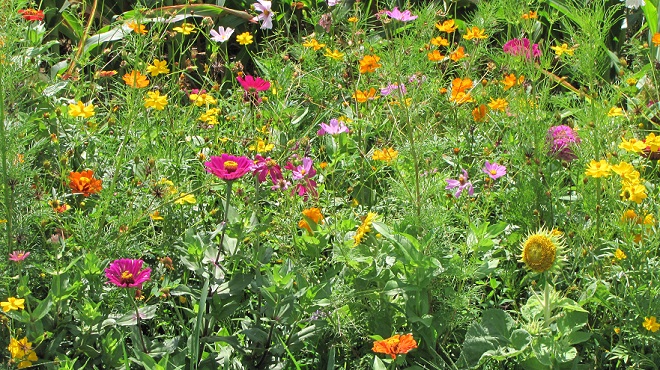
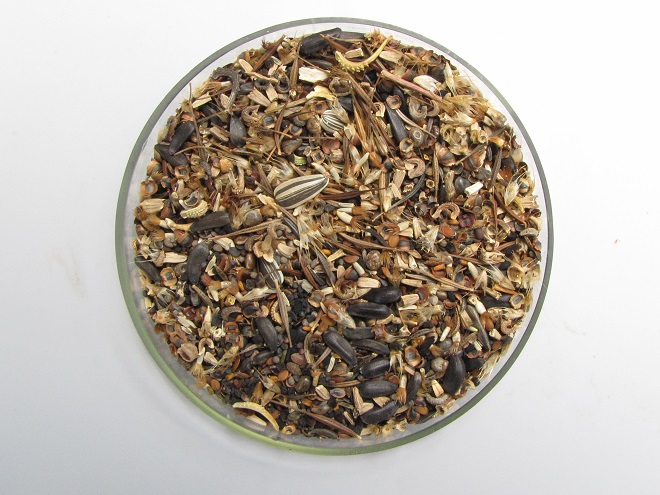
Nothing does more to promote the spread and abundance of non-native plants, including invasive species, than repetitive mowing. One of the big advantages of planting a wildflower garden or meadow is the opportunity to promote the growth of a community of diverse native plants on your property. A single mowing is done only during the dormant season to reseed annuals and to maintain the meadow in an early successional stage—preventing reversion to forest.
For wildflower mixes containing native species, including ecotypes from locations in and near the Lower Susquehanna River Watershed, nobody beats Ernst Conservation Seeds of Meadville, Pennsylvania. Their selection of grass and wildflower seed mixes could keep you planting new projects for a lifetime. They craft blends for specific regions, states, physiographic provinces, habitats, soils, and uses. Check out these examples of some of the scores of mixes offered at Ernst Conservation Seeds…
We’ve used their “Showy Northeast Native Wildflower and Grass Mix” on streambank renewal projects with great success. For Monarchs, we really recommend the “Butterfly and Hummingbird Garden Mix”. It includes many of the species pictured above plus “Fort Indiantown Gap” Little Bluestem, a warm-season grass native to Lebanon County, Pennsylvania, and milkweeds (Asclepias), which are not included in their northeast native wildflower blends. More than a dozen of the flowers and grasses currently included in this mix are derived from Pennsylvania ecotypes, so you can expect them to thrive in the Lower Susquehanna River Watershed.
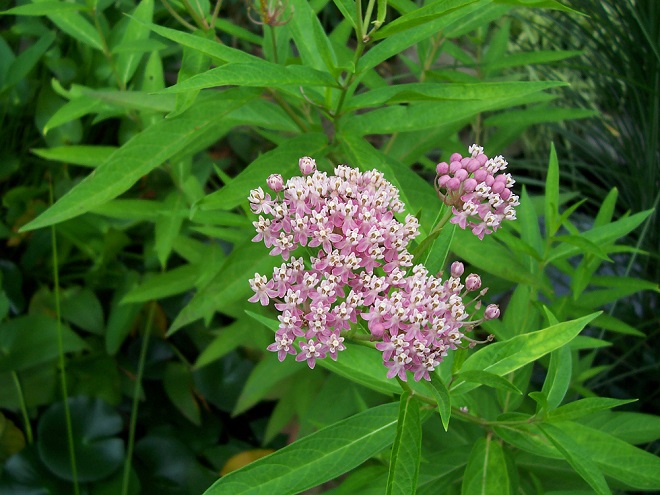
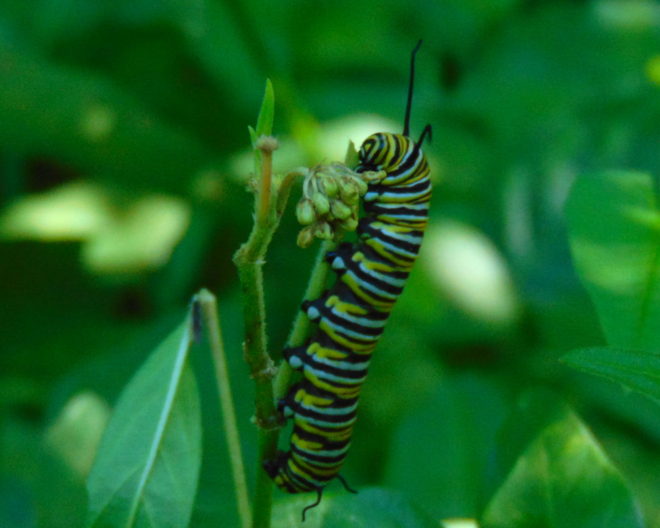
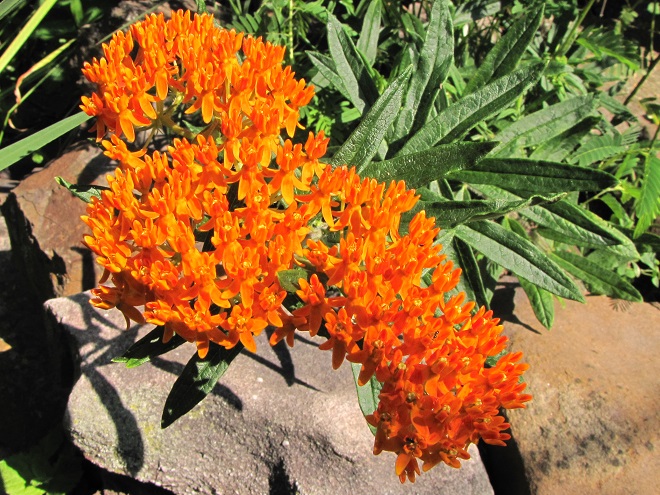
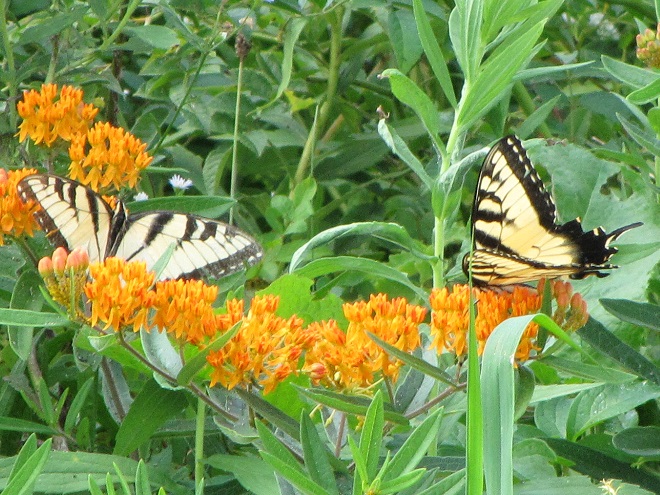
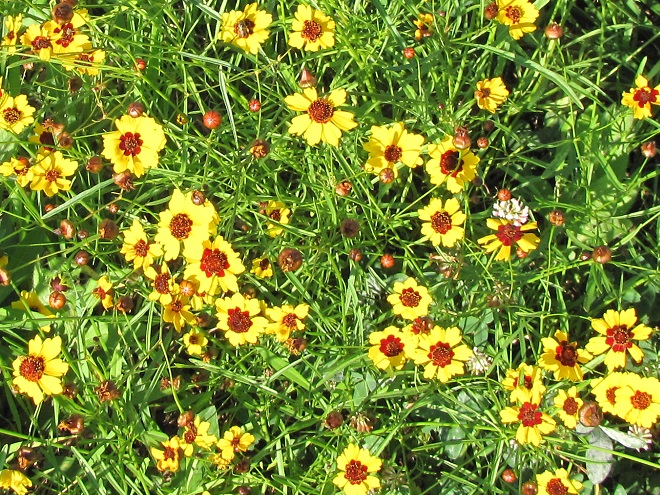
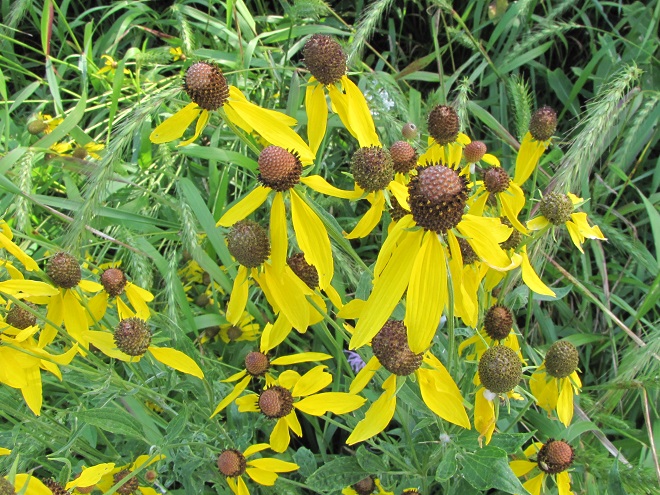
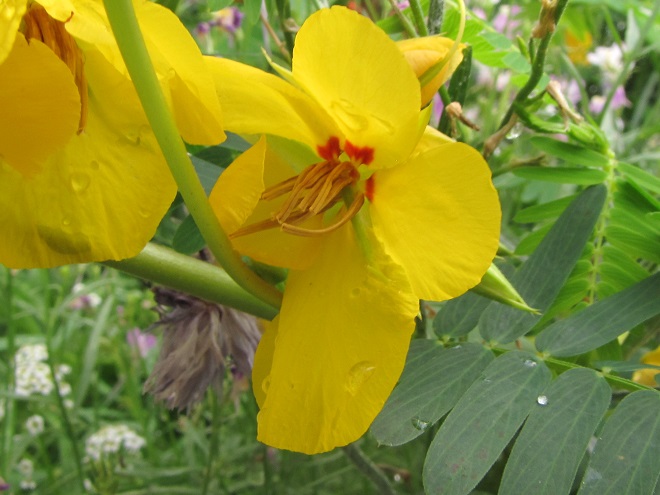
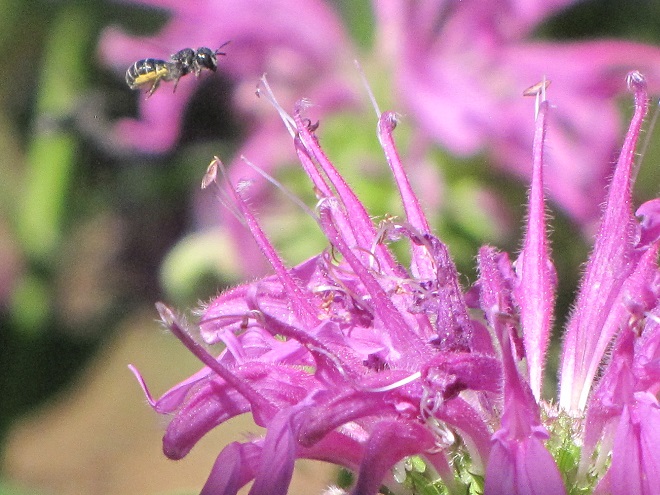
In addition to the milkweeds, you’ll find these attractive plants included in Ernst Conservation Seed’s “Butterfly and Hummingbird Garden Mix”, as well as in some of their other blends.
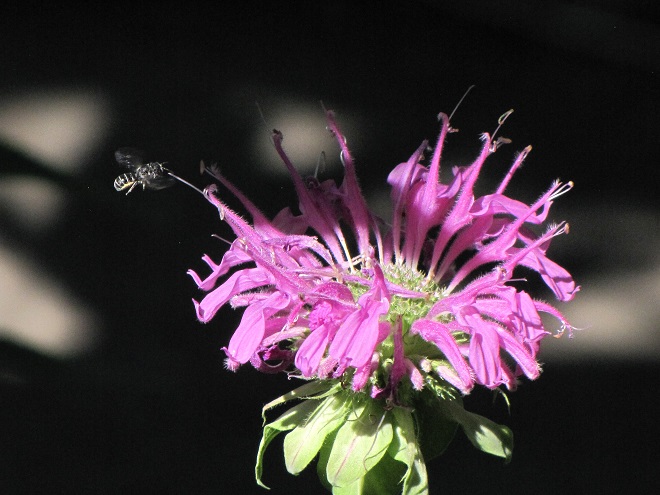
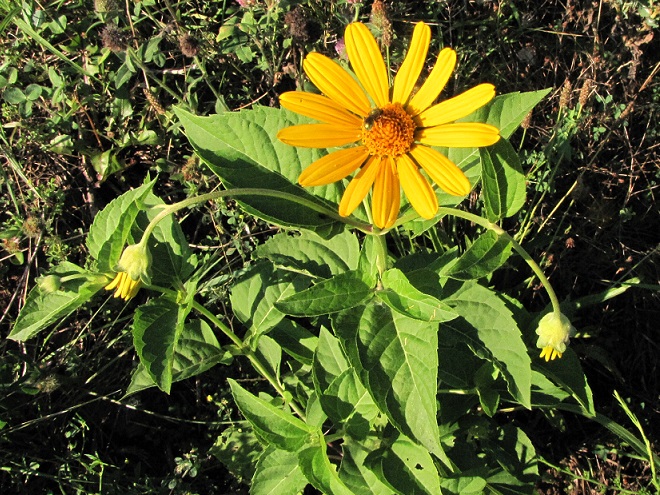
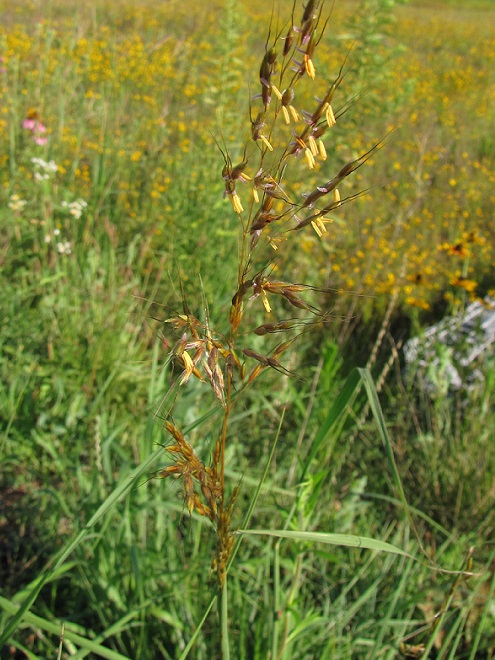
Why not give the Monarchs and other wildlife living around you a little help? Plant a wildflower garden or meadow. It’s so easy, a child can do it.

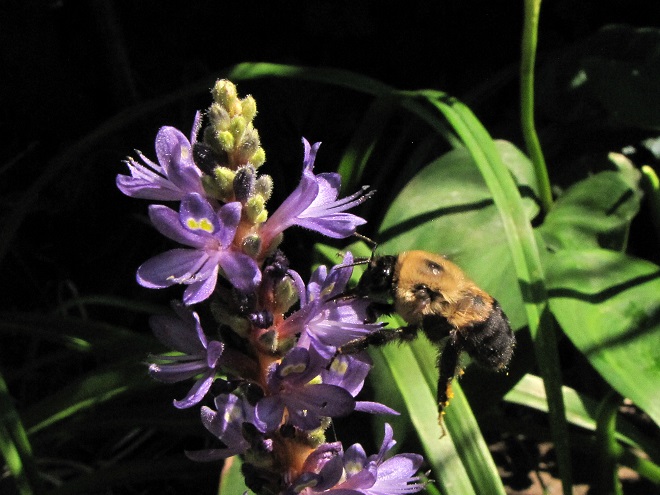
With the gasoline and gunpowder gang’s biggest holiday of the year now upon us, wouldn’t it be nice to get away from the noise and the enduring adolescence for just a little while to see something spectacular that isn’t exploding or on fire? Well, here’s a suggestion: head for the hills to check out the flowers of our native rhododendron, the Great Rhododendron (Rhododendron maximum), also known as Rosebay.
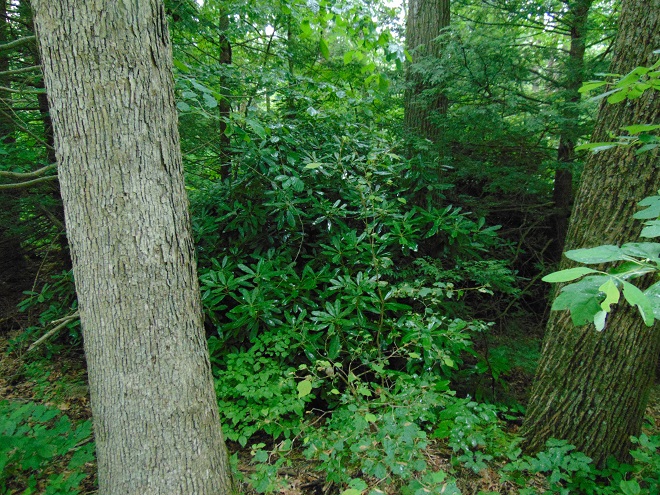
Thickets composed of our native heathers/heaths (Ericaceae) including Great Rhododendron, Mountain Laurel, and Pinxter Flower (Rhododendron periclymenoides), particularly when growing in association with Eastern Hemlock and/or Eastern White Pine, provide critical winter shelter for forest wildlife. The flowers of native heathers/heaths attract bees and other pollinating insects and those of the deciduous Pinxter Flower, which blooms in May, are a favorite of butterflies and Ruby-throated Hummingbirds.
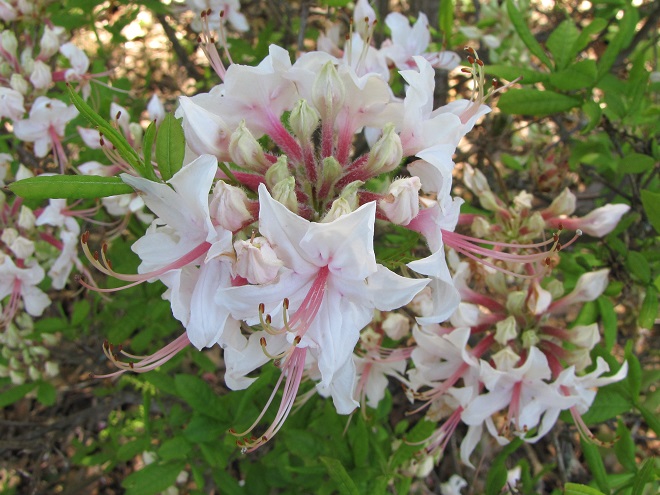
Forests with understories that include Great Rhododendrons do not respond well to logging. Although many Great Rhododendrons regenerate after cutting, the loss of consistent moisture levels in the soil due to the absence of a forest canopy during the sunny summertime can, over time, decimate an entire population of plants. In addition, few rhododendrons are produced by seed, even under optimal conditions. Great Rhododendron seeds and seedlings are very sensitive to the physical composition of forest substrate and its moisture content during both germination and growth. A lack of humus, the damp organic matter in soil, nullifies the chances of successful recolonization of a rhododendron understory by seed. In locations where moisture levels are adequate for their survival and regeneration after logging, impenetrable Great Rhododendron thickets will sometimes come to dominate a site. These monocultures can, at least in the short term, cause problems for foresters by interrupting the cycle of succession and excluding the reestablishment of native trees. In the case of forests harboring stands of Great Rhododendron, it can take a long time for a balanced ecological state to return following a disturbance as significant as logging.
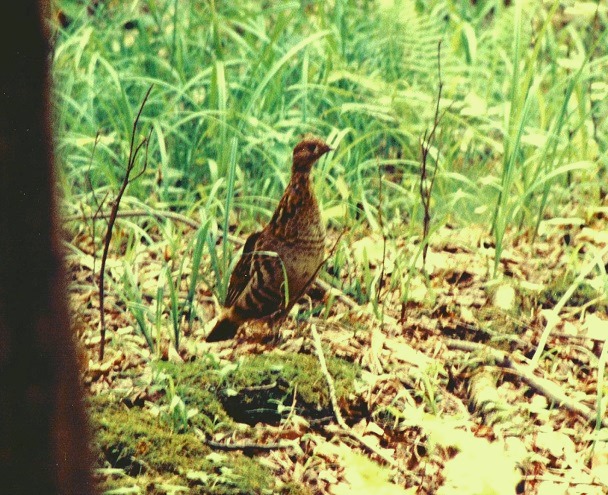
In the lower Susquehanna region, the Great Rhododendron blooms from late June through the middle of July, much later than the ornamental rhododendrons and azaleas found in our gardens. Set against a backdrop of deep green foliage, the enormous clusters of white flowers are hard to miss.
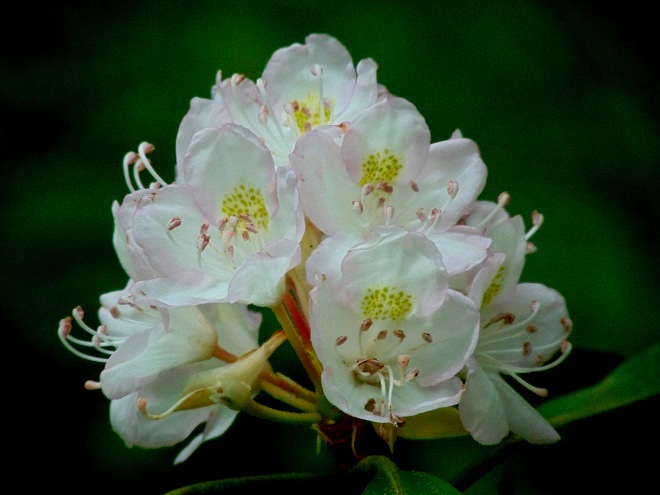
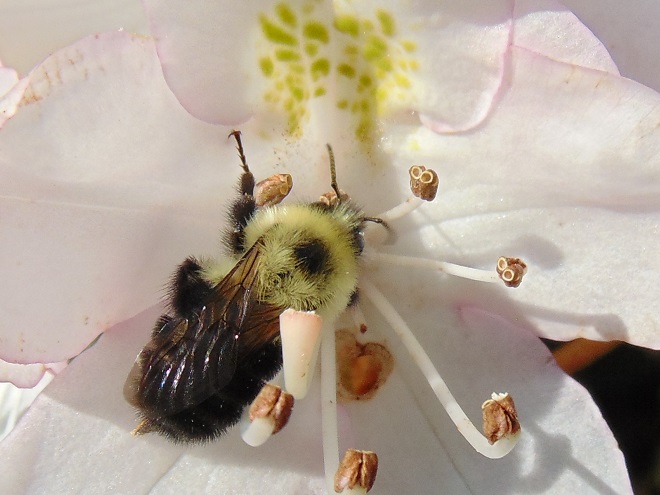
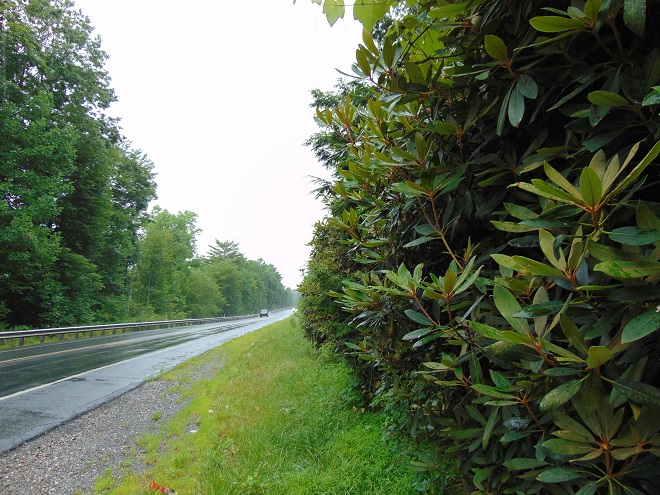
In the Lower Susquehanna River Watershed, there are but a few remaining stands of Great Rhododendron. One of the most extensive populations is in the Ridge and Valley Province on the north side of Second Mountain along Swatara Creek near Ravine (just off Interstate 81) in Schuylkill County, Pennsylvania. Smaller groves are found in the Piedmont Province in the resort town of Mount Gretna in Lebanon County and in stream ravines along the lower river gorge at the Lancaster Conservancy’s Ferncliff and Wissler’s Run Preserves. Go have a look. You’ll be glad you did.

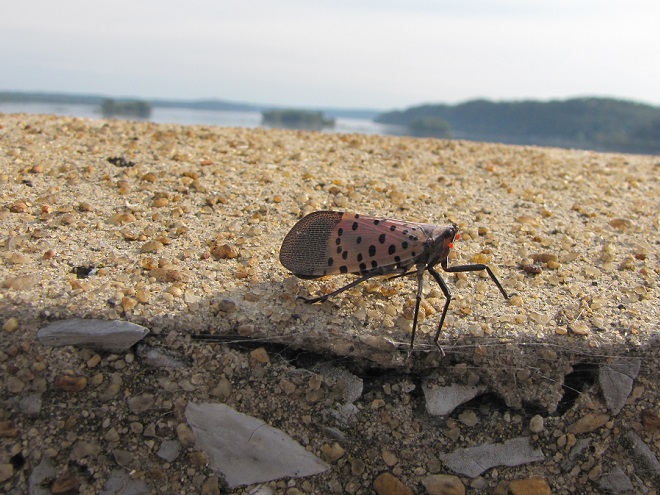
Once upon a time, a great panic spread throughout the lower Susquehanna region. A destructive mob of invaders was overtaking our verdant land and was sure to decimate all in its path. Clad in gray and butternut, they came by the thousands. Flashing their crimson banners, they signaled their arrival at each new waypoint along their route. The Pennsylvania government called upon the populace to heed the call and turn out in defense of the state. Small bands of well-intentioned citizens tried in vain to turn back the progress of the hostiles—none succeeded. But for a cadre of civic-minded elites and some small groups of college professors and their students, few responded to a call to confine the invasion along designated lines of containment. Word spread quickly throughout the valley that farms had been overrun by waves of the merciless intruders. Agrarians reported that their orchards had been stripped; they had lost all of the fruits of their labor. Stories exaggerating the hideous appearance of the approaching aliens struck fear into the faint-of-heart. The growing sentiment among the terror-stricken residents: this horde must be stopped before pestilence is visited upon everyone in the state!
And so, on the evening of June 28, 1863, just three days before the Battle of Gettysburg, the wooden Susquehanna River bridge at Columbia-Wrightsville was set ablaze just as Brigadier General John B. Gordon’s brigade of the invading Army of Northern Virginia approached the span’s west entrance preparing to cross to the eastern shore. Thus, the rebel tide was turned away from the Susquehanna at the point some contend to be the authentic “High-water Mark of the Confederacy”.
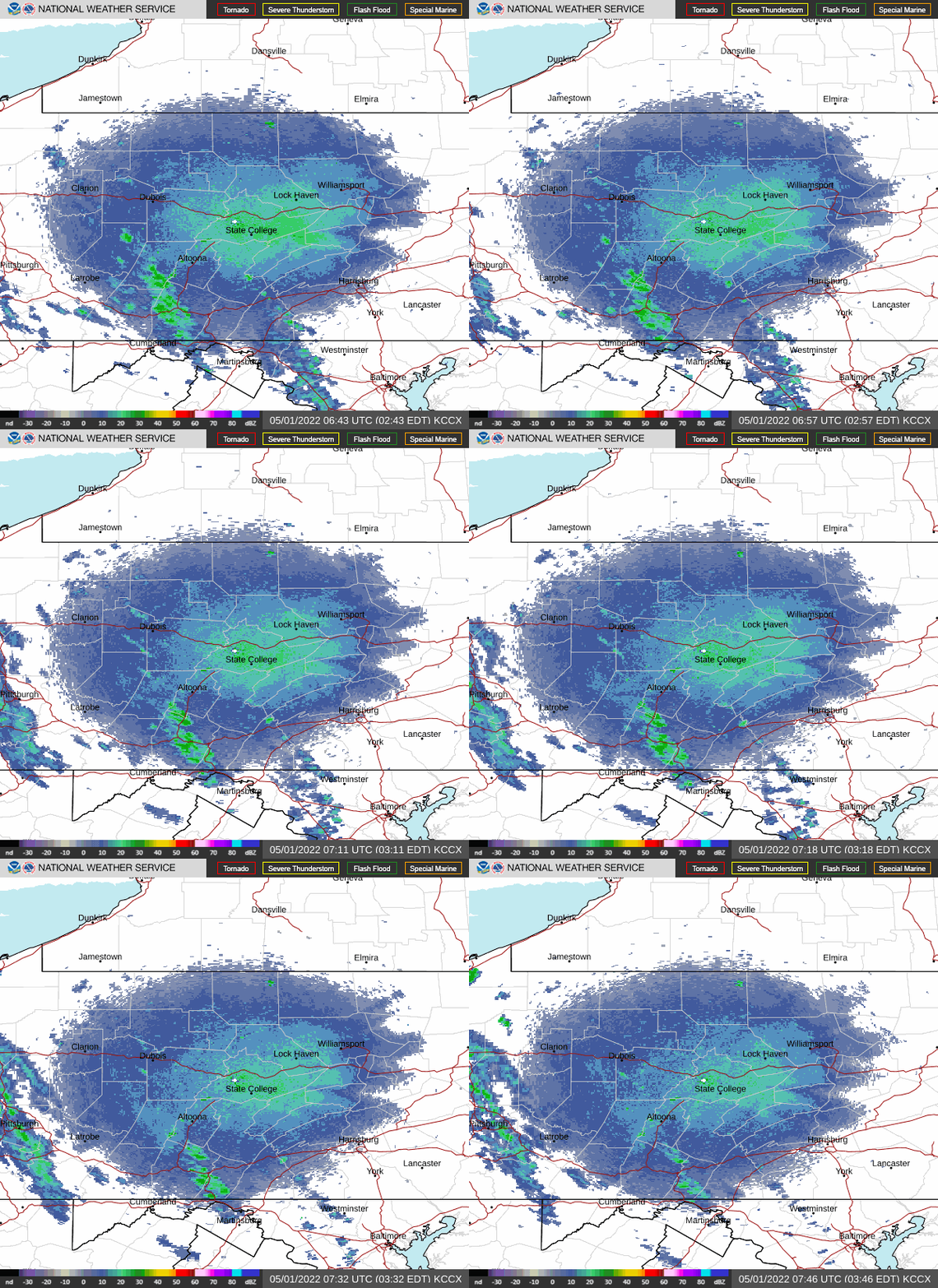
National Weather Service radar showed a sizeable nocturnal flight of migrating birds early this morning. Let’s go for a short stroll and see what’s around.
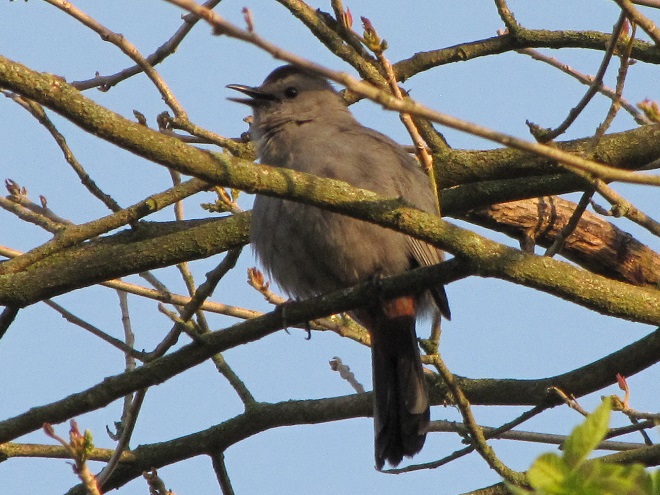
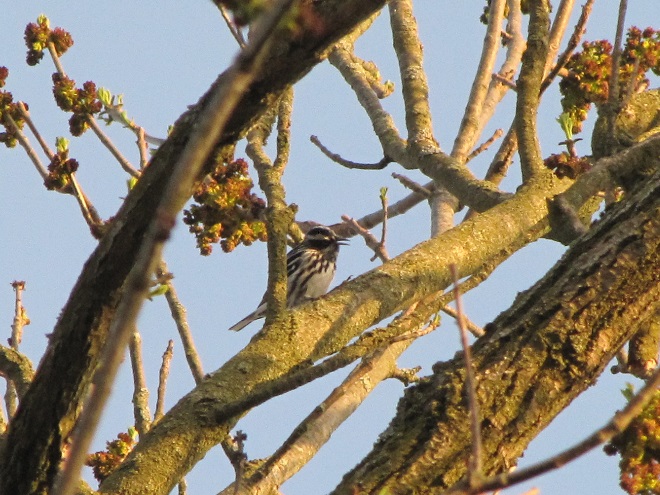
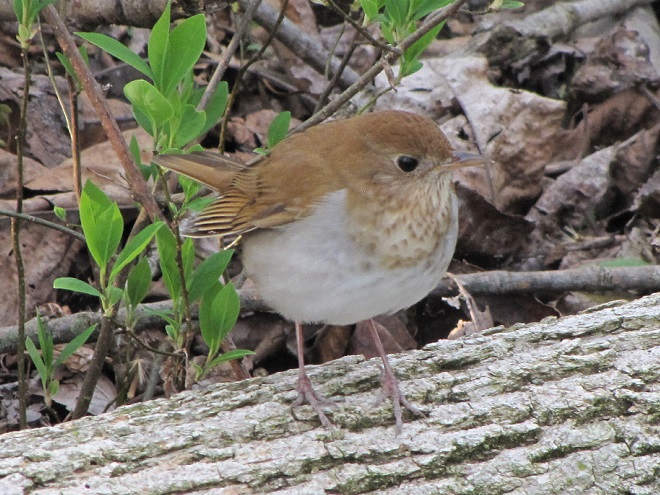
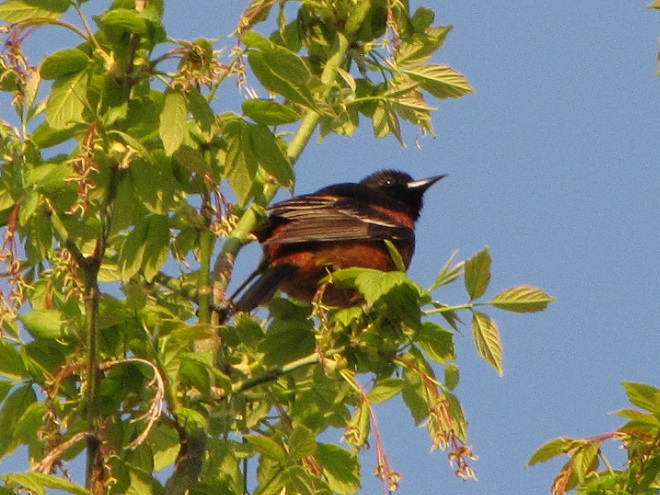
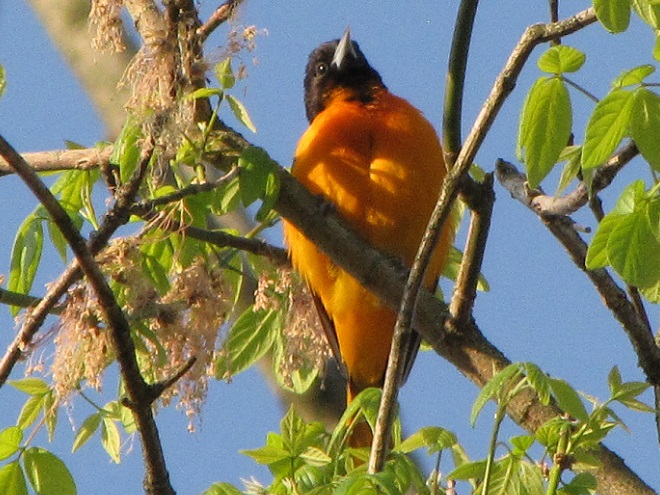
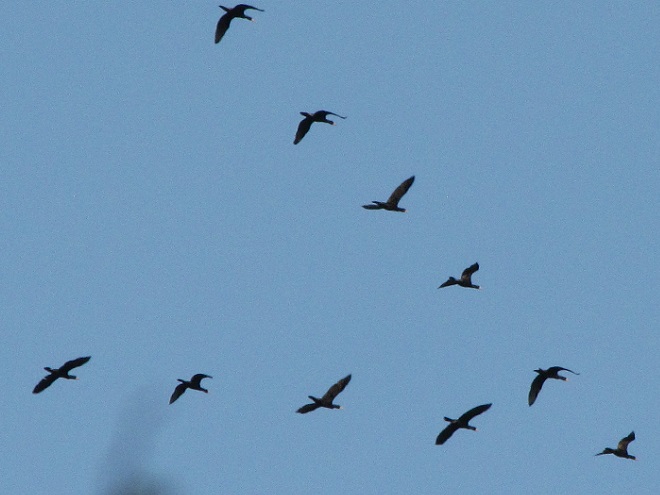
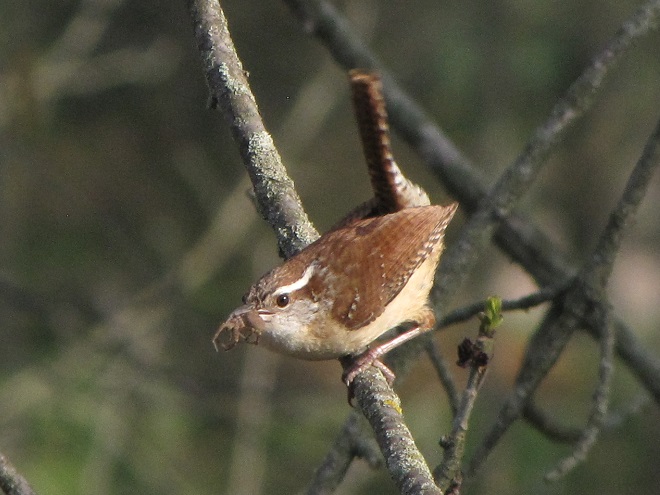
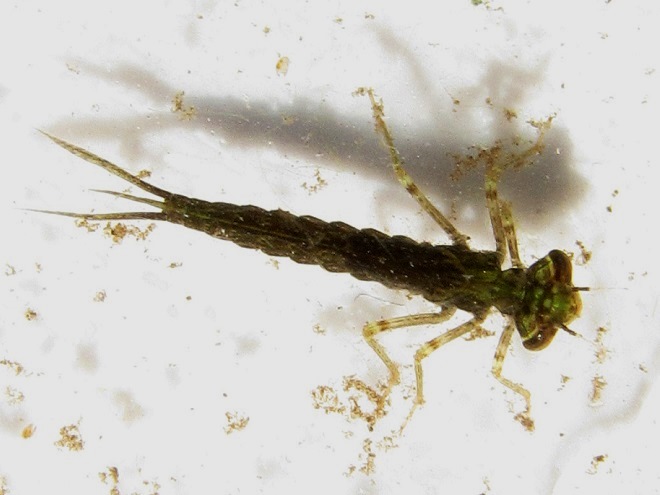
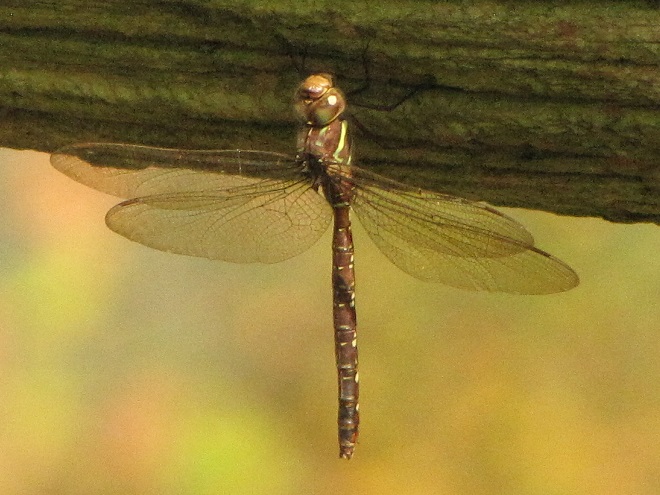
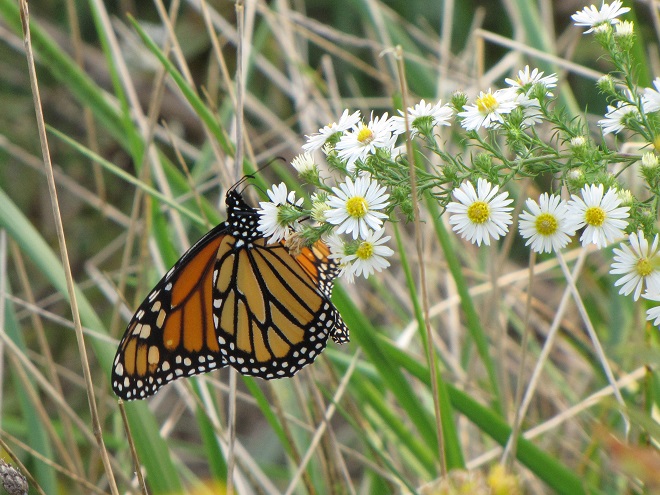
Can it be that time already? Most Neotropical birds have passed through the Lower Susquehanna River Watershed on their way south and the hardier species that will spend our winter in the more temperate climes of the eastern United States are beginning to arrive.
Here’s a gallery of sightings from recent days…
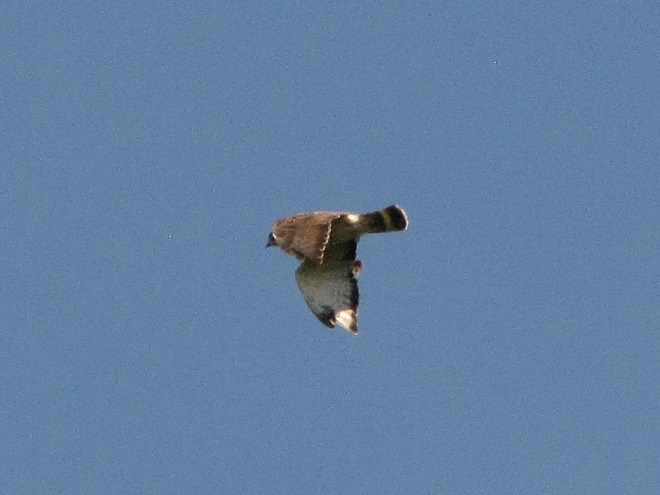
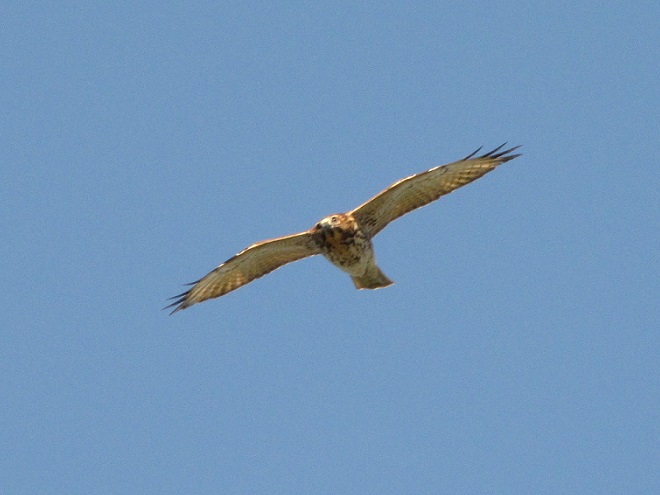
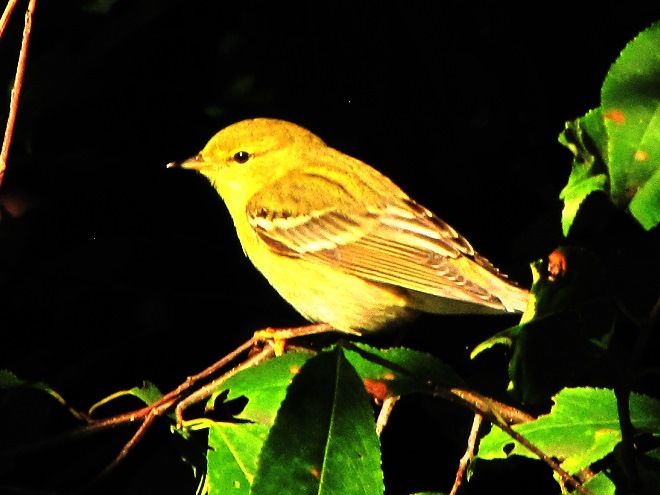
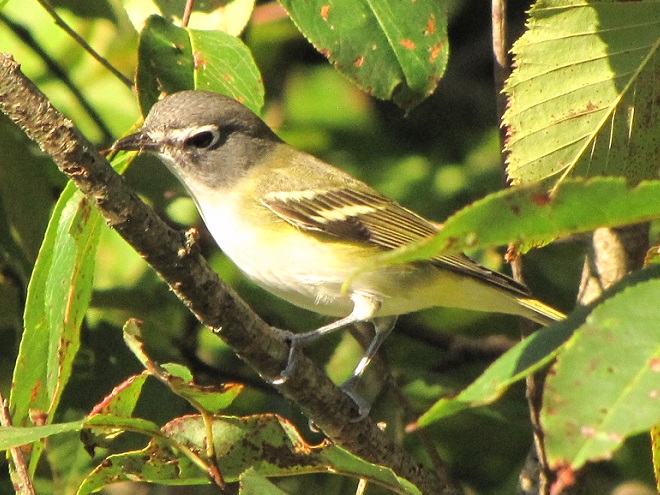

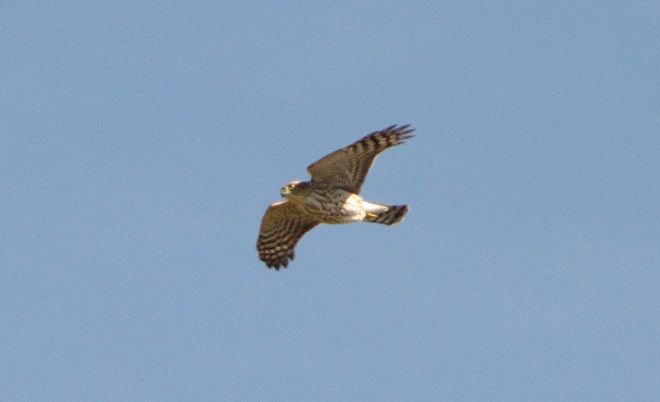
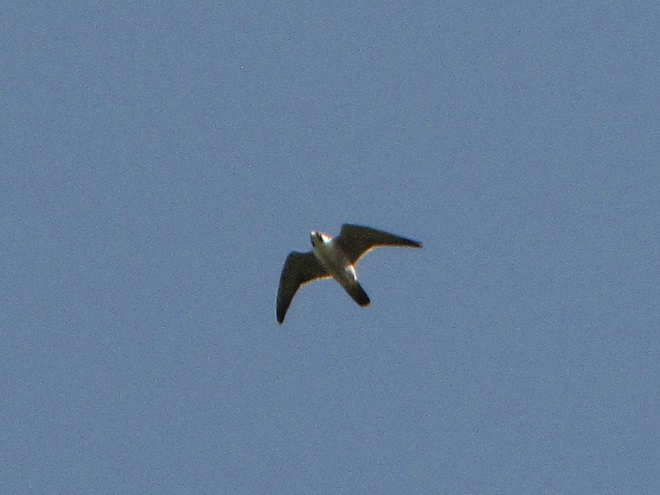
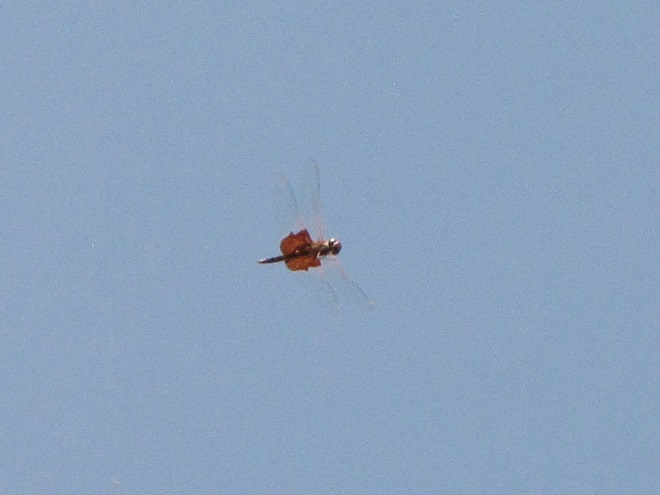
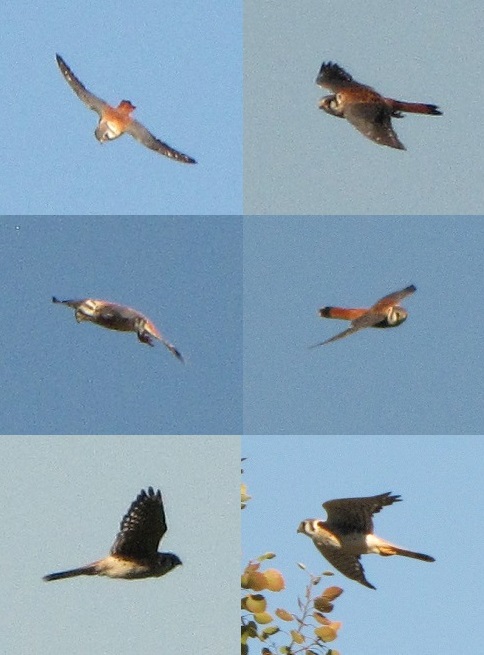
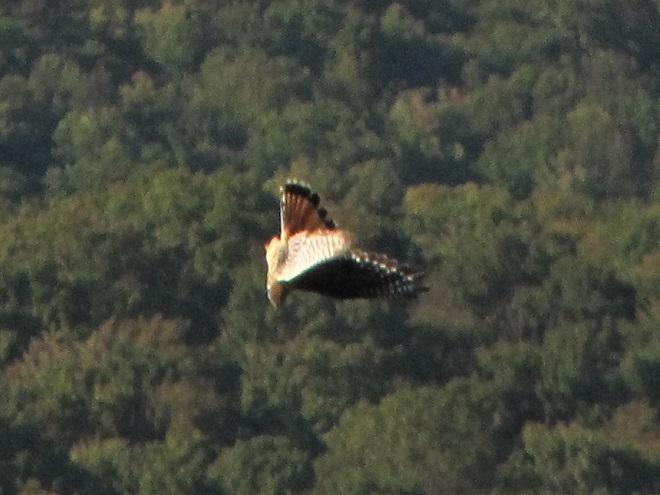
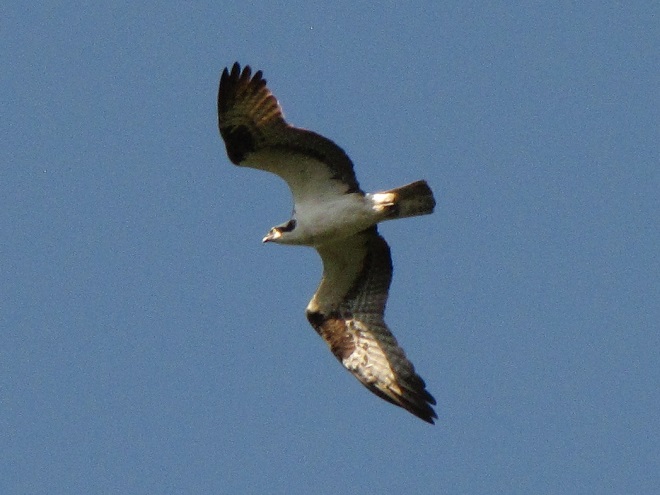
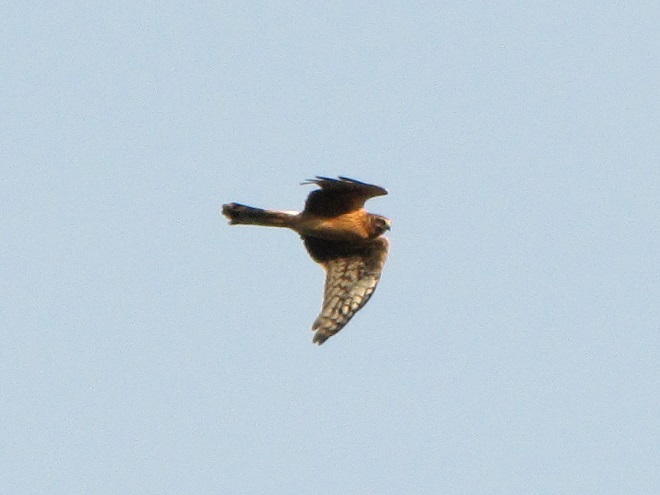
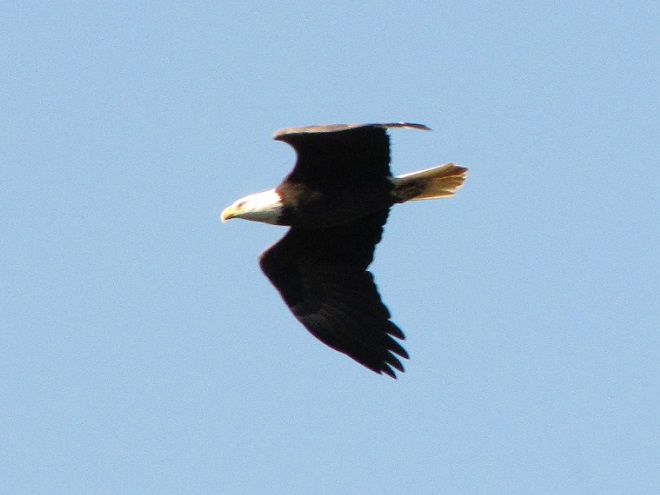
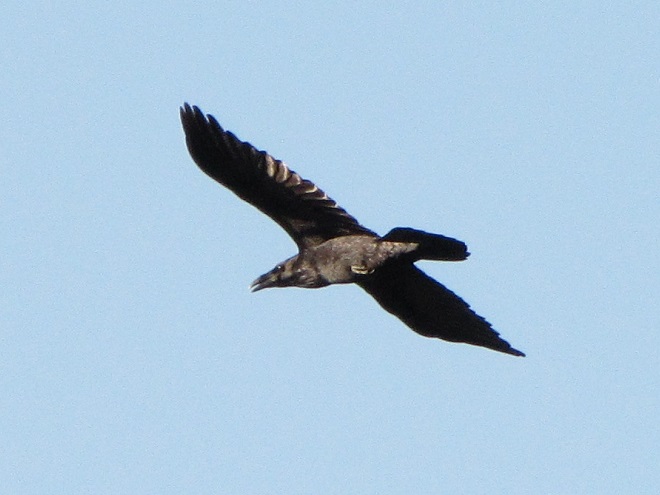
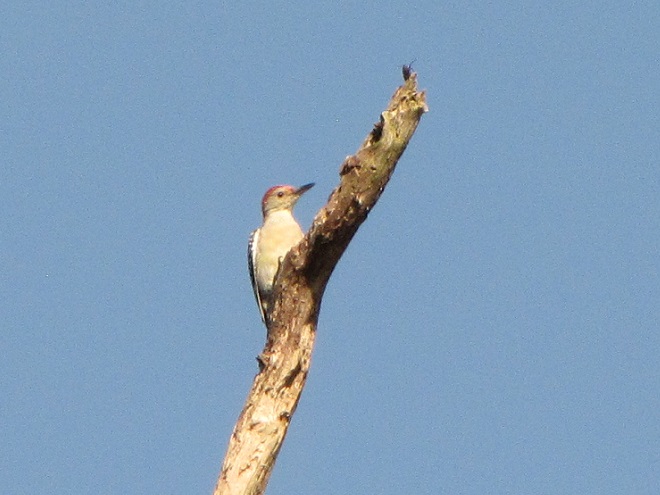
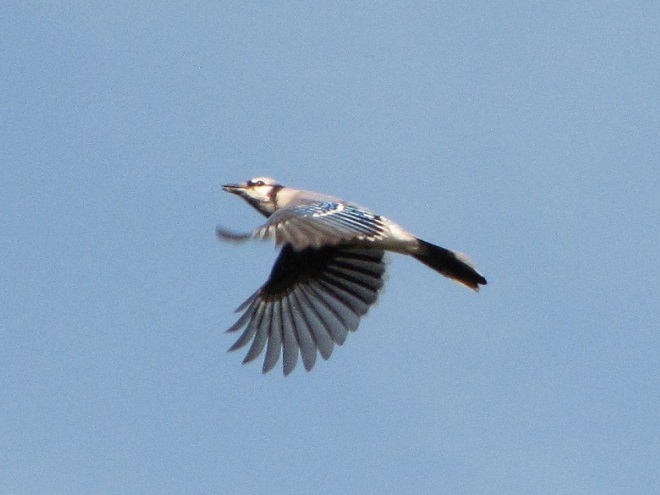
Be sure to click on these tabs at the top of this page to find image guides to help you identify the dragonflies, birds, and raptors you see in the Lower Susquehanna River Watershed…
See you next time!
During the coming two weeks, peak numbers of migrating Neotropical birds will be passing through the northeastern United States including the lower Susquehanna valley. Hawk watches are staffed and observers are awaiting big flights of Broad-winged Hawks—hoping to see a thousand birds or more in a single day.
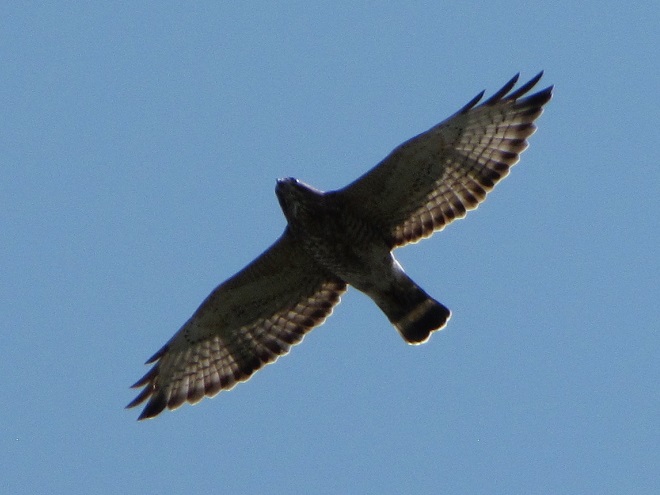
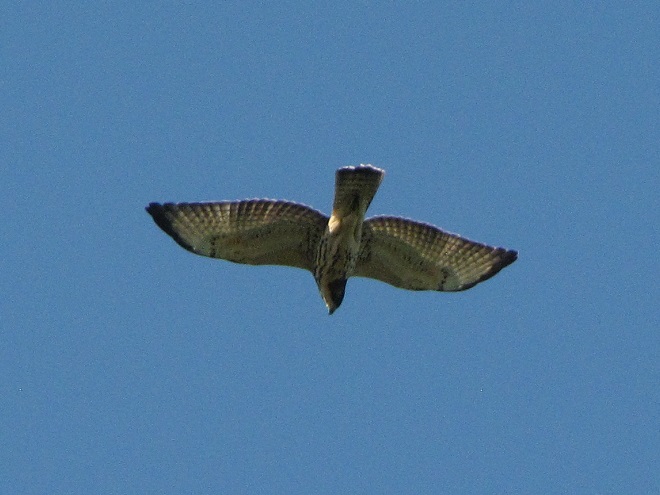
Broad-winged hawks feed on rodents, amphibians, and a variety of large insects while on their breeding grounds in the forests of the northern United States and Canada. They depart early, journeying to wintering areas in Central and South America before frost robs them of a reliable food supply.
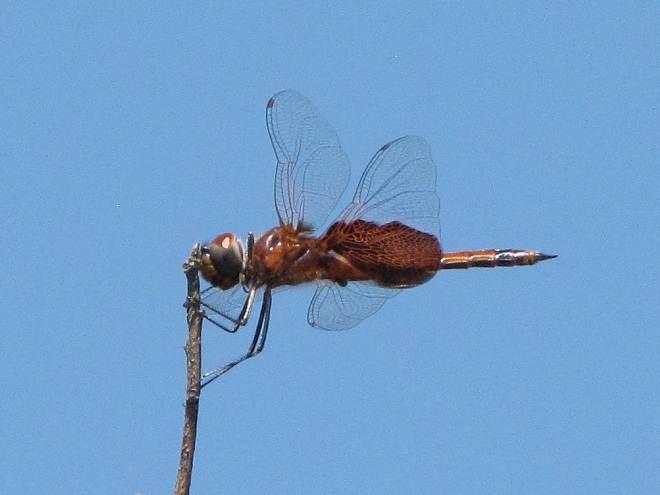
While migrating, Broad-winged Hawks climb to great altitudes on thermal updrafts and are notoriously difficult to see from ground level. Bright sunny skies with no clouds to serve as a backdrop further complicate a hawk counter’s ability to spot passing birds. Throughout the Lower Susquehanna River Watershed, the coming week promises to be especially challenging for those trying to observe and census the passage of high-flying Broad-winged Hawks. The forecast of hot and humid weather is not so unusual, but the addition of smoke from fires in the western states promises to intensify the haze and create an especially irritating glare for those searching the skies for raptors.

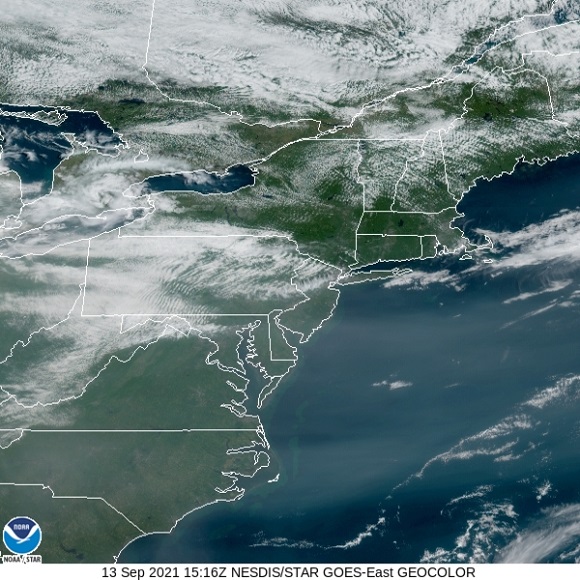

It may seem gloomy for the mid-September flights in 2021, but hawk watchers are hardy types. They know that the birds won’t wait. So if you want to see migrating “Broad-wings” and other species, you’ve got to get out there and look up while they’re passing through.
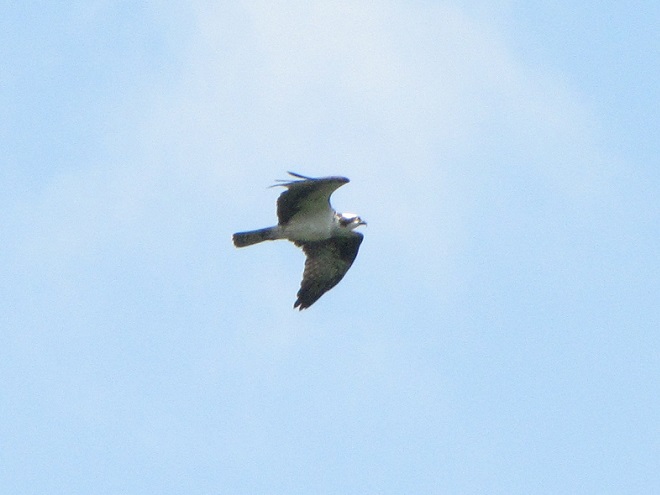
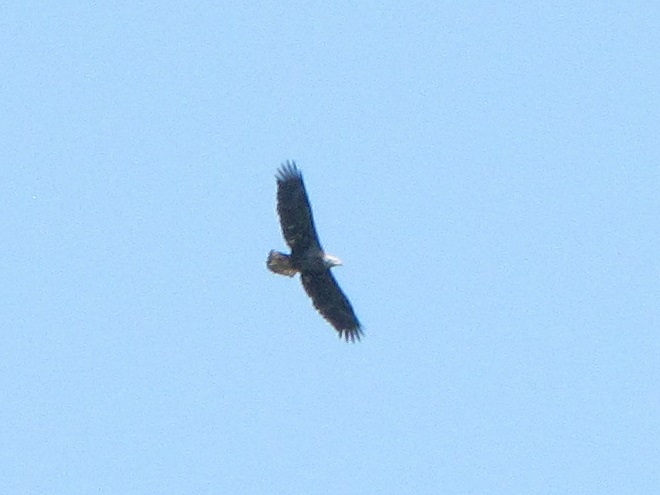
These hawk watches in the Lower Susquehanna River Watershed are currently staffed by official counters and all welcome visitors:
—or you can just keep an eye on the sky from wherever you happen to be. And don’t forget to check the trees and shrubs because warbler numbers are peaking too! During recent days…
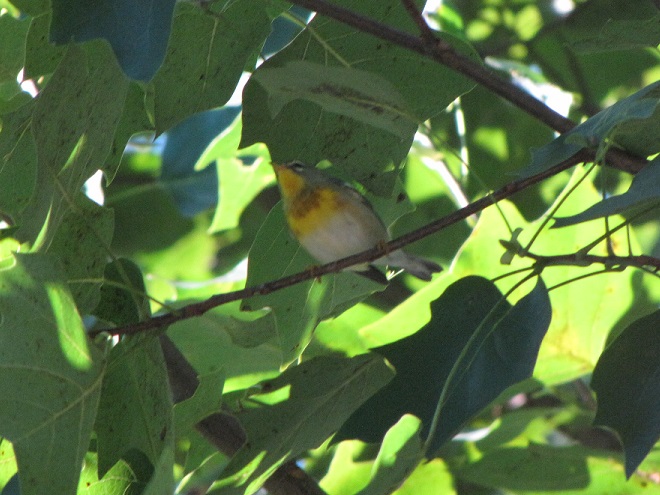
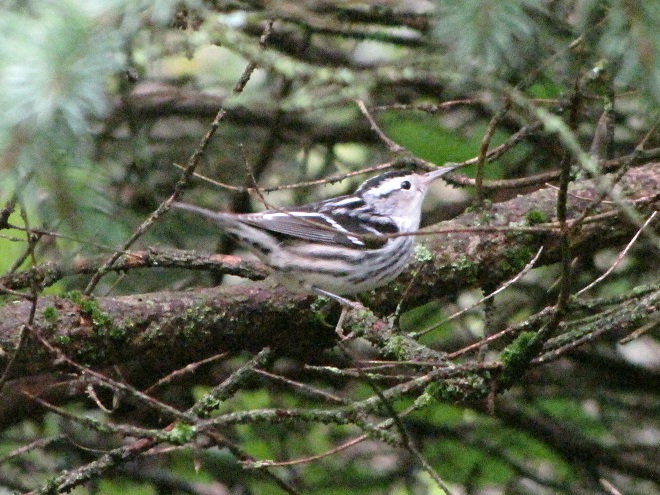
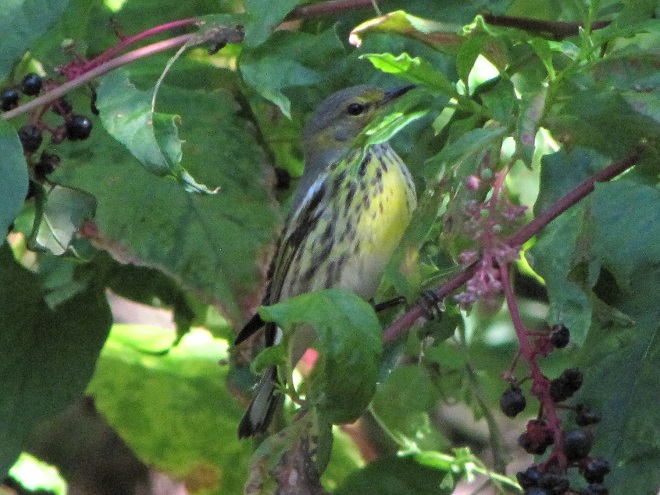
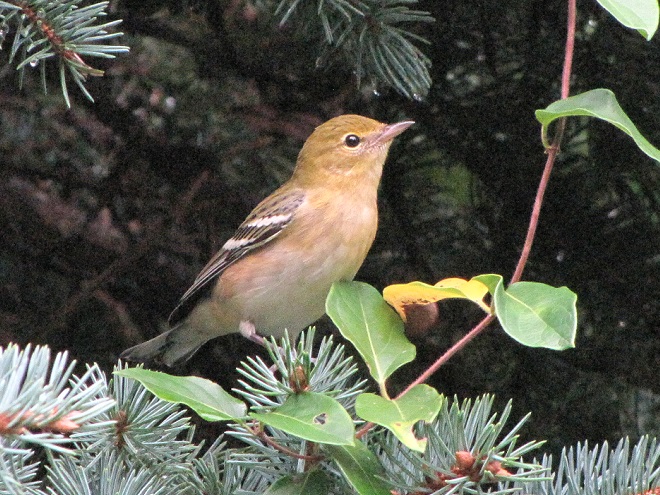
Neotropical birds are presently migrating south from breeding habitats in the United States and Canada to wintering grounds in Central and South America. Among them are more than two dozen species of warblers—colorful little passerines that can often be seen darting from branch to branch in the treetops as they feed on insects during stopovers in the Lower Susquehanna River Watershed.
Being nocturnal migrants, warblers are best seen first thing in the morning among sunlit foliage, often high in the forest canopy. After a night of flying, they stop to feed and rest. Warblers frequently join resident chickadees, titmice, and nuthatches to form a foraging flock that can contain dozens of songbirds. Migratory flycatchers, vireos, tanagers, and grosbeaks often accompany southbound warblers during early morning “fallouts”. Usually, the best way to find these early fall migrants is to visit a forest edge or thicket, particularly along a stream, a utility right-of-way, or on a ridge top. Then too, warblers and other Neotropical migrants are notorious for showing up in groves of mature trees in urban parks and residential neighborhoods—so look up!

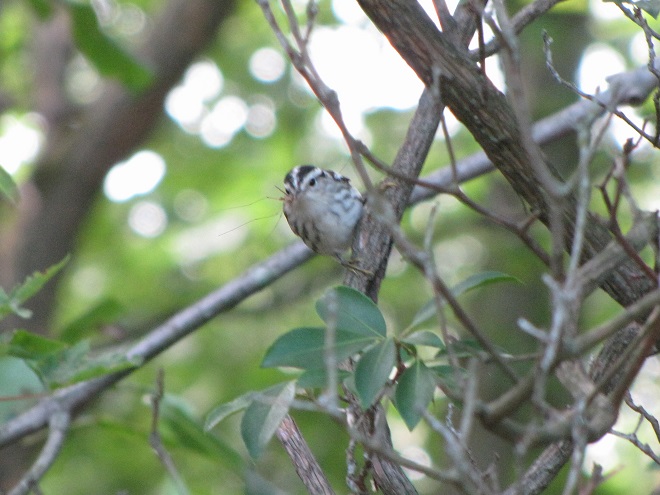
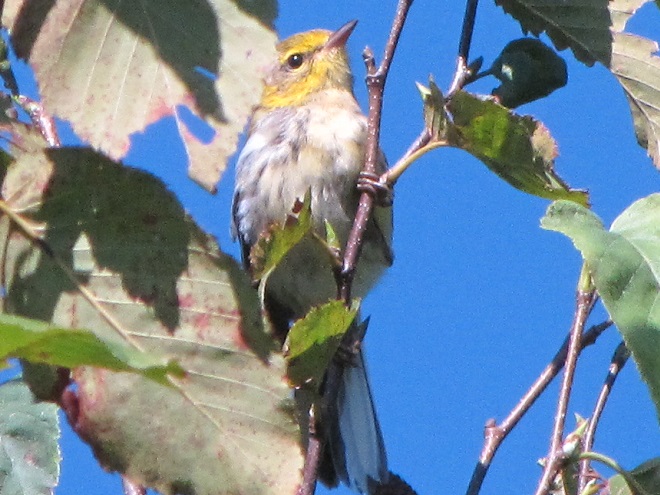
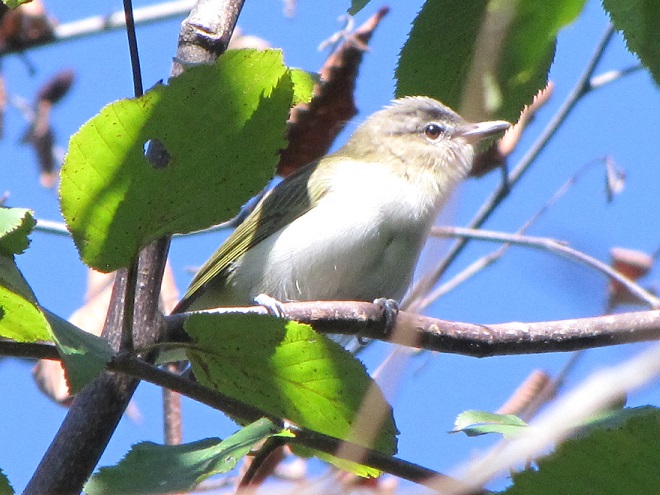
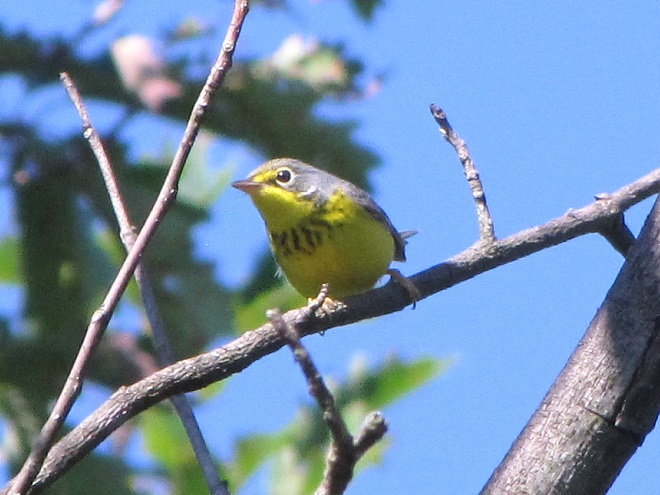
Be sure to visit the Birds of Conewago Falls page by clicking the “Birds” tab at the top of this page. There, you’ll find photographs of the birds, including warblers and other Neotropical migrants, that you’re likely to encounter at locations throughout the Lower Susquehanna River Watershed.
Some of of you may have been wondering why there has been no new content for a while. Well, rest assured that your editor has been replumbed and rewired by some of the best in the business during his recent stay at the Milton S. Hershey Medical Center and he is getting a little stronger every day. More field trips will be on the way soon!
In the meantime, have a look at some of the wide variety of dragonflies gathered along the shoreline at Gifford Pinchot State Park in York County, Pennsylvania. The lake was drained during the winter to perform some maintenance projects and has yet to refill because of the dry spring and early summer we’ve been experiencing. These photos show species seen mostly in the vegetated shallows near the dam.
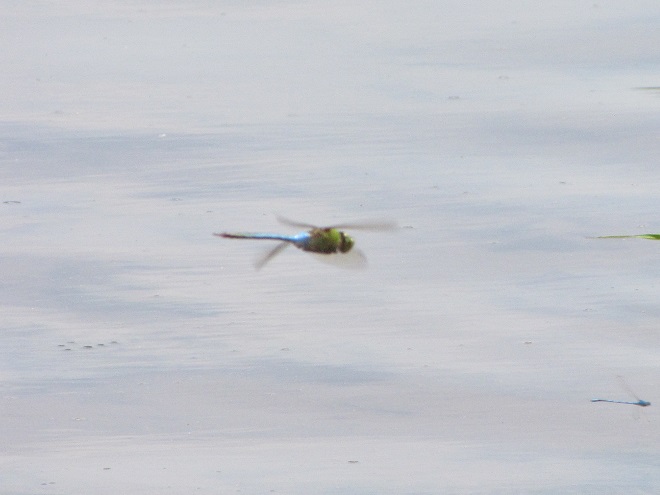
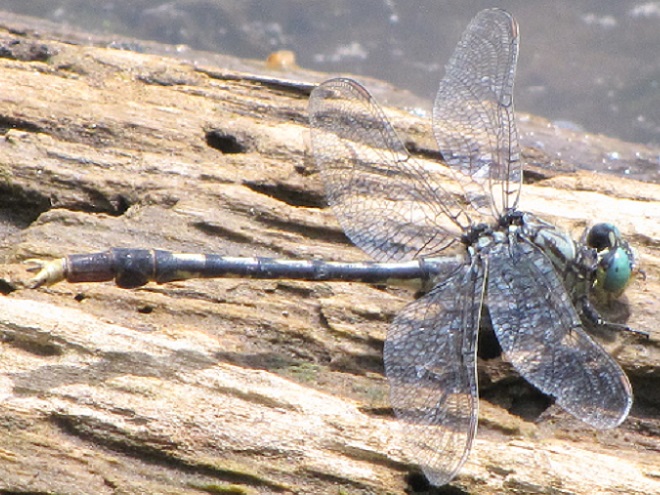
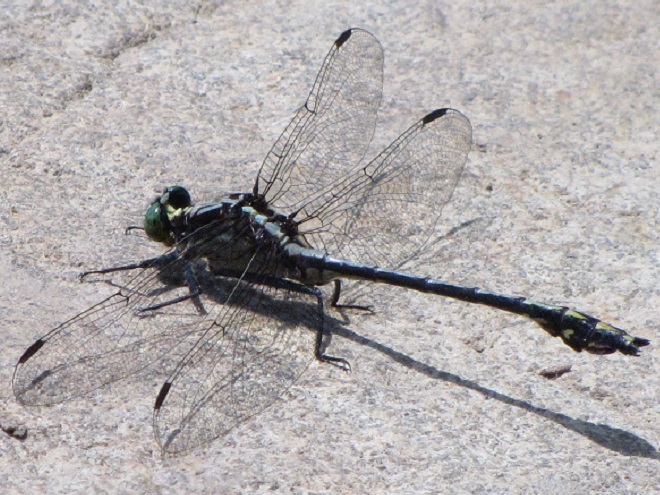

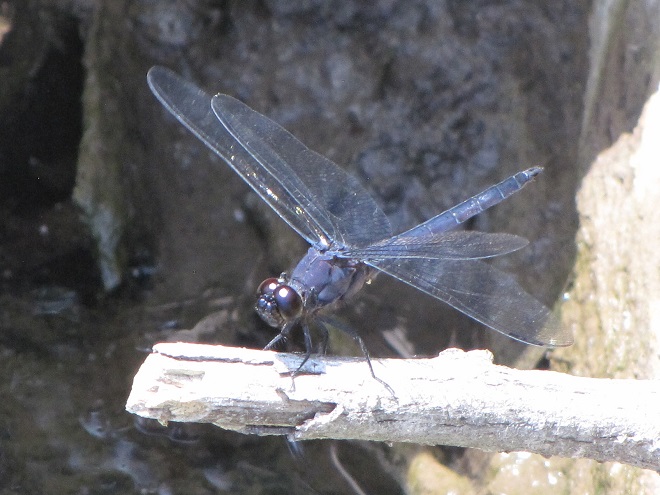
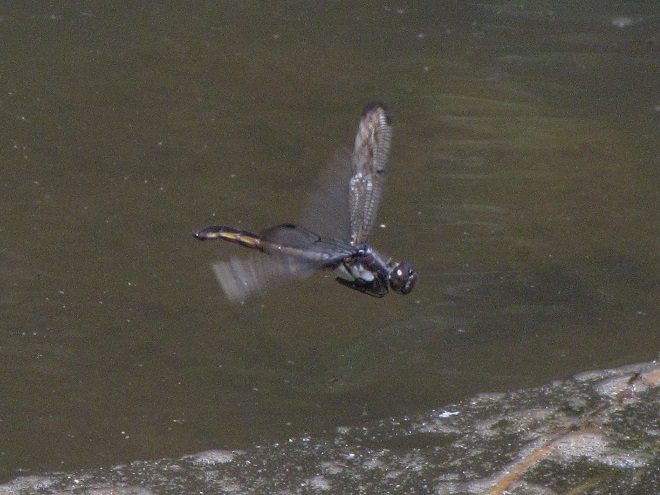
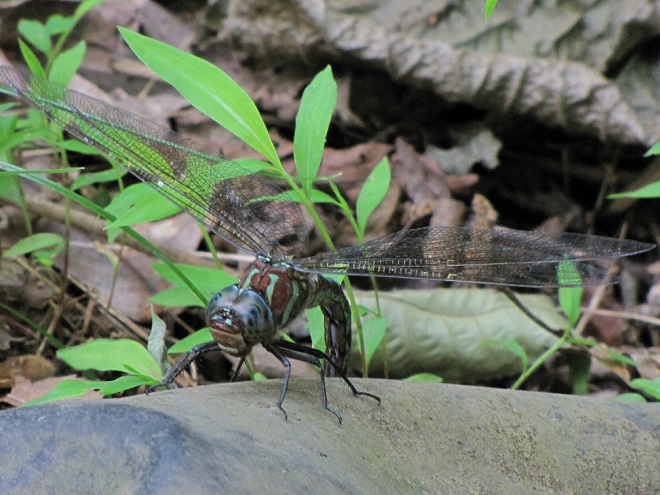
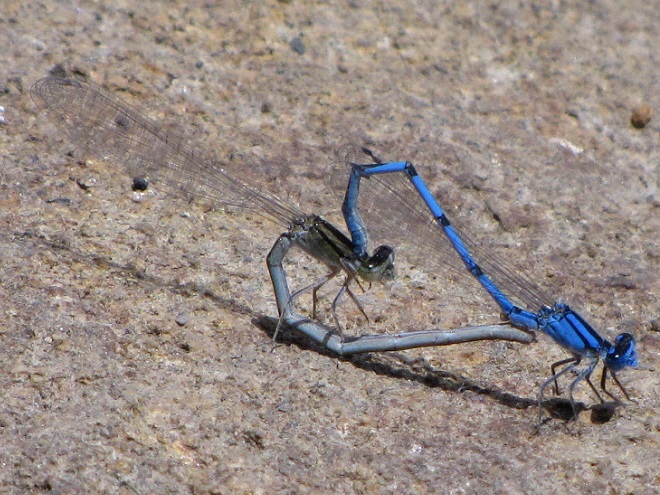
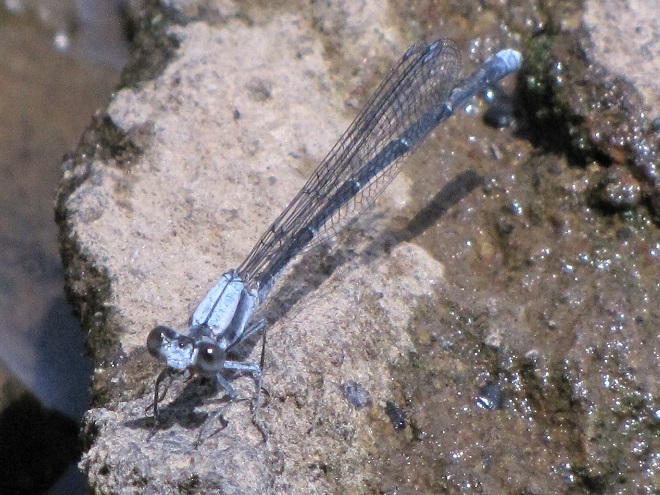
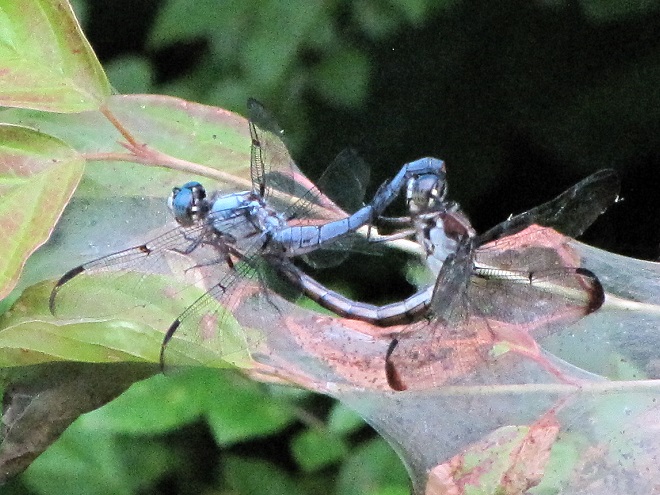

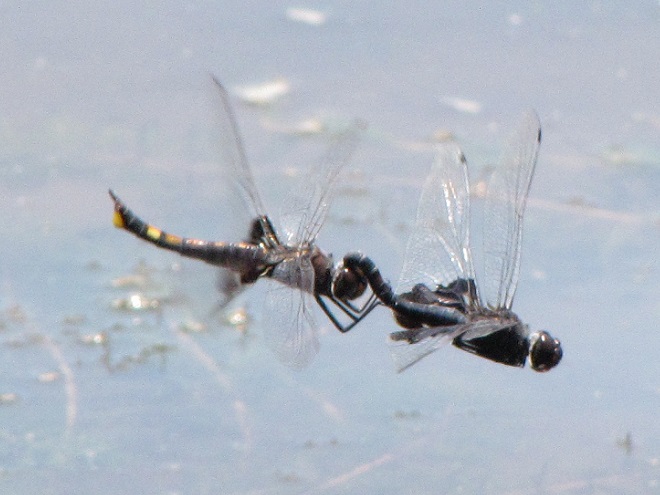
There are lots of others there too. Do have a look.
Common sense tells us that Brood X Periodical Cicada emergence begins in the southern part of the population zone, where the ground temperatures reach 64° first, then progresses to the north as the weather warms. In the forested hills where the lower Piedmont falls away onto the flat landscape of the Atlantic Coastal Plain in Maryland’s Cecil and Harford Counties, the hum of seventeen-year-old insects saturates a listener’s ears from all directions—the climax nears.
With all that food flying around, you just knew something unusual was going to show up to eat it. It’s a buffet. It’s a smorgasbord. It’s free, it’s all-you-can-eat, and it seems, at least for the moment, like it’s going to last forever. You know it’ll draw a crowd.
The Mississippi Kite (Ictinia mississippiensis), a trim long-winged bird of prey, is a Neotropical migrant, an insect-eating friend of the farmer, and, as the name “kite” suggests, a buoyant flier. It experiences no winter—breeding in the southern United States from April to July, then heading to South America for the remainder of the year. Its diet consists mostly of large flying insects including beetles, leafhoppers, grasshoppers, dragonflies, and, you guessed it, cicadas. Mississippi Kites frequently hunt in groups—usually catching and devouring their food while on the wing. Pairs nest in woodlands, swamps, and in urban areas with ample prey. They are well known for harmlessly swooping at people who happen to get too close to their nest.
Mississippi Kites nest regularly as far north as southernmost Virginia. For at least three decades now, non-breeding second-year birds known as immatures have been noted as wanderers in the Mid-Atlantic States, particularly in late May and early June. They are seen annually at Cape May, New Jersey. They are rare, but usually seen at least once every year, along the Piedmont-Atlantic Coastal Plain border in northern Delaware, northeastern Maryland, and/or southeastern Pennsylvania. Then came the Brood X Periodical Cicadas of 2021.
During the last week of May and these first days of June, there have been dozens of sightings of cicada-eating Mississippi Kites in locations along the lower Piedmont slope in Harford and Cecil Counties in Maryland, at “Bucktoe Creek Preserve” in southern Chester County, Pennsylvania, and in and near Newark in New Castle County, Delaware. They are being seen daily right on the lower Susquehanna watershed’s doorstep.
Today, we journeyed just south of Mason’s and Dixon’s Delaware-Maryland-Pennsylvania triangle to White Clay Creek State Park along Route 896 north of Newark, Delaware. Once there, we took a short bicycle ride into a wooded neighborhood across the street in Maryland to search for the Mississippi Kites that have been reported there in recent days.

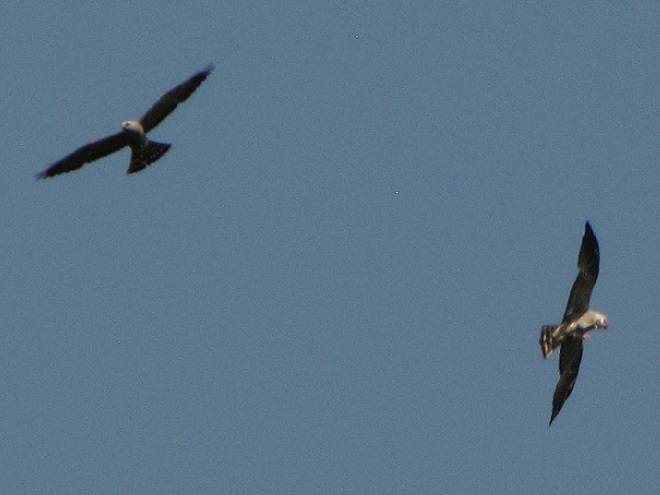
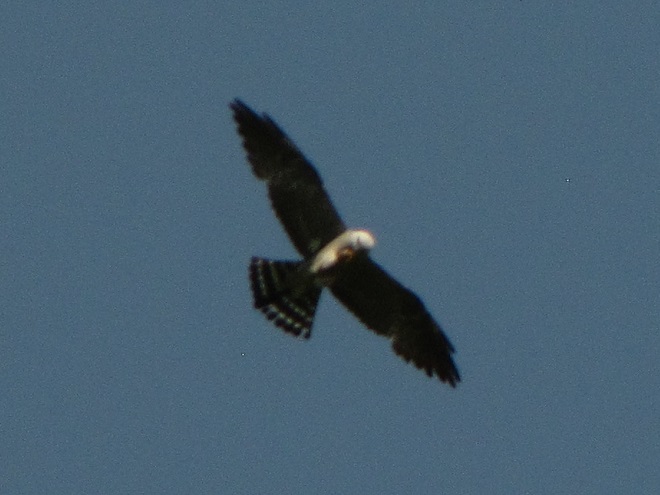
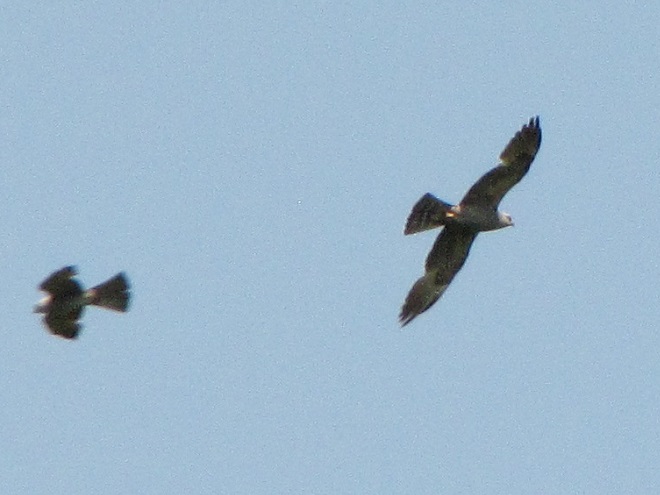
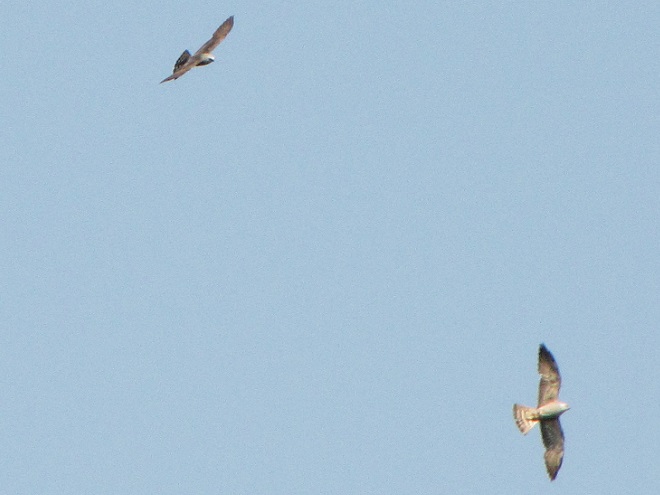
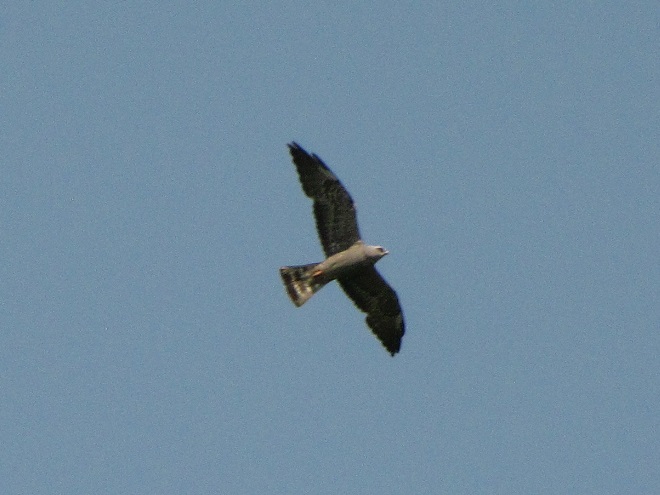
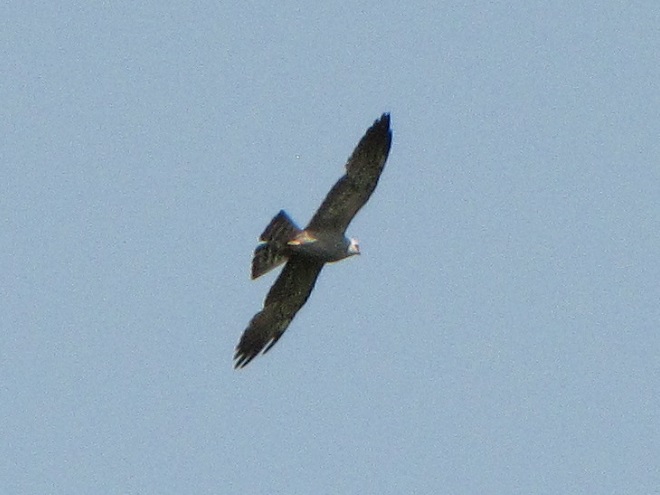
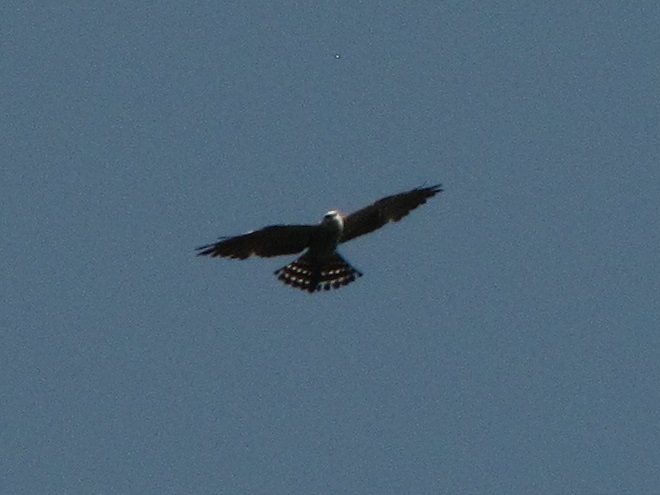
Will groups of Mississippi Kites develop a taste for our seventeen-year cicadas and move north into the Lower Susquehanna River Watershed? Ah, to be young and a nomad—that’s the life. Wandering on a whim with one goal in mind—food. It could very well be that now is the time to be on the lookout for Mississippi Kites, especially where Brood X Periodical Cicadas are abundant.
The emergence of Brood X Periodical Cicadas is now in full swing. If you visit a forested area, you may hear the distant drone of very large concentrations of one or more of the three species that make up the Brood X event. The increasing volume of a chorus tends to attract exponentially greater numbers of male cicadas from within an expanding radius, causing a swarm to grow larger and louder—attracting more and more females to the breeding site.
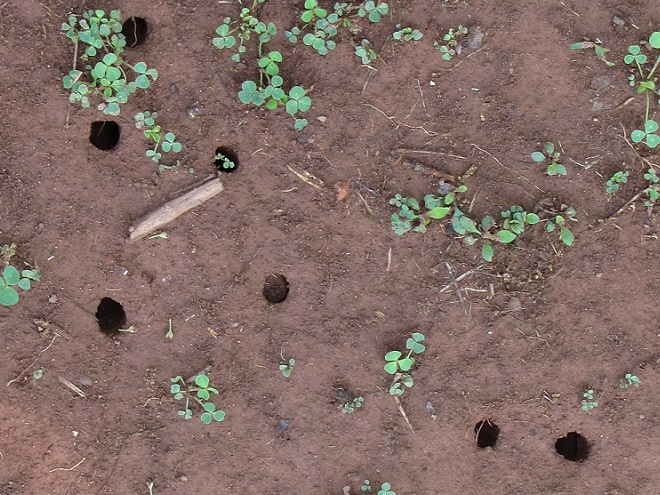
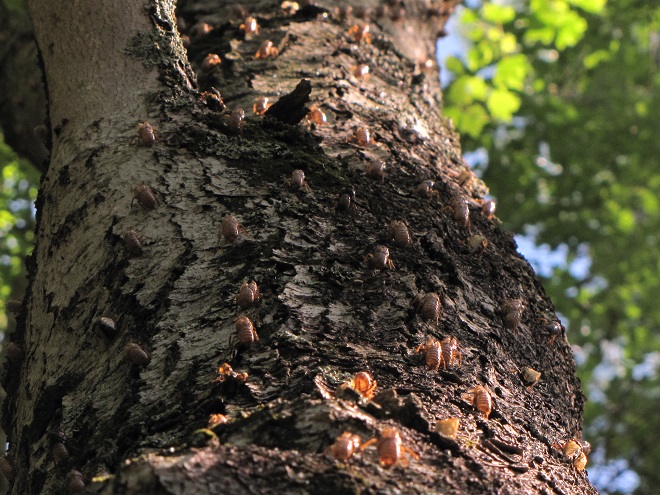

Each periodical cicada species has a distinctive song. This song concentrates males of the same species at breeding sites—then draws in an abundance of females of the same species to complete the mating process. Large gatherings of periodical cicadas can include all three species, but a close look at swarms on State Game Lands 145 in Lebanon County and State Game Lands 46 (Middle Creek Wildlife Management Area) in Lancaster County during recent days found marked separation by two of the three. Most swarms were dominated by Magicicada septendecim, the largest, most widespread, and most common species. However, nearly mono-specific swarms of M. cassini, the second most numerous species, were found as well. An exceptionally large one was northwest of the village of Colebrook on State Game Lands 145. It was isolated by a tenth of a mile or more from numerous large gatherings of M. septendecim cicadas in the vicinity. These M. cassini cicadas, with a chorus so loud that it outdistanced the songs made by the nearby swarms of M. septendecim, seized the opportunity to separate both audibly and physically from the more dominant species, thus providing better likelihood of maximizing their breeding success.
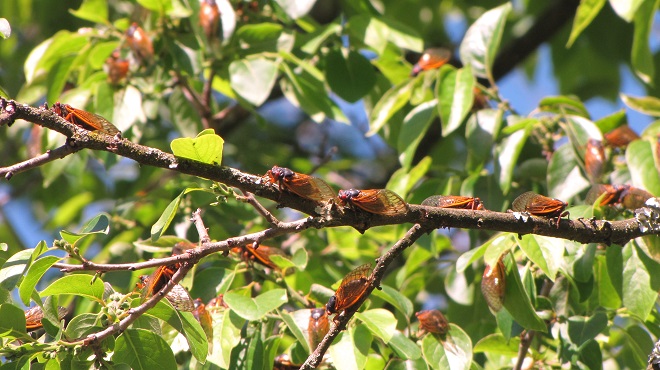
The process of identifying periodical cicadas is best begun by listening to their choruses, songs, and calls. After all, the sounds of cicadas will lead one to the locations where they are most abundant. The two most common species, M. septendecim and M. cassini, produce a buzzy chorus that, when consisting of hundreds or thousands of cicadas “singing” in unison, creates a droning wail that can carry for a quarter of a mile or more. It’s a surreal humming sound that may remind one of a space ship from a science fiction film.
Listen to the songs of individual cicadas at close range and you’ll hear a difference between the widespread M. septendecim “Pharaoh Periodical Cicada” and the other two species. M. septendecim‘s song is often characterized as a drawn out version of the word “Pharaoh”, hence one of the species’ common names (another is “Seventeen-year Locust”). As part of their courtship ritual, “Pharaoh Periodical Cicadas” sometimes make a purring or cooing sound, which is often extended to sound like kee-ow, then sometimes revved up further to pha-raoh. M. cassini, often known as “Cassin’s Periodical Cicada” or “Dwarf Periodical Cicada”, and the least common species, M. septendecula, often make scratchy clicking or rattling calls as a lead-in to their song. Most observers will find little difficulty locating the widespread M. septendecim “Pharaoh Periodical Cicada” by sound, so listening for something different—the clicking call—is an easy way to zero in on the two less common species.
To penetrate the droning choruses of large numbers of “Pharaoh” and/or “Cassin’s Periodical Cicadas”, sparingly distributed M. septendecula cicadas have a noise-penetrating song consisting of a series of quick raspy notes with a staccato rhythm reminiscent of a pulsating lawn sprinkler. It can often be differentiated by a listener even in the presence of a roaring chorus of one or both of the commoner species. However, a word of caution is due. To call in others of their kind, “Cassin’s Periodical Cicadas” can produce a courtship song similar to that of M. septendecula so that they too can penetrate the choruses of the enormous numbers of “Pharaoh Periodical Cicadas” that concentrate in many areas. To play it safe, it’s best to have a good look at the cicadas you’re trying to identify.

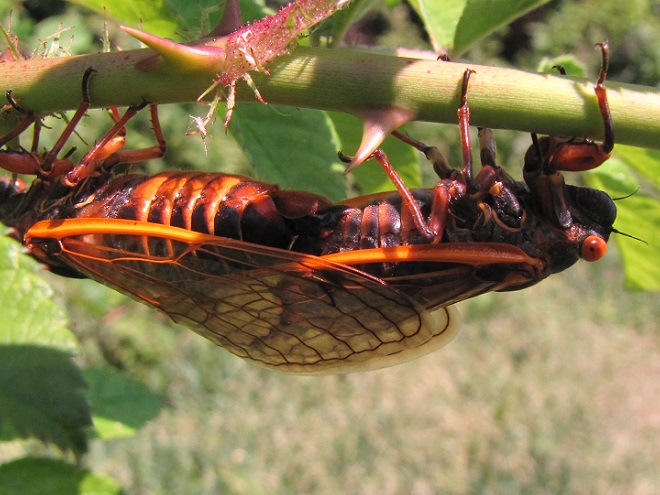
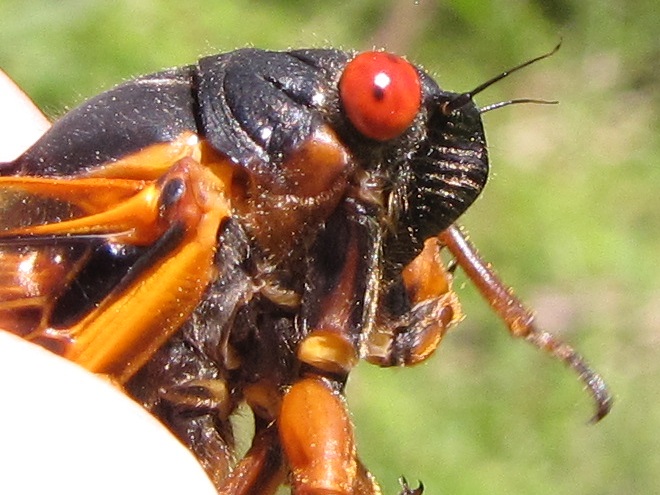
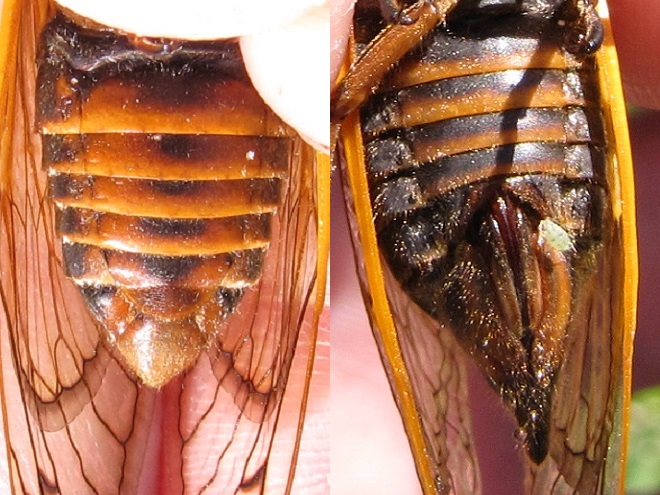
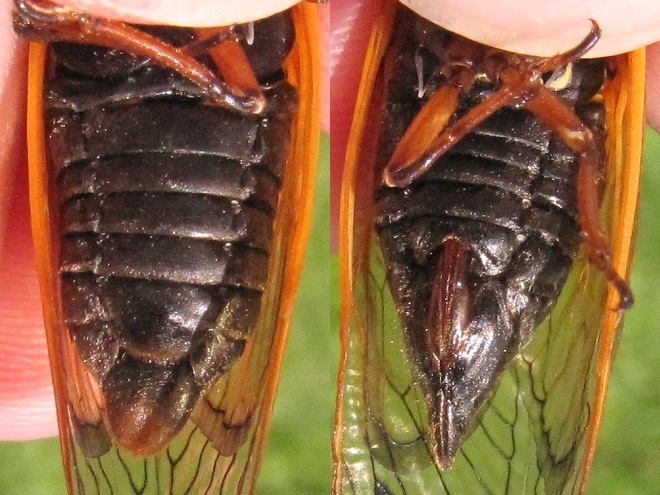
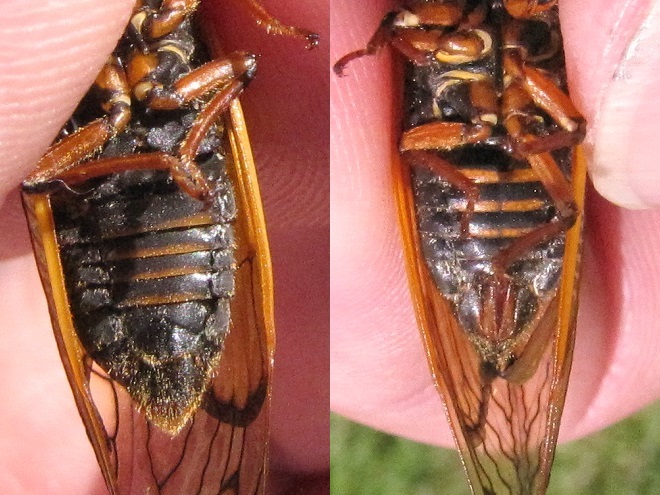
Visually identifying Brood X Periodical Cicadas to the species level is best done by looking for two key field marks—first, the presence or absence of orange between the eye and the root of the wings, and second, the presence or absence of orange bands on the underside of the abdomen. Seeing these field marks clearly requires in-hand examination of the cicada in question.
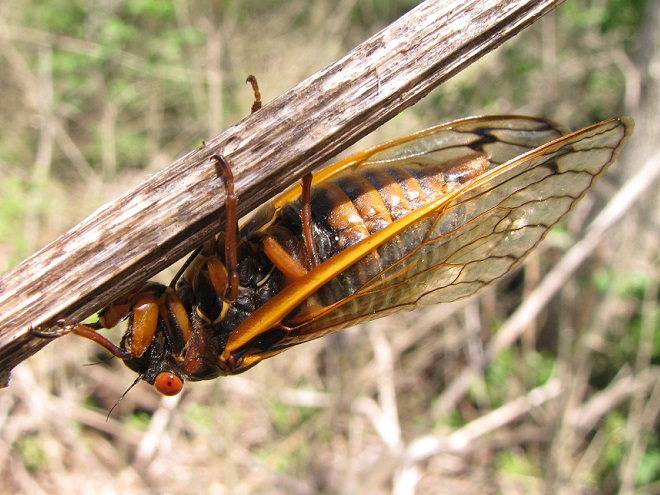


To reliably separate Brood X Periodical Cicadas by species, it is necessary to get a closeup view of the section of the thorax between the eye and the root (insertion) of the wings, plus a look at the underside of the abdomen. Here’s what you’ll see…
Magicicada septendecim—“Pharaoh Periodical Cicada”
Magicicada cassini—“Cassin’s Periodical Cicada”

Magicicada septendecula

There you have it. Get out and take a closer look at the Brood X Periodical Cicadas near you.
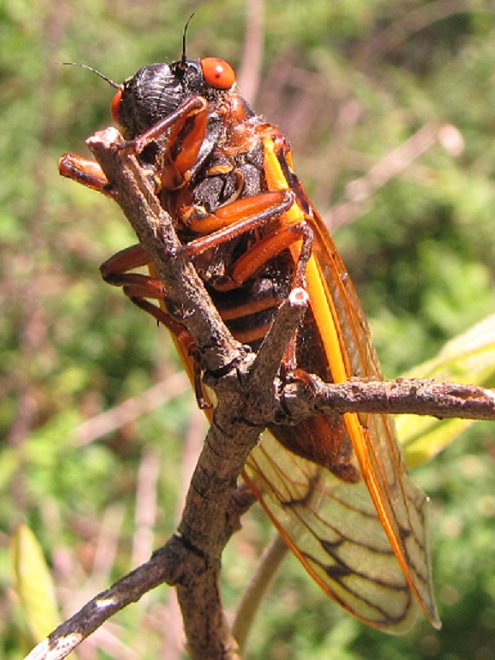
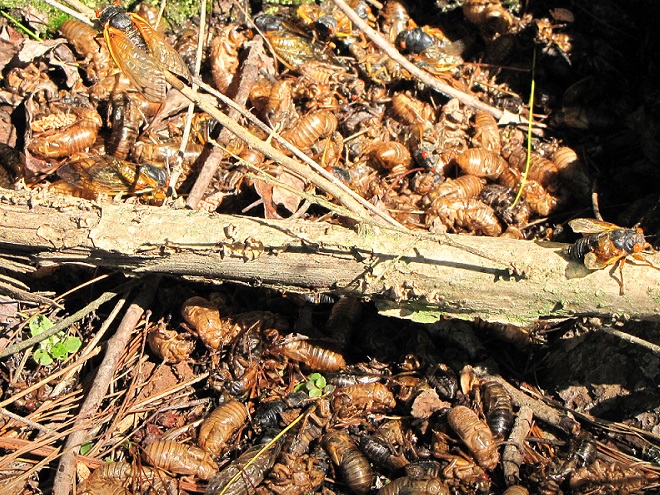
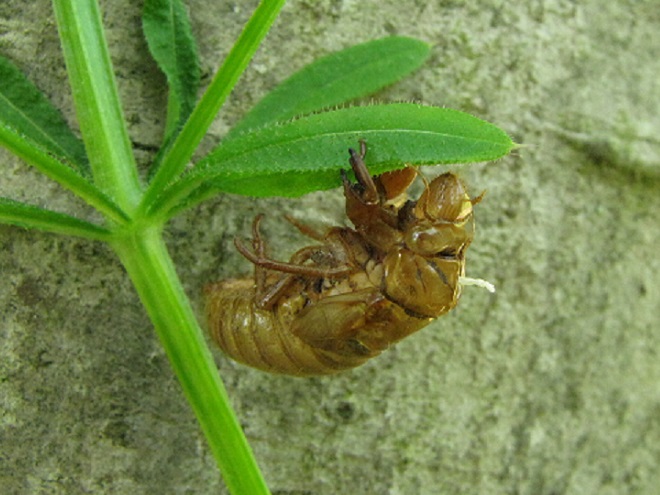
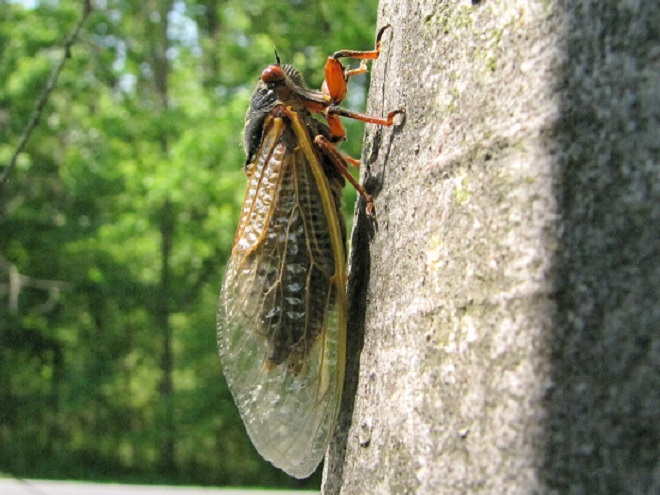
The Magi have arrived. Emanating from the shadows of a nearby forest, you may hear the endless drone of what sounds like an extraterrestrial craft. Then you get your first look at those beady red eyes set against a full suit of black armor—out of this world. The Magicicada are here at last.
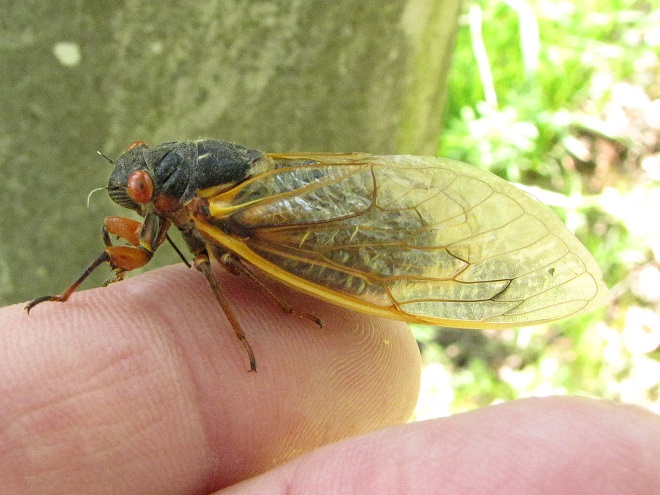

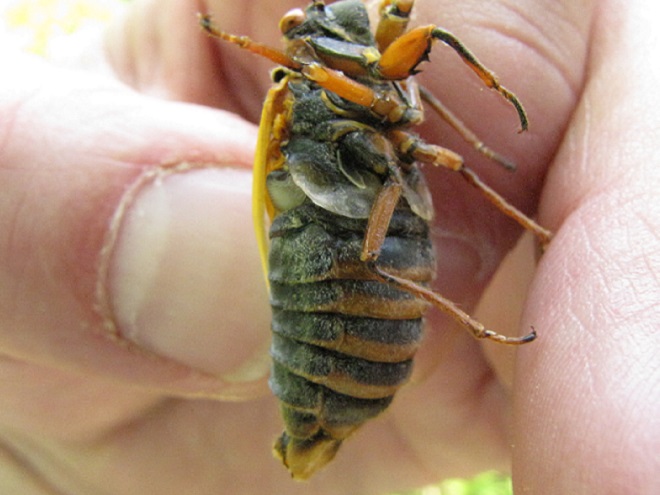
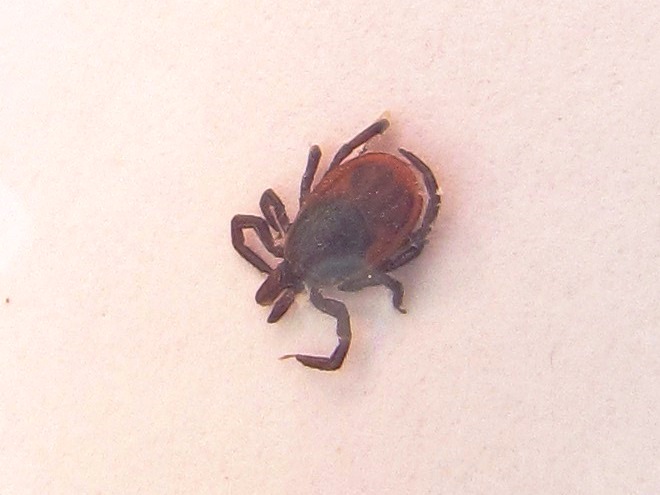
If you go out and about to observe periodical cicadas, keep an eye open for these species too…

Back in the spring of 2004, members of the Tri-County Conewago Creek Association (T.C.C.C.A.), a non-profit conservation group founded to improve water quality in Conewago Creek and its tributaries in Dauphin, Lancaster, and Lebanon Counties in Pennsylvania, were, in order to better understand the status of the flora and fauna in the watershed, frequently spending their weekends surveying the animal and plant life found in the drainage basin’s forests, streams, and farmlands. This effort identified populations of several species of concern and helped supplement the more formal assessment that was used to determine the placement, scale, and scope of projects needed to reduce nutrient and erosion impairment in the Conewago’s waterways.
These regular outings happened to coincide with the Brood X Periodical Cicada emergence of 2004. Back then, as the record keeper for the T.C.C.C.A.’s weekly survey forays, your editor decided to shade a map of the Conewago Creek Watershed showing where the group’s volunteers encountered choruses of the Brood X cicadas. Fortunately, the map is still in the editor’s pile of stuff, and is reproduced here for you.
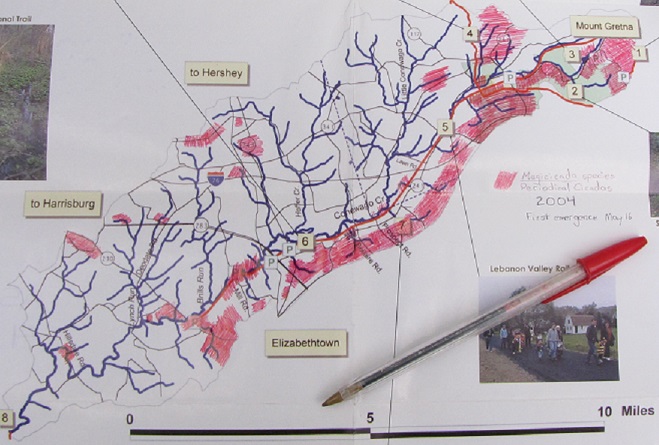
A notation on the map (visible just above the cap on the pen) indicates May 16 as the emergence date for the cicadas in 2004—seventeen years ago today.
So why no seventeen-year cicadas yet in 2021? The answer is ground temperature. This year, by mid-April, Brood X Periodical Cicadas were just below the leaves and rocks, ready to break the surface. But a cold month since then has stalled their emergence. A thermometer pushed into the forest soil today showed readings of 60 degrees and less—at least four degrees below the temperature needed to get the nymphs crawling out of the dirt to climb rocks and vegetation where they’ll molt, dry, and take flight.

A warm week ahead with daytime temperatures in the eighties and nighttime lows in the fifties and sixties, instead of in the forties, should get the woodland soils warming. Brood X Periodical Cicadas will be out and about in a jiffy—and you’ll hear all about it.

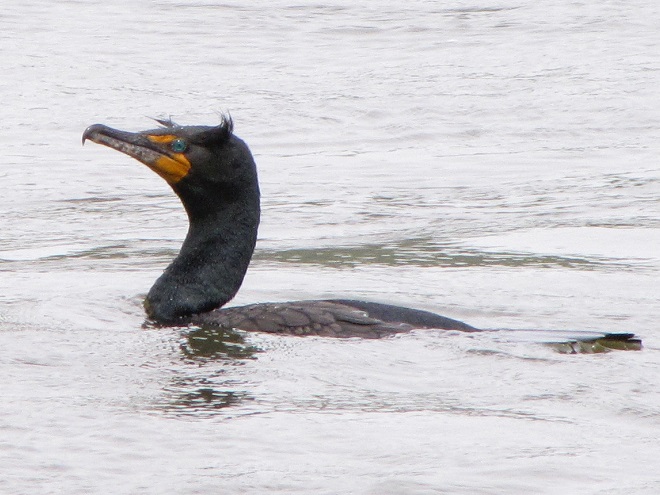
Meet the Double-crested Cormorant, a strangely handsome bird with a special talent for catching fish. You see, cormorants are superb swimmers when under water—using their webbed feet to propel and maneuver themselves with exceptional speed in pursuit of prey.
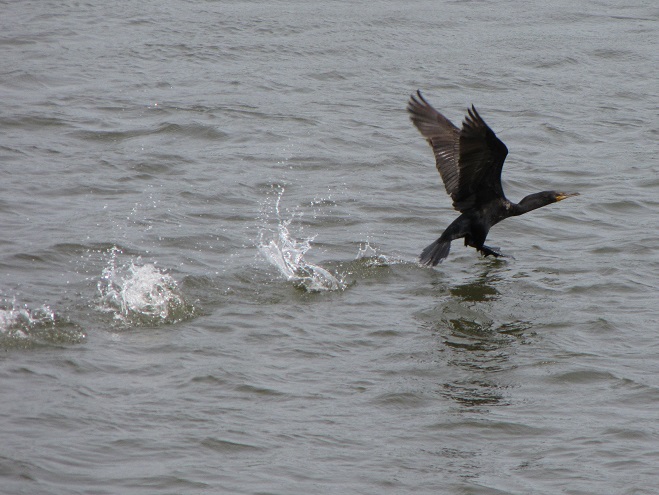
Double-crested Cormorants, hundreds of them, are presently gathered along with several other species of piscivorous (fish-eating) birds on the lower Susquehanna River below Conowingo Dam near Rising Sun, Maryland. Fish are coming up the river and these birds are taking advantage of their concentrations on the downstream side of the impoundment to provide food to fuel their migration or, in some cases, to feed their young.
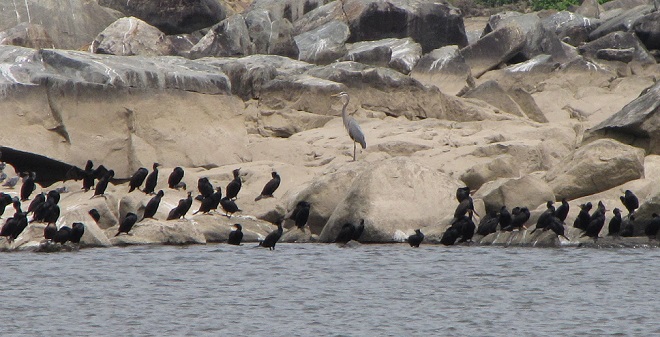
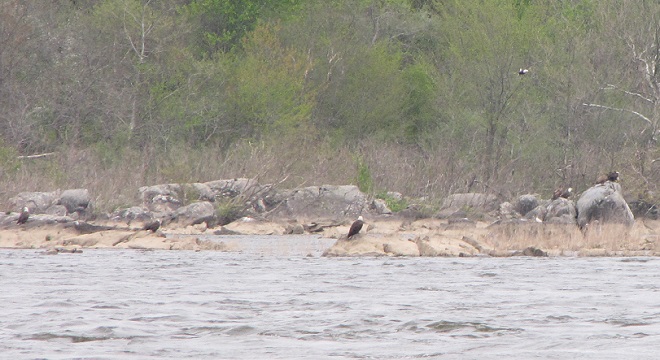

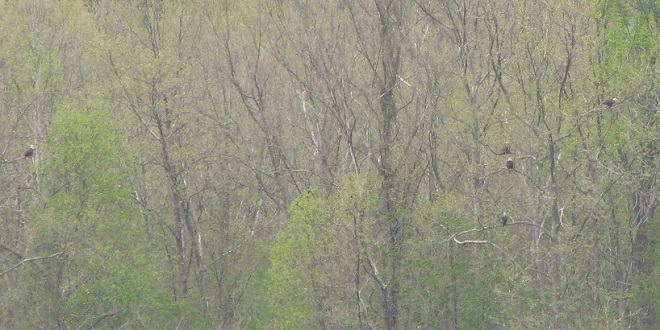
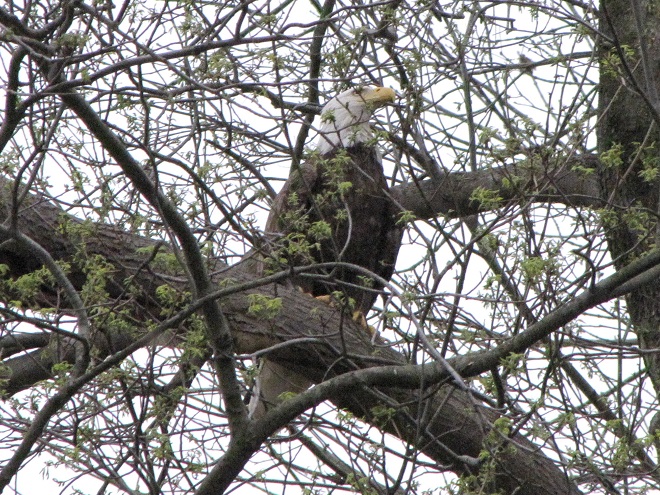
In addition to the birds, the movements of fish attract larger fish, and even larger fishermen.


The excitement starts when the sirens start to wail and the red lights begin flashing. Yes friends, it’s showtime.



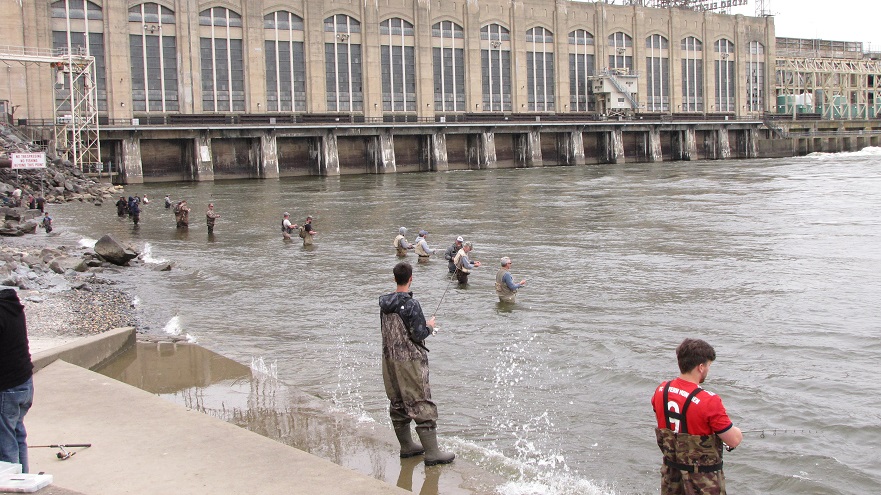
Within minutes of the renewed flow, birds are catching fish.
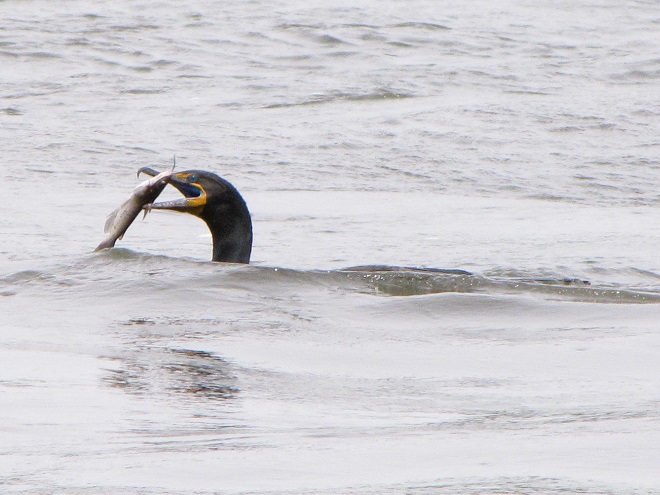
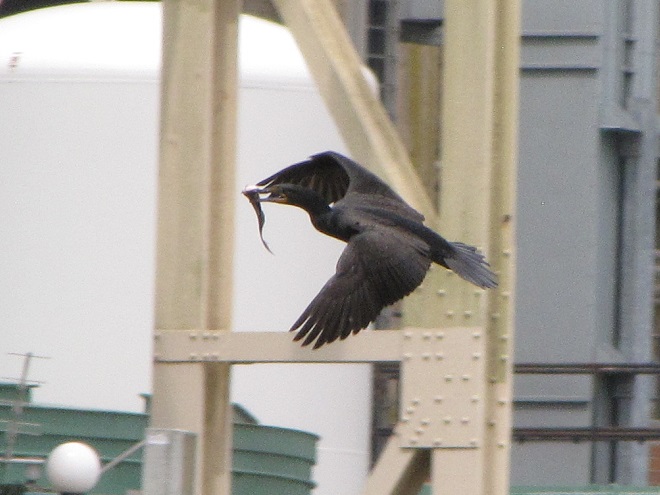
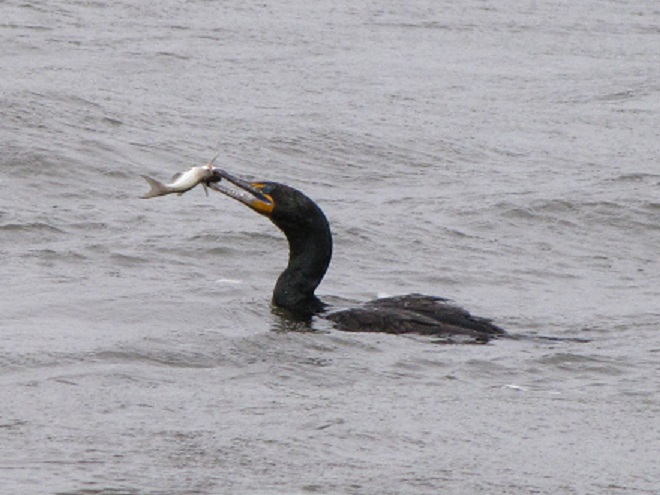
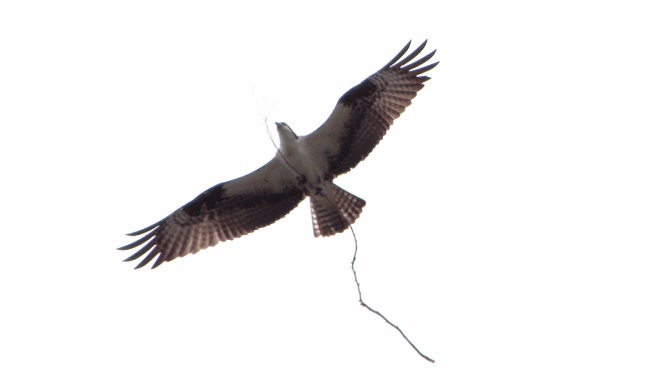

Then the anglers along the wave-washed shoreline began catching fish too.
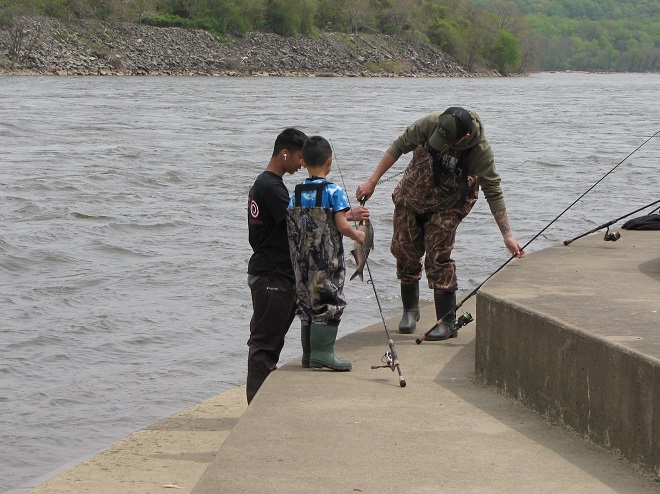
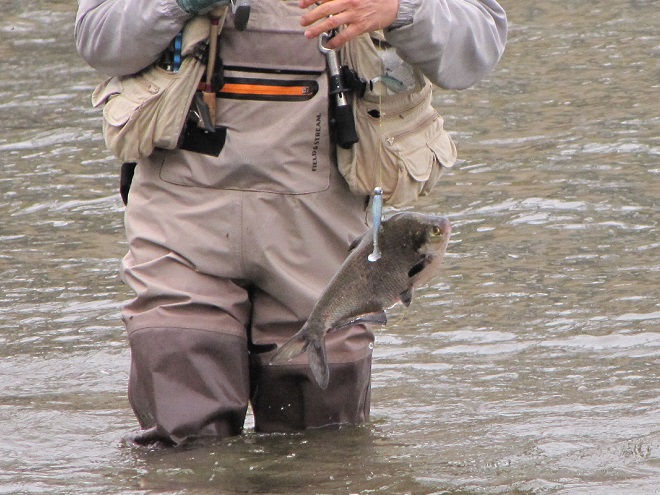
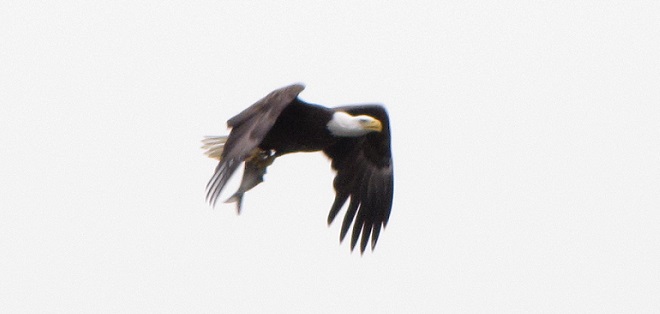
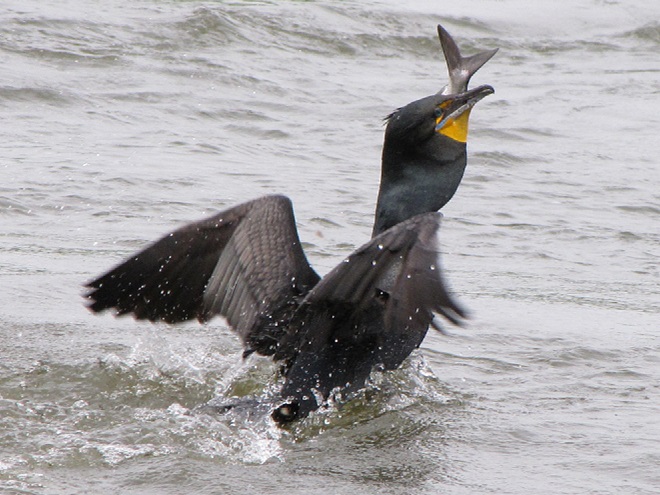
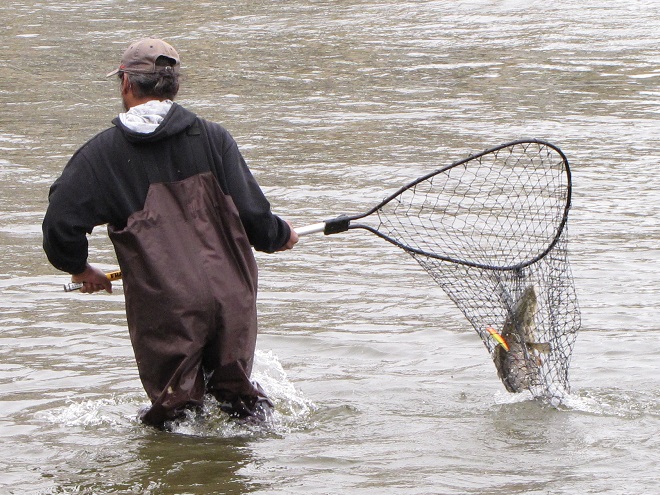
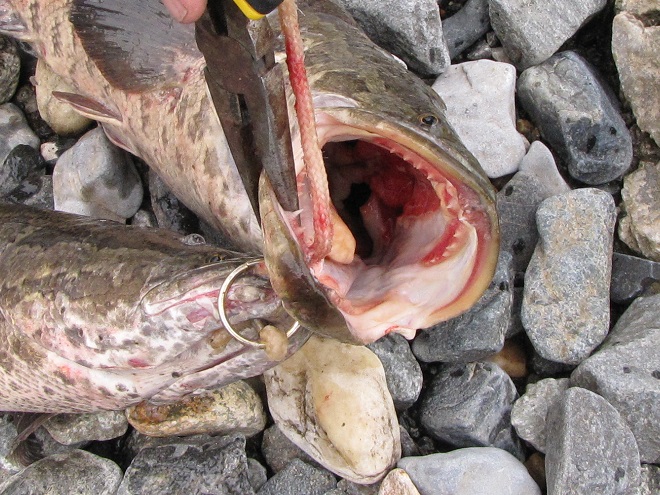
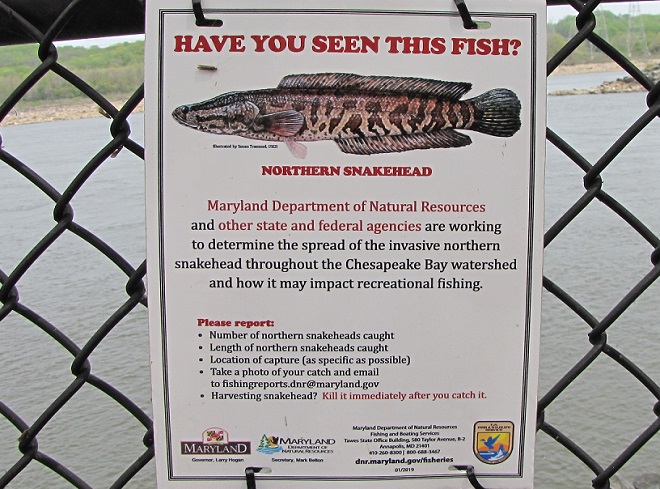
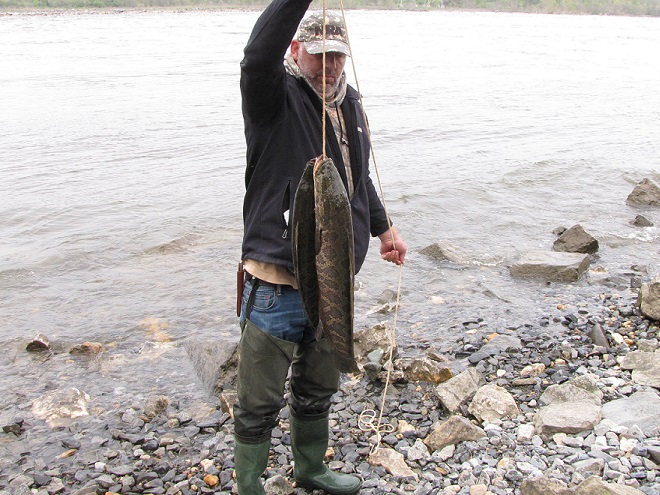
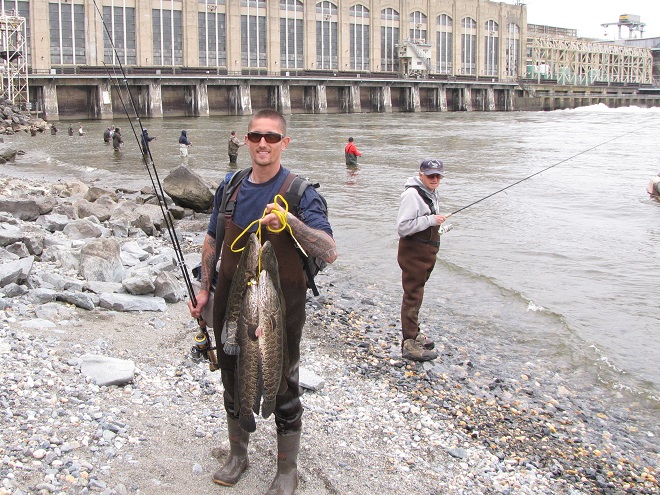
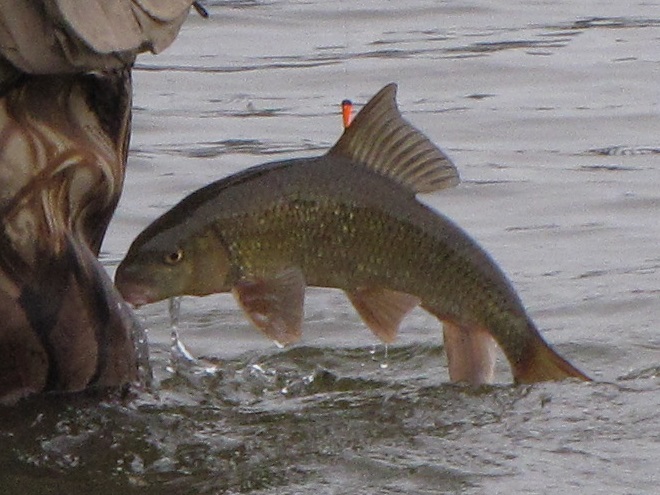
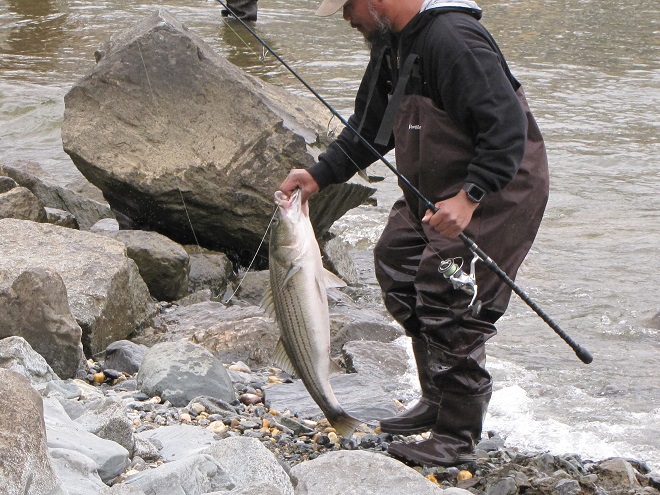
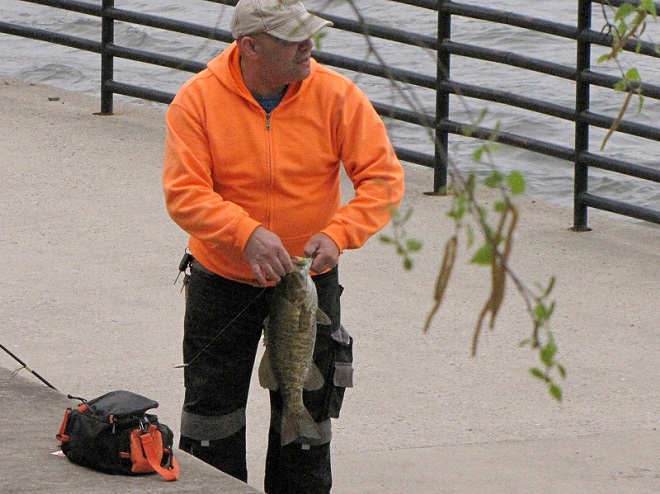
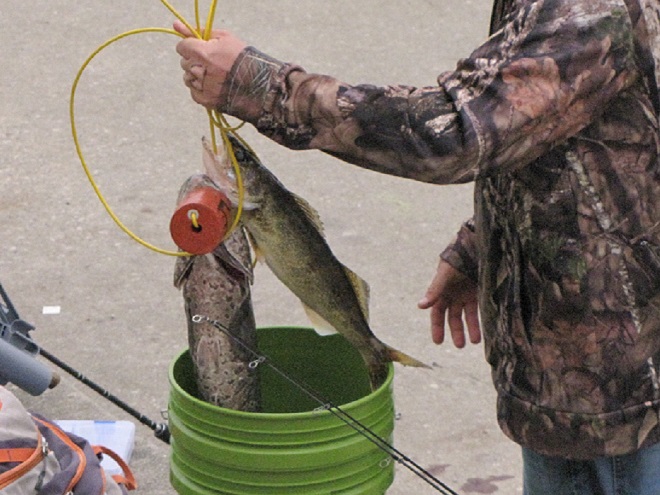
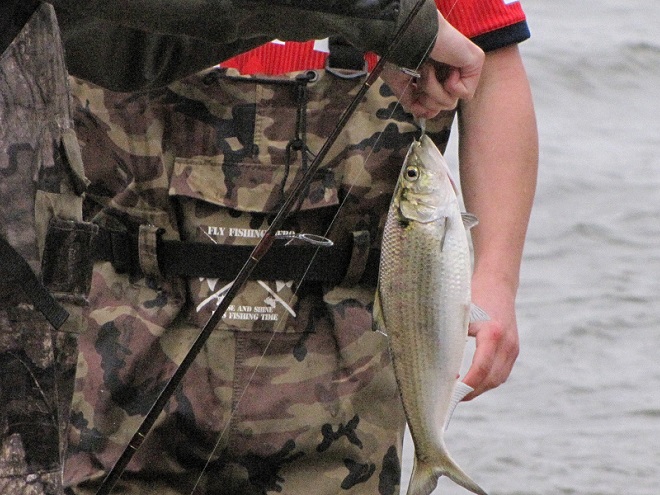
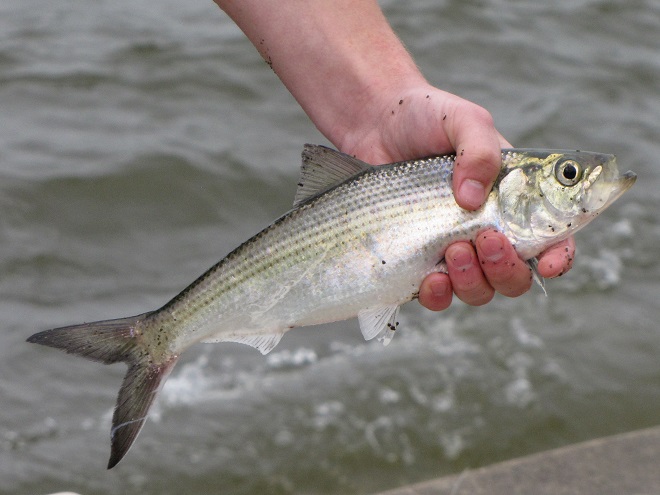
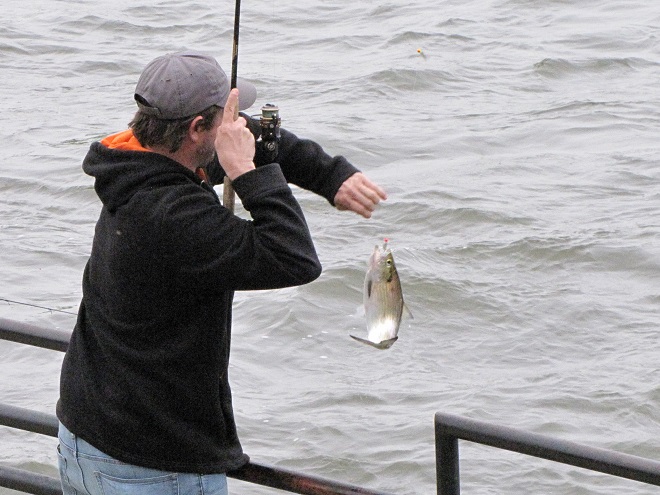
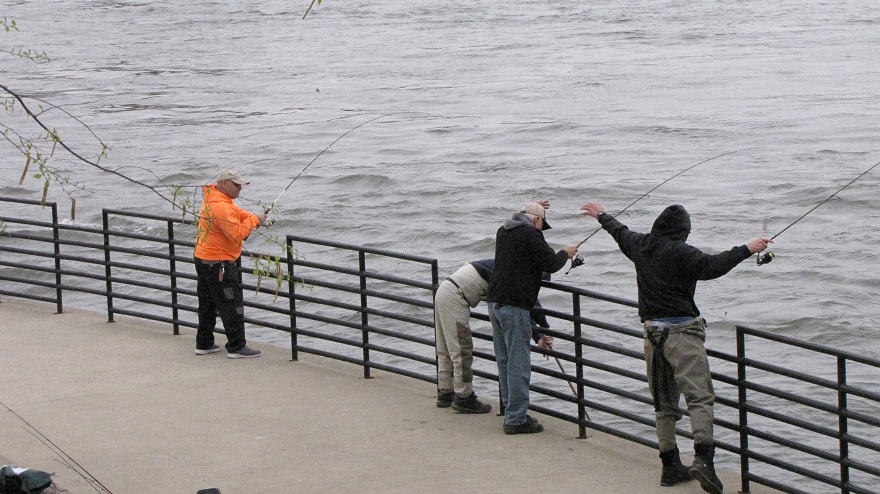
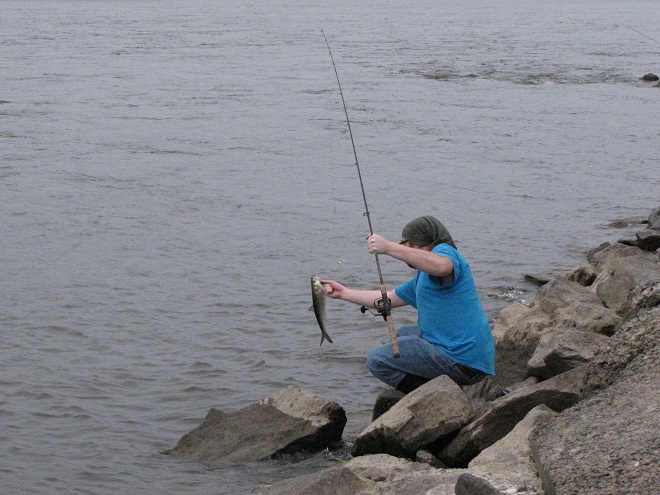

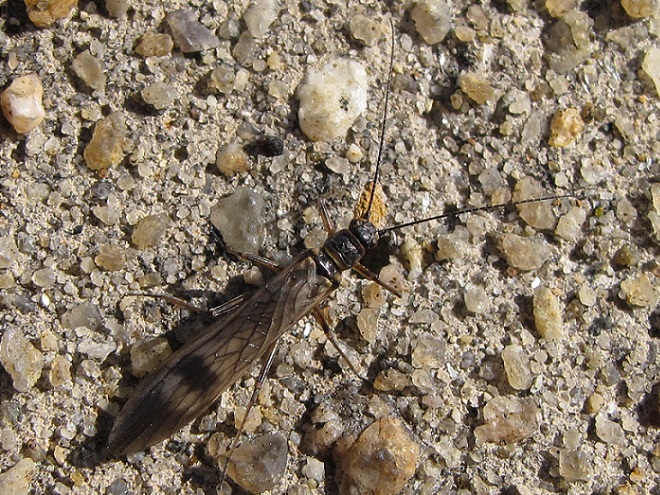
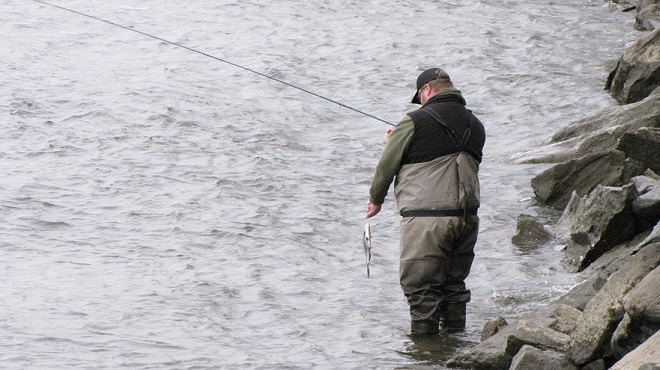
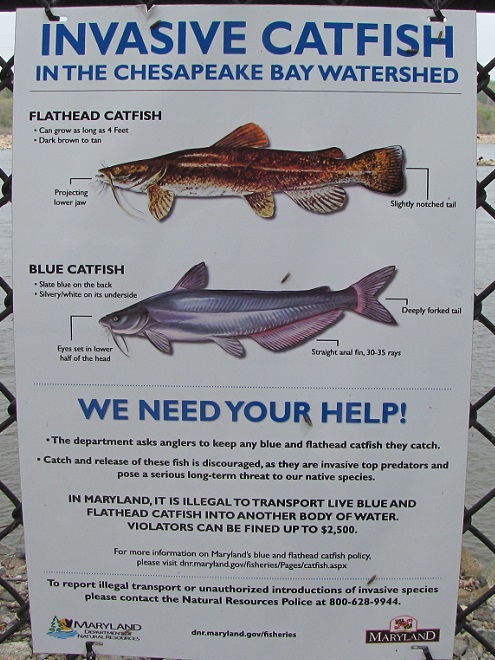
The arrival of migrating Hickory Shad heralds the start of a movement that will soon include White Perch, anadromous American Shad, and dozens of other fish species that swim upstream during the springtime. Do visit Fisherman’s Park at Conowingo Dam to see this spectacle before it’s gone. The fish and birds have no time to waste, they’ll soon be moving on.
To reach Exelon’s Conowingo Fisherman’s Park from Rising Sun, Maryland, follow U.S. Route 1 south across the Conowingo Dam, then turn left onto Shuresville Road, then make a sharp left onto Shureslanding Road. Drive down the hill to the parking area along the river. The park’s address is 2569 Shureslanding Road, Darlington, Maryland.
A water release schedule for the Conowingo Dam can be obtained by calling Exelon Energy’s Conowingo Generation Hotline at 888-457-4076. The recording is updated daily at 5 P.M. to provide information for the following day.
And remember, the park can get crowded during the weekends, so consider a weekday visit.
Yesterday, a hike through a peaceful ridgetop woods in the Furnace Hills of southern Lebanon County resulted in an interesting discovery. It was extraordinarily quiet for a mid-April afternoon. Bird life was sparse—just a pair of nesting White-breasted Nuthatches and a drumming Hairy Woodpecker. A few deer scurried down the hillside. There was little else to see or hear. But if one were to have a look below the forest floor, they’d find out where the action is.

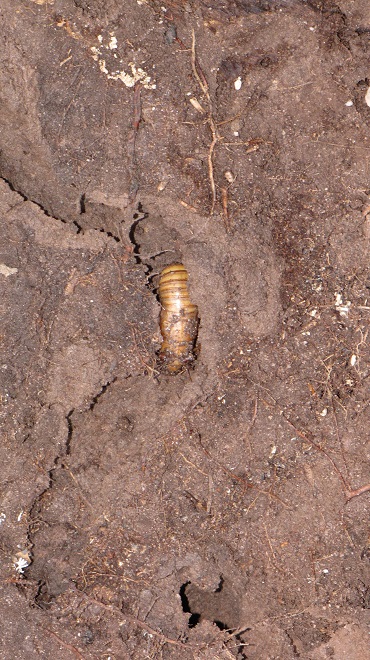
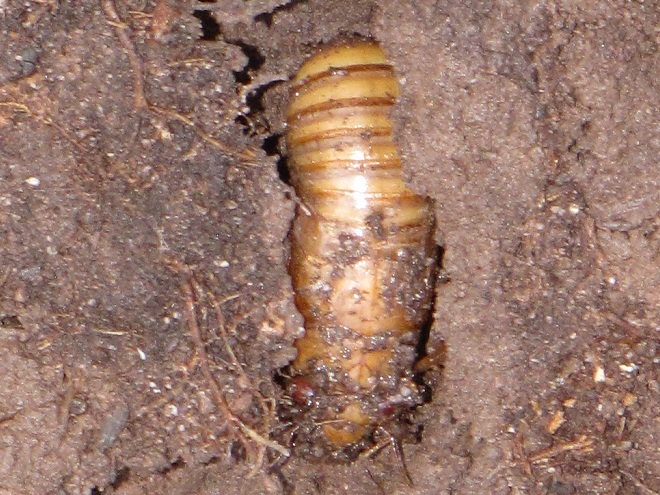
2021 is an emergence year for Brood X, the “Great Eastern Brood”—the largest of the 15 surviving broods of periodical cicadas. After seventeen years as subterranean larvae, the nymphs are presently positioned just below ground level, and they’re ready to see sunlight. After tunneling upward from the deciduous tree roots from which they fed on small amounts of sap since 2004, they’re awaiting a steady ground temperature of about 64 degrees Fahrenheit before surfacing to climb a tree, shrub, or other object and undergo one last molt into an imago—a flying adult.
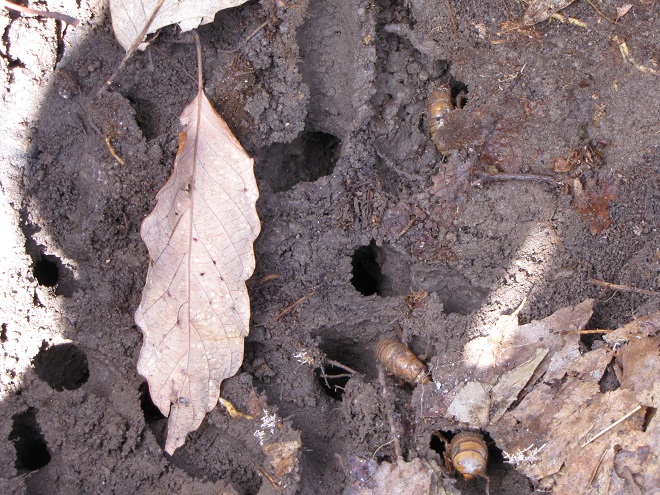
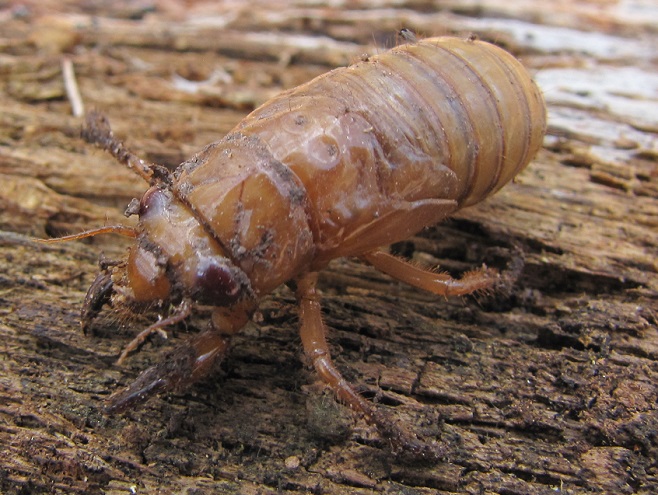

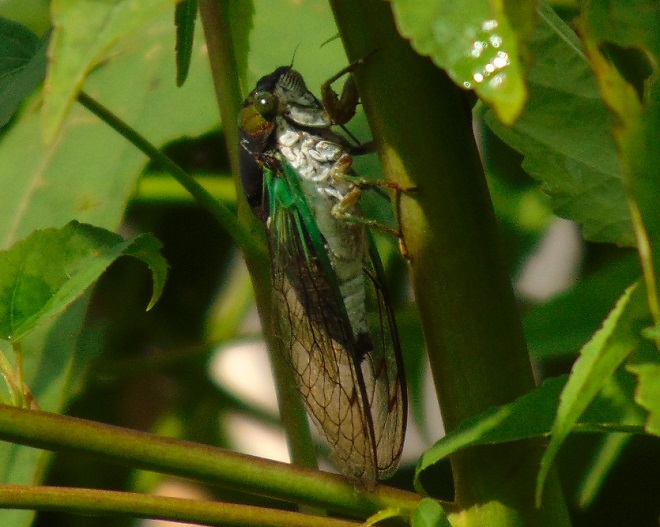
The woodlots of the Lower Susquehanna River Watershed won’t be quiet for long. Loud choruses of male periodical cicadas will soon roar through forest and verdant suburbia. They’re looking for love, and they’re gonna die trying to find it. And dozens and dozens of animal species will take advantage of the swarms to feed themselves and their young. Yep, the woods are gonna be a lively place real soon.
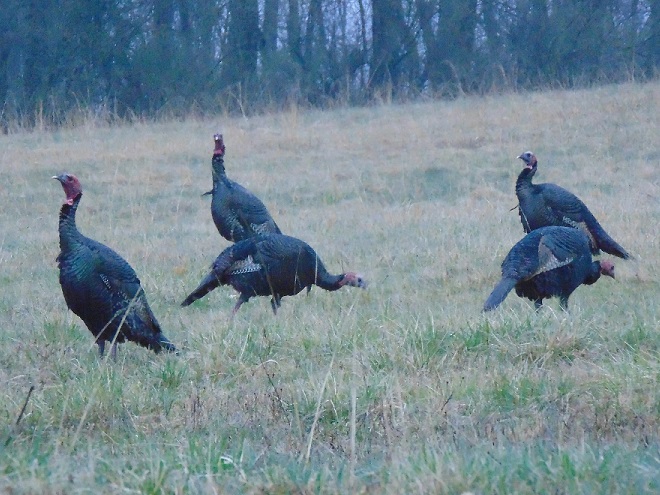
Let’s take a quiet stroll through the forest to have a look around. The spring awakening is underway and it’s a marvelous thing to behold. You may think it a bit odd, but during this walk we’re not going to spend all of our time gazing up into the trees. Instead, we’re going to investigate the happenings at ground level—life on the forest floor.
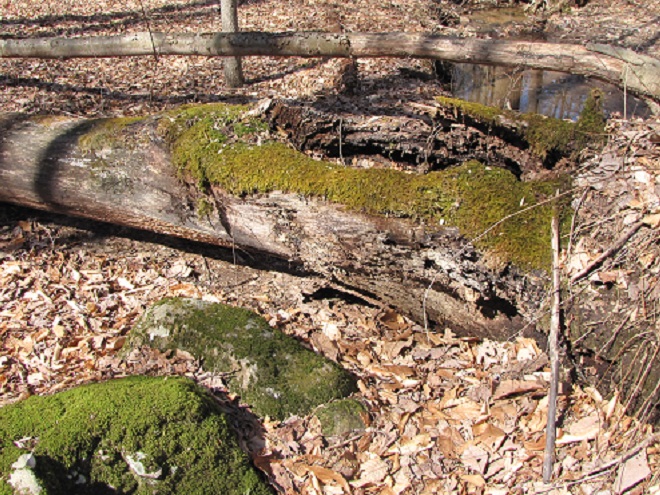
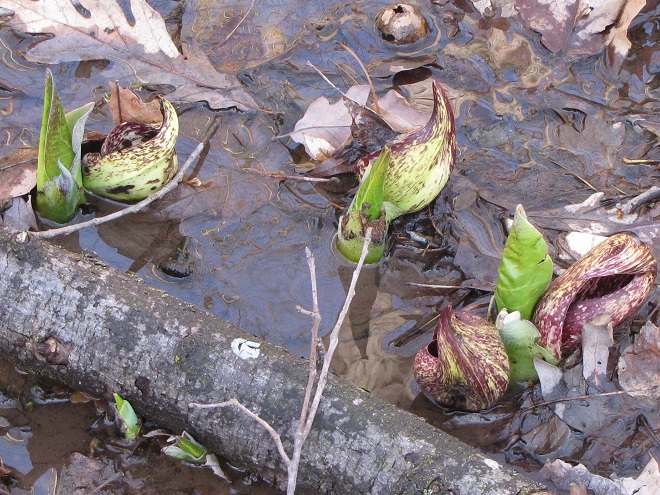
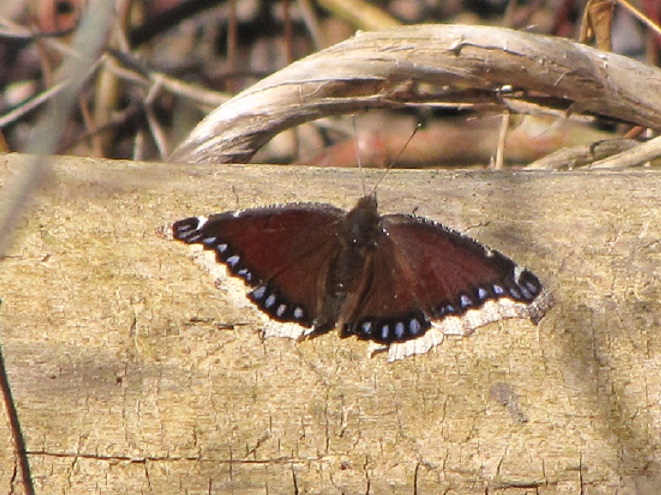
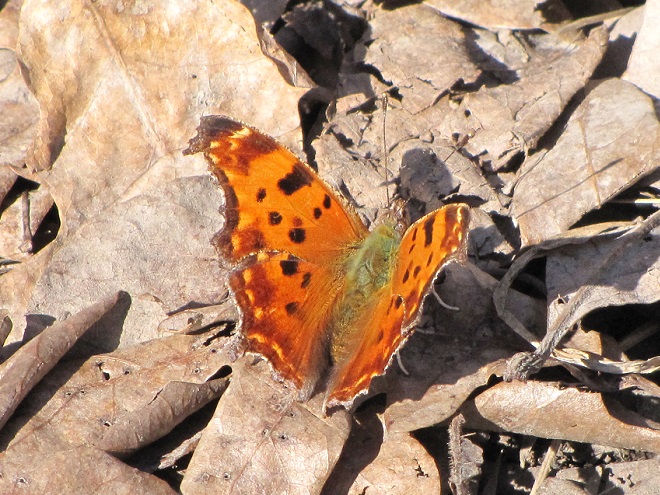


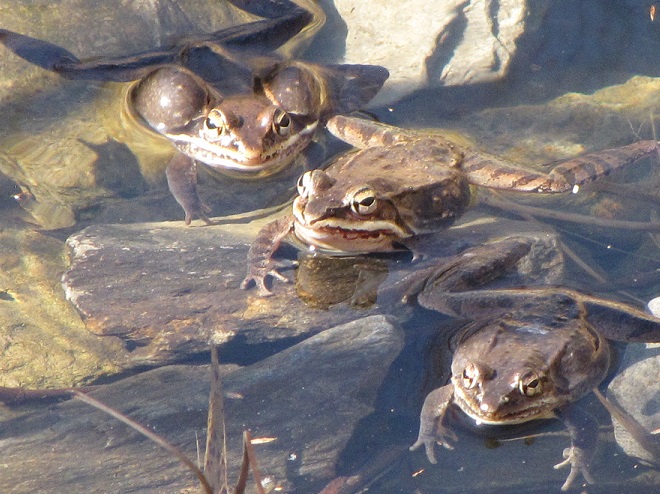
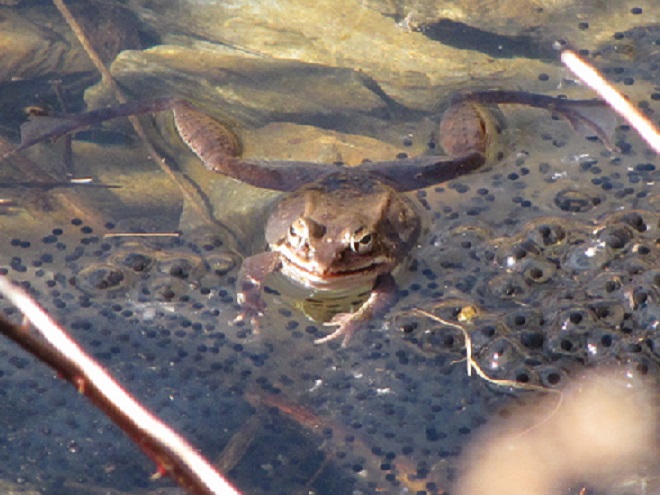
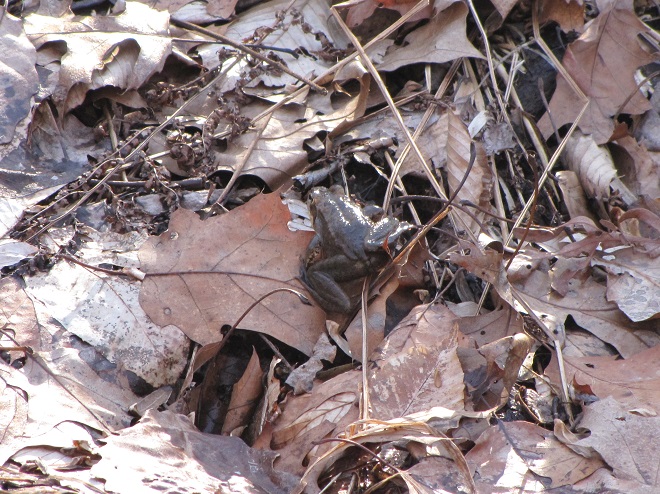
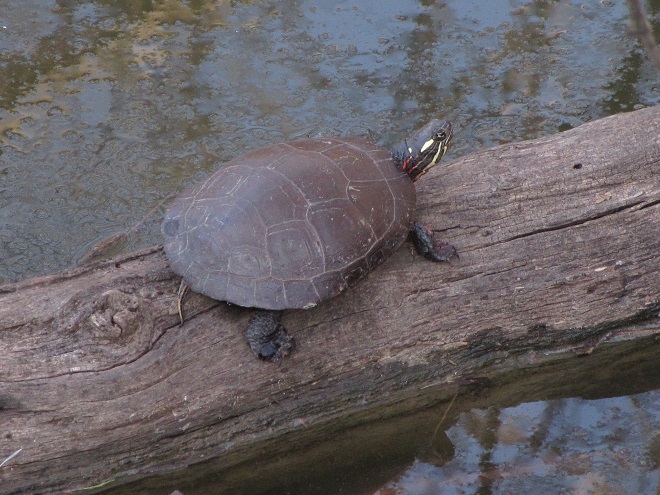

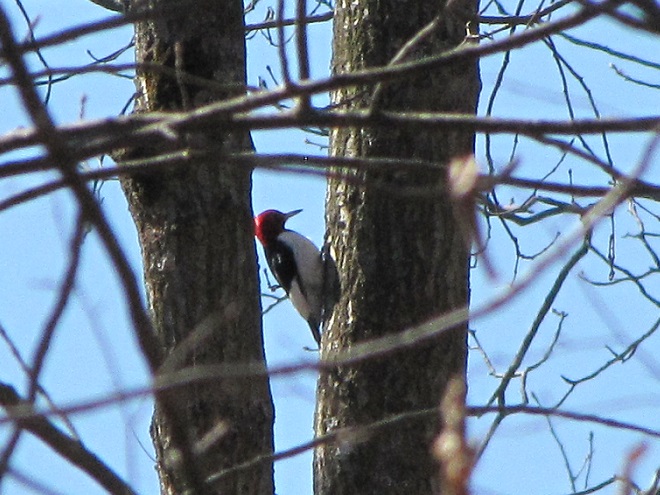
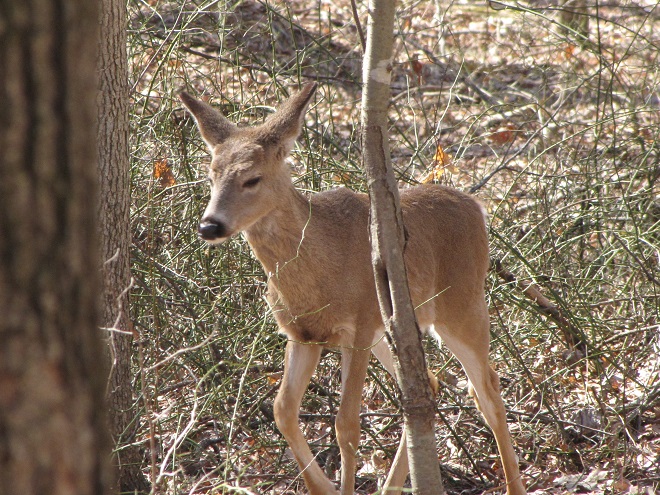
There certainly is more to a forest than the living trees. If you’re hiking through a grove of timber getting snared in a maze of prickly Multiflora Rose (Rosa multiflora) and seeing little else but maybe a wild ungulate or two, then you’re in a has-been forest. Logging, firewood collection, fragmentation, and other man-made disturbances inside and near forests take a collective toll on their composition, eventually turning them to mere woodlots. Go enjoy the forests of the lower Susquehanna valley while you still can. And remember to do it gently; we’re losing quality as well as quantity right now—so tread softly.
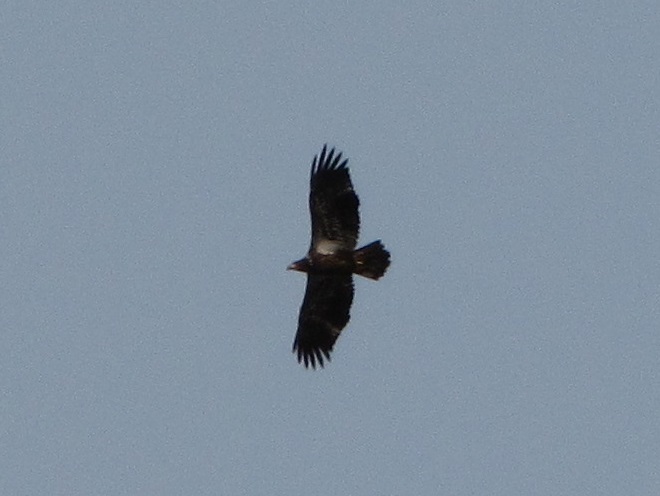
Early October is prime time for hawk watching, particularly if you want to have the chance to see the maximum variety of migratory species. In coming days, a few Broad-winged Hawks and Ospreys will still be trickling through while numbers of Sharp-shinned Hawks, Cooper’s Hawks, Northern Harriers, and falcons swell to reach their seasonal peak. Numbers of migrating Red-tailed and Red-shouldered Hawks are increasing during this time and late-season specialties including Golden Eagles can certainly make a surprise early visit.
If you enjoy the outdoors and live in the southernmost portion of the lower Susquehanna valley, Rocky Ridge County Park in the Hellam Hills just northwest of York, Pennsylvania, is a must see. The park consists of oak forest and is owned and managed by the York County Parks Department. It features an official hawk watch site staffed by volunteers and park naturalists. Have a look.
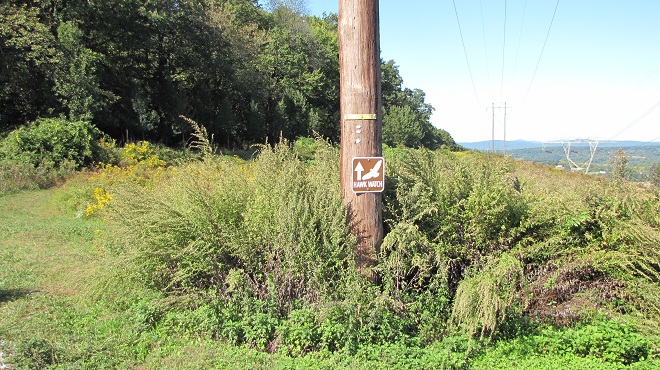
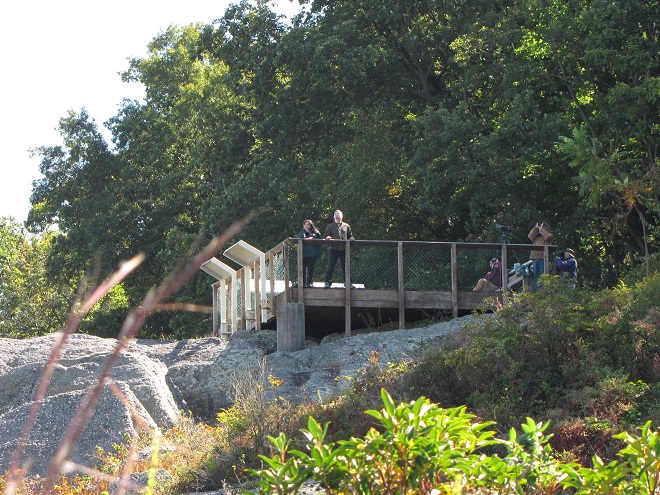

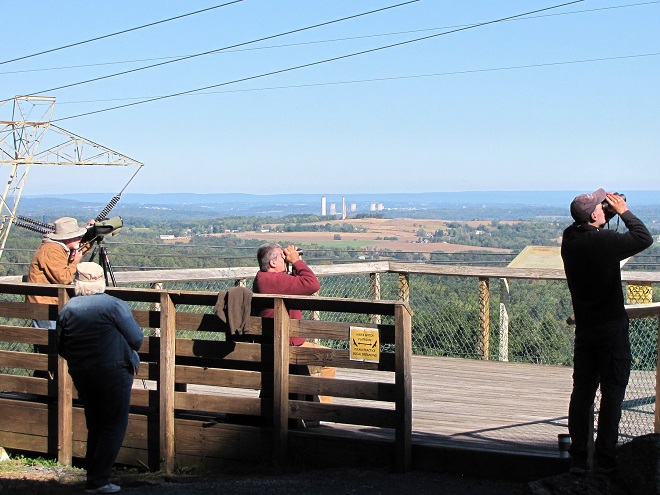

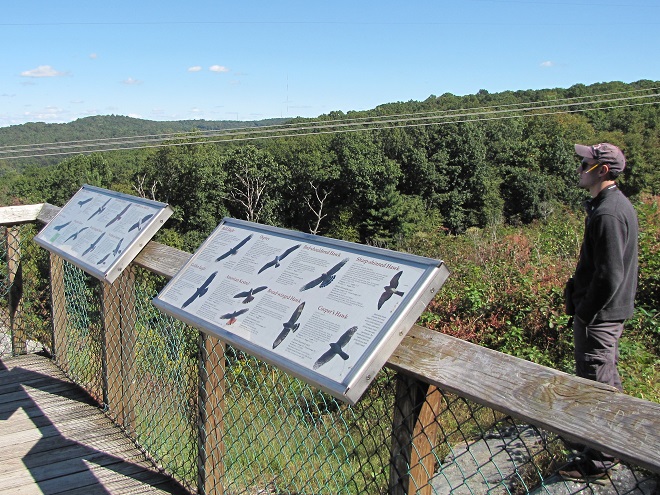
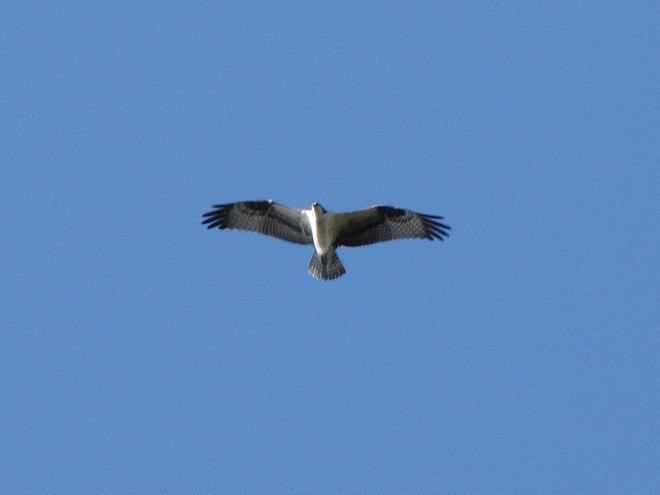
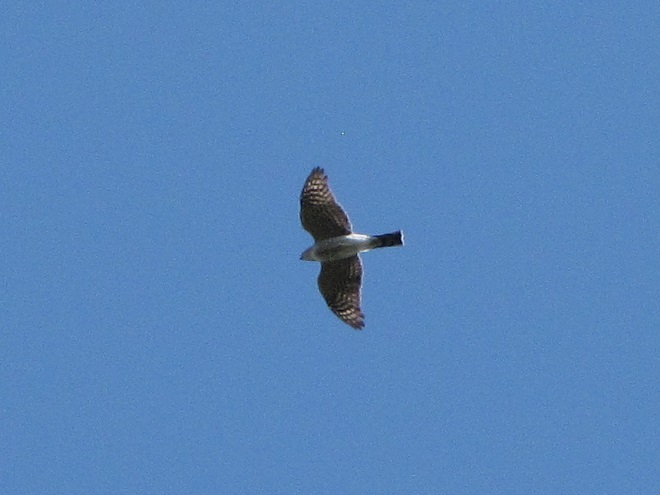
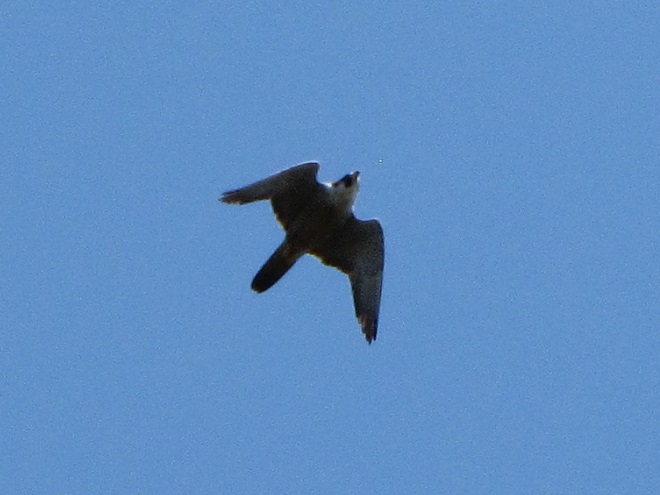
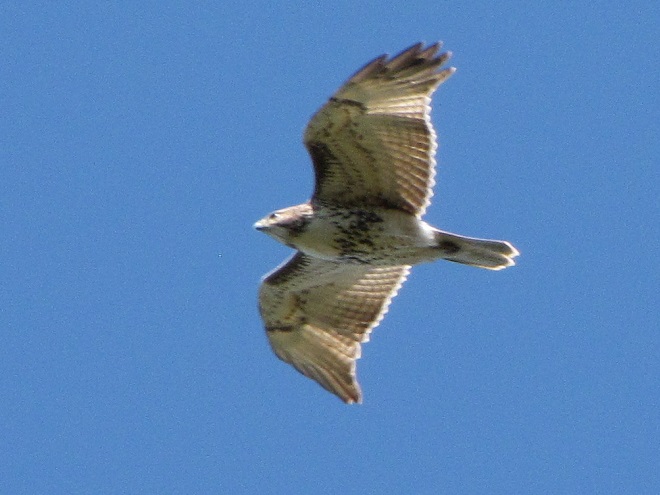
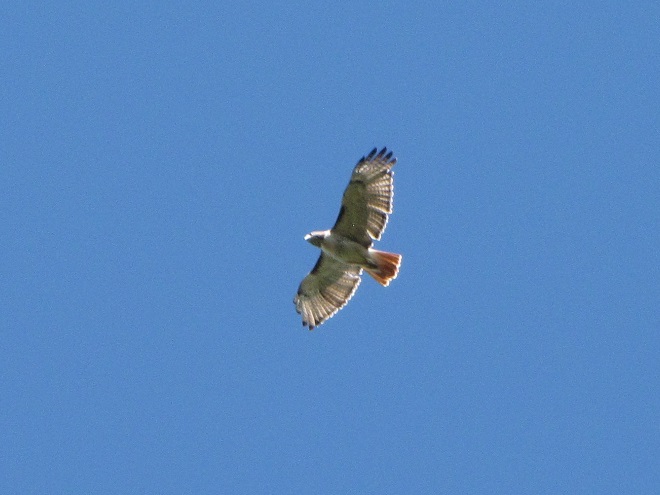
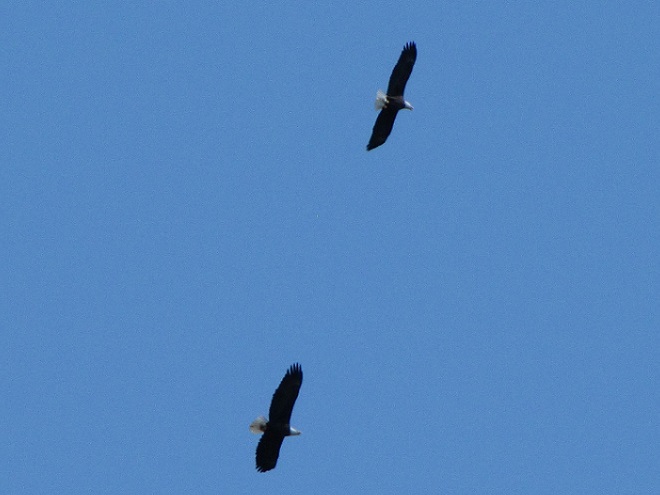
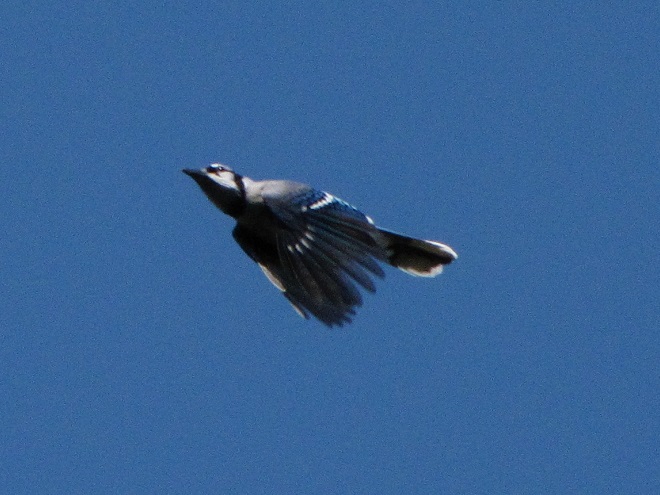
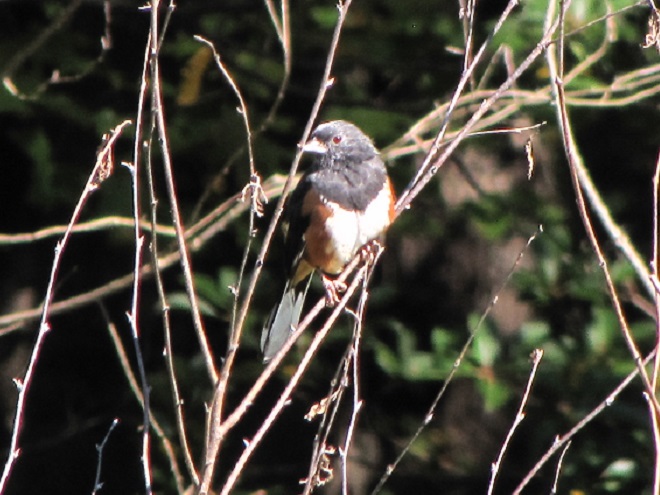
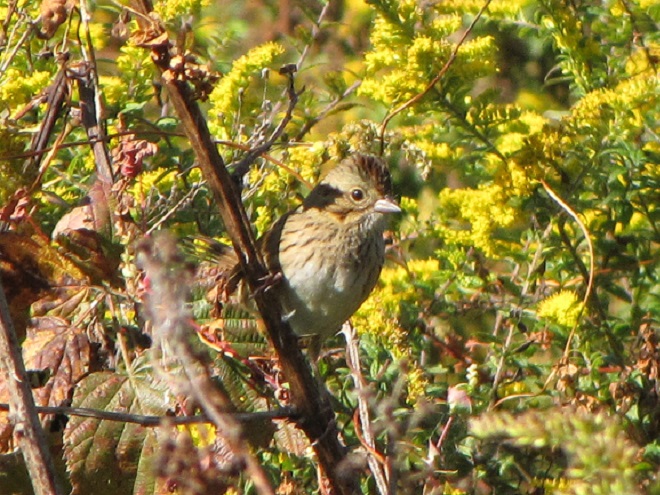
If you’re a nature photographer, you might be interested to know that there are still hundreds of active butterflies in Rocky Ridge’s utility right-of-way. Here are a few.
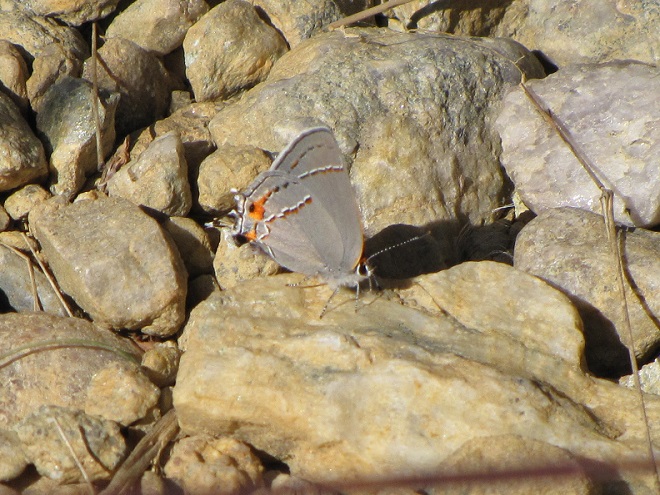
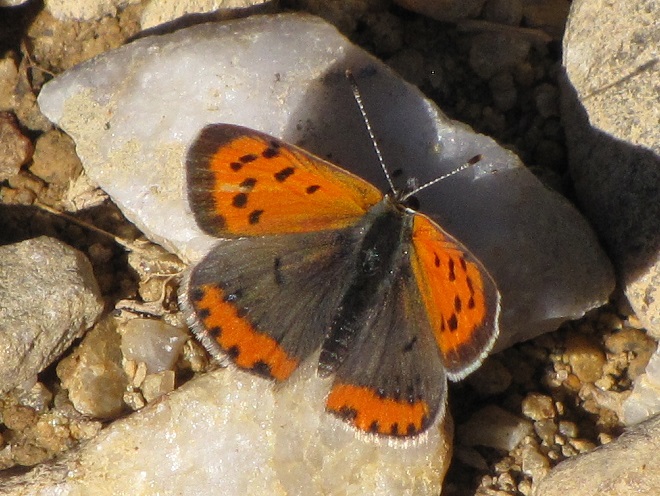
To see the daily totals for the raptor count at Rocky Ridge Hawk Watch and other hawk watches in North America, and to learn more about each site, be certain to visit hawkcount.org
This morning, the Lower Susquehanna River Watershed experienced remotely the effects of fire and ice.
At daybreak, the cold air mass that brought the first freeze of the season to northernmost New England gave us a taste of the cold with temperatures below 50 degrees throughout.
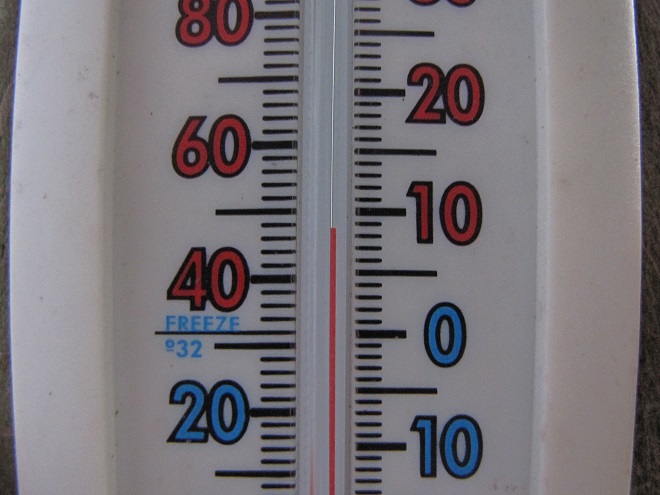
At sunrise, the cloudless sky had a peculiar overcast look with no warm glow on buildings, vegetation, and terrain. Soon, the sun was well above the horizon, yet there was still a sort of darkness across the landscape.
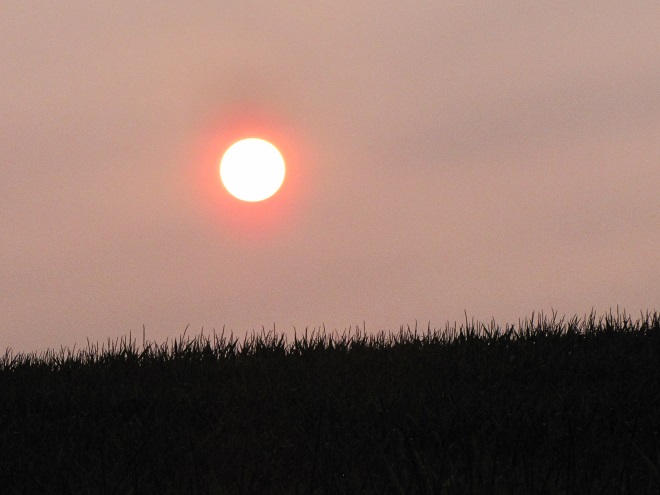

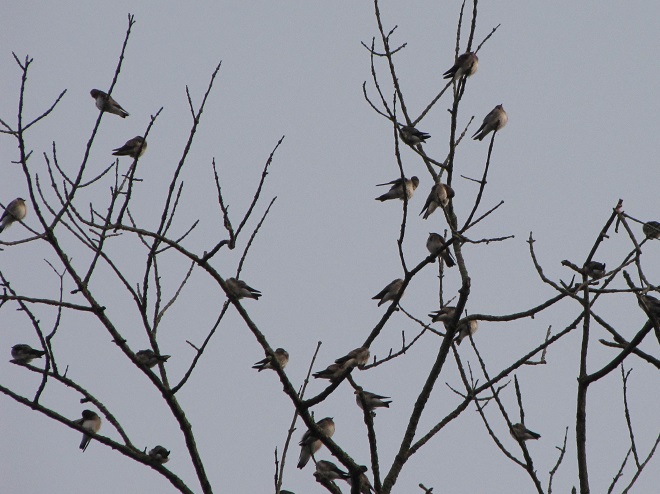
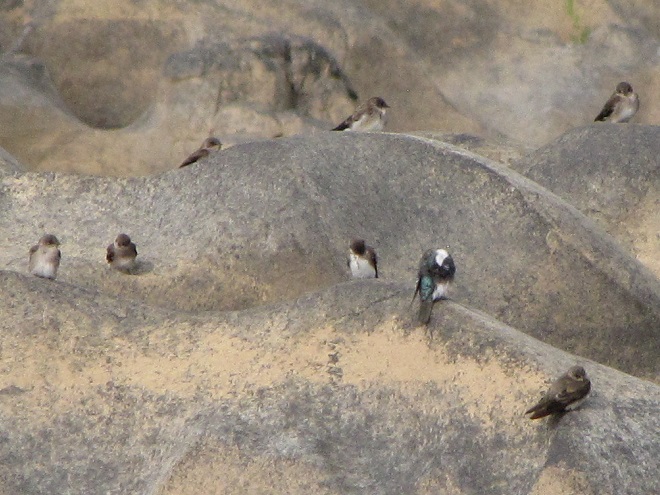
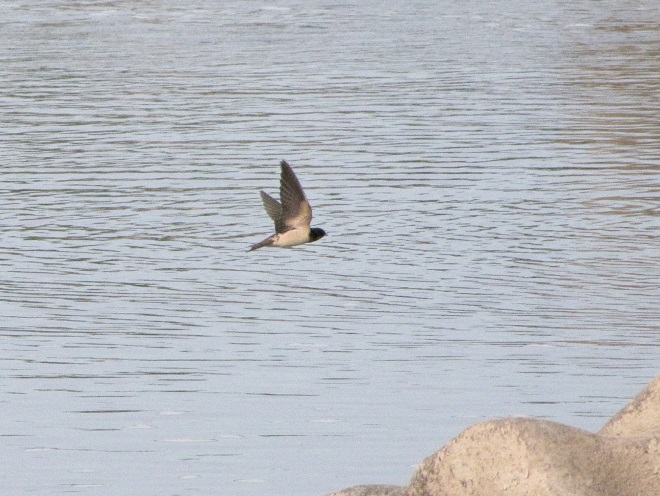
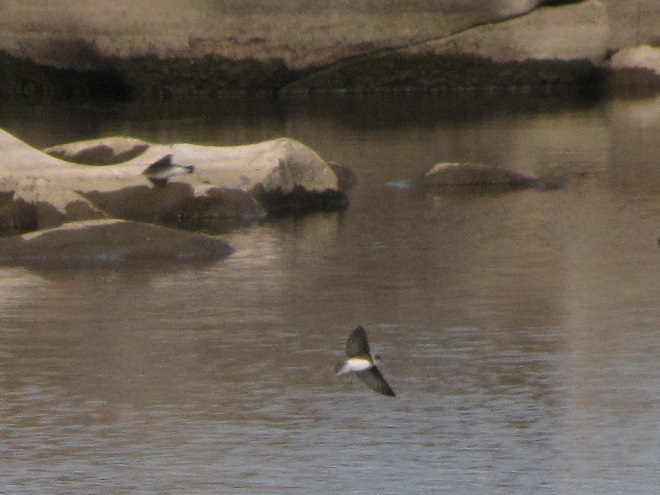
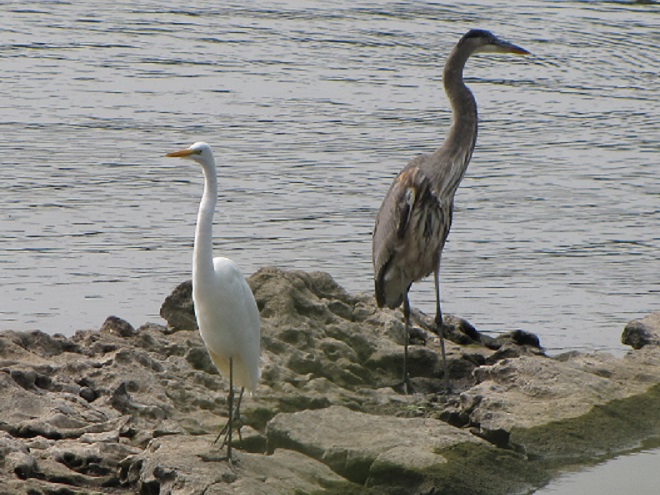
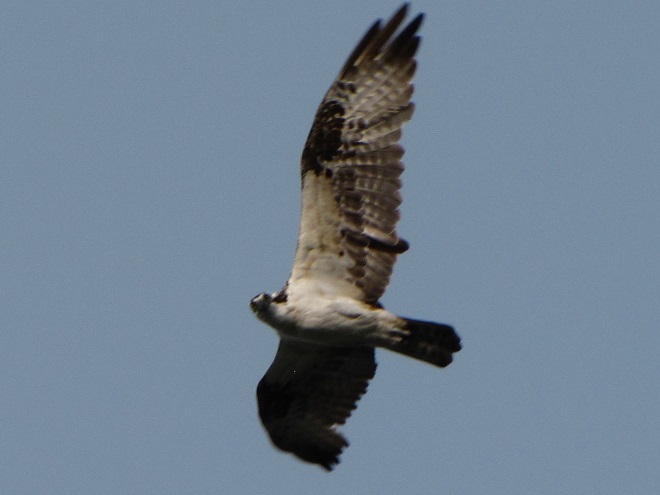
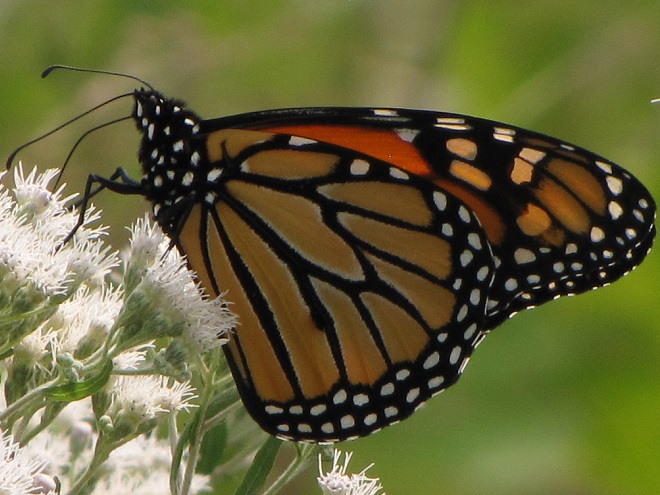
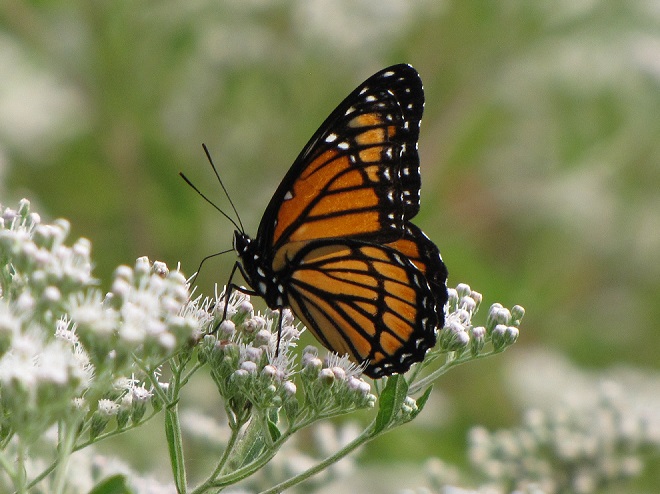
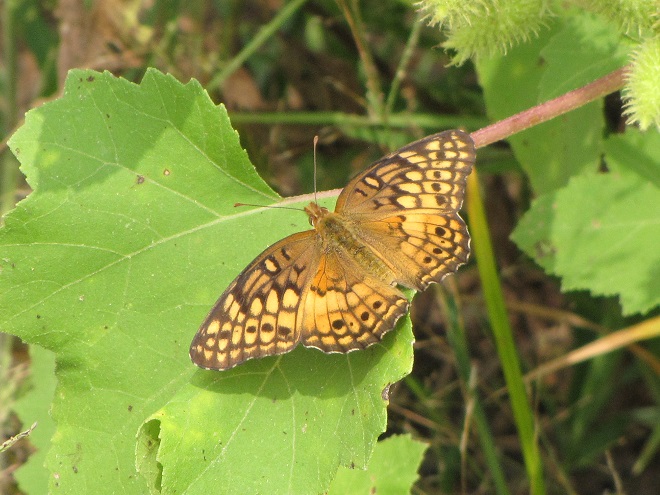
All that bright filtered sunlight was ideal for photographing butterflies along the Conewago Falls shoreline. Have a look.
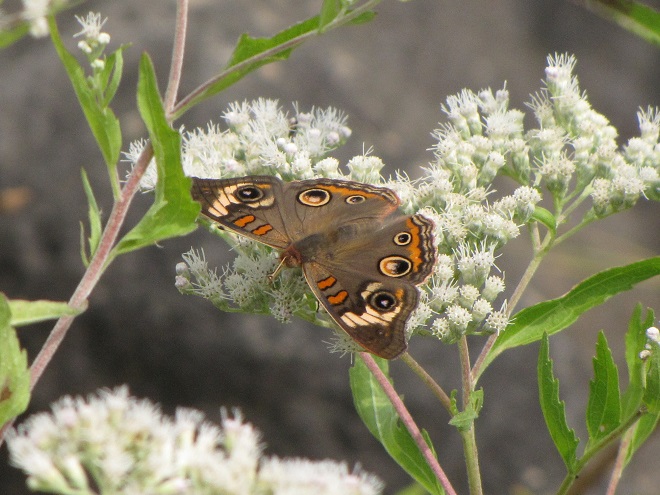
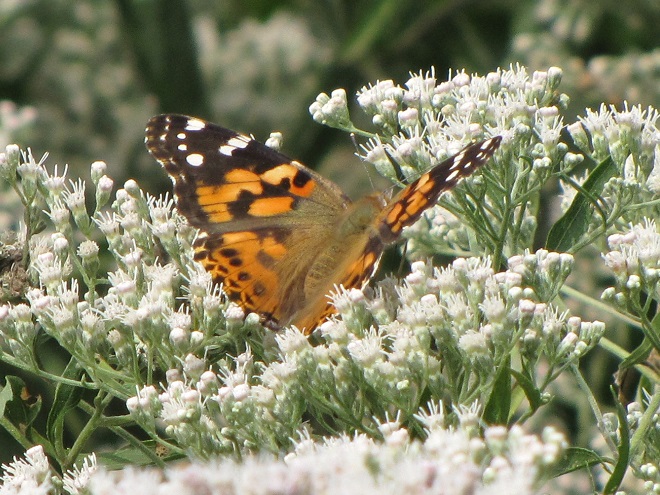
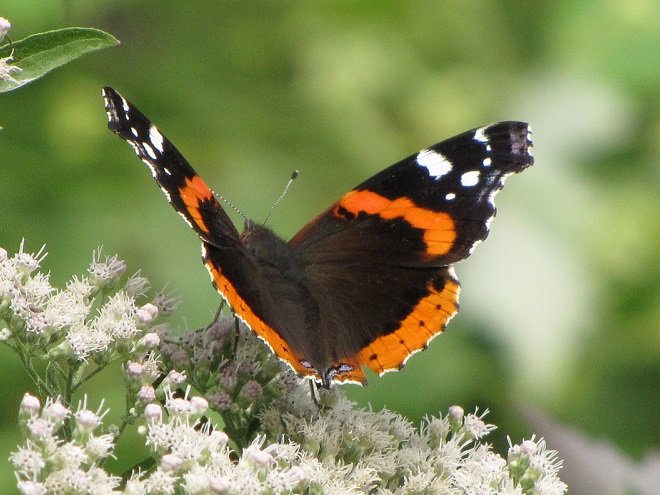
If it can fly, there’s a pretty good chance it was at Second Mountain today.
What follows is a photographic chronology of some of today’s sightings at Second Mountain Hawk Watch at Fort Indiantown Gap in Lebanon County, Pennsylvania. We begin with some of the hundreds of migratory songbirds found at the base of the mountain along Cold Spring Road near Indiantown Run during the early morning, then we continue to the lookout for the balance of the day.
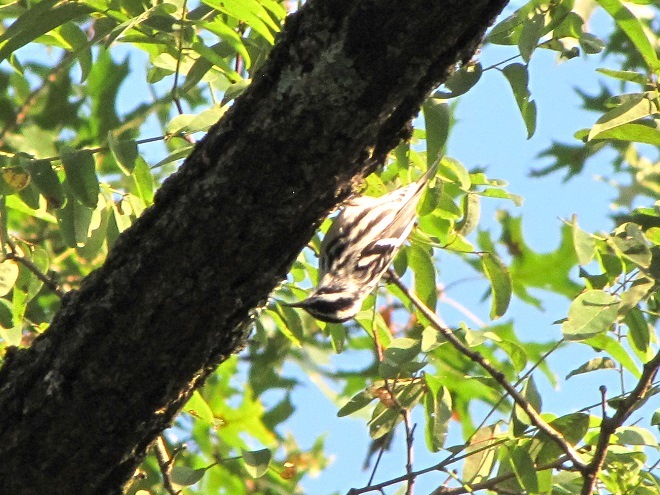
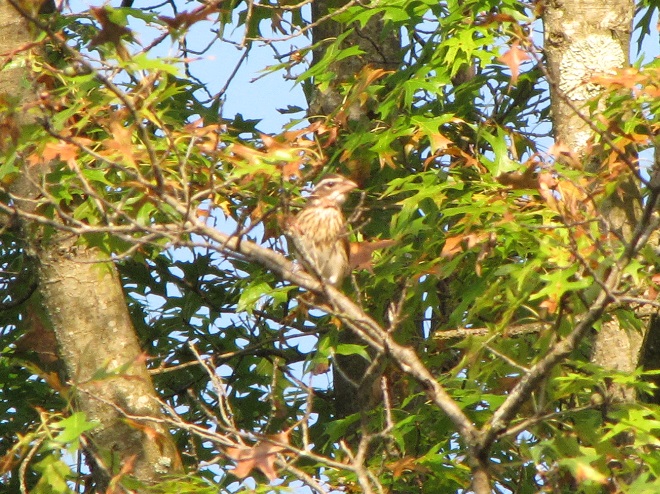
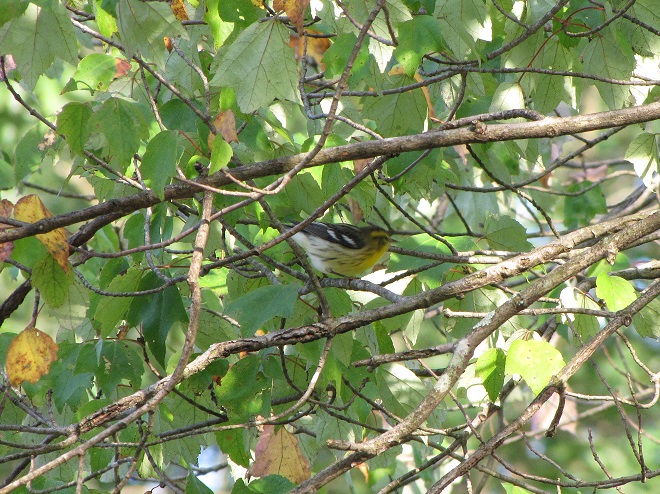
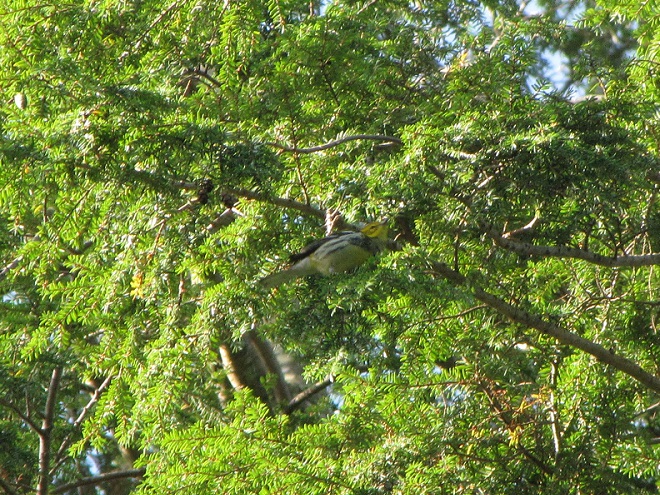
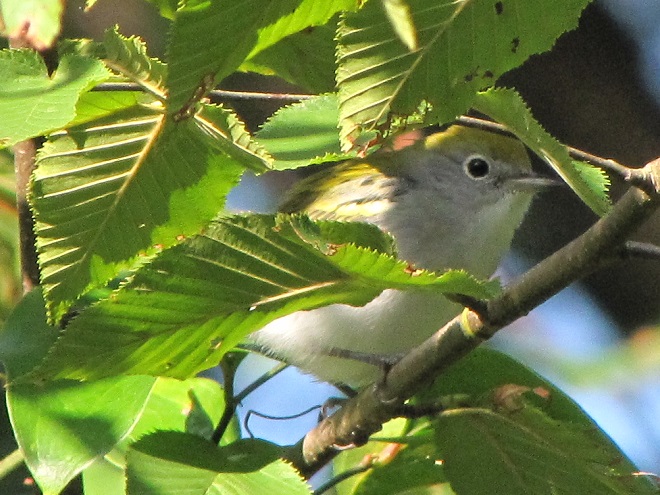
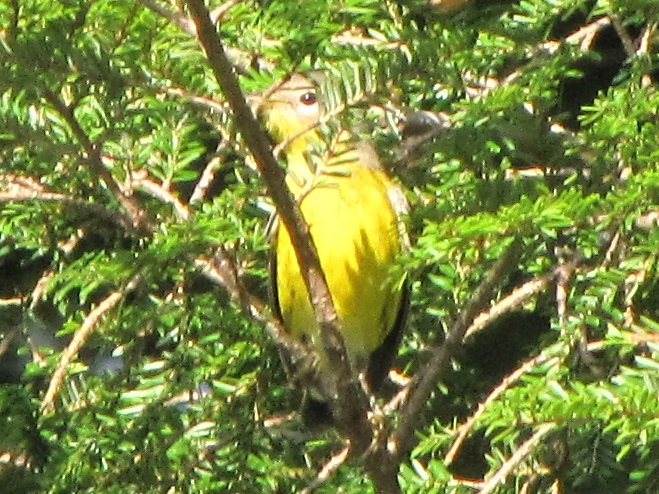
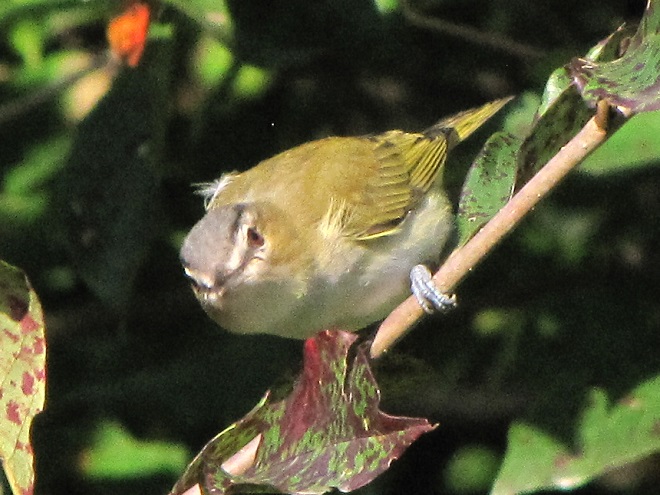
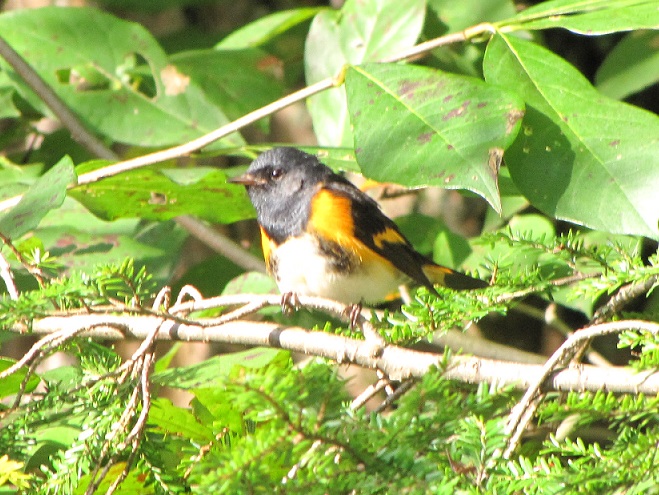
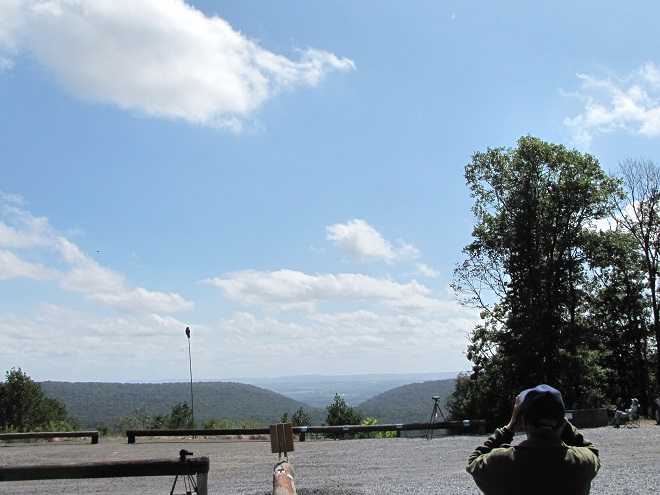
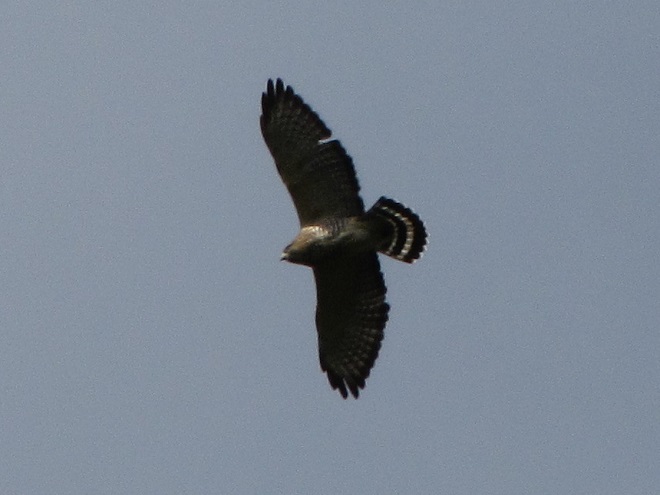

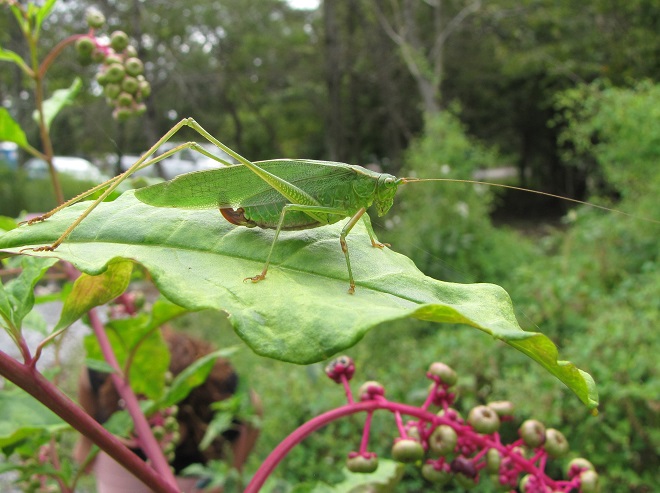
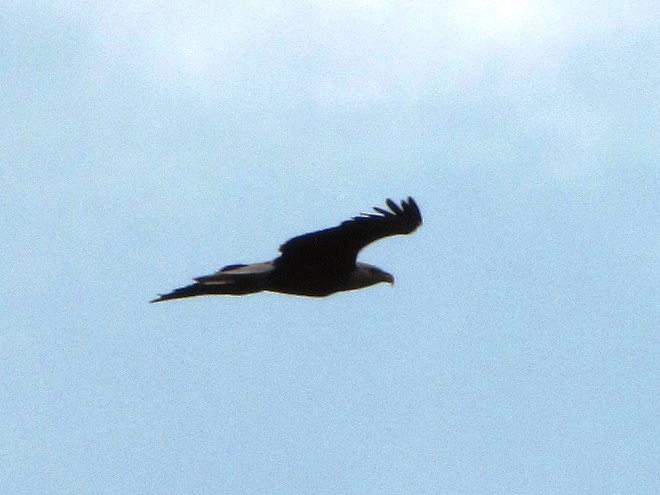
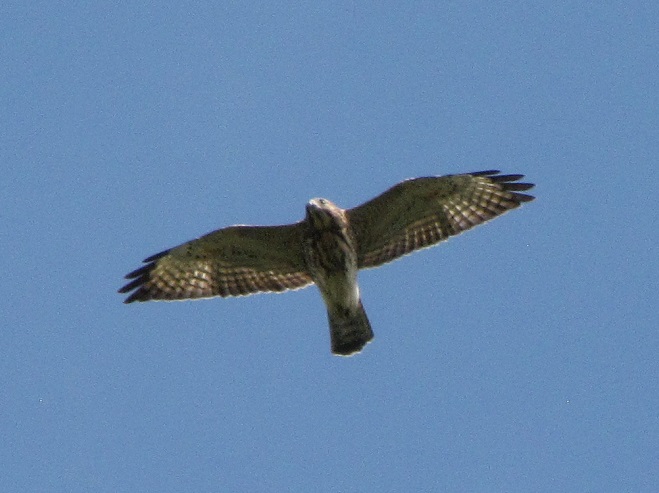
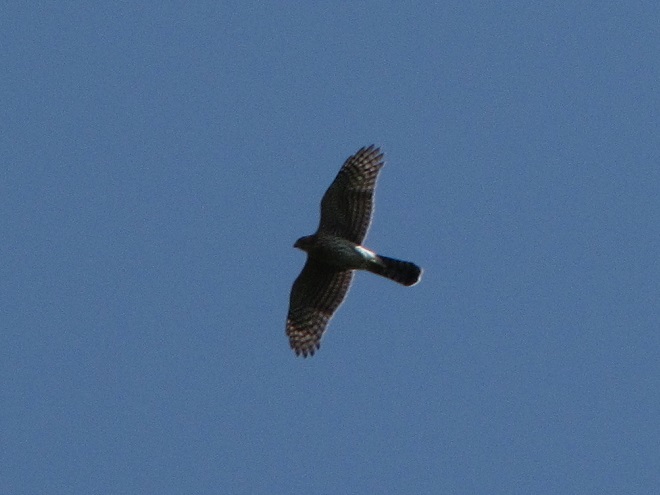
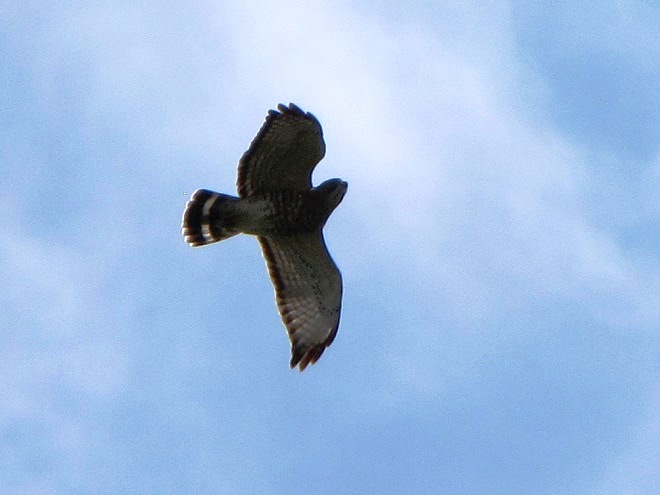
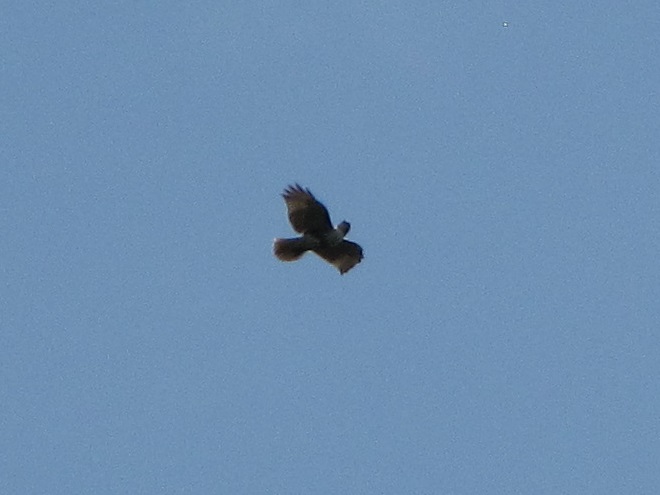
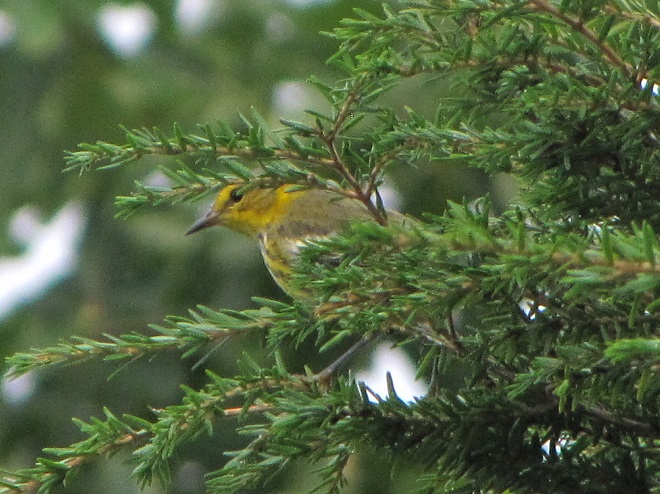
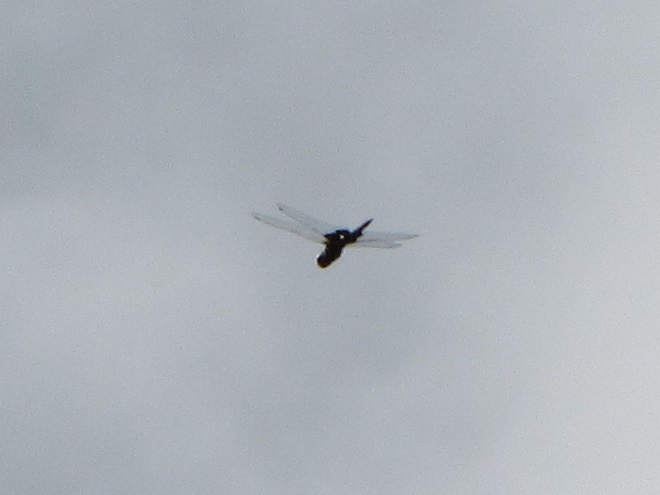
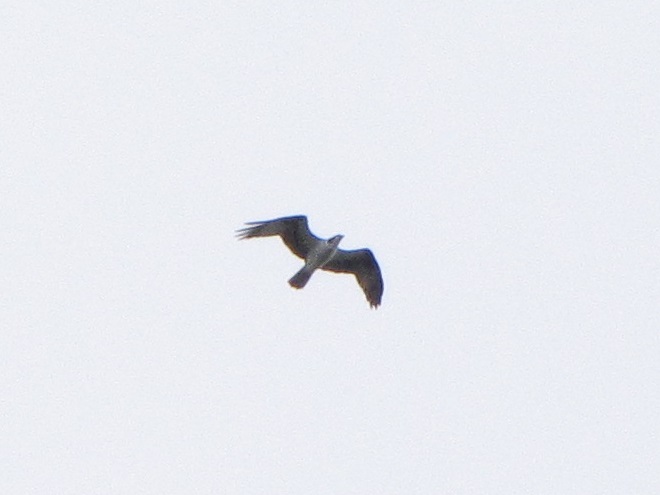
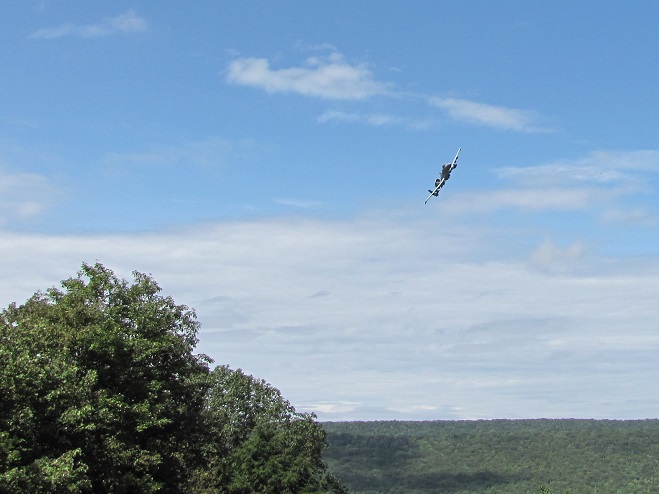

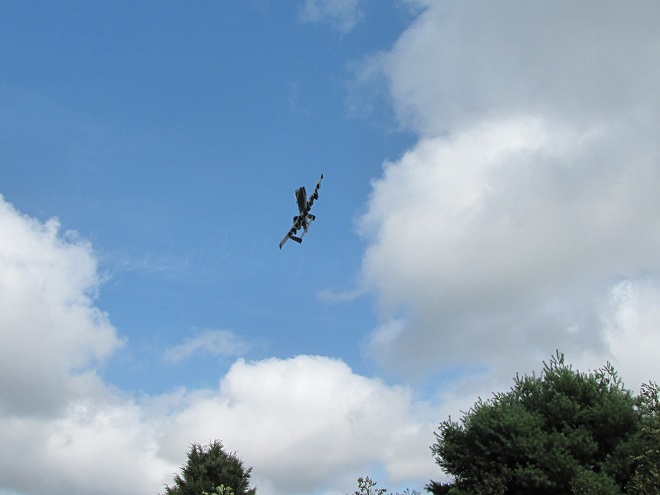

The total number of Broad-winged Hawks observed migrating past the Second Mountain lookout today was 619. To see the daily raptor counts for Second Mountain and other hawk watches in North America, and to learn more about each site, be sure to visit hawkcount.org
A special message from your local Chinese Mantis (Tenodera sinensis).
Hey you! Yes, you. I pray you’re paying attention to what’s flying around out there, otherwise it’ll all pass you by.
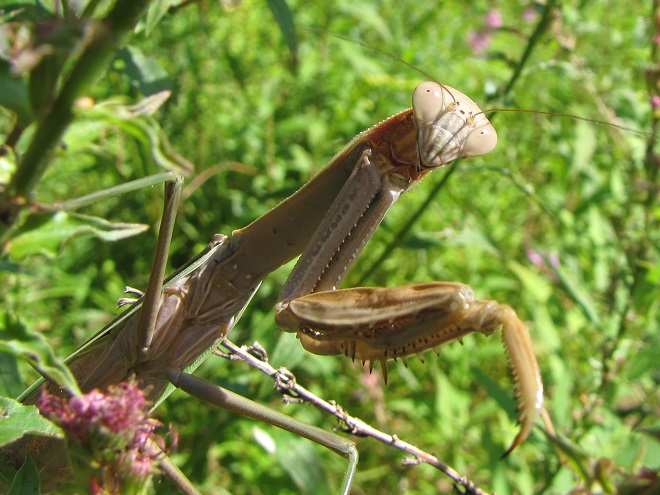
This summer’s hot humid breezes from the south have not only carried swarms of dragonflies into the lower Susquehanna valley, but butterflies too.
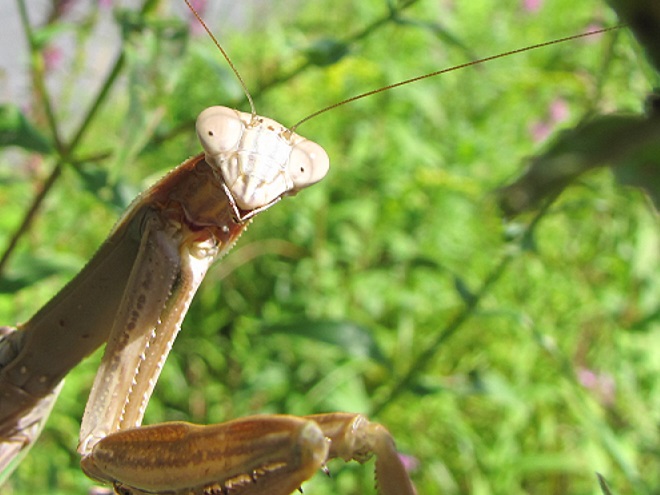
So check out these extravagant visitors from south of the Mason-Dixon Line—before my appetite gets the better of me.
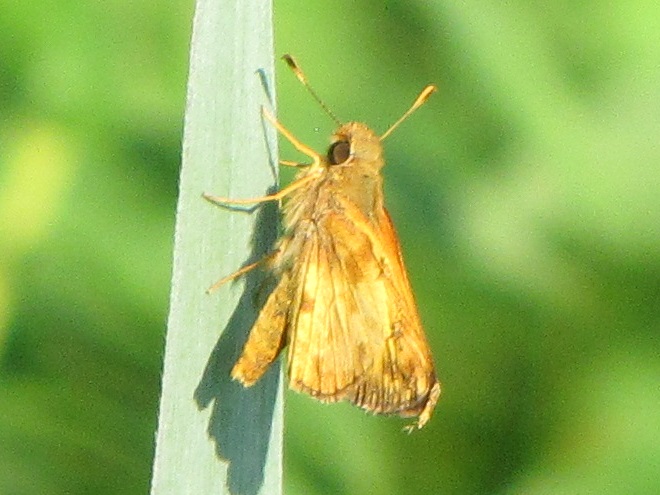
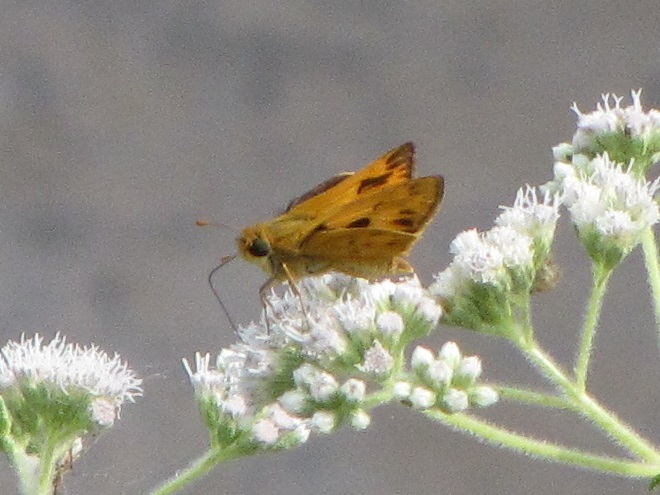
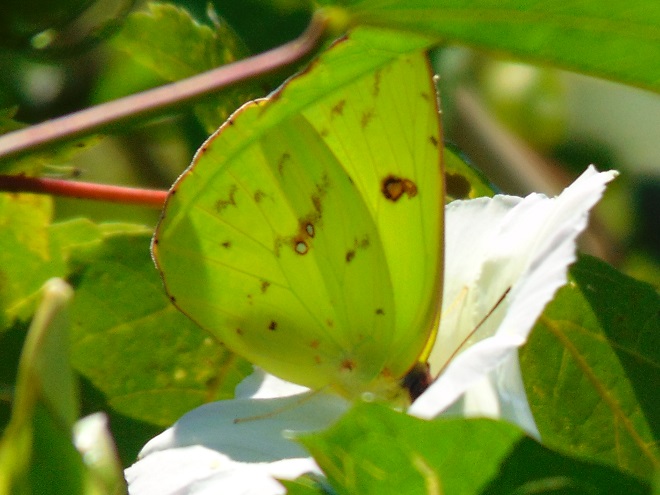
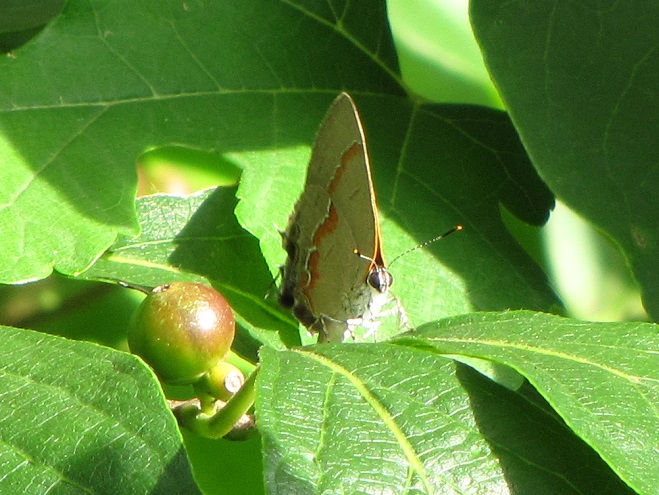
There you have it. Get out there and have a look around. These species won’t be active much longer. In just a matter of weeks, our migratory butterflies, including Monarchs, will be heading south and our visiting strays will either follow their lead or risk succumbing to frosty weather.
For more photographs of butterflies, be sure to click the “Butterflies” tab at the top of the page. We’re adding more as we get them.
Have the affairs of life got you down?
Feel like you’re not your normal self?
Feel unable to be happy?
Feel alone in your nightmare?
Well, nothing improves one’s demeanor better than seeing someone whose lot is worse than their own.
Have a look at this sad-looking Halloween Pennant.
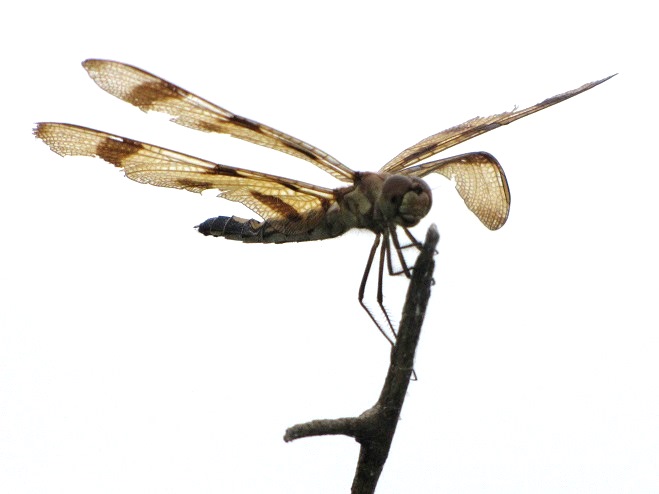
All worn and torn—a shred of its former self. Pitiful. And Halloween is still two and a half months away.
Don’t you feel better now?
It’s been more than a week since Tropical Storm Isaias moved swiftly up the Atlantic seaboard leaving wind and flood damage in its wake. Here in the Lower Susquehanna River Watershed, the brevity of its presence minimized the effects.
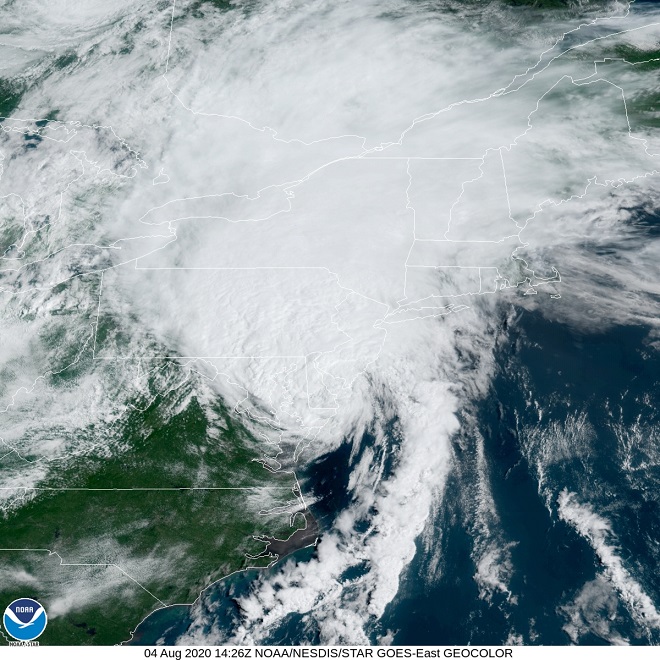
You may have noticed some summertime visitors flying about during these hot humid days that followed Isaias’ passing. They’re the dragonflies.
Our familiar friend the Wandering Glider is widespread throughout the valley right now—dropping eggs on shiny automobile hoods that look to them like a nice quiet puddle of water.
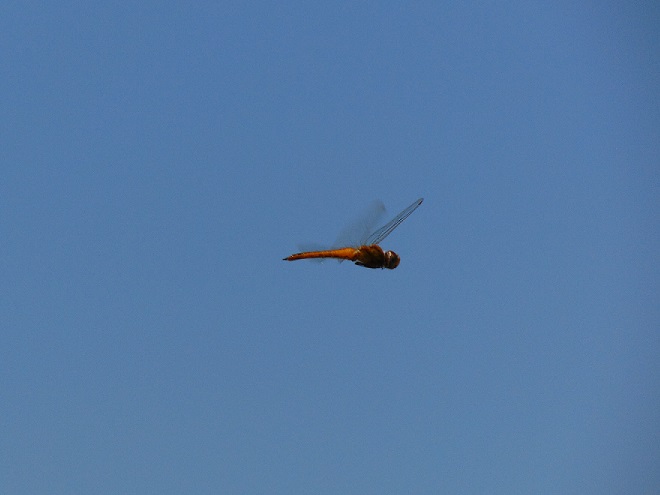
Each of the other common migratory species is here too. Look for them patrolling the skies over large bodies of water and over adjacent fallow land and meadows where tiny flying insects abound. Did these dragonflies arrive on the winds associated with the tropical storm, or did they move in with the waves of warm air that followed it? Probably a little of both.
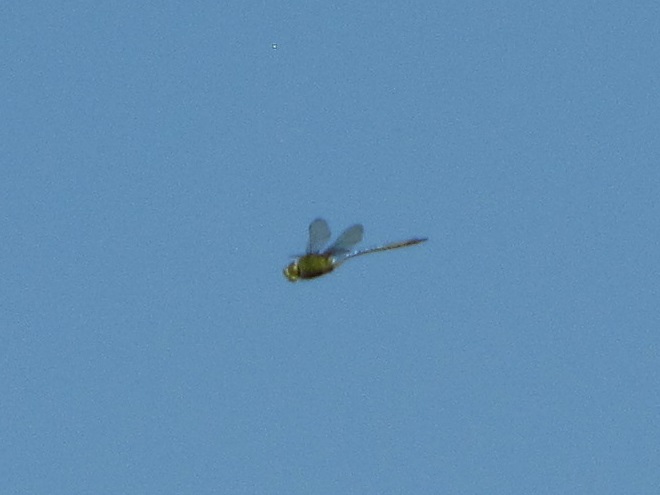
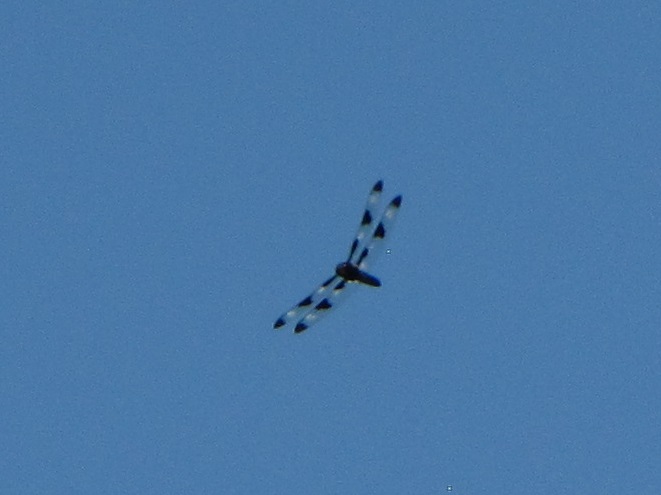
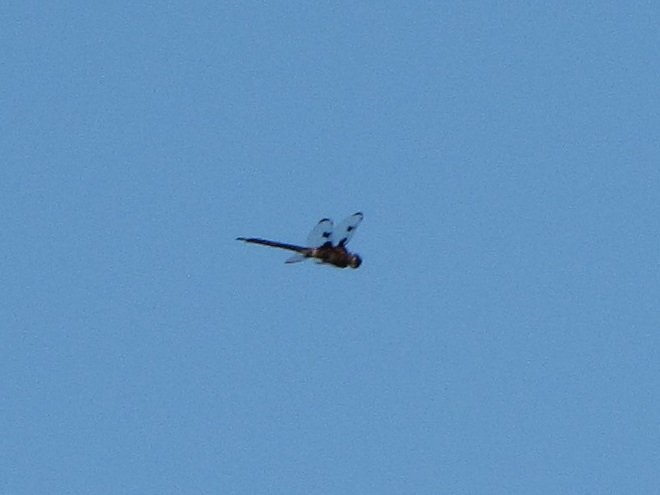
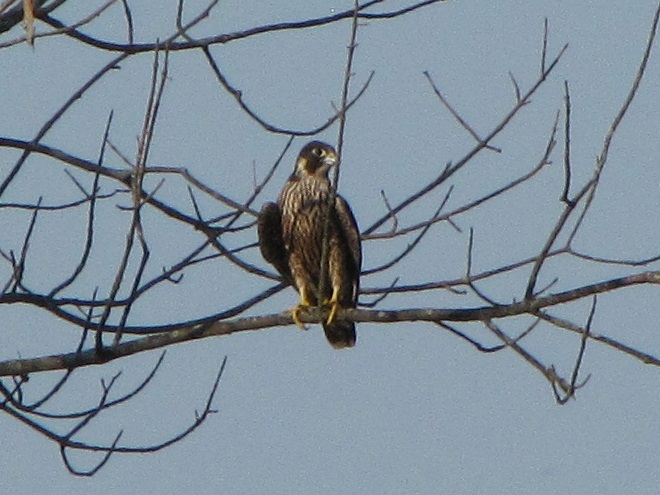
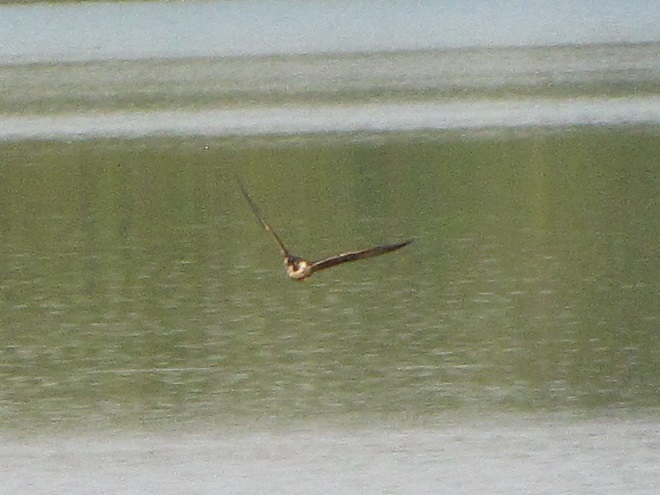
Big swarms of dragonflies don’t go unnoticed by predators—particularly birds. The southbound migration of kites, Broad-winged Hawks, American Kestrels, and Merlins often coincides with the swarming of migratory dragonflies in late summer. Each of these raptors will grab and feed upon these insects while on the wing—so keep an eye on the sky.
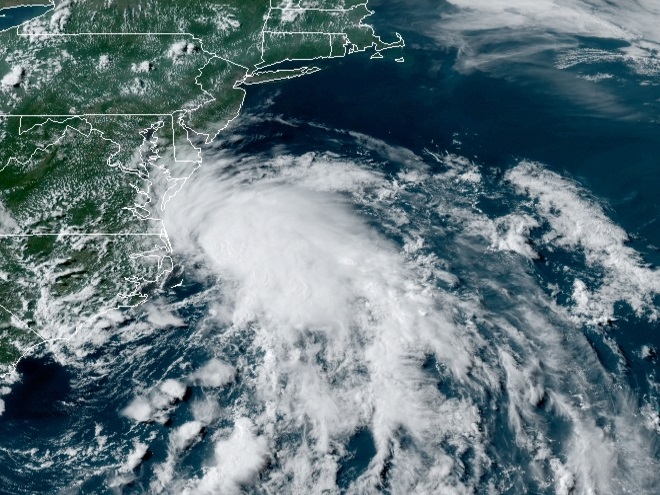
Dust continues to be carried aloft on dry updrafts over the Sahara Desert. The plume is presently stretching for thousands of miles due west across the tropical Atlantic into the Pacific, leaving the United States out of the loop—at least for now.

With no dry air to spoil the fun, the warm waters of the Gulf Stream off the coast of North Carolina are spawning some convective clouds in a low pressure system that could become tropical within the next day or so.
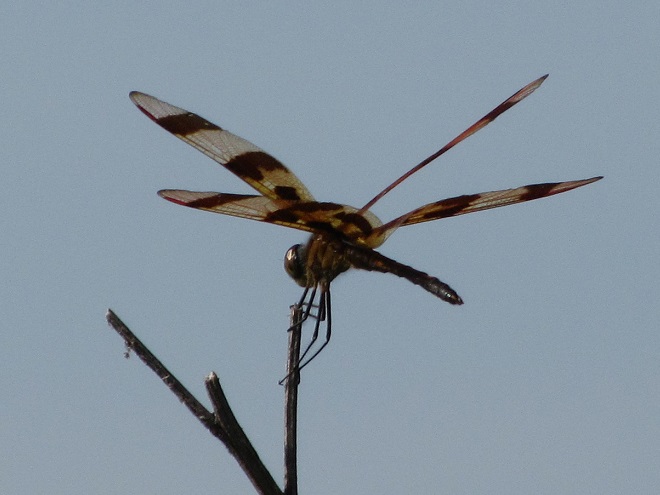
Now that the heat and humidity is upon us, why not get out and take a look at the damselflies and dragonflies that inhabit the ponds, wetlands, and waterways of the lower Susquehanna watershed? These flying insects thrive in sultry weather and some species will breed in a body of water as small as a garden pond—as long as it is free of large fish. Check out some of the species found locally by clicking on the “Damselflies and Dragonflies” tab at the top of this page. We’ll be adding more photos and species soon.
Inside the doorway that leads to your editor’s 3,500 square foot garden hangs a small chalkboard upon which he records the common names of the species of birds that are seen there—or from there—during the year. If he remembers to, he records the date when the species was first seen during that particular year. On New Year’s Day, the results from the freshly ended year are transcribed onto a sheet of notebook paper. On the reverse, the names of butterflies, mammals, and other animals that visited the garden are copied from a second chalkboard that hangs nearby. The piece of paper is then inserted into a folder to join those from previous New Year’s Days. The folder then gets placed back into the editor’s desk drawer beneath a circular saw blade and an old scratched up set of sunglasses—so that he knows exactly where to find it if he wishes to.
A quick glance at this year’s list calls to mind a few recollections.
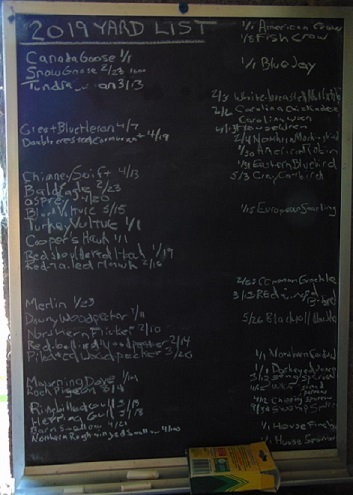
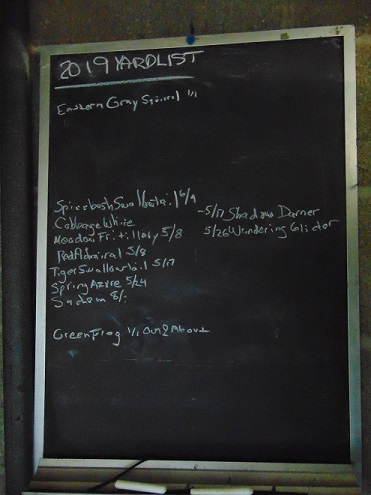
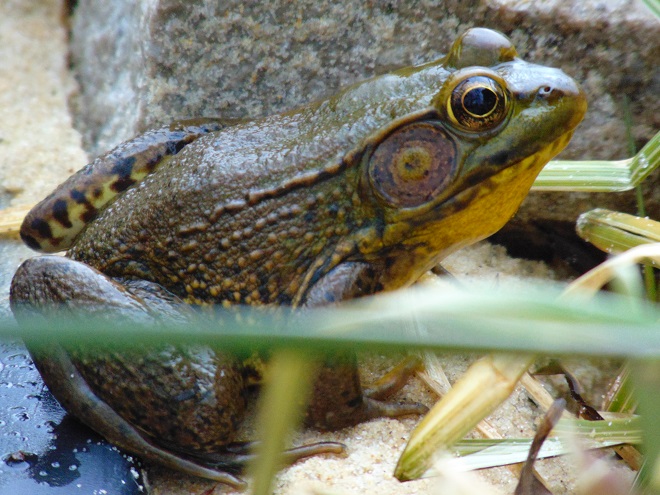
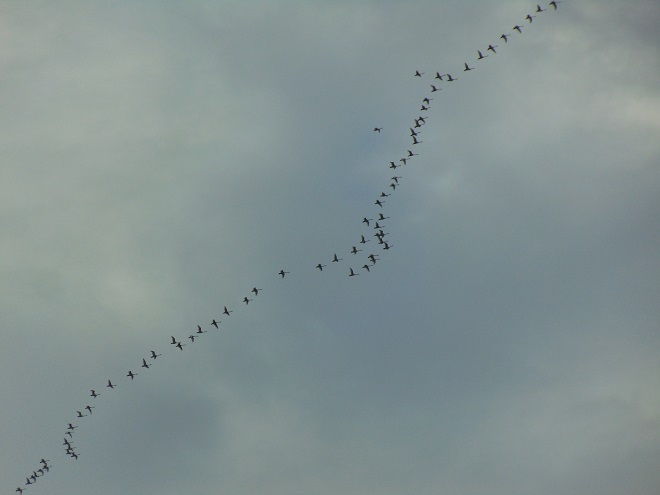
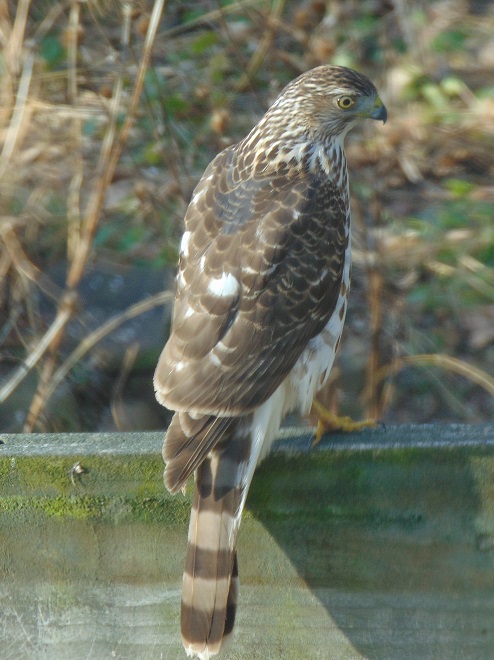
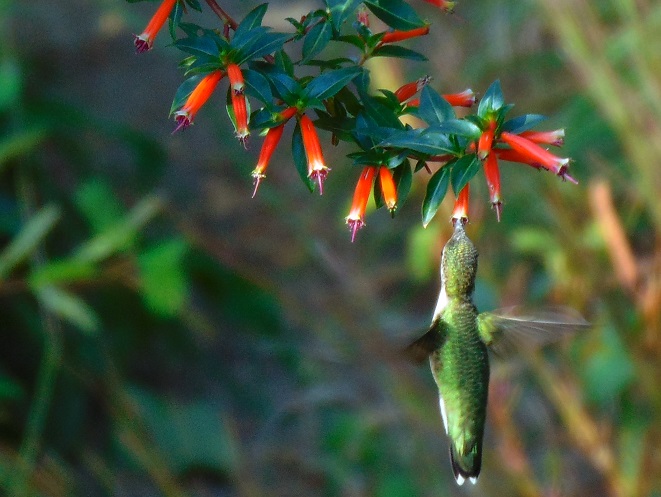
Before putting the folder back into the drawer for another year, the editor decided to count up the species totals on each of the sheets and load them into the chart maker in the computer.
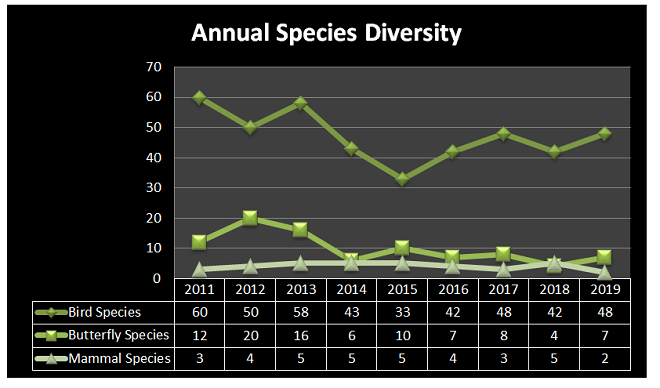 Despite the habitat improvements in the garden, the trend is apparent. Bird diversity has not cracked the 50 species mark in 6 years. Despite native host plants and nectar species in abundance, butterfly diversity has not exceeded 10 species in 6 years.
It appears that, at the very least, the garden habitat has been disconnected from the home ranges of many species by fragmentation. His little oasis is now isolated in a landscape that becomes increasingly hostile to native wildlife with each passing year. The paving of more parking areas, the elimination of trees, shrubs, and herbaceous growth from the large number of rental properties in the area, the alteration of the biology of the nearby stream by hand-fed domestic ducks, light pollution, and the outdoor use of pesticides have all contributed to the separation of the editor’s tiny sanctuary from the travel lanes and core habitats of many of the species that formerly visited, fed, or bred there. In 2019, migrants, particularly “fly-overs”, were nearly the only sightings aside from several woodpeckers, invasive House Sparrows (Passer domesticus), and hardy Mourning Doves. Even rascally European Starlings became sporadic in occurrence—imagine that! It was the most lackluster year in memory.
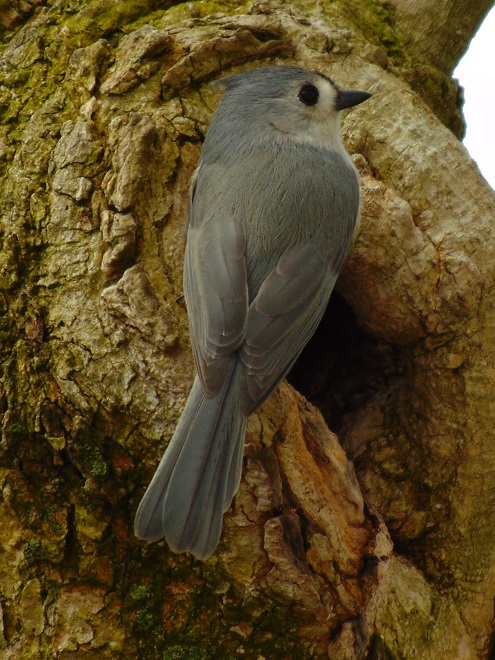
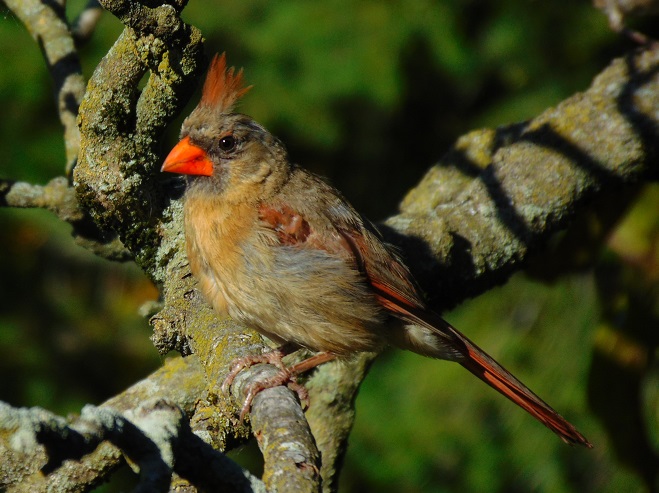
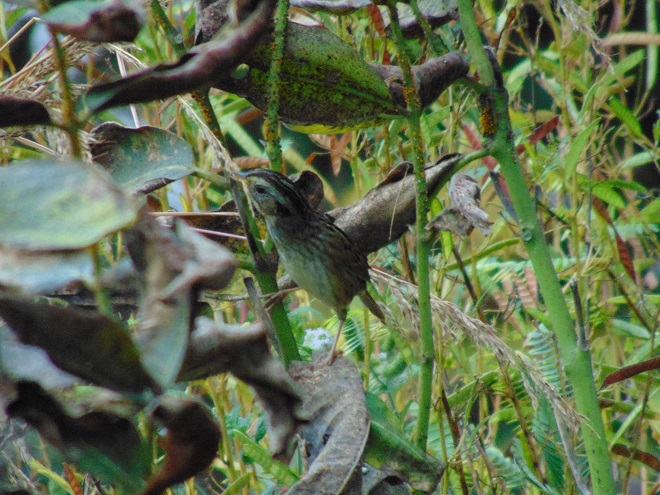
If habitat fragmentation were the sole cause for the downward trend in numbers and species, it would be disappointing, but comprehensible. There would be no cause for greater alarm. It would be a matter of cause and effect. But the problem is more widespread.
Although the editor spent a great deal of time in the garden this year, he was also out and about, traveling hundreds of miles per week through lands on both the east and the west shores of the lower Susquehanna. And on each journey, the number of birds seen could be counted on fingers and toes. A decade earlier, there were thousands of birds in these same locations, particularly during the late summer.
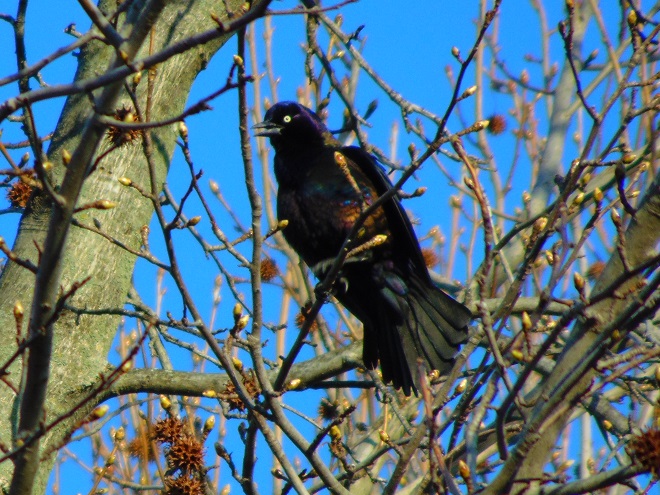
In the lower Susquehanna valley, something has drastically reduced the population of birds during breeding season, post-breeding dispersal, and the staging period preceding autumn migration. In much of the region, their late-spring through summer absence was, in 2019, conspicuous. What happened to the tens of thousands of swallows that used to gather on wires along rural roads in August and September before moving south? The groups of dozens of Eastern Kingbirds (Tyrannus tyrannus) that did their fly-catching from perches in willows alongside meadows and shorelines—where are they?
Several studies published during the autumn of 2019 have documented and/or predicted losses in bird populations in the eastern half of the United States and elsewhere. These studies looked at data samples collected during recent decades to either arrive at conclusions or project future trends. They cite climate change, the feline infestation, and habitat loss/degradation among the factors contributing to alterations in range, migration, and overall numbers.
There’s not much need for analysis to determine if bird numbers have plummeted in certain Lower Susquehanna Watershed habitats during the aforementioned seasons—the birds are gone. None of these studies documented or forecast such an abrupt decline. Is there a mysterious cause for the loss of the valley’s birds? Did they die off? Is there a disease or chemical killing them or inhibiting their reproduction? Is it global warming? Is it Three Mile Island? Is it plastic straws, wind turbines, or vehicle traffic?
The answer might not be so cryptic. It might be right before our eyes. And we’ll explore it during 2020.

In the meantime, Uncle Ty and I going to the Pennsylvania Farm Show in Harrisburg. You should go too. They have lots of food there.