Just in time for the scariest night of the year, we take you to old Sussex and the dark, eerie swamps of the ancient Susquehanna…
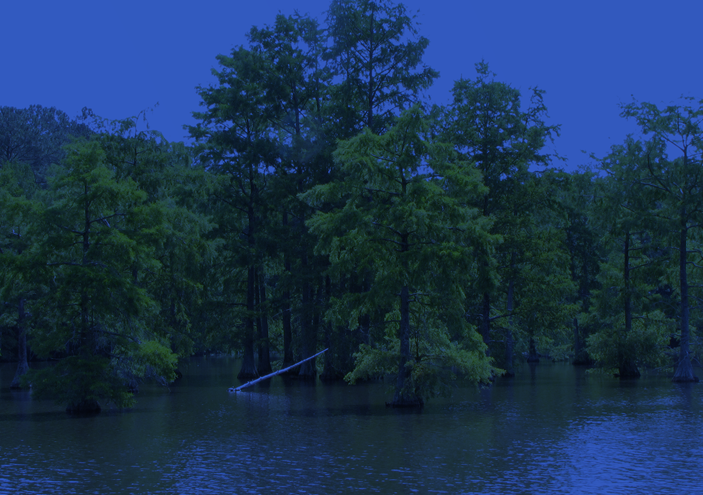
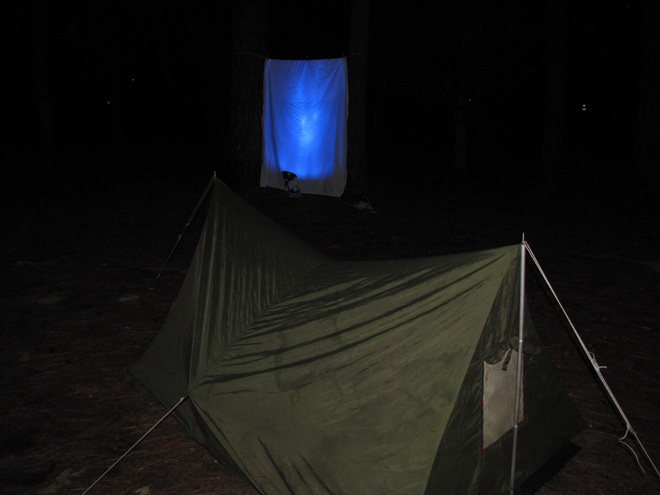
…more specifically, a Bald Cypress forest in the upper reaches of Delmarva’s Nanticoke River, a tributary of the Susquehanna during the last glacial maximum now draining into the river’s sea level-drowned gorge called Chesapeake Bay.That’s no ghost haunting our temporary headquarters. Along the edge of the swamp, we’ve suspended a cotton sheet between a Loblolly Pine and a Southern Red Oak (Quercus falcata) and illuminated it with our blacklight. We’re hoping to reflect enough of the ultraviolet spectrum to attract the nocturnal insects and other creatures found in this forest. Here’s what responded to our lure both in late June and during a second visit earlier this month…
THEY’LL SUCK YOUR BLOOD?
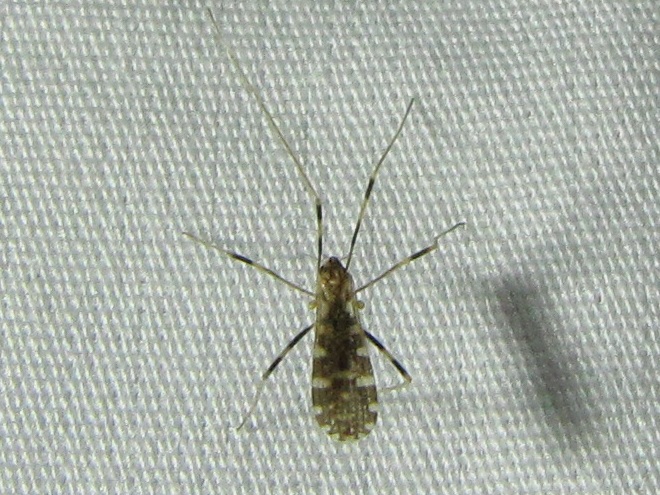
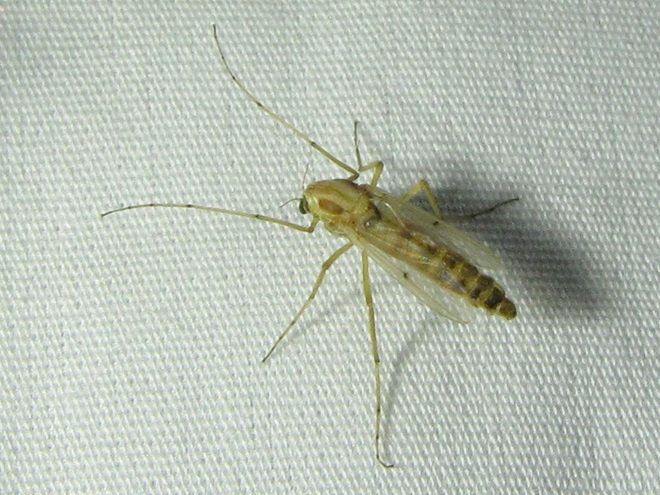
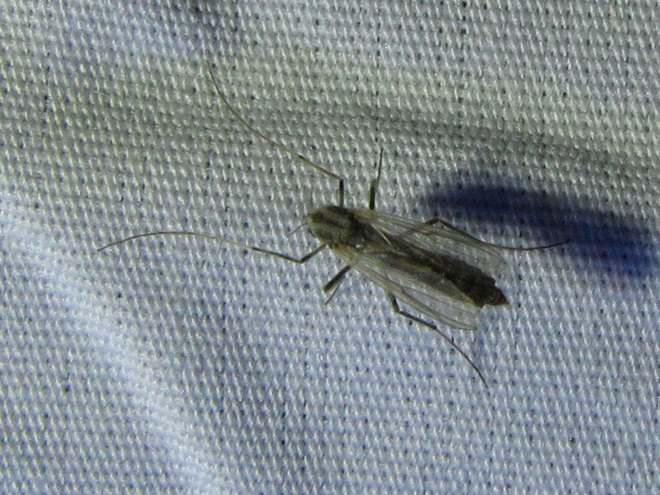
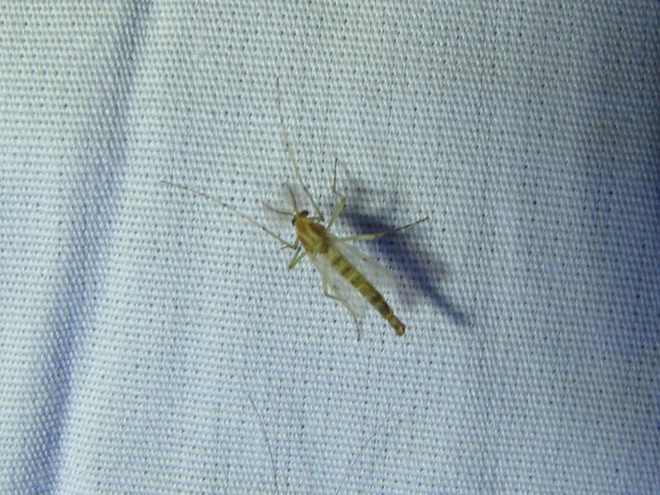
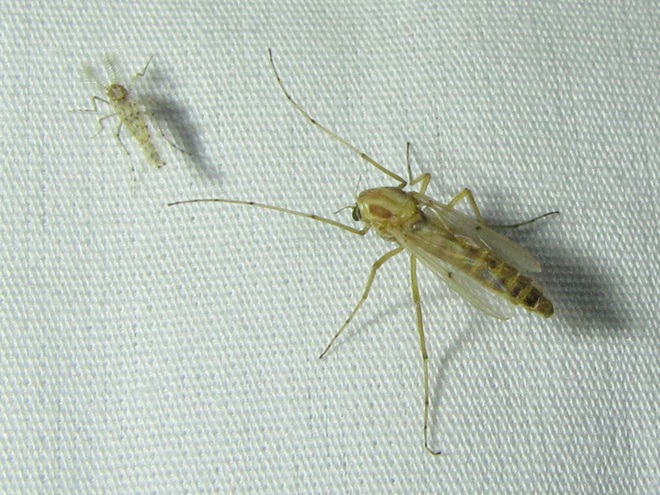
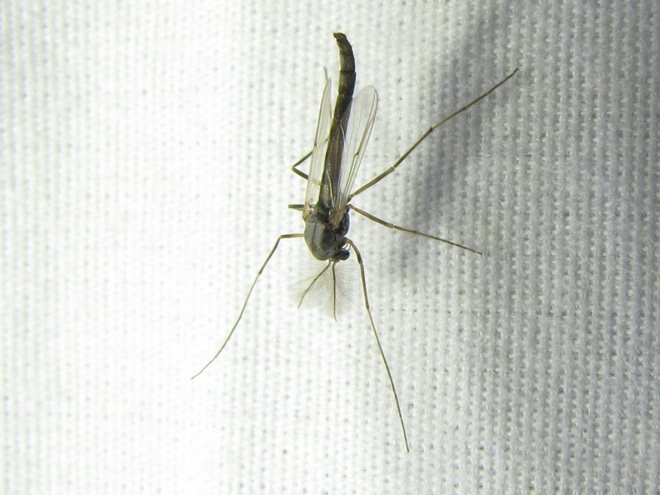
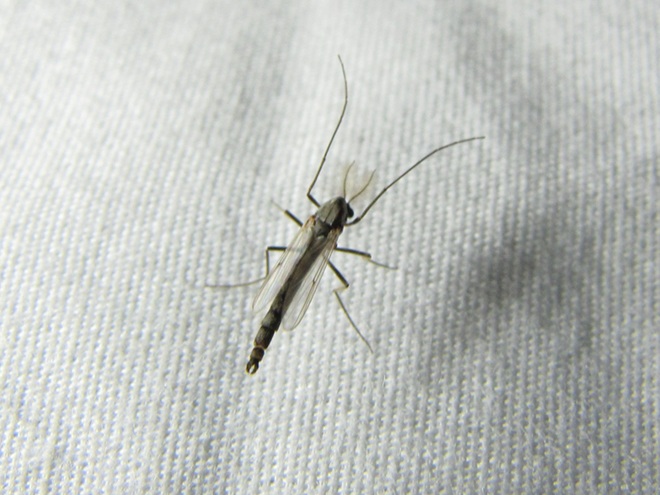
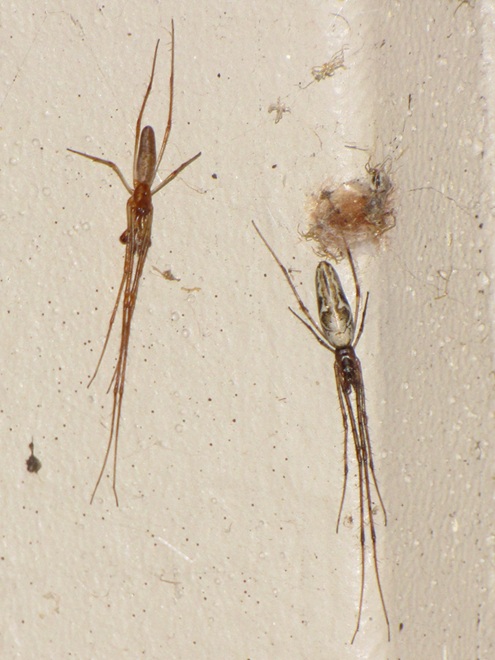
Soon after nightfall, hundreds of these tiny insects swarmed the glowing sheet. Our first assumption was that they were mosquitos. Onlookers quickly lost interest in our efforts and retreated from the project area. Then, despite our arms, heads, and necks being blanketed with these flies as we attempted to photograph them, we noticed we weren’t getting bit. Meet the non-biting midge, flies of the family Chironomidae. (June)Unlike the more familiar mosquito, the non-biting midge lacks an elongated proboscis for sucking blood (female) or feeding on plant juices (male). Non-biting midges don’t bite and don’t spread disease. (June)We found quite a variety of female non-biting midges arriving at our observation station after nightfall. (June)Attracted to sex pheromones produced by the females, male non-biting midges began arriving about an hour later. Their feathery plumose antennae detect these airborne chemicals as well as the frequency of the sounds made by the wing beats of the females of their species. (June)Two of the non-biting midges seen visiting our glowing sheet in the forest, a male (left) and a female of a significantly larger species (right). At times three to five hundred of these insects swarmed our outpost simultaneously. (June)
The presence of these non-biting midges at our survey station in June so piqued our interest, we felted compelled to return during the early fall to see if they were still active in such enormous numbers.
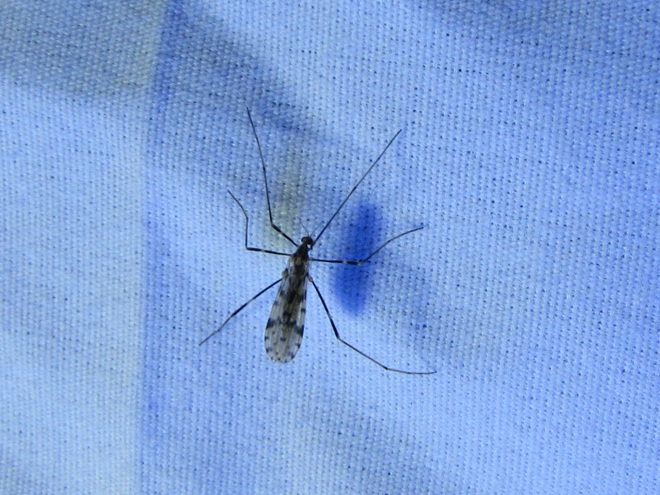
Again, female non-biting midges arrived just after nightfall. (October)Male non-biting midges swarmed the sheet about one hour later to join their potential mates. (October)Why all the interest in non-biting midges? Chironomidae non-biting midges are vegetarians, not only as adults, but more importantly during their aquatic larval stage when they live in our nutrient-rich lakes, streams, and rivers. Algae grows prolifically in nutrient impaired waterways. When this algae dies, it sometimes leads to “dead zones” and eutrophication due to oxygen depletion during the decay process. Chironomid larvae feed heavily on the algae that grows in nitrogen-loaded waters. Unlike fishes, snails, or other creatures that might eat the algae, then recycle the nutrients back into the water column in their waste and decaying bodies after death, non-biting midges fly the nutrients they’ve absorbed away into the surrounding landscape during their adult stage of life and deposit them into the forest soils after they die. A huge biomass of non-biting midges can remove a sizeable portion of the nutrient load in waters like the cypress swamp adjacent to our sampling site here at Trap Pond State Park. (October)
OKAY, NO BLOOD SUCKERS, JUST ALGAE EATERS
BUT THEN, FROM THE DARKNESS…
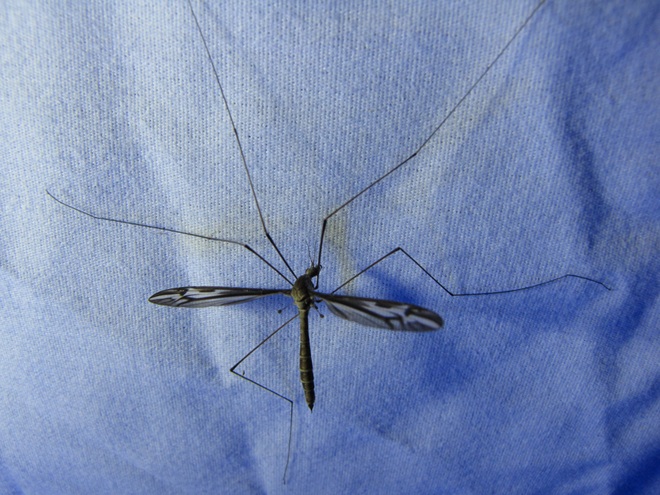
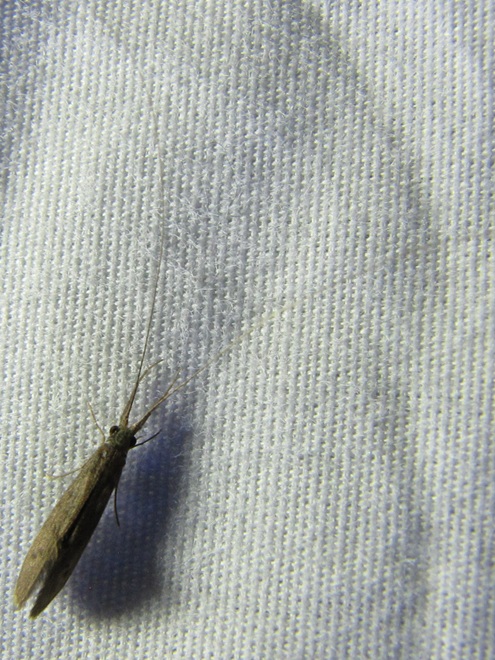
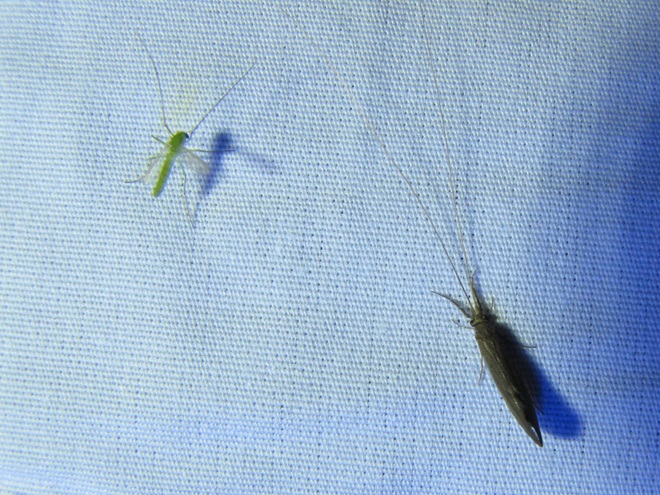
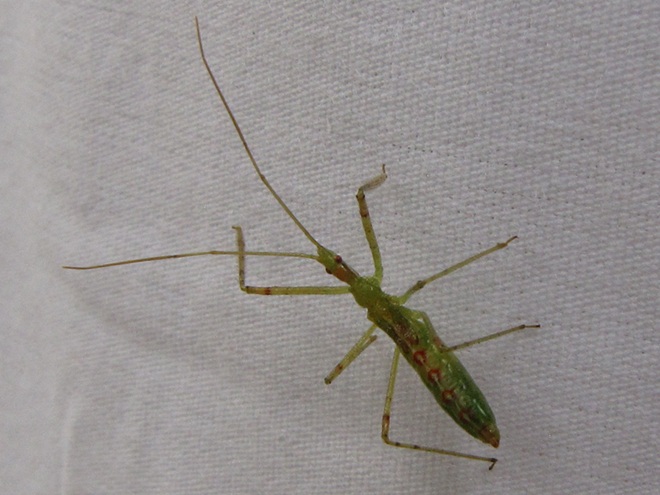
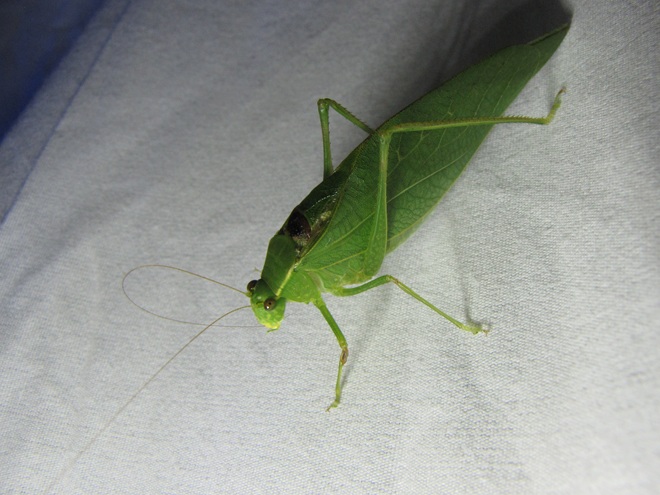
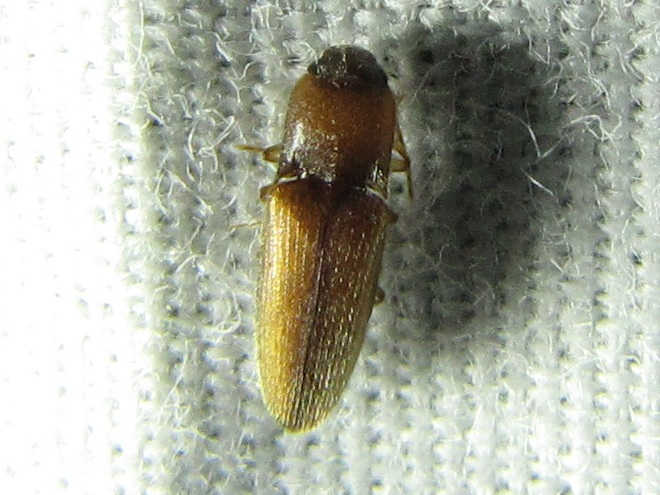
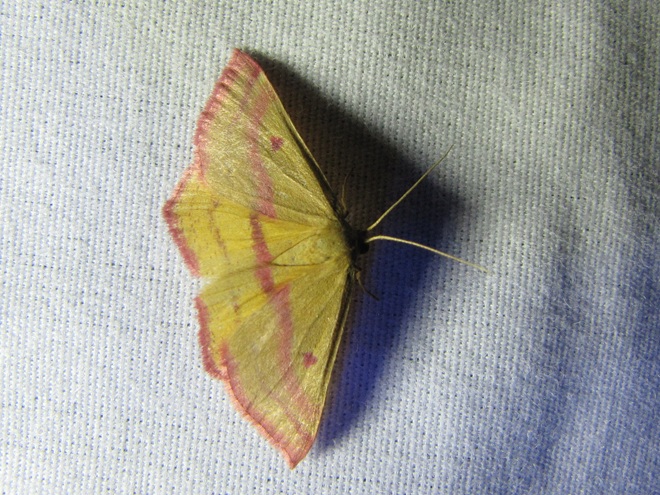
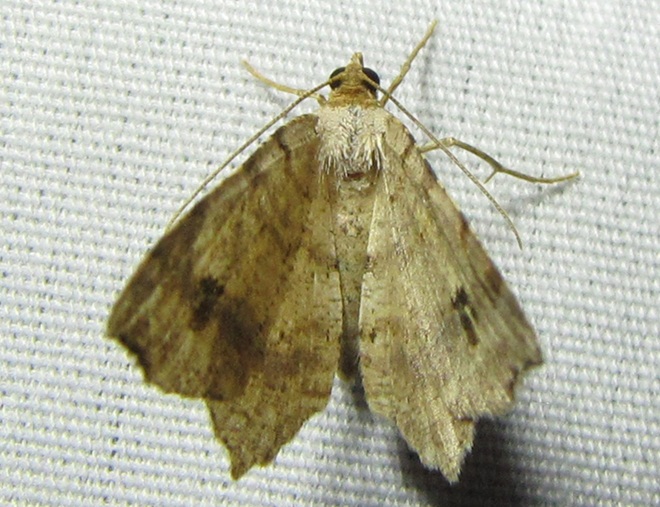
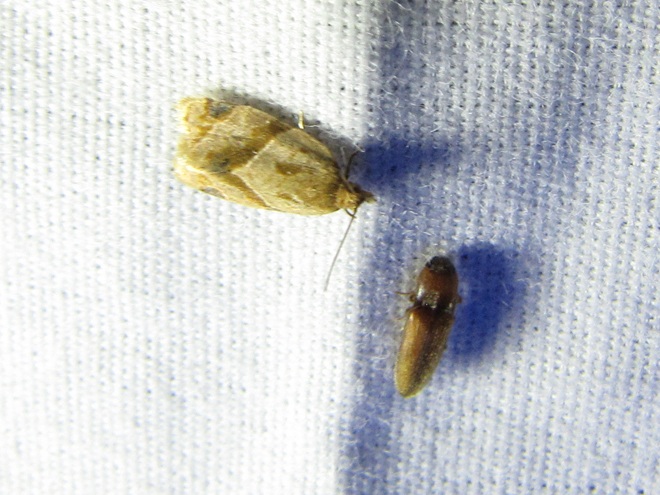
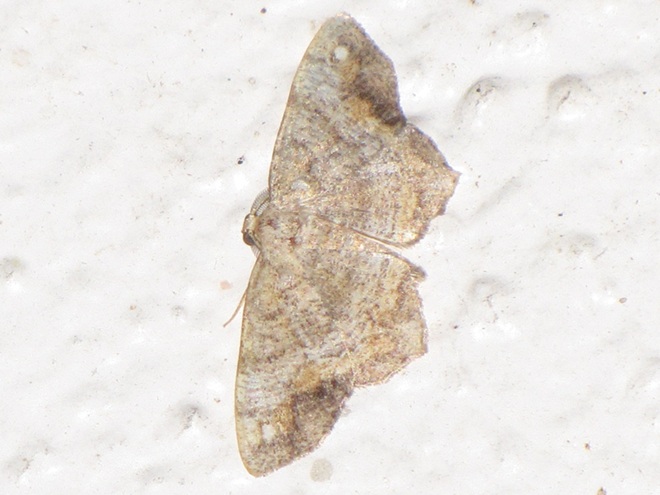
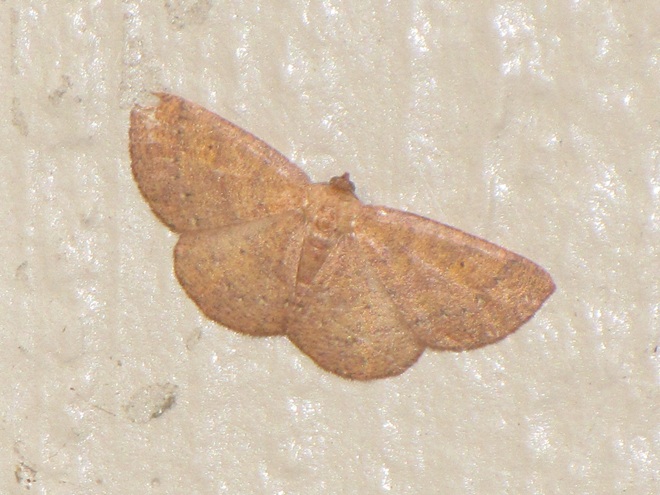
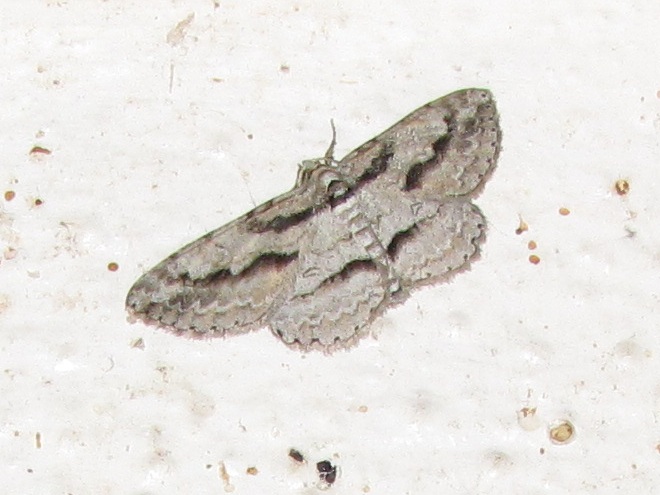
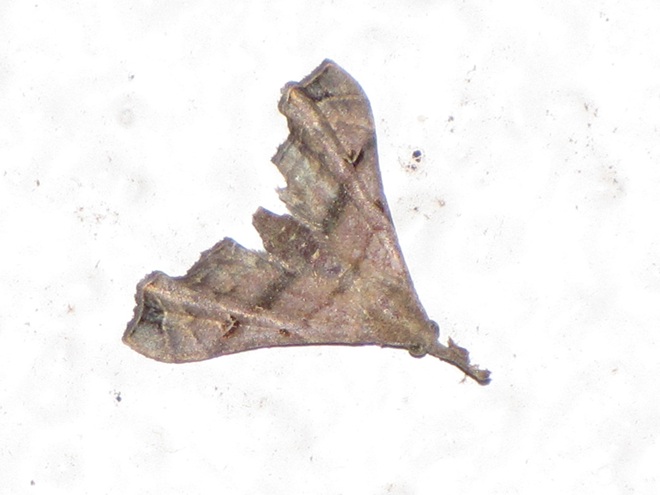
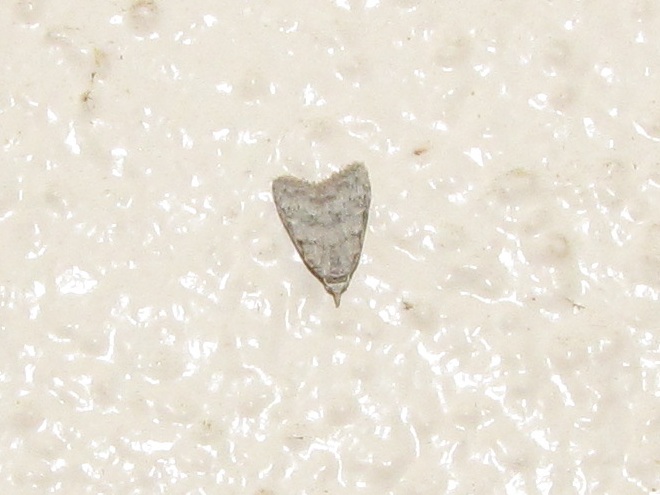
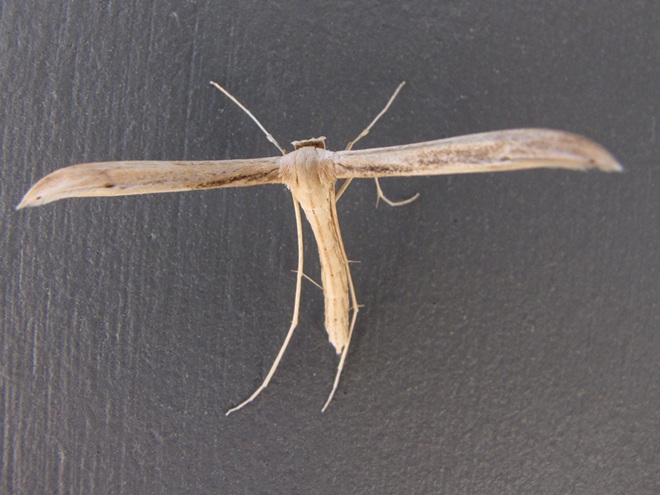
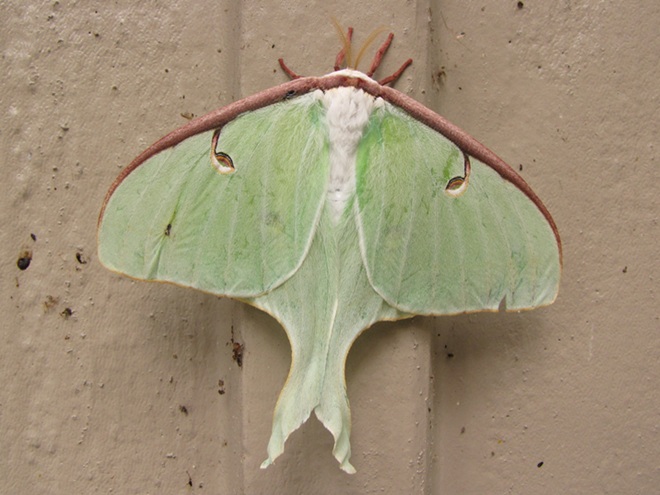
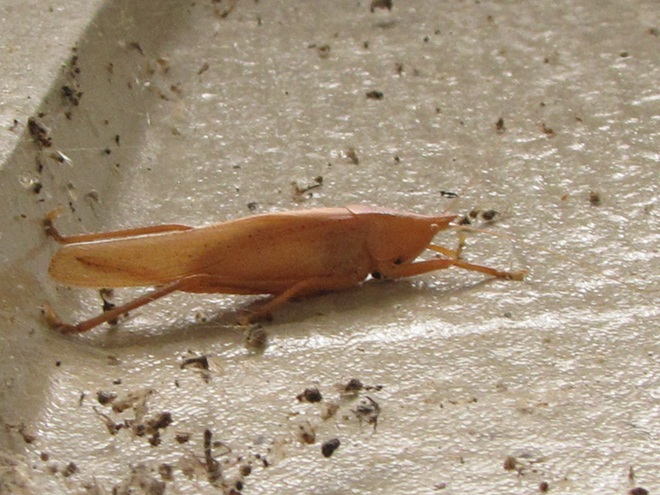
A giant vampire mosquito? Nope, not at all. It’s just a rather clumsy Common Crane Fly (Tipula trivittata). Adults like this one live for only about two weeks and must find a mate and breed within that time. (October)Look out for those jaws, it’s a long-horned caddisfly (Oecetis species)! Again, nothing to fuss over, it’s just the harmless adult stage of yet another aquatic macroinvertebrate. (October)A green species of non-biting midge and an Oecetis long-horned caddisfly.From the world of weird comes this tree cricket nymph (Oecanthus species). It would need to experience another molt or two before we have any chance of identifying it to a species level. (October)This Lesser Angle-winged Katydid ventured down from the treetops to investigate our haunted laundry. (October)Not particularly spooky, the click beetle can startle the unknowing observer when it “snaps” and leaps clear of its perch if touched or disturbed. (October)It’s easy to fall under the spell of the wide variety of moths that will visit an illuminated surface at night. This Chickweed Geometer (Haematopis grataria) is a favorite. Its larvae feed on untreated lawn “weeds” including dandelion, clover, and chickweed. Spare the chemicals and you just might see this beauty at your porch light next summer. (October)The Common Angle (Macaria aemulataria) is a widespread moth with cloak-like wings. Its larvae feed on maples. (October)A Garden Tortrix (Clepsis peritana) is seen here alongside a click beetle. The larvae feed on a variety of tall wildflowers including those of the genus Stachys (hedge nettles). (October)When “blacklighting” for moths and other nocturnal flying insects, it pays to check other illuminated surfaces in the vicinity. The One-spotted Variant (Hypagyrtis unipunctata) is routinely attracted to lights around buildings. Its larvae feed on a wide range of forest trees. (October)The Black-dotted Ruddy (Ilexia intractata) feeds on American Holly, a common evergreen in forests surrounding the cypress swamps but a tree sparingly distributed in the lower Susquehanna valley. (October)The Common Gray (Anavitrinella pampinaria) is widespread and variable in appearance. Its larvae have a generalist diet, consuming both deciduous and coniferous plants. (October)The spooky-looking Faint-spotted Palthis (Palthis asopialis) resembles a stealth aircraft. The larvae feed on oak, Bidens, and untreated corn and beans. (October)The Many-dotted Appleworm (Balsa malana) is a minute owlet moth. The larvae are a minor feeder on orchard species including apple, plum, pear, and cherry. They munch leaves and not fruit, so cause little if any impact to crop production. In the vicinity of the cypress swamp, the Many-dotted Appleworm feeds on elm. (October)Pterophoridae plume moths are a peculiar airplane-like family of mysterious insects. The host plants for the larvae of many species are unknown. (October)A monster among nocturnal lepidopterans, the Luna Moth is always a treat. Best of all, there’s no trick. Though the Luna Moth’s larvae feed on hickory, cherry, willow, beech, and alder, they and most other native moths do no significant damage to their hosts. (October)Moths aren’t the only insects attracted to illuminated exterior walls. This Hook-faced Conehead (Pyrgocorypha uncinata) is a rust-colored oddity that promptly caught our attention. It is sparingly distributed south of the lower Susquehanna watershed to Florida and west into the lower Mississippi basin. (October)
AND NOW, THE CREEPY CRAWLIEST OF THEM ALL…
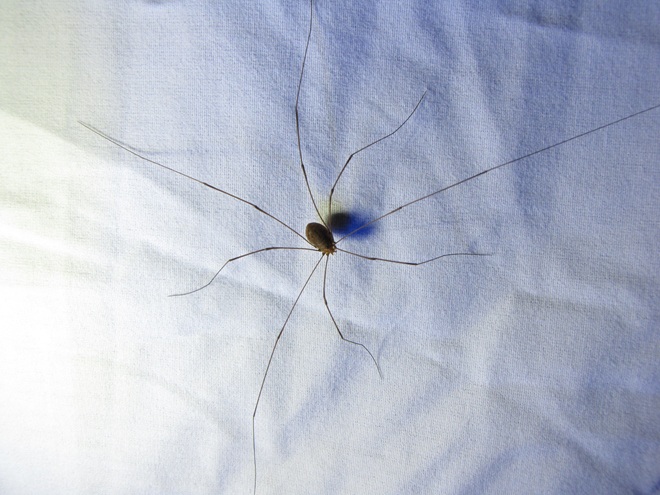
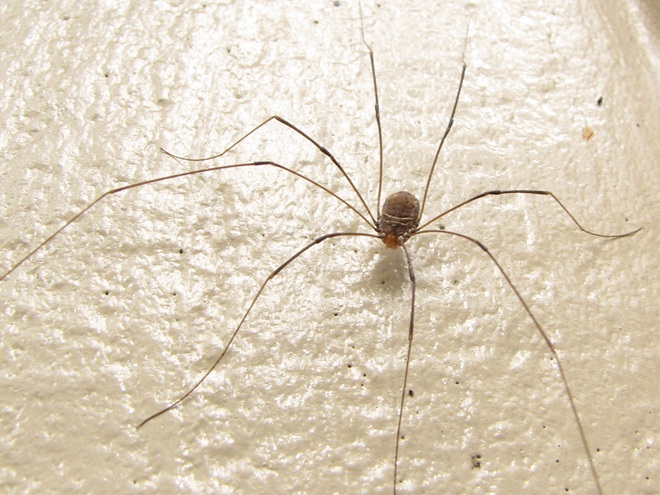
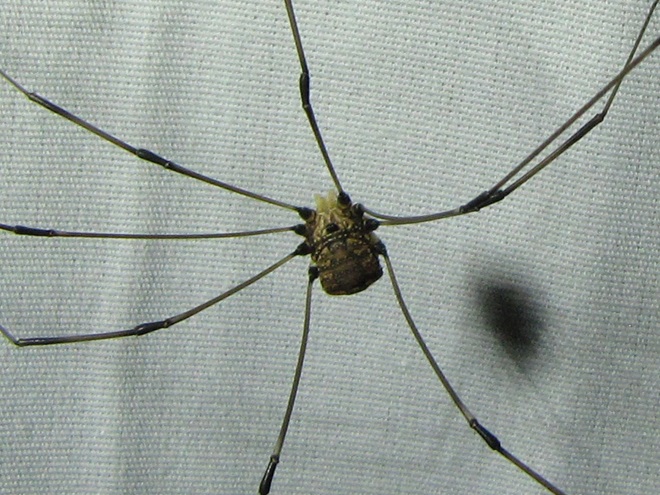
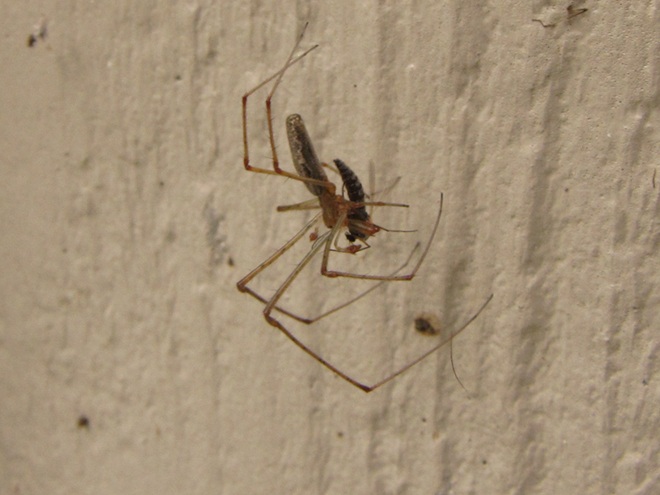
All this action under the lights doesn’t go unnoticed by the secondary consumers of the coastal plain forest. On both our ultraviolet-lit sheet and on the nearby lamp-brightened walls, web climbers and other predators soon arrived to seek an unsuspecting snack. First-in was the harvestman, an arachnid but not a spider. The harvestman is a member of the order Opiliones and lacks the segmented body of a spider. Its other common names include daddy long legs and granddaddy long legs. (October)The harvestman feeds on exceptionally small insects, smaller than anything we’ve shown here. It can look a bit like a zombie at times when would-be predators pull off one or more of its legs and it keeps right on running. (October)Though frightening in appearance and reported to be particularly venomous, the harvestman is unable to bite a human. It is more often a scavenger than a predator. (October)The long-jawed orb weavers (Tetragnathidae) are a prolific family of spiders often found living around lighted walls. They have particularly large jaws and fangs for attacking and consuming many of the insects we’ve shown here. (October)A long-jawed orb weaver immobilizes a non-biting midge for a midnight meal. (October)
THE MORNING AFTER
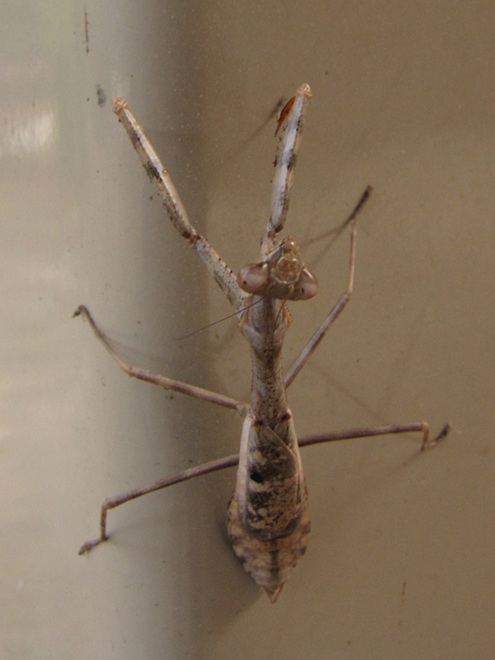
Checking artificially illuminated surfaces during the morning can sometimes reveal predators that have arrived during the night or after daybreak to snatch up lingering visitors. The Carolina Mantis (Stagmomantis carolina) is a ferocious hunter. This native insect is currently seldom seen in the Lower Susquehanna River Watershed where it has largely been displaced by the non-native Chinese Mantis. (October)
CONCEALED IN THE SHADOWS
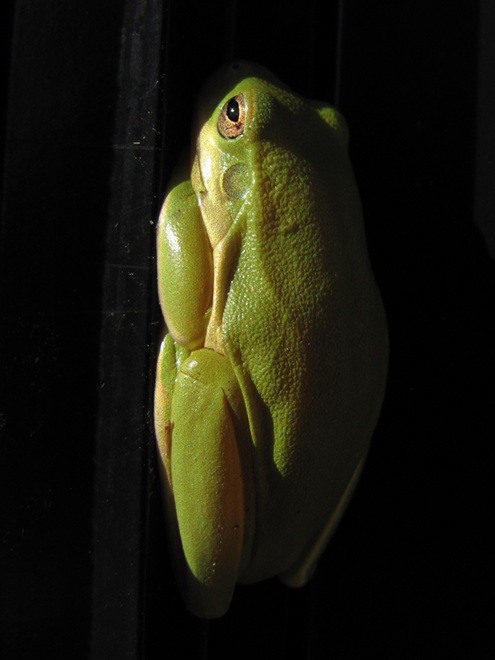
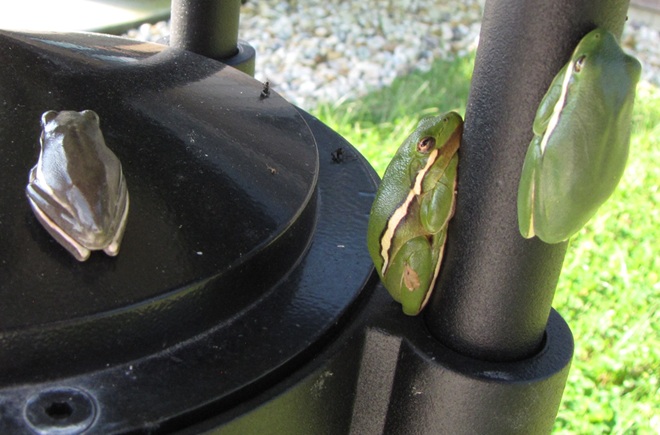
Creatures of the night must hide from the glaring rays of sunrise, lest they should surely perish. After preying upon flying insects beneath man-made lights by night, an American Green Tree Frog (Dryophytes cinereus) takes shelter behind a window frame. Other favored hideouts can include gaps between chunks of tree bark or behind the molding and trim of a building. (October)American Green Tree Frogs pass the day beneath the solar panel atop a walkway lamp where they spent the previous night snatching insects attracted to the light. To learn more about the status of the American Green Tree Frog in the Lower Susquehanna River Watershed, check out our “Amphibians” page by clicking the tab at the top of this page. (October)
That wasn’t so frightening, was it? Now you have no reason to fear those creepy crawlies or things that go bump in the night.