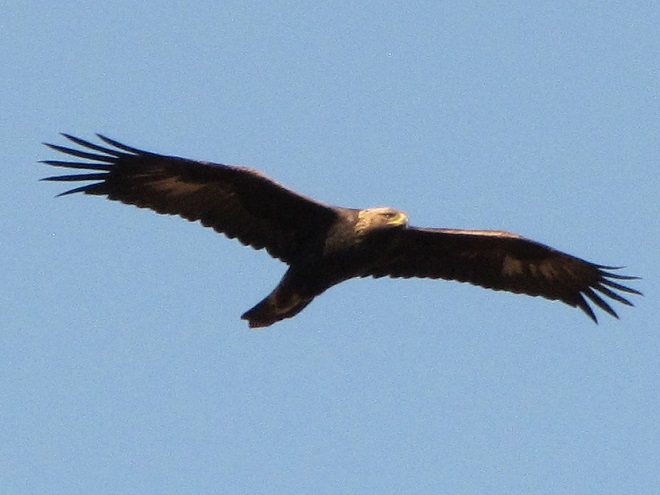
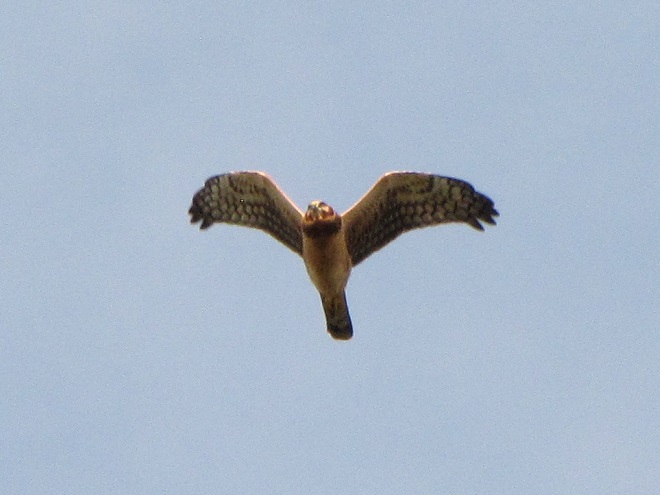
A second-year Golden Eagle passes over the lookout at Waggoner’s Gap Hawk Watch north of Carlisle, Pennsylvania. Do make plans to visit a hawk watch during the coming days. The Golden Eagle migration through the lower Susquehanna region is peaking right now, so it’ll soon be last call for this fall. Be sure to click on the “Hawkwatcher’s Helper: Identifying Bald Eagles and other Raptors” and the “Golden Eagle Aging Chart” tabs at the top of this page to learn more about your sightings.
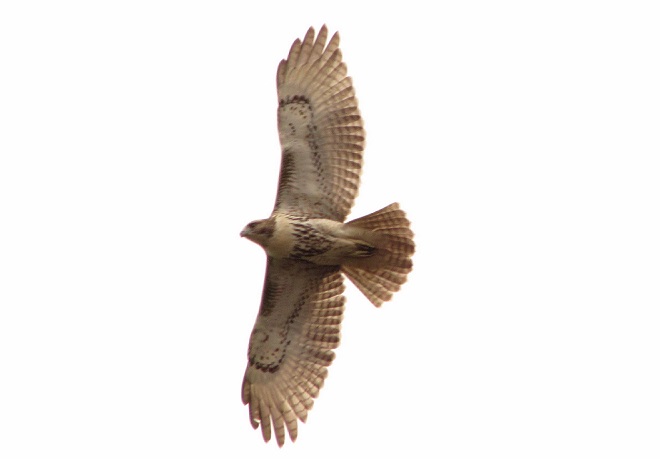
A hatch-year/juvenile Red-tailed Hawk on its first southbound migration glides on an updraft created as northwest winds strike the slope of a hillside in the Valley and Ridge Province. It’s a free ride, and this bird could easily cover one hundred miles or more in just one day of flying.
Those owl-faced Northern Harriers, formerly known as marsh hawks, are among the raptors and other migratory birds that will be rolling through the Lower Susquehanna River Watershed during the next couple of days. A cold front is presently passing through the region and gusty northwest winds will follow. This could be one of the best flights of the season, so make plans now to go to a hawk watch site atop a local ridge. Don’t forget your field glasses! And remember to click the “Hawkwatcher’s Helper: Identifying Bald Eagles and other Raptors” tab at the top of this page for a photo gallery of the vulture, hawk, eagle, and falcon species your likely to observe.
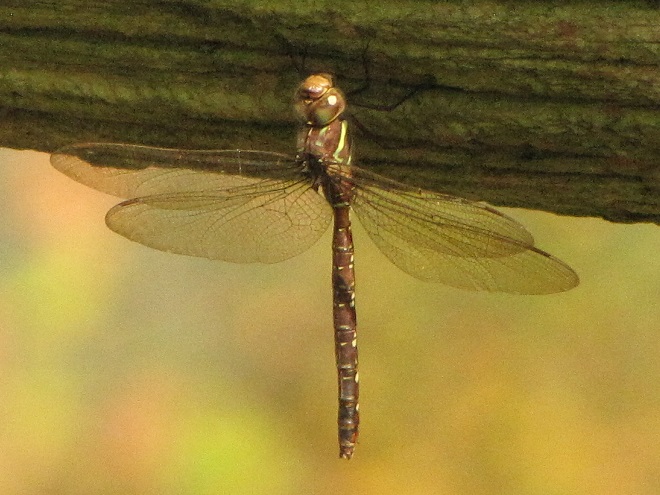
The shade-loving Shadow Darner (Aeshna umbrosa) is a common species of resident dragonfly in the lower Susquehanna basin. Females deposit their eggs on aquatic vegetation in clean still waters, including those found in marshy sections of streams, beaver ponds, and even, on occasion, garden pools, as long as they aren’t overpopulated with large fish. Shadow Darners are the most likely of the dragonflies to be noticed cruising in search of prey at dusk and are the last to be seen during the season, sometimes still found hawking small insects on warm days in November. As you may have guessed, they are quite fond of consuming mosquitoes.
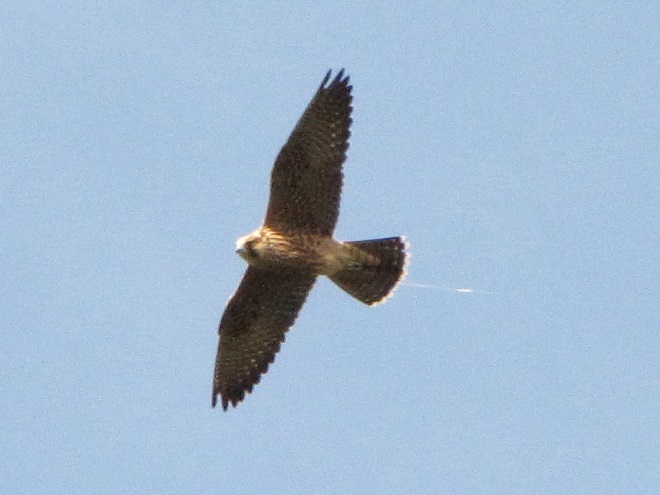
A Peregrine Falcon appearing to be equipped with a tracking transmitter passes the lookout at Second Mountain Hawk Watch in northern Lebanon County, Pennsylvania, today. Note the antenna trailing behind the tail. This individual appears to be a hatch-year/juvenile “Tundra Peregrine”. An effort is currently underway to try to find out more about the bird and its travels.
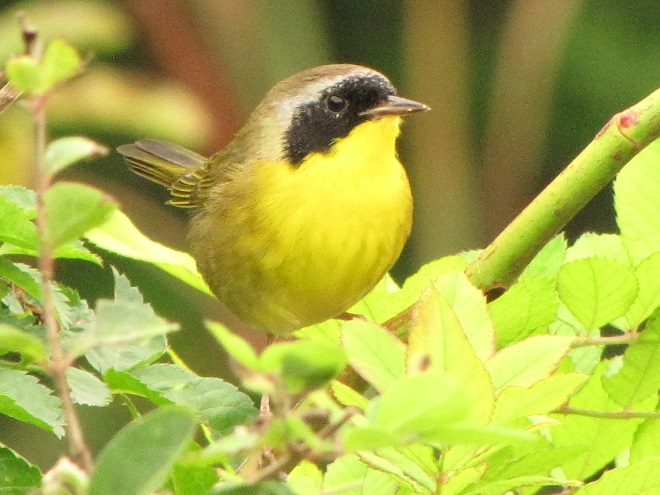
In the Lower Susquehanna River Watershed, the Common Yellowthroat is a summer resident that nests within brushy cover along stream courses and forest edges. It is particularly fond of dense thorny growth in utility right-of-ways. During spring and fall migrations, it is one of the most likely of the warbler species to be found visiting suburban shrubbery.
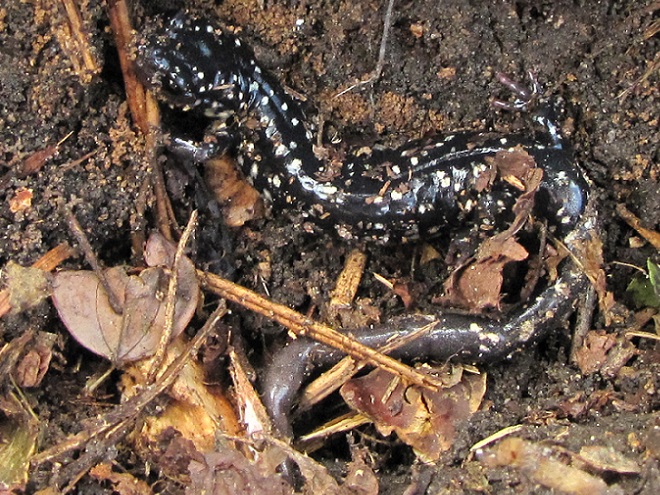
The Northern Slimy Salamander (Plethodon glutinosus) is a terrestrial denizen of steep forested slopes. These amphibians are lungless, “breathing” air through their skin, so don’t touch or handle them. In autumn, as freezing temperatures arrive in the lower Susquehanna region, Northern Slimy Salamanders seek a cozy subterranean shelter to pass the winter.
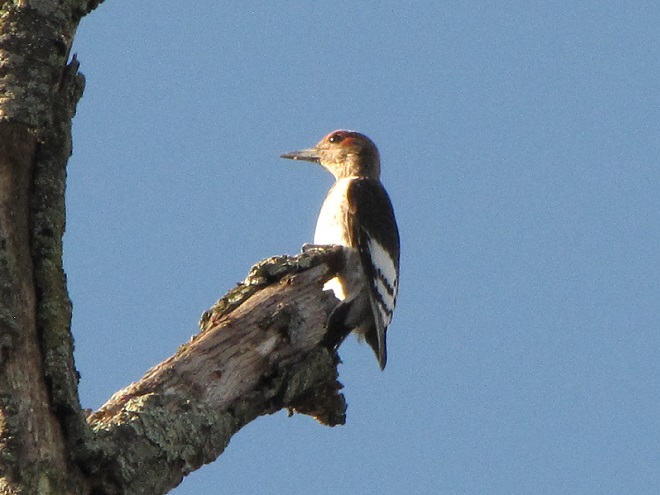
A juvenile Red-headed Woodpecker surveys the morning landscape. In the lower Susquehanna watershed, Red-headed Woodpeckers are an uncommon summer breeder requiring large dead oak trees in semi-open habitat for nesting. They can occasionally be found during winter in mature oak woods, appearing most frequently west of the river at places including Gifford Pinchot State Park. Fall migrants are seen along local ridges in September and October.
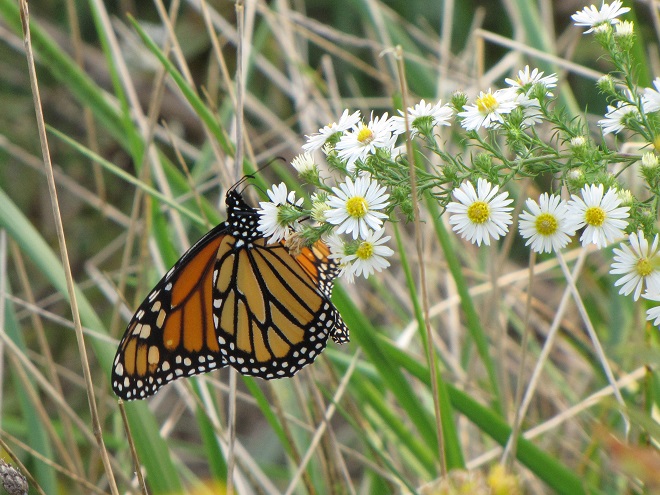
A migrating Monarch butterfly takes a break to feed on nectar from the blooms of a Frost Aster (Symphyotrichum pilosum), a common autumn wildflower also known as Heath Aster.