Here’s a look at six native shrubs and trees you can find blooming along forest edges in the lower Susquehanna valley right now.
The Black Locust (Robinia pseudoacacia), a member of the pea or legume family (Fabaceae), can be a dominant pioneer plant of sunny successional habitats, particularly on poor soils. Nodules along its roots fix nitrogen to help facilitate the growth of the intermediate and climax species of trees and shrubs that replace the pioneers. Initially armed with protective spines to reduce browsing, the Black Locust’s branches become mostly thornless as the tree matures.The Pinxter Flower, also known as the Pink Azalea, is certainly a contender for our most spectacular native blossoming shrub;……this Spicebush Swallowtail seems to like it too.When in bloom, the Black Cherry is a common sight in regional woodlands. Often seen already covered with blossoms when young and shrub-like, many of these trees will continue flowering and producing fruit throughout the decades required to reach a mature height of 60 feet or more.The Blackhaw is an understory shrub preferential to sun-dappled areas beneath a break in the forest canopy. Pollinated flowers later produce clusters of blue-black berries for birds and other wildlife.It’s easy to overlook the flowers of the Common Pawpaw. By the time the leaves are fully emerged and casting shade, blooming time is over.Nowadays, the Flowering Dogwood is most frequently encountered as a transplanted cultivar in city and suburban landscapes. In the wild, it is sparingly distributed throughout the region’s deciduous forests. These slow-growing little trees produce bright red berries that are quickly seized by a variety of birds upon ripening in the fall.
Local old timers might remember hearing folklore that equates the northward advance of the blooming of the Flowering Dogwoods with the progress of the American Shad’s spring spawning run up the river. While this is hardly a scientific proclamation, it is likely predicated on what had been some rather consistent observation prior to the construction of the lower Susquehanna’s hydroelectric dams. In fact, we’ve found it to be a useful way to remind us that it’s time for a trip to the river shoreline below Conowingo Dam to witness signs of the spring fish migration each year. We’re headed that way now and will summarize our sightings for you in days to come.
Tree blossoms open in response to the presence of adequate moisture and exposure to the warming effects of sunshine. Shad ascend the Susquehanna to spawn in response to suitable river flow and increasing water temperature. Sun and rain in the appropriate proportions can often conspire to synchronize otherwise unrelated events. Hence, a Flowering Dogwood in bloom along the edge of a mature forest means it’s time to go check out the shad run.
Brilliantly colored migrants continue to arrive from their tropical wintering grounds. Look for the Indigo Bunting in thickets and other successional habitat. They are particularly fond of seldom-manicured utility right-of-ways and railroads where males like this one can be seen singing from an exposed perch to defend a nesting territory and attract a mate.
Despite what seemed to be a chilly early spring, the bright green leaves that unfold to close the canopy of our deciduous forests were dense and casting shade by the last days of April. For northbound migrants, this fresh foliage provides the cover they need for foraging, resting, and, for those that will stick around to breed in the lower Susquehanna valley, nesting.
We recall many occasions when sparse foliage during the first days of May seemed to delay the big push of Neotropical species, but the seasonal arrival of these birds in 2025 is thus far mostly ahead of schedule. This absence of delay is due in part to the lushness of the oaks. Some stands have not only leafed out, but are finished flowering and have added up to 12 inches of new branch growth. We spent these early hours of May among the oaks. Here’s a look at the Neotropical migrants and other species we found…
Dozens of species of Neotropical warblers have arrived in the Lower Susquehanna River Watershed. Some will nest locally while others will continue along flight paths that will ultimately take them far to our north. We spotted this Cape May Warbler in the upper reaches of a Northern Red Oak feeding among its spent flowers. Its destination: the spruce forests of northern New England and Canada.Slightly larger than the warblers are the vireos, including this Yellow-throated Vireo that has arrived to nest in an oak-maple bottomland.Always a fan favorite, we found this marvelously tropical Baltimore Oriole among the foliage of a flowering White Oak.This young Red-tailed Hawk has survived its first winter. It appears to have learned from experience how to hunt from advantageous locations such as this Chestnut Oak along a utility right-of-way where prey may include numerous squirrels as well as mice and other small mammals.We were taking a break beneath this Pin Oak when suddenly an American Kestrel arrived to begin scolding a trespasser that was straying a bit too close to its nest;……the intruder, a Northern Harrier, soon took the hint and continued on its way.While among the oaks, it pays to check the understory where Neotropical thrushes including the Veery are arriving to fill the forests with their melodious songs.Following their nocturnal flights, the last of the season’s northbound White-throated Sparrows may presently be found spending the day in the cover of the oak woodland understory.
The movements of our migratory birds typically continue through much of the month of May. And peak numbers of Neotropical species often occur sometime during the second week of the month. But with habitat at the ready, favorable flight conditions could facilitate quick arrival and/or passage of the bulk of the remaining migrants during the coming week. You may want to venture out sooner rather than later—but watch your step!
The Mayapple, a native wildflower also known as the Mandrake, is now in bloom among the oak leaf litter.And the Canada Mayflower (Maianthemum canadense), a native species also known as Wild Lily-of-the-valley, is blooming in moist mixed-oak forests.At the edge of an oak-maple woodland, we found this lingering White-crowned Sparrow foraging among the leaf litter and fresh, shiny foliage of Poison Ivy. Songbirds can spend their days scratching the ground among these leaves of three. If you do it, you’ll be scratching something else, and you may need an ocean of calamine lotion to boot!
During a warm spell back in late March, adult Mason Bees began emerging from nest sites to begin mating. During recent days, we photographed the fertile females as they continued the process that will produce the next generation of these fruit-friendly pollinators.
Mason Bees visiting a box stocked with blocks of wood wherein holes have been drilled to provide nesting cavities for the egg-laying females.Mason Bee populations using man-made nesting structures in our region include two non-native species. Both show horn-like structures on the face, denoted here by the white hairline. To pollinate orchard crops, Osmia cornifrons, the Horn-faced Bee, was intentionally introduced to the eastern United States from northern Asia in 1978. Another early season pollinator, Osmia taurus, was accidentally introduced to North America from eastern Asia. O. taurus was first reported in Maryland and West Virginia in 2002 and had reached Pennsylvania by 2006-2008.Inside a nest cavity, a female Mason Bee will deposit pollen balls and an egg within each cell she creates using mud partitions. Cell by cell she fills the cavity with eggs and pollen. When the cavity is full, a thicker mud plug is constructed to seal off the entrance. After hatching, each larval bee will remain inside a cocoon within its individual cell consuming the enclosed pollen ball and maturing. After passing the winter in the nest, the new generation of adults will emerge in the spring…outermost cell occupants first.When reusing a nest cavity from a previous year, a female Mason Bee will excavate old partitions and other debris before starting her own nest. This female is removing saw dust and is possibly enlarging the hole on this new block of wood that we drilled just a few weeks ago.The majority of our Mason Bees prefer 1/4-inch holes, but some use the smaller 3/16-inch ones. Holes up to 3/8 of an inch in diameter are readily accepted by both Osmia cornifrons and taurus.A look at several female Mason Bees backed into their nest cavities to deposit eggs and pollen. Note the load of pollen adhering to the abdomen of the head-first bee at the bottom of the image and the yellow residue around the entrance to the cavity above it.Before a female Mason Bee has a chance to seal up a cell or to plug up the entrance to the cavity, a Drosophila fly (left) or other nest raider may show up to plunder a portion of the stash of pollen.Once filled with cells, each containing an egg and a pollen cache, the mother bee seals the nest cavity with a wall of mud.A bee seals up a 3/16-inch cavity with a mud barricade. Adult female Mason Bees may select smaller than usual holes to deposit eggs that will produce their smaller male young.Upon finishing the masonry job here, this female will move on to yet another cavity to deposit the balance of her fertilized eggs.One week later, the Mason Bees’ work is done.The adults are then soon to perish. But meanwhile, the next generation begins hatching and growing within the protection of the nest. We’ll see them early next spring.
This petite Eastern Cottontail somehow found a path through weekend traffic to discover an abundant supply of lush green Indian Strawberry (Potentilla indica) leaves in the garden at susquehannawildlife.net headquarters. The widely naturalized Indian Strawberry, also known as Mock Strawberry, is native to Asia. It is most easily recognized by its bright yellow flowers which soon yield edible, but not very tasty, little red fruits. I wonder, might the berries be more palatable if dipped in a melted-down chocolate bunny? Food for thought, unless of course you have an aversion to hare in your romantic confections.
In early April of each year, we like to take a dreary-day stroll along the Susquehanna in Harrisburg to see if any waterfowl or seabirds have dropped in for a layover before continuing their journey from wintering waters along the Atlantic seaboard to breeding areas well to our north and northwest. As showers started to subside this Saturday morning past, here are some of the travelers we had the chance to see…
Hundreds of scaup were feeding at mid-river. To remain in suitable foraging habitat, the group is seen here flying upstream to the area of the Governor’s Mansion where they would commence yet another drift downstream to Independence Island before again repositioning to a favorable spot.By far, the majority of the ducks in this flock were Lesser Scaup showing white inner margins of the secondary flight feathers and more grayish margins in the primaries. Several Greater Scaup, including the one denoted by the hairline in this image, could be detected by the presence of bright white margins not only in the secondary flight feathers, but extending through the primaries as well.A pair of Lesser Scaup feeding along the river shoreline at the Governor’s Mansion. Both scaup species spend the colder months in bays and coastal estuaries, but the Lesser Scaup is the most likely to be found venturing inland to fresh water in the southern United States during winter. The Lesser Scaup nests in the northwestern United States and in the southern half of Canada. The Greater Scaup is the more northerly nesting species, spending its summers at the northern edges of the border provinces and beyond.Common Loons spend the winter in Atlantic surf. April is the best time to see them on the lower Susquehanna River as they drop in to rest and reenergize during a break in their annual northbound trip to nesting sites on the lakes and ponds left behind by the retreat of Pleistocene glaciers.We saw dozens of Buffleheads during our morning hike, often segregated into paired couples like this one. Being cavity nesters, these migrating ducks are headed no further north than southern Canada, to lakes and ponds within forests, for the summer.Harlequin Ducks (Histrionicus histrionicus) spend the summer nesting on turbulent high-gradient streams in Canada and Greenland. They mostly winter along rocky coastlines as far south as New England, but have adapted to feeding along man-made rock jetties in coastal New York and New Jersey. This winter, they were seen along jetties and sea walls at least as far south as Cape Charles, Virginia, and the mouth of Chesapeake Bay. During the past month, at least two Harlequin Ducks, including this male seen in flight on Saturday, have appeared on the river in the Harrisburg area, possibly as strays from this year’s wintering population at the mouth of the bay. These ducks are very rare habitat specialists, possibly (according to Behrens and Cox, 2013) numbering less than 1,500 birds along the entire east coast.In spring, the Horned Grebe transitions from a drab gray-brown winter (basic) plumage into rather surprisingly colorful breeding (alternate) plumage.An adult Horned Grebe in breeding (alternate) plumage. Horned Grebes spend the winter on large rivers, bays, and ocean waters from Nova Scotia to Texas. They are presently on their way to breeding areas on ponds and lakes in Alaska and Canada west of Ontario.
If you want a chance to see these seldom-observed visitors to the lower Susquehanna at Pennsylvania’s capital city, try a morning walk along mid-town’s Riverfront Park from Maclay Street to Forster Street. Also, try a stroll on City Island, particularly to the beach at the north end where you have a view of the mid-river areas upstream. To have better afternoon light, try the river’s west shore along Front Street in Wormleysburg from the Market Street Bridge upstream to Conodoguinet Creek. Once there, be certain to check the river from the Pennsylvania Fish and Boat Commission’s West Fairview Access Area at the mouth of the creek. And don’t be afraid to visit on a gloomy day; you never know what you might find!
Don’t forget to check the trees along the river shoreline where early stonefly hatches can often attract hungry insectivores. We found this and six other Eastern Phoebes crowded into the trees at water’s edge just upriver from the Governor’s Mansion during Saturday’s migrant fallout.
SOURCES
Behrens, Ken, and Cameron Cox. 2013. Seawatching: Eastern Waterbirds in Flight. Houghton Mifflin Harcourt Publishing Company. New York, NY.
Here are five common forest flowers that the average visitor to these environs may easily overlook during an early April visit.
The flowers of the Skunk Cabbage, a native member of the arum family, are contained within a spadix which is partially hidden inside the mottled maroon spathe at the base of the plant. In late winter, the closed spathe generates its own heat to melt through frozen water and soils to make its appearance in streamside and spring-fed wooded wetlands, just ahead of the emergence of the large green leaves.Common Spicebush is a native flowering shrub of damp woodland understories. Later in the season, its foliage provides food for Spicebush Swallowtail caterpillars. Pollinated blossoms yield bright-red oblong berries relished by a variety of birds in fall and winter.The flowers of the indigenous Red Maple will soon generate the familiar helicopter-like winged seeds which readily distribute this native tree into new ground ranging from lowlands to the crests of our highest ridges.Coltsfoot (Tussilago farfara) is non-native wildflower of Eurasian origin. Reminding one at first glance of a dandelion, it is commonly seen blooming in disturbed areas of woodlands. Coltsfoot often grows where it has little competition from other plants, such as among the debris left behind due to snow plowing and grading along forest roads.Though not particularly abundant, the non-native Sweet Cherry, an escape from cultivation, is widespread in forests and woodlots throughout the lower Susquehanna valley. Sweet Cherry is believed to be an ancestor of the Sour Cherry (Prunus cerasus) and is frequently used as rootstock for orchard and garden varieties of this popular fruit. Sweet Cherry is often called “Wild Cherry”, a name also applied to the Black Cherry, a native tree which blooms later in the spring.
Be certain to get out and enjoy this year’s blooming seasons of our hundreds of varieties of flowering plants. But, particularly when it comes to native species,…
Colorful songbirds like this Palm Warbler are beginning to migrate through the lower Susquehanna valley on their way north. Even when the weather is damp and gloomy, be certain to spend some time outdoors if you’d like the chance to see them. Palm Warblers are most frequently found in damp thickets and streamside, but they’ll sometimes show up in densely vegetated parks and gardens during a springtime fallout.
A Ring-necked Pheasant forages among the fresh green growth two weeks to the day after prescribed fire was administered to this parcel at Middle Creek Wildlife Management Area to turn back plant succession and maintain grassland habitat.
Soon after their arrival during the late 1600s, the earliest trans-Atlantic human migrants to settle the Lower Susquehanna River Watershed began the process of eliminating many of our largest native fish species. They started by extirpating nature’s steward of lowland streams and wetlands, the North American Beaver. The beaver’s meticulously maintained dams and fisheries-friendly ponds were promptly replaced by man-made impoundments designed to permanently divert water for powering lumber and grain mills. Behind these structures, silt deposits accumulated as the forests were clear cut and the land subjected to highly erosive farming methods. Mill dams would eventually be located on nearly every mile of suitable low-gradient stream in the basin. Populations of native coldwater fishes including Brook Trout were quickly lost or left isolated in scattered headwaters.
With their navigation of creeks blocked by nearly impenetrable mill dams, seasonally migratory freshwater and anadromous fish were denied access to their traditional spawning waters. The latter then had their populations seriously depleted, and in some cases extirpated, following construction of hydroelectric dams on the lower Susquehanna during the first half of the twentieth century. The loss these latter species, including the herrings, Striped Bass, and sturgeons, all of which attain great size only because of their ability to make a sea run to access the year-round food energy available in the Atlantic, constitute a tremendous reduction in the numbers, variety, and mass of fish occurring in the river and its tributaries.
Add to these events the various sources of pollution entering the lower Susquehanna’s waterways during the intervening years including acid mine drainage, agricultural nutrients and sediments, stormwater runoff, untreated domestic and industrial sewage, illegal dumping, pesticides, etc., and one can easily understand how the watershed’s native fishery was lost as a commercial, food, and recreational resource.
Presently, the effort to restore populations of self-sustaining anadromous fishes to the lower Susquehanna is stalled due to the presence of introduced invasive species, particularly Northern Snakeheads, in the river’s waters below Conowingo Dam. Lifts that carry migrating fishes over the lower river’s hydroelectric dams during the spring run are shut down to avoid extending the range of the hoards of non-native snakeheads to waters upstream of their present location. Any translocation of anadromous fish must now be completed by manually separating desired species from among the invaders and loading them into a tank truck for transport to waters upstream of the dams. But Northern Snakeheads are currently so prevalent at Conowingo that they are overwhelming the lift used for collecting and sorting fish as well.
Any slight hope that had existed for a return of harvestable stocks of American Shad or other sea-run native species to the Susquehanna and its tributaries seems to be fading. And widespread improvements to water quality that would promote reestablishment of sustained populations of native coldwater fishes like Brook Trout are strictly a long-range goal.
Recreational anglers, however, still remain in the game—but their reward is a bit of a booby prize. To compensate fisherman for the loss of their quarry on the river and in streams, and to promote an interest in the fishing pastime and conserving waterways, the stocking of various species of “game fish” has been a continuous undertaking, particular since the middle decades of the twentieth century. Some of these introductions are planned, others, like the release of Northern Snakeheads, are unsanctioned and outright illegal. The one thing most introductions have in common is that they consist of hardy, aggressive, predatory fishes that are non-native species (or native transplants from watersheds such as the Mississippi). Their presence, especially in large concentrations and particularly during the time immediately following introduction, can have a deleterious impact on native stream inhabitants. Some introduced fish, the Flathead Catfish for example, are upon discovery deemed invasive species; others, like the Smallmouth Bass, escape such a label not because they lack negative impacts on stream communities and ecosystems, but because they have been present for extended periods of time and have thus been accepted as part of the local fishing culture.
Hatchery-raised Rainbow Trout stocked by the hundreds in a lower Susquehanna valley creek for angling. The Rainbow Trout is native to the streams and rivers of the Pacific coast of North America. An anadromous form is known as the “Steelhead”. These sea-run trout with access to marine food sources during their growth years attain more than twice the size of freshwater forms and acquire oversized hooked jaws before ascending waterways to spawn.
The creation of recreational fisheries comprised of introduced species has certainly helped maintain an interest in the fishing hobby and in the conservation of waterways. It has even been a driving force for spectacular restorations of streams that otherwise would have languished in an impaired condition with little in the way of diversity of species—native or non-native. As anglers, we are especially indebted to those who’ve devoted their time, energies, and, in some cases, a lot of money to projects that specifically seek to reestablish native waterways within the challenging landscape of the Lower Susquehanna River Watershed. With an eye on the future, perhaps now is a good time to join them and focus our passion for freshwater angling on steering fisheries management more toward the native ecosystems approach. Quality instead of quantity.
In that spirit, here are three items we can add to our tackle boxes this season to be better fisheries conservationists, instead of our own worst enemies.
Lead-free Weights- Replace the lead in your tackle box with tungsten or other lead-free alternatives to eliminate the potential impact this poisonous metal can have on you and wildlife like waterfowl and Bald Eagles. Make a special effort to rid your inventory of small pieces of shot that can easily be ingested by animals as they feed. Realistic Lures- Add sport to your fishing by using artificial lures. Today’s selections include very realistic versions of native fishes, crayfish, frogs, and other aquatic creatures. Use these life-like imitations and you won’t need to harvest native minnows and other wildlife from populations that are already being subjected to negative impacts from stocked legions of predatory “game fish”. You’ll also eliminate the risk of introducing non-native bait species into your favorite fishing waters!Trash Bag- Always bring a trash bag and carry out your litter. Be especially vigilant about monofilament fishing line.Fishermen are their own worst enemies, so you’ll need to pick up after the other guy too. Show the landowners and land managers who are our hosts a little consideration.
Best of luck this fishing season. We hope your time outdoors will motivate you to get involved with efforts to keep your local waterways clean. You might even be inspired to assist with projects that are planned or currently underway in the Lower Susquehanna River Watershed to restore stream segments, wetlands, and floodplains. Many of these projects are grassroots efforts and they’d love to have your participation. Your local county conservation district can steer you towards an active restoration group near you. Give them a ring.
Hatchery-raised Rainbow Trout and a “Golden Rainbow Trout” stocked for anglers in a restored segment of a stream in Lebanon County, Pennsylvania. The “Golden Rainbow Trout”, also known as the “Banana Trout”, is a Rainbow Trout color variant developed through multi-generational selective breeding of offspring produced by crossing a typical male with a yellow-mottled female mutant discovered in a hatchery in West Virginia in 1955. Today, “Golden Rainbow Trout” breed true, golden males crossed with golden females yielding golden young. The less colorful “Palomino Rainbow Trout” is produced by crossing a “Golden Rainbow Trout” with a typical Rainbow Trout.
You’ve seen the advice on the internet and elsewhere—”add coke to your gas tank and lower your fuel consumption.” While the sources vary in their claims, reductions as great as 55% are often reported. But are these performance improvements real? Time for a fact check.
Uncle Tyler Dyer and his old pal Bellwood Comstock, Jr., better known by those close to him as “Woodstock”, got together and decided to try it out. For their test, Uncle Ty added a 20-ounce bottle of Coke to his tank while his science partner Woodstock tried a same-sized portion of Pepsi in his automobile.
Within days, the experiment had reached a definitive outcome. To say the least, our test techs were absolutely stunned by the results.
“Man, we can’t believe it,” exclaimed Uncle Ty.
“Spending money on gas is the least of my worries now,” noted his buddy Woodstock.
Collectively, our dynamic duo is now cutting down on carbon emissions by hundreds of pounds every month. When asked if there were any other benefits to dumping cola in the tank, Ty reminded us, “Oh, yeah, we’ve been getting great exercise, riding our bikes and walking everywhere we go. Earlier this week, we hitchhiked to a used car lot looking for bargains. Man, it was just like the old days!”
“You know,” joked Uncle Ty’s loyal sidekick Woodstock, “if everybody did this, it sure would help relieve traffic congestion too.”
During Saturday’s Prescribed Fire Demonstration at the Pennsylvania Game Commission’s Middle Creek Wildlife Management Area, we noticed just how fast some species of wildlife return to areas subjected to burns administered to maintain grassland habitat and reduce the risk of high-intensity blazes.
Pennsylvania Game Commission crews ignite a back fire to contain a prescribed burn along its downwind/upslope perimeter during a demonstration at Middle Creek Wildlife Management Area on Saturday.Visitors observe a fire planned to maintain this section of the refuge as warm-season grassland. A species with roots several feet deep, the light-colored vegetation is Indiangrass, a plant adapted to thrive following periodic episodes of wildfire. Prescribed fire can be used to replace naturally occurring infernos with much safer controlled burns that eliminate successional and invasive plants to promote the establishment of Indiangrass and other native warm-season species including Big Bluestem, Little Bluestem, Switchgrass, and a variety of wildflowers as well.Even as the fire reached its brief peak of intensity, we noticed birds already attracted to the site…Dozens of recently arrived Tree Swallows swept in to patrol for flying insects as the burn was in progress.One even stopped by to have a look inside the kestrel nest box as fire approached the dry stand of goldenrod on the slope behind.Red-tailed Hawks and other raptors, including nocturnal owls, are frequently the first visitors attracted to the scene of a prescribed burn or wildfire. In grassland and successional habitats, they come looking for any vulnerable voles or mice that may be moving about looking for cover.
These three Eastern Meadowlarks spent the morning in the grassland areas adjacent to the prescribed fire site, mostly where a burn had been conducted one week prior. During the demonstration, one even perched and sang from the oak trees in the museum/visitor’s center parking lot.
Following the Prescribed Fire Demonstration, we decided to pay a visit to some of the parcels where burns had been administered one week earlier on the north side of Middle Creek’s main impoundment. We found a surprising amount of activity.
Apparently feeding upon slightly heat-treated seeds, sparrows were found by the dozens. White-crowned (left), White-throated (right), Song, and Savannah Sparrows were identified.This Downy Woodpecker was finding something to its liking among the scorched leaves, stems, and twigs.American Robins seem to find areas with lightly burnt vegetation and ash-dusted soil advantageous for finding invertebrates following a fire.We found this flock of Red-winged Blackbirds, Browned-headed Cowbirds, and a few European Starlings feeding throughout a grassland field cleared of early-successional growth by a prescribed fire administered one week ago.They seemed to favor gleaning seeds from among the lightly burned areas of the plot.Nearby, in an island of unburned grass in the same field, we found yet another Eastern Meadowlark, our fourth of the day. High-intensity agriculture, particularly early hay mowing and pesticide treatments, have mostly eliminated this and other grassland species from modern farms. Management practices like prescribed fire and delayed mowing (no spinning blades until at least early August) can maintain ideal grassland habitat for stunningly colorful blackbirds including nesting Eastern Meadowlarks, Bobolinks, and many other species as well.A male American Kestrel at a nest box located among Middle Creek’s warm-season and cool-season grassland habitats, the former maintained by prescribed fire, the latter by delayed mowing.
By late winter, sunshine and warming temperatures awaken the sleeping maples of the lower Susquehanna basin and the sap begins to flow. The new growing season is evident by the first days of spring when their swelling buds and flowers paint the drab gray canopy of deciduous woodlands with an overlying coat of red, orange, and maroon.
Red Maples, renowned for their vibrant autumn foliage, are just as conspicuous in the early spring landscape.For birds and mammals like this Eastern Gray Squirrel, the buds and flowers of maples mean relief from the diminished natural food supplies that helped them survive winter’s worst. The season of abundance has arrived and these animals instantly recognize this source of sweet, fresh energy, just in time for the breeding season. The flowers of maples, which later in the spring yield those familiar helicopter-like seeds, are an important early season source of energy for many species of bees and other pollinators.
With relative humidity readings regularly dipping below 50%, the sunny days of March and early April are often some of the driest of the year. During recent weeks, these measurements have plunged to as low as 20%, levels not often observed in our region. As we’ve seen throughout the lower Susquehanna valley, windy weather and this extraordinarily dry air conspire to create optimal conditions for fast-spreading and often dangerous wildland fires.
On the brighter side, dry weather also provides the opportunity for foresters and other land managers to administer prescribed fire. These controlled burns are thoroughly planned to reduce accumulations of wildfire fuels and invigorate understory growth in forests. Their use also provides a number of effective methods for creating and maintaining wildlife habitats in non-forested areas.
Prescribed burns are currently underway on many state, federal, and privately-owned lands throughout the Lower Susquehanna River Watershed.
This Saturday, March 22, 2025, crews from the Pennsylvania Game Commission will be hosting a Prescribed Fire Demonstration at Middle Creek Wildlife Management Area in Lancaster/Lebanon Counties. The event begins at 10:00 AM in the refuge’s museum/visitor’s center parking area. A controlled burn to “reset” a parcel with early successional growth back to grassland will follow a presentation on prescribed fire uses, planning, safety, and implementation.
Prescribed fire treatment being used to prevent succession and maintain a warm-season grassland.Prescribed fire being administered to eliminate successional woody growth from a sedge-rush wetland.Pennsylvania Game Commission crews maintain a fire line along an area being burned to control invasive successional growth.To best prevent succession, a given area should be burned every three to five years, thus only one fifth to one third of an entire habitat need be subjected to treatment each year. To flee this year’s prescribed burn, this Eastern Cottontail simply hops across the fire break into an adjacent plot that will be unaffected in 2025.Hen and cockbird Ring-necked Pheasants feeding in a pre-plowed fire break furrow along the northern edge of a prescribed fire plot burned during a south wind. These birds entered and fed in the area less than an hour after the flames subsided.To provide refuge for evacuating animals, a completed prescribed burn leaves plenty of adjacent grassland acreage untouched. Within weeks, the fire area will be lush green and again hosting many species of wildlife for the breeding season. The scorch-free areas will each get a prescribed fire treatment sometime during the coming two to four years, the time period preceding this parcel’s next burn.
Don’t forget: Middle Creek Wildlife Management Area museum/visitor’s center parking lot on Saturday, March 22, 2025, at 10:00 AM. See you there!
Find a stand of Common Cattails in a marsh, a stormwater basin, or along a pond edge right now and you’re almost certain to find a male Red-winged Blackbird ……singing and displaying to defend a territory and attract a partner. Upon their arrival and selection of a mate, the brown-streaked females will weave well-hidden nests among the stems and leaves of these essential water-purifying wetland plants.
Having survived its first winter of life, this second-year (Basic I) Bald Eagle nears its first birthday beginning the long process of molt that could culminate in it attaining definitive adult plumage in about four years. Soon, the area of the belly will become bright white and will remain that way for almost two full years. Though showing signs of wear, the flight feathers in the wings and tail have yet to be replaced, but by the time autumn arrives, the mix of new and slightly longer juvenile feathers will give the wings a conspicuously messy appearance.In March, a third-year (Basic II) Bald Eagle with a mix of new and retained juvenile wing feathers has a noticeably sloppy appearance. By fall, nearly all of the juvenile feathers will be replaced and the bird will look much more presentable. The head will show a conspicuous two-toned “osprey-face”.Even a fleeting glimpse in poor light reveals the white belly and jagged trailing edges of the wings on this third-year Bald Eagle as it nears its second birthday.Almost an adult, a Bald Eagle in the early months of its fifth and sometimes its sixth year still has dark-edged tail feathers and a thin dark line through the eye. Many birds at this age are sexually mature.An Bald Eagle set for life in adult definitive plumage.
Late winter is hardly the time of year one would expect to find a grasshopper bouncing around a rocky woodland clearing. But earlier this week during our visit to Rothrock State Forest in Huntingdon County, we photographed this Northern Green-striped Grasshopper (Chortophaga viridifasciata viridifasciata) nymph among the talus atop Tussey Mountain. Unlike the majority of other grasshopper species in the Susquehanna basin which overwinter as eggs, the Northern Green-striped hatches in late summer and progresses through all but the final one or two of its five developmental instars before passing the colder months in a sheltered location among fallen leaves, dried grasses, and decaying plant matter. Often the earliest of our grasshoppers to emerge, the Northern Green-striped nymph soon completes its final molts and reaches adulthood just in time for the warm days of late spring and early summer. Two color forms are common, brown and green, both possessing reddish-brown abdominal segments. Fuchsia-colored erythristic individuals are rare.
It appears that spring has at last arrived. It’s time to have a look around!
Diurnal flights of northbound blackbirds including Common Grackles have been overspreading the Lower Susquehanna River Watershed since late February.And thawed soils are providing opportunities for nocturnal migrants like American Robins to search for earthworms and other invertebrates during their daytime layovers.Now that there is open water between here and the Great Lakes, flocks of waterfowl like these migratory Canada Geese are flying day and night on an excursion that will ultimately take them to their nesting grounds in the wilderness areas of Canada and Alaska.
Of the bird species that pass southbound through the lower Susquehanna valley during autumn, we can generally observe many of the surviving individuals as they return north during the spring. But there are numerous exceptions. One of them is Golden Eagles.
While the strong northwest winds of late autumn create ideal lift for migrating Golden Eagles along our linear ridges, they also tend to enhance the birds’ tendencies to “ridge hop” their way south, thus pushing many of them southeast from the main corridor of the eastern population’s route through the central Appalachian Mountains. Here in the lower Susquehanna region, we observe these vagabonds at our numerous hawk watches which happen to be located along the outer periphery of the birds’ primary flight path. It appears that a greater percentage of these wayward eagles tend to be younger, less-experienced birds than those seen passing hawk-counting stations in the central Appalachians. Lucky for us, we get to see more of the showy juvenile and immature Golden Eagles—at least during the fall season.
In the spring, southerly breezes and the urge to “ridge hop” in a northerly direction tend to concentrate Canada-bound migrating Golden Eagles along the northernmost ridges in their Appalachian flyway. To see them, we took a short drive up the Juniata River valley to the 90,000 acres of Rothrock State Forest and Tussey Mountain Hawk Watch. During our visit there earlier this week, gusty winds from the southwest brought us an opportunity to see the elusive northbound flights of some of the members of eastern North America’s population of Golden Eagles.
Tussey Mountain Hawk Watch is located along State Route 26 atop Tussey Mountain, just south of State College, Pennsylvania. Visitors can find ample parking at the Jo Hays Vista along the west side of the road on the crest of the ridge .Looking north from Jo Hays Vista to State College and the main campus of Penn State University. Bald Eagle Mountain is in the background and behind it lies Allegheny Front and Plateau.From the Jo Hays Vista parking area, follow the Mid State Trail (orange blazes) south along the ridgetop for about a half mile to the Tussey Mountain Hawk Watch lookout.The lookout at Tussey Mountain Hawk Watch is located within a utility right-of-way with talus slopes flanking the ridgetop clearing.An interpretive sign shows a statistical graphic describing the seasonal abundance of Golden Eagle sightings at the site. The peak time: late February through early April.Tussey Mountain is the only hawk-watching station in the lower Susquehanna region staffed by an official counter to collect data during the spring migration season. You can view the daily counts at hawkcount.org. You can contribute to them by visiting the hawk watch to help scan the skies.By late morning, a small flight of Golden Eagles had commenced. Most of the birds seen at Tussey Mountain are adult or near-adult birds with dark wing linings and slightly paler flight feathers. It’s a two-toned appearance similar to that of a Turkey Vulture and there is little if any variation in the length of the flight feathers. These birds are three years of age or older, are or soon will be sexually mature, and often travel in pairs separated by a minute or two of flight time.This Golden Eagle caught our attention with its longer central tail feathers and some longer secondary feathers in the wings that create a wavy appearance. As they get older, immature eagles should become more skilled as fliers, so each new set of flight feathers is usually shorter than those they’re replacing. Based upon the characters contributing to its ragged appearance, this bird is probably in the early months of its fourth or fifth calendar year of life.Common Ravens are forever vigilant around our regional hawk watches. They can sometimes help us find otherwise hard-to-spot migratory raptors in the bright, sunny skies.Ravens really like to harass younger birds like this second or third-year Golden Eagle.Older, more stoic raptors like this adult Bald Eagle spend less time contending with the antics of the persistent ravens.One of the final sightings of the day was this magnificent Golden Eagle. Look closely and you can see evidence of some molt completed last year in the outer tail feathers and the innermost primaries in the wings. On top, there were tawny bars on the wing coverts. This bird is probably just beginning its third calendar year of life and will start replacing many more flight feathers later this spring.
For more information on the region’s hawk watches and the birds you’ll see there, be certain to click the “Hawkwatchers Helper: Identifying Bald Eagles and other Diurnal Raptors” tab at the top of this page. And for a more detailed look at how to determine the age of Golden Eagles, particularly during the autumn migration, click the “Golden Eagle Aging Chart” tab at the top of this page.
We’ve seen worse, but this winter has been particularly tough for birds and mammals in the Lower Susquehanna River Watershed. Due to the dry conditions of late summer and fall in 2024, the wild food crop of seeds, nuts, berries, and other fare has been less than average. The cold temperatures make insects hard to come by. Let’s have a look at how some of our local generalist and specialist species are faring this winter.
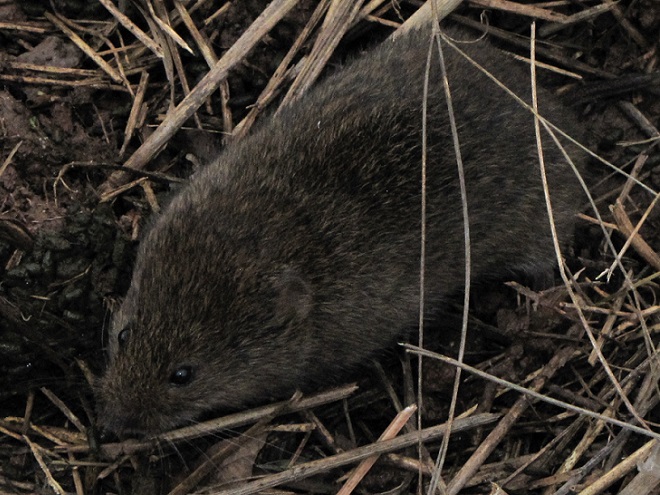
House Sparrows (bottom) and House Finches (top) are generalists. To survive and thrive, they are adapted to a variety of habitats and types of food. House Sparrows live almost anywhere man-made structures are found. They are true omnivores and will eat almost anything, especially if they see something else try to eat it first. The House Sparrow’s close association with humans has allowed it to become the most widespread and successful living avian dinosaur. On a cold night, they’ll take shelter either within dense vegetation alongside a building or within the structure itself. Though not nearly as cosmopolitan, the House Finch has successfully colonized much of the eastern United States after escaping from captivity as a cage bird in New York during the middle of the twentieth century. Upon being trans-located here from the arid southwest, they adapted to suburbs and farmlands consuming primarily a granivore diet of seeds supplemented with seasonally available berries. They quickly became accustomed to offerings at bird-feeding stations as well. To survive the harsh winters in the northern sections of their range, eastern populations of House Finches are developing a pattern of migration. These movements are most evident in late fall when dozens or sometimes hundreds can be seen heading south over regional hawk-counting stations.Though they require dead trees for nesting and as places to find the grubs and adult insects upon which they primarily feed, woodpeckers including the Northern Flicker are generalists, seldom passing by a supply of fruits like these Poison Ivy berries as a source of winter food. Flickers regularly visit suburban areas where they’ll drop by at bird-feeding stations for suet. During the warmer months, they are the woodpecker most frequently seen on the ground where swarms of ants garner their full attention.The Pileated Woodpecker is seldom found outside of mature forests where it digs relentlessly to remove grubs and other infestations from dead wood. But it is not a true specialist……it too finds a supply of Poison Ivy berries to be indispensable during a cold winter day.The Ruby-crowned Kinglet is a generalist, feeding mostly on insects, but also consuming small seeds and some berries, including those of Poison Ivy. It nests well to our north in tall spruces and other evergreens. During migration and in winter, the Ruby-crowned Kinglet may be found in deciduous trees, brush, and tall grass in habitats ranging from forests to parks and suburbia. This male is displaying its seldom-seen red crown.The Golden-crowned Kinglet, seen here on a Poison Ivy vine, is more of a specialist than the Ruby-crowned species, though the two will often occur in mixed groups during the winter. The Golden-crowned Kinglet nests in Spruce-Fir forests and in conifers within mixed woodlands. Even during migration, and particularly in winter, these birds are seldom found far from a stand of large evergreens within which they find shelter for the night.The Hermit Thrush’s generalist lifestyle allows it to survive cold season weather in the Lower Susquehanna River Watershed. During summer, it breeds in coniferous and mixed woods from the northern parts of our valley north into Canada and feeds primarily on worms, insects, and other arthropods. During migration and in winter, the Hermit Thrush becomes a regular visitor to deciduous forests, woody parks and suburbs, particularly where a supply of wild berries is available to supplement its diet.Iconic as it pulls earthworms from lawns during the warmer months, the generalist American Robin is fully dependent upon a crop of berries to survive winter conditions in the lower Susquehanna valley. The drought afflicted wild food crop of 2024 has led to fewer robins spending the season here and has delayed the northward push of migrating birds until the ground thaws and the earthworms make the ground rumble once again.It’s insects for the nestlings during spring and summer, then berries through the winter for the cheerful Eastern Bluebirds, another generalist species.American Crows are an excellent example of a generalist species. They’ll go anywhere to find food and they’ll eat almost anything. Like the House Sparrow and several other generalists, they adapt very well to human activity and actually thrive on it. Garbage anyone?Another career generalist is the widely worshiped White-tailed Deity, a species adapted to nearly all man-made landscapes with adequate vegetation upon which to browse. Pushed to the limit during severe weather, some individuals will consume carrion and even resort to cannibalism.You might think the Great Blue Heron is a specialist. Nope, it’s an accomplished generalist. Great blues will live, feed, and breed on almost any body of fresh or brackish water. And their diet includes almost anything that swims. In winter, you’ll even see them in fields hunting mice and voles.The Red-shouldered Hawk is a generalist with a diet ranging from amphibians and reptiles to small rodents and large insects. Mostly regarded as a species of bottomlands, they’ll frequent woodland edges, roadsides, and suburbia during the winter months.During its periodic winter visits to the region, the American Tree Sparrow feeds on seeds among the grasses and forbs of semi-open country with scattered short shrubs and trees. A generalist species, it will show up at backyard bird-feeding stations, particularly during periods of inclement weather. In summer, the American Tree Sparrow nests in tundra with growths of stunted willows and spruce and their diet includes insects as a source of protein for themselves and their young.The White-crowned Sparrow has similar winter habitat preferences to the tree sparrows……it becomes adaptable and something of a generalist when searching for food during bad winter storms.The Savannah Sparrow is an omnivore favoring insects in summer and seeds in winter. Though very closely tied to its grassland habitat year-round, snow cover can push these birds to enter woodier environs to consume fruits like these rose hips.Dusk and dawn during the short days of winter are the prime hunting times of a mammal specialist, the Short-eared Owl. Its presence in the lower Susquehanna valley is dependent on two dominant factors: extensive grassland habitat and an adequate population of the owl’s favored food, the Meadow Vole (Microtus pennsylvanicus). The Short-eared Owl’s requirements as a specialist species make finding a suitable place to live difficult. Unlike the generalist birds and mammals that often adapt to the widespread man-made disturbances in the region, populations of specialists frequently become fragmented, reduced in abundance, and subject to extirpation.The Meadow Vole is a generalist rodent that can be abundant in grasslands, early successional growth, fallow fields, marshlands, and, of course, meadows. They are primarily herbivores, but will occasionally consume insects and other arthropods. Usually nocturnal, some individuals venture out along their surface runways during daylight hours becoming vulnerable to diurnal raptors including kestrels, harriers, and buteos.A Short-eared Owl in near darkness patrolling a grassland for Meadow Voles.The eastward expansion of the Coyote (Canis latrans), a species of western North America’s grasslands and scrublands, and its progressive mixing with the Wolf (Canis lupus) in these eastern extensions of its range, has produced an expanding population of very adaptable generalists we call Eastern Coyotes (Canis latrans var.). These omnivorous canines colonized the Lower Susquehanna River Watershed during the last four decades to replace extirpated wolves as the top-tier natural predator in the region. Their primary diet includes Meadow Voles in grasslands and other small mammals along woodland edges and in successional habitats. Seasonally, they consume the berries of numerous wild plants. Slightly larger than their western ancestors, Eastern Coyotes with the admixture of Wolf genetics can subdue small ungulates. Like other apex predators, they are attracted to vulnerable prey and thus play a crucial role in culling the weak and diseased among their potential quarry species to assure the health and potential of populations of these species as long-term sources of food energy. The benefit to the prey species is however largely diluted in populous areas of the northeast; most venison consumed by Eastern Coyotes here is in the form of road kill. During periods of extended snow cover when small rodents and other foods become inaccessible, Eastern Coyotes, particularly young individuals, will wander into new areas seeking sustenance. Sometimes they venture into cities and suburbs where they explore the neighborhoods in search of garbage and pet foods placed outside the home. (Video clip courtesy of Tyler and Grace Good. Click image to view.)
Wildlife certainly has a tough time making it through the winter in the lower Susquehanna valley. Establishing and/or protecting habitat that includes plenty of year-round cover and sources of food and water can really give generalist species a better chance of survival. But remember, the goal isn’t to create unnatural concentrations of wildlife, it is instead to return the landscape surrounding us into more of a natural state. That’s why we try to use native plants as much as possible. And that’s why we try to attract not only a certain bird, mammal, or other creature, but we try to promote the development of a naturally functioning ecosystem with a food web, a diversity of pollinating plants, pollinating insects, and so on. Through this experience, we stand a better chance of understanding what it takes to graduate to the bigger job at hand—protecting, enhancing, and restoring habitats needed by specialist species. These are efforts worthy of the great resources that are sometimes needed to make them a success. It takes a mindset that goes beyond a focus upon the welfare of each individual animal to instead achieve the discipline to concentrate long-term on the projects and processes necessary to promote the health of the ecosystems within which specialist species live and breed. It sounds easier than it is—the majority of us frequently become distracted.
Being an individual from a population of a very successful generalist species is no guarantee of survival. This Eastern Gray Squirrel fell from a tall tree when the limbs became ice covered during a storm earlier this month. Just a freak accident? Maybe, but mistakes like this are often fatal in the natural world. This squirrel’s passing may seem brutal, but it provides a better opportunity for other squirrels and animals that share its food and cover requirements to make it through the winter. And those survivors that didn’t suffer such a fatal mistake or, more importantly, don’t possess a vulnerability that may have contributed to such a mishap will have a chance to pass those traits on to a new generation. This squirrel as an individual is gone, its species lives on, and may be stronger for its passing.Pennsylvania Game Commission crews maintain a grassland ecosystem for Short-eared Owls and other specialists using prescribed fire to prevent succession beyond its earliest stages. Among the additional specialist species benefiting from this management tool are Monarchs and other butterflies whose host plants survive early-season fire, but not competition with woody vines, shrubs, trees, and invasive herbaceous growth.
On the wider scale, it’s of great importance to identify and protect the existing and potential future habitats necessary for the survival of specialist species. And we’re not saying that solely for their benefit. These protection measures should probably include setting aside areas on higher ground that may become the beach intertidal zone or tidal marsh when the existing ones become inundated. And it may mean finally getting out of the wetlands, floodplains, and gullies to let them be the rain-absorbing, storm-buffering, water purifiers they spent millennia becoming. And it may mean it’s time to give up on building stick structures on tinderbox lands, especially hillsides and rocky outcrops with shallow, eroding soils that dry to dust every few years. We need to think ahead and stop living for the view. If you want to enjoy the view from these places, go visit and take plenty of pictures, or a video, that’s always nice—then live somewhere else. Each of these areas includes ecosystems that meet the narrow habitat requirements of many of our specialist species, and we’re building like fools in them. Then we feign victimhood and solicit pity when the calamity strikes: fires, floods, landslides, and washouts—again and again. Wouldn’t it be a whole lot smarter to build somewhere else? It may seem like a lot to do for some specialist animals, but it’s not. Because, you see, we should and can live somewhere else—they can’t.
The Allegheny Woodrat (Neotoma magister), a threatened species in Pennsylvania and a critically imperiled species in Maryland, is a habitat specialist requiring the forested rocky slopes, talus-flanked ridgetops, and caves of the Ridge and Valley Province for its nest sites and survival. Isolated populations survived within similar environs in the lower Susquehanna River valley’s Piedmont Province and on South Mountain through at least the first half of the twentieth century, but have since been extirpated. Human encroachment that fragments their habitat and promotes exposure to parasite-hosting mammals including the Raccoon (Procyon lotor), carrier of the Raccoon Roundworm (Baylisascarius procyonis), could prove fatal to remaining populations of this native mammal. (National Park Service image by Rick Olsen)The American Oystercatcher (Haematopus palliatus) is a specialist species that uses its highly adapted bill to feed on marine invertebrates including mollusks, few of which are actually oysters. Reliant upon tidal ecosystems for its survival, many of the seashore animals that make up this wader’s diet are themselves specialist species. Oystercatchers spend nearly their entire lives in tidal marshes or within the intertidal zone on beaches. They also frequent rocky jetties, particularly during high tide. This individual was photographed near the mouth of Chesapeake Bay in Northhampton County, Virginia, a location that, when the waters of the Atlantic started rising over 10,000 years ago, was the lower Susquehanna valley about 60 miles from the river’s mouth at present-day Norfolk Canyon along the edge of the continental shelf. Get the drift?
Our wildlife has been having a tough winter. The local species not only contend with cold and stormy weather, but they also need to find food and shelter in a landscape that we’ve rendered sterile of these essentials throughout much of the lower Susquehanna valley’s farmlands, suburbs, and cities.
Planting trees, shrubs, flowers, and grasses that benefit our animals can go a long way, often turning a ho-hum parcel of property into a privately owned oasis. Providing places for wildlife to feed, rest, and raise their young can help assure the survival of many of our indigenous species. With a little dedication, you can be liberated from the chore of manicuring a lawn and instead spend your time enjoying the birds, mammals, insects, and other creatures that will visit your custom-made habitat.
What makes some neighborhoods so appealing? It’s the foresight property owners had a half a century or more ago when they planted their lawns and gardens with a variety of sturdy, long-lived trees and shrubs. They’ve not only minimized the need for mowing grass, they’ve provided the present-day residents of their home with added thermal stability during both the blazing heat of summer and the chilling cold of winter.
Fortunately for us, our local county conservation districts are again conducting springtime tree sales offering a variety of native and beneficial cultivated plants at discount prices. Listed here are links to information on how to pre-order your plants for pickup in April. Click away to check out the species each county is offering in 2025!
Pickup on: Thursday, April 24, 2025 or Friday, April 25, 2025
During its 2025 tree seedling sale, the Cumberland County Conservation District is offering Northeast Native Wildflower seed mix for four dollars per ounce. One ounce plants approximately 200 square feet of bare soil. This is a Zebra Swallowtail visiting nectar-rich flowers during July of the first year after sowing this mix at a site along the Susquehanna.
Pickup on: Thursday, April 24, 2025 or Friday, April 25, 2025
Able to thrive in wet soils, Red-osier and Silky Dogwood shrubs are ideal plants for intercepting and polishing stormwater in swales, detention/retention basins, and rain gardens. With their crimson twigs in winter, they look great along borders among clusters of cedars, pines, spruces, and other evergreens. They make an excellent choice for soil stabilization along the shorelines of streams, ponds, and other bodies of water too. Buy a dozen or more to create a showy mass planting in your soggy spot.
The Franklin County Conservation District is offering American Elm seedlings in bundles of 25 for 36 dollars. Start them in pots for a couple of years to really get ’em going, then find places with damp soil and plenty of room to give ’em a try. During autumn, they look great in the company of spruces, white pines, and other large evergreens.
We purchased these Eastern White Pine, Norway Spruce, and Common Winterberry plants from the Lancaster County Conservation District Tree Sale about four years ago. They’re filling in as understory growth in the margins beneath some thirty-year-old Eastern Hemlocks to create dense cover for resident and visiting fauna at susquehannawildlife.net headquarters.
For 2025, the Lebanon County Conservation District is offering Dawn Redwood (Metasequoia glyptostroboides) trees in packs of ten for twelve dollars. Though native to Asia, these adaptable trees present little threat of naturalizing and have many positive attributes in a conservation planting. Given ample space, the Dawn Redwood, a relative of the sequoias, will rapidly grow to a towering giant. They create a particularly dramatic landscape feature when planted in clumps of three to five trees or more. With age, the trunks become stout and very sturdy. Don’t like raking? The finely divided deciduous foliage can be left where it falls in autumn. It usually disintegrates by spring to enrich the soil and promote more growth.The genus Metasequoia was first described in 1941 based upon fossils collected in Jurassic and earlier strata from widespread locations in the northern hemisphere. Metasequoia were believed extinct until just a few years later when a small number of living Dawn Redwoods were first discovered in southern China. Now distributed around the world for cultivation, direct descendants of this wild population of Metasequoia glyptostroboides are available for nearly anyone in a temperate climate to plant and grow to exceptional size. (National Park Service image)The Lebanon County Conservation District is also selling Bald Cypress trees. They’re offered in bundles of ten for ten dollars. These long-lived trees resemble the Dawn Redwood. Both are tolerant of damp ground, but the native Bald Cypress is the species to choose for placement along streams, in wetlands, and on other sites with standing water or saturated soil.Wildlife rich Bald Cypress swamps currently occur on the Atlantic Coastal Plain as far north as Sussex County, Delaware. Just to the south, they’re also found along Chesapeake Bay in areas that, during the last glacial maximum when sea level was 300 to 400 feet below today’s tide lines, were the Lower Susquehanna River Watershed in portions of present-day Maryland and Virginia. The northward post-glacial range extension of Bald Cypresses is now blocked by centuries of human intervention that has eliminated, isolated, or fragmented the wetland habitats where they could potentially become established. Why not lend them a hand? Plant a cypress swamp in your flood-prone bottomland. (National Park Service image by Andrew Bennett)
A privacy planting of sturdy, native Eastern White Pines and Northern Red Oaks thriving around the border of a parking area where they also provide shade from the sun and help infiltrate a share of the stormwater that would otherwise become runoff.This year, the York County Conservation District is offering a Showy Northeast Native Wildflower and Grass seed mix for $19.99 per quarter pound. Sure beats mowing!
If you live in Adams County, Pennsylvania, you may be eligible to receive free trees and shrubs for your property from the Adams County Planting Partnership (Adams County Conservation District and the Watershed Alliance of Adams County). These trees are provided by the Chesapeake Bay Foundation’s Keystone 10-Million Trees Partnership which aims to close a seven-year project in 2025 by realizing the goal of planting 10 million trees to protect streams by stabilizing soils, taking up nutrients, reducing stormwater runoff, and providing shade. If you own property located outside of Adams County, but still within the Chesapeake Bay Watershed (which includes all of the Susquehanna, Juniata, and Potomac River drainages), you still may have an opportunity to get involved. Contact your local county conservation district office or watershed organization for information.
As they mature, tree and shrub plantings along streams return pollution-controlling functions to floodplains and provide critical habitat for wildlife. These riparian buffers not only improve water quality for fisheries, they also create travel corridors that prevent terrestrial animal populations from becoming isolated.Do you own a parcel of streamside or wetland acreage that you’d like to set aside and plant for the benefit of wildlife and water quality? Contact your local county conservation district office and ask them to tell you about CREP (Conservation Reserve Enhancement Program) and other programs that may offer incentives including payment of all or a portion of the costs of plantings and other habitat improvements.
We hope you’re already shopping. Need help making your selections? Click on the “Trees, Shrubs, and Woody Vines” tab at the top of this page to check out Uncle Tyler Dyer’s leaf collection. He has most of the species labelled with their National Wetland Plant List Indicator Rating. You can consult these ratings to help find species suited to the soil moisture on your planting site(s). For example: if your site has sloped upland ground and/or the soils sometimes dry out in summer, select plants with a rating such as UPL or FACU. If your planting in soils that remain moist or wet, select plants with the OBL or FACW rating. Plants rated FAC are generally adaptable and can usually go either way, but may not thrive or survive under stressful conditions in extremely wet or dry soils.
NATIONAL WETLAND PLANT LIST INDICATOR RATING DEFINITIONS
OBL (Obligate Wetland Plants)—Almost always occur in wetlands.
FACW (Facultative Wetland Plants)—Usually occur in wetlands, but may occur in non-wetlands.
FAC (Facultative Wetland Plants)—Occur in wetlands and non-wetlands.
FACU (Facultative Upland Plants)—Usually occur in non-wetlands, but may occur in wetlands.
UPL (Upland Plants)—Almost never occur in wetlands.
Using these ratings, you might choose to plant Pin Oaks (FACW) and Swamp White Oaks (FACW) in your riparian buffer along a stream; Northern Red Oaks (FACU) and White Oaks (FACU) in the lawn or along the street, driveway, or parking area; and Chestnut Oaks (UPL) on your really dry hillside with shallow soil. Give it a try.
Always a great time Stew. See you in the spring. And remember, it’s never a good idea to be late for dinner, so stay away from the carrots, celery, potatoes, and onions—someone may get the wrong idea!
After decades of heavy manual labor, it’s time for your editor to go under the knife and have his guts put back where they belong. We hope you won’t mind if we take a little break while he behaves like this Hermit Thrush and becomes a bit of a recluse for a while. We’ll be back soon.
2025 begins as the fourth consecutive New Year’s Day with the Green Frogs out and about in the water garden at susquehannawildlife.net headquarters. As colder weather arrives during the next 48 hours, these native amphibians will retreat to the bottom of the ponds and become motionless. The breathing of atmospheric air through their lungs will cease and they will instead exchange oxygen and carbon dioxide by diffusion through their skin. During this time, the pond must not freeze all the way to the bottom and dissolved oxygen levels in the water beneath the ice must remain sufficient to support the hibernating frogs and other life.
As it turns out, 2024 was a big year for Bald Eagles—being officially named the national bird and all. You may be surprised to learn that the ringing in of a new year brings with it a new age class designation for all non-adult eagles. Sound confusing? No need to worry. We were fortunate enough to get pictures of about half of the Bald Eagles we happened to see in the lower Susquehanna valley earlier today, so we thought it only proper to share with you both the images and an explanation.
An adult Bald Eagle in definitive plumage, a bird probably in at least its sixth year of life and at least five years old. Tomorrow, New Year’s Day 2025, will be the first day of at least its seventh year of life.A hatch-year/juvenile Bald Eagle beginning to show the abundance of white it will possess in the wing linings and on the belly during its second and third years. Under the age classification system we’ve adopted here, non-adult eagles will be advanced to the next in the series of sequential age categories beginning tomorrow, New Year’s Day. This first-year bird, born sometime during 2024, will thereafter be designated as a second-year/Basic I Bald Eagle for the duration of 2025.A second-year/basic I immature Bald Eagle showing lots of white below and a jagged appearance to the trailing edge of the wings. This untidy look is caused by retention of some of the longer juvenile secondaries among flight feathers that were dropped and replaced by shorter ones earlier this year during the bird’s first molt.Another second-year/basic I immature Bald Eagle with numerous juvenile secondaries projecting beyond the rear edge of the wings. Beginning tomorrow, this and other second-year birds, all born sometime during 2023, will be known as third-year/basic II immature Bald Eagles.We’re getting the inquisitive eyeball from this second-year/basic I immature Bald Eagle.A fourth-year/basic III immature Bald Eagle on the eve of becoming a fifth-year/basic IV immature bird. By the end of 2025, this eagle may very well be indiscernible from older adult Bald Eagles in definitive plumage.A fourth-year/basic III immature Bald Eagle and an adult Red-shouldered Hawk doing a New Year’s Eve tango.
That’s a wrap, and that’s it for 2024. Have a Happy New Year! See you in 2025.
Introduced species often exhibit greater vigor than the plants and animals that are indigenous to an ecosystem. Today, we found this Red-eared Slider, a native of the lower Mississippi River basin, basking in the intermittent sunshine on the edge of a Susquehanna valley pond still partially covered with ice from the deep freeze earlier this month. These turtles do not hibernate but instead brumate, remaining motionless on the bottom of the pond or under adjacent embankments. During brumation, they eat nothing, but will come to the surface to bask on warm winter days. This ability to be a “light sleeper” gives the invasive Red-eared Slider an advantage over the native turtles in our ponds, lakes, and rivers. When spring finally does arrive, they’ll be the first to emerge and begin feeding, gaining the vitality they’ll need to start mating and depositing eggs before the local species. Red-eared Sliders were released into the waters of the Lower Susquehanna River Watershed as unwanted pets and are now freely reproducing. Their growing numbers are displacing some of our native species including several of our uncommon and rare turtles.
In addition to the Canada Geese and Snow Geese currently visiting Middle Creek Wildlife Management Area, three smaller geese of interest were seen there this afternoon.
The Big Geese- The three Snow Geese and some of the one thousand or more Canada Geese presently calling the lake at Middle Creek home. Again today, flocks of hundreds of Snow Geese circled the lake, but did not decide to stay.Small Goose #1- First reported several days ago, this Ross’s Goose continues to be seen in the company of Canada Geese.Small Goose #2- Just 100 feet to the right of the Ross’s Goose, we spotted this dark little Cackling Goose, another rarity. It is probably a Richardson’s Cackling Goose (Branta hutchinsii hutchinsii), a subspecies that nests in the arctic tundra of north-central Canada.Small Goose #3- And to its right was another Cackling Goose, this one a bit paler, particularly on the breast (hatch-year bird?). Note its small size and stubby bill compared to the nearby Canada Geese.The gray, scalloped appearance of the back and the paler breast is apparent on this second Cackling Goose.The Cackling Goose was only recently recognized as a species distinct from the Canada Goose (2004). The status and distribution of each goose’s various subspecies remains a topic of discussion and debate.Compare the bill size and shape, Canada Goose to the left and Cackling Goose to the right.A final look at one of two Cackling Goose seen today from Middle Creek Wildlife Management Area’s Willow Point.
There you have it, the three little geese—a Ross’s and two Cackling. They’re among North America’s smallest of the geese species and seldom are they seen so close together.
Our outing at Middle Creek Wildlife Management Area was today highlighted by teasing views of glistening white geese and swans—the tundra breeders that by February will create a sensation attracting thousands of birders, photographers, and other visitors to the refuge.
At noisy flock of at least five hundred high-flying Snow Geese arrived at Middle Creek just after noontime.A spiraling descent ensued.Snow Geese coming down while carefully examining the small patch of open water on Middle Creek’s main lake.Several of the “Blue Goose” color morphs were easily discernible among the hundreds of typical white birds.Streaming in on final approach to the lake……and making a low pass above thrilled spectators at the Willow Point overlook.Then, after gliding just a hundred feet above the Canada Geese, Tundra Swans, and other waterfowl gathered around the small pool of open water on the lake……the entire flock gained altitude and soon departed in the easterly direction from whence it came, not yet ready to settle in at Middle Creek for a respite before heading north later this winter.A short while later, some of the fifty or more Tundra Swans that have been visiting Middle Creek throughout the week started to stir,……taking a few laps around the center of the lake before again settling down along the edges of the ice.Two adult and two immature Tundra Swans as seen from Willow Point.Since the big flock of Snow Geese decided not to stay, the Ross’s Goose remains easy to locate among the hundreds of Canada Geese on the lake’s ice and on the mudflats on the north side of Willow Point.The Ross’s Goose in the company of a distant group of Canada Geese……and with an American Black Duck of similar size. Just today, several dozen observers had the opportunity to get a look at this rarity. With a little luck, it’ll stick around so others have a chance to see it too.
The Ross’s Goose (Anser rossii) is a rare but regular transient in the Lower Susquehanna River Watershed. This species nests in the arctic tundra of northernmost central Canada and winters in the valleys of California and in parts of Texas, Louisiana, and Arkansas, primarily near the northwestern rim of the Gulf of Mexico. A population also spends the colder months in western Texas, New Mexico, and an adjacent portion of north-central Mexico. The Ross’s Goose looks like a tiny version of a Snow Goose and is most often detected among flocks of these latter birds during their late winter visits to our area. Finding a single Ross’s Goose among thousands of Snow Geese can oft times be an insurmountable challenge, so it’s nice when one decides to drop by in a crowd within which it is much more discernible.
A couple of Snow Geese along with Canada Geese and other waterfowl seen this afternoon from the Willow Point overlook at Middle Creek Wildlife Management Area.A petite little Ross’s Goose seen late this afternoon among several hundred Canada Geese north of Willow Point.The Ross’s Goose was last seen walking across the ice to the distant northern shoreline of the lake where it and the Canada Geese were later flushed skyward by several Bald Eagles.
In case you were wondering—yes, despite the ice on Middle Creek’s lake, the Sandhill Cranes are still being seen in the vicinity of Willow Point.
Sandhill Cranes returning from a short foray into the grasslands north of the lake at Middle Creek Wildlife Management Area.On approach to the flats north of Willow Point.Coming in for a landing.Touchdown!
You may be on the verge of satisfying your appetite with chestnuts from an open fire, but this Red-bellied Woodpecker is just as pleased to retrieve a Shagbark Hickory nut from a hiding place among the tree’s cracks and crevices where it was stashed away earlier in the fall.
Here are 7 reasons why you, during the coming week or so, should consider spending some time at Willow Point overlooking the lake at the Pennsylvania Game Commission’s Middle Creek Wildlife Management Area.
REASON NUMBER ONE— Wildlife is at close quarters along the trail leading from the parking lot to Willow Point…
Eastern Gray Squirrels are common and easily seen along the edge of the woods.Eastern Bluebirds are investigating nest boxes and may presently be using them as communal roost sites during cold, windy nights.A Hermit Thrush was just one of the songbirds we found foraging along the edge of Willow Point Trail.Look carefully and you may see one or more species of woodpeckers in the mature trees. We found this Yellow-bellied Sapsucker in a maple near the trail’s terminus at the Willow Point viewing area.
REASON NUMBER TWO— A variety of waterfowl species are lingering on ice-free sections of the lake surrounding Willow Point…
Noisy flocks of Tundra Swans and Canada Geese on open water at Willow Point.American Black Ducks on a fly by.Mallard drakes near the point.A small flock of Green-winged Teal feeding among the Mallards.A flock of Northern Shovelers has been frequenting the shallows along the south side of Willow Point for at least two weeks.Common Mergansers diving for benthic fare.
REASON NUMBER THREE— Bald Eagles are conspicuous, easily seen and heard…
Bald Eagles on tree stumps in the lake.A hatch-year/juvenile Bald Eagle on a glide over Willow Point.
REASON NUMBER FOUR— Northern Harriers have been making close passes over Willow Point as they patrol Middle Creek’s grasslands while hunting voles…
A female Northern Harrier over Willow Point.A hatch-year/juvenile Northern Harrier gazing over a field of goldenrod adjacent to Willow Point.Hatch-year/juvenile Northern Harrier patrolling a field of goldenrod and preparing to pounce.A Northern Harrier buoyantly flying past Willow Point just prior to sunset.
REASON NUMBER FIVE— The annual observance of the White-tailed Deity holidays may be drawing to a close for the gasoline and gunpowder gang, but for the supreme ungulates, the rituals that lead to consummation of their unions are still ongoing…
Mystical White-tailed Deities hiding in plain sight near Willow Point.Having so far survived the ceremonies of sacrifice practiced by worshipers clad in vibrant orange attire, these divine idols agree to a more civilized ritual, a gentlemanly duel.
…then it’s off to find the fair maidens.
REASON NUMBER SIX— Sandhill Cranes are still being seen from Willow Point…
Sandhill Cranes have been spending time on dry portions of the lake bed and in grasslands and croplands to the north.
These Sandhill Cranes could depart from Middle Creek’s refuge at any time, particularly if the deep freeze returns to make feeding more difficult. You’ll want to visit soon if you want to see them.
REASON NUMBER SEVEN— The crowds that will accompany the arrival of thousands of Snow Geese in early 2025 can make visiting Willow Point a stressful experience. Visit now to see these birds and mammals at Willow Point and you might just have the place all to yourself. Then you can spend your time looking through the flocks of waterfowl and other birds for unusual new arrivals instead of wading through a sea of humanity.
White-crowned Sparrows at Middle Creek Wildlife Management Area’s Willow Point.
Freezing water to the north of the lower Susquehanna valley is currently pressuring migratory waterfowl including these Hooded Mergansers to come south. As local ponds and lakes also become coated with ice, open water on the river offers many benthic feeders their only opportunity to forage.