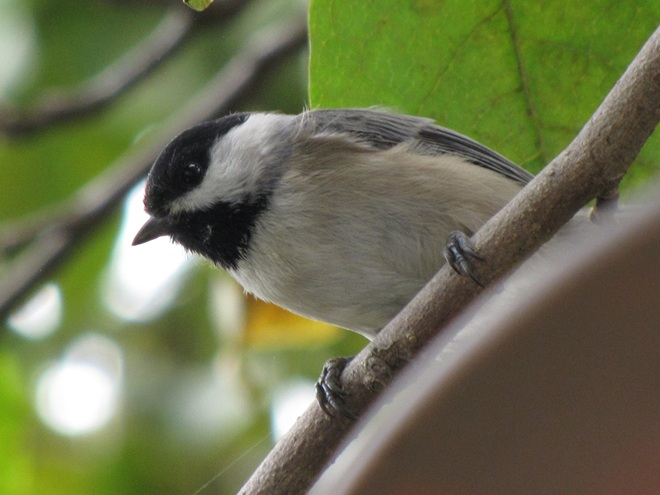
Photo of the Day


LIFE IN THE LOWER SUSQUEHANNA RIVER WATERSHED
A Natural History of Conewago Falls—The Waters of Three Mile Island

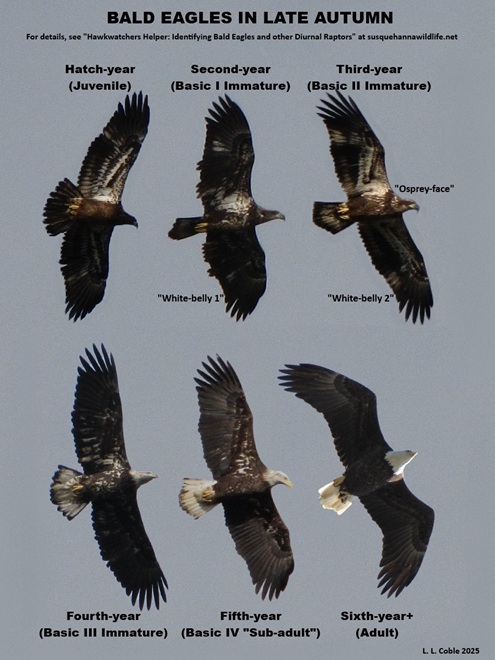
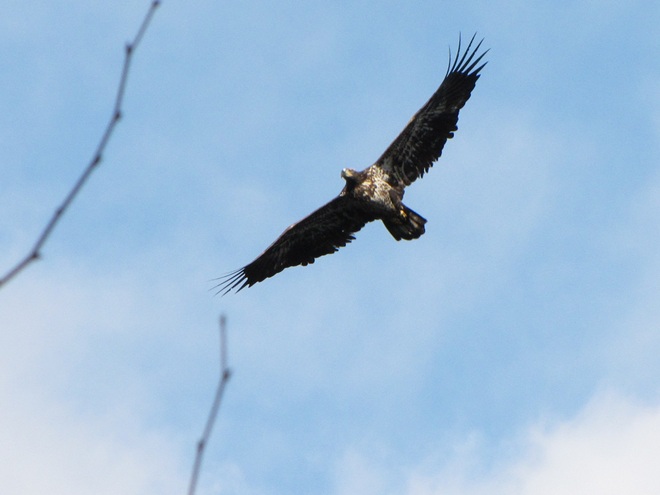
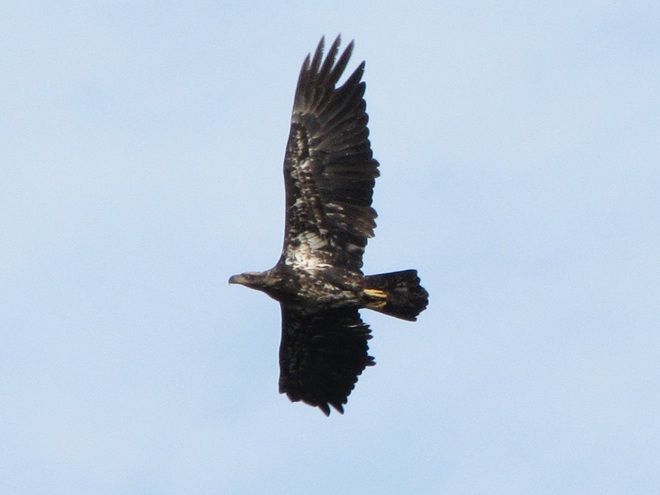
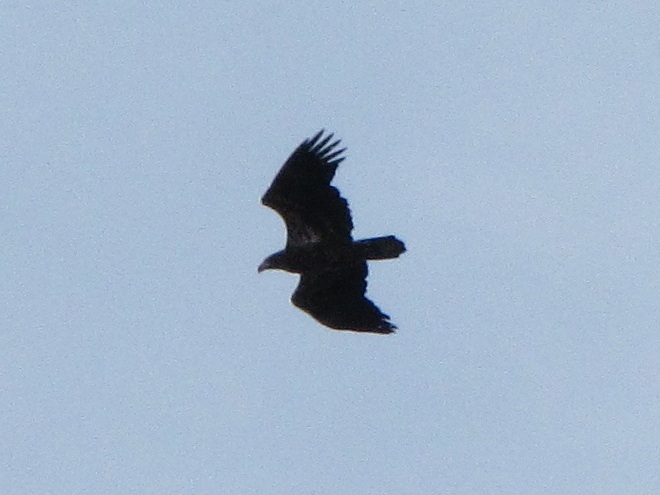
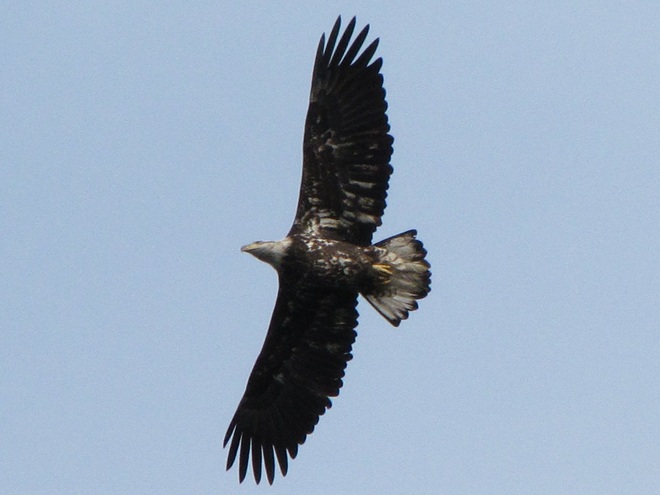
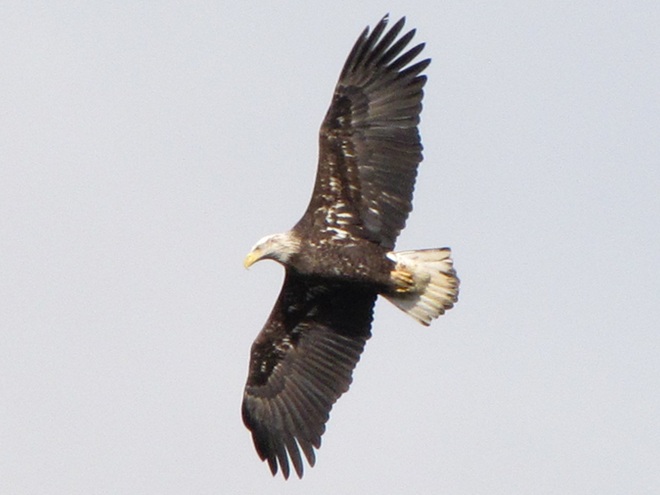
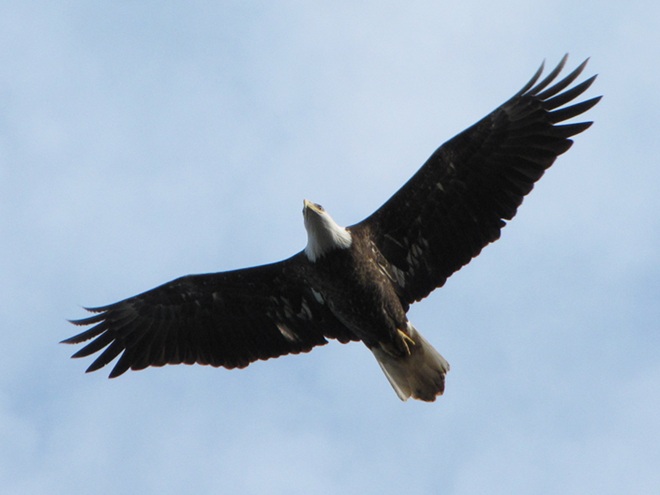
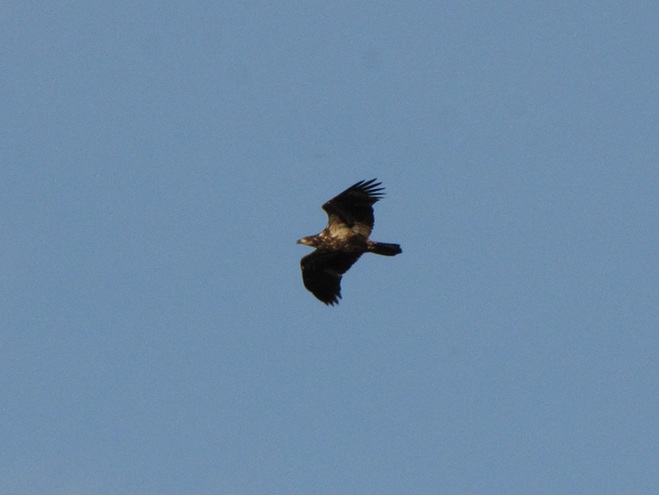
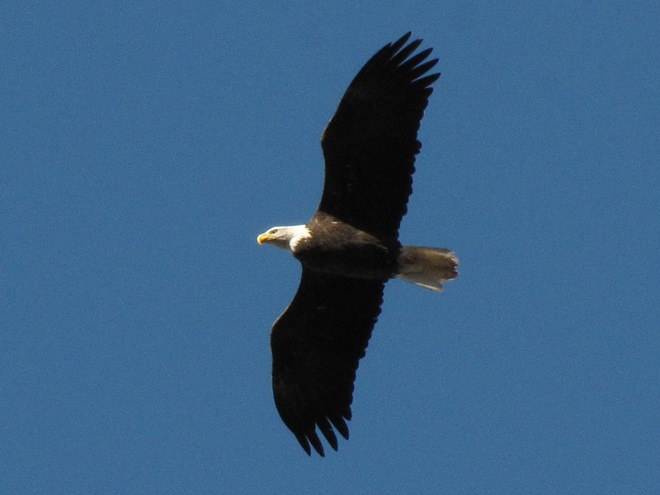
As part of an update to our “Hawkwatcher’s Helper: Identifying Bald Eagles and other Diurnal Raptors” page, we’ve just added this chart for determining the age of the Bald Eagles you might observe on the lower Susquehanna River and elsewhere in coming weeks.

Bald Eagles in each age class often retain their fall appearance through much of the winter. However, beginning January 1st, each bird is reclassified into the next in the series of chronological plumage designations. Consequently, during the early part of the new year until a new generation of eagles is hatched in late winter and spring, there are no birds in our area designated “hatch-year/juvenile”. After fledging, these youngest eagles, the new generation of juveniles, often show little change in appearance until after their first birthday, by which time they are already classified as second-year/Basic I immature birds. For birds other than the new generation of hatch-year/juvenile eagles, the majority of the molt that produces their new autumnal appearance each year occurs during spring and especially summer, when food is abundant and the bird’s energy needs for purposes other than growing feathers are at a minimum. Hence, by the time fall migration rolls around, the next in the successive progression of plumage changes is evident. For more details and year-round images of Bald Eagles, check out our “Hawkwatcher’s Helper: Identifying Bald Eagles and other Diurnal Raptors” page by clicking the tab at the top of this page.
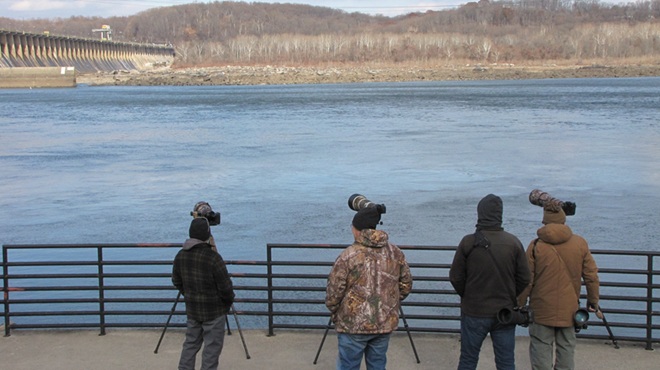
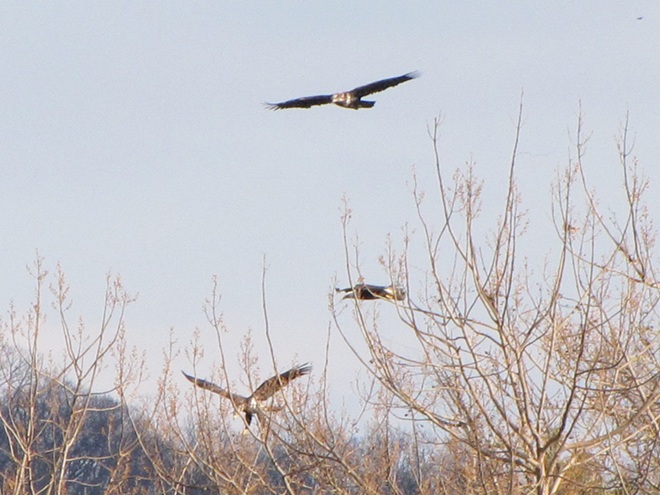
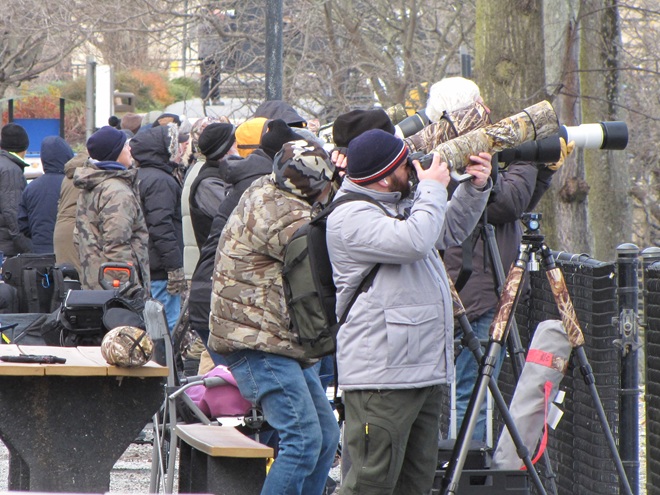
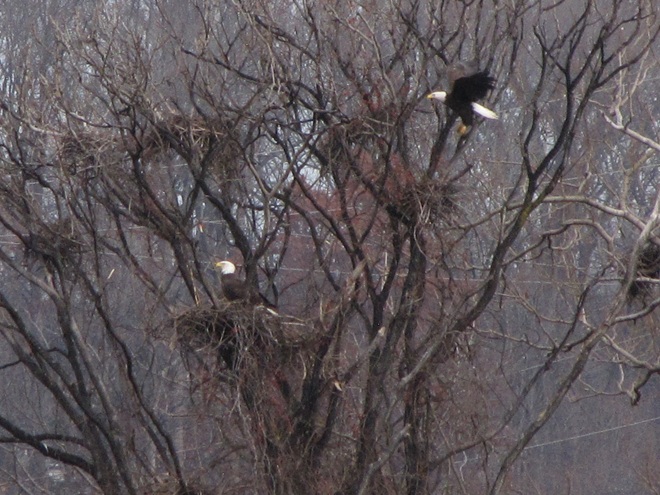
Wintering Bald Eagles are again congregating on the lower Susquehanna River, particularly in the area of Conowingo Dam near Rising Sun, Maryland. To catch a glimpse of the action earlier this week, we took a drive on U.S. Route 1 atop Conowingo’s impounding structure to reach Fisherman’s Park on the river’s west shore below the powerhouse.


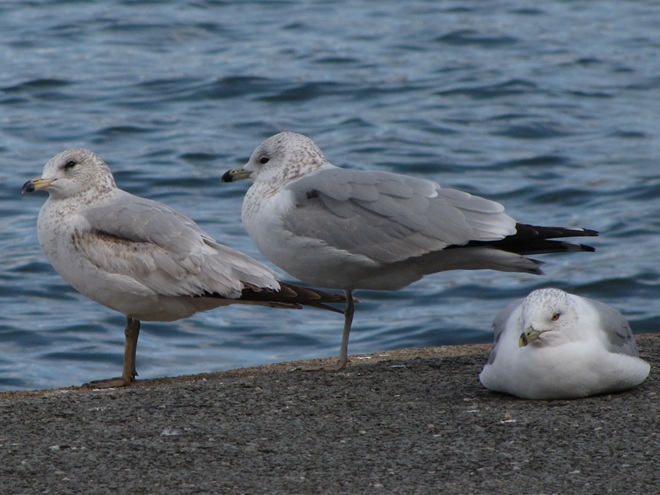
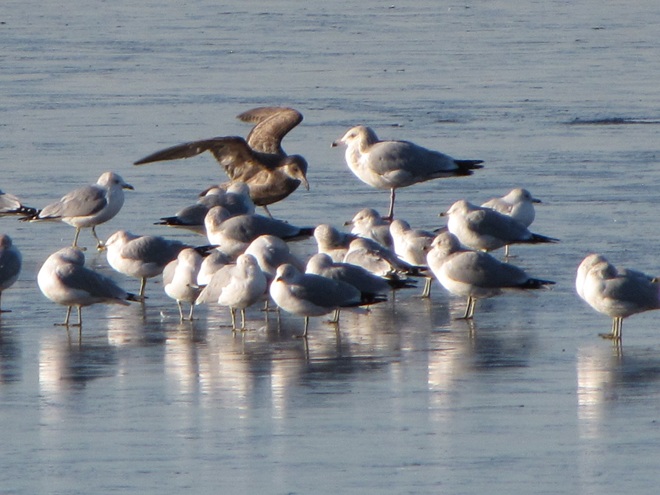
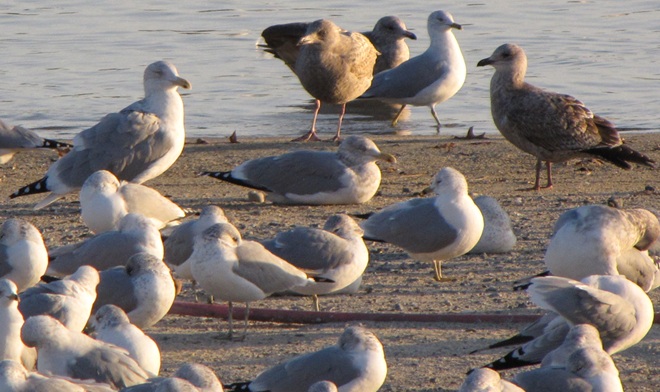
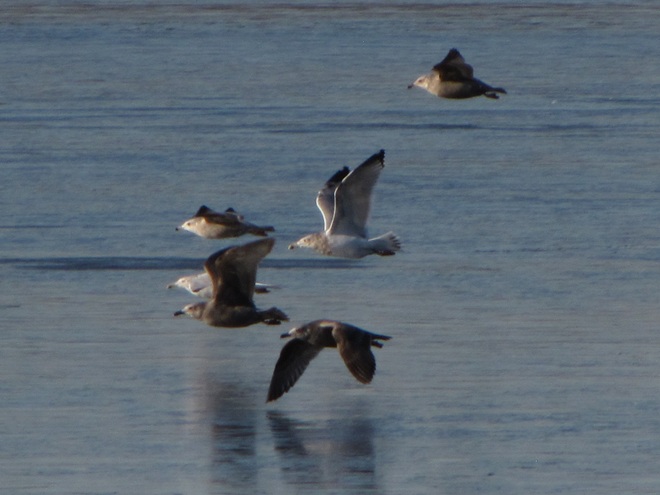
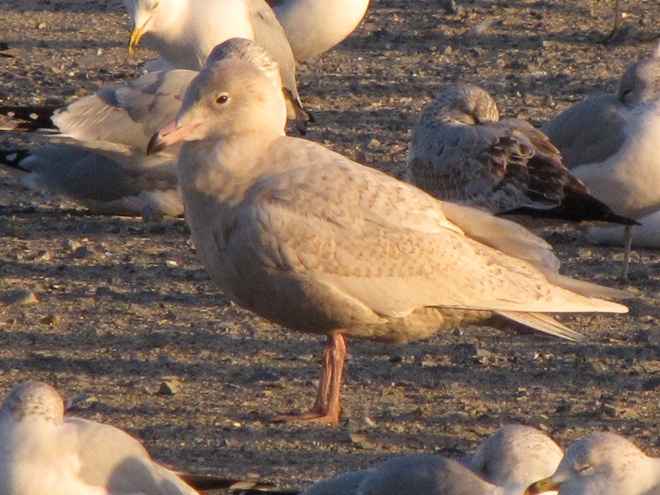
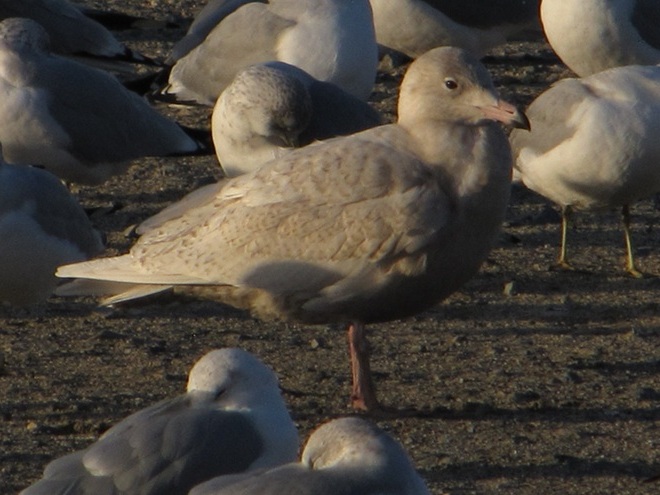
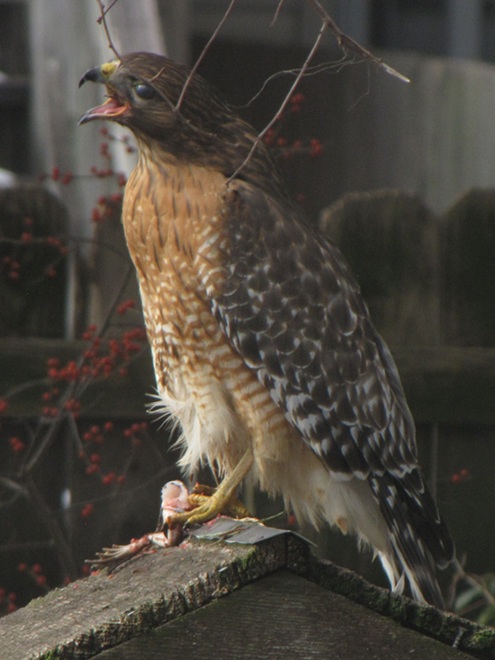
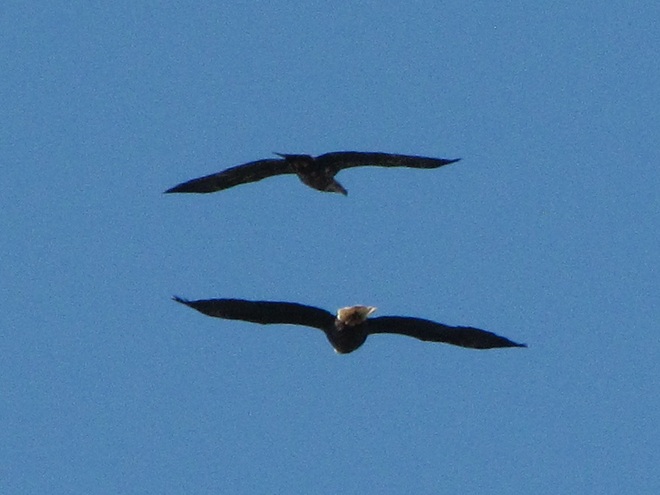
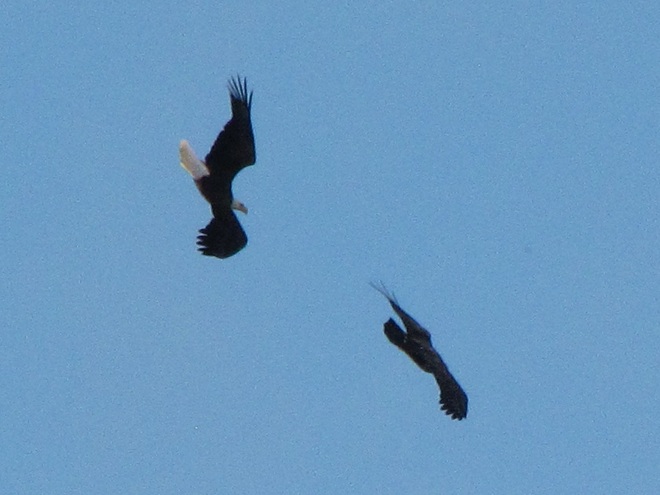
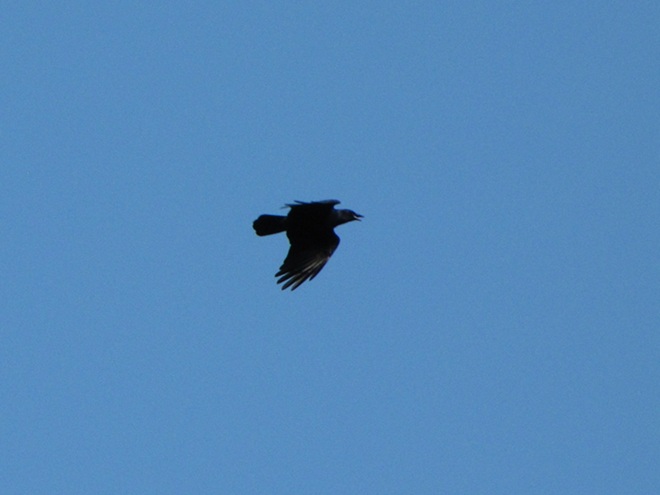
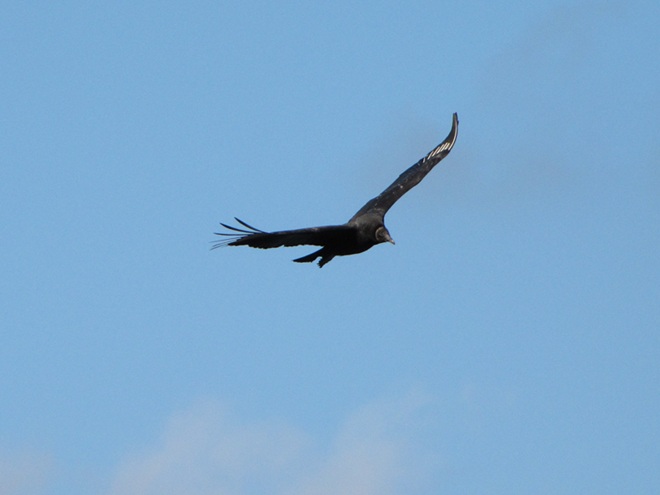
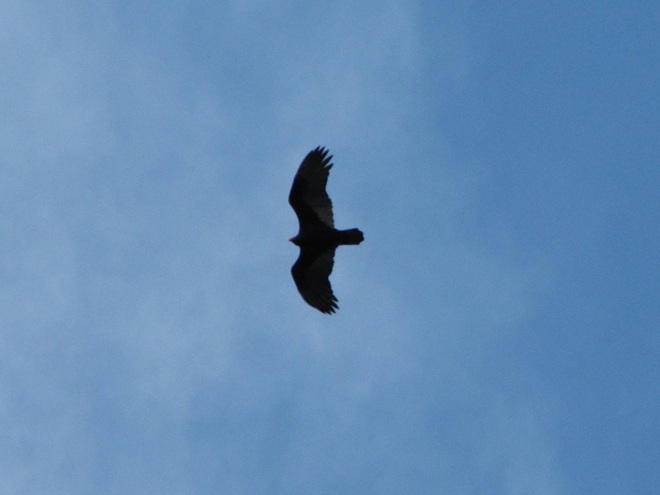
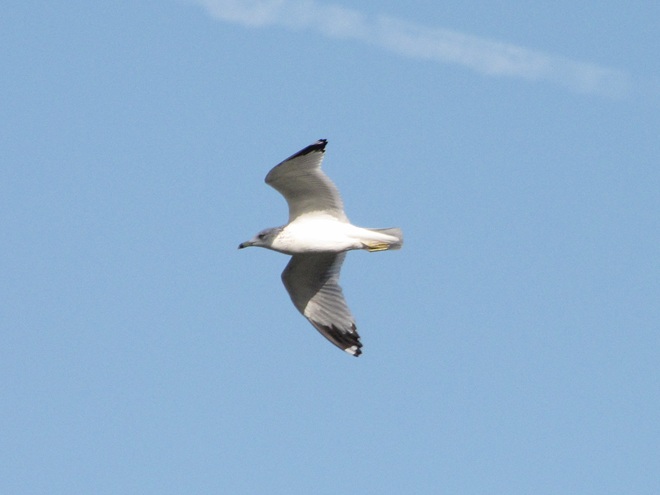
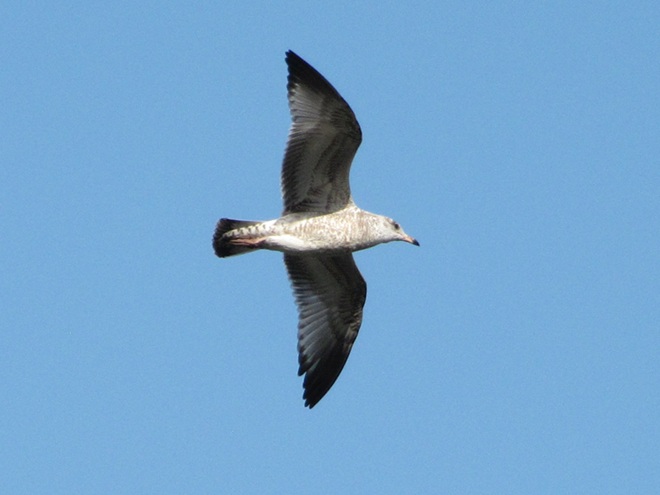
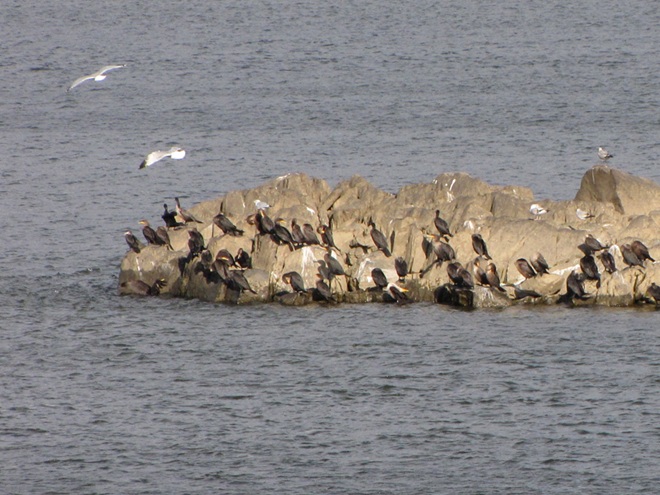
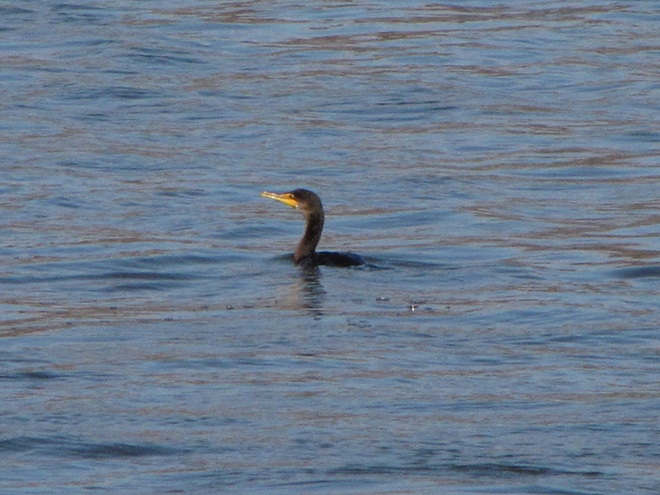
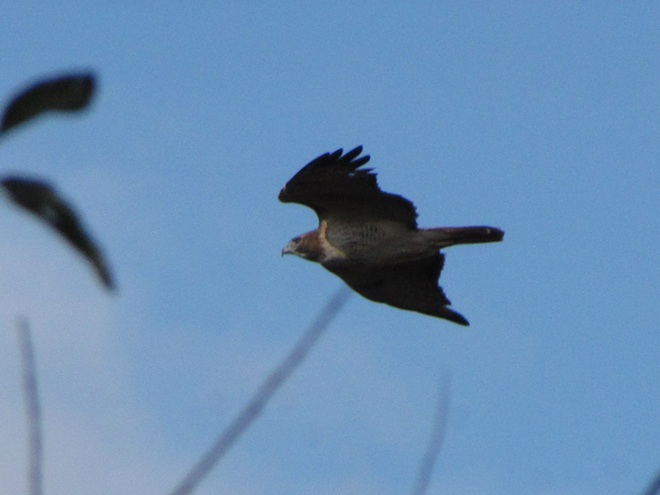
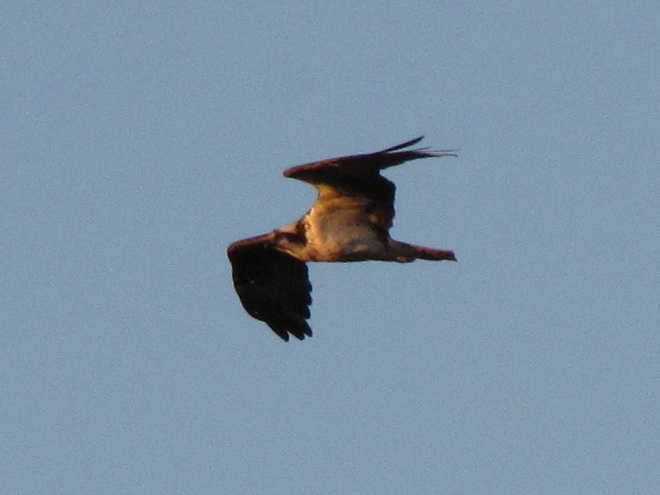
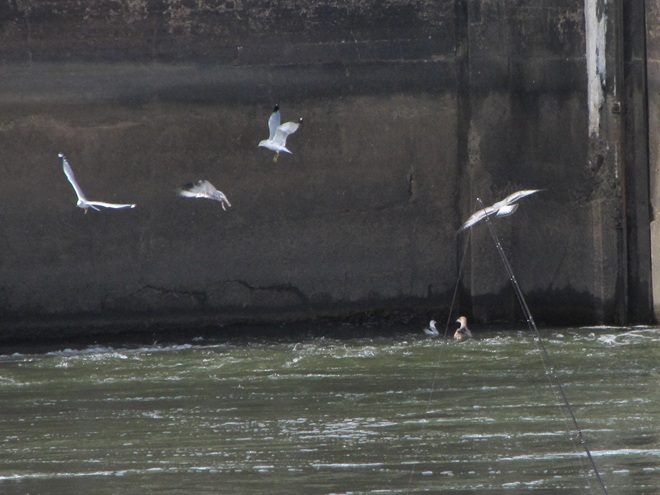
To the delight of photographers at Conowingo, some of the eagles can be seen grabbing fish, mostly Gizzard Shad, from the tailrace area of the river below the powerhouse. But Bald Eagles are opportunistic feeders, and their feeding habits are similar to those of numerous other birds found in the vicinity of the dam at this time of year—they’re scavengers. Here’s a glimpse of some of the other scavengers found in the midst of this Bald Eagle realm…
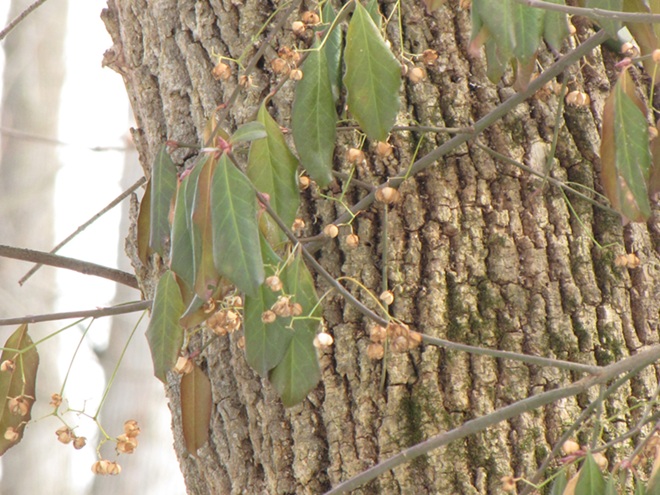


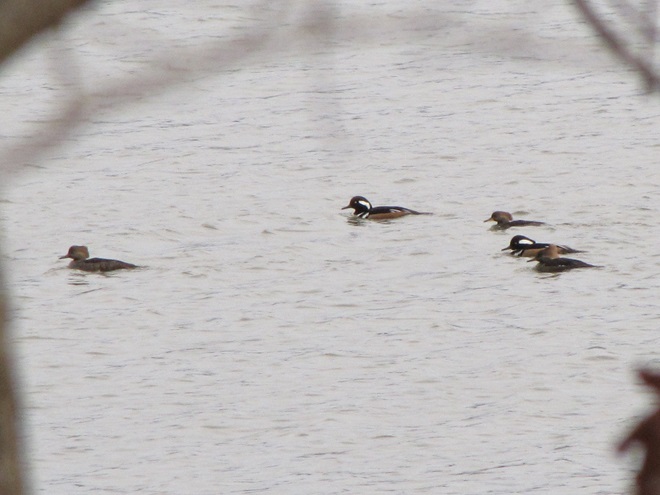
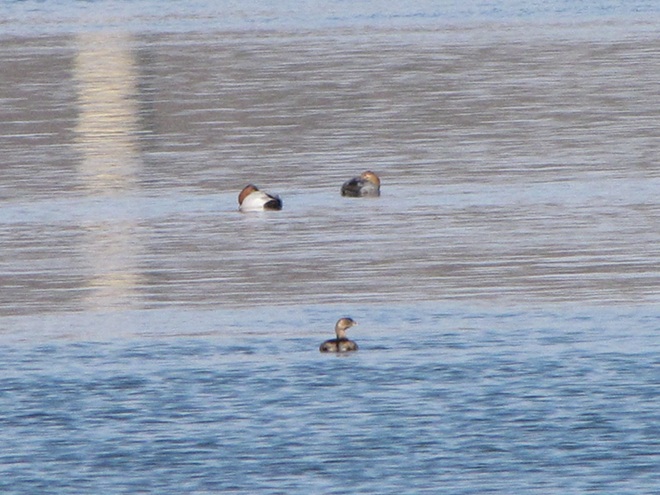
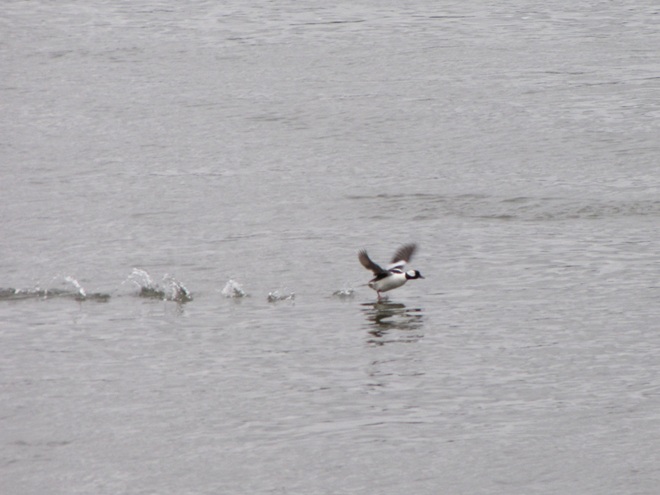
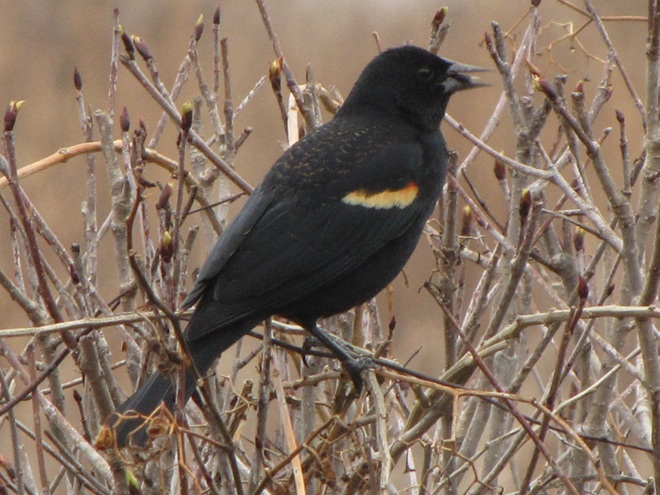
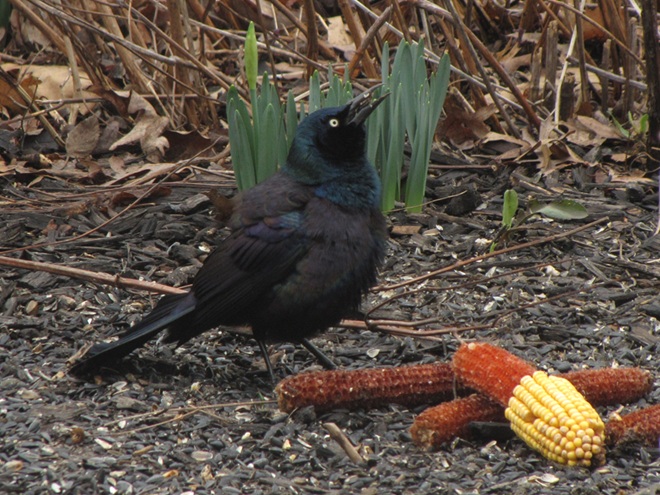
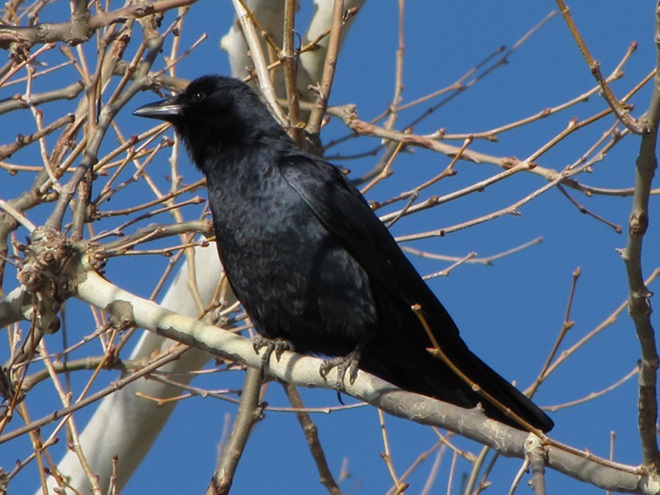
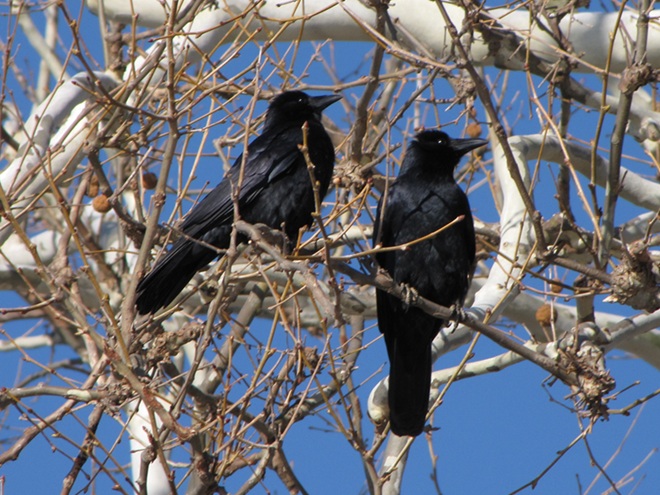
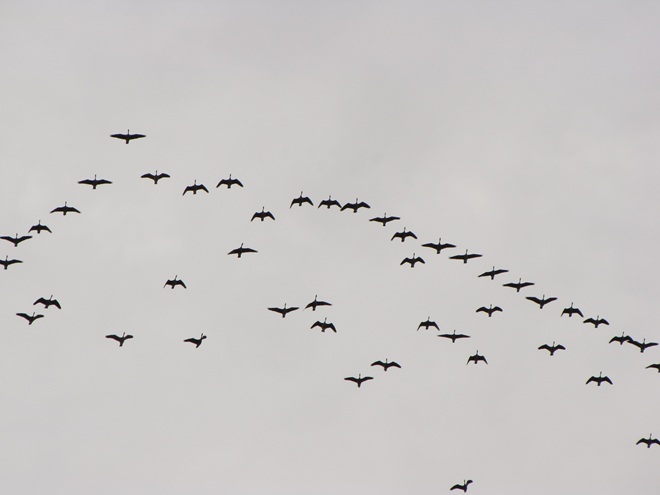
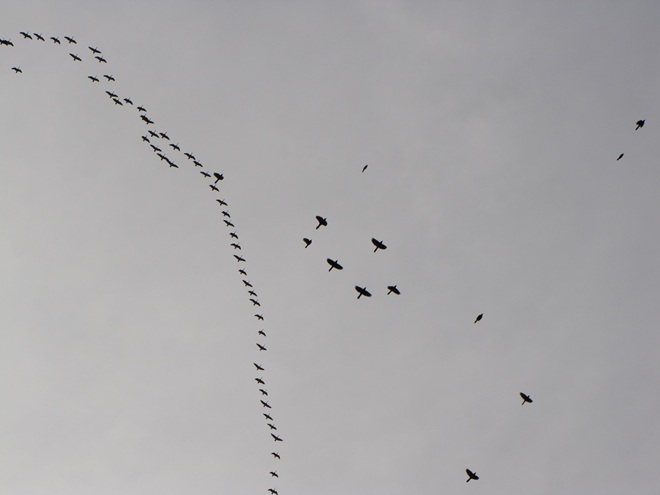
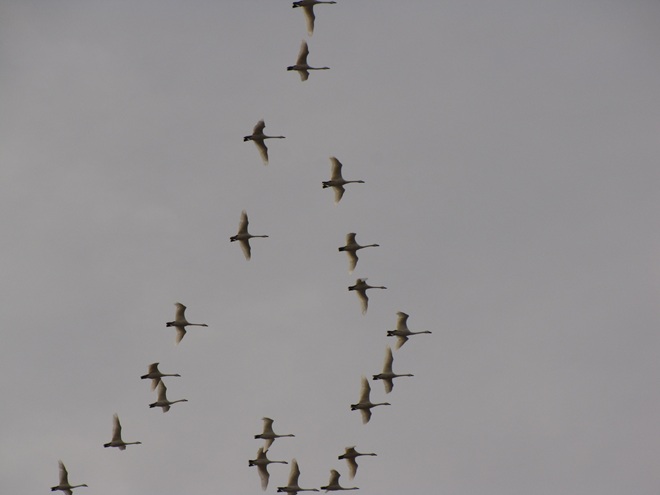
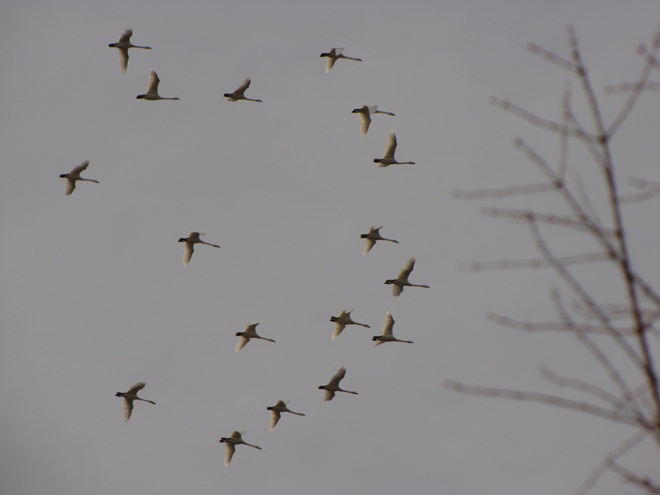
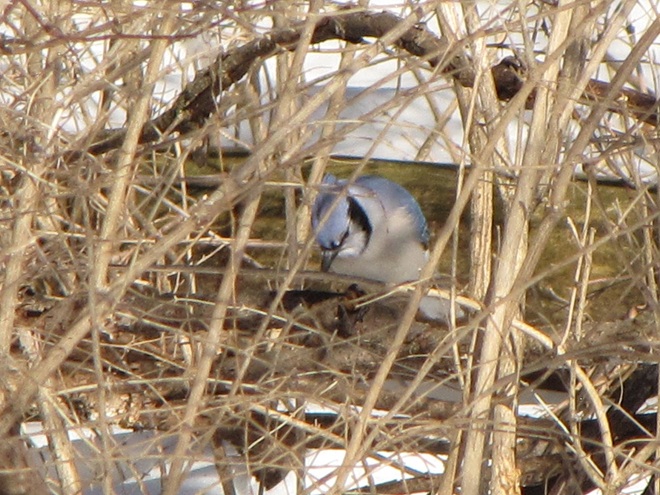
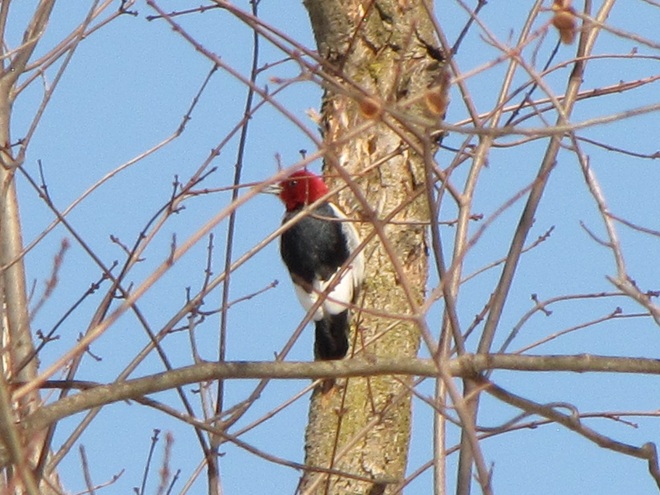
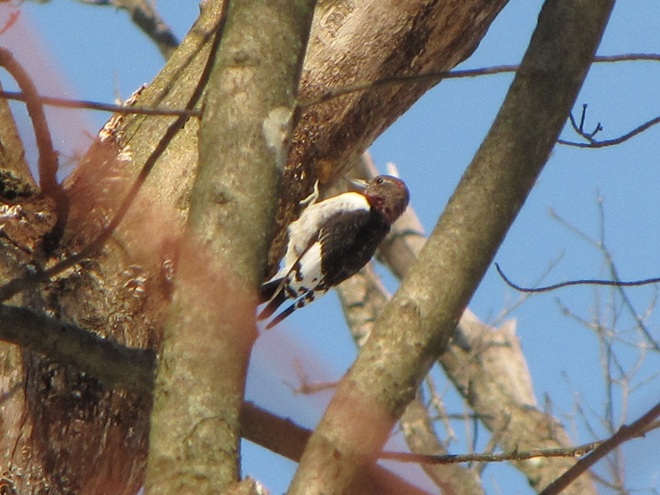
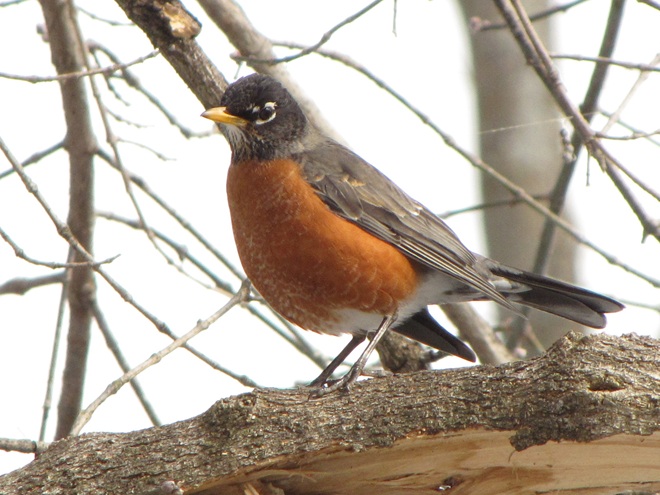
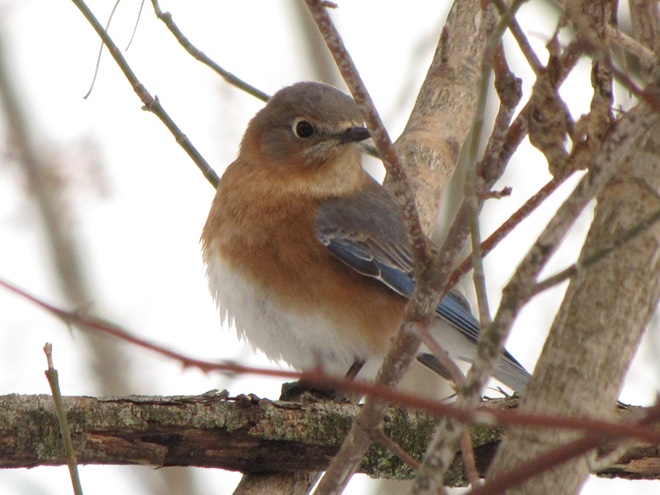
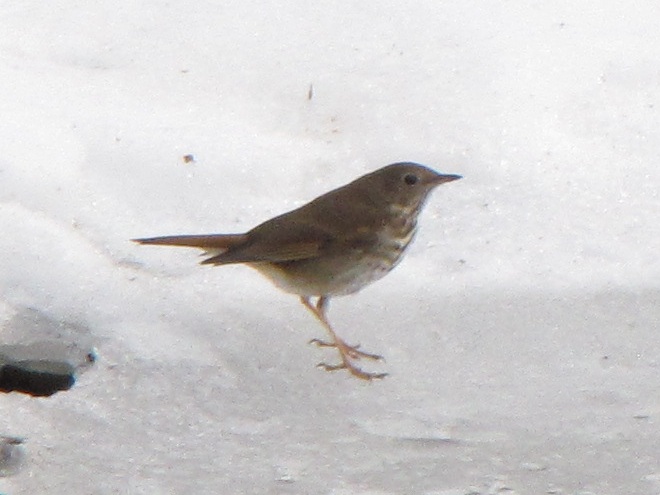
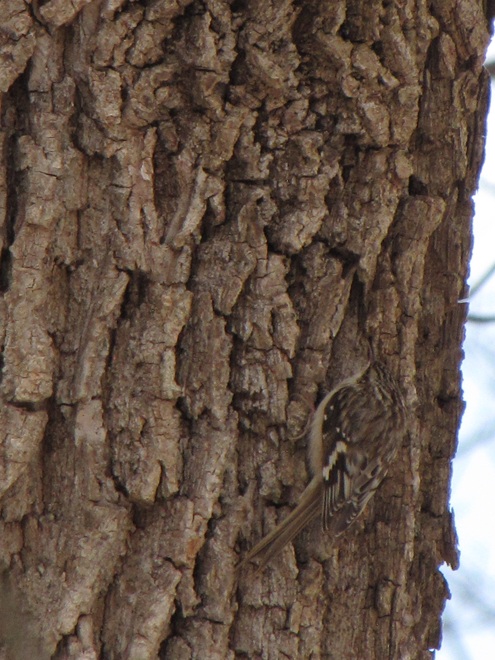
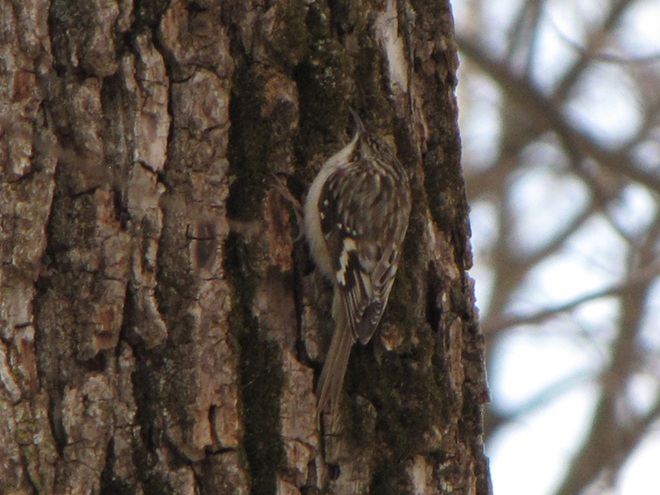
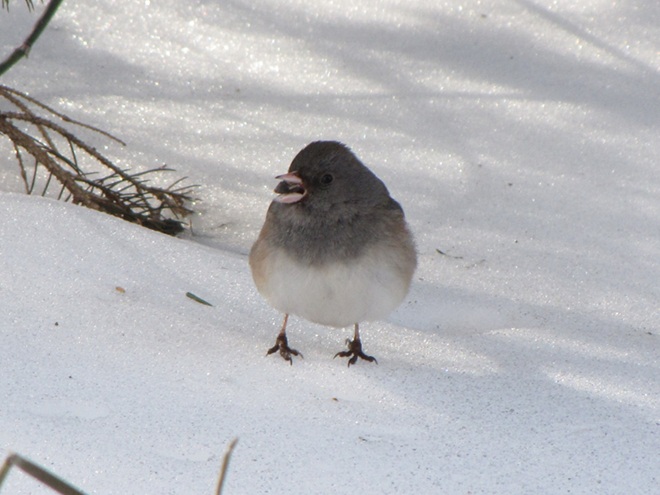
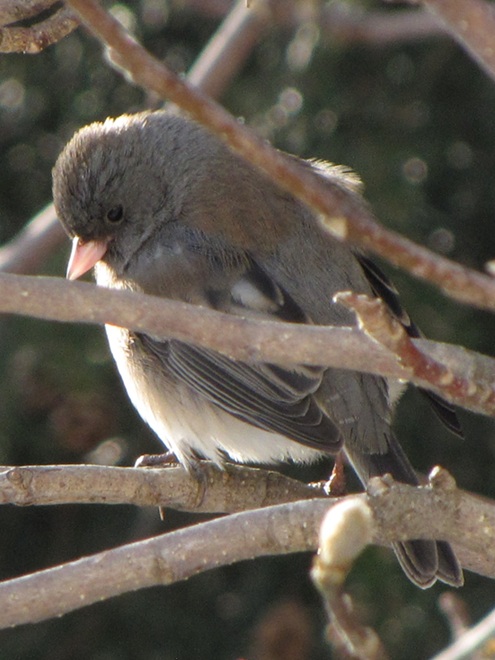
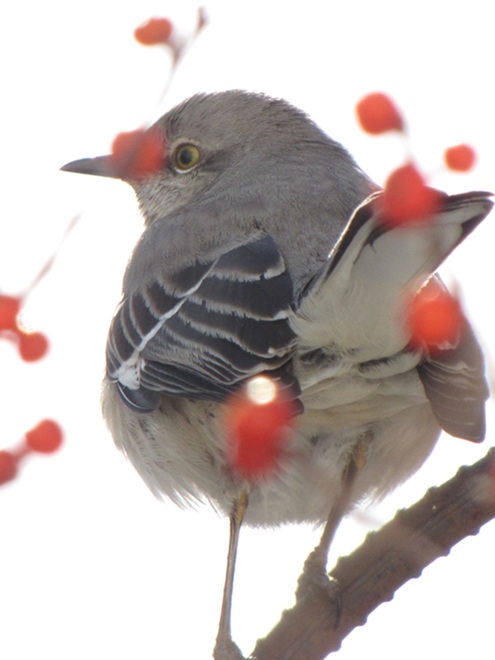
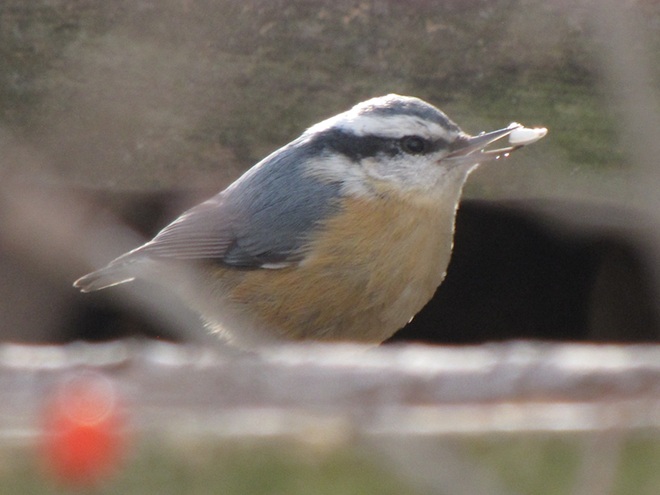
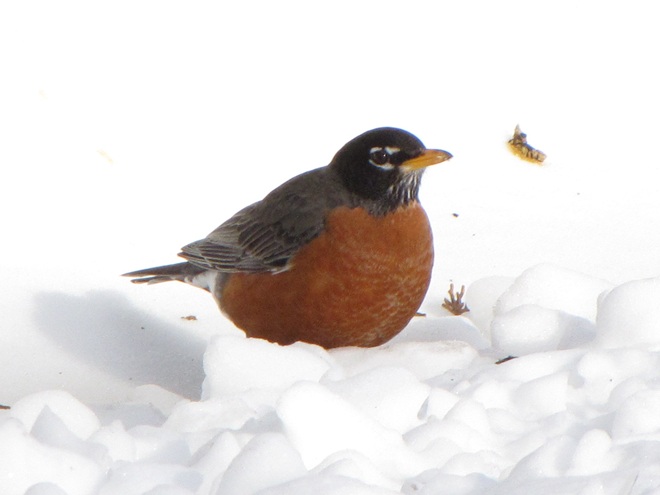
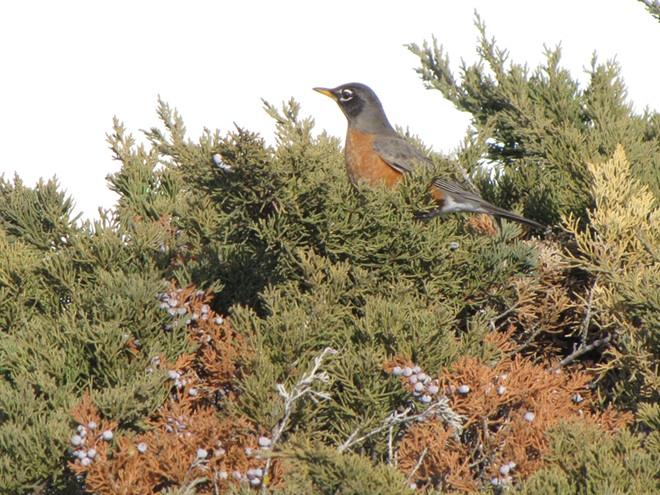
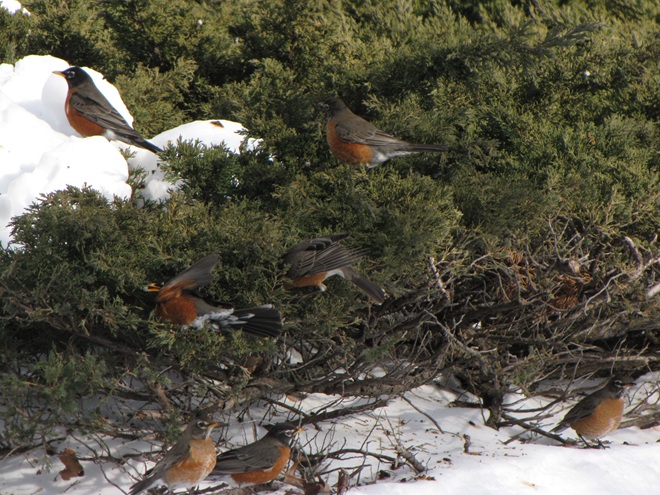
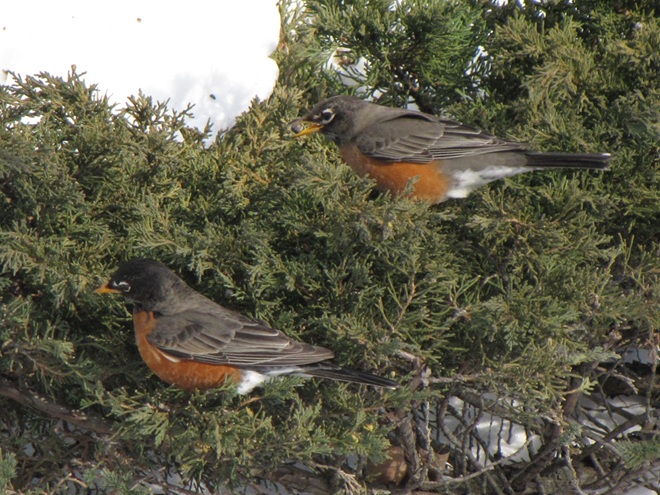
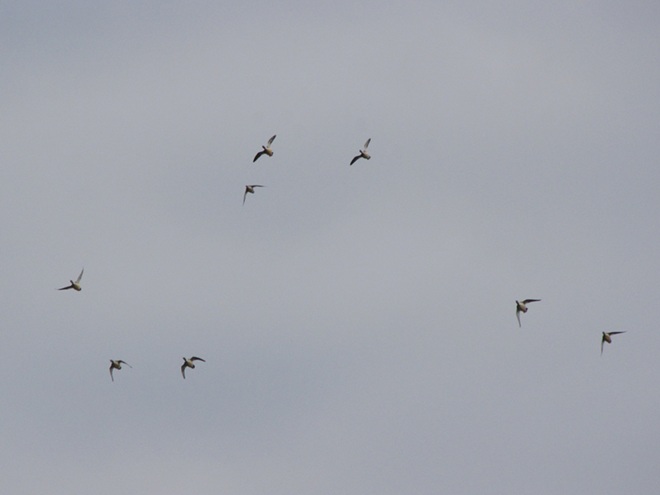
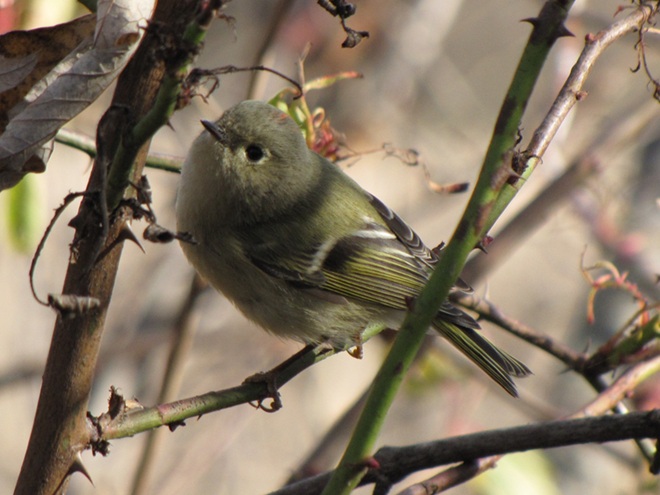
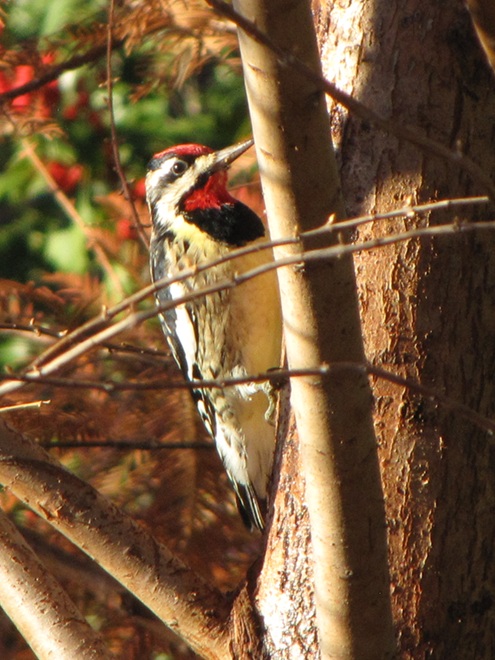
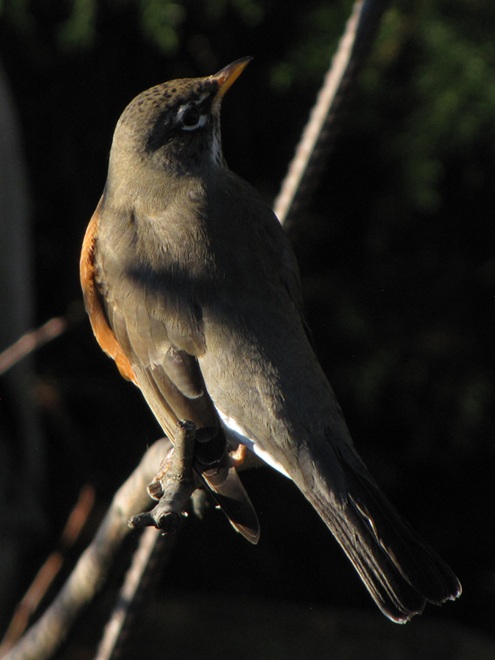
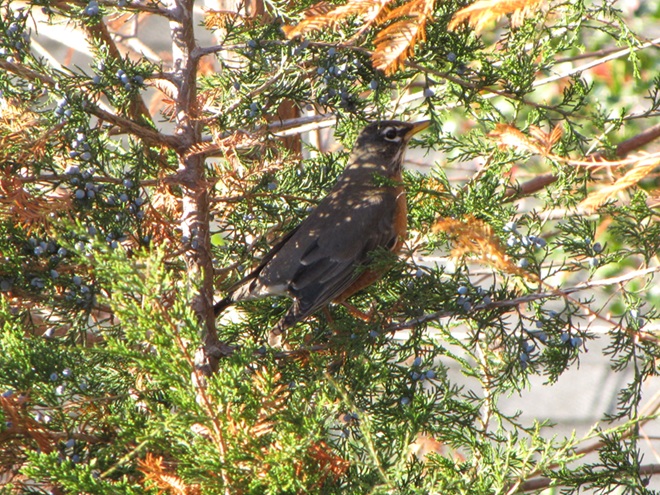
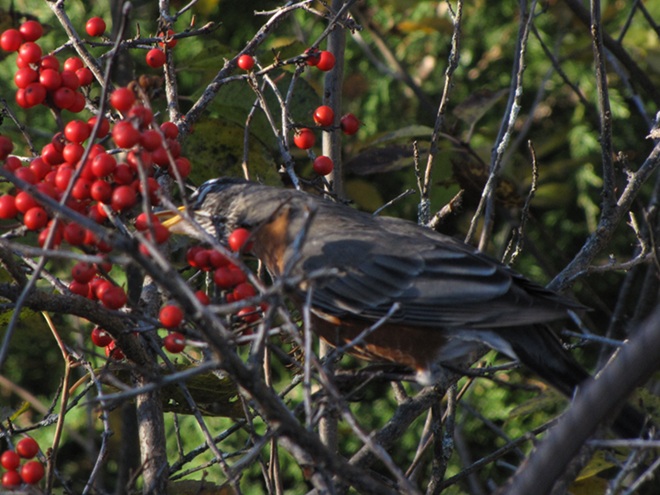
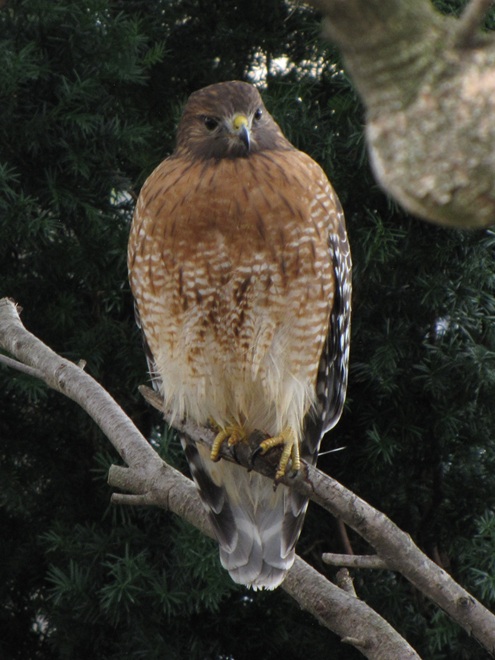
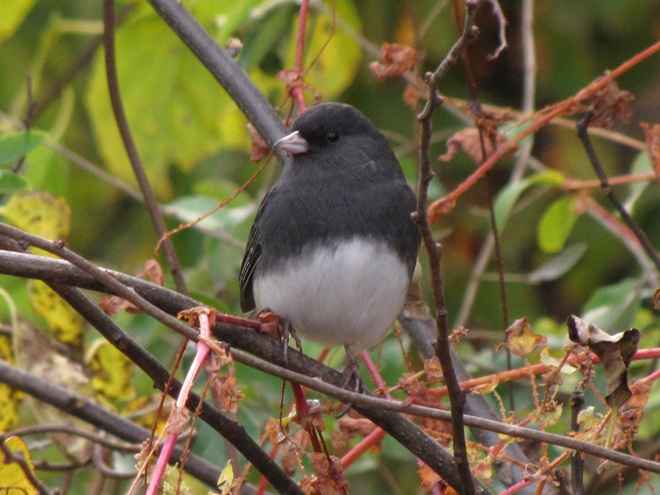
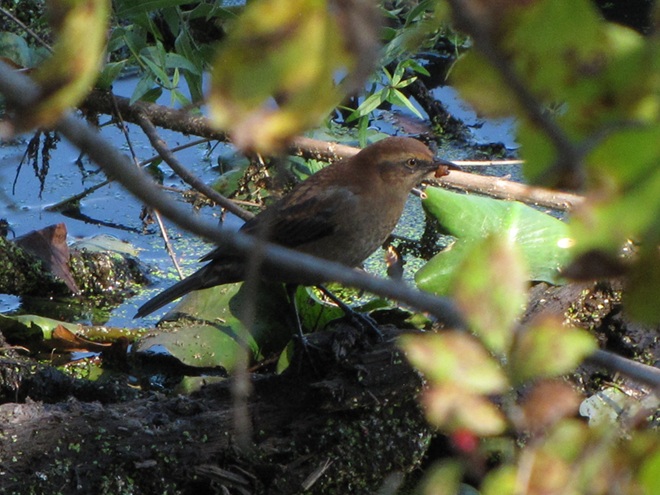
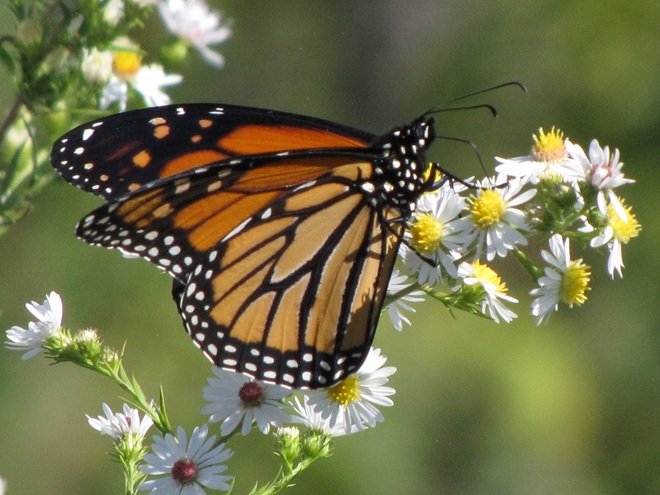
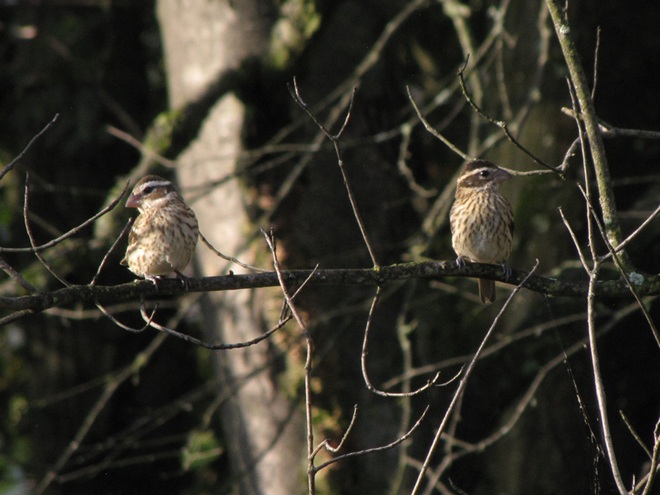
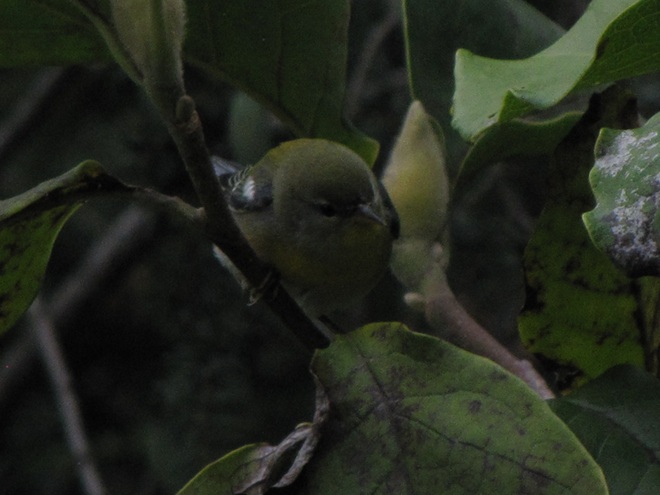
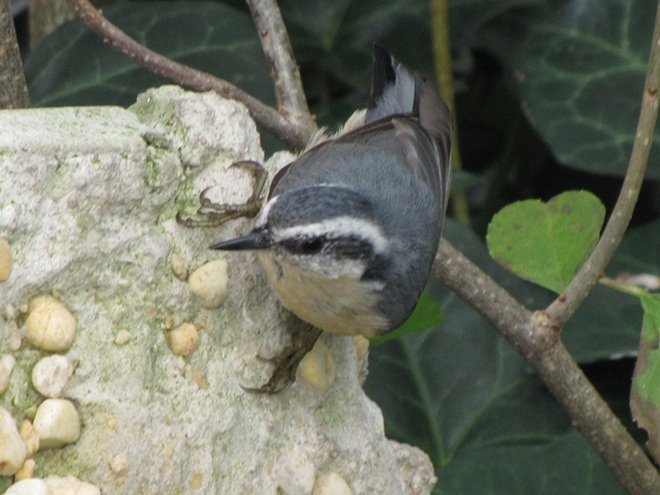
Here are a few more late-season migrants you might currently see passing through the lower Susquehanna valley. Where adequate food and cover are available, some may remain into part or all of the winter…


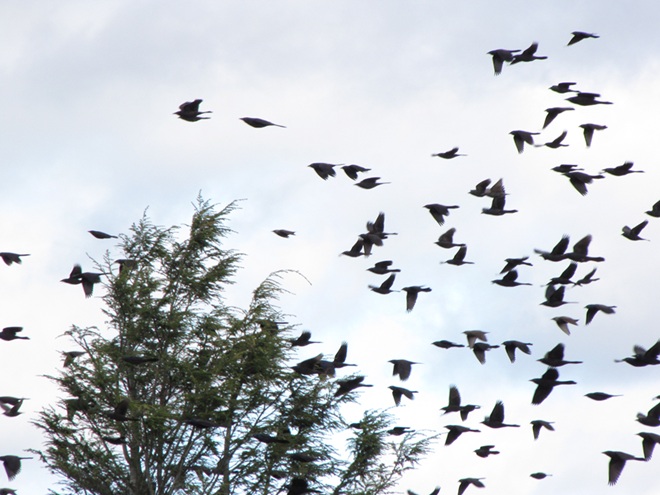
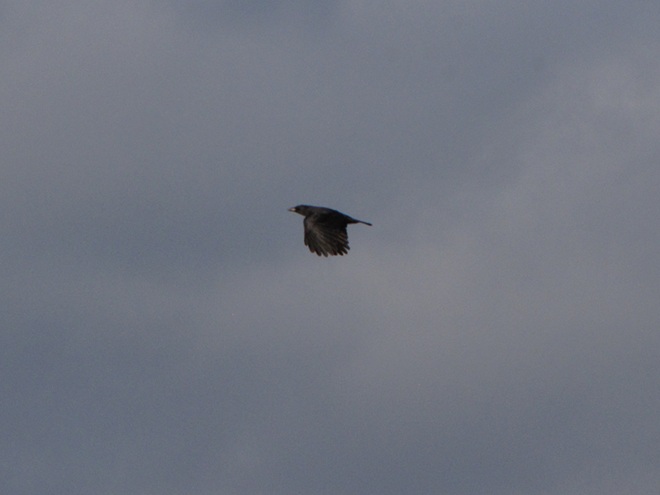
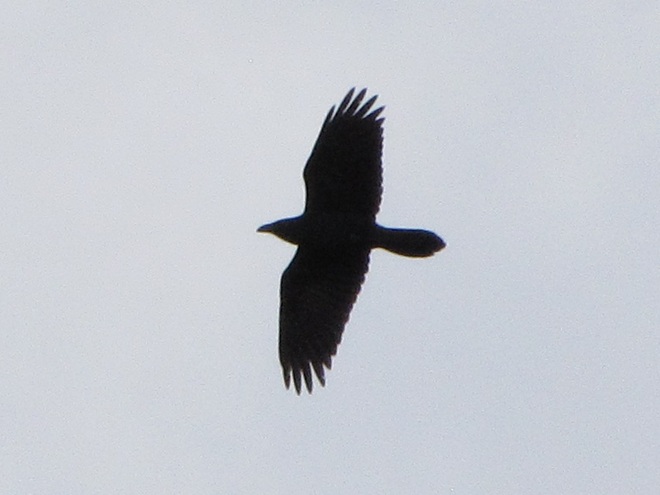
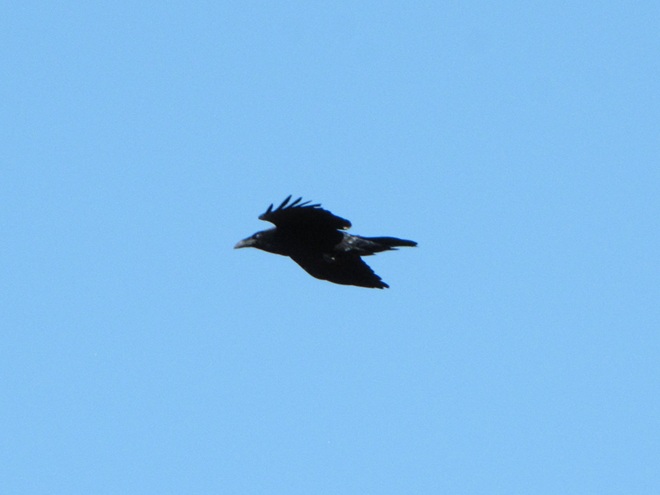
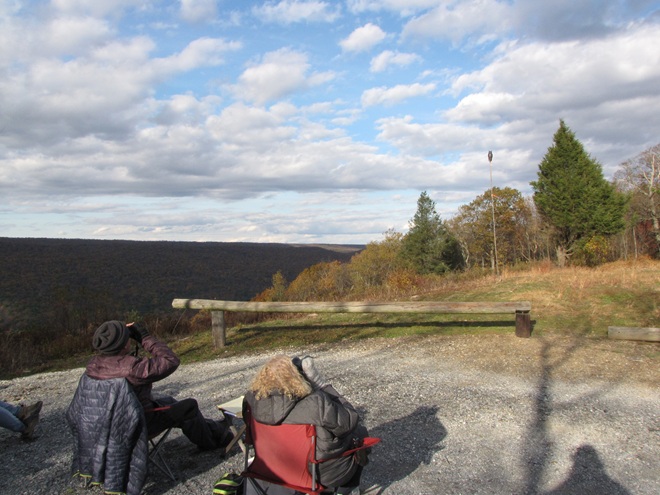
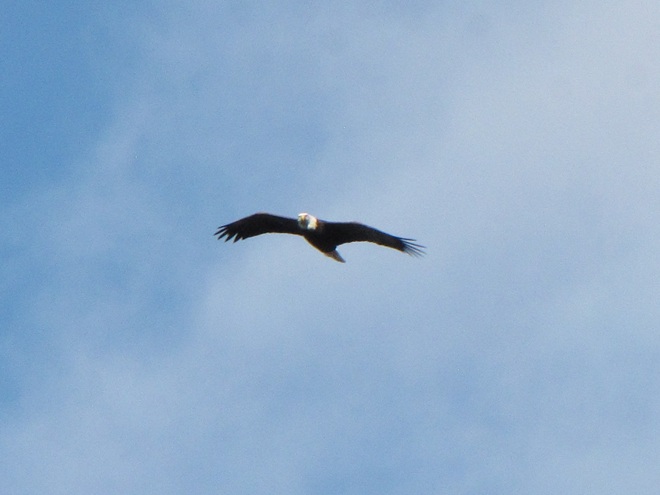
Those cold, blustery days of November can be a real downer. But there’s a silver lining to those ominous clouds, and it comes with the waves of black and mostly dark-colored migrants that stream down the ridges of the Lower Susquehanna River Watershed on their way south at this time of year.


For more information on regional hawkwatching sites and raptor identification, click the “Hawkwatcher’s Helper: Identifying Bald Eagles and other Diurnal Raptors” tab at the top of this page. And for more on Golden Eagles specifically, click the “Golden Eagle Aging Chart” tab.


As we begin the second half of October, frosty nights have put an end to choruses of annual cicadas in the lower Susquehanna valley. Though they are gone for yet another year, they are not forgotten. Here’s an update on one of our special finds in 2025.
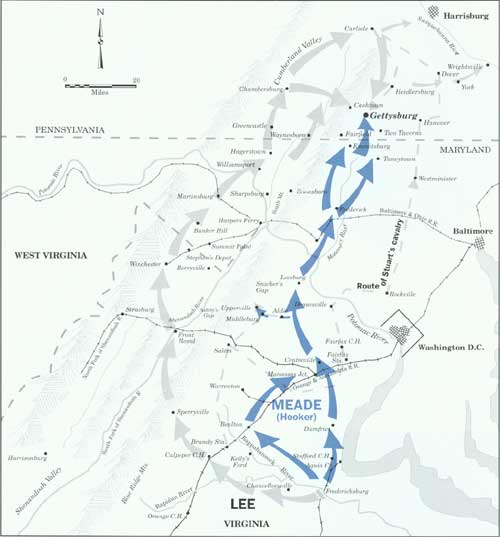
During late June of 1863, the beginning of the third summer of the American Civil War, there was great consternation among the populous of the lower Susquehanna region. Hoping to bring about Union capitulation and an end to the conflict, General Robert E. Lee and his 70,000-man Army of Northern Virginia were marching north into the passes and valleys on the west side of the river. The uncontested Confederate advances posed an immediate threat to Pennsylvania’s capital in Harrisburg and cities to the east. Marching north in pursuit of Lee was the First Corps of the Army of the Potomac, the lead element of the 100,000-man Union force under the direction of newly appointed commander General George G. Meade.
Upon belatedly learning of Meade’s pursuit, Lee hastily ordered the widely separated corps of his army to concentrate on the crossroads town of Gettysburg. As the southern army’s Third Corps under General A. P. Hill approached Gettysburg from the west, they were met by Union cavalry under the leadership of General John Buford. Dismounted and formed up south to north across the Chambersburg Pike, Buford’s men held off Confederate infantry until relieved by the arrival of the Union First Corps. As he deployed his men, the First Corps’ commander, General John F. Reynolds of Lancaster, was struck by a bullet and killed.


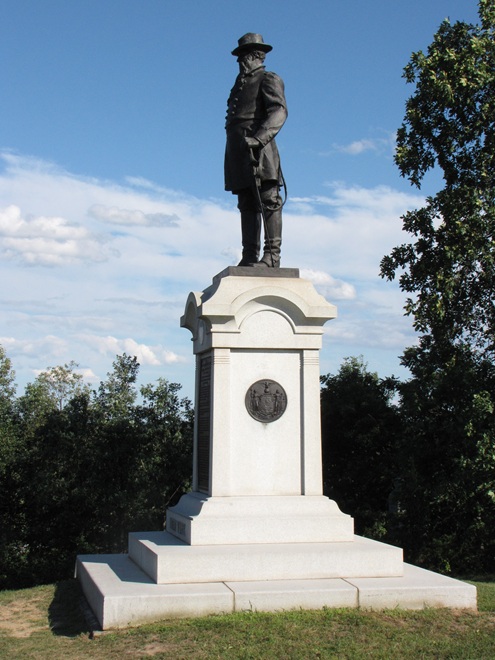
If you visit the Gettysburg battlefield, you can find the General John C. Robinson monument at the site of his division’s first-day position along Doubleday Avenue at Robinson Avenue near the Eternal Light Peace Memorial. But that’s not the Robinson we went to Gettysburg to see.
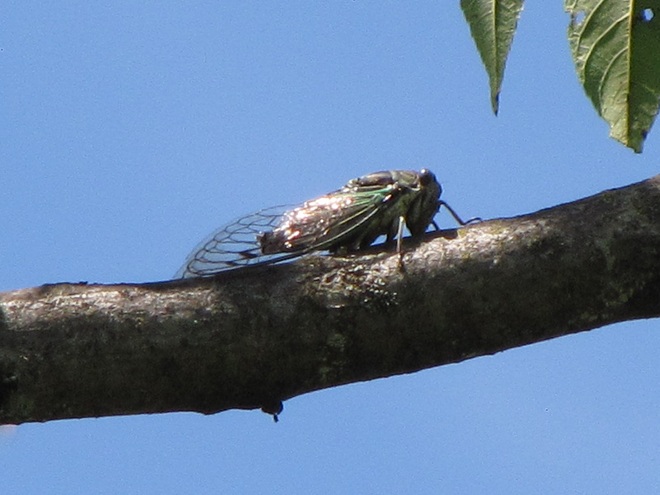
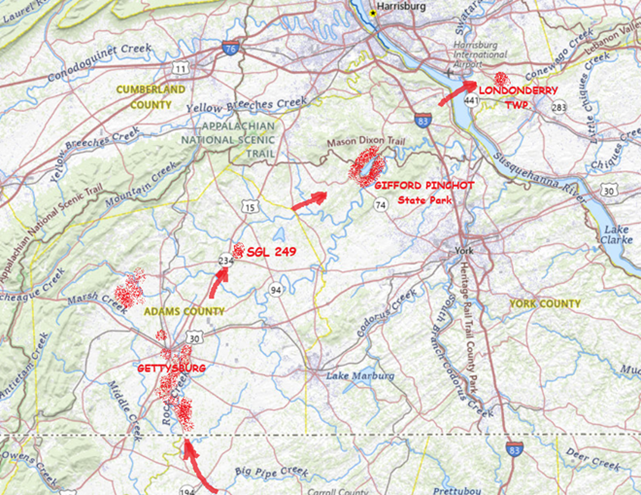
Following up on our sight and mostly sound experiences with some Robinson’s Cicadas, an annual species of singing insect we found thriving at Gifford Pinchot State Park in York County, Pennsylvania, during late July, we spent some time searching out other locations where this native invader from the southern United States could be occurring in the Lower Susquehanna River Watershed.
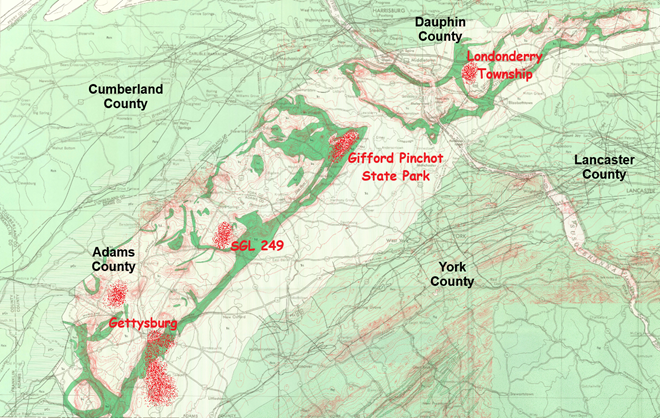
During mid-August, we stumbled upon a population of Robinson’s Cicadas east of the Susquehanna in the Conewago Creek (east) watershed in Londonderry Township, Dauphin County, and made some sound recordings.
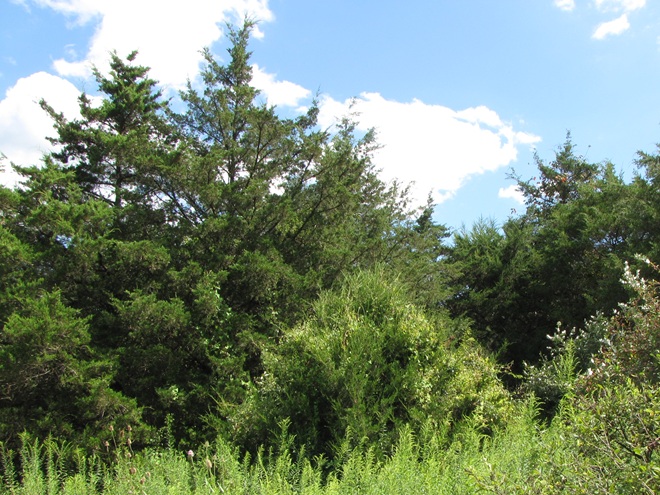
After pondering this latest discovery, we decided to investigate places with habitat characteristics similar to those at both the new Londonderry Township and the earlier Gifford Pinchot State Park locations—successional growth with extensive stands of Eastern Red Cedar on the Piedmont’s Triassic Gettysburg Formation “redbeds”. We headed south towards known populations of Robinson’s Cicadas in Virginia and Maryland to look for suitable sites within Pennsylvania that might bridge the range gap.
Our search was a rapid success. On State Game Lands 249 in the Conewago Creek (west) watershed in Adams County, we found Robinson’s Cicadas to be widespread.


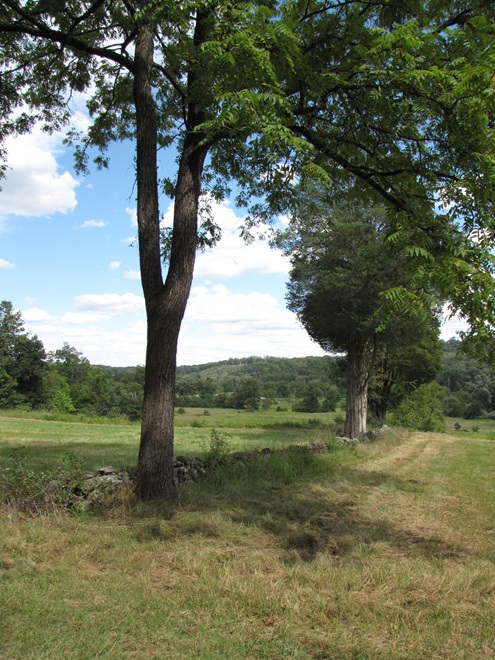
Following our hunch that these lower Susquehanna Robinson’s Cicadas extended their range north through the cedar thickets of the Gettysburg Basin as opposed to hopping the Appalachians from a population reported to inhabit southwest Pennsylvania, we made our way to the battlefield and surrounding lands. We found Robinson’s Cicadas to be quite common and widespread in these areas, even occurring in the town of Gettysburg itself.


Having experienced our first frost throughout much of the lower Susquehanna valley last night, we can look forward to seeing some changes in animal behavior and distribution in the days and weeks to come. Here are a few examples…


Less than ideal flying conditions can cause some of our migrating birds to make landfall in unusual places. Clouds and gloom caused a couple of travelers to pay an unexpected visit to the headquarters garden earlier today.


Be sure to keep an eye open for visiting migrants in your favorite garden or park during the overcast and rainy days ahead. You never know what might drop by.
Crisp cool nights have the Neotropical birds that visit our northern latitudes to nest during the summer once again headed south for the winter.
Flying through the night and zipping through the forest edges at sunrise to feed are the many species of migrating vireos, warblers, and other songbirds.


As the nocturnal migrants fade into the foliage to rest for the day, the movement of diurnal migrants picks up the pace.


To find a hawk-counting station near you, check out our “Hawkwatcher’s Helper: Identifying Bald Eagles and other Diurnal Raptors” page by clicking the tab at the top of this page. And plan to spend some time on the lookout during your visit, you never know what you might see…

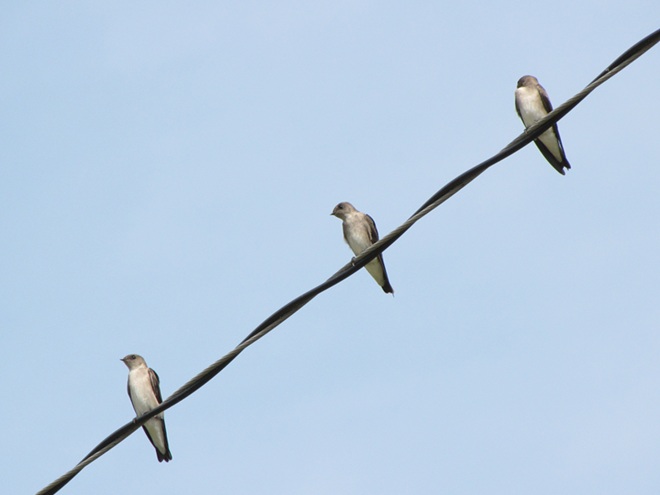
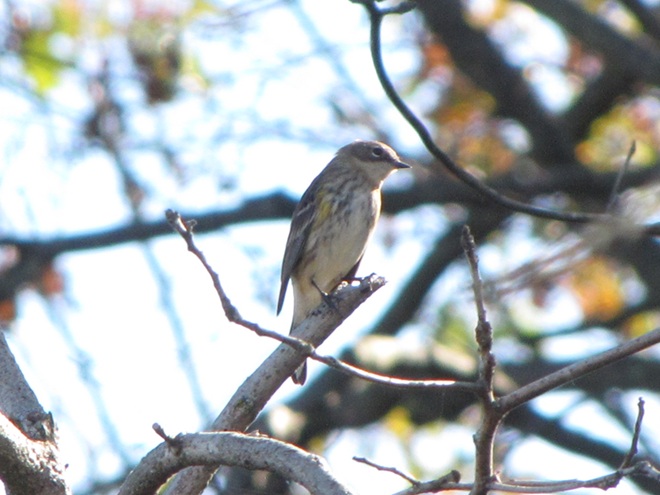
Chilly nights and shorter days have triggered the autumn migration of Neotropical birds. You may not have to go far to see these two travelers. Each is a species you may be able to find migrating through your neighborhood.


It may seem hard to believe, but the autumn migration of shorebirds and many Neotropical songbirds is now well underway. To see the former in what we hope will be large numbers in good light, we timed a visit to the man-made freshwater impoundments at Bombay Hook National Wildlife Refuge near Smyrna, Delaware, to coincide with a high-tide during the mid-morning hours. Come along for a closer look…


Planning a visit? Here are some upcoming dates with morning high tides to coax the birds out of the tidal estuary and into good light in the freshwater impoundments on the west side of the tour road…
Tuesday, August 19 at approximately 07:00 AM EDT
Wednesday, August 20 at approximately 08:00 AM EDT
Thursday, August 21 at approximately 09:00 AM EDT
Friday, August 22 at approximately 10:00 AM EDT
Saturday, August 23 at approximately 11:00 AM EDT

Just as we were very pleased last month to have the opportunity to hear the sounds of the rarest of the Periodical Cicadas—the Little Seventeen-year Cicada—in the Conewago Hills of York County to thus provide our only record of the species during the Brood XIV emergence in the Lower Susquehanna River Watershed, we were this week delighted to find and record a population of what may be the valley’s rarest cicada experiencing annual flights—the Robinson’s Cicada—just a few miles away at Gifford Pinchot State Park.
Like the Little Seventeen-year Cicada, Robinson’s Cicada (Neotibicen robinsonianus) is a species found more commonly in the southern United States, occurring with scattered distribution in a range that extends west into Missouri, Kansas, and Texas. They are of rare occurrence in the lands of the Chesapeake drainage basin in Virginia and Maryland.


The Lower Susquehanna River Watershed, and Gifford Pinchot State Park in particular, may currently represent the northern limit of the geographic range of the Robinson’s Cicada. If you’re in the area during the coming weeks, drop by the park and have a listen. And don’t forget to check out our “Cicadas” page for sound clips of all the species found in our area.
It begins on a sunny morning in spring each year, just as the ground temperature reaches sixty degrees or more…


Of course, termites aren’t the only groups of insects to swarm. As heated runoff from slow-moving thundershowers has increased stream temperatures during the past couple of weeks, there have occurred a number of seasonal mayfly “hatches” on the Susquehanna and its tributaries. These “hatches” are actually the nuptial flights of newly emerged imago and adult mayflies. The most conspicuous of these is the Great Brown Drake.

Swarms of another storm-related visitor are being seen throughout the lower Susquehanna valley right now. Have you noticed the Wandering Gliders?


While the heat and humidity of early summer blankets the region, Brood XIV Periodical Cicadas are wrapping up their courtship and breeding cycle for 2025. We’ve spent the past week visiting additional sites in and near the Lower Susquehanna River Watershed where their emergence is evident.
We begin in York County just to the west of the river and Conewago Falls in mostly forested terrain located just southeast of Gifford Pinchot State Park. Within this area, often called the Conewago Hills, a very localized population of cicadas could be heard in the woodlands surrounding the scattered homes along Bull Road. Despite the dominant drone of an abundance of singing Pharaoh Periodical Cicadas, we were able to hear and record the courtship song of a small number of the rare Little Seventeen-year Cicadas. Their lawn sprinkler-like pulsating songs help mate-seeking males penetrate the otherwise overwhelming chorus of the Pharaoh cicadas in the area.


From the Conewago Hills we moved northwest into the section of southern Cumberland County known as South Mountain. Here, Pharaoh Periodical Cicadas were widespread in ridgetop forests along the Appalachian Trail, particularly in the area extending from Long Mountain in the east through Mount Holly to forests south of King’s Gap Environmental Education Center in the west.

While on South Mountain, we opted for a side trip into the neighboring Potomac watershed of Frederick County, Maryland, where these hills ascend to greater altitude and are known as the Blue Ridge Mountains, a name that sticks with them all the way through Shenandoah National Park, the Great Smoky Mountains, and to their southern terminus in northwestern Georgia. We found a fragmented emergence of Pharaoh Periodical Cicadas atop the Catoctin Mountain section of the Blue Ridge just above the remains of Catoctin Furnace, again on lands that had been timbered to make charcoal to fuel iron production prior to their protection as vast expanses of forest.


Back in Pennsylvania, we’re on our way to the watersheds of the northernmost tributaries of the lower Susquehanna’s largest tributary, the Juniata River. There, we found Brood XIV cicadas more widespread and in larger numbers than occurred at previous sites. Both Pharaoh and Cassin’s Periodical Cicadas were seen and heard along Jack’s Mountain and the Kishacoquillas Creek north of Lewistown/Burnham in Mifflin County. To the north of the Kishacoquillas Valley and Stone Mountain in northernmost Huntingdon County, the choruses of the two species were again widespread, particularly along the forest edges in Greenwood Furnace State Park, Rothrock State Forest, and adjacent areas of the Standing Stone Creek watershed.


Within the last 48 hours, we visited one last location in the Lower Susquehanna River Watershed where Brood XIV Periodical Cicadas have emerged during 2025. In the anthracite coal country of Northumberland County, a flight of Pharaoh Periodical Cicadas is nearing its end. We found them to be quite abundant in forested areas of Zerbe Run between Big and Little Mountains around Trevorton and on the wooded slopes of Mahanoy Mountain south of nearby Shamokin. Line Mountain south of Gowen City had a substantial emergence as well.


To chart our travels, we’ve put together this map plotting the occurrence of significant flights of Periodical Cicadas during the 2025 emergence. Unlike the more densely distributed Brood X cicadas of 2021, the range of Brood XIV insects is noticeably fragmented, even in areas that are forested. We found it interesting how frequently we found Brood XIV cicadas on lands used as sources of lumber to make charcoal for fueling nineteenth-century iron furnace operations.

Well, that’s a wrap. Please don’t forget to check out our new Cicadas page by clicking the “Cicadas” tab at the top of this page. Soon after the Periodical Cicadas are gone, the annual cicadas will be emerging and our page can help you identify the five species found regularly in the lower Susquehanna valley. ‘Til next time, keep buzzing!
Here are some sights and sounds from the ongoing emergence of Brood XIV Periodical Cicadas in the Lower Susquehanna River Watershed.
We begin in the easternmost spur of the lower basin where a sizeable emergence of cicadas can be seen and heard in the woodlands surrounding the headwaters of the Conestoga River in Berks County north of Morgantown. This flight extends east into Chester County and the French Creek drainage of the Schuylkill River watershed on State Game Lands 43 north of Elverson and consists of Pharaoh Periodical Cicadas (Magicicada septendecim), the most common species among 17-year broods.


From Route 82 north of Elverson to the west through the forested areas along Route 10 north of Morgantown and the Pennsylvania Turnpike, we found an abundance of Cassin’s Periodical Cicadas (Magicicada cassini) calling among the Pharaohs. This mix of Pharaoh and Cassin’s Periodical Cicadas extends west along the north side of the turnpike into Lancaster County and State Game Lands 52 on Black Creek north of Churchtown.


Further west in Cornwall, Lebanon County, a Brood XIV emergence can be found on similar forested terrain: the Triassic hills of the Newark Basin—rich in iron ore and renowned for furnace operations during the eighteenth and nineteenth centuries. Pharaoh Periodical Cicadas were the only species heard among this population that extends from Route 72 east through the woodlands along Route 322 into the northern edge of State Game Lands 156 in Lancaster County.
On the west side of the Susquehanna, yet another isolated population of Brood XIV Periodical Cicadas can be found in Perry County, just south of Duncannon on State Game Lands 170 on the slopes of “Cove Mountain”, the canoe-shaped convergence of the western termini of Peters and Second Mountains.
Pharaoh Periodical Cicadas dominated this Perry County chorus,…
…but we did detect at least one Cassin’s Cicada trying to find a mate.

Not to say they aren’t present, but we have yet to detect the rarest species, Magicicada septendecula, the “Little Seventeen-year Cicada”, among the various populations of Brood XIV Periodical Cicadas emerging in the lower Susquehanna valley. For the coming two weeks or so until this brood is gone for another 17 years, the search continues.
For more on both annual and periodical cicada species in the Lower Susquehanna River Watershed, be sure to click the “Cicadas” tab at the top of this page!
Just in time for the Flag Day/Father’s Day weekend, the Jordanella floridae we raise here at susquehannawildlife.net headquarters to help control hair algae in our planted aquaria are beginning to spawn.

In the wild, Jordanella floridae inhabits a variety of vegetated tropical wetlands and backwaters on the Florida peninsula. The species was first described there on Lake Munroe in 1879 by George Brown Goode and Tarleton Hoffman Bean, both of whom spent time working for the Smithsonian National Museum and the United States Fish Commission, the latter a forerunner of the U. S. Fish and Wildlife Service. Goode and Bean collaborated frequently, chronicling the occurrence of freshwater species like J. floridae as well as marine ichthyofauna. In 1896, the duo published Oceanic Ichthyology, an extensive study of pelagic and deep-sea fishes. Each experienced a prestigious career and has had numerous fish species named after him.