Those cold, blustery days of November can be a real downer. But there’s a silver lining to those ominous clouds, and it comes with the waves of black and mostly dark-colored migrants that stream down the ridges of the Lower Susquehanna River Watershed on their way south at this time of year.
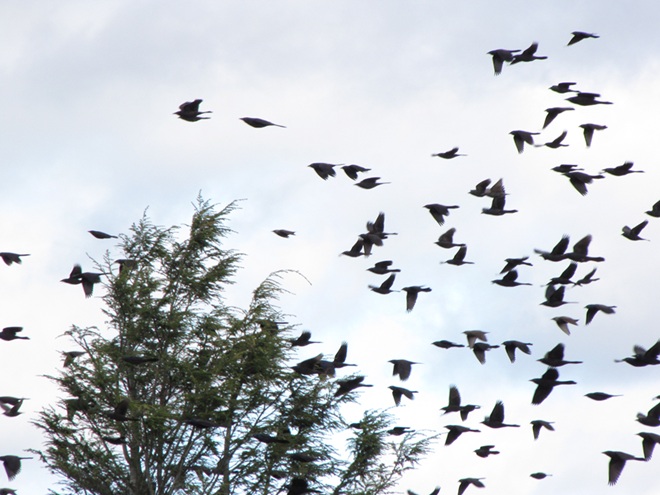
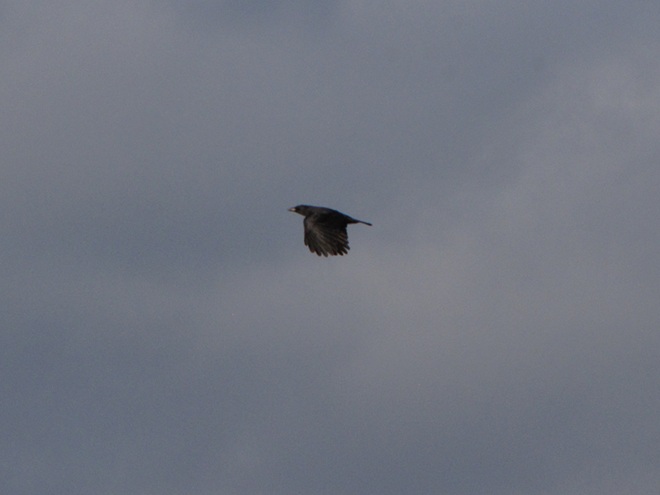
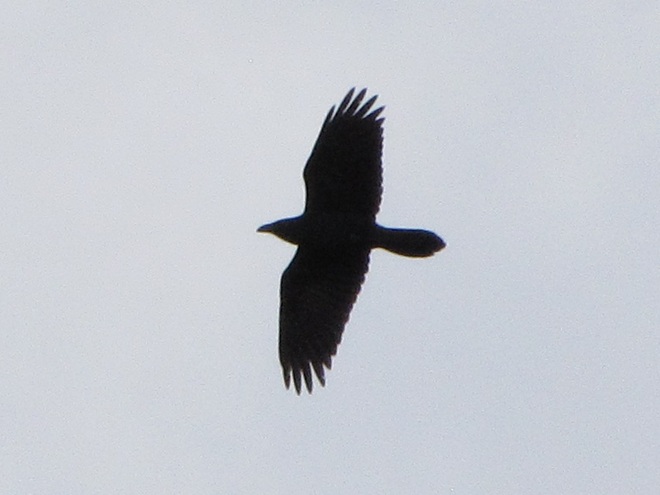
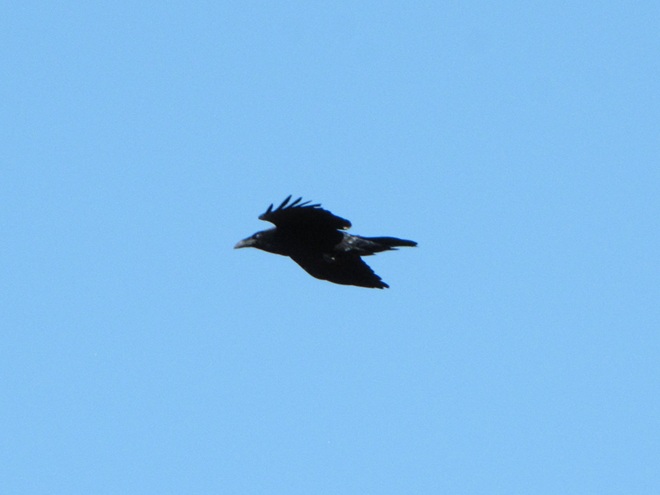
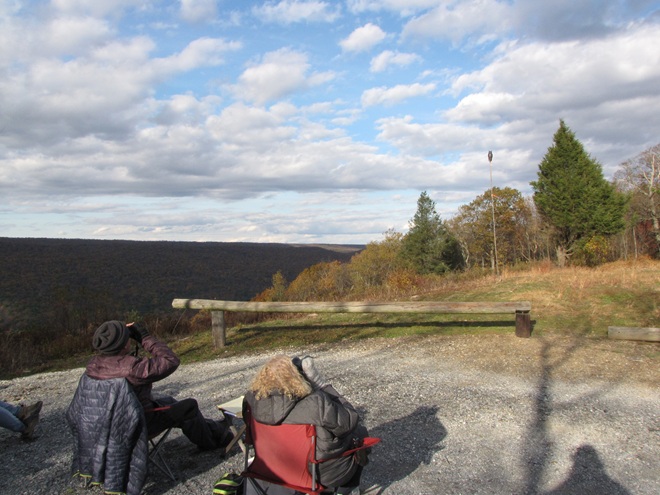
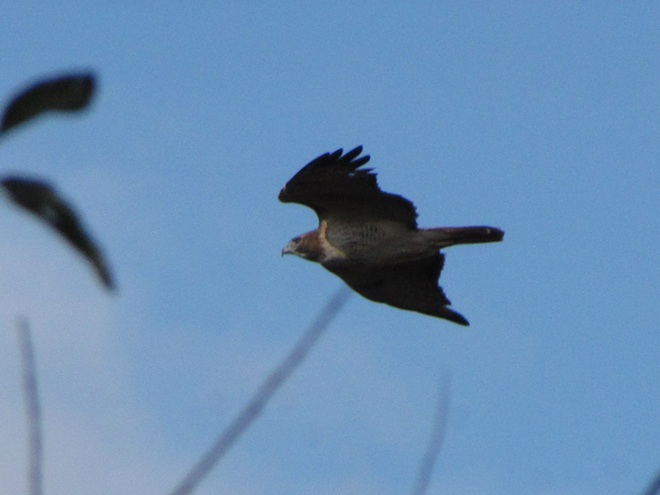
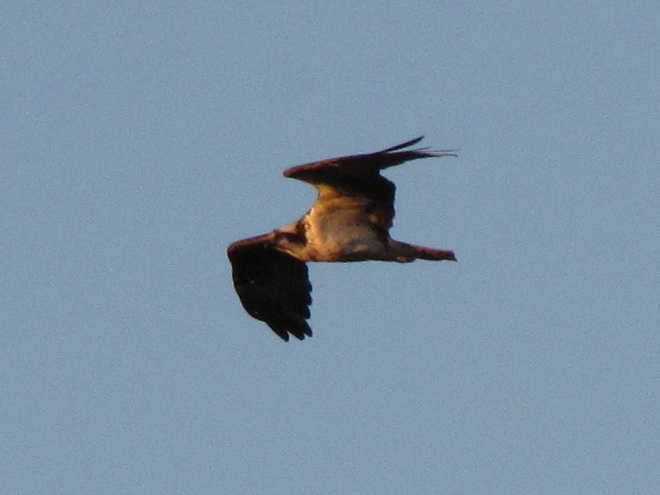
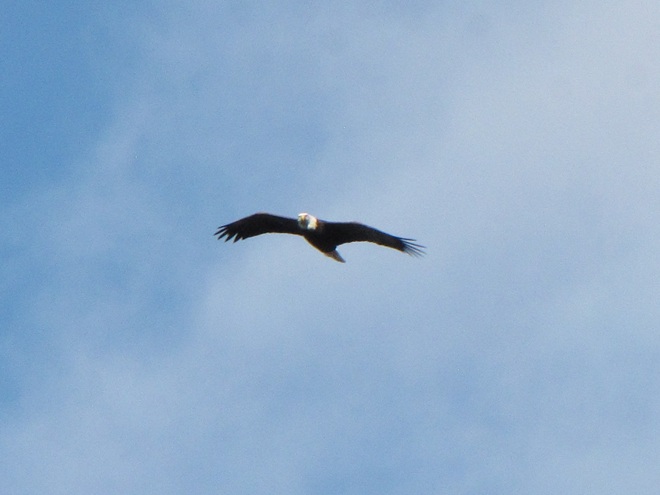
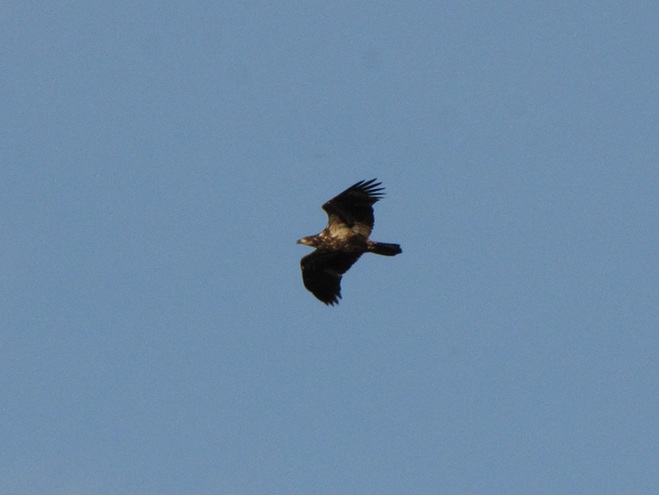
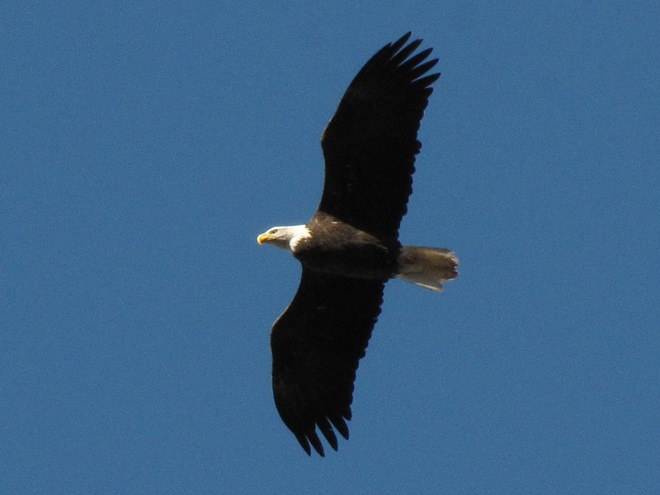
For protection from predators, blackbirds including these Common Grackles typically assemble into sizeable flocks numbering hundreds of birds following the nesting season. These noisy bands of passerines are currently being seen as they move south into the Piedmont and Atlantic Coastal Plain for winter.American Crows are now working their way into the area. To avoid falling prey to owls and other predators during the night, they form often enormous roosts in well-lit urban areas. They spend their days fanning out across the landscape in search of food, primarily relying upon human-generated fare including road kill and scraps found among trash and litter for sustenance.Formerly confined largely to remote mountainous terrain, the crow’s close relative the Common Raven has, during this century, become more widespread and tolerant of human activity.Ravens are frequently seen in small groups of just two to five birds. During November however, they may assemble into playful bands of ten or more birds as they roam the ridges in search of suitable places to pass the winter.Spending time at one or more of the regional hawk-counting stations during coming weeks will afford you not only the chance to see ravens, but many of our largest raptors as well. Their migration is just now reaching its peak.Peak numbers of Red-tailed Hawks are migrating through the area right now. Though their population is in decline overall, they may appear very common along rural roadways and in suburbia during coming weeks as they try to find prey before continuing south. Inexperienced juvenile “red-tails” are particularly vulnerable to fatal traffic mishaps and other hazards during this time. Give them some room if you can.Early November brings the last of the season’s Osprey down local ridges. Many, including this one seen earlier in the week, will fly right up until sunset to expedite their journey to warmer climes.Always a crowd-pleaser among the observers on the lookouts are the eagles.Flights right now consist primarily of Bald Eagles.Updrafts created as strong autumn winds strike the slopes of local ridges are providing the lift needed for these birds to cover many miles per day with minimal energy expended.Right now, migrating Bald Eagle numbers are often exceeding a dozen birds per day at local counting stations. They include those like this one in juvenile (hatch-year) plumage as well as the various molt sequences experienced by immature eagles prior to reaching maturity.But nearly everyone’s favorite is the close approach of a Bald Eagle in definitive adult plumage.At present, Golden Eagle numbers are just starting to build. Look for the peak of their fall migration to arrive in coming weeks. Gusty days following passage of a cold front are often your best bet for seeing these regal raptors from local lookouts.
For more information on regional hawkwatching sites and raptor identification, click the “Hawkwatcher’s Helper: Identifying Bald Eagles and other Diurnal Raptors” tab at the top of this page. And for more on Golden Eagles specifically, click the “Golden Eagle Aging Chart” tab.