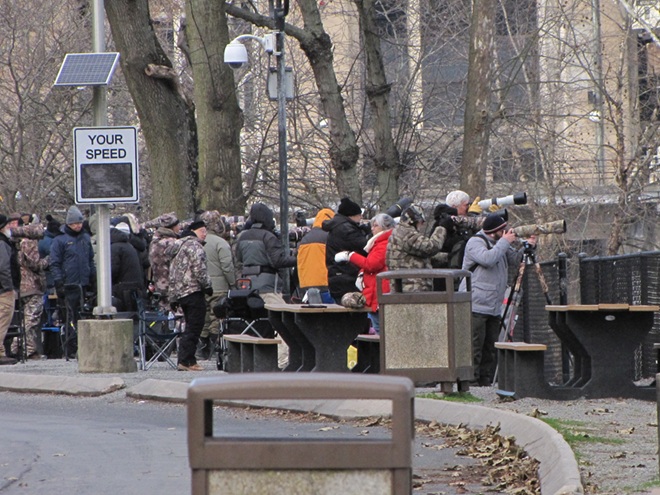
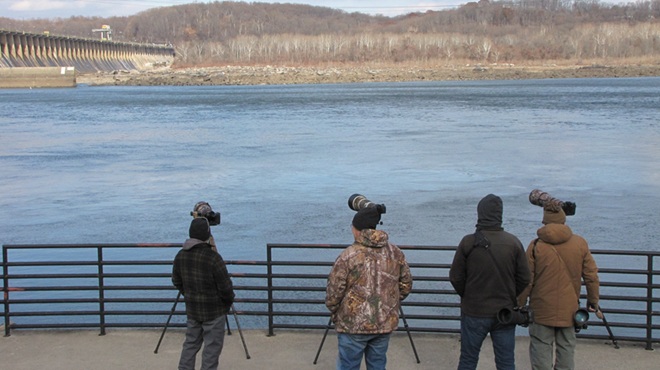
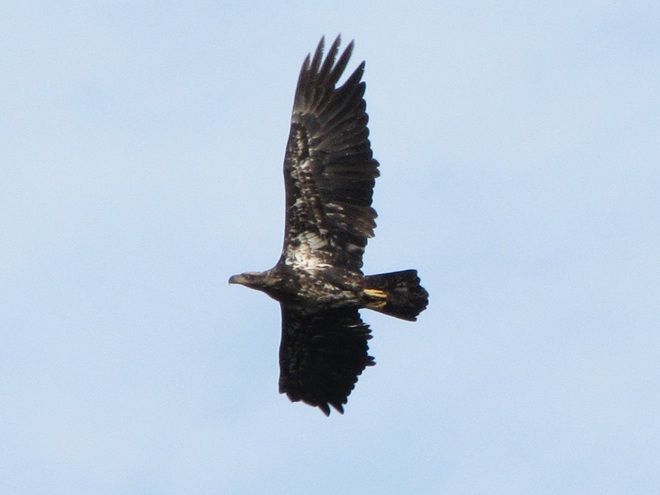
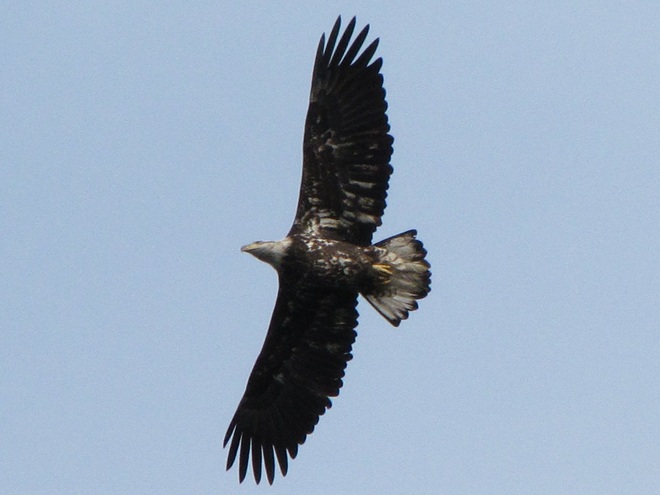
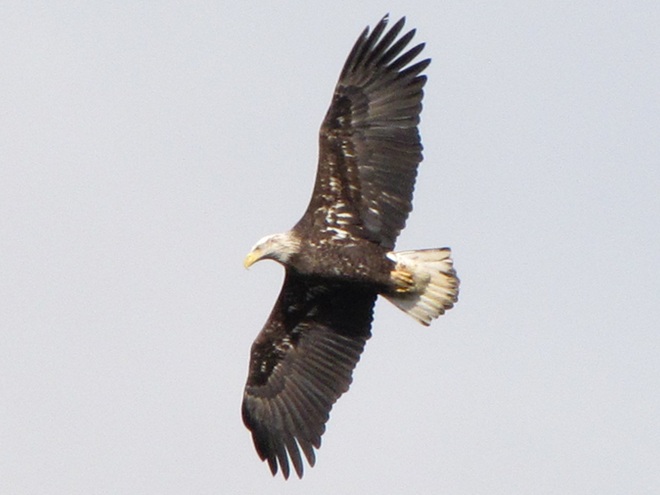
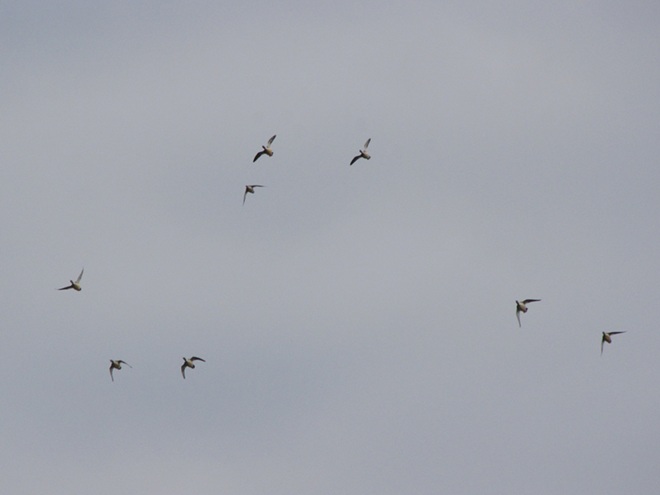
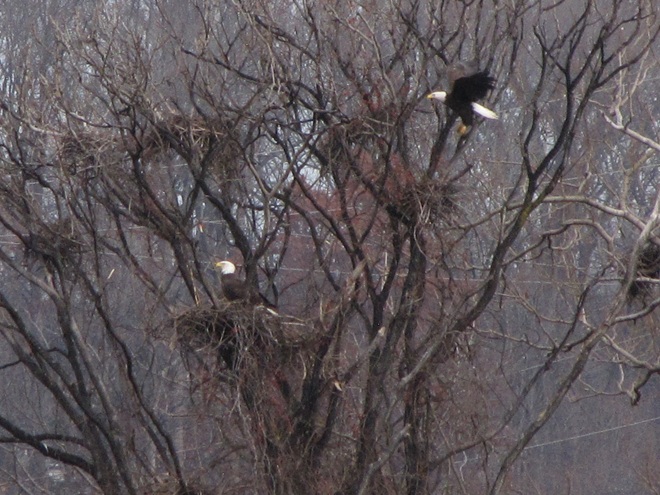
Wintering Bald Eagles are again congregating on the lower Susquehanna River, particularly in the area of Conowingo Dam near Rising Sun, Maryland. To catch a glimpse of the action earlier this week, we took a drive on U.S. Route 1 atop Conowingo’s impounding structure to reach Fisherman’s Park on the river’s west shore below the powerhouse.
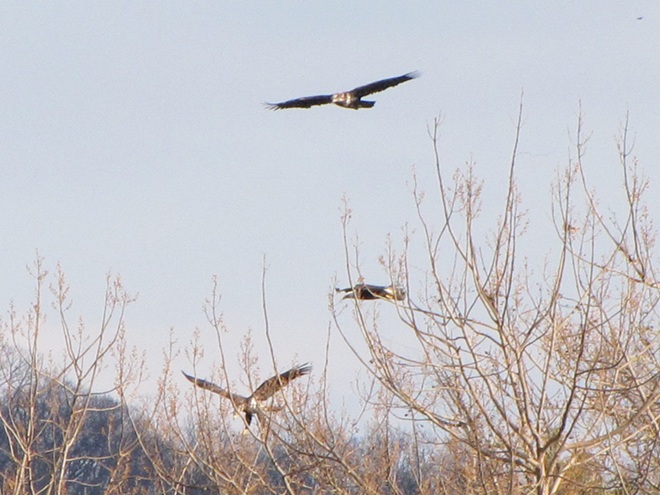
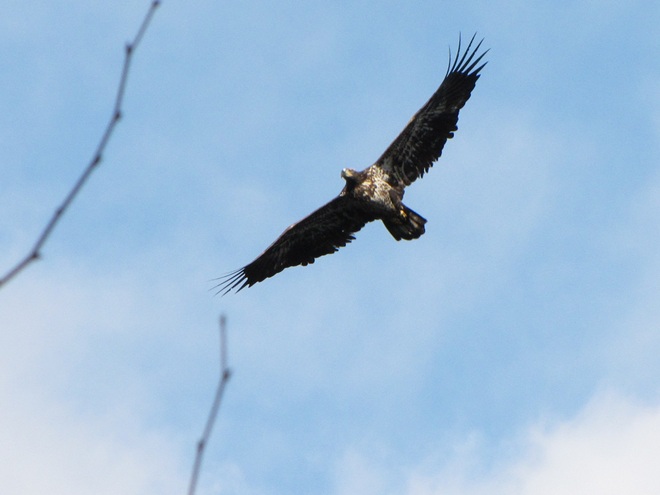
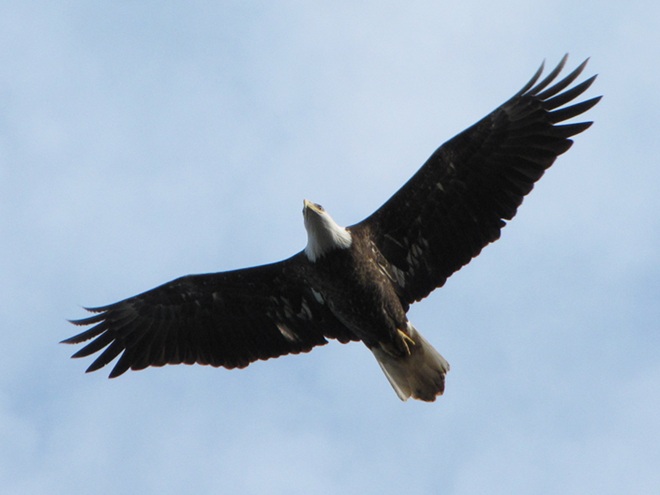
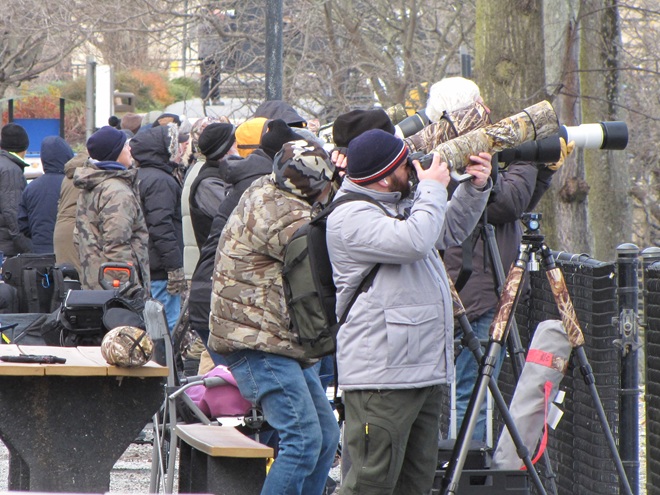
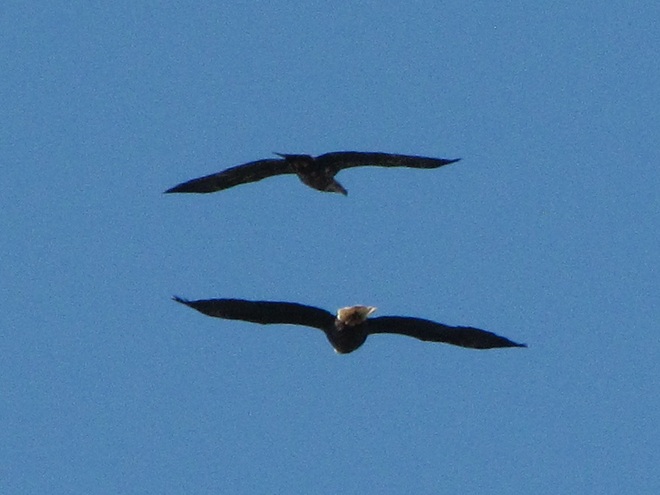
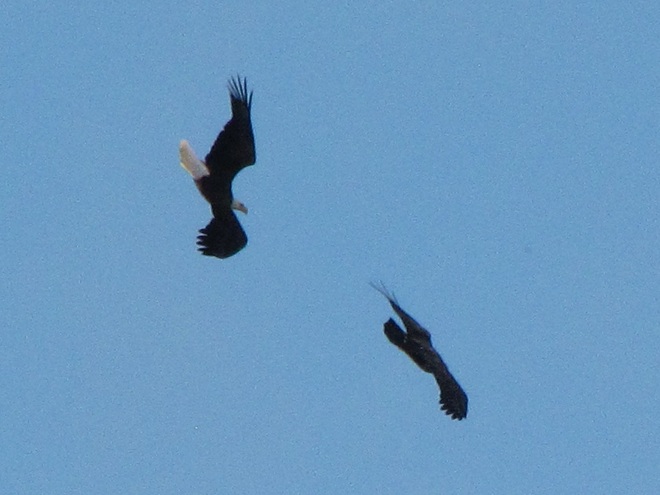
Scores of dedicated eagle watchers and photographers brave the raw weather to see and document the concentration of eagles that gather to feed and roost in the vicinity of Exelon Energy’s Fisherman’s Park.The panoramic view of the Susquehanna from Fisherman’s Park offers excellent opportunities to witness Bald Eagle activity.When you arrive, it’s not unusual to hear the sounds of squabbling eagles immediately upon exiting the shelter of your vehicle. During our visit, we sighted probably 60 to 80 individuals of various age classes among the rocks and trees along the river shorelines below the dam.Soon enough, we experienced a close fly-by from this second-year Bald Eagle.Another of the many second-year Bald Eagles seen on the Susquehanna at Conowingo Dam.We were a little bit concerned to see only one hatch-year (juvenile) Bald Eagle among the birds at Fisherman’s Park. Perhaps the aggressive behavior of the large number of older and more experienced eagles in the area has these first-year individuals shying away. We discerned no third-year birds either, though they may certainly have been present.A probable fourth-year Bald Eagle shows a white head with the remains of a dark line through the eye, a trait often more conspicuous in third-year birds often known as “osprey face” eagles.This probable fifth-year Bald Eagle has nearly lost the dark markings on the head and tail that differentiate immature birds from adults. A molt during the coming year will yield adult plumage and mark the completion of this bird’s sexual maturity.An adult Bald Eagle.Meanwhile, a little action gets the shutters clicking,……a fourth-year Bald Eagle (top) is drawing the ire of an adult bird,……necessitating a reprisal for the taunting behavior.
To the delight of photographers at Conowingo, some of the eagles can be seen grabbing fish, mostly Gizzard Shad, from the tailrace area of the river below the powerhouse. But Bald Eagles are opportunistic feeders, and their feeding habits are similar to those of numerous other birds found in the vicinity of the dam at this time of year—they’re scavengers. Here’s a glimpse of some of the other scavengers found in the midst of this Bald Eagle realm…
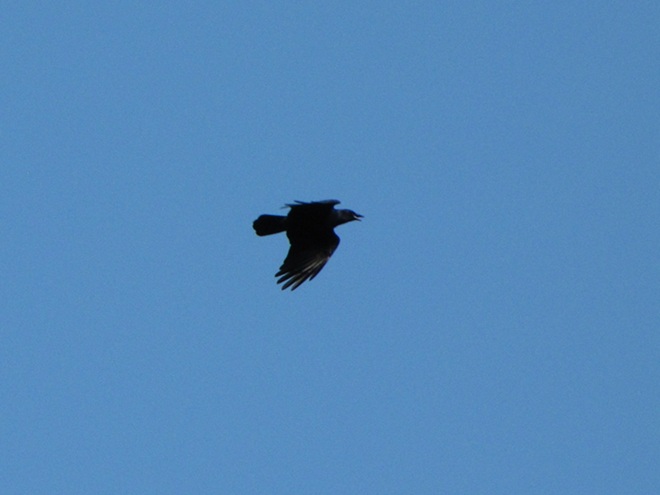
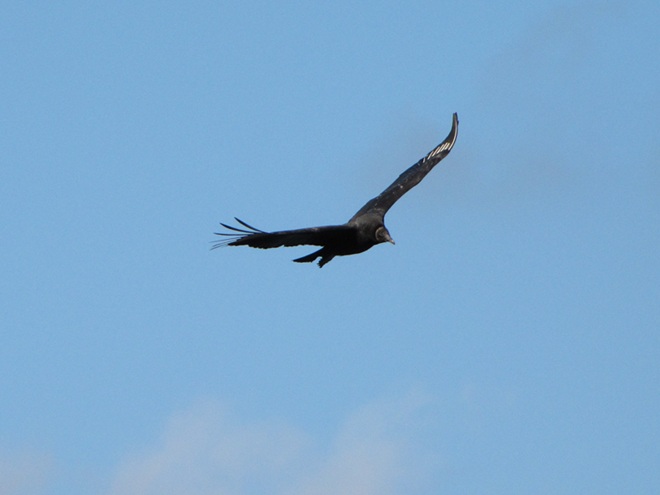
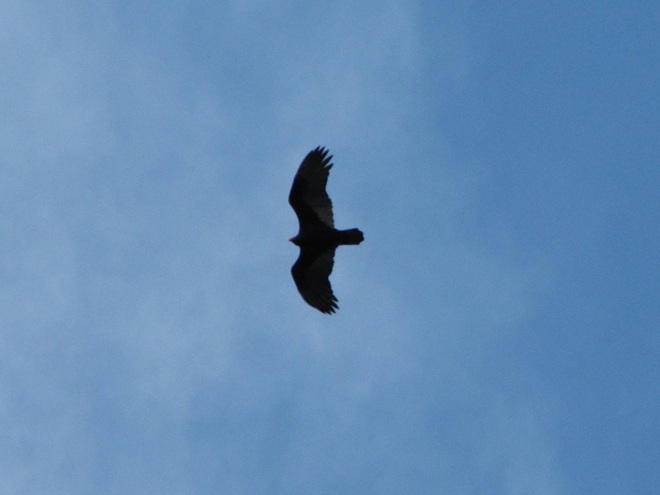
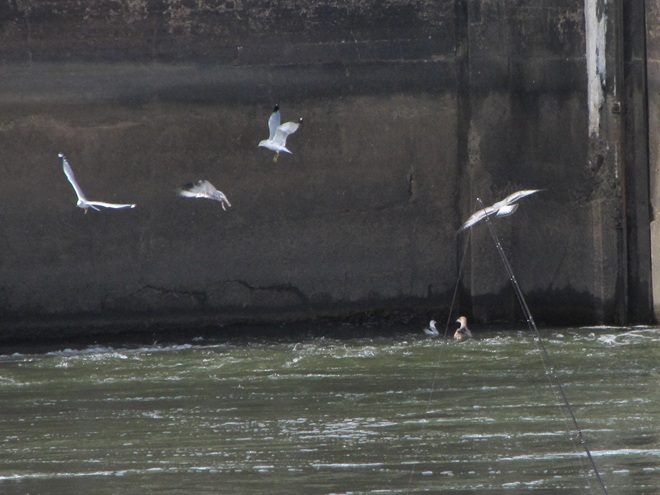
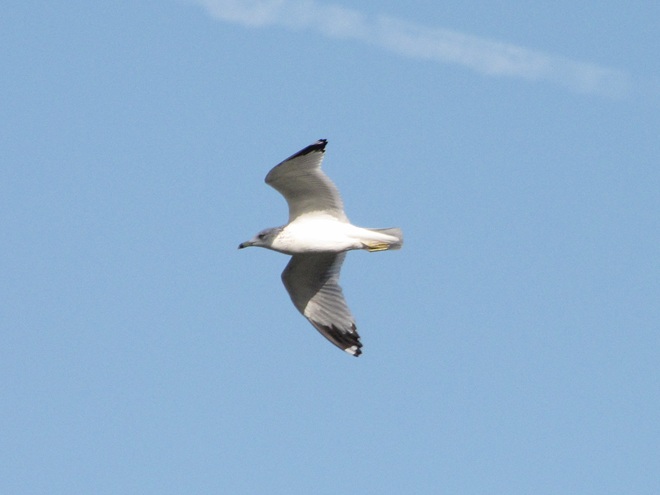
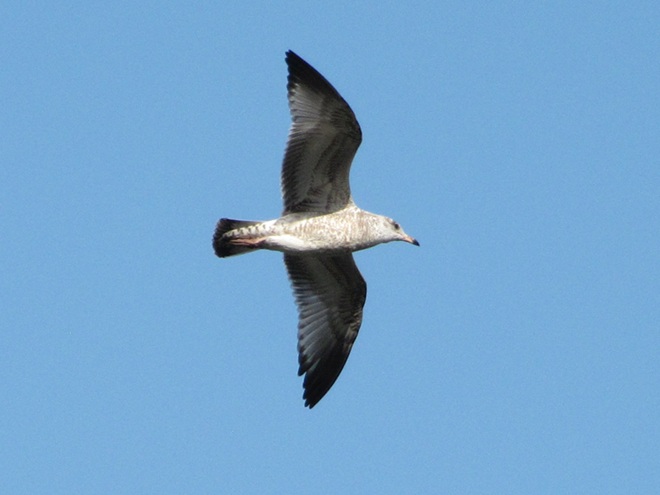
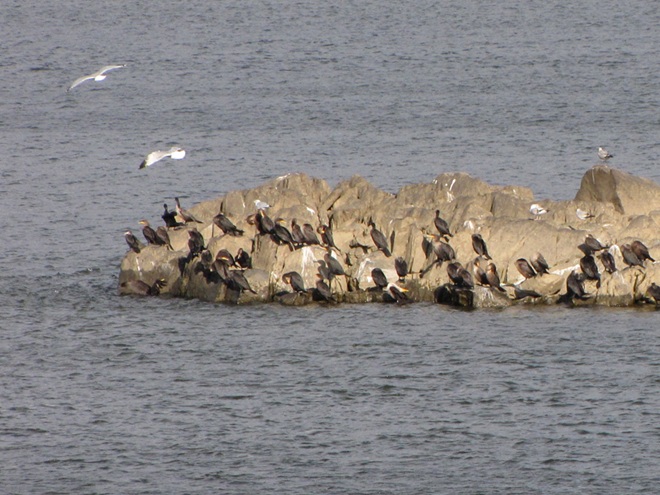
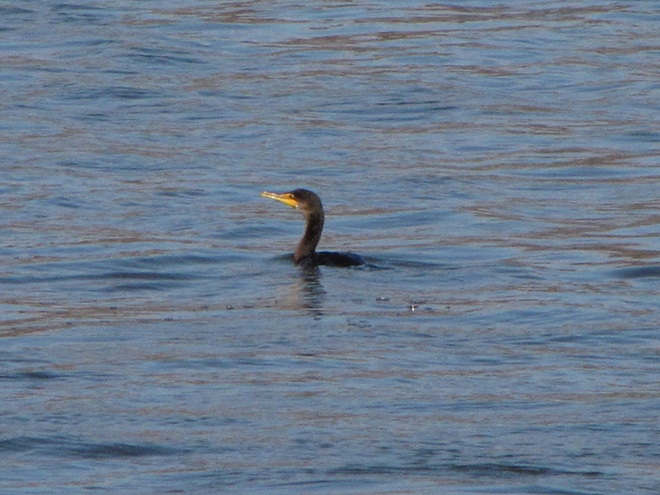
Fish Crows are recognized by their nasal call. They’ll eat almost anything they can find including garbage, fish remains, discarded bait, lunch scraps, road kill, and more.Visitors to Fisherman’s Park are warned to keep out of sight any food they may have stored in their cars. Black Vultures are known to peel rubber away from windows as they search for something to eat, a habit they possibly learned during productive forays to landfills where the edges of rubber coverings sometimes hide a freshly dumped buffet of potential sustenance.During our stop at Conowingo Dam earlier this week, we saw only one Turkey Vulture, though more are certainly in the vicinity feeding on road kill and other carrion.Like eagles, Ring-billed Gulls are opportunistic feeders, seen here looking for disoriented Gizzard Shad and other fish,……then quickly changing focus to check the humans along the shoreline for discarded bait or fumbled snack foods.Even young Ring-billed Gulls learn the value of watching people for activities that provide an opportunity to scavenge food.While Ring-billed Gulls and other scavengers aren’t particularly fussy about what they eat, Double-crested Cormorants are;……they’re targeting Gizzard Shad and other fish in the waters below the dam. Thus, we would categorize cormorants as predators, eating mollusks and other aquatic organisms as well.And while you’re on the lower Susquehanna, keep an eye on the sky. Common Mergansers winter on ice-free sections of the waterway and are now arriving in the vicinity of Conowingo and elsewhere.But if perhaps winter isn’t your thing, don’t despair. These Bald Eagles came upon last year’s Great Blue Heron rookery on the island below the dam and it seems to be giving them some ideas. If you think like an eagle, spring is just weeks away!