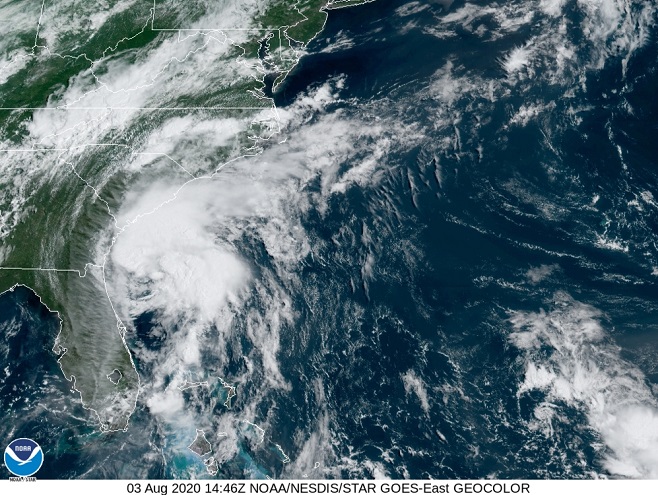
After threading its way through waves of Saharan dust plumes, Tropical Storm Isaias, or the remnants thereof, is making a run up the eastern seaboard toward the lower Susquehanna watershed.
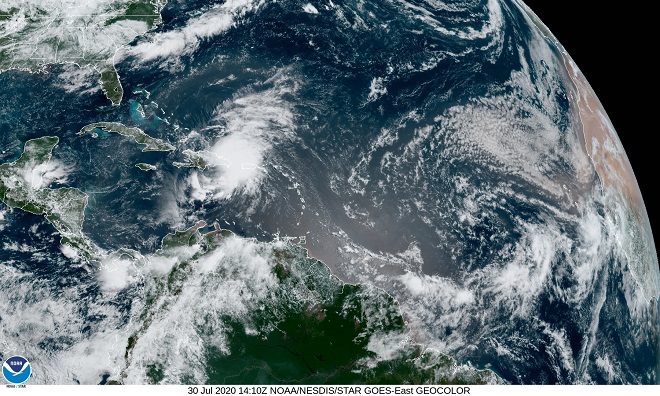
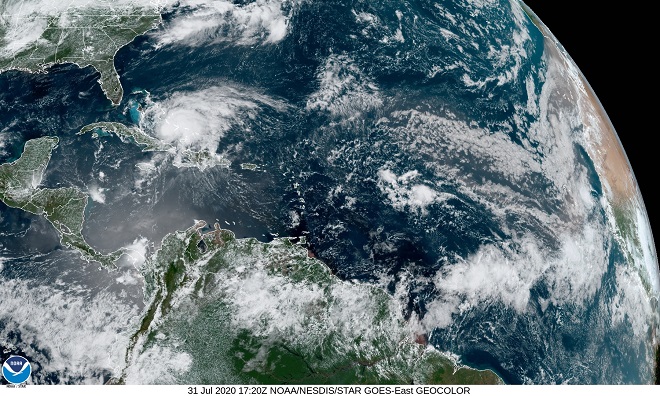
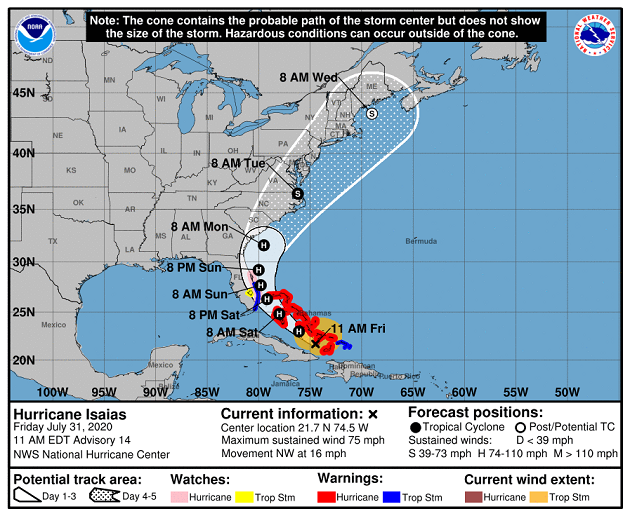
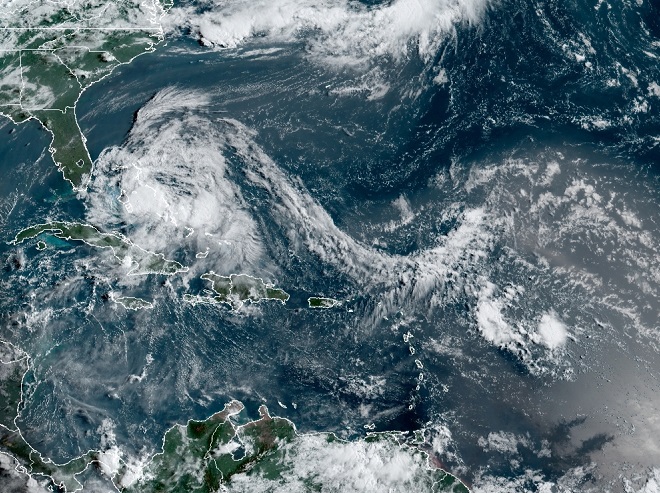
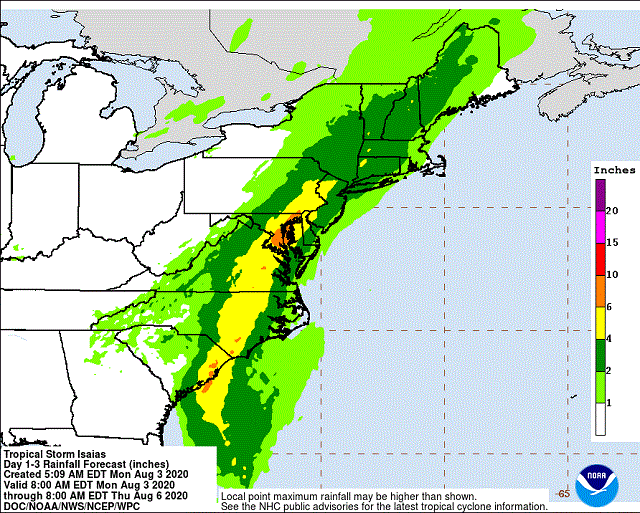
Isaias formed just off the northernmost tip of the South American continent. It drifted north in a narrow pocket between two waves of the Saharan dust plume and, on July 30, strengthened to tropical storm status while in the vicinity of Puerto Rico. (CIRA/NOAA image)In this image taken on Friday, note the position of the fast-moving dust plume that was to the southeast of Isaias just a day earlier. With the storm now clear of the dry Saharan air, it strengthens to become Hurricane Isaias. (CIRA/NOAA image)On Friday, the National Hurricane Center issues advisors expecting the strengthening Isaias to sweep the Atlantic coasts of Florida, Georgia, and South Carolina as a hurricane with winds of 74 miles per hour or greater. (NOAA/National Hurricane Center image)Then on Saturday, Isaias appears to be back in the dirt. Did the counterclockwise rotation of the atmosphere around Isaias draw in Saharan dust and dry air to weaken the storm? Whatever the cause, Isaias is downgraded to a strong tropical storm with maximum sustained winds of 70 miles per hour. (CIRA/NOAA image)The latest image of Tropical Storm Isaias. (CIRA/NOAA image)The latest forecast projects Isaias will briefly reach hurricane status later today before making landfall in South Carolina and again weakening. (NOAA/National Hurricane Center image)Tropical Storm Isaias is expected to bring heavy rain to the lower Susquehanna valley and the Cheapeake Bay region tomorrow (Tuesday). (NOAA/National Hurricane Center image)
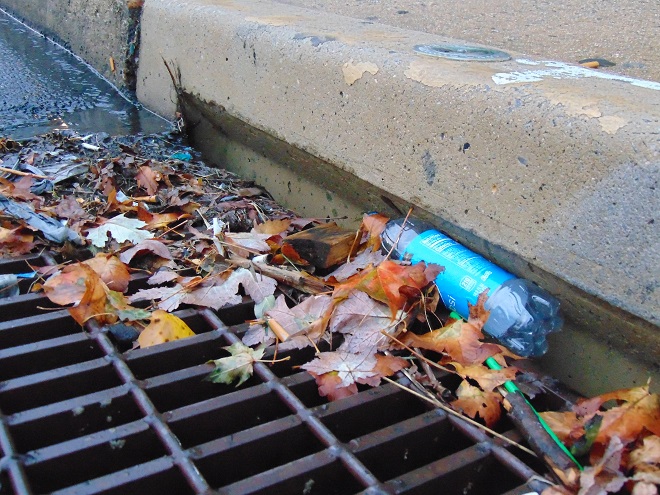
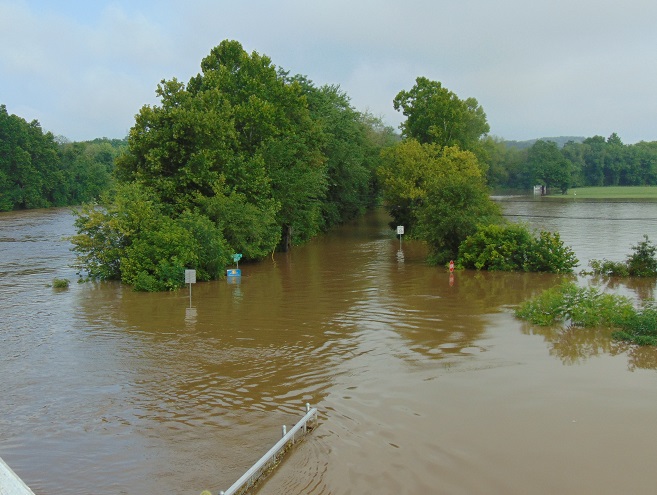
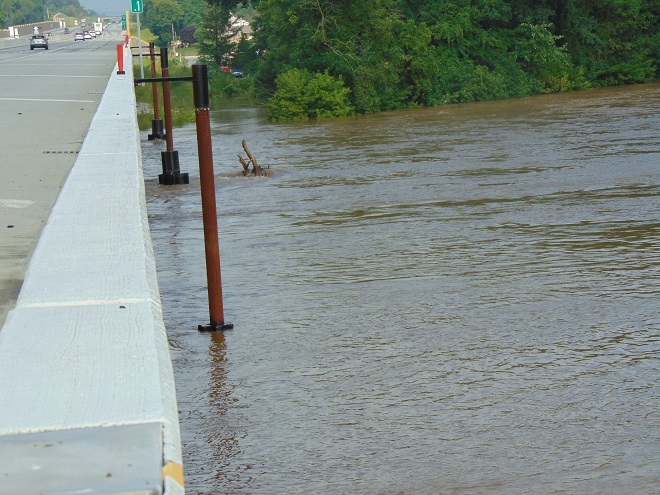
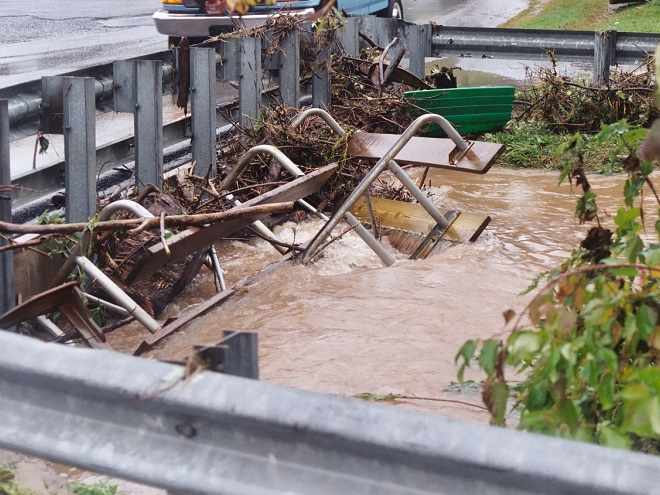
Heavy rain and flooding appears likely, particularly east of the Susquehanna. Now might be a good time to clean up the trash and garbage that could clog nearby storm drains or otherwise find its way into your local waterway. NOW is the time to get all your stuff out of the floodplain! The car, the camper, the picnic table, the lawn furniture, the kid’s toys, the soda bottles, the gas cans, the lawn chemicals, the Styrofoam, and all that other junk you’ve piled up. Get that stuff cleaned up and out of the floodway. And of course, get you and your pets out of the there too!
After nearly a full week of record-breaking cold, including two nights with a widespread freeze, warm weather has returned. Today, for the first time this year, the temperature was above eighty degrees Fahrenheit throughout the lower Susquehanna region. Not only can the growing season now resume, but the northward movement of Neotropical birds can again take flight—much to our delight.
A rainy day on Friday, May 8, preceded the arrival of a cold arctic air mass in the eastern United States. It initiated a sustained layover for many migrating birds.
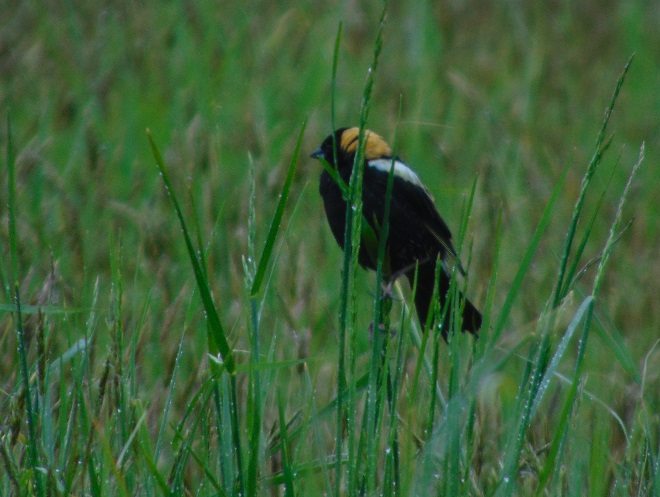
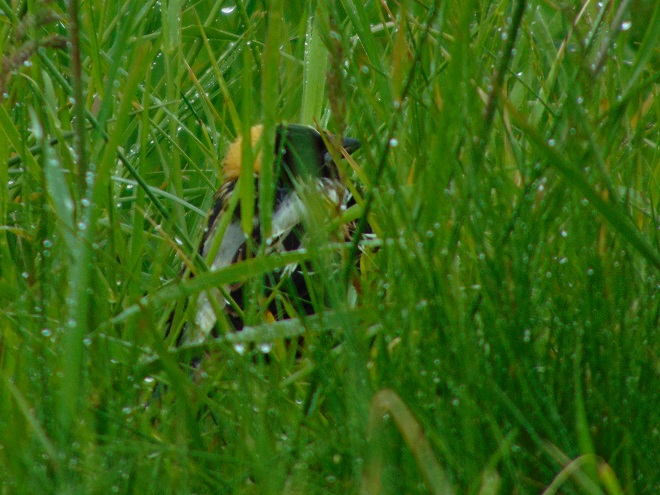
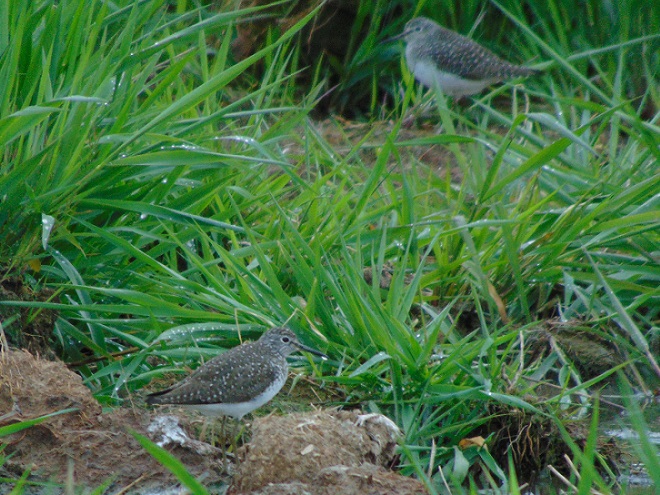
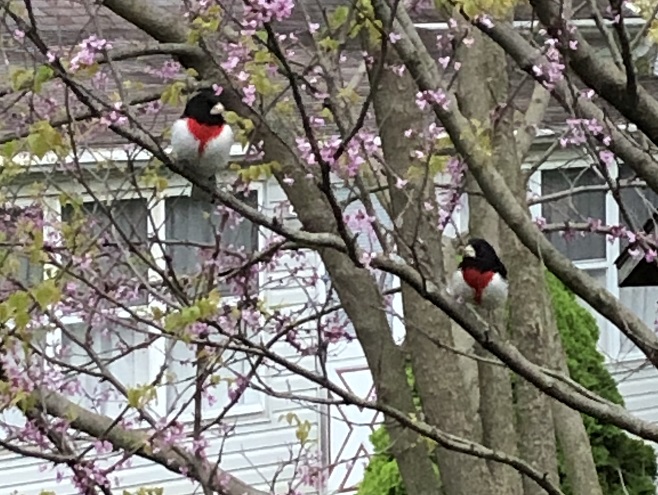
Bobolinks (Dolichonyx oryzivorus) in flocks of as many as fifty birds gathered in weedy meadows and alfalfa fields for the week.A Bobolink sheltering in a field of Sweet Vernal Grass (Anthoxanthum odoratum) during the rain on Friday, May 8th.Two of seven Solitary Sandpipers (Tringa solitaria) in a wet field on Friday, May 8. Not-so-solitary after all.Grounded by inclement weather, Rose-breasted Grosbeaks (Pheucticus ludovicianus) made visits to suburban bird feeders in the lower Susquehanna valley. (Charles A. Fox image)
Freeze warnings were issued for five of the next six mornings. The nocturnal flights of migrating birds, most of them consisting of Neotropical species by now, appeared to be impacted. Even on clear moonlit nights, these birds wisely remained grounded. Unlike the more hardy species that moved north during the preceding weeks, Neotropical birds rely heavily on insects as a food source. For them, burning excessive energy by flying through cold air into areas that may be void of food upon arrival could be a death sentence. So they wait.
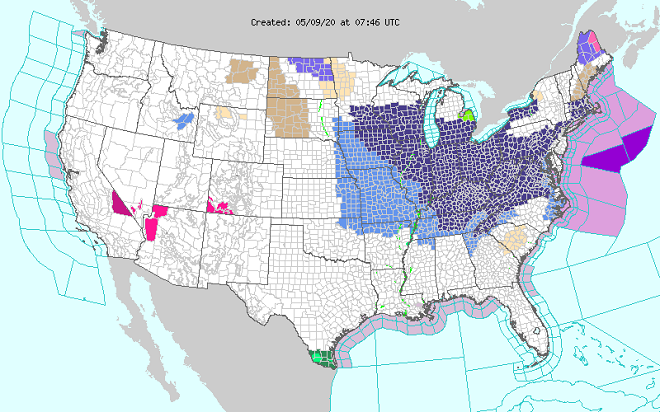
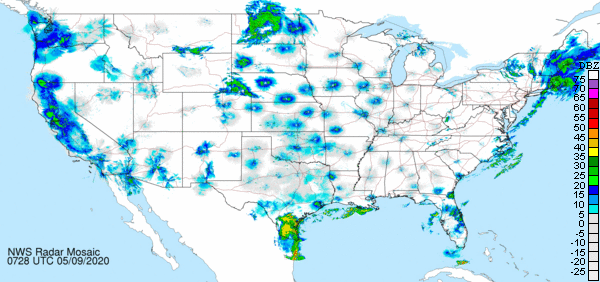
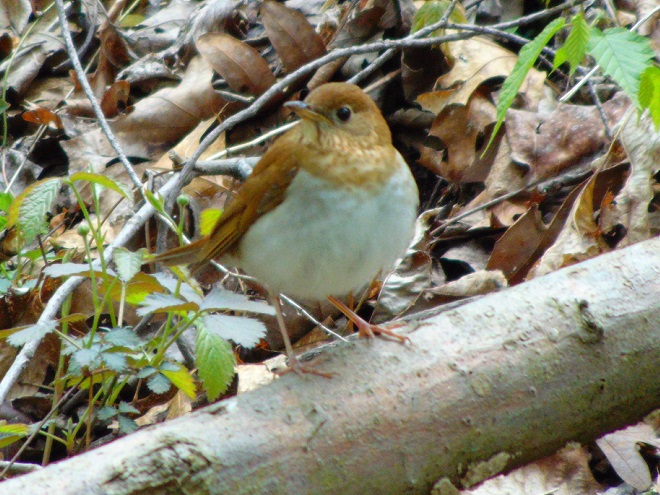
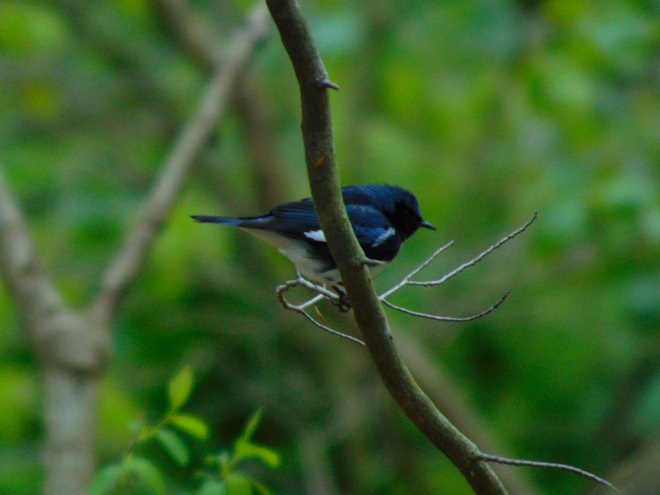
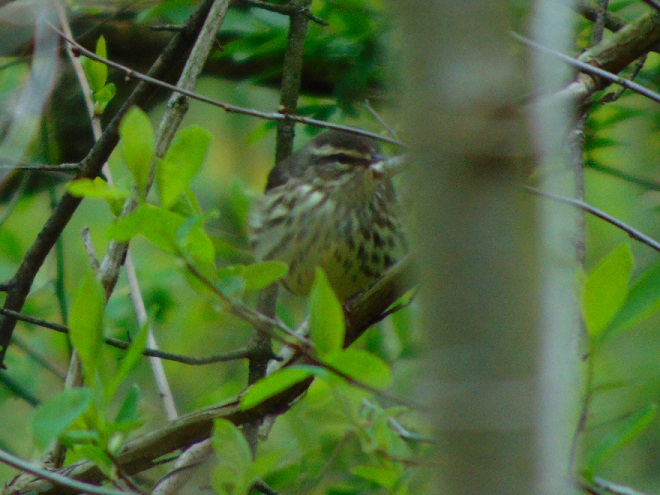
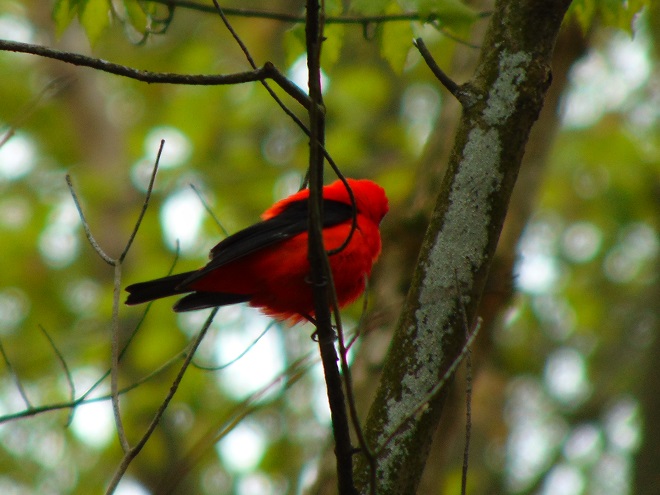
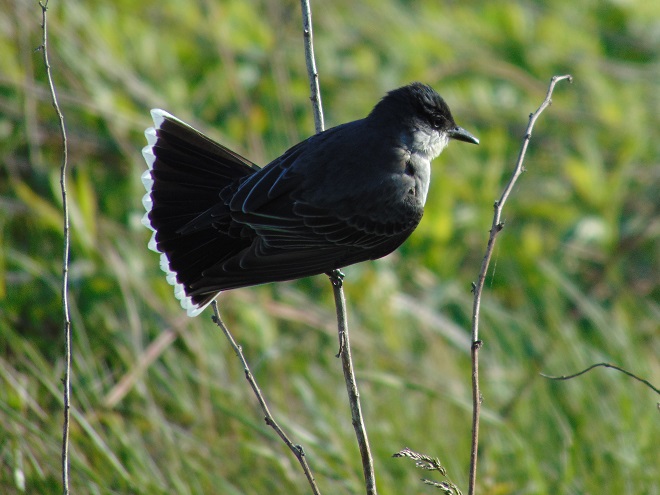
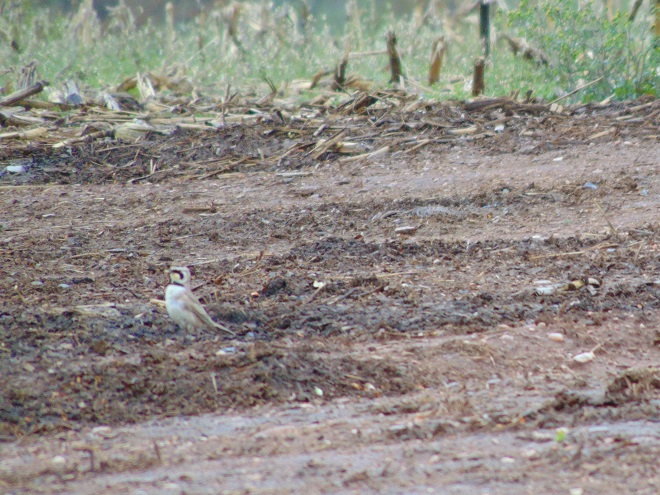
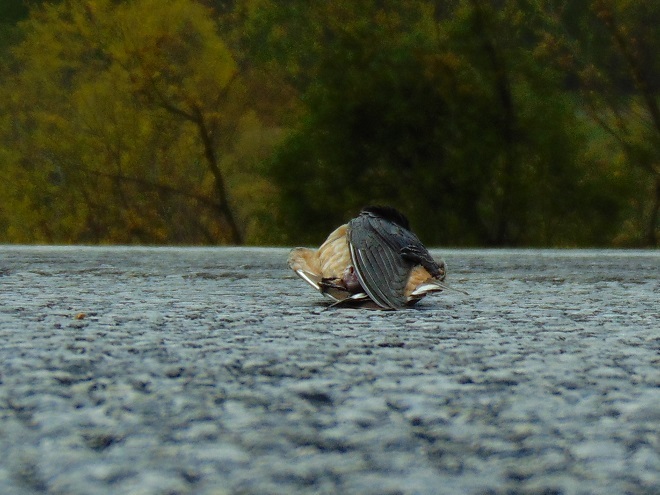
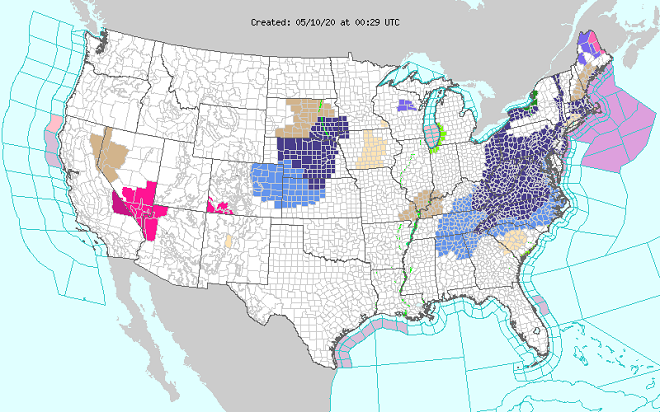
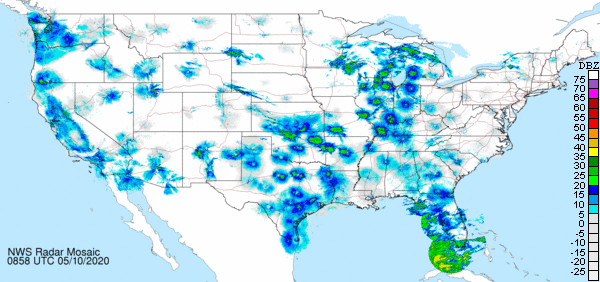
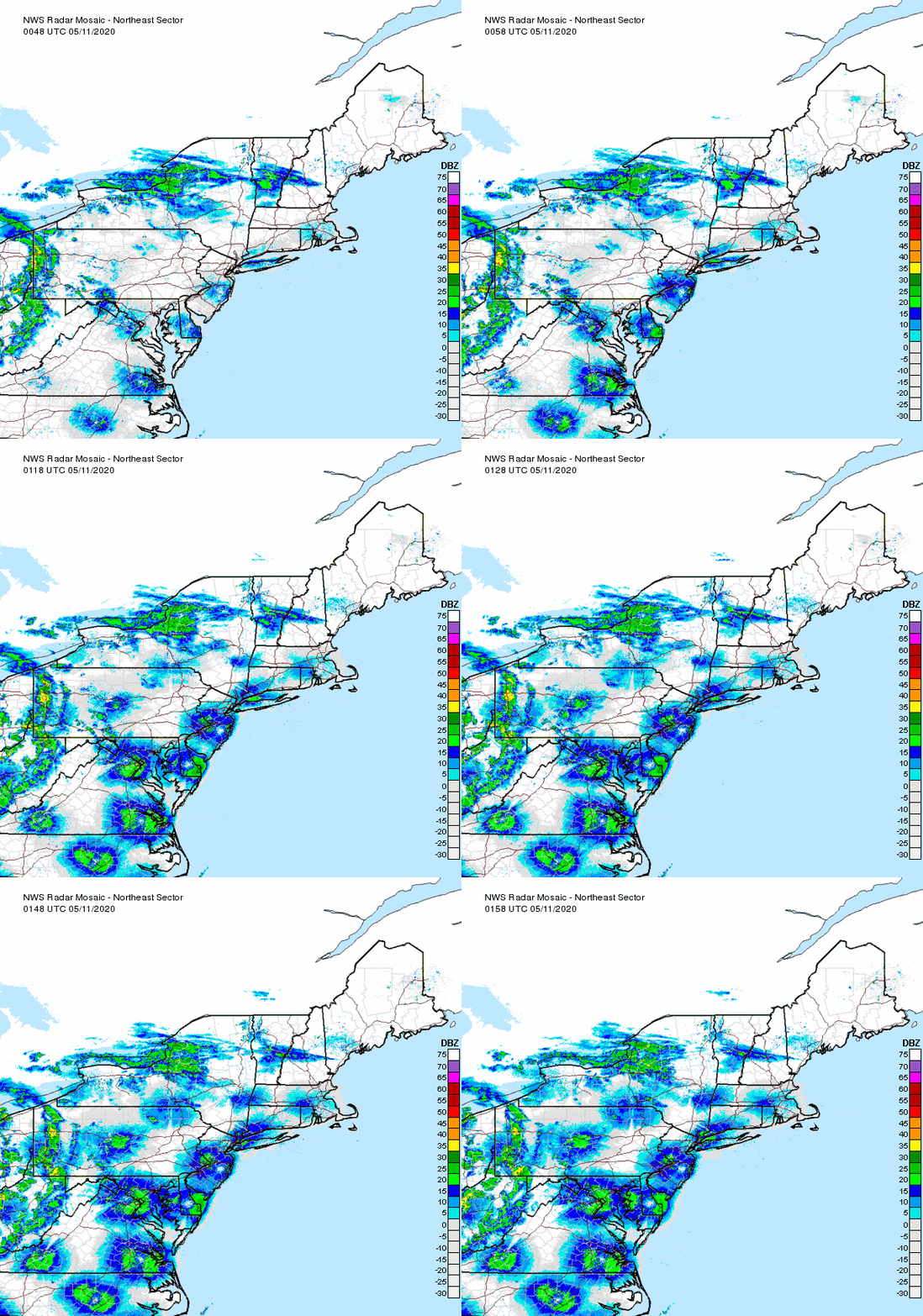
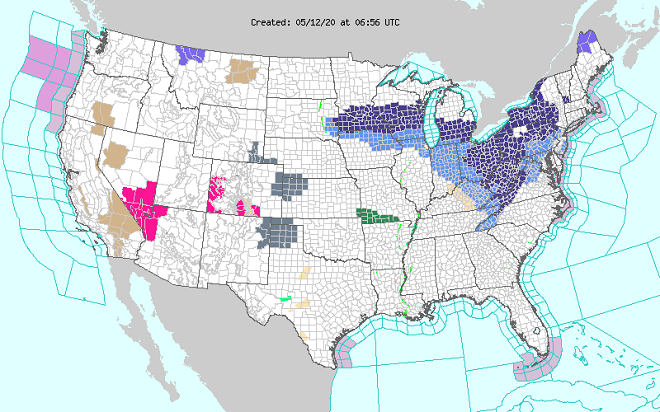
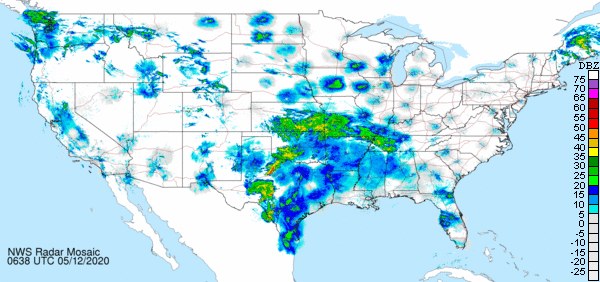
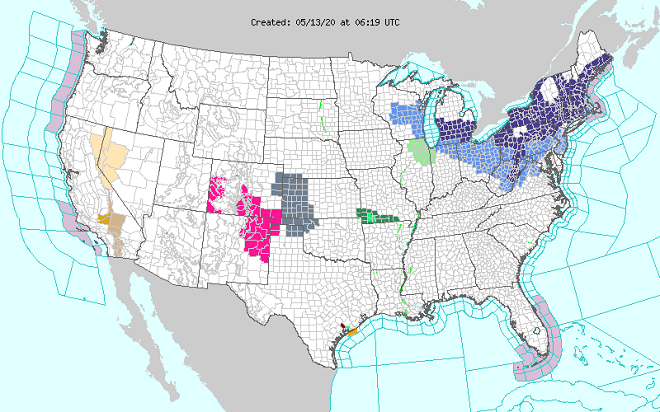
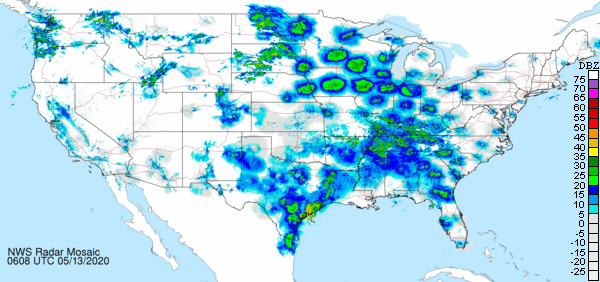
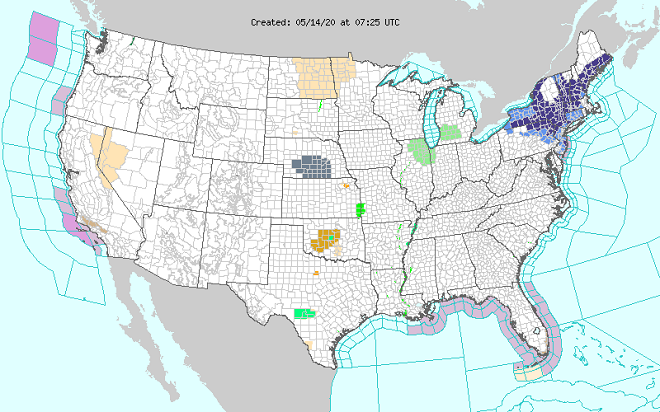
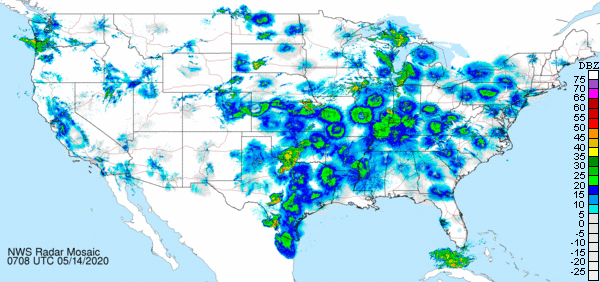
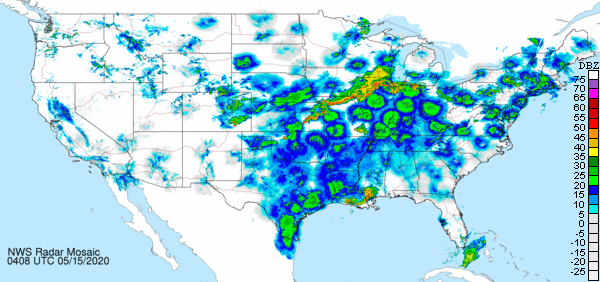
A freeze warning was issued for Saturday morning, May 9, in the counties colored dark blue on the map. (NOAA/National Weather Service image)This radar image from 3:28 A.M. Saturday morning, May 9, indicates a minor movement of birds in the Great Plains, but there are no notable returns shown around weather radar sites in the freeze area, including the lower Susquehanna valley. (NOAA/National Weather Service image)To avoid the cold wind on Saturday, May 9, this Veery was staying low to the ground within a thicket of shrubs in the forest.This Black-throated Blue Warbler avoided the treetops and spent time in the woodland understory. He sang not a note. With birds conserving energy for the cold night(s) ahead, it was uncharacteristically quiet for the second Saturday in May.A secretive Northern Waterthrush (Parkesia noveboracensis) remained in a wetland thicket.A Scarlet Tanager (Piranga olivacea) tucks his bill beneath a wing and fluffs-up to fight off the cold during a brief May 9th snow flurry.In open country, gusty winds kept Eastern Kingbirds, a species of flycatcher, near the ground in search of the insects they need to sustain them.Horned Larks are one of the few birds that attempt to scratch out an existence in cultivated fields. The application of herbicides and the use of systemic insecticides (including neonicotinoids) eliminates nearly all weed seeds and insects in land subjected to high-intensity farming. For most birds, including Neotropical migrants, cropland in the lower Susquehanna valley has become a dead zone. Birds and other animals might visit, but they really don’t “live” there anymore.Unable to find flying insects over upland fields during the cold snap, swallows concentrated over bodies of water to feed. Some Tree Swallows may have abandoned their nests to survive this week’s cold. Fragmentation of habitats in the lower Susquehanna valley reduces the abundance and diversity of natural food sources for wildlife. For birds like swallows, events like late-season freezes, heat waves, or droughts can easily disrupt their limited food supply and cause brood failure.For this Barn Swallow, attempting to hunt insects above the warm pavement of a roadway had fatal consequences.Another freeze warning was issued for Sunday morning, May 10, in the counties colored dark blue on this map. (NOAA/National Weather Service image)This radar image from 4:58 A.M. Sunday morning, May 10, again indicates the absence of a flight of migrating birds in the area subjected to freezing temperatures. Unlike migrants earlier in the season, the Neotropical species that move north during the May exodus appear unwilling to resume their trek during freezing weather. (NOAA/National Weather Service image)On Sunday evening, May 10, a liftoff of nocturnal migrants is indicated around radar sites along the Atlantic Coastal Plain and, to a lesser degree, in central Pennsylvania. The approaching rain and yet another cold front quickly grounded this flight.After a one day respite, yet another freeze warning was issued for Tuesday morning, May 12. (NOAA/National Weather Service image)And again, no flight in the freeze area. (NOAA/National Weather Service image)The freeze warning for Wednesday morning, May 13. (NOAA/National Weather Service image)And the nocturnal flight: heavy in the Mississippi valley and minimal in the freeze area. (NOAA/National Weather Service image)The freeze on Thursday morning, May 14. (NOAA/National Weather Service image)At 3:08 A.M. on May 14th, a flight is indicated streaming north through central Texas and dispersing into the eastern half of the United States, but not progressing into New England. (NOAA/National Weather Service image)The flight at eight minutes after midnight this morning. Note the stormy cold front diving southeast across the upper Mississippi valley. As is often the case, the concentration of migrating birds is densest in the warm air ahead of the front. (NOAA/National Weather Service image)
Today throughout the lower Susquehanna region, bird songs again fill the air and it seems to be mid-May as we remember it. The flights have resumed.
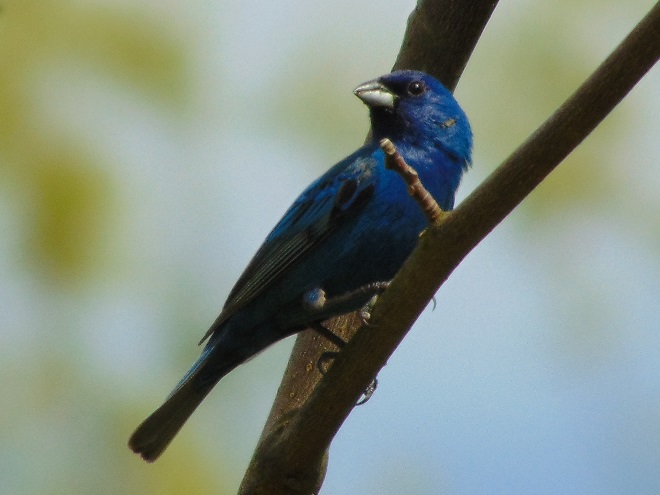
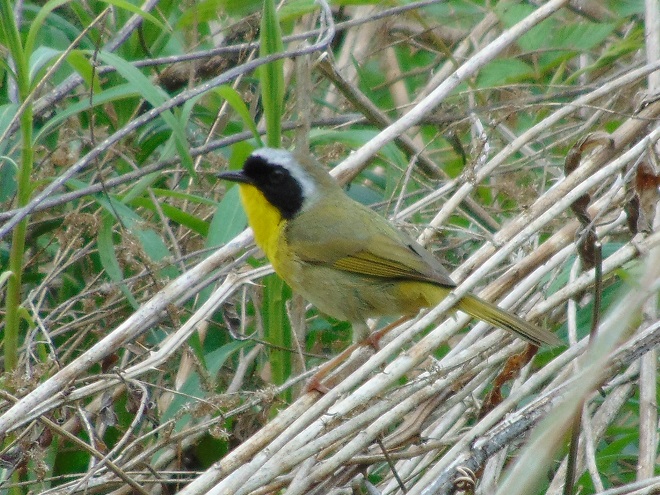
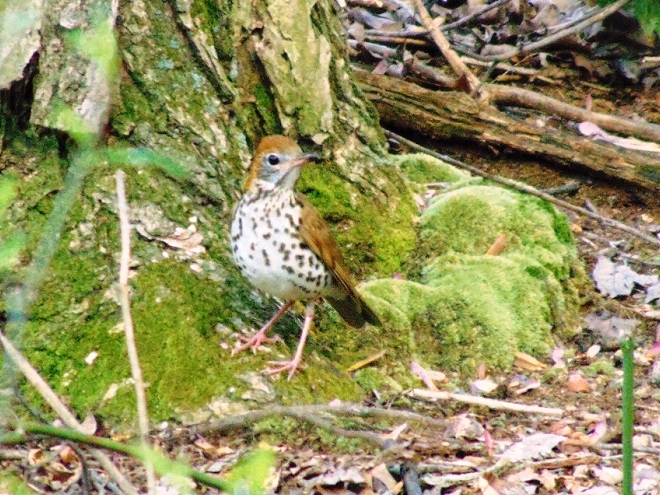
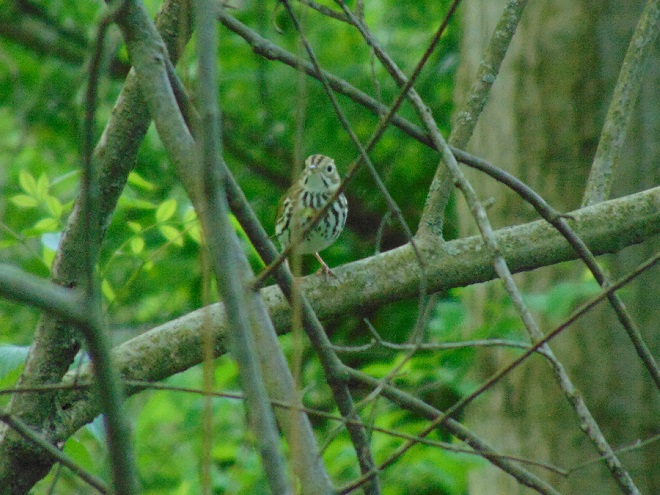
Indigo Bunting numbers are increasing as breeding populations arrive and migrants continue through. Look for them in thickets along utility and railroad right-of-ways.Common Yellowthroats and other colorful warblers are among the May migrants currently resuming their northward flights.The echoes of the songs of tropical birds are beginning to fill the forests of the lower Susquehanna watershed. The flute-like harmonies of the Wood Thrush are among the most impressive.Ovenbirds are ground-nesting warblers with a surprisingly explosive song for their size. Many arrived within the last two days to stake out a territory for breeding. Listen for “teacher-teacher-teacher” emanating from a woodland near you.
It’s interesting to watch germophobes—and now coronaphobes—in action.
Some germophobes are very sanitary. They’ve practiced aseptic measures for most of their lives and have learned how clean and disinfect themselves and their surroundings quite well. Good for them.
Then there are those germophobes who are really bad at it. They’ve had years and years of practice, but they still can’t get it right. The public restroom is their absolute worst terror. They’ll empty the soap and sanitizer bottles into the mounds of paper towels they’ve stripped from the dispensers on the wall. Then they’ll wipe and scrub the privacy walls, flushable fixture, counter top, and sink they intend to use. (They don’t seem to bother with cleaning the mirrors though; I guess they’re too busy.) The puddles of dripped water leave a trail from the sink to their chosen stall of comfort. Then more paper towels are hauled off to try to dry the sloppy mess they’ve made. Then comes the clincher—not daring to get near a dirty trash can, they flush the giant wad of paper down the toilet and clog it. In frustration, they flush again and again until finally, they flood the entire restroom with sewer water. Then they panic and scurry away without ever finishing the business they started, if you know what I mean. How does your editor know these things? Well, for several years your friendly editor was a repairman in a series of very busy travel terminals, and it was he who got the call to undo the damage. It was an absolute nightmare, and it happened almost every day.
Now that we’re under don’t-call-it-martial-law-martial-law and compliant types are wearing masks while they work or cure their uncontrollable cravings to shop, it’s getting difficult to separate the germophobes from all these coronaphobes and other mask newbies.
I suspect that the handful of people I see in public using a mask as it was designed and then disposing of it properly upon removal have had some sort of medical or laboratory experience sometime in their lives—or they’re one of the skilled master germophobes. Good for them.
The real challenge comes when trying to separate the bumbling germophobe from the new recruits—the sloppy coronaphobes and the not-so-inspired mask-wearers who have been coerced into donning a rag so that they can work or get food. They all share a set of common practices that make telling them apart impossible. First, they’re fussing with the mask. They’ve got their hands on it. They’re pulling it up. Then they’re pulling it down, moving it to their left, then to their right. Crud on their hands gets on the mask, and the creepy crawlies from the mask get on their hands. Mask to hands to everything they touch. It’s almost the equivalent of having their hands in their mouth before pulling them out to grab the door handle, merchandise, or money. Then there’s this common sight—they pull the mask down around their neck for a while, just to smear the stuff that’s inside the mask onto the outside surface, and vice versa. It’s a microbiologists dream (or nightmare) by now. Then they’ll walk around with the mask down over their mouth without it covering their nose, maybe for a half hour or so. Breathing all over the outside before reaching up and pulling it over their nose again. On and on this goes, sometimes for hours or maybe even the whole day. Best of all though is the removal of the mask. It doesn’t go into the trash. Nope, might need it again sooner or later. It’s on the desk, the papers, and the keyboard. Then, it’s hanging over the chair for a while to dry off a little bit. It’s on the dashboard, the car seat, or hanging around the rear view mirror. Look, the dog’s playing with it. Isn’t that cute. Yeah, swell. It might even end up in the grocery bag, but never ever in the trash. And for the life of me, I can’t tell if I’m watching a really fouled-up germophobe or a new amateur in action.
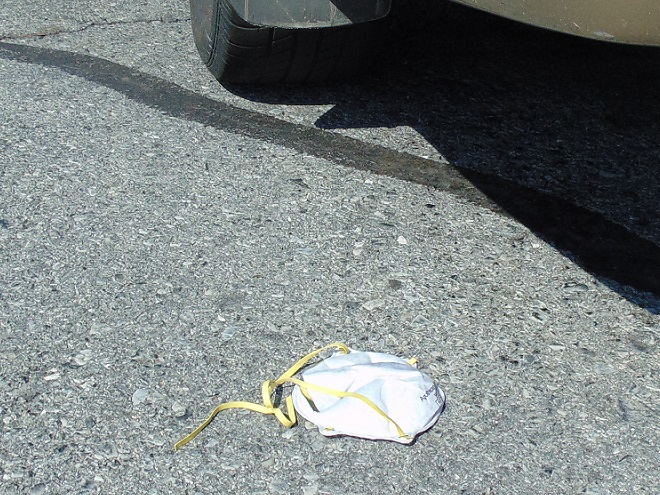
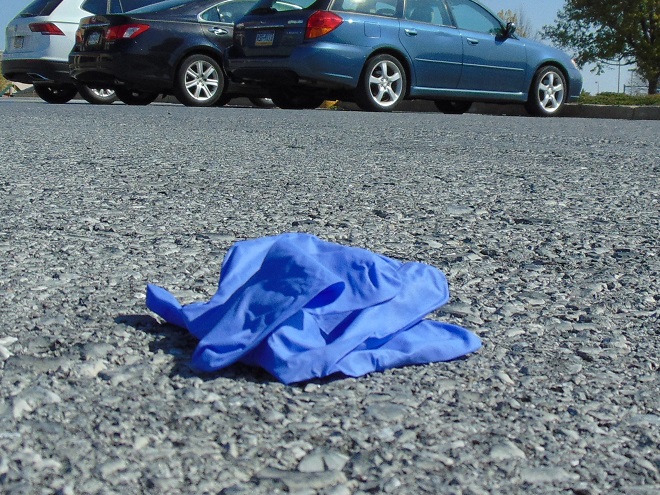
The new sign of a slob in local parking lots. Is it a coronaphobe or just a ticked-off shopper who is sick of being coerced into wearing these things?It’s a pretty good bet that someone tossing a mask and a pair of gloves before darting away is a coronaphobe.
Let’s face it—the use of masks by the general public is a placebo. They aren’t being used correctly and because of it, they offer minimal, if any, protection. Despite rhetoric to the contrary, people wearing masks voluntarily wear them in an attempt to protect themselves, number one, numero uno. These are the coronaphobes. They want to coerce others into wearing masks so that they themselves might be protected. The Republicrats, Democans, bureaucrats, and corporations running “Operation Boxer Shorts” (Objective: cover your @&&) have ignored the advice of researchers on the matter to go along with this silliness—to protect and/or further their own enterprise no doubt. The Centers for Disease Control say they reversed their own advice on masks-for-all not because there’s sound evidence that their effect outweighs their misuse, but because asymptomatic cases of Wuhan flu were discovered. As Foster Brooks used to say, “cockypop!” But okay, fine, so we’ll wear a mask, even though it’s more of a placebo than a prophylactic. We’ll do it just to make you happy. But could you at least pick up after yourself and wash your hands? Oh, and put the masks and gloves in the trash, don’t flush em’ down the commode. Thanks!
I keep wondering how all of this is gonna shake out in Sweden. You know, Sweden, where they didn’t have a lock-down to eviscerate small business and labor while fighting the flu. Yeah, Sweden, where they’re trying a defensive-offensive strategy—protect the most vulnerable (the defense) while allowing natural resistance to develop among enough members of the population to cripple transmission of SARS-CoV-2 (the offense). I’ve been very interested in that strategy. I’ll be watching.
Just in case anybody feels the need, here, again, are the sources on mask wearing.
SOURCES THAT APPARENTLY NOBODY READS
Broseau, Lisa M., and Margaret Seitsema. 2020. “Commentary: Masks-for-all for COVID-19 Not Based on Sound Data”. University of Minnesota Center for Infectious Disease Policy https://www.cidrap.umn.edu/news-perspective/2020/04/commentary-masks-all-covid-19-not-based-sound-data Accessed April 10, 2020.
Davies, Anna, Katy-Anne Thompson, Karthika Giri, George Kafatos, Jimmy Walker, and Alan Bennett. 2013. “Testing the Efficacy of Homemade Masks: Would They Protect in an Influenza Pandemic?”. Disaster Medicine and Public Health Preparedness. 7:4. pp. 413-418.
MacIntyre, C. Raina, Holly Seale, Tham Chi Dung, Nguyen Tran Hien, Phan Thi Nga, Abrar Ahmad Chughtai, Bayzidur Rahman, Dominic E. Dwyer, and Quanyi Wang. 2015. A Cluster Randomized Trial of Cloth Masks Compared with Medical Masks in Healthcare Workers. BMJ Open. 5:e006577. doi:10.1136/bmjopen-2014-006577.
Nothing says Happy Valentine’s Day like a really bad poem, so here it is…
FOR THE LOVE OF DUCKS
I like to feed the duckies
Try it and you’ll see
Aren’t they really lucky?
Relying just on me
My neighbors are complainin’
I can hear them talk
The mallards eat their garden
Let surprises on their walk
Dung stains on the carpets
They tracked it in the house
It’s from those ducks and not the pets
Can’t blame it on the spouse
I like to feed the duckies
Try it and you’ll see
Aren’t they really lucky?
Relying just on me
Tamed with bread and crackers
I gave them as a treat
I soon found maimed dead quackers
Lying in the street
A driver who intended
To miss the hens and drakes
Had their car rear-ended
When they hit the brakes
I like to feed the duckies
Try it and you’ll see
Aren’t they really lucky?
Relying just on me
The flock is very wasteful
Each bird a pound a day
Web-foots in a cesspool
Pollute the waterway
There are some kids playing
In that filthy ditch
Soon they’ll be displaying
The rash of Swimmer’s Itch
I like to feed the duckies
Try it and you’ll see
Aren’t they really lucky?
Relying just on me
These ducks they do not migrate
They’re here day in, day out
Aquatic life they decimate
No plants, no fish, no trout
Hurry! Hurry! Heed my call
Before it starts to rain
Ten more ducklings took a fall
And are stranded in a drain
I like to feed the duckies
Try it and you’ll see
Aren’t they really lucky?
Relying just on me
Have you people lost your minds?
I see you by your fence
These ducks are cute and I am kind
It’s you who’ve lost your sense
Beggars from the handouts
My God what have I done?
Their senseless habits leave no doubt
Their instincts are all gone
I like to feed the duckies
Try it and you’ll see
Aren’t they really lucky?
Relying just on me
Now I know just what to do
Like one would teach a child
I’ll feed the ducks at the zoo
And let the rest live wild
So if you feed the duckies
Beware of the spell
Or you will do the same as me
Loving ducks to death as well
—Ducks Anonymous, LLC
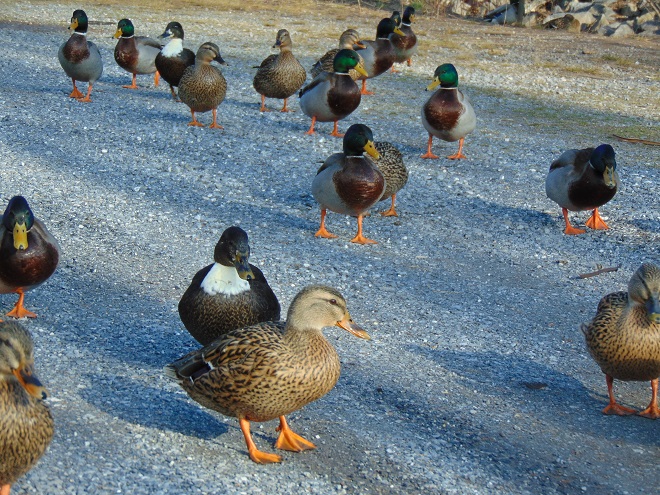
They’re cute, but if you really love waterfowl, then please refrain from feeding them. Hand-fed ducks soon lose their survival instincts. These clueless birds do dumb things like loiter in traffic and, perhaps worst of all, omit migration from their yearly life cycle. Daily plundering by year-round congregations of Canada Geese, Mute Swans, polygamous Mallards (seen here), and domestic waterfowl is decimating native plant and animal populations in waterways, wetlands, ponds, and lakes throughout the Lower Susquehanna River Watershed. For aquatic food chains and fisheries to recover, people must stop feeding (and releasing) these highly-impressionable birds.
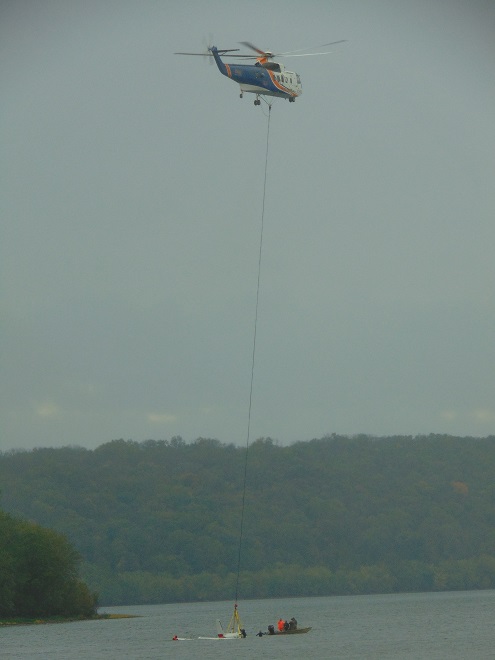
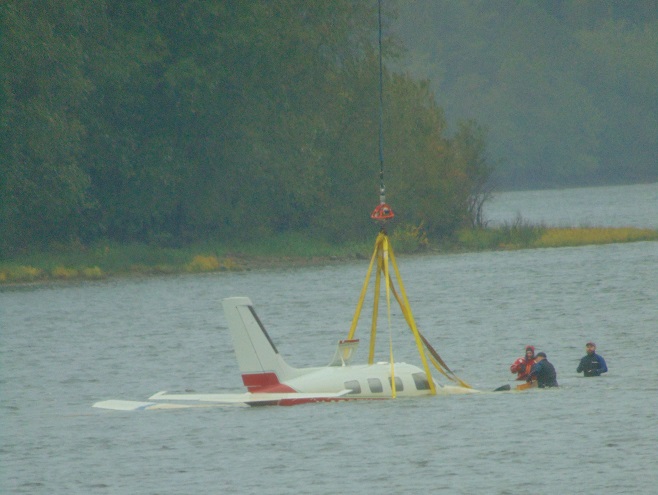
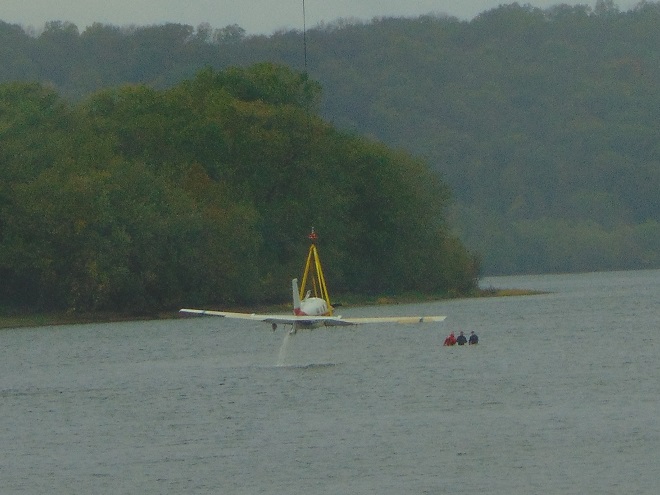
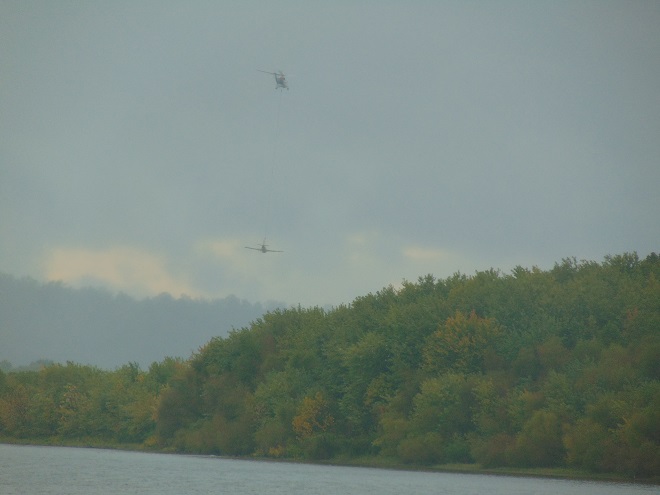
Late this afternoon, despite a cold bone-chilling rain, news media and crowds of onlookers gathered along the Susquehanna shoreline upstream of Three Mile Island at the small town of Royalton to catch a glimpse of the removal of a downed aircraft from the river. Back on October 4, a single-engine Piper PA46 Malibu was on the final leg of an approach to runway 31 at Harrisburg International Airport when it lost power. The pilot and passenger were uninjured during the emergency “splashdown” in the shallow water just short of the runway.
Recovery crews begin installing a set of slings around the downed plane’s fuselage. It rests on York Haven Diabase bedrock in water about three feet deep. Today’s heavy rains could raise the river level and float the plane into deeper water, so there is some urgency to complete its removal.The Sikorsky S-61 recovery helicopter arrived just as the rain subsided. Its hoist cables were quickly attached to the rigging that had been placed around the plane.Slack in the hoist cable and harness assembly was taken up.Then the aircraft was lifted slowly.The flooded fuselage was allowed to drain before proceeding, greatly reducing the aircraft’s weight and the load on the helicopter and hardware.The plane was transported to its original destination, Harrisburg International Airport, located just one mile away. The timing of the recovery was impeccable. Soon after its completion, a gusty wind swept down the river valley. Colder air is expected to blow in throughout the remainder of the evening and through the morrow. Meteorologists are calling the developing weather system a “bomb cyclone”.Not everything that finds its way into the river generates as much effort to recover it. It’s a case of no deposit/no return I suppose.
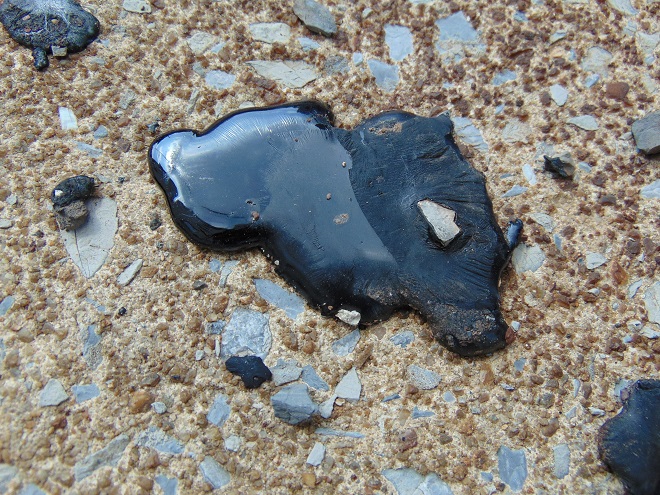
It’s a hot summer weekend with a sun so bright that creosote is dripping from utility poles onto the sidewalks. Dodging these sticky little puddles of tar can cause one to reminisce about sultry days-gone-by.
Sometime in July or August each year, about half a century ago, we would cram all the gear for seven days of living into the car and head for the beaches of Delmarva or New Jersey. It was family vacation time, that one week a year when the working class fantasizes that they don’t have it so bad during the other fifty-one weeks of the year.
The trip to the coast from the Susquehanna valley was a day-long journey. Back then, four-lane highways were few beyond the cities of the northeast corridor and traffic jams stretched for miles. Cars frequently overheated and steam rolled from beneath the hoods of those stopped to cool down. There were even 55-gallon drums of non-potable water positioned at known choke points along some of the state roads so that motorists could top off their radiators and proceed on. Within these back-ups there were many Volkswagen Beetles pausing along the side of the road with the rear hood propped up. Their air-cooled engines would overheat on a hot day if the car wasn’t kept moving. But, despite the setbacks, all were motivated to continue. In time, with perseverance, the smell of saltmarsh air was soon rolling in the windows. Our destination was near.
At the shore, priority one was to spend plenty of time at the beach. Sunbathers lathered up with various concoctions of oils and moisturizers, including my personal favorite, cocoa butter, then they broiled themselves in the raging rays of the fusion-reaction furnace located just eight light-minutes away. Reflected from the white sand and ocean surf, the flaming orb’s blinding light did a thorough job of cooking all the thousands of oil-basted sun worshippers packing the tidal zone for miles and miles. You could smell the hot cocoa butter in the summer air as they burned. Well, maybe not, but you could smell something there.
By now, you’re probably saying, “Hey, why weren’t you idiots wearing protection from the sun’s harmful U.V. rays?”
Good question. Uncle Tyler Dyer reminds me that back in the sixties, a sunscreen was a shade hung to cover a window. He continued, “Man, the only sun block we had was a beach ball that happened to pass between us and the sun.”
A beach ball doesn’t cast much of a shadow. (NASA Solar Dynamics Observatory base image)
During several of our summertime beach visits in the early 1970s, we got a different sort of oil treatment—tar balls. We never noticed the things until we got out of the water. Playing around at the tide line and taking a tumble in the surf from time to time, we must have picked them up when we rolled in the sand.
Uncle Ty wasn’t happy, “Man, they’re sticking all over our legs and feet, and look at your swim trunks, they’re ruined. And look in the sand, they’re everywhere.” The event was one of the seeds that would in time grow into Uncle Ty’s fundamental distrust of corporate culture.
Looking around, tar balls were all over everyone who happened to be near the water. Rumor on the beach was that they came from ships that passed by offshore earlier in the day. The probable source was the many oil spills that had occurred in the Mid-Atlantic region in those years. During the first six months of 1973 alone, there were over 800 oil spills there. Three hundred of those spills occurred in the waters surrounding New York City. The largest, almost half a million gallons, occurred in New York Harbor when a cargo ship collided with the tanker “Esso Brussels”. Forty percent of that spill burned in the fire that followed the mishap, the remainder entered the environment.
When it was time to clean up, we slowly removed the tar from our legs and feet by rubbing it away with a rag soaked in charcoal lighter fluid or gasoline. Needless to say, our skin turned redder than it had already been from sunburn.
Letting swimmers and wildlife roll around in the sand is no longer the preferred method of cleaning up tar balls from man-made oil spills. Here, President Obama examines tar balls resulting from the April 20, 2010, B.P. Deepwater Horizon spill in the Gulf of Mexico. An organized cleanup effort followed this May 28, 2010, visit to the polluted Port Fourchon beach in Louisiana.
After a full day in the surf, we’d be on our way back to our “home base” for summer vacation, a campground nestled somewhere in the pines on the mainland side of the tidal marshes behind our beach’s barrier island. There, we’d shake the sand out of our trunks and savor the feeling of dry clothing. As the sun set, the smoke, flicker, and crackle of dozens of campfires filled the spaces between the tents and camping trailers. Colored lights strung around awnings dazzled sun-weary eyes as night descended across the landscape. We’d commence the process of incinerating some marshmallows soon after. Then, sometime while we were roasting our weenies and warming our buns, we’d hear it.
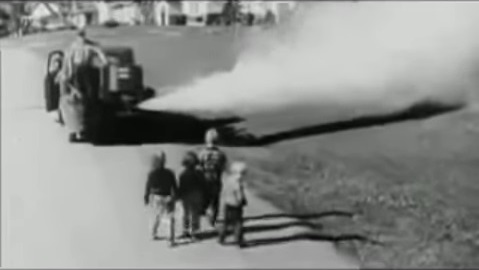
His device didn’t have a very good muffler. It sounded like a rusty old lawn mower running on the back of a rusty old truck that didn’t sound much better. And you could see the cloud rising above the campsites around the corner as he approached. It was the mosquito man, come to rid the place of pesky nocturnal biting insects. Behind him, always, were young boys on bicycles riding in and out of the fog of insecticide that rolled from the back of the truck.
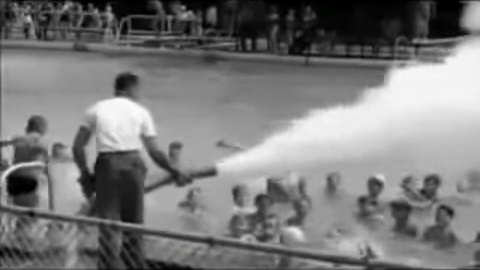
Curious children seen following the mosquito man in a 1947 Universal Newsreel.
One was wise to quickly eat your campfire food and put the rest away before the fog rolled in. You had just minutes to choke down that burned up hot dog. Then the sense of urgency was gone. Everyone just sat around at picnic tables and on lawn chairs bathing in the airborne cloud. A thin layer of insecticide rubbed into the skin along with the liberal doses of Noxzema being applied to soothe sunburn pain will get you through the night just fine.
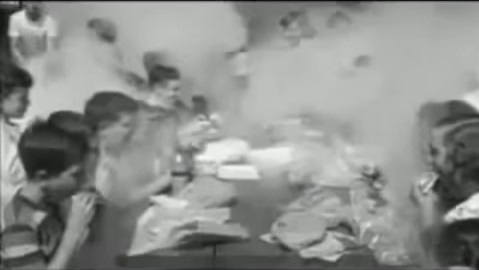
By the early 1970s, fogging of campgrounds to eliminate nuisance mosquitos was conducted using primarily the insecticide carbaryl (Sevin). Prior to that, in the years following World War II, DDT was the one-trick pony for killing everything everywhere. In 1947, the youth of San Antonio, Texas were subjected to repetitive direct spraying with DDT to eliminate the “germs” responsible for poliomyelitis. It was a misguided use of the pesticide. (Universal Newsreel image)Don’t you kids know that there’s sodium nitrite and saturated fat in those luncheon meats you’re eating? And the bread, aren’t you concerned about all that gluten? Oh, and by the way, they’re spraying you down with DDT again. It really happened in 1947 in San Antonio, Texas. (Universal Newsreel image)
Perhaps the most memorable event to occur during our summer vacations happened at the moment of this writing, fifty years ago.
We were vacationing in a campground in southern New Jersey. Our family and the family of my dad’s co-worker gathered in a mosquito-mesh tent surrounding a small black-and-white television. An extension cord was strung to a receptacle on a nearby post, and the cathode ray tube produced the familiar picture of glowing blue tones to illuminate the otherwise dark scene. There was constant experimentation with the whip antenna to try to get a visible signal. There were no local UHF broadcasters and the closest VHF television stations were in Philadelphia, so the picture constantly had “snow” diminishing its already poor clarity. But we could see it, and I’ll never forget it.
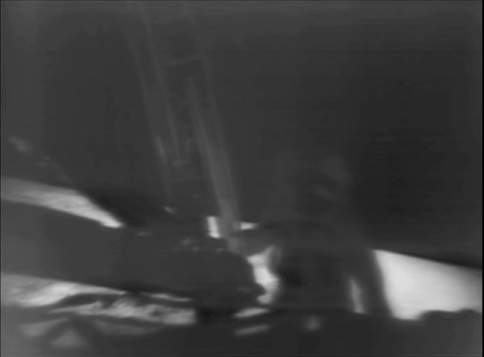
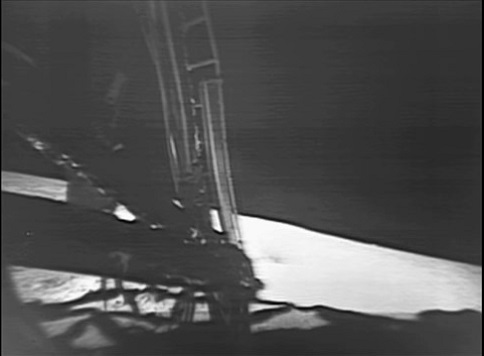
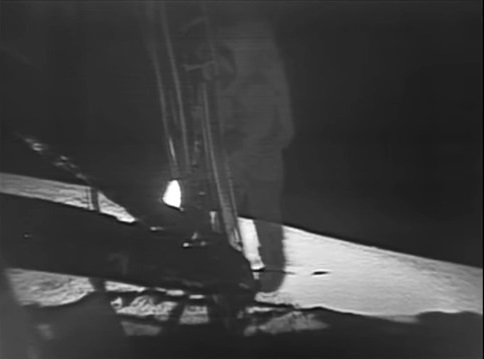
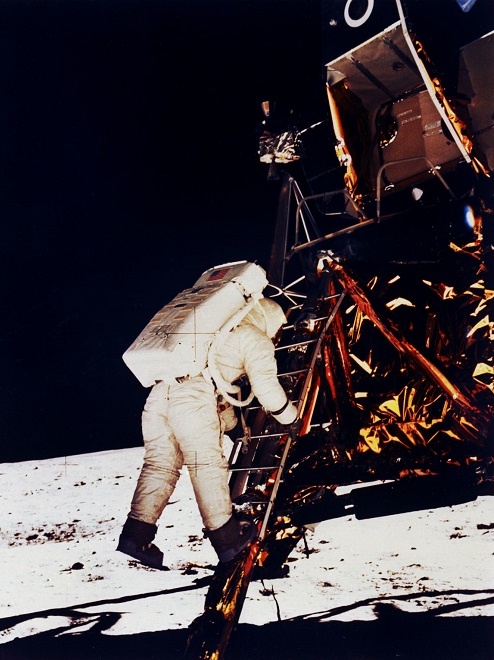
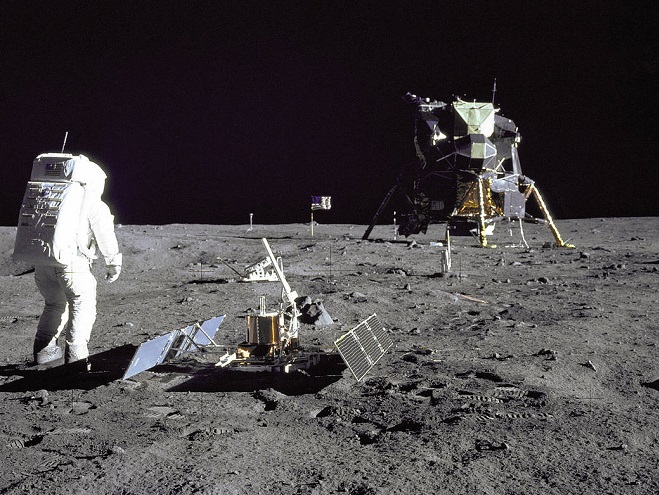
Neil Armstrong steps off the landing gear pad to be the first human to walk on the moon. July 20, 1969, 10:56 P.M. E.D.T. (NASA image)Armstrong left the field of view of the LEM-mounted camera for minutes at a time as he completed various tasks. TV viewers heard audio of his conversations with partner Edwin “Buzz” Aldrin and Houston Mission Control during these interludes. It was definitely not coverage designed for the short attention span of typical TV audiences. (NASA image)Edwin “Buzz” Aldrin descends the ladder on the LEM’s landing gear to reach the moon’s surface 19 minutes after Armstrong. (NASA image)Because NASA used a different video format than broadcast television, images seen at the time of the moon walk were of poor quality, produced by aiming a TV camera at a NASA monitor. Quality still images, including this one of Edwin “Buzz” Aldrin descending to the lunar surface, were available only after the astronauts returned exposed film to earth for processing. (NASA image by Neil Armstrong)Edwin “Buzz” Aldrin overlooking the LEM “Eagle” at Tranquility Base. (NASA image by Neil Armstrong)Neil Armstrong took this iconic image of Edwin “Buzz” Aldrin using a Hasselblad camera. His reflection can be seen in Aldrin’s visor. (NASA image by Neil Armstrong)Neil Armstrong (1930-2012), first man on the moon. (NASA image)
SOURCES
Andelman, David A. “Oil Spills Here Total 300 in ’73”. The New York Times. August 8, 1973. p.41.
Cortright, Edgar M. (Editor). 1975. Apollo Expeditions to the Moon. National Aeronautics and Space Administration. Washington, DC.
Within the last few years, the early-summer emergence of vast waves of mayflies has caused great consternation among residents of riverside towns and motorists who cross the bridges over the lower Susquehanna. Fishermen and others who frequent the river are familiar with the phenomenon. Mayflies rise from their benthic environs where they live for a year or more as an aquatic larval stage (nymph) to take flight as a short-lived adult (imago), having just one night to complete the business of mating before perishing by the following afternoon.
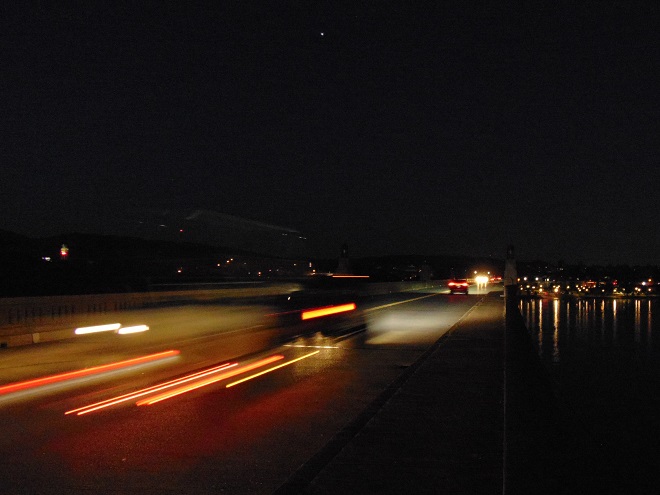
In 2015, an emergence on a massive scale prompted the temporary closure of the mile-long Columbia-Wrightsville bridge while a blizzard-like flight of huge mayflies reduced visibility and caused road conditions to deteriorate to the point of causing accidents. The slimy smelly bodies of dead mayflies, probably millions of them, were removed like snow from the normally busy Lincoln Highway. Since then, to prevent attraction of the breeding insects, lights on the bridge have been shut down from about mid-June through mid-July to cover the ten to fourteen day peak of the flight period of Hexagenia bilineata, sometimes known as the Great Brown Drake, the species that swarms the bridge.
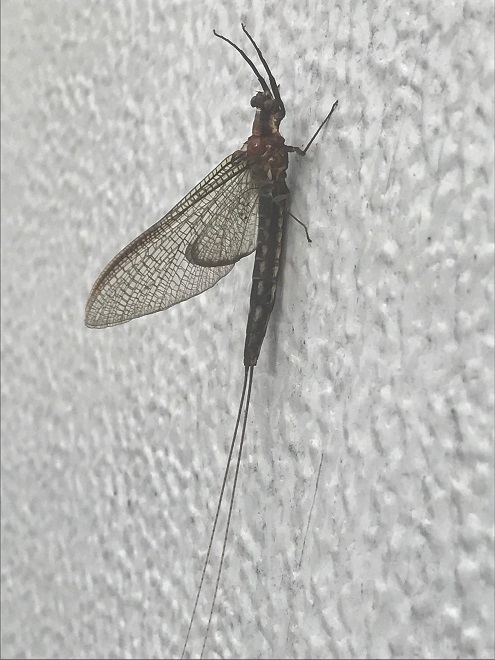
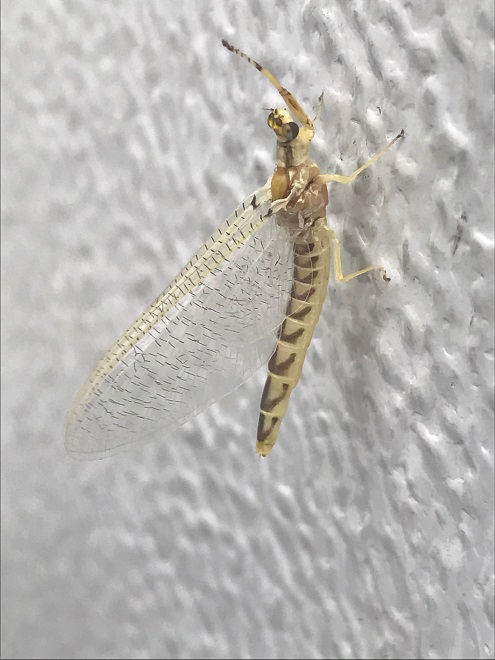
An adult (imago) male Great Brown Drake (Hexagenia bilineata) burrowing mayfly. Adult mayflies are also known as spinners.A sub-adult (based on the translucence of the wings) female burrowing mayfly (Hexagenia species). The sub-adult (subimago or dun) stage lasts less than a day. Normally within 18 hours of leaving the water and beginning flight, it will molt into an adult, ready to breed during its final night of life.
After so many years, why did the swarms of these mayflies suddenly produce the enormous concentrations seen on this particular bridge across the lower Susquehanna? Let’s have a look.
Following the 2015 flight, conservation organizations were quick to point out that the enormous numbers of mayflies were a positive thing—an indicator that the waters of the river were getting cleaner. Generally, assessments of aquatic invertebrate populations are considered to be among the more reliable gauges of stream health. But some caution is in order in this case.
Prior to the occurrence of large flights several years ago, Hexagenia bilineata was not well known among the species in the mayfly communities of the lower Susquehanna and its tributaries. The native range of the species includes the southeastern United States and the Mississippi River watershed. Along segments of the Mississippi, swarms such as occurred at Columbia-Wrightsville in 2015 are an annual event, sometimes showing up on local weather radar images. These flights have been determined to be heaviest along sections of the river with muddy bottoms—the favored habitat of the burrowing Hexagenia bilineata nymph. This preferred substrate can be found widely in the Susquehanna due to siltation, particularly behind dams, and is the exclusive bottom habitat in Lake Clarke just downstream of the Columbia-Wrightsville bridge.
Native mayflies in the Susquehanna and its tributaries generally favor clean water in cobble-bottomed streams. Hexagenia bilineata, on the other hand, appears to have colonized the river (presumably by air) and has found a niche in segments with accumulated silt, the benthic habitats too impaired to support the native taxa formerly found there. Large flights of burrowing mayflies do indicate that the substrate didn’t become severely polluted or eutrophic during the preceding year. And big flights tell us that the Susquehanna ecosystem is, at least in areas with silt bottoms, favorable for colonization by the Great Brown Drake. But large flights of Hexagenia bilineata mayflies don’t necessarily give us an indication of how well the Susquehanna ecosystem is supporting indigenous mayflies and other species of native aquatic life. Only sustained recoveries by populations of the actual native species can tell us that. So, it’s probably prudent to hold off on the celebrations. We’re a long way from cleaning up this river.
In the absence of man-made lighting, male Great Brown Drakes congregate over waterways lit often by moonlight alone. The males hover in position within a swarm, often downwind of an object in the water. As females begin flight and pass through the swarm, they are pursued by the males in the vicinity. The male response is apparently sight motivated—anything moving through their field of view in a straight line will trigger a pursuit. That’s why they’re so pesky, landing on your face whenever you approach them. Mating takes place as males rendezvous with airborne females. The female then drops to the water surface to deposit eggs and later die—if not eaten by a fish first. Males return to the swarm and may mate again and again. They die by the following afternoon. After hatching, the larvae (nymphs) burrow in the silt where they’ll grow for the coming year. Feathery gills allow them to absorb oxygen from water passing through the U-shaped refuge they’ve excavated.
Several factors increase the likelihood of large swarms of Great Brown Drakes at bridges. Location is, of course, a primary factor. Bridges spanning suitable habitat will, as a minimum, experience incidental occurrences of the flying forms of the mayflies that live in the waters below. Any extraordinarily large emergence will certainly envelop the bridge in mayflies. Lights, both fixed and those on motor vehicles, enhance the appearance of movement on a bridge deck, thus attracting hovering swarms of male Hexagenia bilineata and other species from a greater distance, leading to larger concentrations. Concrete walls along the road atop the bridge lure the males to try to hover in a position of refuge behind them, despite the vehicles that disturb the still air each time they pass. The walls also function as the ultimate visual attraction as headlamp beams and shadows cast by moving vehicles are projected onto them over the length of the bridge. Vast numbers of dead, dying, and maimed mayflies tend to accumulate along these walls for this reason.
The absence of illumination from fixed lighting on the deck of the bridge reduces the density of Great Brown Drake swarms. Some communities take mayfly countermeasures one step further. Along the Mississippi, some bridges are fitted with lights on the underside of the deck to attract the mayflies to the area directly over the water, concentrating the breeding mayflies and fishermen alike. The illumination below the bridge is intended to draw mayflies away from light created by headlamps on motor vehicles passing by on the otherwise dark deck above. Lights beneath the bridge also help prevent large numbers of mayflies from being drawn away from the water toward lights around businesses and homes in neighborhoods along the shoreline—where they can become a nuisance.
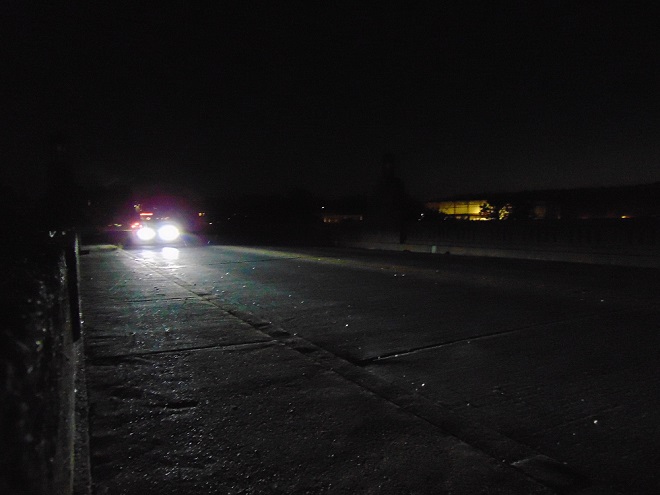
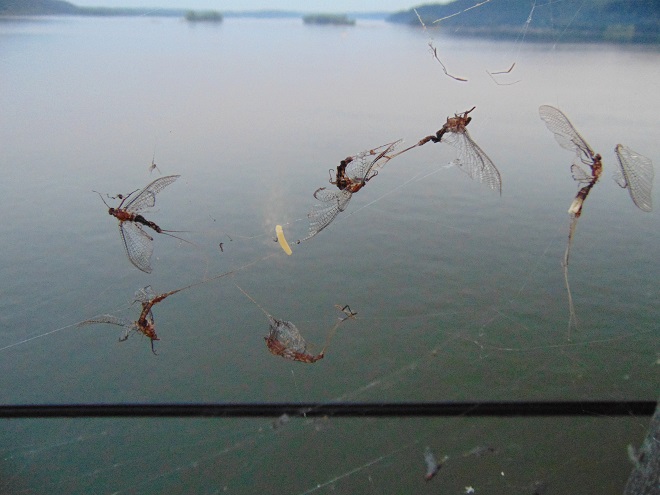
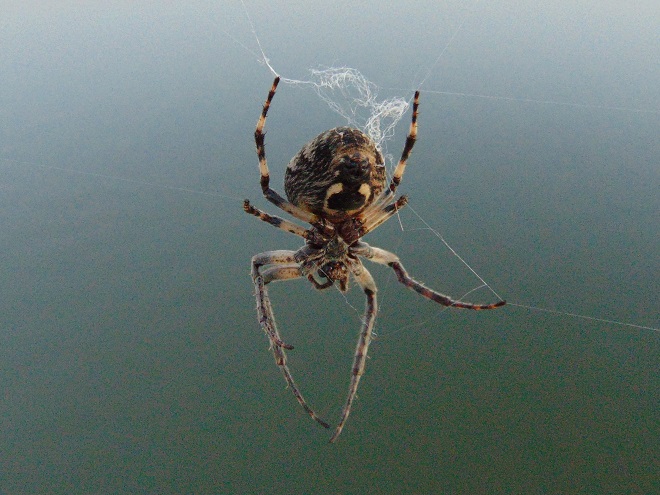
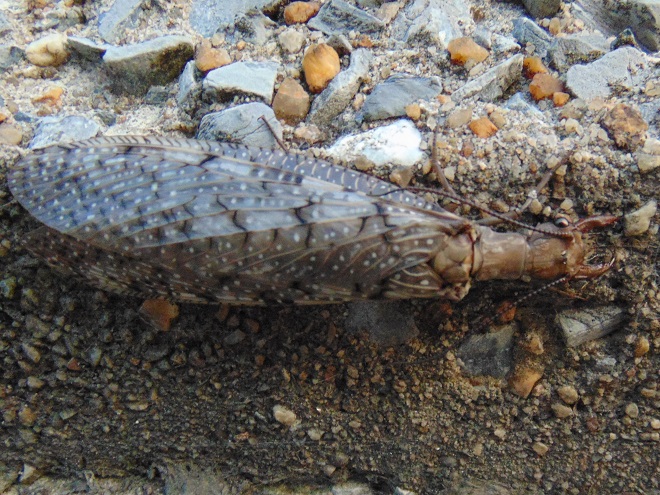
Lights out on the Columbia-Wrightsville bridge. Dousing the lights to eliminate fixed illumination on bridges is an effective method of reducing the density of Hexagenia bilineata swarms.With the bridge lights darkened, male Great Brown Drakes, their cellophane-like wings illuminated by headlamps to appear as white spots on the road, number in the hundreds instead of hundreds of thousands in swarms on the bridge near the east and west shorelines.Swarms of Great Brown Drake mayflies are still present at the Columbia-Wrightsville bridge, they’re just not concentrated there in enormous numbers. Evidence includes their bodies found in cobwebs along the entire length of the span.The aptly-named Bridge Orb Weaver (Larinioides sclopetarius) constructs webs along the entire length of the Columbia-Wrightsville bridge, and on many of the buildings at both ends. The abundance of victims tangled in silk must overwhelm their appetite, or maybe they actually consume only the smaller insects. They have their choice. Of the Bridge Orb Weaver, Uncle Ty Dyer says, “When you live along the river, it’s your friendly neighborhood spider, man.”The native Eastern Dobsonfly (Corydalus cornutus) is among the reliable indicators of stream quality in the Susquehanna at the Columbia-Wrightsville bridge. Winged adults, which live for about a week, are clumsy fliers attracted to lights. The aquatic larvae are known as hellgrammites, which require clean flowing water over rocky or pebbly substrate to thrive. Two adults were found on the bridge last evening. It would be encouraging to find more. Maybe we’ll stop back to have another look when the lights are back on.
SOURCES
Edsall, Thomas A. 2001. “Burrowing Mayflies (Hexagenia) as Indicators of Ecosystem Health.” Aquatic Ecosystem Health and Management. 43:283-292.
Fremling, Calvin R. 1960. Biology of a Large Mayfly, Hexagenia bilineata (Say), of the Upper Mississippi River. Research Bulletin 482. Agricultural and Home Economics Experiment Station, Iowa State University. Ames, Iowa.
McCafferty, W. P. 1994. “Distributional and Classificatory Supplement to the Burrowing Mayflies (Ephemeroptera: Ephimeroidea) of the United States.” Entomological News. 105:1-13.
If you were a regular visitor to this website during the autumn of 2017, you will recall the proliferation of posts detailing the bird migration at Conewago Falls during the season. The lookout site among the Pothole Rocks remained high and dry for most of the count’s duration.
In the fall of 2018, those lookout rocks were never to be seen. There was to be no safe perch for a would-be observer. There was no attempt to conduct a tally of passing migrants. If you live in the lower Susquehanna River drainage basin, you know why—rain—record setting rain.
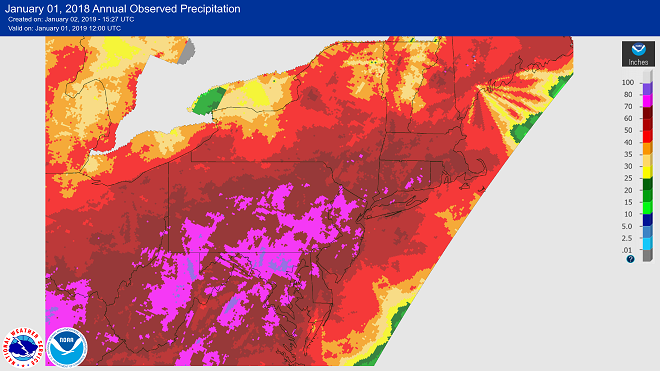
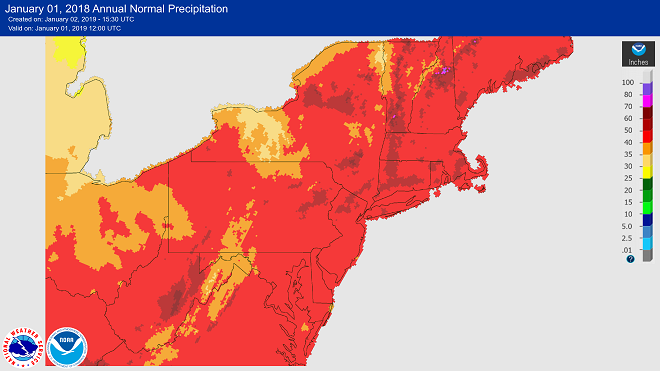
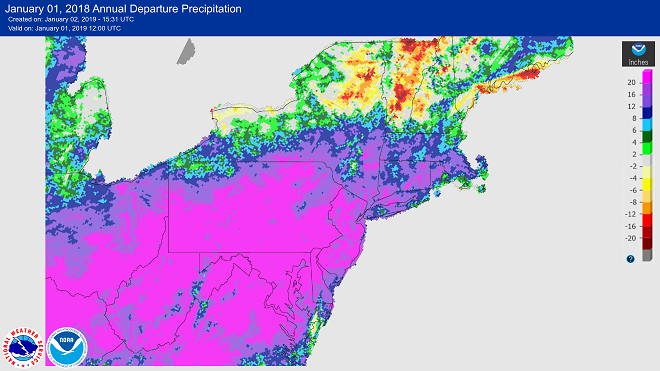
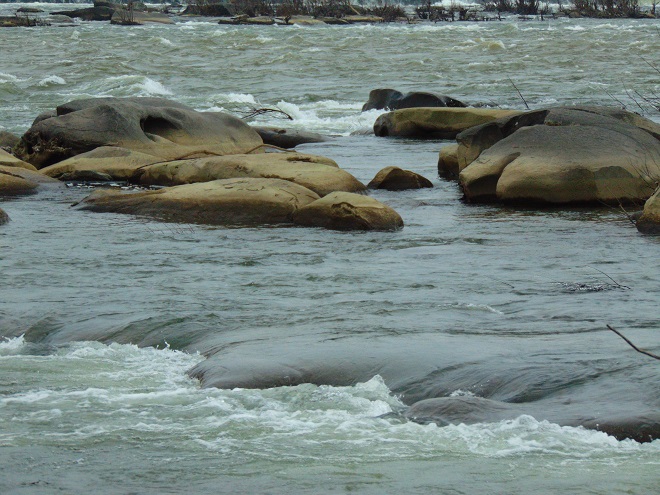
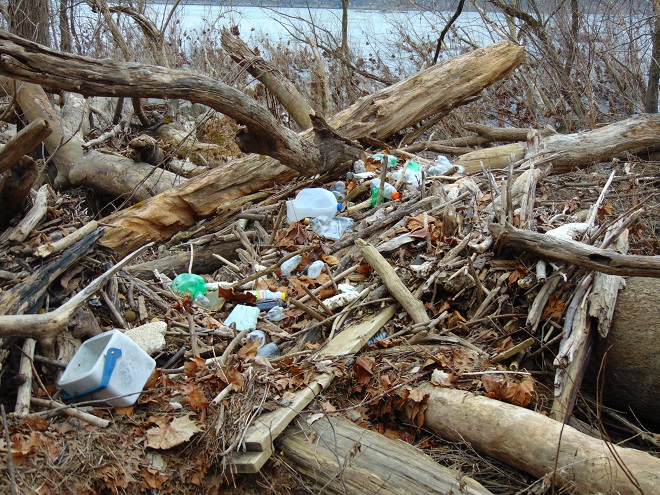
Annual precipitation during 2018 as indicated by radar. Note the extensive areas in pink. They received in excess of 70 inches of precipitation during 2018, much of it during the second half of the year. (NOAA/National Weather Service image)Average annual rainfall. Most of the lower Susquehanna drainage basin receives an average of just over 40 inches of rain each year. (NOAA/National Weather Service image)Departure from normal annual precipitation totals. Note the extensive areas of greater than 20 inches of precipitation above normal (pink). Severe flooding occurred on many streams during numerous events throughout the second half of 2018. Note the closer to normal totals in central New York in the upper Susquehanna watershed. The lesser amounts of rain there and the localized pattern of the flooding events in Pennsylvania prevented the main stem of the lower Susquehanna from experiencing catastrophic high water in 2018. (NOAA/National Weather Service image) Though there has been no severe flooding, frequent rain events in the Susquehanna watershed have maintained persistently high river levels in Conewago Falls. Pothole Rocks seen here on December 9 during an ebb in the flow were soon inundated again as rains fell in the Susquehanna basin upstream. Of course, each time the river receded it left behind a fresh pile of plastic garbage. What didn’t end up on the shoreline found its way to Chesapeake Bay…then on to the Atlantic. Is that your cooler?
It was a routine occurrence in many communities along tributaries of the lower Susquehanna River during the most recent two months. The rain falls like it’s never going to stop—inches an hour. Soon there is flash flooding along creeks and streams. Roads are quickly inundated. Inevitably, there are motorists caught in the rising waters and emergency crews are summoned to retrieve the victims. When the action settles, sets of saw horses are brought to the scene to barricade the road until waters recede. At certain flood-prone locations, these events are repeated time and again. The police, fire, and Emergency Medical Services crews seem to visit them during every torrential storm—rain, rescue, rinse, and repeat.
We treat our local streams and creeks like open sewers. Think about it. We don’t want rainwater accumulating on our properties. We pipe it away and grade the field, lawn, and pavement to roll it into the neighbor’s lot or into the street—or directly into the waterway. It drops upon us as pure water and we instantly pollute it. It’s a method of diluting all the junk we’ve spread out in its path since the last time it rained. A thunderstorm is the big flush. We don’t seem too concerned about the litter, fertilizer, pesticides, motor fluids, and other consumer waste it takes along with it. Out of sight, out of mind.
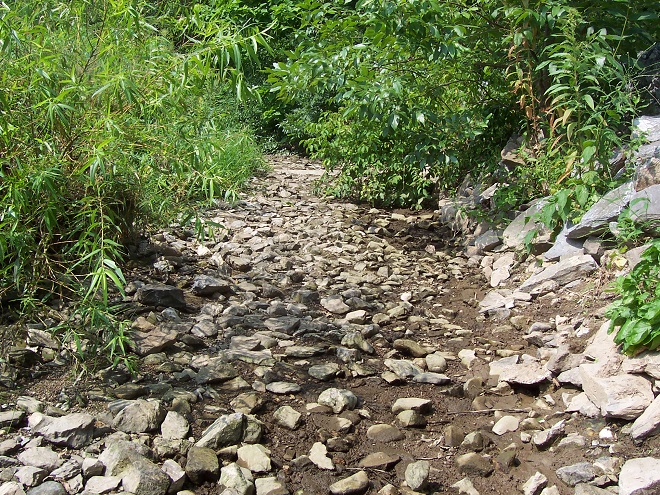
Failure to retain and infiltrate stormwater to recharge aquifers can later result in well failures and reduced base flow in streams. (Conoy Creek’s dry streambed in June, 2007)
Perhaps our lack of respect for streams and creeks is the source of our complete ignorance of the function of floodplains.
Floodplains are formed over time as hydraulic forces erode bedrock and soils surrounding a stream to create adequate space to pass flood waters. As floodplains mature they become large enough to reduce flood water velocity and erosion energy. They then function to retain, infiltrate, and evaporate the surplus water from flood events. Microorganisms, plants, and other life forms found in floodplain wetlands, forests, and grasslands purify the water and break down naturally-occurring organic matter. Floodplains are the shock-absorber between us and our waterways. And they’re our largest water treatment facilities.
Why is it then, that whenever a floodplain floods, we seem motivated to do something to fix this error of nature? Man can’t help himself. He has a compulsion to fill the floodplain with any contrivance he can come up with. We dump, pile, fill, pave, pour, form, and build, then build some more. At some point, someone notices a stream in the midst of our new creation. Now it’s polluted and whenever it storms, the darn thing floods into our stuff—worse than ever before. So the project is crowned by another round of dumping, forming, pouring, and building to channelize the stream. Done! Now let’s move all our stuff into our new habitable space.
Natural Floodplain- Over a period of hundreds or thousands of years, the stream (dark blue) has established a natural floodplain including wetlands and forest. In this example, buildings and infrastructure are located outside the zone inundated by high water (light blue) allowing the floodplain to function as an effective water-absorbing buffer.
Impaired Floodplain- Here the natural floodplain has been filled for building (left) and paved for recreation area parking (right). The stream has been channelized. Flood water (light blue) displaced by these alterations is likely to inundate areas not previously impacted by similar events. Additionally, the interference with natural flow will create new erosion points that could seriously damage older infrastructure and properties.
The majority of the towns in the lower Susquehanna valley with streams passing through them have impaired floodplains. In many, the older sections of the town are built on filled floodplain. Some new subdivisions highlight streamside lawns as a sales feature—plenty of room for stockpiling your accoutrements of suburban life. And yes, some new homes are still being built in floodplains.
When high water comes, it drags tons of debris with it. The limbs, leaves, twigs, and trees are broken down by natural processes over time. Nature has mechanisms to quickly cope with these organics. Man’s consumer rubbish is another matter. As the plant material decays, the embedded man-made items, particularly metals, treated lumber, plastics, Styrofoam, and glass, become more evident as an ever-accumulating “garbage soil” in the natural floodplains downstream of these impaired areas. With each storm, some of this mess floats away again to move ever closer to Chesapeake Bay and the Atlantic. Are you following me? That’s our junk from the curb, lawn, highway, or parking lot bobbing around in the world’s oceans.
A shed, mobile home, or house can be inundated or swept away during a flood. Everything inside (household chemicals, gasoline, fuel oil, pesticides, insulation, all those plastics, etc.) instantly pollutes the water. Many communities that rely on the Susquehanna River for drinking water are immediately impacted, including Lancaster, PA and Baltimore, MD. This dumpster was swept away from a parking lot in a floodplain. It rolled in the current, chipping away at the bridge before spilling the rubbish into the muddy water. After the flood receded, the dumpster was found a mile downstream. Its contents are still out there somewhere.
Floodplains along the lower Susquehanna River are blanketed with a layer of flotsam that settles in place as high water recedes. These fresh piles can be several feet deep and stretch for miles. Nature decomposes the organic twigs and driftwood to build soil-enriching humus. However, the plastics and other man-made materials that do not readily decay or do not float away toward the sea during the next flood are incorporated into the alluvium and humus creating a “garbage soil”. Over time, the action of abrasives in the soil will grind small particles of plastics from the larger pieces. These tiny plastics can become suspended in the water column each time the river floods. What will be the long-term impact of this type of pollution?
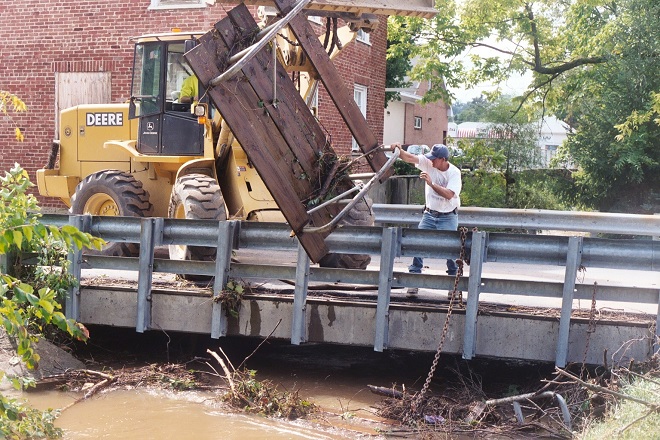
Anything can be swept away by the powerful hydraulic forces of flowing water. Large objects like this utility trailer can block passages through bridges and escalate flooding problems.
The cost of removing debris often falls upon local government and is shared by taxpayers.
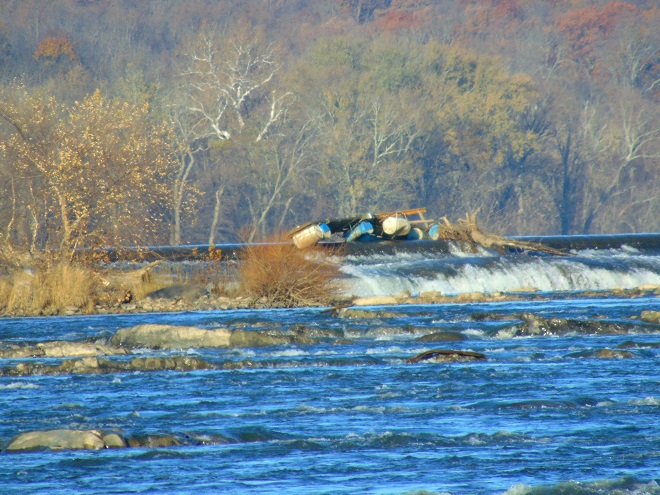
Here, a junked boat dock is snagged on the crest of the York Haven Dam at Conewago Falls. Rising water eventually carried it over the dam and into the falls where it broke up. This and tons of other junk are often removed downstream at the Safe Harbor Dam to prevent damage to turbine equipment. During periods of high water, the utility hauls debris by the truck-load to the local waste authority for disposal. For the owners of garbage like this dock, it’s gone and it’s somebody else’s problem now.
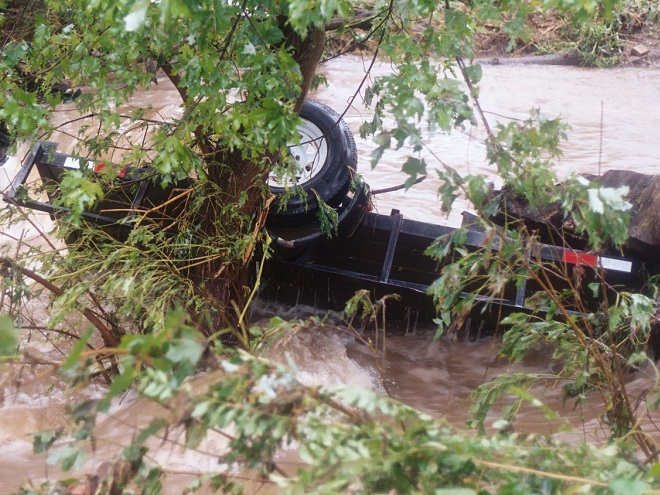
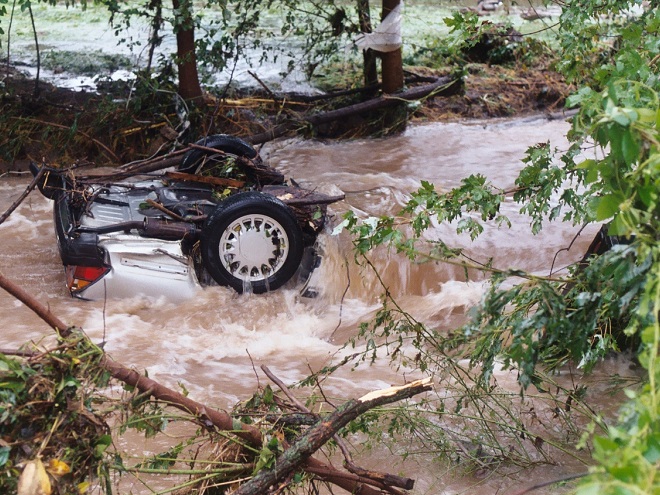
Motor vehicles found after floating away from parking areas in floodplains can create a dangerous dilemma for police, fire, and E.M.S. personnel, particularly when no one witnesses the event. Was someone driving this car or was it vacant when it was swept downstream? Should crews be put at risk to locate possible victims?
Beginning in 1968, participating municipalities, in exchange for having coverage provided to their qualified residents under the National Flood Insurance Program, were required to adopt and enforce a floodplain management ordinance. The program was intended to reduce flood damage and provide flood assistance funded with premiums paid by potential victims. The program now operates with a debt incurred during severe hurricanes. Occurrences of repetitive damage claims and accusations that the program provides an incentive for rebuilding in floodplains have made the National Flood Insurance Program controversial.
In the Lower Susquehanna River Watershed there are municipalities that still permit new construction in floodplains. Others are quite proactive at eliminating new construction in flood-prone zones, and some are working to have buildings removed that are subjected to repeated flooding.
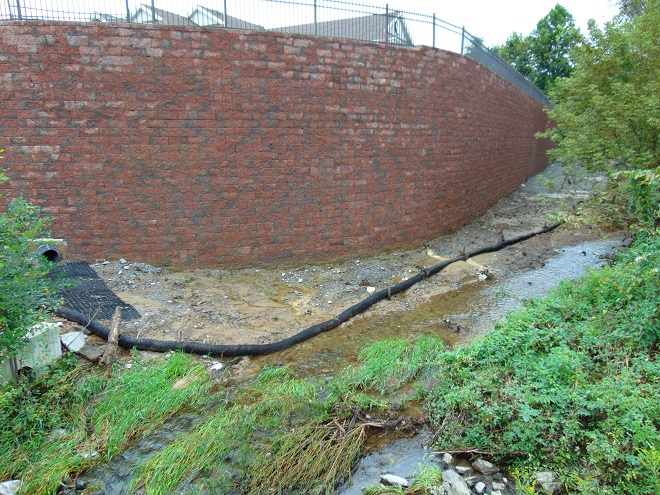
Another Wall— Here’s an example of greed by the owner, engineer, and municipality… placing their financial interests first. The entire floodplain on the north side of this stream was filled, then the wall was erected to contain the material. A financial institution’s office and parking lot was constructed atop the mound. This project has channelized the stream and completely displaced half of the floodplain to a height of 15 to 20 feet. Constructed less than five years ago, the wall failed already and has just been totally reconstructed. The photo reveals how recent flooding has begun a new erosion regime where energy is focused along the base of the wall. Impairment of a floodplain to this degree can lead to flooding upstream of the site and erosion damage to neighboring infrastructure including roads and bridges.
The floodplain along this segment of the lower Swatara Creek in Londonderry Township, Dauphin County is free to flood. Ordinances prohibit new construction here and 14 older houses that repeatedly flooded were purchased, dismantled, and removed using funding from the Federal Emergency Management Agency (F.E.M.A). A riparian buffer was planted and some wetland restorations were incorporated into stormwater management installations along the local highways. When the waters of the Swatara rise, the local municipality closes the roads into the floodplain. Nobody lives or works there anymore, so no one has any reason to enter. There’s no need to rescue stubborn residents who refused advice to evacuate. Sightseers can park and stand on the hill behind the barricades and take all the photographs they like.
A new Pennsylvania Turnpike bridge across Swatara Creek features wide passage for the stream below. Water flowing in the floodplain can pass under the bridge without being channelized toward the path where the stream normally flows in the center. The black asterisk-shaped floats spin on the poles to help deflect debris away from the bridge piers. (flood crest on July 26, 2018)
People are curious when a waterway floods and they want to see it for themselves. Wouldn’t it be wise to anticipate this demand for access by being ready to accommodate these citizens safely? Isn’t a parking lot, picnic area, or manicured park safer and more usable when overlooking the floodplain as opposed to being located in it? Wouldn’t it be a more prudent long-term investment, both financially and ecologically, to develop these improvements on higher ground outside of flood zones?
Now would be a good time to stop the new construction and the rebuilding in floodplains. Aren’t the risks posed to human life, water quality, essential infrastructure, private property, and ecosystems too great to continue?
Isn’t it time to put up the white flag and surrender the floodplains to the floods? That’s why they’re there. Floodplains are for flooding.
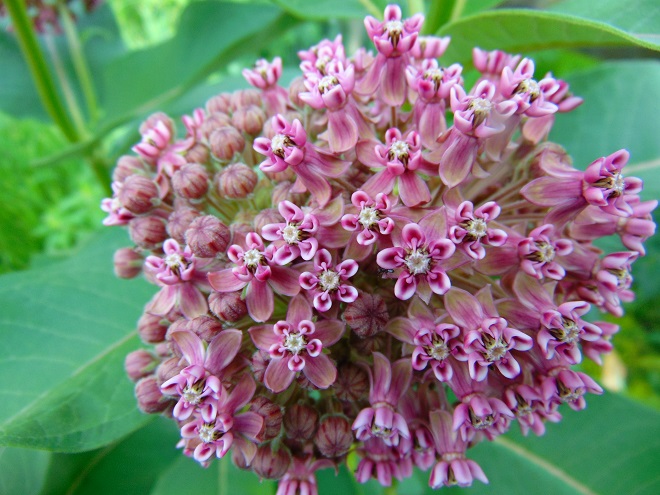
It’s sprayed with herbicides. It’s mowed and mangled. It’s ground to shreds with noisy weed-trimmers. It’s scorned and maligned. It’s been targeted for elimination by some governments because it’s undesirable and “noxious”. And it has that four letter word in its name which dooms the fate of any plant that possesses it. It’s the Common Milkweed, and it’s the center of activity in our garden at this time of year. Yep, we said milk-WEED.
Now, you need to understand that our garden is small—less than 2,500 square feet. There is no lawn, and there will be no lawn. We’ll have nothing to do with the lawn nonsense. Those of you who know us, know that the lawn, or anything that looks like lawn, are through.
Anyway, most of the plants in the garden are native species. There are trees, numerous shrubs, some water features with aquatic plants, and filling the sunny margins is a mix of native grassland plants including Common Milkweed. The unusually wet growing season in 2018 has been very kind to these plants. They are still very green and lush. And the animals that rely on them are having a banner year. Have a look…
The flowers of the Common Milkweed were exceptionally fragrant this year. At their peak in early June, their hyacinth-or lilac-like aroma was so prevalent, it drifted into our building and overwhelmed the stink of the neighbor’s filthy dumpster that he had placed 12 feet away from our walls (100 feet from his).
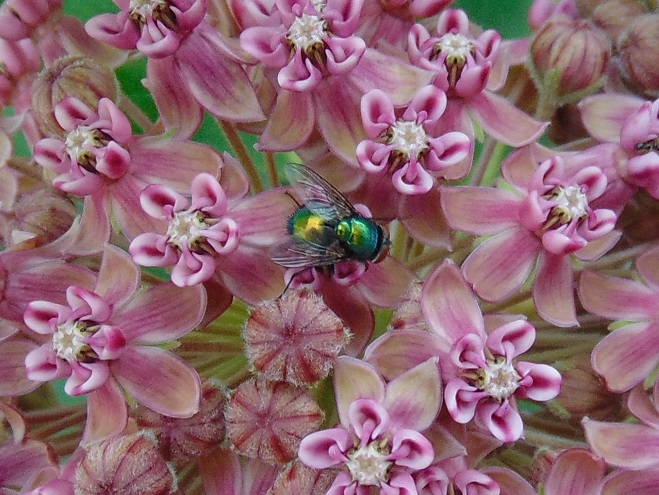
Common Milkweed attracts a pollinating Greenbottle Fly (Lucilia species). The dumpster attracts the invasive House Fly (Musca domestica), carrier of dysentery, typhoid, and other wonderful diseases. Are you following this? Remember as we proceed, milkweed is “noxious”.
Busy Eastern Carpenter Bees (Xylocopa virginica) load up with pollen from the flowers of the Common Milkweed.
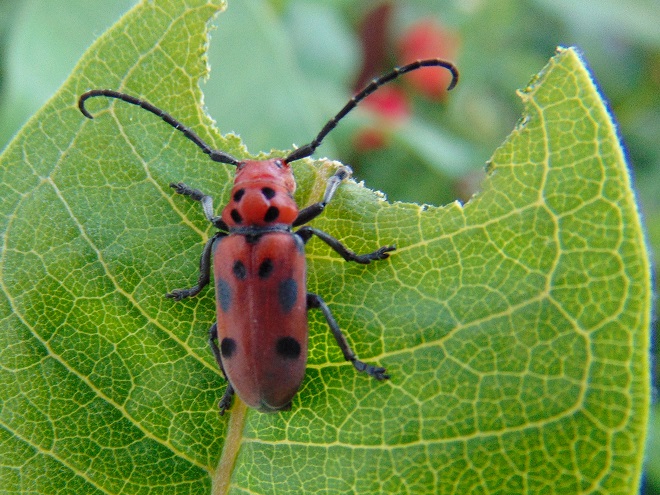
A Red Milkweed Beetle (Tetraopes tetrophthalmus) munches on a tender fresh Common Milkweed leaf in mid-June.
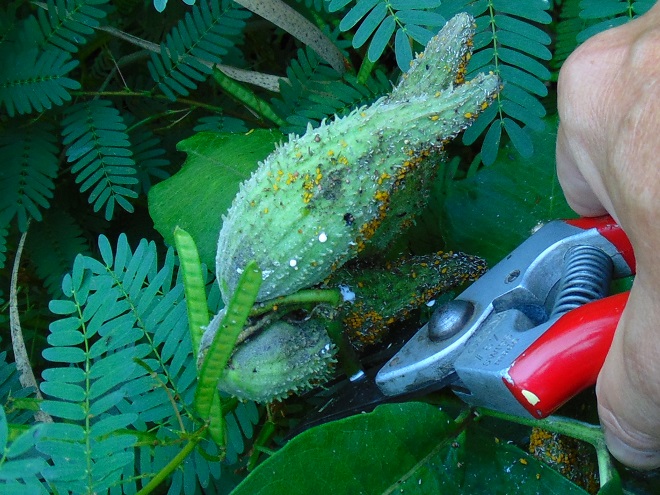
Following the pollination of the flowers, seed pods will begin to grow. We trim these off the plants. The removal of the extra weight allows most of the stems to remain erect through stormy weather. You’ll still get new plants from underground runners. As you may have guessed, we’re trying to keep these plants upright and strong to host Monarch butterfly larvae.
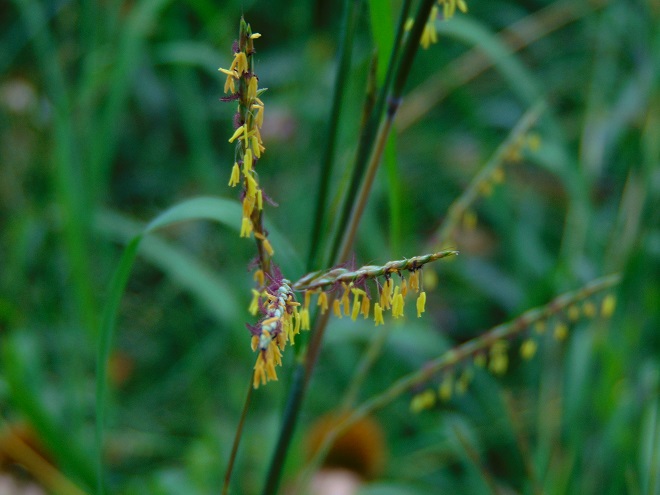
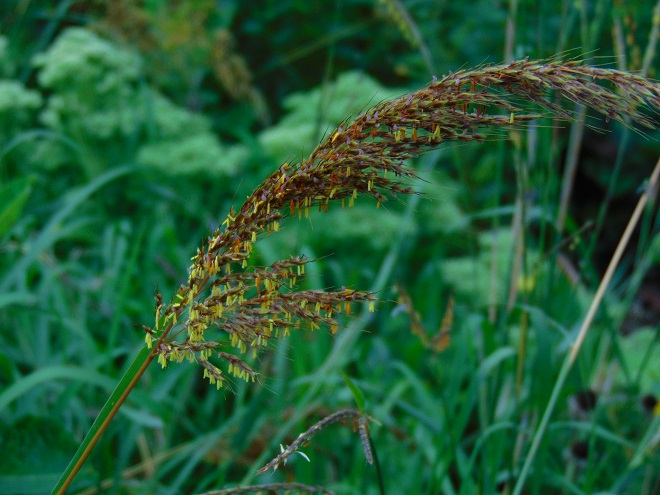
We’ve planted a variety of native grassland species to help support the milkweed structurally and to provide a more complete habitat for Monarch butterflies and other native insects. This year, these plants are exceptionally colorful for late-August due to the abundance of rain. The warm season grasses shown below are the four primary species found in the American tall-grass prairies and elsewhere.
Big Bluestem, a native warm-season grass in flower.
Little Bluestem (Schizachyrium scoparium “Fort Indiantown Gap”) in flower. This variety grows on the tank range at the military base where the armored vehicles and prescribed burns substitute for the herd animals and fires of the prairie to prevent succession and allow it to thrive.
Partridge Pea can tolerate sandy soil and is a host plant for vagrant Cloudless Sulphur butterflies.
Black-eyed Susan (Rudbeckia hirta) is a popular native grassland wildflower.
Indiangrass (Sorghastrum nutans) in flower. This and the other native plants shown here are available as seed from Ernst Seed Company in Meadville (PA). They have an unbelievably large selection of indigenous species. You can plant a small plot or acres and acres using really good mixes blended for purposes ranging from reclaiming pipeline right-of-ways and strip mines to naturalizing backyard gardens.
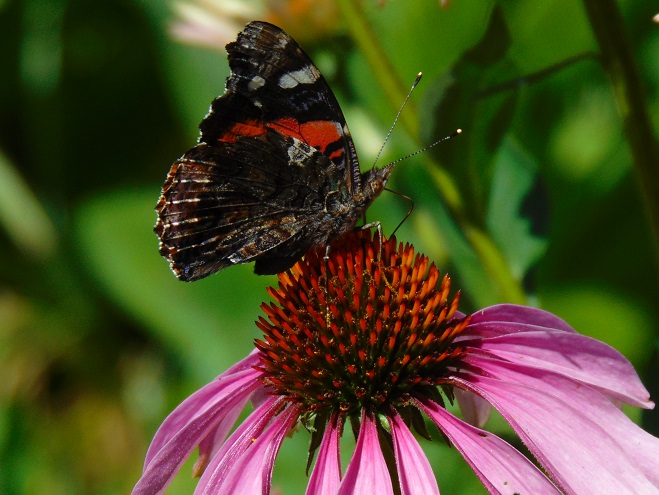
A Red Admiral (Vanessa atalanta) butterfly, a migratory species like the Monarch, on Purple Coneflower (Echinacea purpurea). Yes, it is that Echinacea, the same one used as a supplement and home remedy.
There was Monarch activity in the garden today like we’ve never seen before—and it revolved around milkweed and the companion plants.
A female Monarch laying eggs on a Common Milkweed leaf.
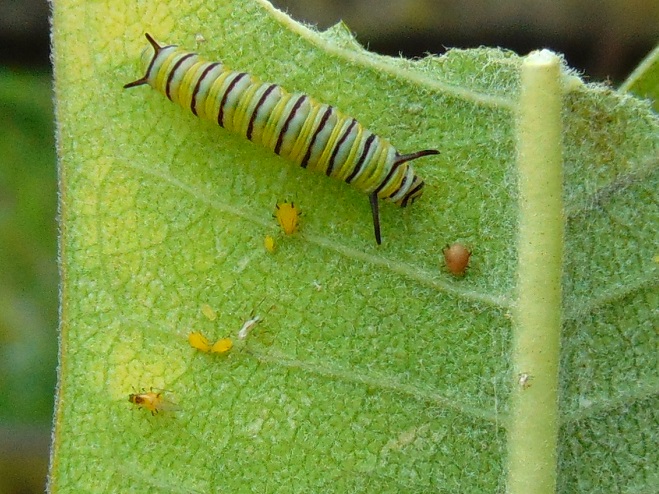
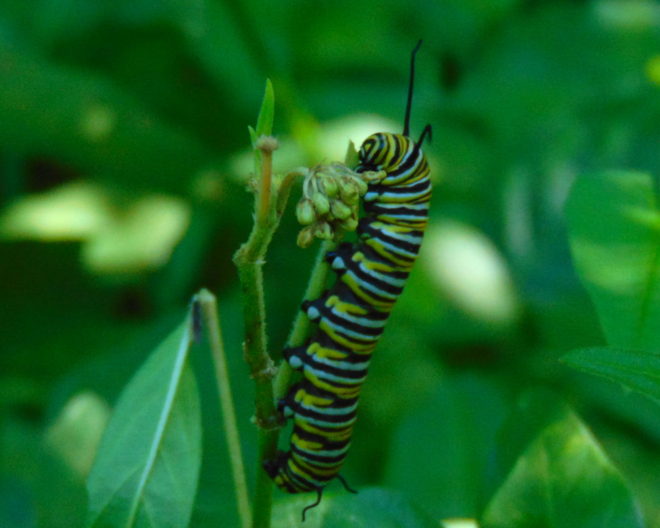
A third instar Monarch caterpillar with Oleander Aphids (Aphis nerii) on a Common Milkweed leaf. Both of these insect species absorb toxins from the milkweed which makes them distasteful to predators.
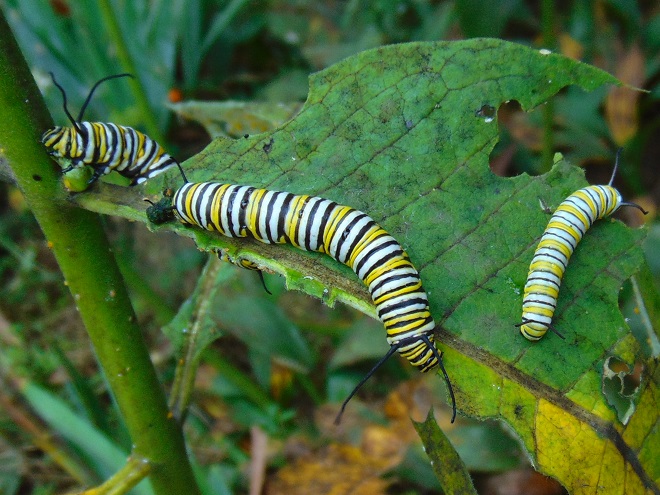
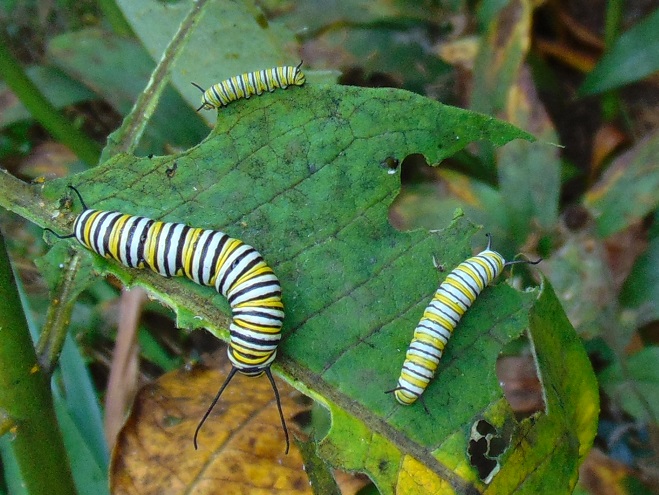
Fifth instar (left and center) and fourth instar (right) monarch caterpillars devour a Common Milkweed leaf. There were over thirty of these caterpillars in just a ten by ten feet area this morning. We hope that if you’re keeping a habitat for Monarchs, you’re enjoying the same fortune right now!
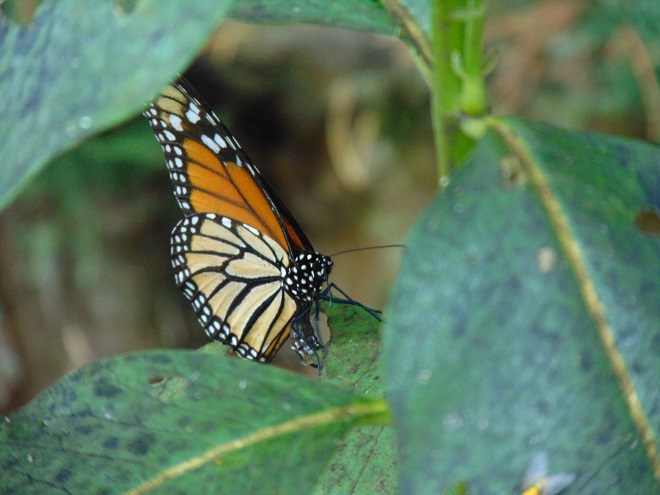
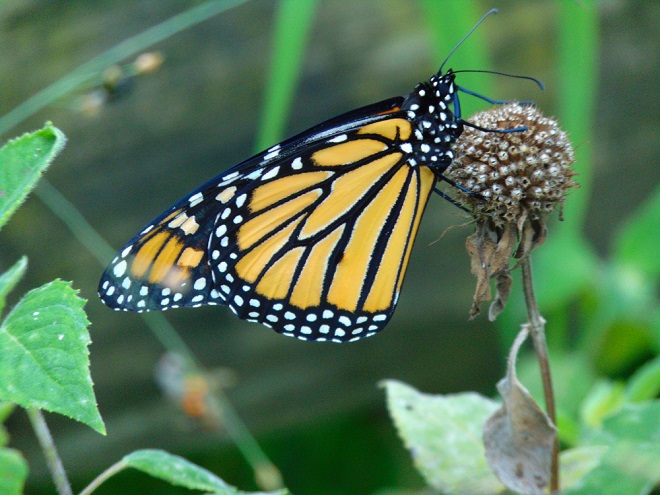
A slow-moving Monarch stopped for a break after making the circuit to deposit eggs on milkweed throughout the garden.
Third instar (top), fourth instar (right), and fifth instar (left) Monarch caterpillars quickly consume the leaf of a Common Milkweed plant. Caterpillars emerging from eggs deposited today may not have sufficient late-season food to complete the larval segment of their life cycle. Need more milkweed!
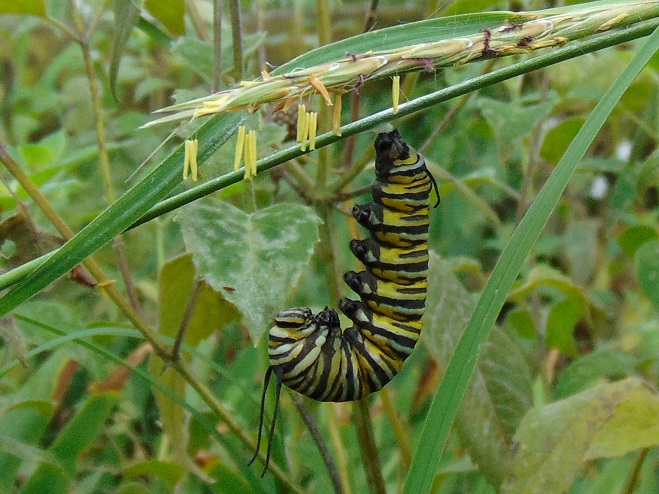
After benefiting from the nourishment of the Common Milkweed plant, a fifth instar Monarch caterpillar begins pupation on Big Bluestem grass.
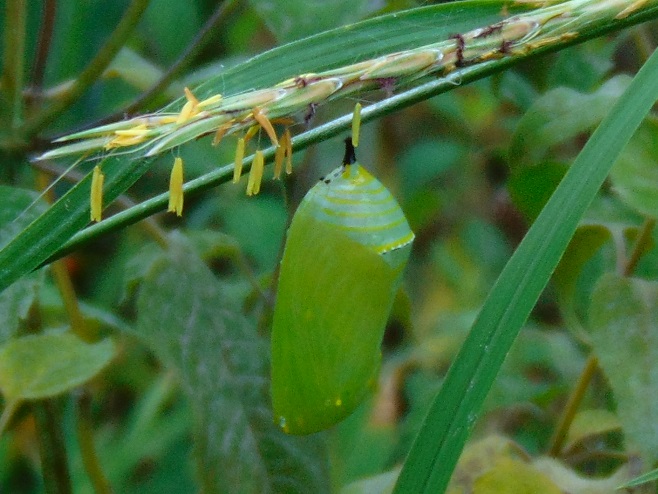
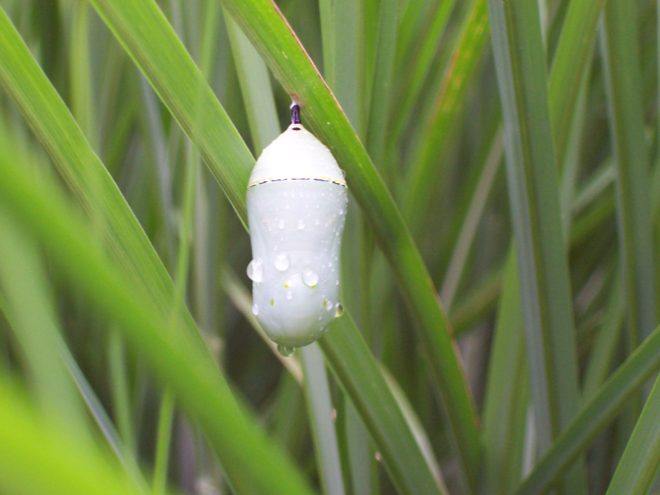
Two hours later, the chrysalis is complete.
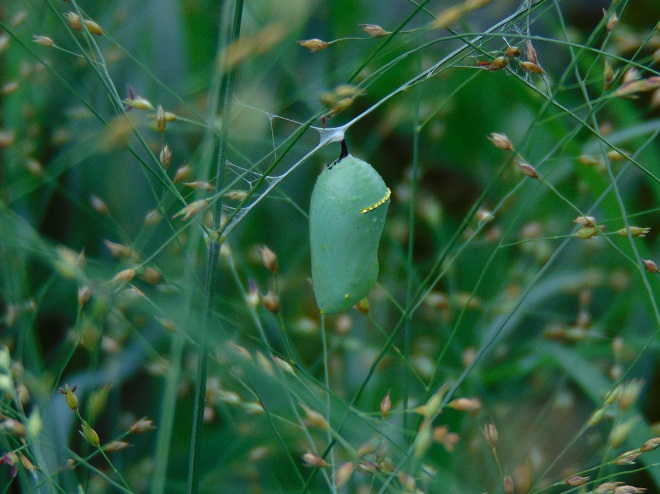
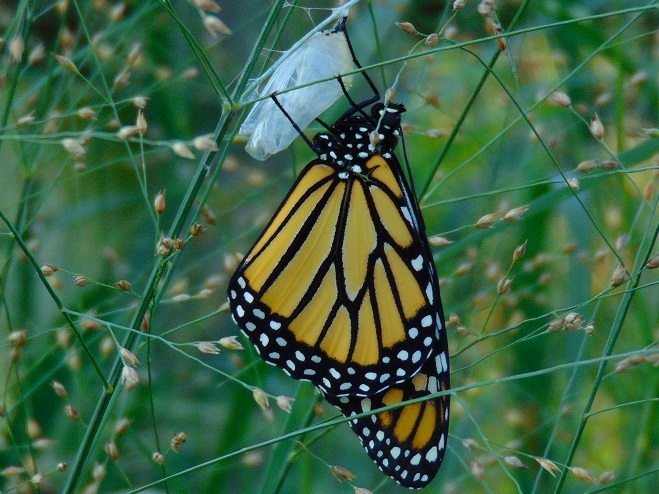
Another chrysalis, this one on flowering Switchgrass just two feet away from the previous one. An adult Monarch will emerge from this pupa to become part of what we hope will be the most populated southbound exodus for the species in over five years.
There it is, soon ready to fly away. And all courtesy of the noxious milkweed.
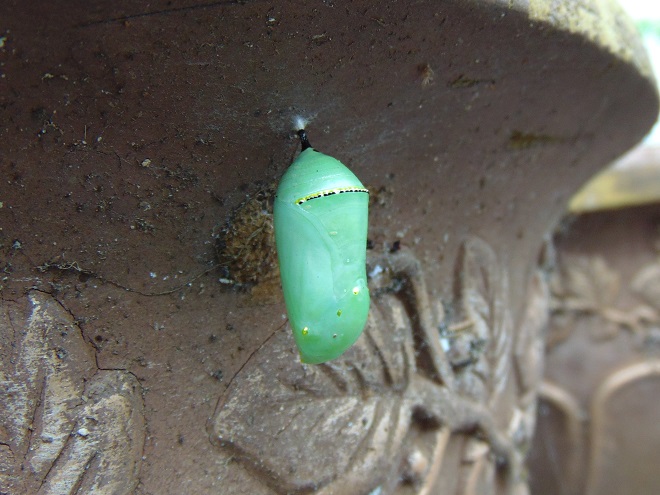
A chrysalis can often be found on man-made objects too. This one is on the rim of a flower pot.
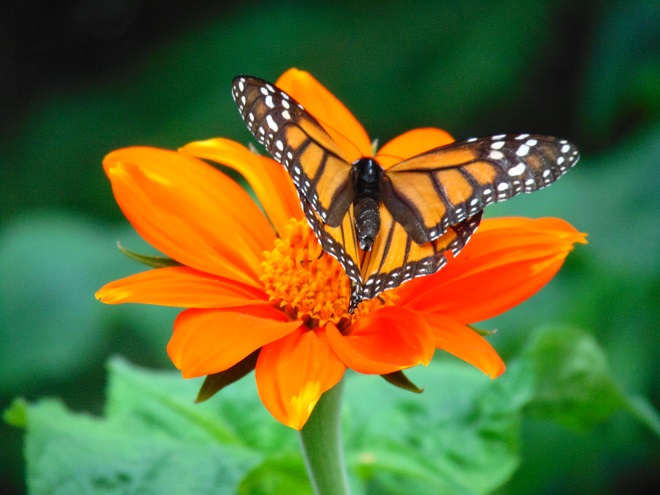
Ornamental flowers can attract adult Monarch butterflies seeking nectar. We’re now more careful to select seeds and plants that have not been treated with neonicotinoid insecticides. There’s growing concern over the impact these compounds may be having on pollinating species of animals. Oh…and we don’t mow, whack, cut, mutilate, or spray herbicides on our milkweed, but you probably figured that out already.
SOURCES
Eaton, Eric R., and Kenn Kaufman. 2007. Kaufman Field Guide to Insects of North America. Houghton Mifflin Company. New York.
There are two Conewago Creek systems in the Lower Susquehanna River Watershed. One drains the Gettysburg Basin west of the river, mostly in Adams and York Counties, then flows into the Susquehanna at the base of Conewago Falls. The other drains the Gettysburg Basin east of the river, flowing through Triassic redbeds of the Gettysburg Formation and York Haven Diabase before entering Conewago Falls near the south tip of Three Mile Island. Both Conewago Creeks flow through suburbia, farm, and forest. Both have their capacity to support aquatic life impaired and diminished by nutrient and sediment pollution.
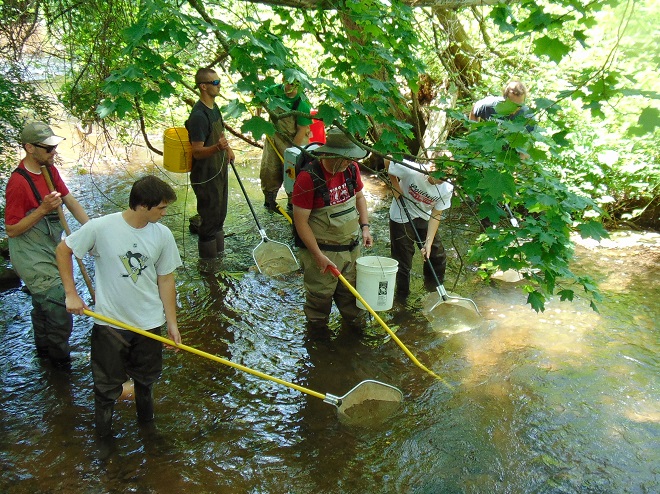
This week, some of the many partners engaged in a long-term collaboration to restore the east shore’s Conewago Creek met to have a look at one of the prime indicators of overall stream habitat health—the fishes. Kristen Kyler of the Lower Susquehanna Initiative organized the effort. Portable backpack-mounted electrofishing units and nets were used by crews to capture, identify, and count the native and non-native fishes at sampling locations which have remained constant since prior to the numerous stream improvement projects which began more than ten years ago. Some of the present-day sample sites were first used following Hurricane Agnes in 1972 by Stambaugh and Denoncourt and pre-date any implementation of sediment and nutrient mitigation practices like cover crops, no-till farming, field terracing, stormwater control, nutrient management, wetland restoration, streambank fencing, renewed forested stream buffers, or modernized wastewater treatment plants. By comparing more recent surveys with this baseline data, it may be possible to discern trends in fish populations resulting not only from conservation practices, but from many other variables which may impact the Conewago Creek Warmwater Stream ecosystem in Dauphin, Lancaster, and Lebanon Counties.
So here they are. Enjoy these shocking fish photos.
Matt Kofroth, Watershed Specialist with the Lancaster County Conservation District, operates the electrofishing wand in Conewago Creek while his team members prepare to net and collect momentarily-stunned fish. Three other electrofishing units operated by staff from the Susquehanna River Basin Commission and aided by teams of netters were in action at other sample locations along the Conewago on this day.
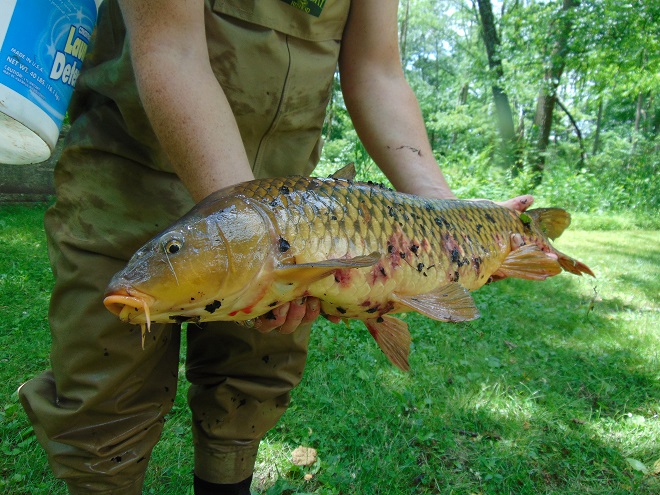
Really big fish, such as this Common Carp (Cyprinus carpio), were identified, counted, and immediately returned to the water downstream of the advancing electrofishing team.
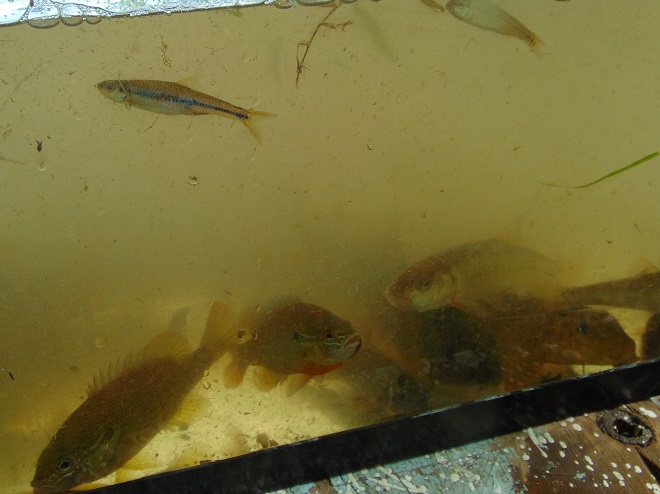
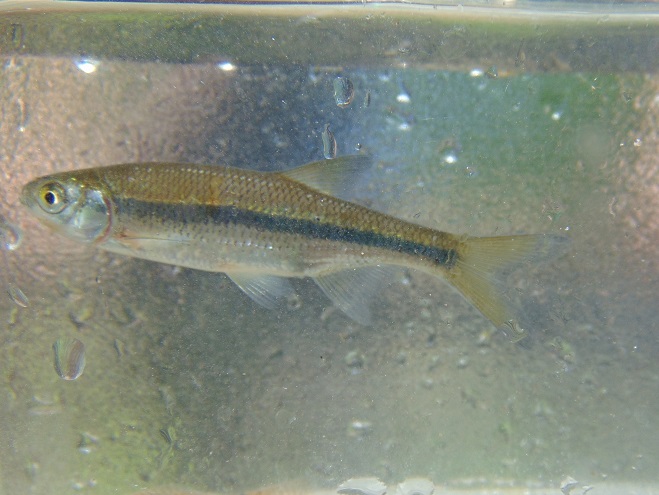
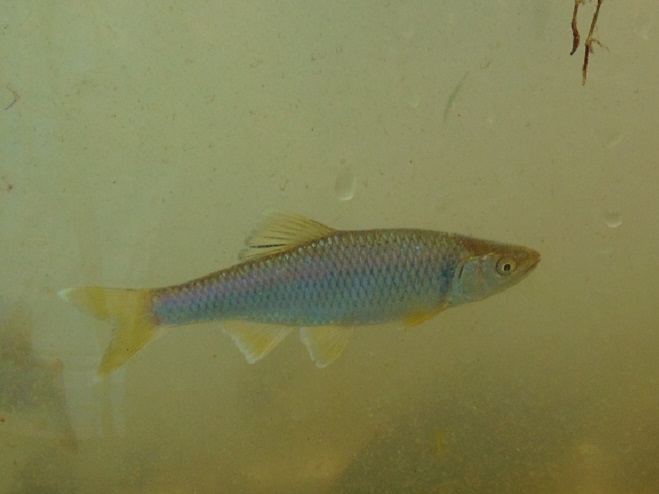
Other fish, such as the Swallowtail Shiner, Redbreast Sunfish (Lepomis auritus), Fallfish, and suckers seen here, were placed in a sorting tank.
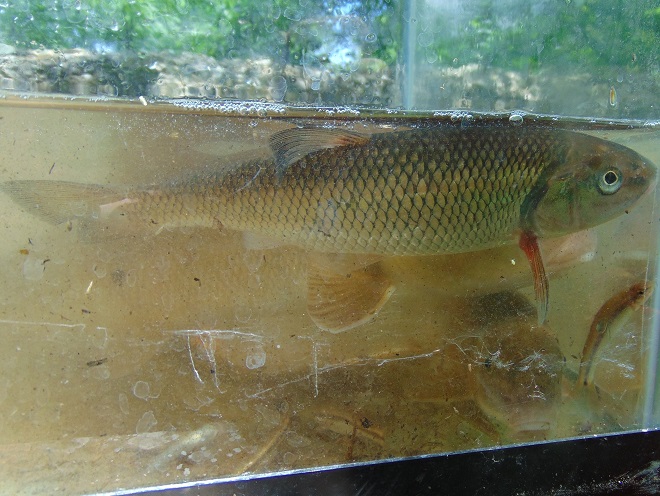
Fallfish (Semotilus corporalis) are very active and require plenty of dissolved oxygen in the water to survive. Fallfish, Rainbow Trout (Oncorhynchus mykiss), and Smallmouth Bass (Micropterus dolomieu) were quickly identified and removed from the sorting tank for release back into the stream. Other larger, but less active fish, including suckers, quickly followed.
Small fish like minnows were removed from the sorting tank for a closer look in a hand-held viewing tank. This Fathead Minnow (Pimephales promelas) was identified, added to the tally sheet, and released back into the Conewago. The Fathead Minnow is not native to the Susquehanna drainage. It is the minnow most frequently sold as bait by vendors.
A breeding condition male Bluntnose Minnow (Pimephales notatus).
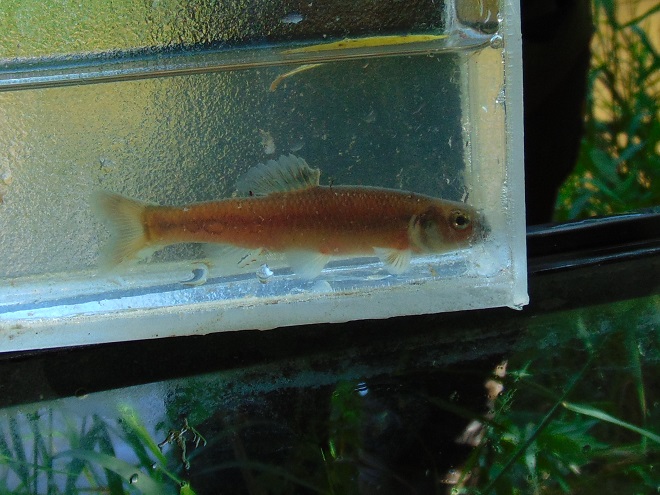
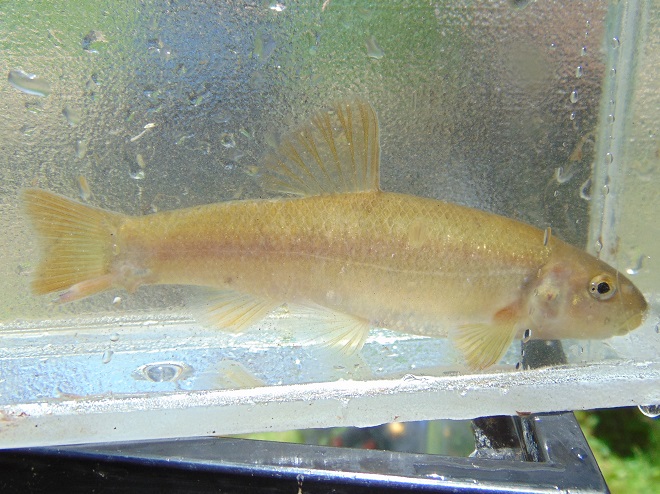
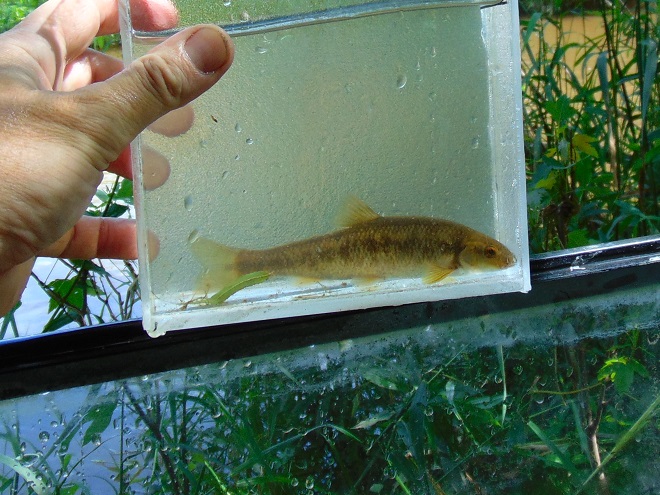
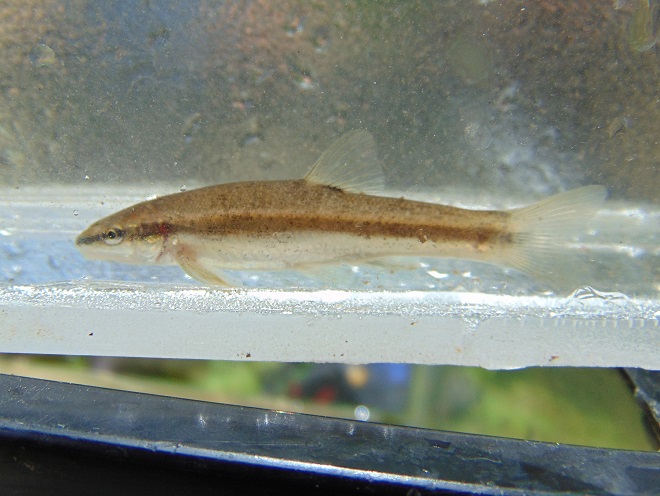
The Cutlips Minnow (Exoglossum maxillingua) is a resident of clear rocky streams. Of the more than 30 species collected during the day, two native species which are classified as intolerant of persisting stream impairment were found: Cutlips Minnow and Swallowtail Shiner.
The Central Stoneroller (Campostoma anomalum) is a benthic feeder in creeks over gravel and sand.
The Eastern Blacknose Dace (Rhinichthys atratulus) is found in clear water over pebble and stone substrate.
The Longnose Dace (Rhinichthys cataractae) is another species of pebbly rocky streams.
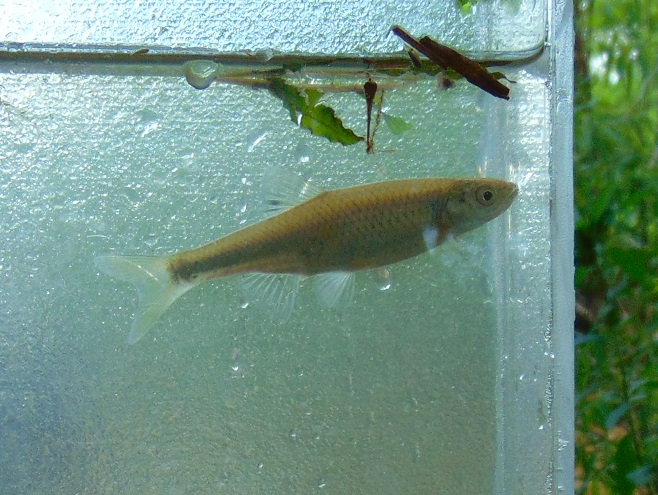
A juvenile Golden Shiner (Notemigonus crysoleucas). Adults lack the side stripe and grow to the size of a sunfish.
A Swallowtail Shiner (Notropis procne) and a very young White Sucker (Catostomus commersonii) in the upper left of the tank.
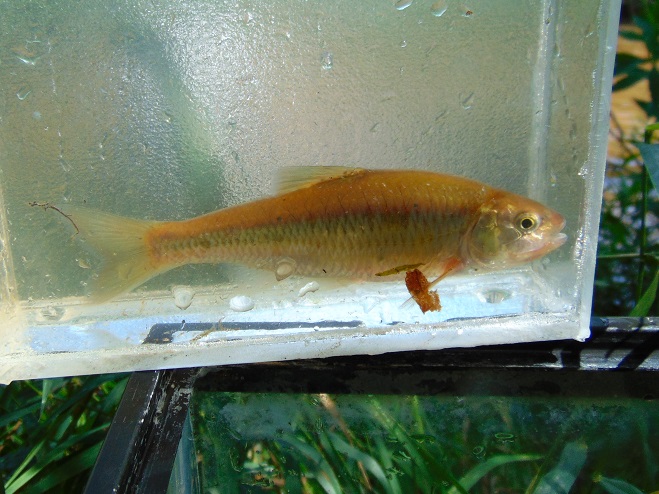
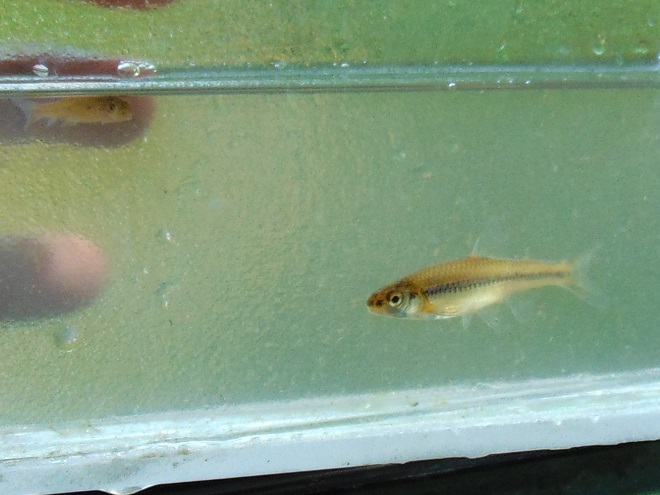
A probable Spotfin Shiner (Cyprinella spiloptera).
A breeding male Cyprinella shiner, probably a Spotfin Shiner. Show-off!
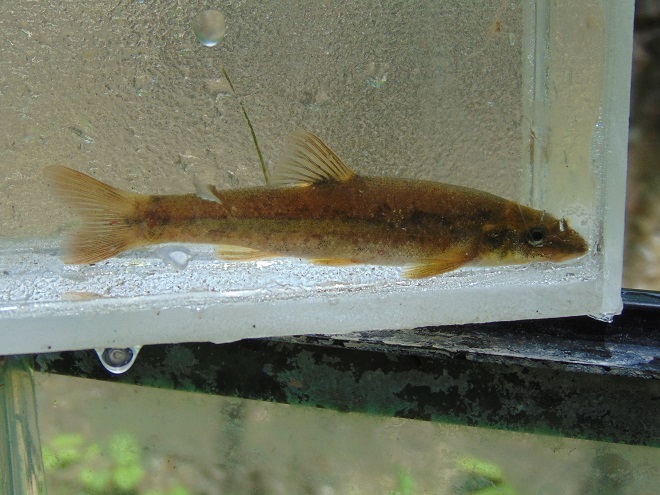
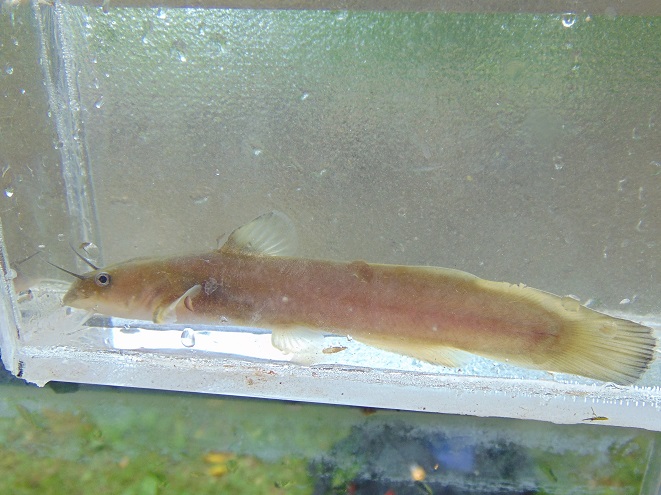
The Margined Madtom (Noturus insignis) is a small native catfish of pebbly streams.
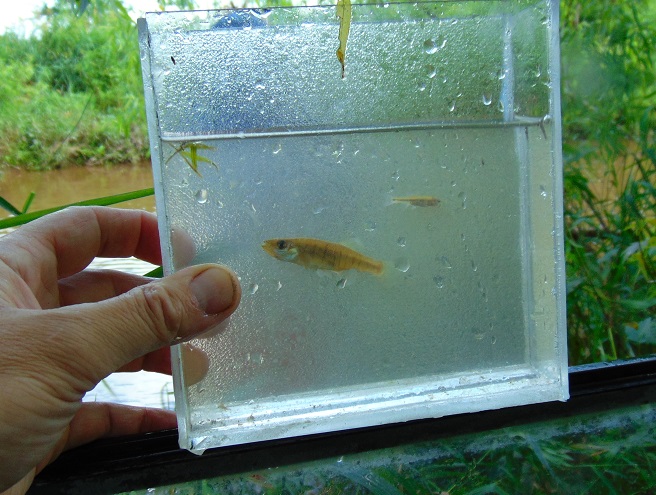
The Banded Killifish (Fundulus diaphanus) is adept at feeding upon insects, including mosquitos.
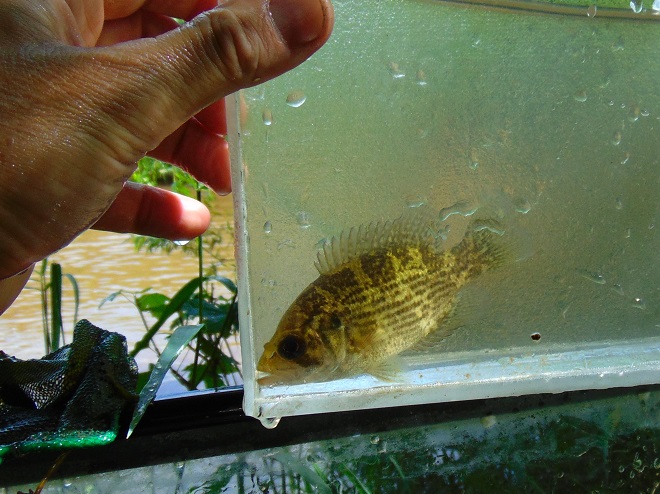
A young Rock Bass (Ambloplites rupestris). This species was introduced to the Susquehanna and its tributaries.
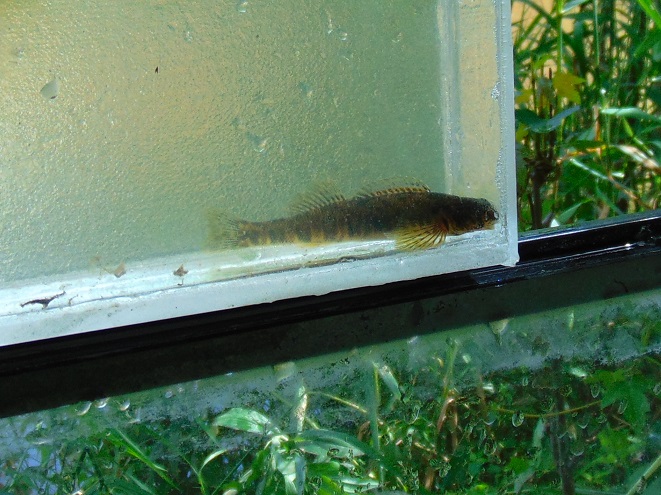
The Greenside Darter (Etheostoma blennioides) is not native to the Susquehanna basin. The species colonized the Conewago Creek (east) from introduced local populations within the last five years.
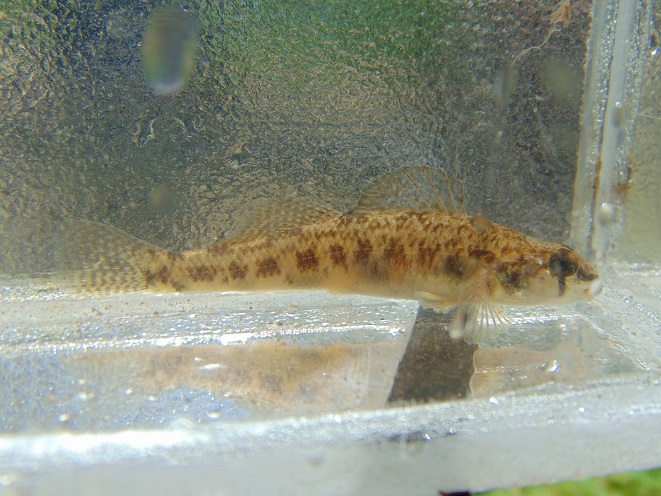
The Tessellated Darter (Etheostoma olmstedi) is a native inhabitant of the Susquehanna and its tributaries.
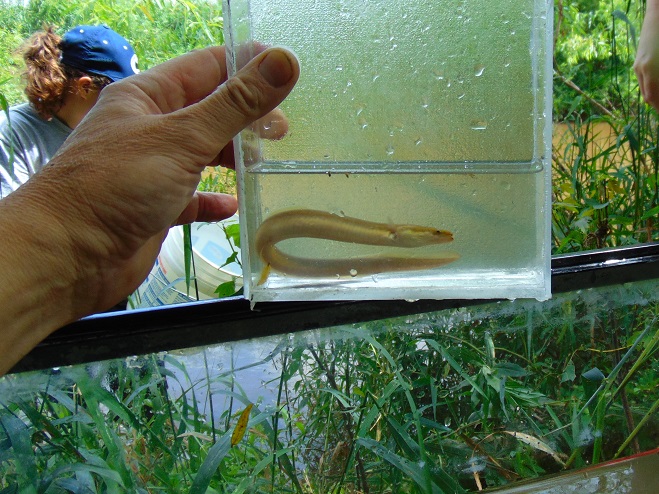
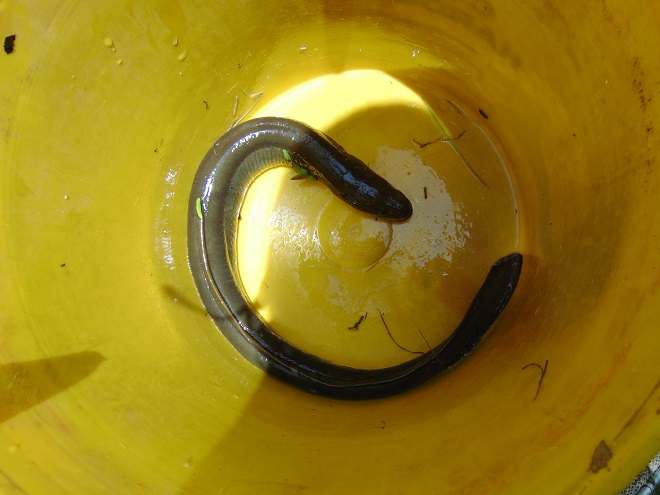
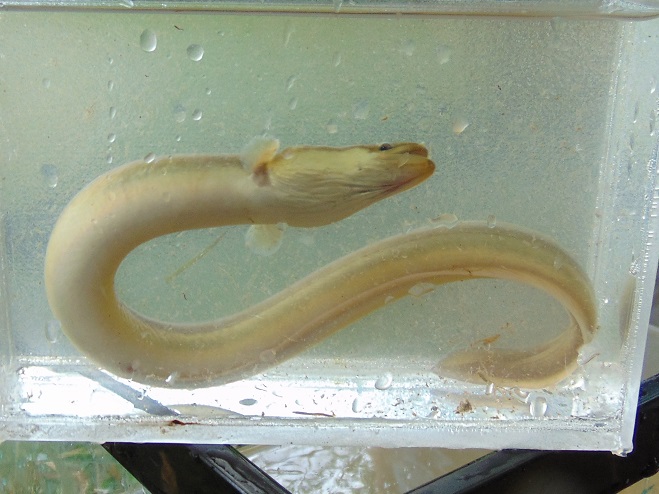
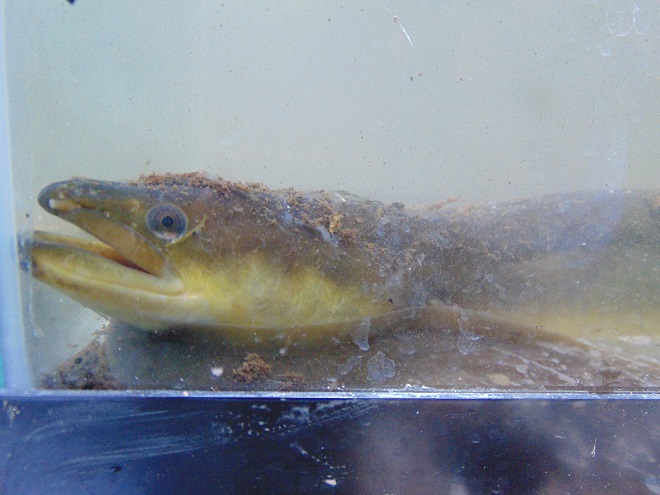
The stars of the day were the American Eels (Anguilla rostrata).
After collection, each eel was measured and weighed using a scale and dry bucket. This specimen checked in at 20 inches and one pound before being released.
Prior to the construction of large dams, American Eels were plentiful in the Susquehanna and its tributaries, including the Conewago. They’ve since been rarities for more than half a century. Now they’re getting a lift.
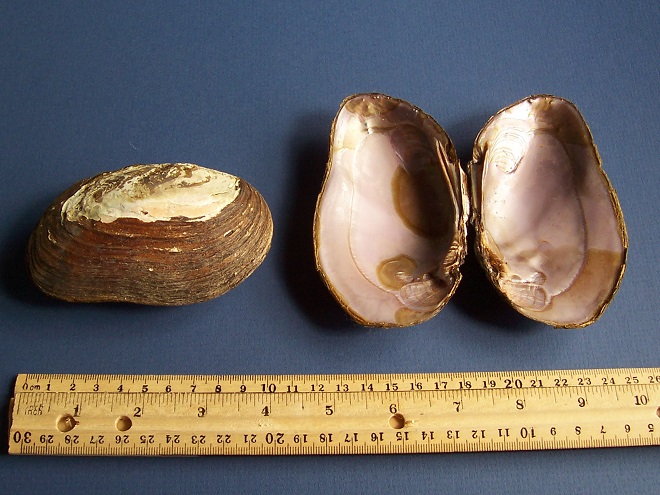
American Eels serve as an intermediate host for the microscopic parasitic glochidia (larvae) of the Eastern Elliptio (Elliptio complanata), a declining native freshwater mussel of the Lower Susquehanna River Watershed. While feeding on their host (usually in its gills), the glochidia cause little injury and soon drop off to continue growth, often having assured distribution of their species by accepting the free ride. Freshwater mussels are filter feeders and improve water quality. They grow slowly and can live for decades.
American Eels are a catadromous species, starting life as tiny glass eels in the saltwater of the Atlantic Ocean, then migrating to tidal brackish marshes and streams (males) or freshwater streams (females) to mature. This 20-incher probably attempted to ascend the Susquehanna as an elver in 2016 or 2017. After hitching a ride with some friendly folks, she bypassed the three largest dams on the lower Susquehanna (Conowingo, Holtwood, and Safe Harbor) and arrived in the Conewago where she may remain and grow for ten years or more. To spawn, a perilous and terminally fatal journey to the Sargasso Sea awaits her. (You may better know the area of the Sargasso Sea as The Bermuda Triangle…a perilous place to travel indeed!)
SOURCES
Normandeau Associates, Inc. and Gomez and Sullivan. 2018. Muddy Run Pumped Storage Project Conowingo Eel Collection Facility FERC Project 2355. Prepared for Exelon.
Stambaugh, Jr., John W., and Robert P. Denoncourt. 1974. A Preliminary Report on the Conewago Creek Faunal Survey, Lancaster County, Pennsylvania. Proceedings of the Pennsylvania Academy of Sciences. 48: 55-60.
It seems as though the birds have grown impatient for typical spring weather to arrive. The increase in hours of daylight has signaled them that breeding time is here. No further delays can be entertained. They’ve got a schedule to keep.
Thursday, March 29: Winds began blowing from the southwest, breaking a cold spell which had persisted since last week’s snowfall. Birds were on the move ahead of an approaching rainy cold front.
Friday, March 30: Temperatures reached 60 degrees at last. Birds were again moving north through the day, despite rain showers and a change in wind direction—from the northwest and cooler following the passage of the front in the late morning.
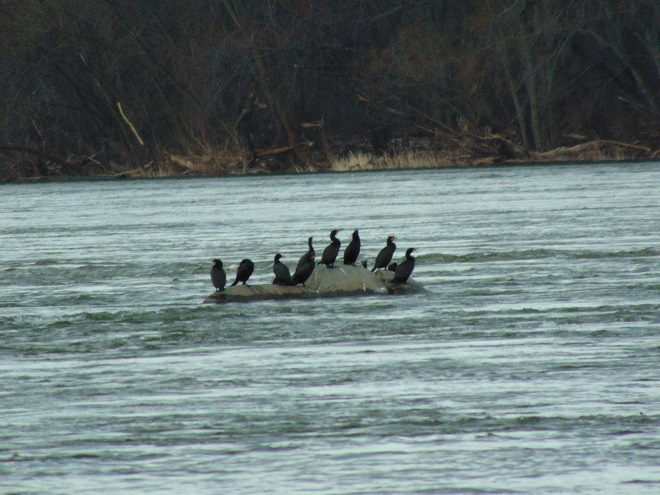
Flocks of Double-crested Cormorants followed the Susquehanna River north in numerous V-shaped flocks during the recent several days.
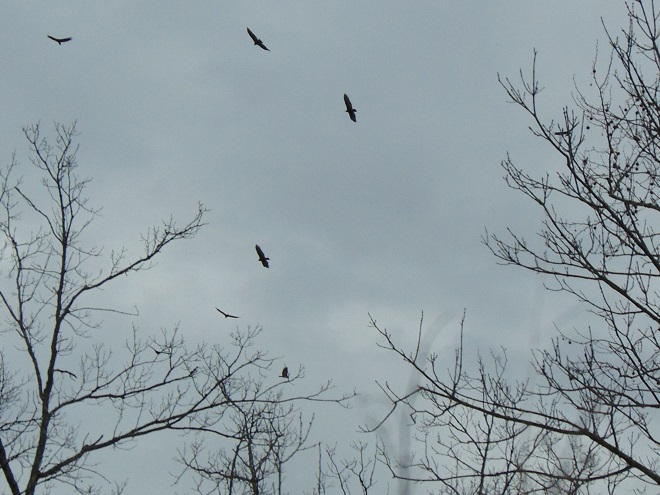
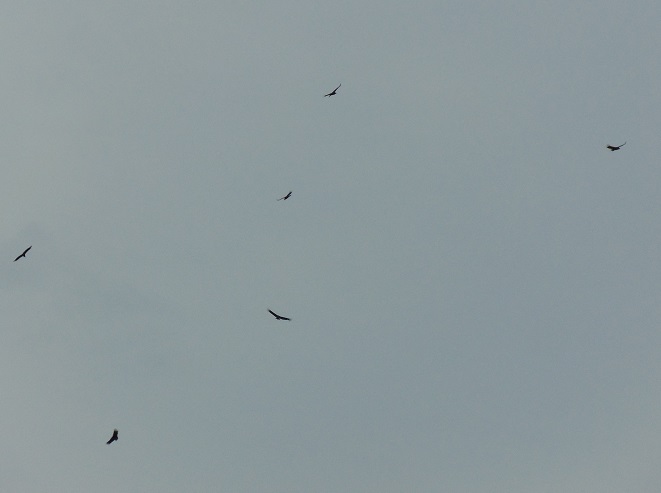
There were Turkey Vultures by the hundreds on the way north.
And nearly as many Black Vultures too.
Saturday, March 31: It was cooler, but birds were still on the wing headed north.
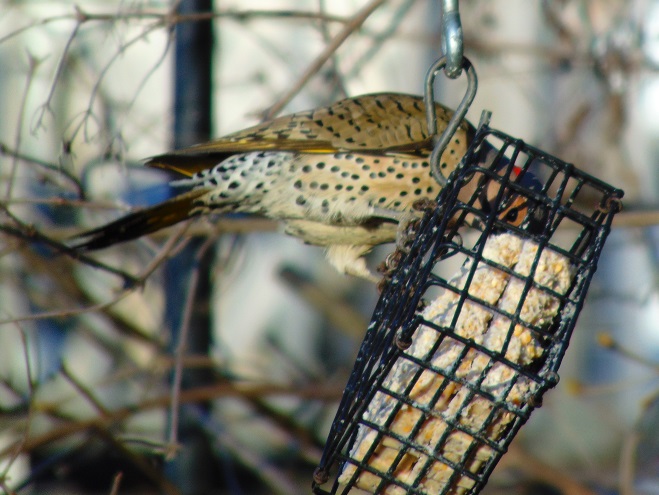
At sunrise, a migrating Northern Flicker stopped by at a suet feeder to refuel.
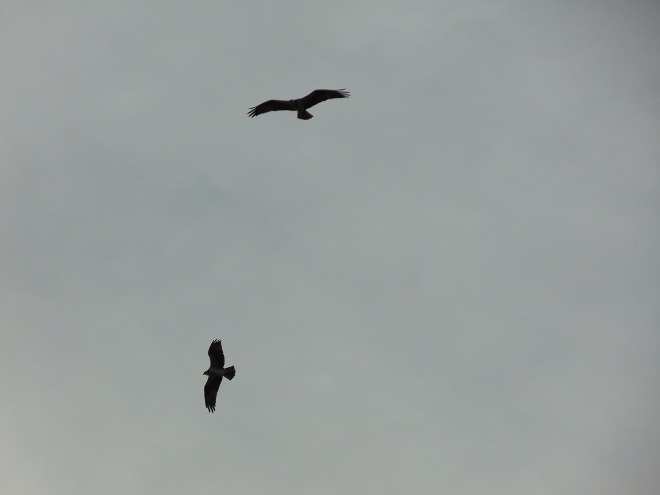
Osprey pairs have arrived at nest sites on the lower Susquehanna.
Sunday, April 1: The morning was pleasant, but conditions became cooler and breezy in the afternoon. Migratory and resident birds began feeding ahead of another storm.
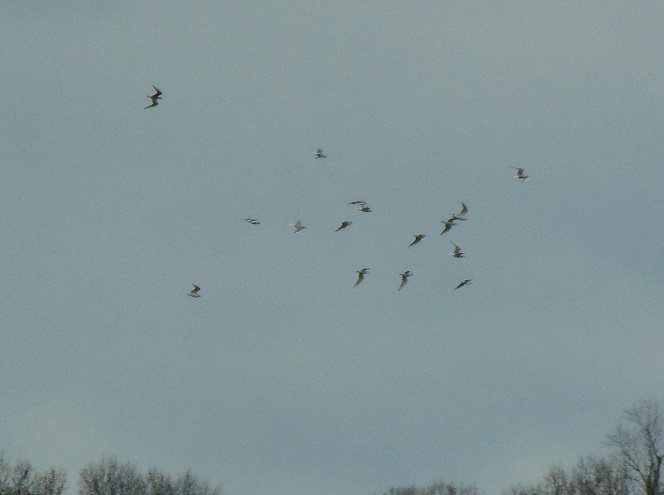
A distant flock of fast-flying Bonaparte’s Gulls (Chroicocephalus philadelphia) moves expeditiously up the Susquehanna at Conewago Falls as winds begin to pick up during the late morning. Are they hurrying to get north of the path of the forthcoming weather system?
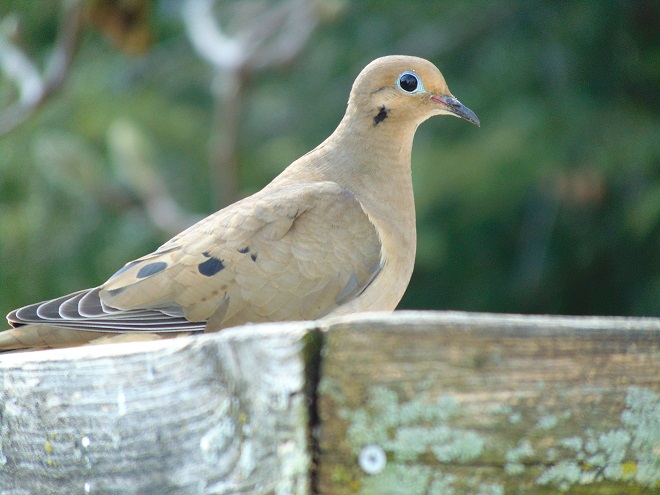
A Mourning Dove (Zenaida macroura) feeds in anticipation of a snowy night ahead.
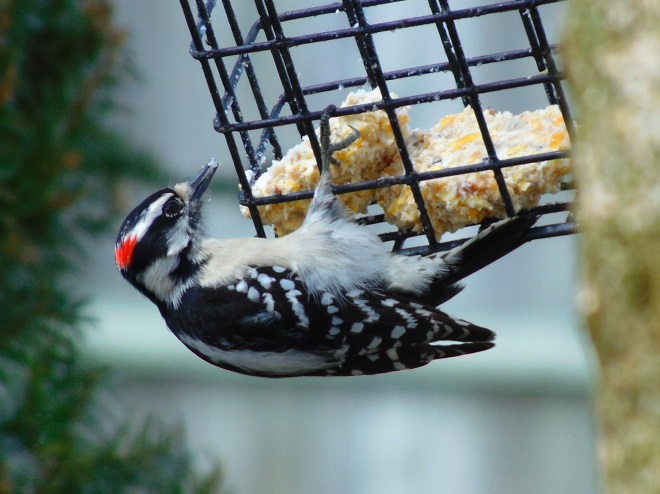
A male Downy Woodpecker devours a late-afternoon meal.
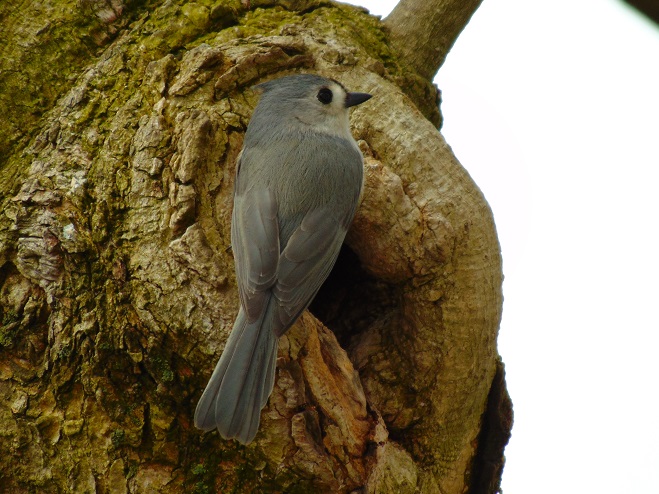
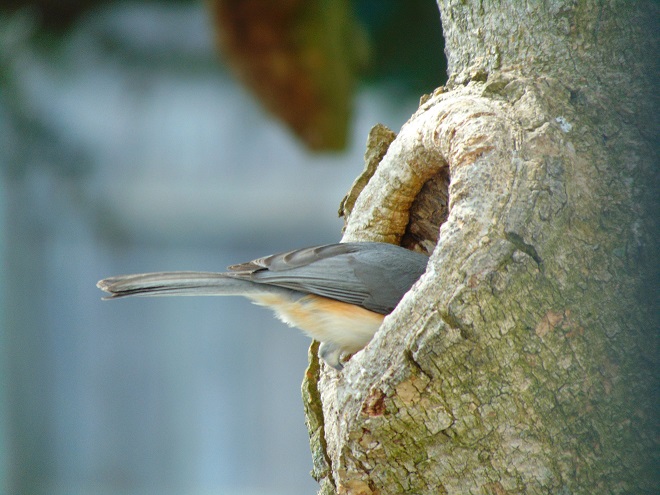
This Tufted Titmouse (Baeolophus bicolor), a cavity-nesting species, is distracted by a potential new home.
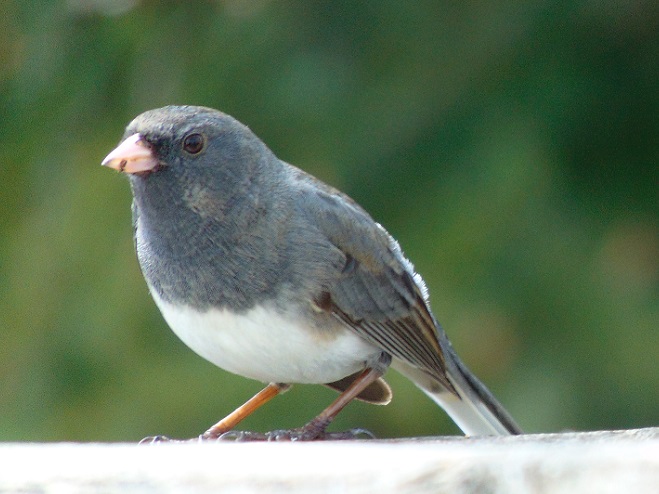
Dark-eyed Juncos winter in the lower Susquehanna valley. During the month of April, they will begin departing for their breeding grounds, some nesting in the mountains just to our north.
Tufted Titmouse…still house hunting.
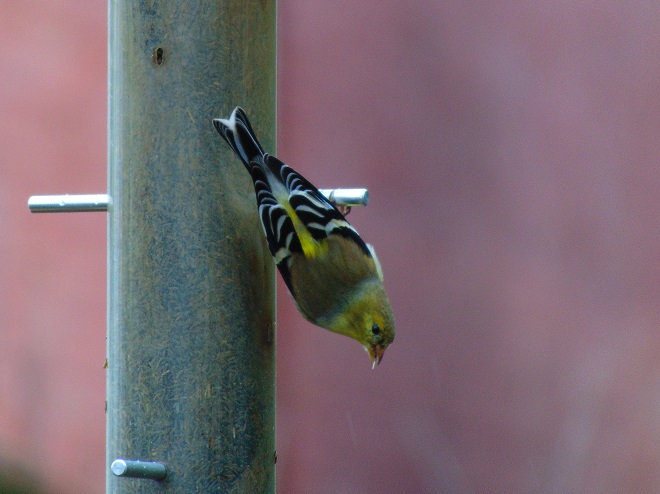
A male American Goldfinch is progressing through molt into a showy breeding (alternate) plumage.
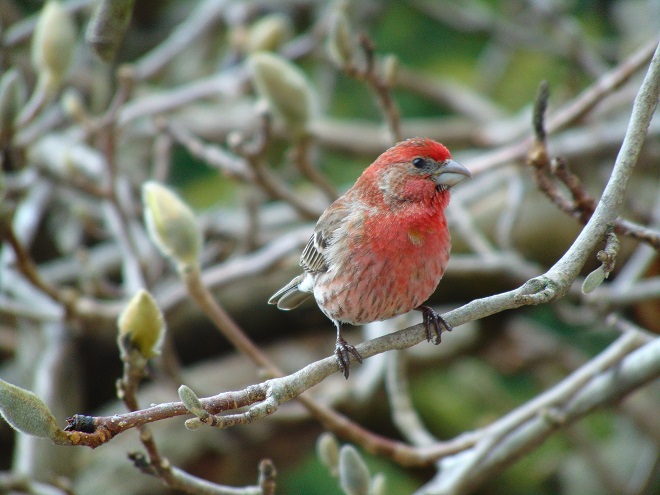
A male House Finch takes a break from its melodious song to feed before the arrival of our next spring snow. His mate is already incubating eggs in a nest not far away.
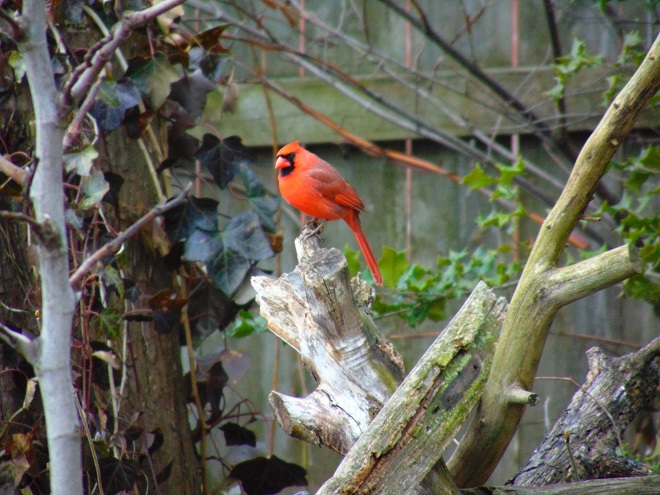
Northern Cardinals (Cardinalis cardinalis) feed through the late afternoon, often as the last birds out-and-about before darkness. This male remains close to his mate as she forages beneath nearby shrubs.
Monday, April 2: Snow fell again, overnight and through the morning—a couple of inches. Most of the snow had melted away by late afternoon.
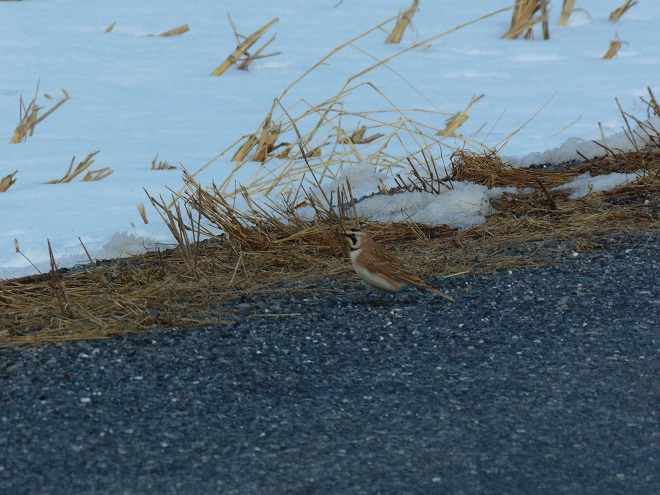
Horned Larks are plentiful in large open bare-soil (tilled) farmlands in winter, particularly near fresh manure. Their sandy-tan coloration hides them well, and they are seldom noticed unless spotted at roadside following snow storms. Horned Larks are migratory ground-nesting birds found in many sparsely vegetated habitats including tundra, parched fields and prairies, beaches, and even airports. There is a breeding population in the lower Susquehanna valley which may be increasingly attracted to favorable nesting habitat created in some no-till fields, possibly using a window of opportunity between the demise of cold-season cover crops and the ascendency of the warm-season crops to complete a brood cycle. Comparing the site selection and success rates of nesting Horned Larks under various crop management methods, including reactions to herbicide use, could be an enlightening study project for inquisitive minds. (Hint-Hint)
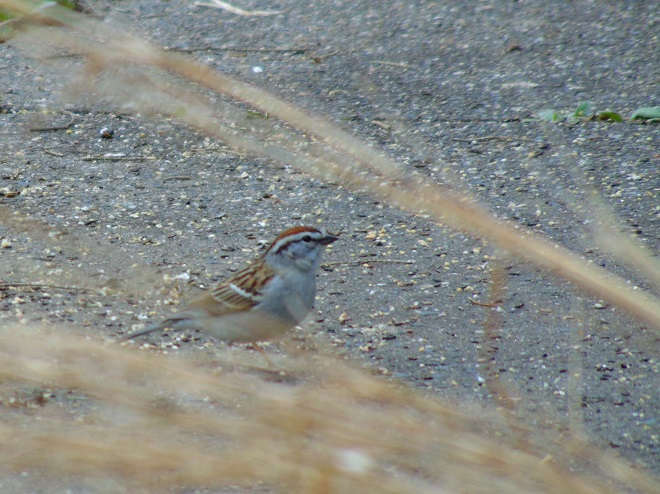
The dainty Chipping Sparrow has arrived. This species commonly nests in small trees, often in suburban gardens.
“Fear is the darkroom where negatives are developed.”
—Anonymous
I celebrate alone, entering my fortieth year of fame. Everyone knows me; they’ve all heard my name. The world won’t recognize Berwick, Salem, Peach Bottom, or the place near Springfield (not the one with the donut-eating man who drools when he sleeps on the job, the real one in Montgomery County, Pennsylvania). Oyster Creek, Beaver Valley, Hope Creek, and dozens of others won’t ring a bell, but they’ll recall me with emotion or story, and often with myth as well—I’m a Nuclear Star.
I’m the ultimate thriller, generating anxiety from day one. My worldwide debut was the stuff of legend; you saw me on the news. You remember all the dramatic tension, don’t you? Like all celebrities, I blew off a little steam, had a little gas, and then everyone waited, trying to figure out what was going to happen next. But I kept things under wraps, shrouded in a fog of mystery, not a sole eyewitness to the events in my inner sanctum. Confusion reigned. There was a sense of great danger and imminent catastrophe. There prevailed a sweaty uncertainty over the threat of disaster and invisible death.
Would I melt down?
Would I blow my top?
Those iconic and sinister towers, what kind of horrid poisons pour from them to burn the sky and land?
The world needed to know. People demanded information.
Well, I know your trust in me was eroded and you felt deceived by my agents. You saw it, how they withered in the spotlight of fame while trying to protect themselves and the new Nuclear Star. The uncertainty they caused motivated many of my neighbors to leave. Many more were pushed beyond rational skepticism about me to an enduring cynicism which persists to this day. Fortunately, a genuine, competent, straight-talking communicator arrived to allay everyone’s fears with frank and understandable explanations of the situation. Then, a visit by the President of the United States assuaged the trepidations of a frightened public and provided reassurance to those who left that it was safe to return.
I want everyone to know that I had plans for a long quiet career. Then, three months into it, a handler pressed my buttons the wrong way and I’ve been in the limelight ever since. I did melt down a bit, but thanks to a timely intervention, I didn’t drop through the floor. For the same reason, I didn’t go through the roof either. You need to know that I’m no bomb. I was built to last for the long haul, and I won’t go to pieces. Remember, I’m a Nuclear Star. Oh, and those really are just big fluffy white steam clouds coming out of those towers, nothing more. It’s true.
I’m really not so scary. There’s no scheming, evil little man hiding in my shadow planning the demise of the planet. Only the flies sit around rubbing their tiny hands together as they contemplate their next move. And I’ll remind you that not one of them was hurt here.
I’m a Nuclear Star; my legacy is secured. Come look at me and feel the awe. After all these years, I continue to make nervous many of those who see me in person. You’ll still see the crowds and cameras outside my gates from time to time, demanding to know what kind of devious scheme is being hatched inside. I remain a central figure, but typecast as the villain. Without fail, I’m presumed to be the deleterious factor when man or nature ails. It’s not the fuming coal choker down the river, or the dam wall next door. It’s not the smoldering trash cookers north and south, or the sludge on the fields. It’s not the junk mixed into the food, or the spraying of poisons willy-nilly. Nor is it the filth in the water, the lazy life, or the smog in the city. It’s not the cigarette in your mouth, the synthetics in your house, the hours in your car. It’s Three Mile Island. That’s what did it. I’m a Nuclear Star.
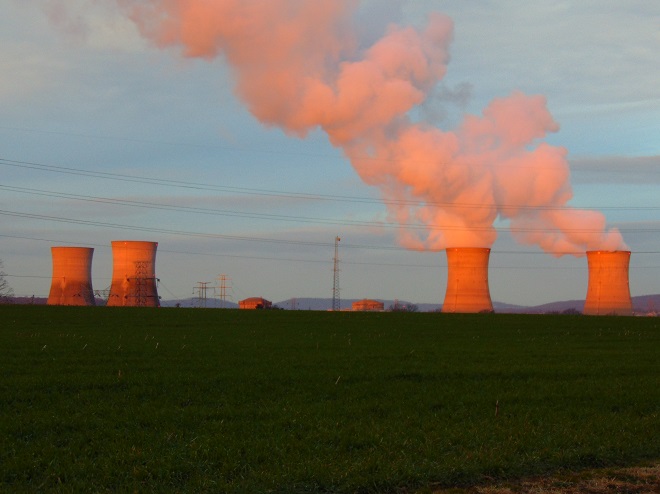
Three Mile Island Nuclear Generating Station. Unit 2 (left) has been shut down since the March 28, 1979, accident and partial meltdown. Unit 1 (right) is currently operating and producing electricity.
Oh, and by the way, the plant in Montgomery County is called Limerick, in case you were wondering.
It has not been a good summer if you happen to be a submerged plant species in the lower Susquehanna River. Regularly occurring showers and thunderstorms have produced torrents of rain and higher than usual river stages. The high water alone wouldn’t prevent you from growing, colonizing a wider area, and floating several small flowers on the surface, however, the turbidity, the suspended sediment, would. The muddy current casts a dirty shadow on the benthic zone preventing bottom-rooted plants from getting much headway. There will be smaller floating mats of the uppermost leaves of these species. Fish and invertebrates which rely upon this habitat for food and shelter will find sparse accommodation…better luck next year.
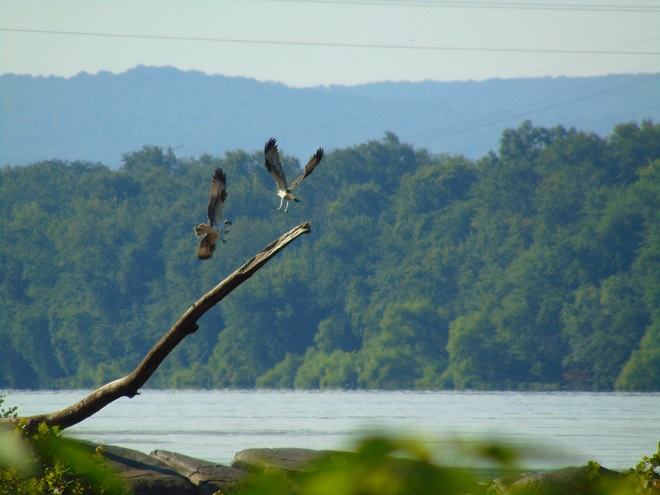
Due to the dirty water, fish-eating birds are having a challenging season as they try to catch sufficient quantities of prey to feed themselves and their offspring. A family of Ospreys (Pandion haliaetus) at Conewago Falls, including recently fledged young, were observed throughout this morning and had no successful catches. Of the hundred or more individual piscivores of various species present, none were seen retrieving fish from the river. The visibility in the water column needs to improve before fishing is a viable enterprise again.
Ospreys competing for a suitable fishing perch. Improving water conditions in the coming week should increase their success as predators.
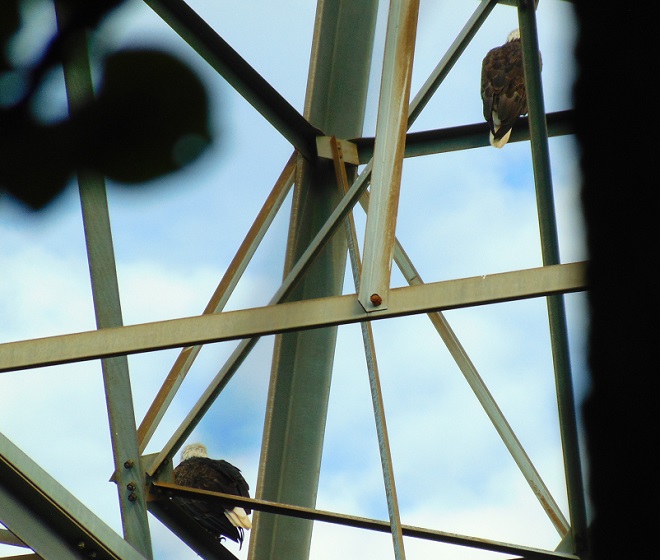
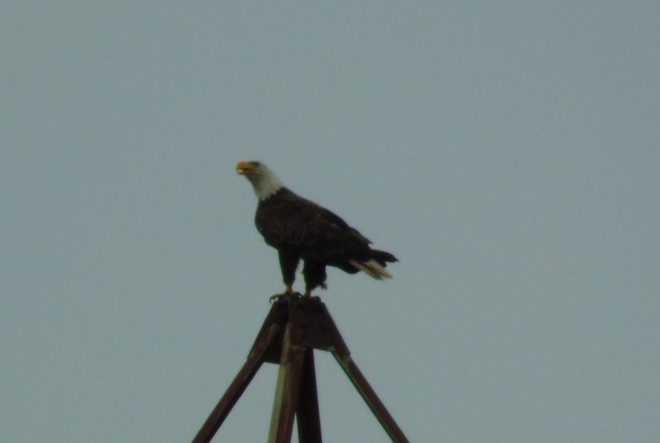
Versatile at finding food, adult Bald Eagles are experienced and know to be on the lookout for Ospreys with fish, a meal they can steal through intimidation.
While the submerged plant communities may be stunted by 2017’s extraordinary water levels, there is a very unique habitat in Conewago Falls which endures summer flooding and, in addition, requires the scouring effects of river ice to maintain its mosaic of unique plants. It is known as a Riverine Grassland or scour grassland.
The predominant plants of the Riverine Grasslands are perennial warm-season grasses. The deep root systems of these hardy species have evolved to survive events which prevent the grassland from reverting to woodland through succession. Fire, intense grazing by wild herd animals, poor soils, drought, and other hardships, including flooding and ice scour, will eliminate intolerant plant species and prevent an area from reforesting. In winter and early spring, scraping and grinding by flood-driven chunk ice mechanically removes large woody and poorly rooted herbaceous growth from susceptible portions of the falls. These adverse conditions clear the way for populations of species more often associated with North America’s tall grass prairies to take root. Let’s have a look at some of the common species found in the “Conewago Falls Pothole Rocks Prairie”.
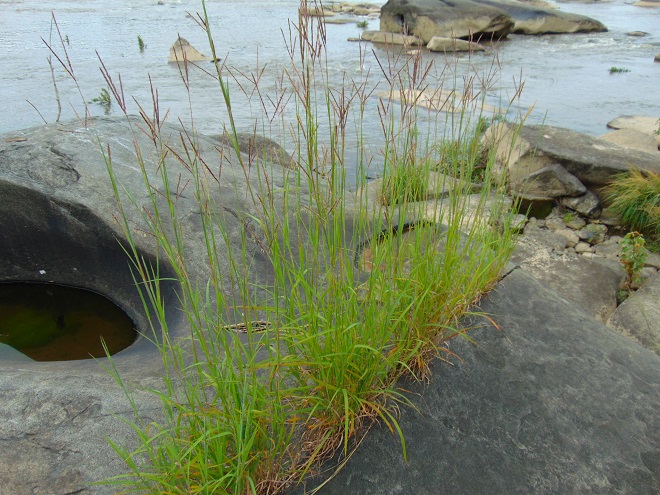
Big Bluestem (Andropogon gerardi), seen heregrowing in the cracks of a pothole rock. High water nourishes the plant by filling the crevices with nutrient-loaded sediment. This species evolved with roots over three feet deep to survive fires, trampling by bison, and drought.
Freshwater Cordgrass (Spartina pectinata) does well with its roots in water. It creates exceptional bird habitat and grows in the falls and on ice-scoured small islands in free-flowing segments of the Susquehanna River downstream.
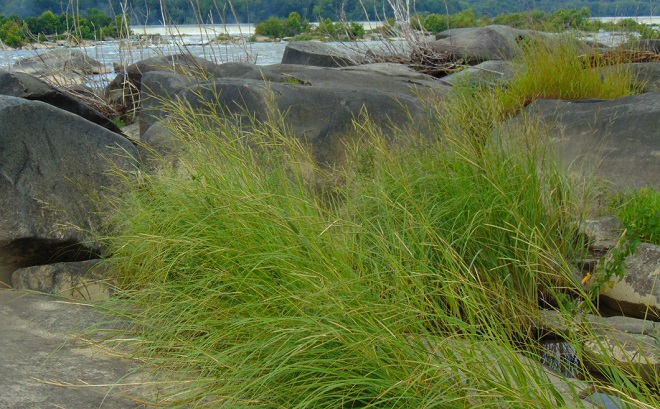
Switchgrass (Panicum virgatum), like Big Bluestem, is one of the tall grass prairie species and, like Freshwater Cordgrass, grows in near pure stands on ice-scoured islands. It takes flooding well and its extensive root system prevents erosion.
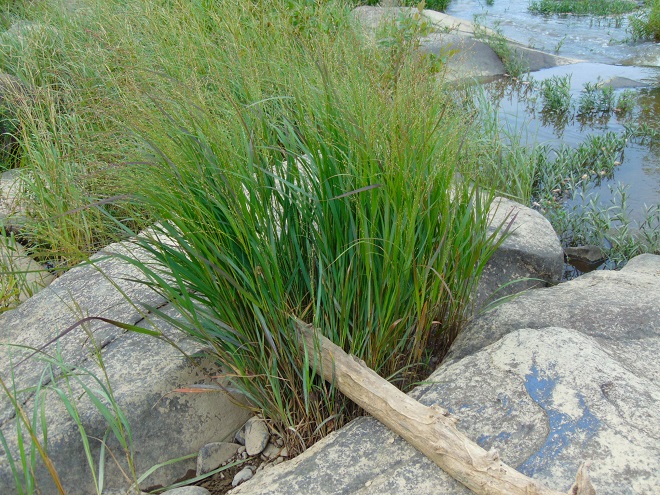
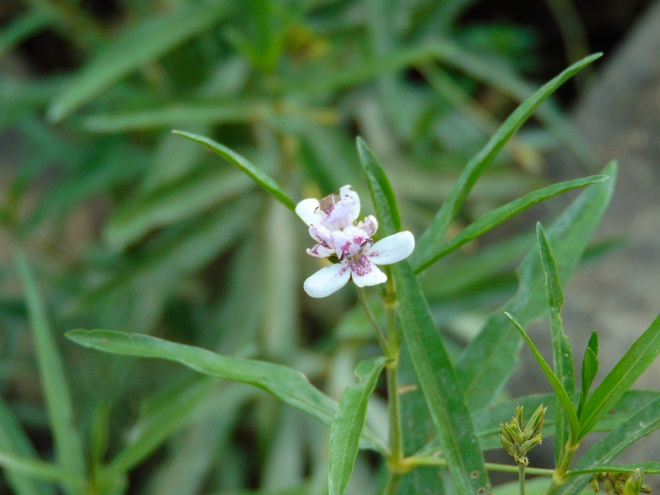
Though not a grass, Water Willow (Justicia americana) is familiar as a flood-enduring emergent plant of river islands, gravel bars, and shorelines where its creeping rhizome root system spreads the plant into large masses. These stands are often known locally as “grass beds”. This member of the acanthus family provides habitat for fish and invertebrates among its flooded leaves and stems. Its presence is critical to aquatic life in a year such as this.
The Conewago Falls Riverine Grassland is home to numerous other very interesting plants. We’ll look at more of them next time.
SOURCES
Brown, Lauren. 1979. Grasses, An Identification Guide. Houghton Mifflin Company. New York, NY.
She ate only toaster pastries…that’s it…nothing else. Every now and then, on special occasions, when a big dinner was served, she’d have a small helping of mashed potatoes, no gravy, just plain, thank you. She received all her nutrition from several meals a week of macaroni and cheese assembled from processed ingredients found in a cardboard box. It contains eight essential vitamins and minerals, don’t you know? You remember her, don’t you?
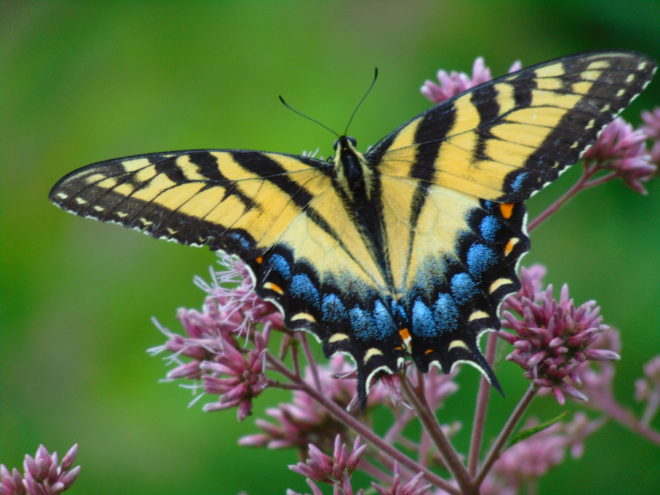
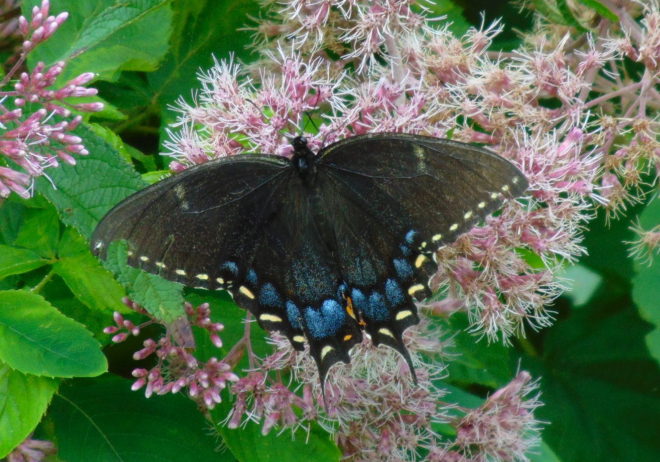
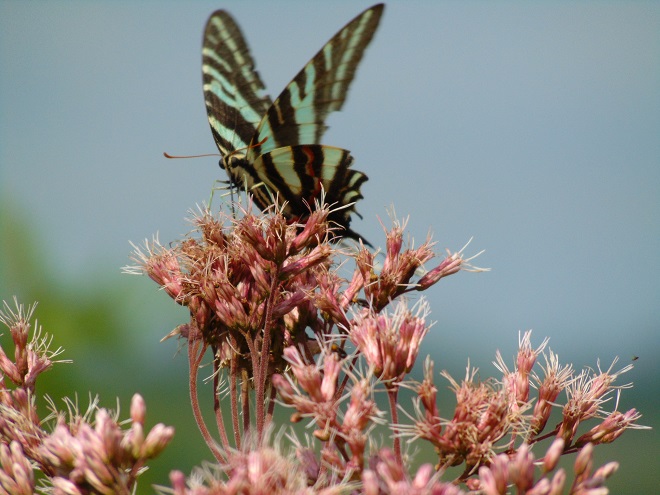
Adult female butterflies must lay their eggs where the hatched larvae will promptly find the precise food needed to fuel their growth. These caterpillars are fussy eaters, with some able to feed upon only one particular species or genus of plant to grow through the five stages, the instars, of larval life. The energy for their fifth molt into a pupa, known as a chrysalis, and metamorphosis into an adult butterfly requires mass consumption of the required plant matter. Their life cycle causes most butterflies to be very habitat specific. These splendid insects may visit the urban or suburban garden as adults to feed on nectar plants, however, successful reproduction relies upon environs which include suitable, thriving, pesticide-free host plants for the caterpillars. Their survival depends upon more than the vegetation surrounding the typical lawn will provide.
The Monarch (Danaus plexippus), a butterfly familiar in North America for its conspicuous autumn migrations to forests in Mexico, uses the milkweeds (Asclepias) almost exclusively as a host plant. Here at Conewago Falls, wetlands with Swamp Milkweed (Asclepias incarnata) and unsprayed clearings with Common Milkweed (A. syriaca) are essential to the successful reproduction of the species. Human disturbance, including liberal use of herbicides, and invasive plant species can diminish the biomass of the Monarch’s favored nourishment, thus reducing significantly the abundance of the migratory late-season generation.
Monarch caterpillar after a fourth molt. The fifth instar feeding on Swamp Milkweed.
A fifth molt begets the Monarch pupa, the chrysalis, from which the showy adult butterfly will emerge.
Adult Monarch feeding on Goldenrod (Solidago) nectar.
Butterflies are good indicators of the ecological health of a given environment. A diversity of butterfly species in a given area requires a wide array of mostly indigenous plants to provide food for reproduction. Let’s have a look at some of the species seen around Conewago Falls this week…
An adult Silvery Checkerspot (Chlosyne nycteis) visiting a nectar plant, Partridge Pea (Chamaecrista fasciculata). Wingstem (Verbesina alternifolia), a plant of the Riparian Woodlands, is among the probable hosts for the caterpillars.
A Gray Hairstreak (Strymon melinus) visits Crown Vetch, a possible host plant. Other potential larval food in the area includes Partridge Pea, Halberd-leaved Rose Mallow (Hibiscus laevis) of the river shoreline, and Swamp Rose Mallow (Hibiscus moscheutos), a plant of wetlands.
The Eastern Tailed Blue (Cupido comyntas) may use Partridge Pea , a native wildflower species, and the introduced Crown Vetch (Securigera/Coronilla varia) as host and nectar plants at Conewago Falls.
The Least Skipper (Ancyloxypha numitor) is at home among tall grasses in woodland openings, at riverside, and in the scoured grassland habitat of the Pothole Rocks in the falls. Host plants available include Switchgrass (Panicum vigatum), Freshwater Cordgrass (Spartina pectinata), and Foxtails (Setaria).
The Zabulon Skipper (Poanes zabulon) is an inhabitant of moist clearings where the caterpillars may feed upon Lovegrasses (Eragrostis) and Purpletop (Tridens flavus).
The Eastern Tiger Swallowtail (Papilio glaucus), a female seen here gathering nectar from Joe-Pye Weed (Eutrochium), relies upon several forest trees as hosts. Black Cherry (Prunus serotina), Willow (Salix), Yellow Poplar (Liriodendron tulipifera), also known as Tuliptree, and Green Ash (Fraxinus pennsylvanica) are among the local species known to be used. The future of the latter food species at Conewago Falls is doubtful. Fortunately for the Eastern Tiger Swallowtail, the “generalist” feeding requirements of this butterfly’s larvae enable the species to survive the loss of a host plant.
A female Eastern Tiger Swallowtail, black morph, gathering nectar from Joe-Pye Weed.
The Zebra Swallowtail (Protographium marcellus), an adult seen here on Joe-Pye Weed, feeds exclusively upon Pawpaw (Asimina) trees as a caterpillar. This butterfly species may wander, but its breeding range is limited to the moist Riparian Woodlands where colonial groves of Pawpaw may be found. The Common Pawpaw (Asimina triloba), our native species in Pennsylvania, and the Zebra Swallowtail occur at the northern edge of their geographic ranges in the Lower Susquehanna River Watershed. Planting Pawpaw trees as an element of streamside reforestation projects certainly benefits this marvelous butterfly.
The spectacularly colorful butterflies are a real treat on a hot summer day. Their affinity for showy plants doubles the pleasure.
By the way, I’m certain by now you’ve recalled that fussy eater…and how beautiful she grew up to be.
SOURCES
Brock, Jim P., and Kaufman, Kenn. 2003. Butterflies of North America. Houghton Mifflin Company. New York, NY.
They can be a pesky nuisance. The annoying high-frequency buzzing is bad enough, but it’s the quiet ones that get you. While you were swatting at the noisy one, the silent gender sticks you and begins to feed. Maybe you know it, or maybe you don’t. She could make you itch and scratch. If she’s carrying a blood-borne pathogen, you could get sick and possibly die.
To humans, mosquitos are the most dangerous animal in the world (though not in the United States where man himself and the domestic dog are more of a threat). Globally, the Anopheles mosquitos that spread Malaria have been responsible for millions and millions of human deaths. Some areas of Africa are void of human habitation due to the prevalence of Malaria-spreading Anopheles mosquitos. In the northeastern United States, the Northern House Mosquito (Culex pipiens), as the carrier of West Nile Virus, is the species of greatest concern. Around human habitations, standing water in tires, gutters, and debris are favorite breeding areas. Dumping stagnant water helps prevent the rapid reproduction of this mosquito.
In recent years, the global distribution of these mosquito-borne illnesses has been one of man’s inadvertent accomplishments. An infected human is the source of pathogens which the feeding mosquito transmits to another unsuspecting victim. Infectious humans, traveling the globe, have spread some of these diseases to new areas or reintroduced them to sectors of the world where they were thought to have been eliminated. Additionally, where the specific mosquito carrier of a disease is absent, the mobility of man and his cargos has found a way to transport them there. Aedes aegypti, the “Yellow Fever Mosquito”, carrier of its namesake and the Zeka Virus, has found passage to much of the world including the southern United States. Unlike other species, Aedes aegypti dwells inside human habitations, thus transmitting disease rapidly from person to person. Another non-native species, the Asian Tiger Mosquito (Aedes albopictus), vector of Dengue Fever in the tropics, arrived in Houston in 1985 in shipments of used tires from Japan and in Los Angeles in 2001 in wet containers of “lucky bamboo” from Taiwan…some luck.
Asian Tiger Mosquito in action during the daylight hours, typical behavior of the genus. This species has been found in the area of Conewago Falls since at least 2013.
Poor mosquito, despite the death, suffering, and misery it has brought to Homo sapiens and other species around the planet, it will never be the most destructive animal on earth. You, my bloodthirsty friends, will place second at best. You see, mosquitos get no respect, even if they do create great wildlife sanctuaries by scaring people away.
The winner knows how to wipe out other species and environs not only to ensure its own survival, but, in many of its populations, to provide leisure, luxury, gluttony, and amusement. This species possesses the cognitive ability to think and reason. It can contemplate its own existence and the concepts of time. It is aware of its history, the present, and its future, though its optimism about the latter may be its greatest delusion. Despite possessing intellect and a capacity to empathize, it is devious, sinister, and selfish in its treatment of nearly every other living thing around it. Its numbers expand and its consumption increases. It travels the world carrying pest and disease to all its corners. It pollutes the water, land, and air. It has developed language, culture, and social hierarchies which create myths and superstitions to subdue the free will of its masses. Ignoring the gift of insight to evaluate the future, it continues to reproduce without regard for a means of sustenance. It is the ultimate organism, however, its numbers will overwhelm its resources. The crowning distinction will be the extinction.
Homo sapiens will be the first animal to cause a mass extinction of life on earth. The forces of nature and the cosmos need to wait their turn; man will take care of the species annihilation this time around. The plants, animals, and clean environment necessary for a prosperous healthy life will cease to exist. In the end, humans will degenerate, live in anguish, and leave no progeny. Fate will do to man what he has done to his co-inhabitants of the planet.
The Bald Eagle (Haliaeetus leucocephalus) is again a breeding species in the Susquehanna River watershed. It is generally believed that during the mid-twentieth century, Dichlorodiphenyltrichloroethane (DDT) pesticide residues accumulated in female top-of-the-food-chain birds including Bald Eagles. As a result, thinner egg shells were produced. These shells usually cracked during incubation, leading to failed reproduction in entire populations of birds, particularly those that fed upon fish or waterfowl. In much of the developed world, DDT was used liberally during the mid-twentieth century to combat Malaria by killing mosquitos. It was widely used throughout the United States as a general insecticide until it was banned here in 1972. (Editors Note: There is the possibility that polychlorinated biphenyls [P.C.B.s] and other industrial pollutants contributed to the reproductive failure of birds at the apex of aquatic food chains. Just prior to the recovery of these troubled species, passage of the Clean Water Act in 1972 initiated reductions in toxic discharges from point sources into streams, rivers, lakes, bays, and oceans. Production of P.C.B.s was banned in the United States in 1978. Today, P.C.B.s from former discharge and dumping sites continue to be found in water. Spills can still occur from sources including old electric transformers.)To substitute any other beast would be folly. Man, the human, Homo sapiens, the winner and champion, will repeatedly avail himself as the antagonist during our examination of the wonders of wildlife. He is the villain. The tragedy of his self-proclaimed dominion over the living things of the world will wash across these pages like muddy water topping a dam. There’s nothing I can do about it, aside from fabricating a bad novel with a fictional characterization of man. So let’s get on with it and take a look at “A Natural History of Conewago Falls”. Let’s discover the protagonist, the heroic underdog of our story, “Life in the Lower Susquehanna River Watershed.”
Over the top today.
SOURCES
Avery, Dennis T. 1995. Saving the Planet with Pesticides and Plastic: The Environmental Triumph of High-Yield Farming. Hudson Institute. Indianapolis, Indiana.
Eaton, Eric R., and Kenn Kaufman. 2007. Kaufman Field Guide to Insects of North America. Houghton Mifflin Co. New York.
Newman, L.H. 1965. Man and Insects. The Natural History Press. Garden City, New York.