It looks like the worst of the cold may be behind us. With temperatures trending upwards during the coming days and weeks, some species of wildlife will soon find their search for food made a whole lot easier.

LIFE IN THE LOWER SUSQUEHANNA RIVER WATERSHED
A Natural History of Conewago Falls—The Waters of Three Mile Island
It looks like the worst of the cold may be behind us. With temperatures trending upwards during the coming days and weeks, some species of wildlife will soon find their search for food made a whole lot easier.
As we begin the second half of October, frosty nights have put an end to choruses of annual cicadas in the lower Susquehanna valley. Though they are gone for yet another year, they are not forgotten. Here’s an update on one of our special finds in 2025.
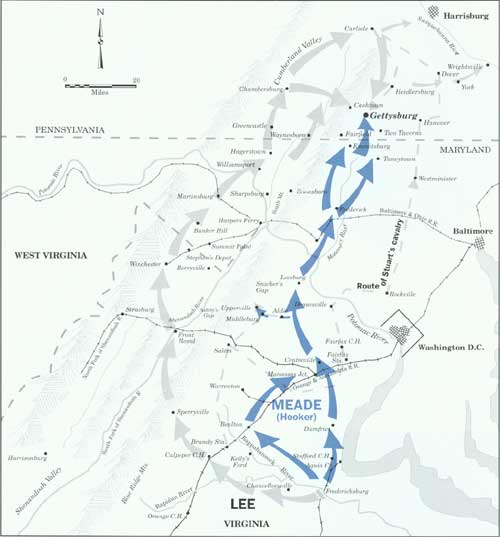
During late June of 1863, the beginning of the third summer of the American Civil War, there was great consternation among the populous of the lower Susquehanna region. Hoping to bring about Union capitulation and an end to the conflict, General Robert E. Lee and his 70,000-man Army of Northern Virginia were marching north into the passes and valleys on the west side of the river. The uncontested Confederate advances posed an immediate threat to Pennsylvania’s capital in Harrisburg and cities to the east. Marching north in pursuit of Lee was the First Corps of the Army of the Potomac, the lead element of the 100,000-man Union force under the direction of newly appointed commander General George G. Meade.
Upon belatedly learning of Meade’s pursuit, Lee hastily ordered the widely separated corps of his army to concentrate on the crossroads town of Gettysburg. As the southern army’s Third Corps under General A. P. Hill approached Gettysburg from the west, they were met by Union cavalry under the leadership of General John Buford. Dismounted and formed up south to north across the Chambersburg Pike, Buford’s men held off Confederate infantry until relieved by the arrival of the Union First Corps. As he deployed his men, the First Corps’ commander, General John F. Reynolds of Lancaster, was struck by a bullet and killed.
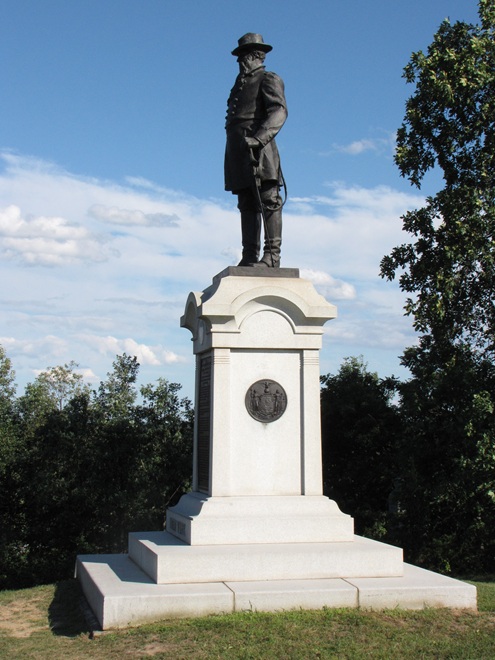
If you visit the Gettysburg battlefield, you can find the General John C. Robinson monument at the site of his division’s first-day position along Doubleday Avenue at Robinson Avenue near the Eternal Light Peace Memorial. But that’s not the Robinson we went to Gettysburg to see.
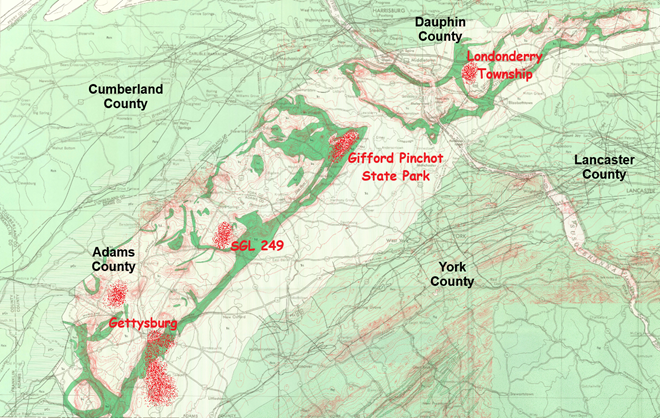
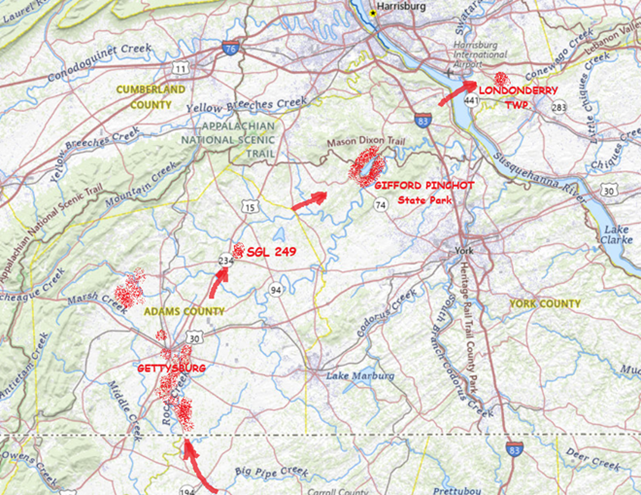
Following up on our sight and mostly sound experiences with some Robinson’s Cicadas, an annual species of singing insect we found thriving at Gifford Pinchot State Park in York County, Pennsylvania, during late July, we spent some time searching out other locations where this native invader from the southern United States could be occurring in the Lower Susquehanna River Watershed.
During mid-August, we stumbled upon a population of Robinson’s Cicadas east of the Susquehanna in the Conewago Creek (east) watershed in Londonderry Township, Dauphin County, and made some sound recordings.
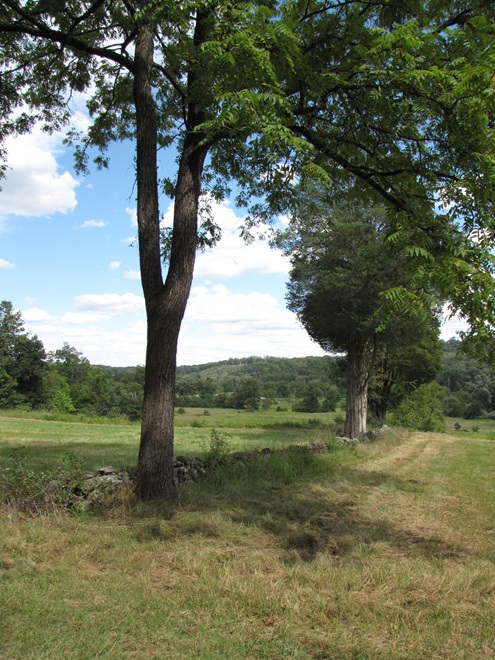
After pondering this latest discovery, we decided to investigate places with habitat characteristics similar to those at both the new Londonderry Township and the earlier Gifford Pinchot State Park locations—successional growth with extensive stands of Eastern Red Cedar on the Piedmont’s Triassic Gettysburg Formation “redbeds”. We headed south towards known populations of Robinson’s Cicadas in Virginia and Maryland to look for suitable sites within Pennsylvania that might bridge the range gap.
Our search was a rapid success. On State Game Lands 249 in the Conewago Creek (west) watershed in Adams County, we found Robinson’s Cicadas to be widespread.
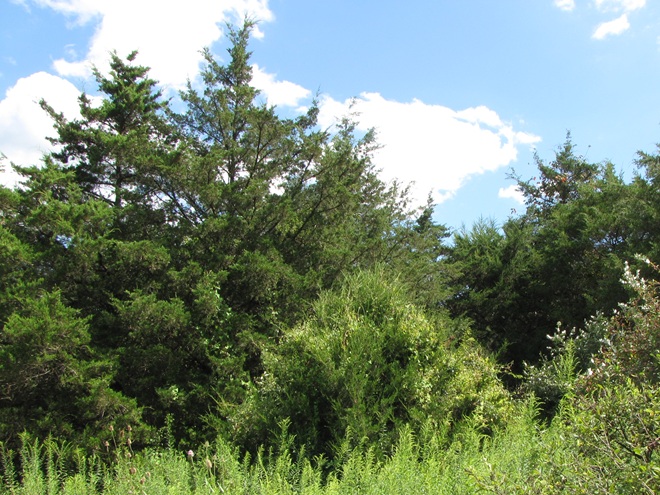
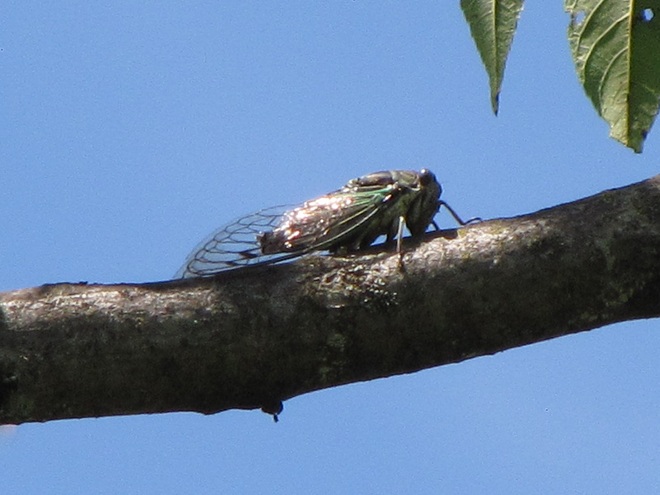
Following our hunch that these lower Susquehanna Robinson’s Cicadas extended their range north through the cedar thickets of the Gettysburg Basin as opposed to hopping the Appalachians from a population reported to inhabit southwest Pennsylvania, we made our way to the battlefield and surrounding lands. We found Robinson’s Cicadas to be quite common and widespread in these areas, even occurring in the town of Gettysburg itself.
Let us travel through time for just a little while to recall those sunny, late-spring days down on the farm—back when the rural landscape was a quiet, semi-secluded realm with little in the way of traffic, housing projects, or industrialized agriculture. Those among us who grew up on one of these family homesteads, or had friends who did, remember the joy of exploring the meadows, thickets, soggy springs, and woodlots they protected.

For many of us, farmland was the first place we encountered and began to understand wildlife. Vast acreage provided an abundance of space to explore. And the discovery of each new creature provided an exciting experience.

Today, high-intensity agriculture, relentless mowing, urban sprawl, and the increasing costs and demand for land have all conspired to seriously deplete habitat quality and quantity for many of the species we used to see on the local farm. Unfortunately for them, farm wildlife has largely been the victim of modern economics.
For old time’s sake, we recently passed a nostalgic afternoon at Middle Creek Wildlife Management Area examining what maintenance of traditional farm habitat has done and can do for breeding birds. Join us for a quick tour to remember how it used to be at the farm next door…


After repeatedly hearing the songs of these Neotropical migrants from among the foliage, we were finally able to get a look at them—but it required persistent effort.


Sometimes we have to count ourselves lucky if we see just one in five, ten, or even twenty of the birds we hear in the cover of the forest canopy or thicket. But that’s what makes this time of year so rewarding for the dedicated observer. The more time you spend out there, the more you’ll eventually discover. See you afield!


Neotropical birds are fairly well acquainted with repetitive periods of thundershowers. With that in mind, we decided not to waste this stormy Tuesday by remaining indoors.


We hope you enjoyed our walk in the rain as much as we did. If you venture out on a similar excursion, please remember this. The majority of the wild animals around us have busy lives, particularly at this time of year. Most don’t take a day off just because it rains—that includes ticks.


During Saturday’s Prescribed Fire Demonstration at the Pennsylvania Game Commission’s Middle Creek Wildlife Management Area, we noticed just how fast some species of wildlife return to areas subjected to burns administered to maintain grassland habitat and reduce the risk of high-intensity blazes.


Following the Prescribed Fire Demonstration, we decided to pay a visit to some of the parcels where burns had been administered one week earlier on the north side of Middle Creek’s main impoundment. We found a surprising amount of activity.


With relative humidity readings regularly dipping below 50%, the sunny days of March and early April are often some of the driest of the year. During recent weeks, these measurements have plunged to as low as 20%, levels not often observed in our region. As we’ve seen throughout the lower Susquehanna valley, windy weather and this extraordinarily dry air conspire to create optimal conditions for fast-spreading and often dangerous wildland fires.
On the brighter side, dry weather also provides the opportunity for foresters and other land managers to administer prescribed fire. These controlled burns are thoroughly planned to reduce accumulations of wildfire fuels and invigorate understory growth in forests. Their use also provides a number of effective methods for creating and maintaining wildlife habitats in non-forested areas.

This Saturday, March 22, 2025, crews from the Pennsylvania Game Commission will be hosting a Prescribed Fire Demonstration at Middle Creek Wildlife Management Area in Lancaster/Lebanon Counties. The event begins at 10:00 AM in the refuge’s museum/visitor’s center parking area. A controlled burn to “reset” a parcel with early successional growth back to grassland will follow a presentation on prescribed fire uses, planning, safety, and implementation.


Don’t forget: Middle Creek Wildlife Management Area museum/visitor’s center parking lot on Saturday, March 22, 2025, at 10:00 AM. See you there!
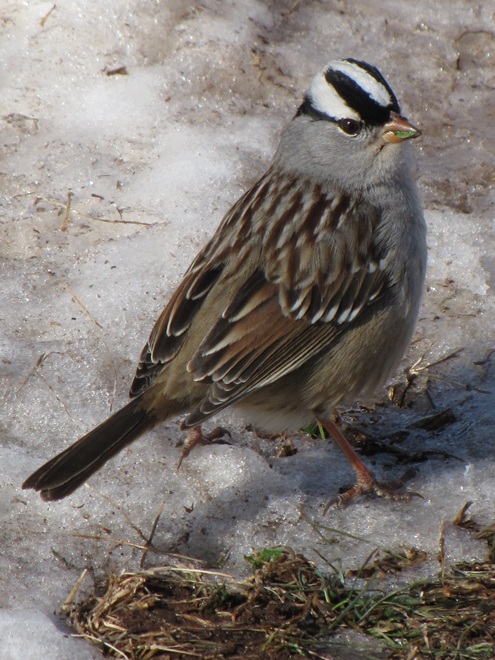
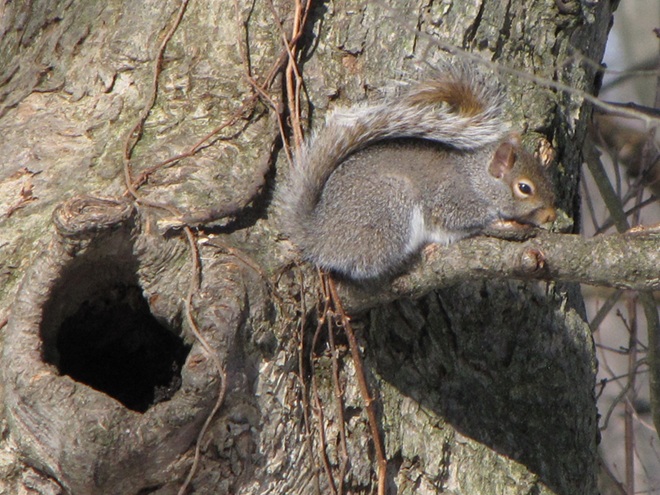
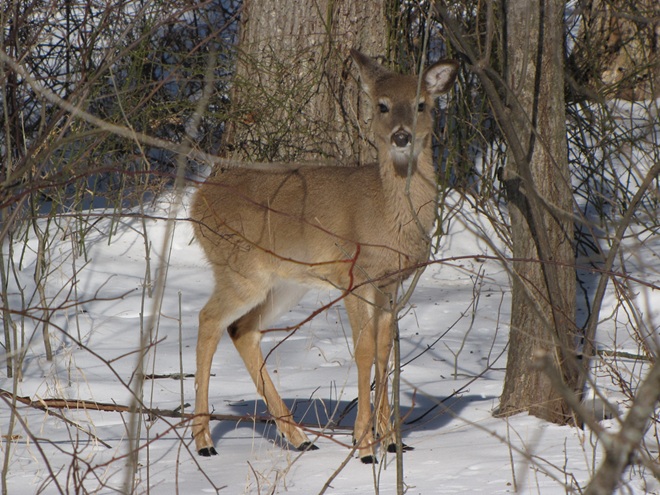
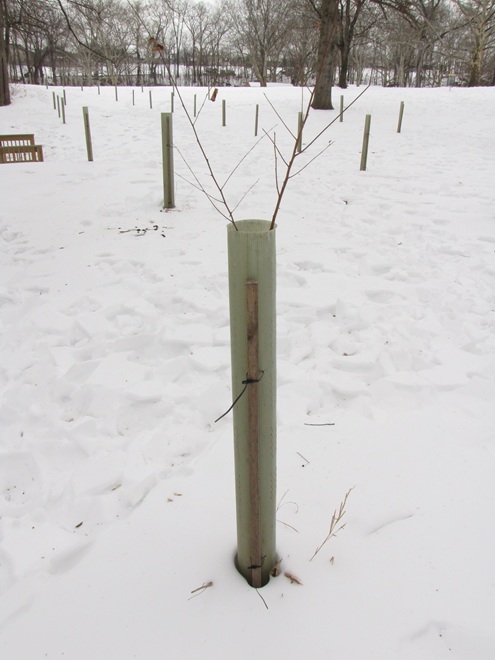
We’ve seen worse, but this winter has been particularly tough for birds and mammals in the Lower Susquehanna River Watershed. Due to the dry conditions of late summer and fall in 2024, the wild food crop of seeds, nuts, berries, and other fare has been less than average. The cold temperatures make insects hard to come by. Let’s have a look at how some of our local generalist and specialist species are faring this winter.


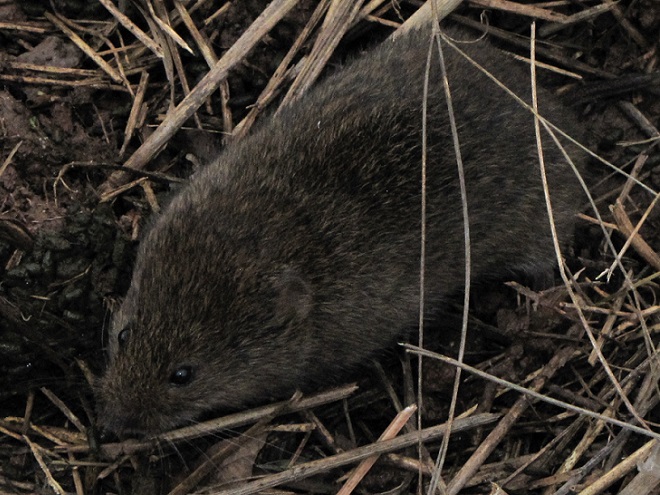


Wildlife certainly has a tough time making it through the winter in the lower Susquehanna valley. Establishing and/or protecting habitat that includes plenty of year-round cover and sources of food and water can really give generalist species a better chance of survival. But remember, the goal isn’t to create unnatural concentrations of wildlife, it is instead to return the landscape surrounding us into more of a natural state. That’s why we try to use native plants as much as possible. And that’s why we try to attract not only a certain bird, mammal, or other creature, but we try to promote the development of a naturally functioning ecosystem with a food web, a diversity of pollinating plants, pollinating insects, and so on. Through this experience, we stand a better chance of understanding what it takes to graduate to the bigger job at hand—protecting, enhancing, and restoring habitats needed by specialist species. These are efforts worthy of the great resources that are sometimes needed to make them a success. It takes a mindset that goes beyond a focus upon the welfare of each individual animal to instead achieve the discipline to concentrate long-term on the projects and processes necessary to promote the health of the ecosystems within which specialist species live and breed. It sounds easier than it is—the majority of us frequently become distracted.


On the wider scale, it’s of great importance to identify and protect the existing and potential future habitats necessary for the survival of specialist species. And we’re not saying that solely for their benefit. These protection measures should probably include setting aside areas on higher ground that may become the beach intertidal zone or tidal marsh when the existing ones become inundated. And it may mean finally getting out of the wetlands, floodplains, and gullies to let them be the rain-absorbing, storm-buffering, water purifiers they spent millennia becoming. And it may mean it’s time to give up on building stick structures on tinderbox lands, especially hillsides and rocky outcrops with shallow, eroding soils that dry to dust every few years. We need to think ahead and stop living for the view. If you want to enjoy the view from these places, go visit and take plenty of pictures, or a video, that’s always nice—then live somewhere else. Each of these areas includes ecosystems that meet the narrow habitat requirements of many of our specialist species, and we’re building like fools in them. Then we feign victimhood and solicit pity when the calamity strikes: fires, floods, landslides, and washouts—again and again. Wouldn’t it be a whole lot smarter to build somewhere else? It may seem like a lot to do for some specialist animals, but it’s not. Because, you see, we should and can live somewhere else—they can’t.


Back on March 24th, we took a detailed look at the process involved in administering prescribed fire as a tool for managing grassland and early successional habitat. Today we’re going turn back the hands of time to give you a glimpse of how the treated site fared during the five months since the controlled burn. Let’s go back to Middle Creek Wildlife Management Area for a photo tour to see how things have come along…
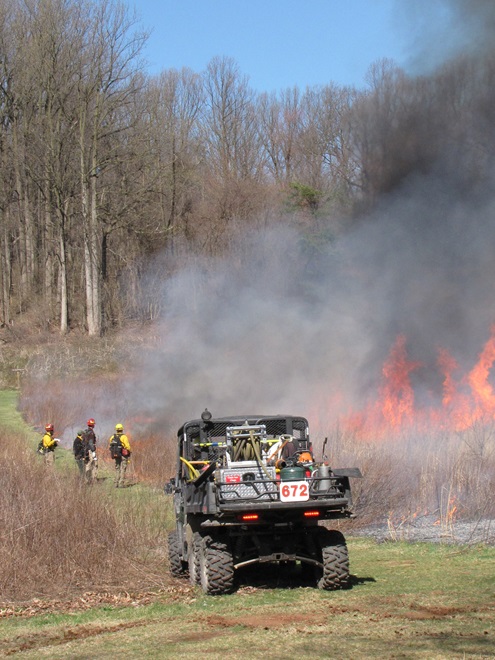


Elsewhere around the refuge at Middle Creek, prescribed fire and other management techniques are providing high-quality grassland habitat for numerous species of nesting birds…


We hope you enjoyed this short photo tour of grassland management practices. Now, we’d like to leave you with one last set of pictures—a set you may find as interesting as we found them. Each is of a different Eastern Cottontail, a species we found to be particularly common on prescribed fire sites when we took these images in late May. The first two are of the individuals we happened to be able to photograph in areas subjected to fire two months earlier in March. The latter two are of cottontails we happened to photograph elsewhere on the refuge in areas not in proximity to ground treated with a prescribed burn or exposed to accidental fire in recent years.


These first two rabbits are living the good life in a warm-season grass wonderland.


Oh Deer! Oh Deer! These last two rabbits have no clock to track the time; they have only ticks. Better not go for a stroll with them Alice—that’s no wonderland! I know, I know, it’s time to go. See ya later.
Homo sapiens owes much of its success as a species to an acquired knowledge of how to make, control, and utilize fire. Using fire to convert the energy stored in combustible materials into light and heat has enabled humankind to expand its range throughout the globe. Indeed, humans in their furless incomplete mammalian state may have never been able to expand their populations outside of tropical latitudes without mastery of fire. It is fire that has enabled man to exploit more of the earth’s resources than any other species. From cooking otherwise unpalatable foods to powering the modern industrial society, fire has set man apart from the rest of the natural world.
In our modern civilizations, we generally look at the unplanned outbreak of fire as a catastrophe requiring our immediate intercession. A building fire, for example, is extinguished as quickly as possible to save lives and property. And fires detected in fields, brush, and woodlands are promptly controlled to prevent their exponential growth. But has fire gone to our heads? Do we have an anthropocentric view of fire? Aren’t there naturally occurring fires that are essential to the health of some of the world’s ecosystems? And to our own safety? Indeed there are. And many species and the ecosystems they inhabit rely on the periodic occurrence of fire to maintain their health and vigor.
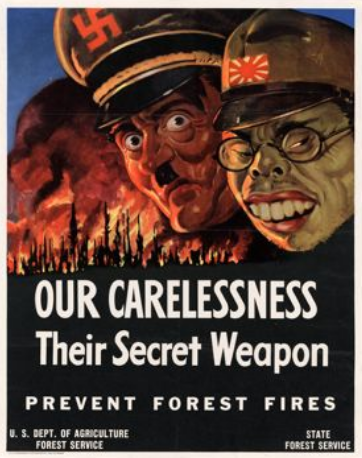
Man has been availed of the direct benefits of fire for possibly 40,000 years or more. Here in the Lower Susquehanna River Watershed, the earliest humans arrived as early as 12,000 years ago—already possessing skills for using fire. Native plants and animals on the other hand, have been part of the ever-changing mix of ecosystems found here for a much longer period of time—millions to tens of millions of years. Many terrestrial native species are adapted to the periodic occurrence of fire. Some, in fact, require it. Most upland ecosystems need an occasional dose of fire, usually ignited by lightning (though volcanism and incoming cosmic projectiles are rare possibilities), to regenerate vegetation, release nutrients, and maintain certain non-climax habitat types.
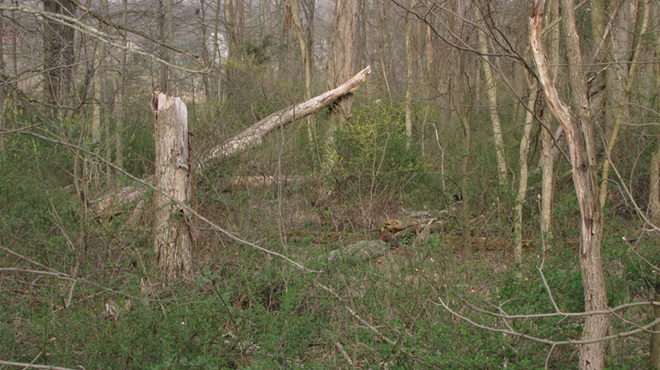
But much of our region has been deprived of natural-type fires since the time of the clearcutting of the virgin forests during the eighteenth and nineteenth centuries. This absence of a natural fire cycle has contributed to degradation and/or elimination of many forest and non-forest habitats. Without fire, a dangerous stockpile of combustible debris has been collecting, season after season, in some areas for a hundred years or more. Lacking periodic fires or sufficient moisture to sustain prompt decomposition of dead material, wildlands can accumulate enough leaf litter, thatch, dry brush, tinder, and fallen wood to fuel monumentally large forest fires—fires similar to those recently engulfing some areas of the American west. So elimination of natural fire isn’t just a problem for native plants and animals, its a potential problem for humans as well.
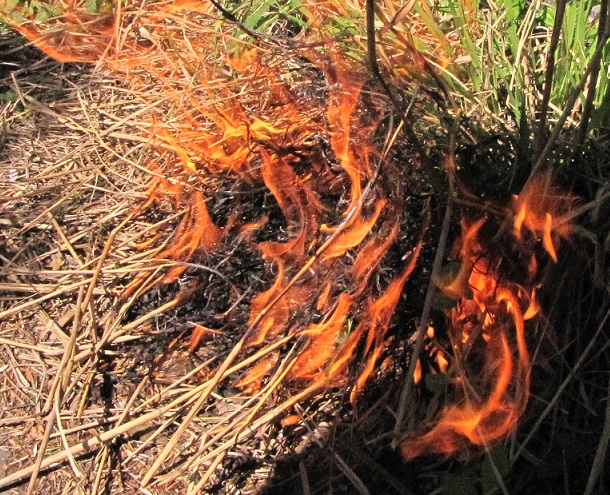
To address the habitat ailments caused by a lack of natural fires, federal, state, and local conservation agencies are adopting the practice of “prescribed fire” as a treatment to restore ecosystem health. A prescribed fire is a controlled burn specifically planned to correct one or more vegetative management problems on a given parcel of land. In the Lower Susquehanna River Watershed, prescribed fire is used to…
Let’s look at some examples of prescribed fire being implemented right here in our own neighborhood…
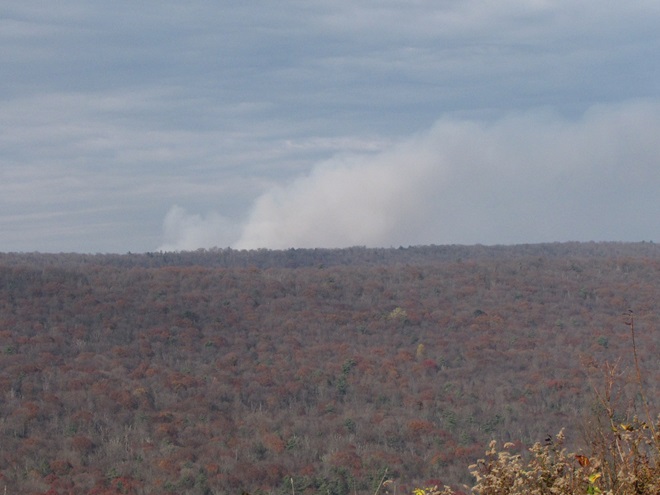
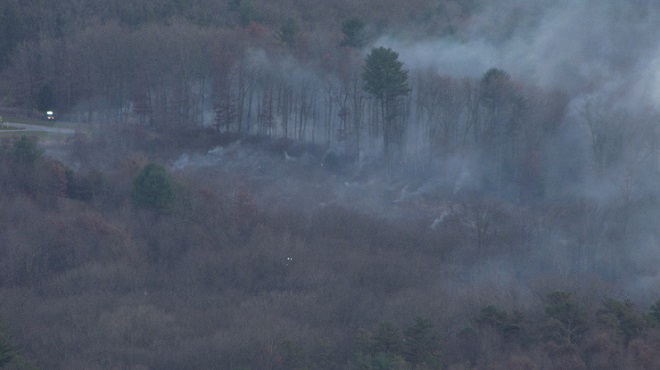
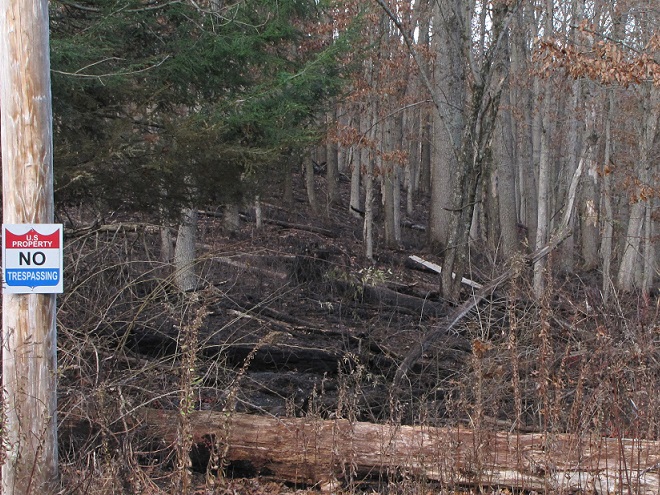
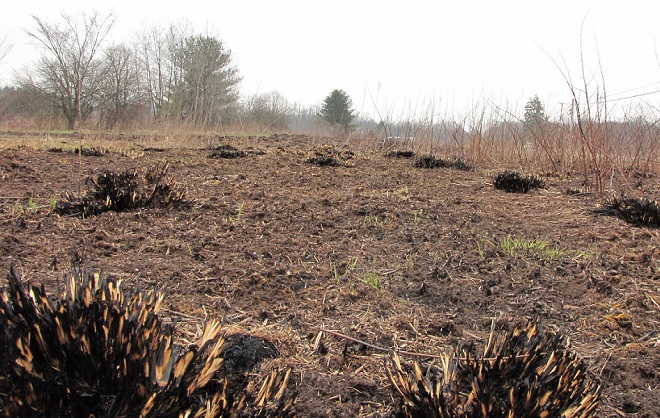
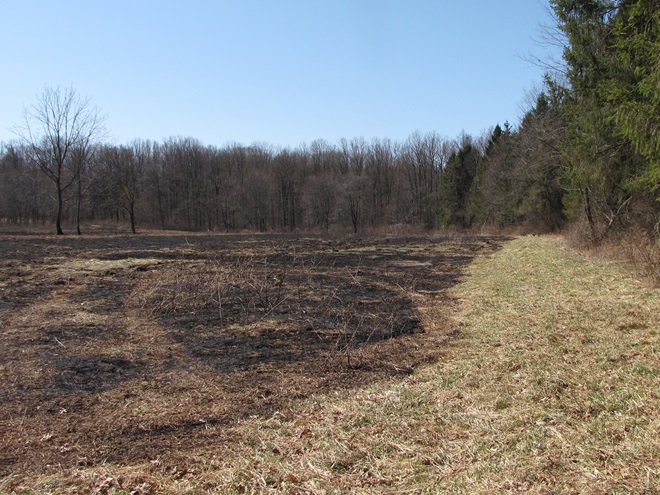
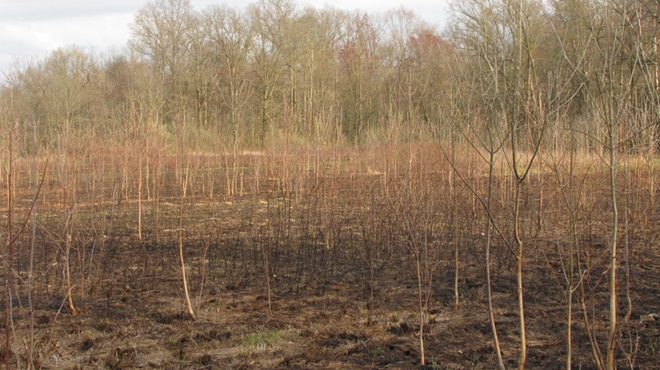
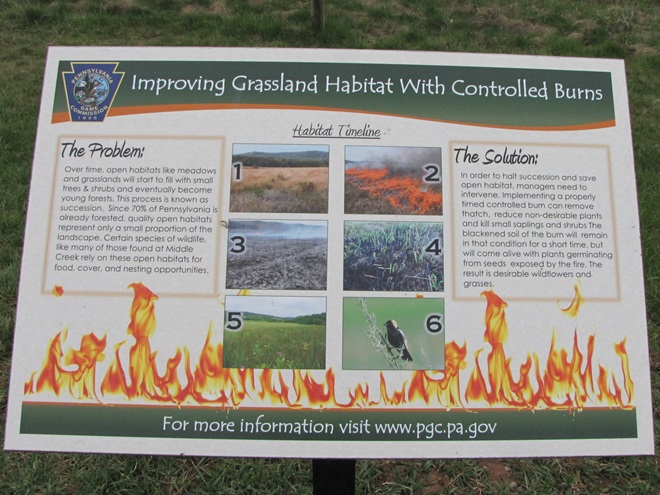
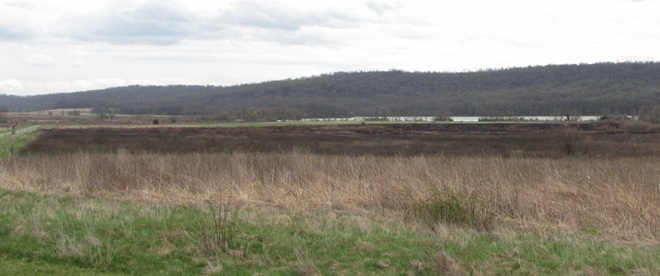
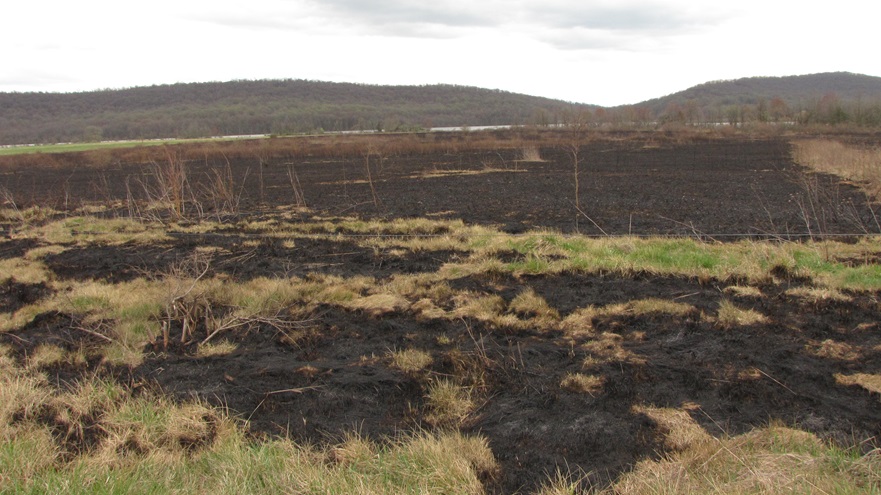
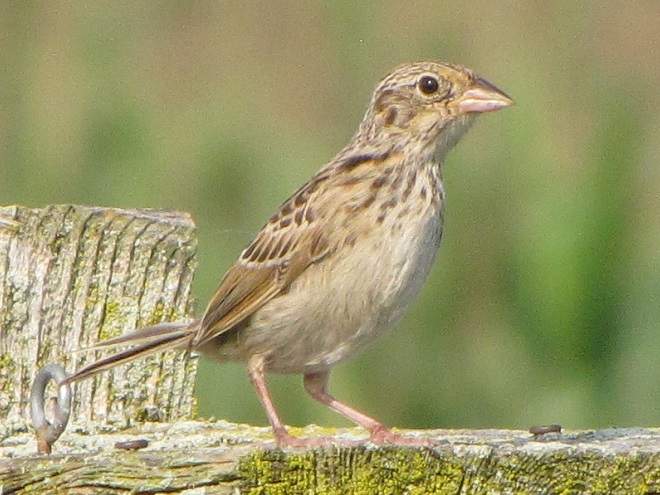
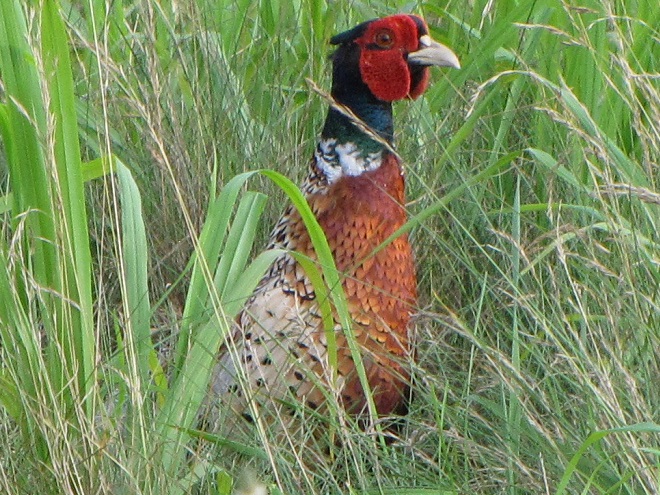
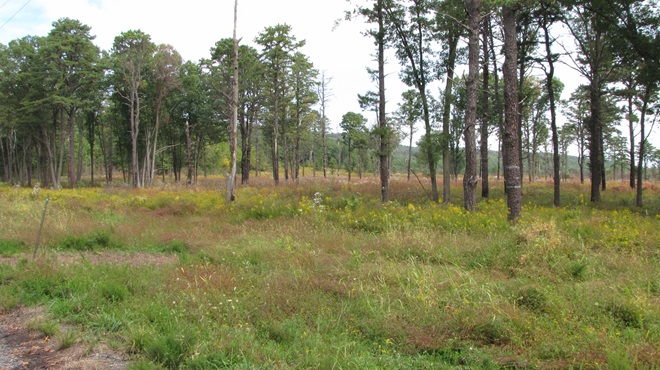
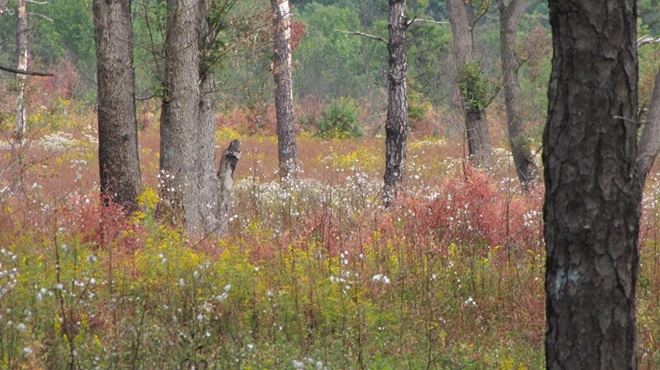
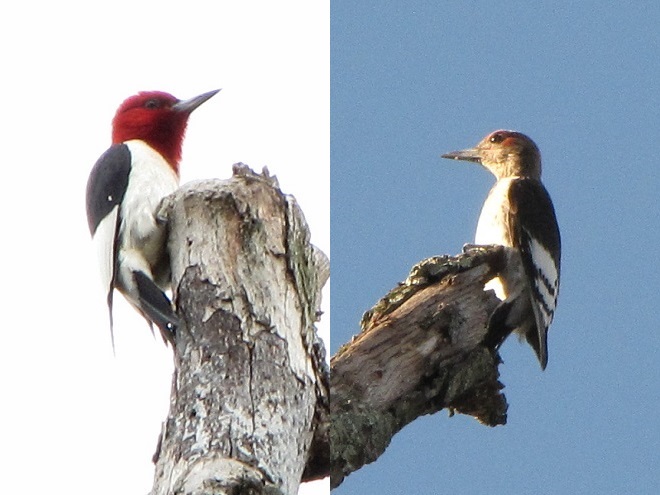
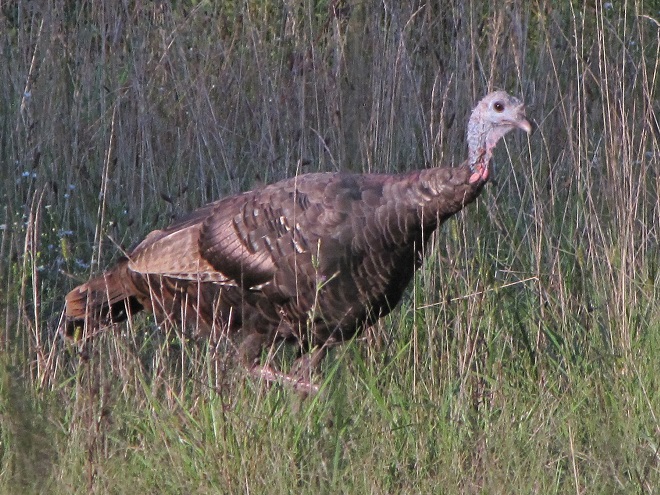
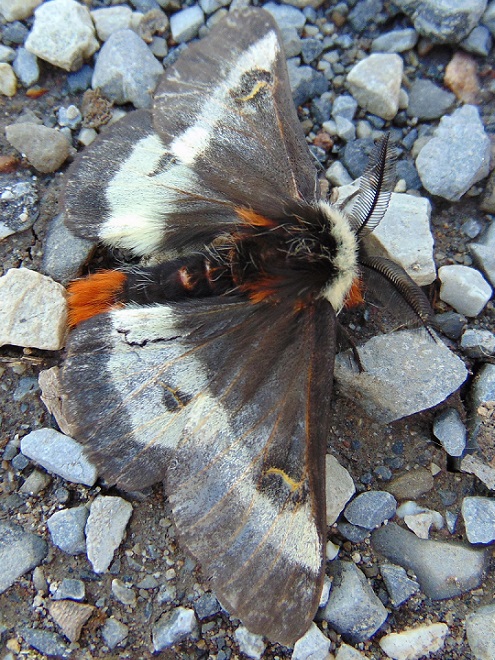
In Pennsylvania, state law provides landowners and crews conducting prescribed fire burns with reduced legal liability when the latter meet certain educational, planning, and operational requirements. This law may help encourage more widespread application of prescribed fire in the state’s forests and other ecosystems where essential periodic fire has been absent for so very long. Currently in the Lower Susquehanna River Watershed, prescribed fire is most frequently being employed by state agencies on state lands—in particular, the Department of Conservation and Natural Resources on State Forests and the Pennsylvania Game Commission on State Game Lands. Prescribed fire is also part of the vegetation management plan at Fort Indiantown Gap Military Reservation and on the land holdings of the Hershey Trust. Visitors to the nearby Gettysburg National Military Park will also notice prescribed fire being used to maintain the grassland restorations there.
For crews administering prescribed fire burns, late March and early April are a busy time. The relative humidity is often at its lowest level of the year, so the probability of ignition of previous years’ growth is generally at its best. We visited with a crew administering a prescribed fire at Middle Creek Wildlife Management Area last week. Have a look…
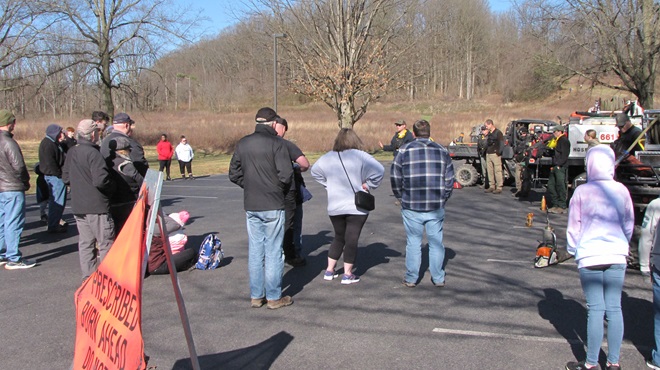
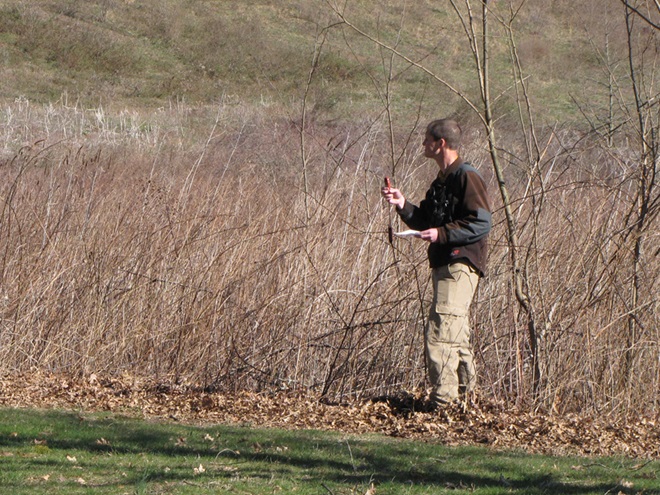
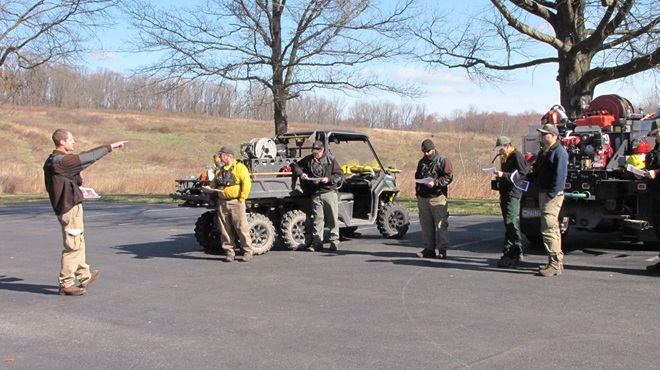
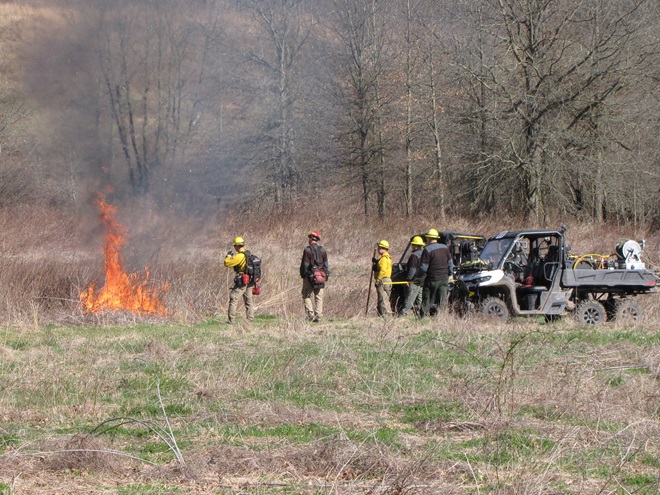
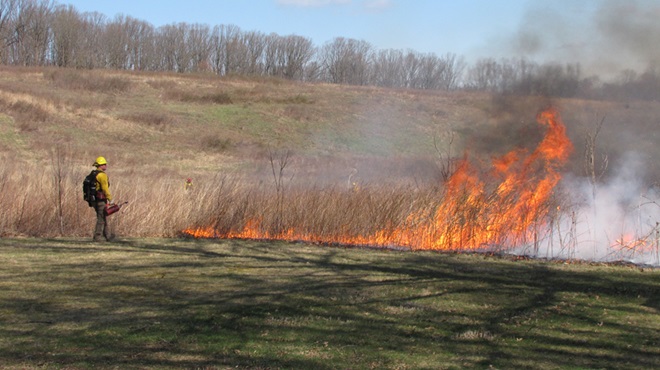
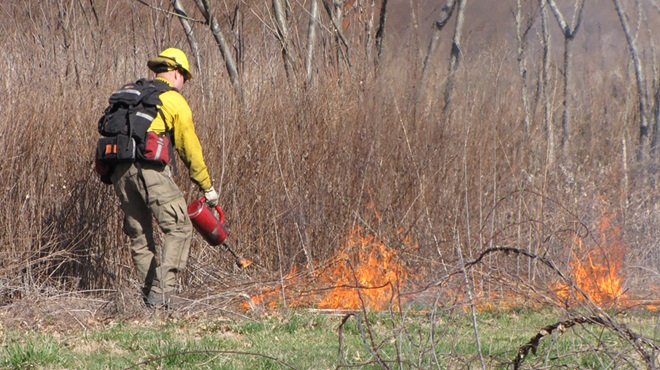
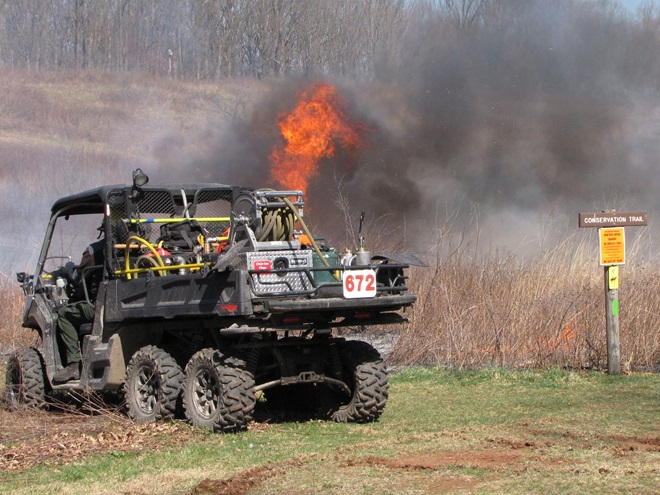
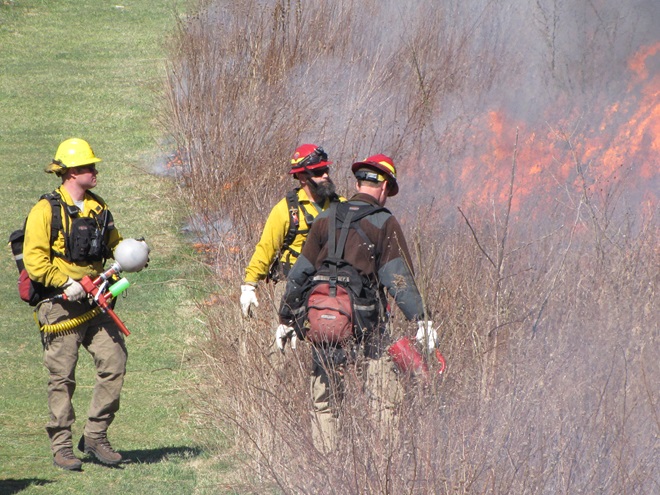
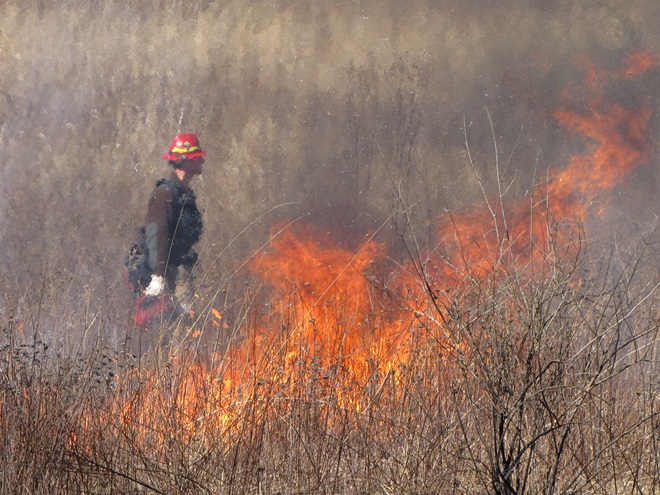
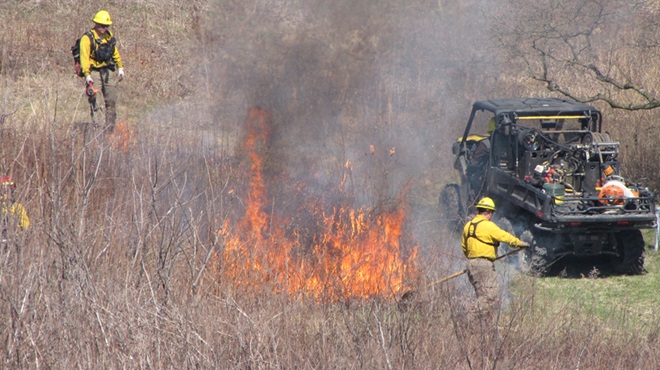
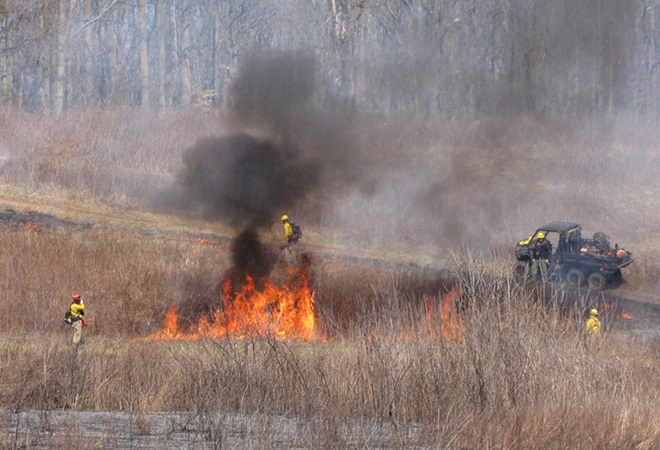
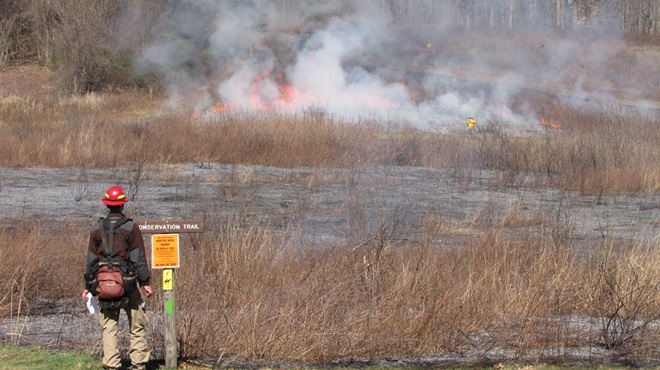
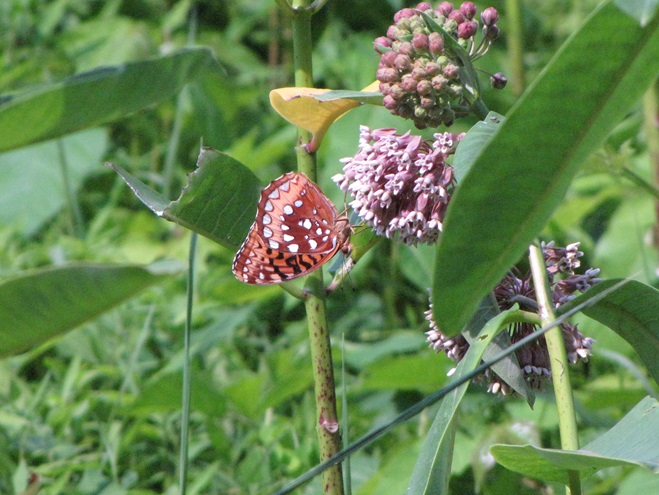
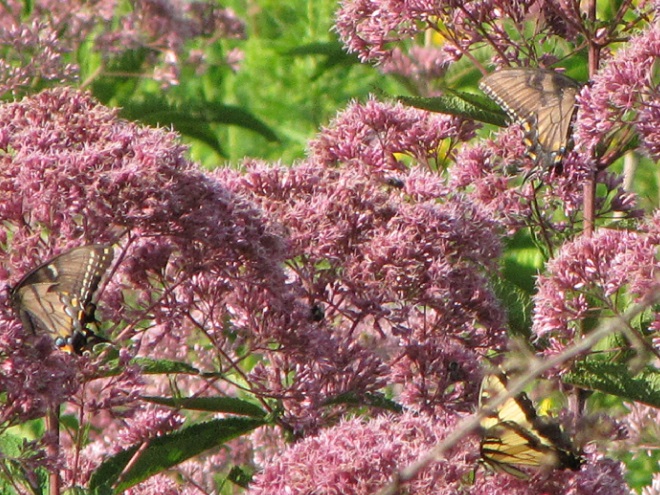
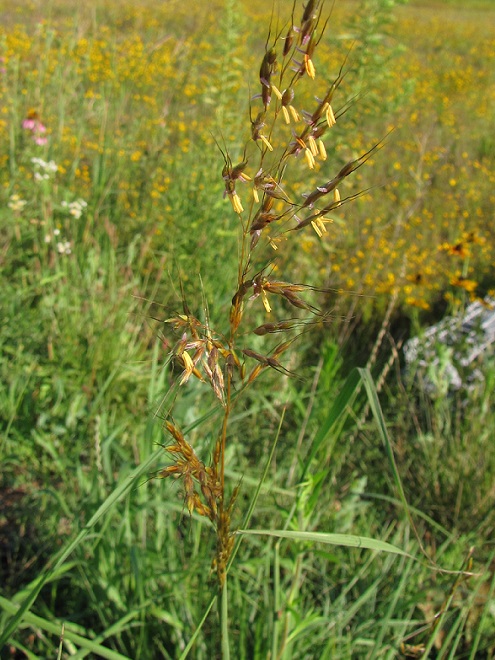
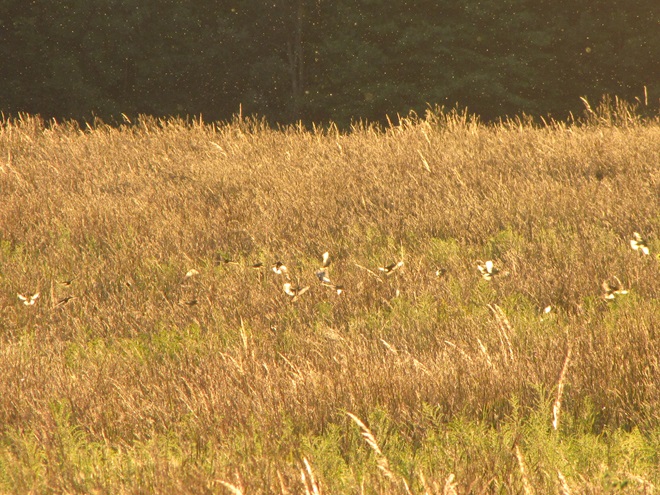
Prescribed burns aren’t a cure-all for what ails a troubled forest or other ecosystem, but they can be an effective remedy for deficiencies caused by a lack of periodic episodes of naturally occurring fire. They are an important option for modern foresters, wildlife managers, and other conservationists.
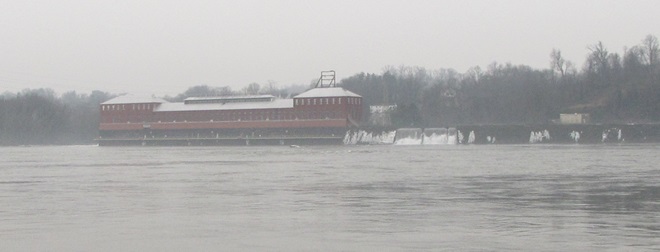
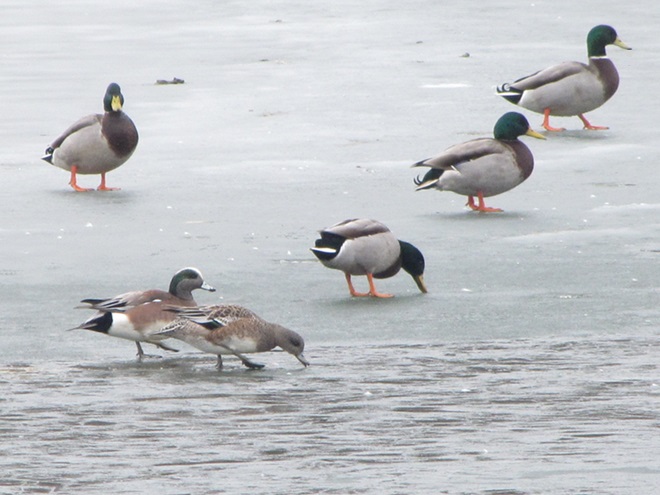
As week-old snow and ice slowly disappears from the Lower Susquehanna River Watershed landscape, we ventured out to see what might be lurking in the dense clouds of fog that for more than two days now have accompanied a mid-winter warm spell.
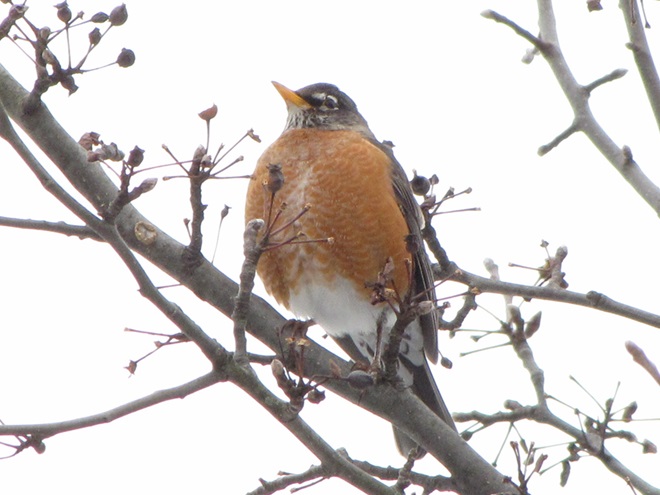
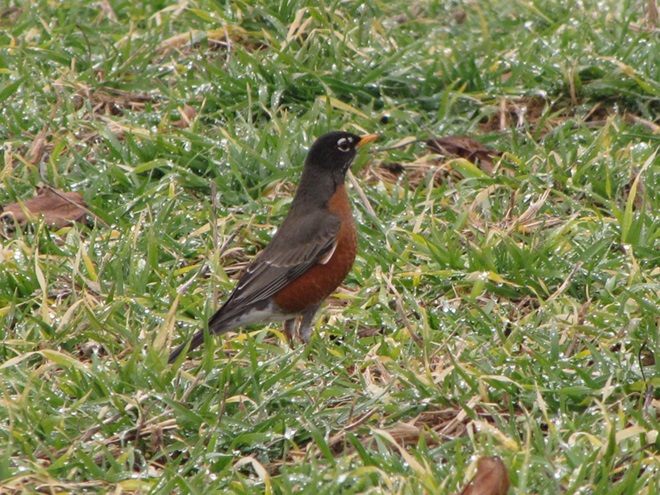
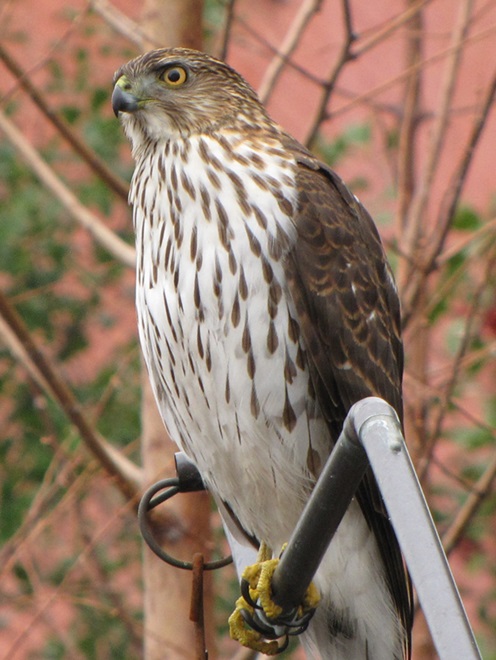
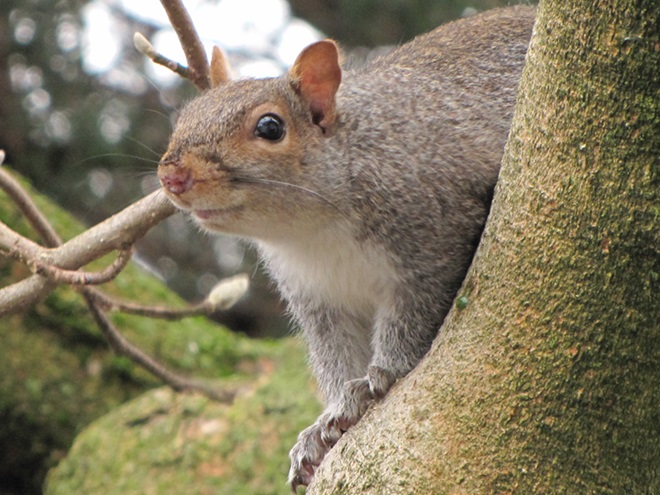
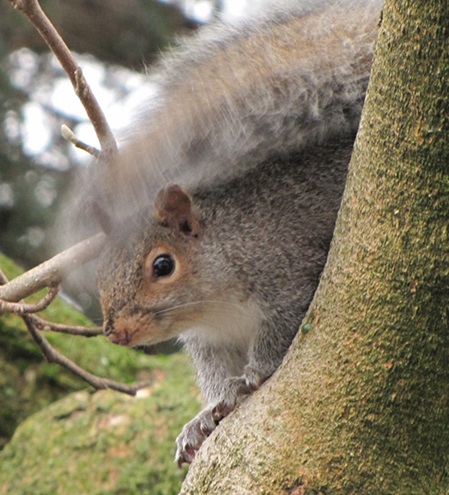
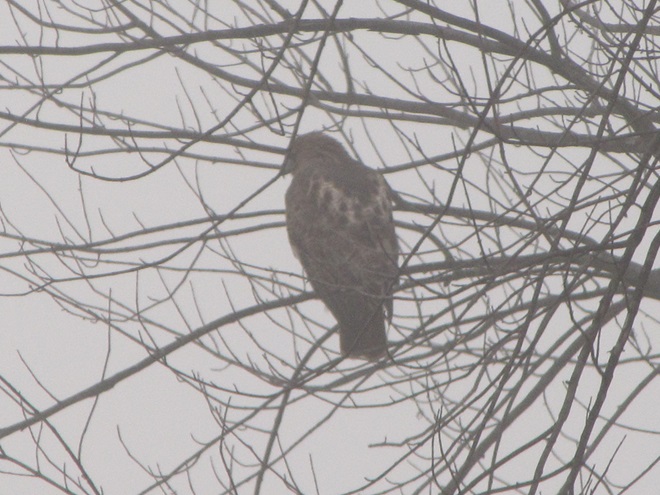
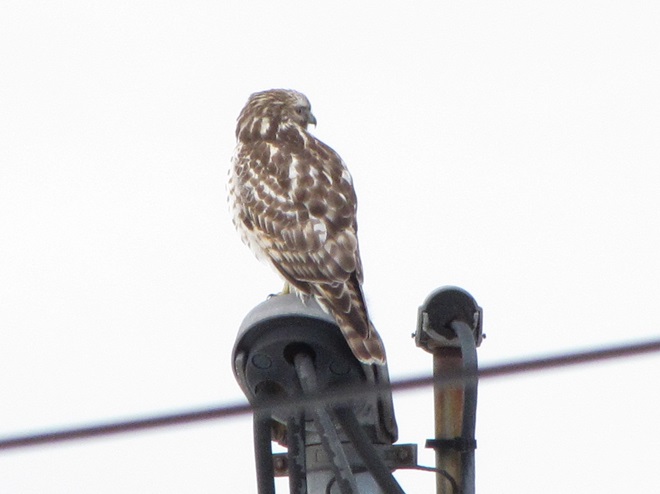
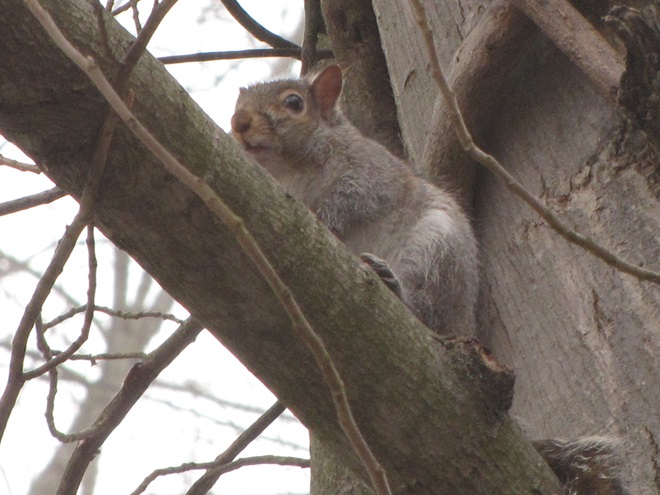
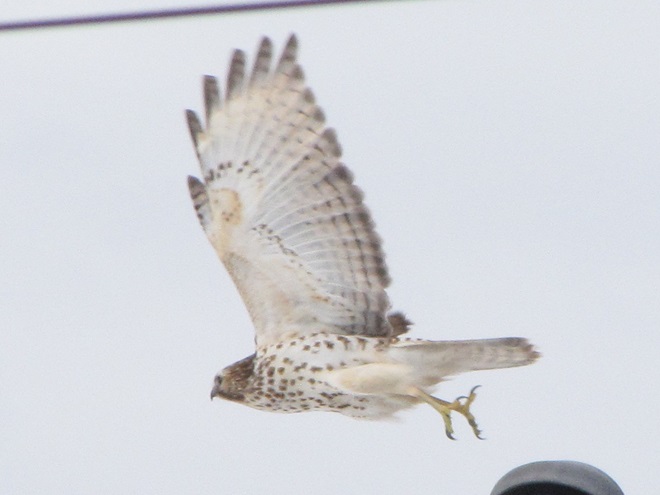
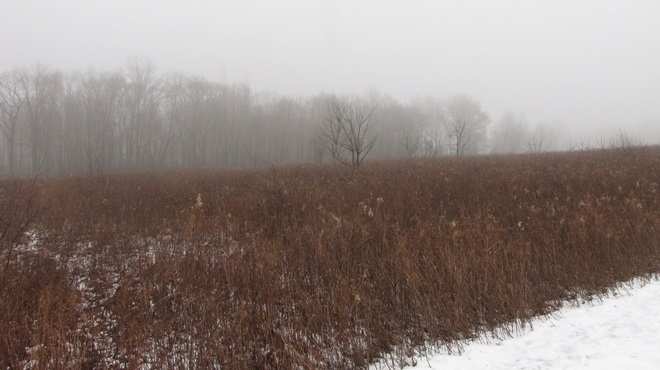
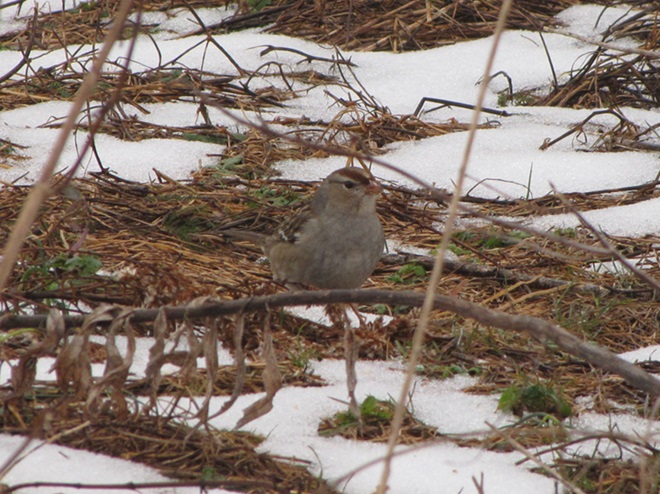
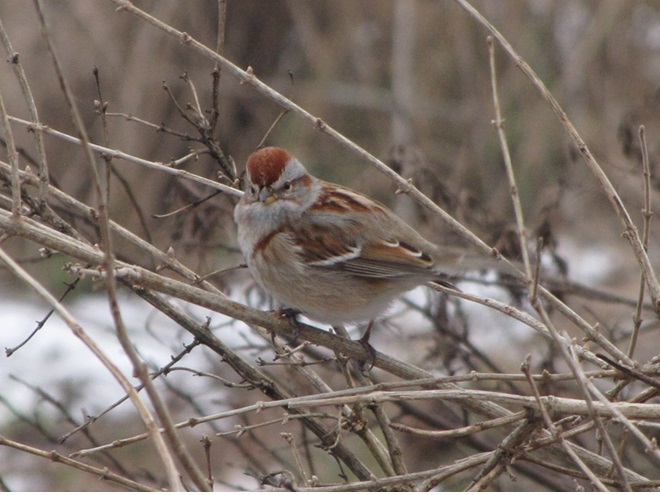
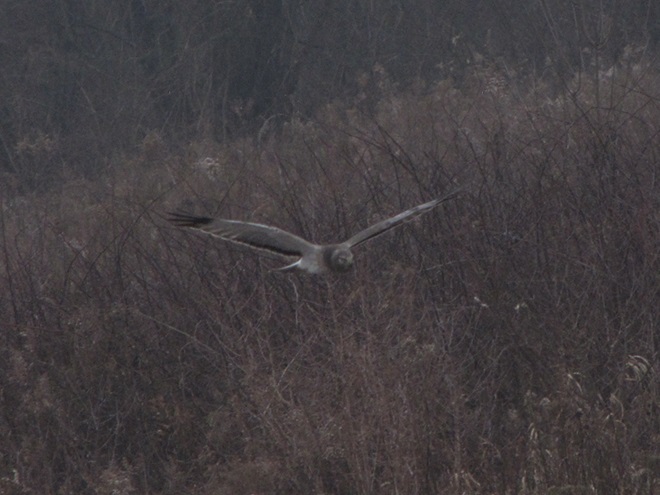
If scenes of a January thaw begin to awaken your hopes and aspirations for all things spring, then you’ll appreciate this pair of closing photographs…
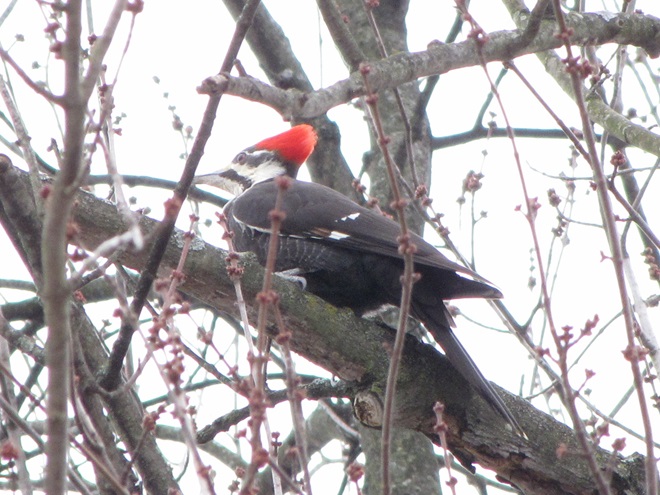
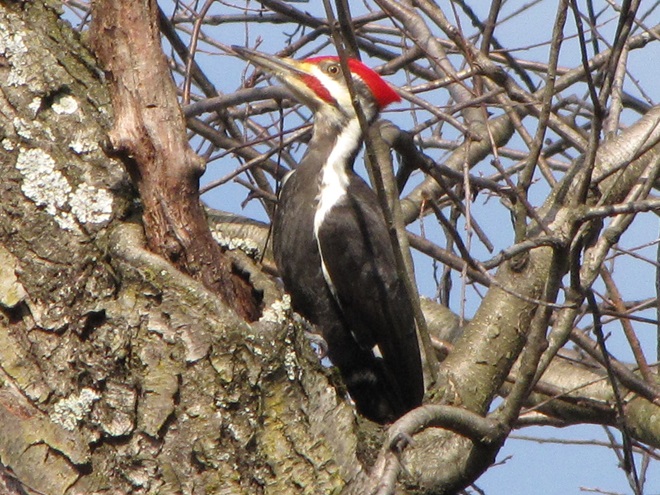
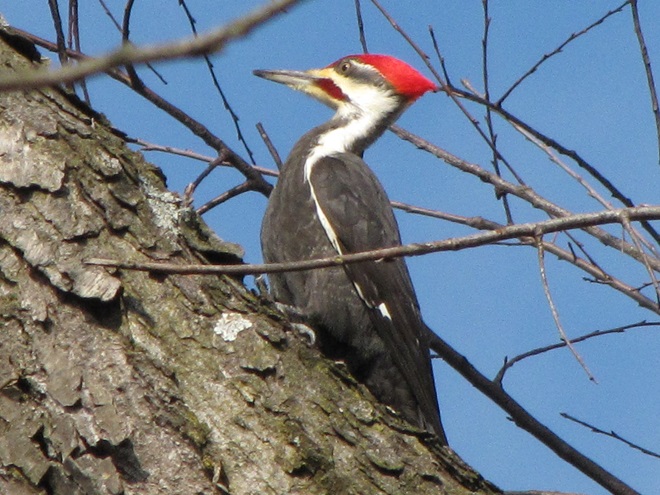
With the earth at perihelion (its closest approach to the sun) and with our home star just 27 degrees above the horizon at midday, bright low-angle light offered the perfect opportunity for doing some wildlife photography today. We visited a couple of grasslands managed by the Pennsylvania Game Commission to see what we could find…
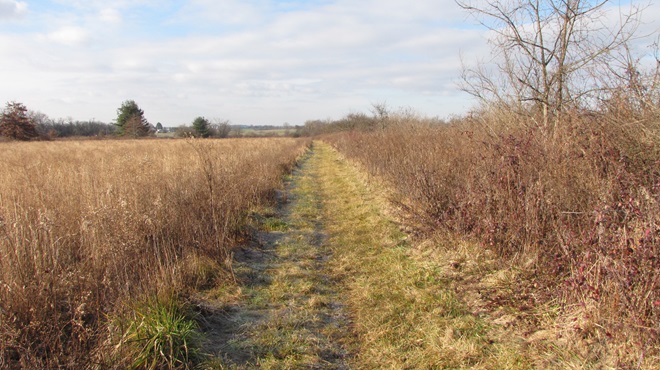
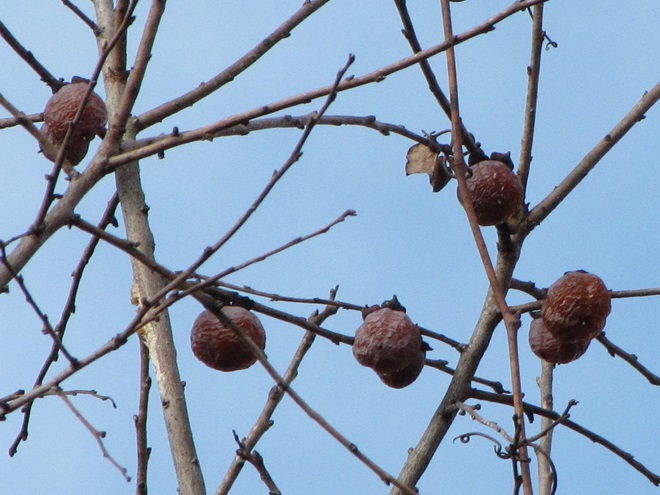
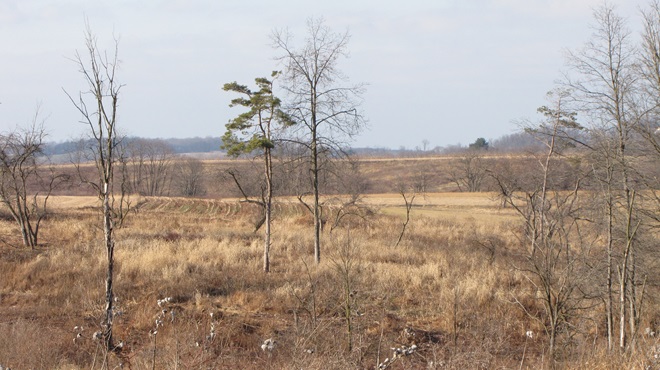
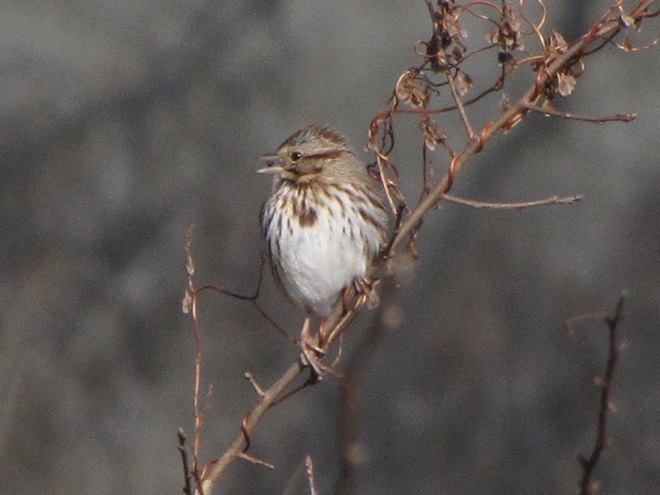
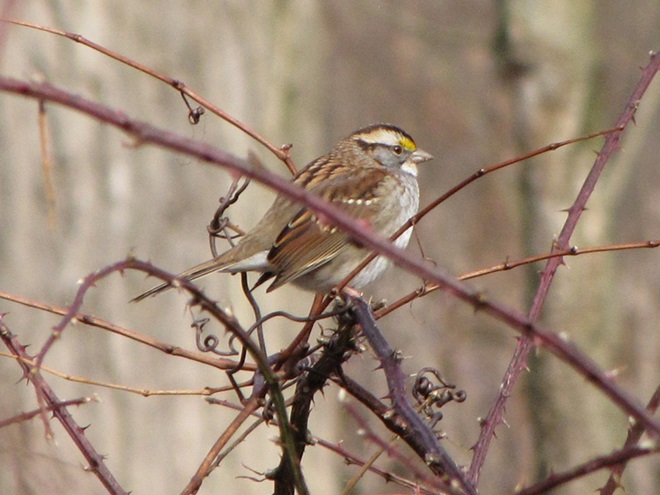
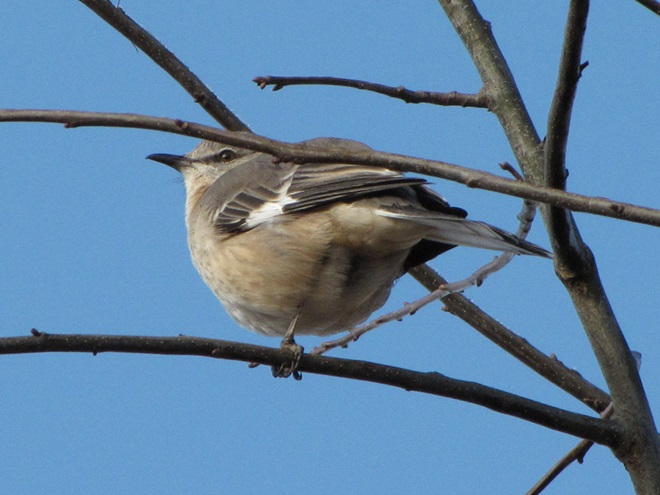
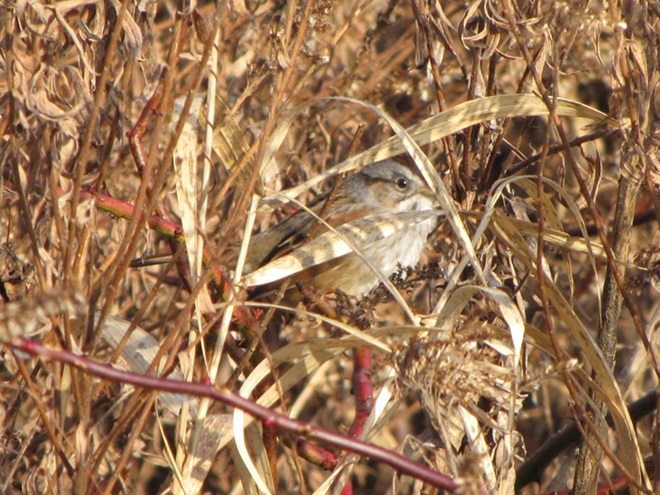
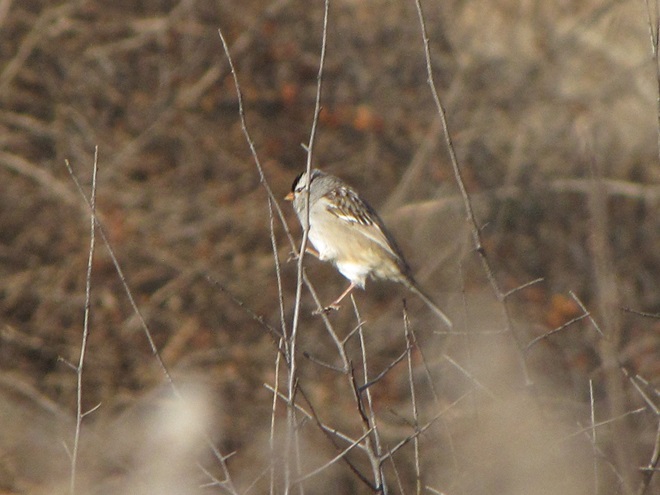
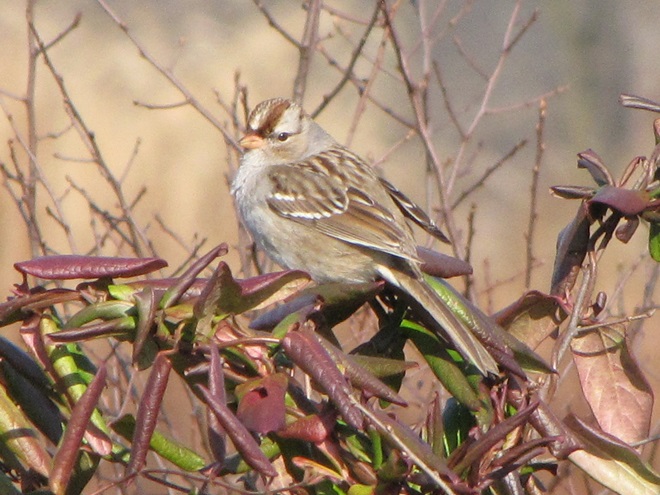
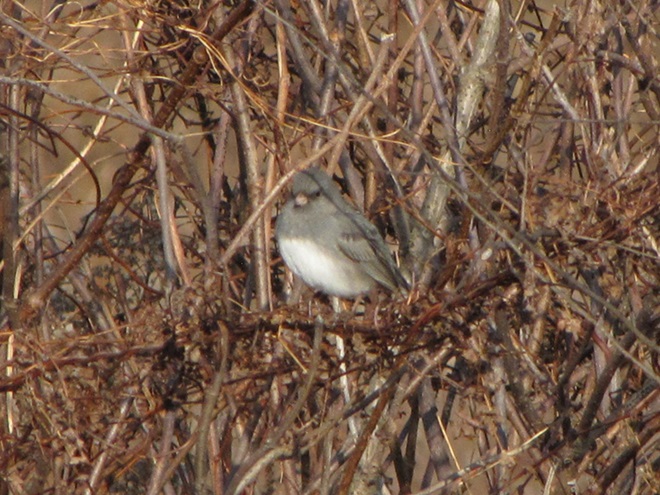
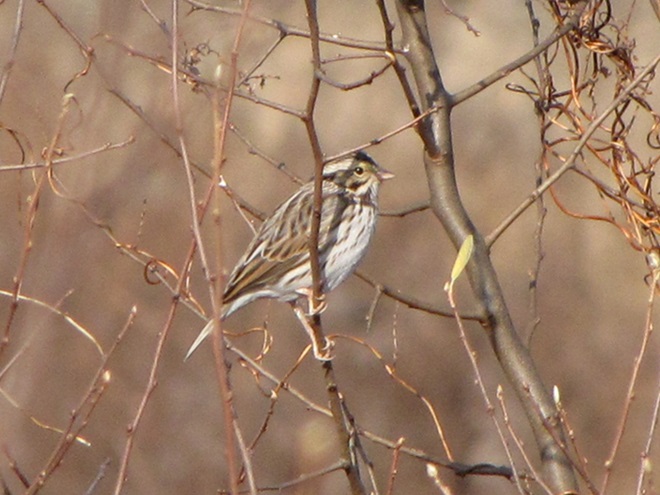
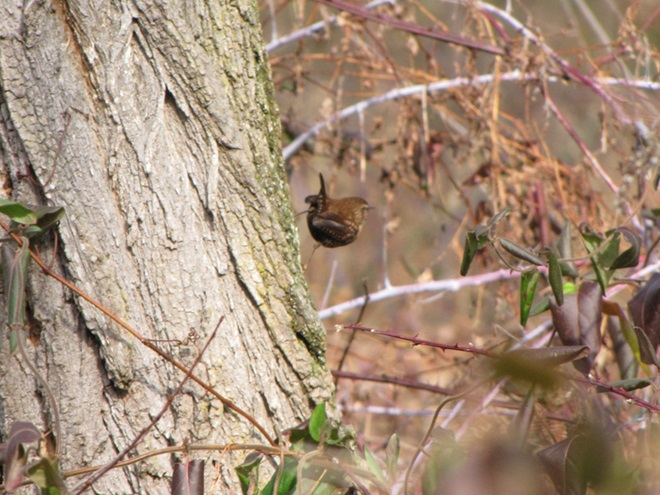
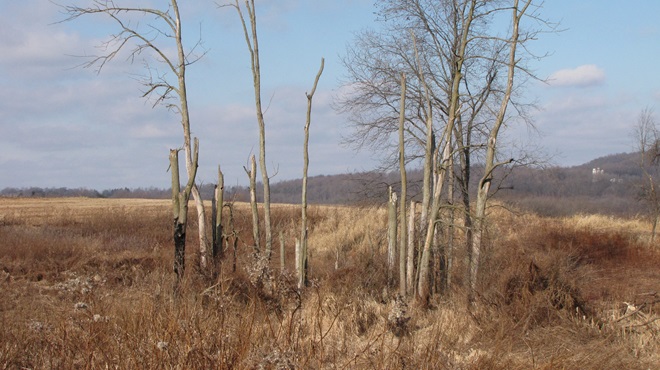
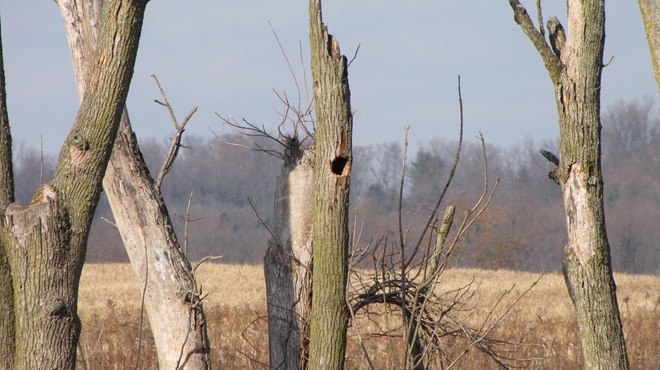
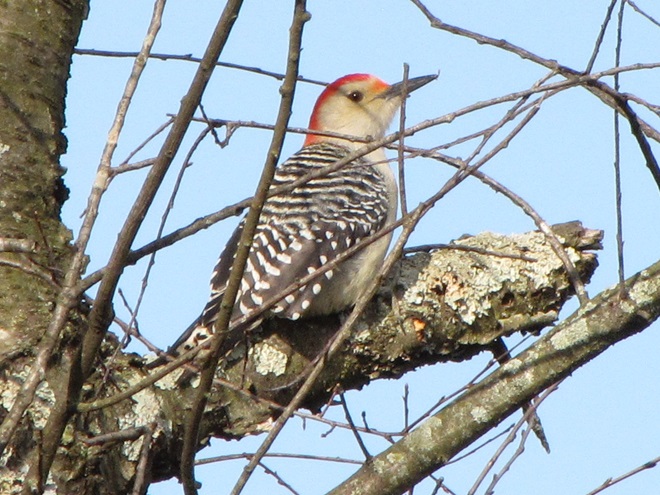
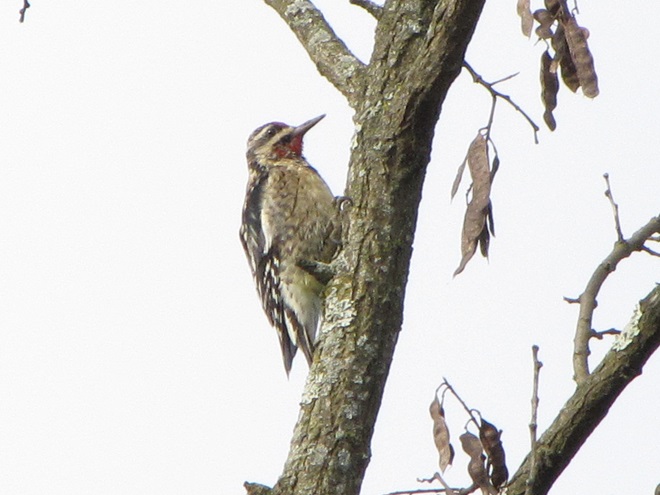
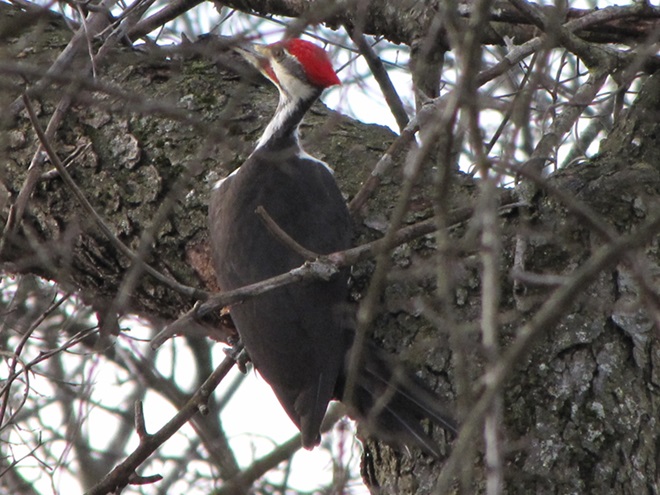
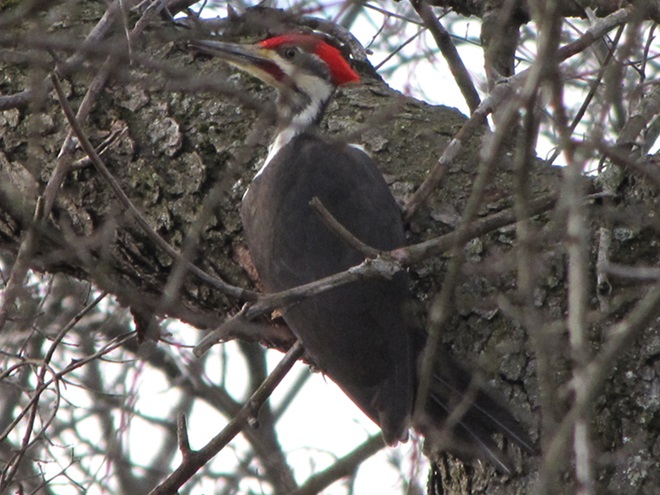
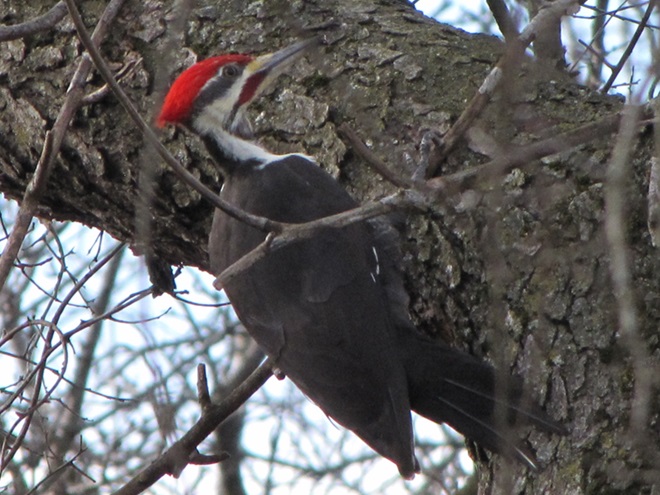
As the annual autumn songbird migration begins to reach its end, native sparrows can be found concentrating in fallow fields, early successional thickets, and brushy margins along forest edges throughout the Lower Susquehanna River Watershed.
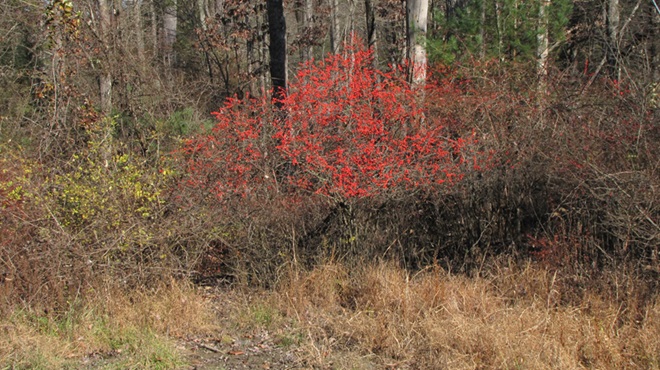
Visit native sparrow habitat during mid-to-late November and you have a good chance of seeing these species and more…
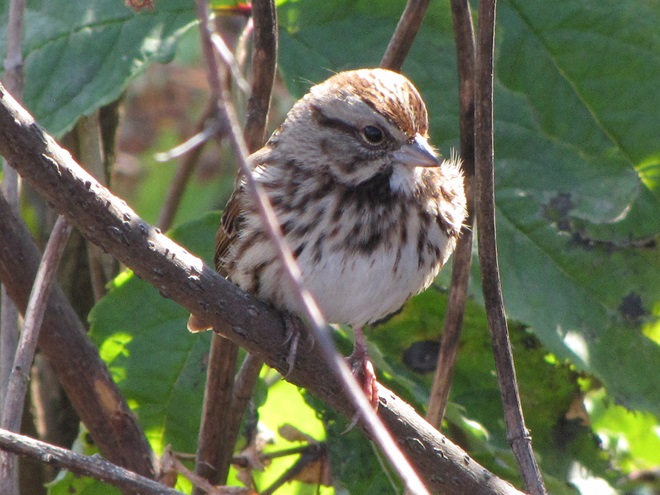
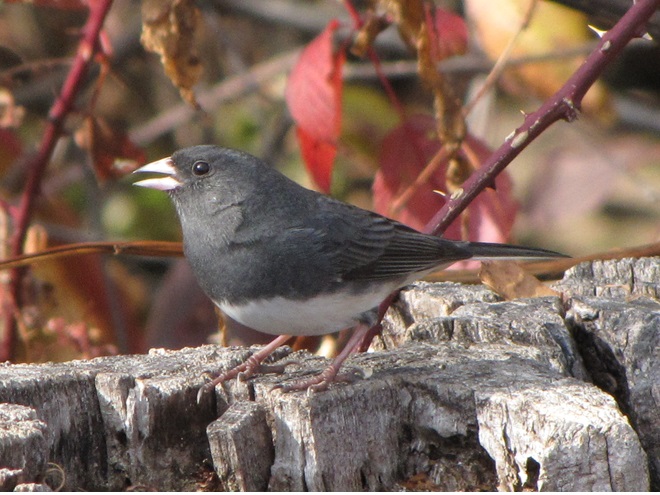
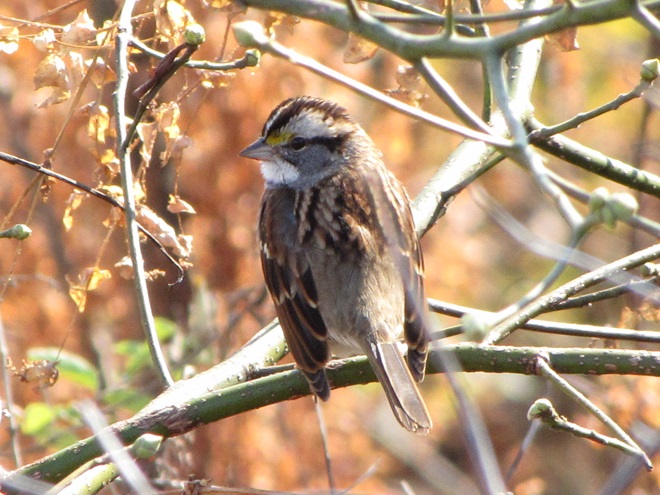
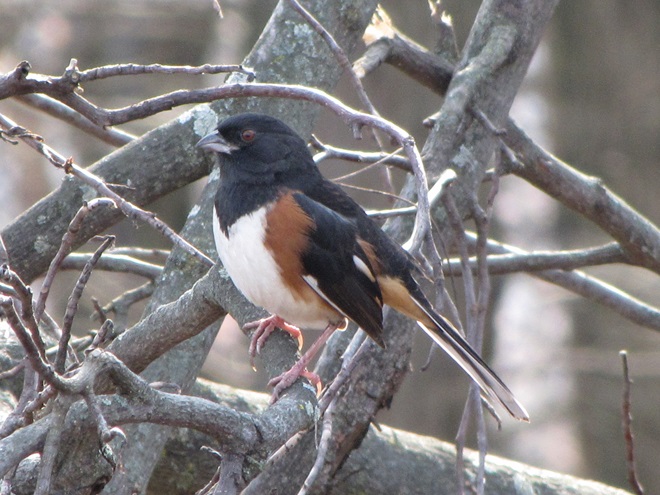
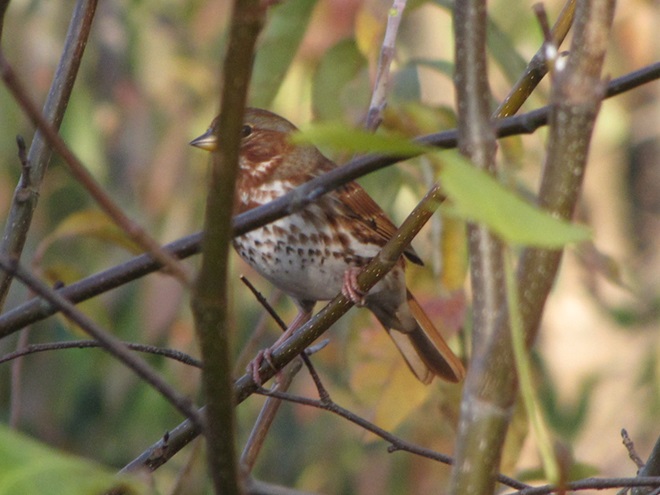
If you’re lucky enough to live where non-native House Sparrows won’t overrun your bird feeders, you can offer white millet as a supplement to the wild foods these beautiful sparrows might find in your garden sanctuary. Give it a try!
Grasshoppers are perhaps best known for the occasions throughout history when an enormous congregation of these insects—a “plague of locusts”—would assemble and rove a region to feed. These swarms, which sometimes covered tens of thousands of square miles or more, often decimated crops, darkened the sky, and, on occasion, resulted in catastrophic famine among human settlements in various parts of the world.
The largest “plague of locusts” in the United States occurred during the mid-1870s in the Great Plains. The Rocky Mountain Locust (Melanoplus spretus), a grasshopper of prairies in the American west, had a range that extended east into New England, possibly settling there on lands cleared for farming. Rocky Mountain Locusts, aside from their native habitat on grasslands, apparently thrived on fields planted with warm-season crops. Like most grasshoppers, they fed and developed most vigorously during periods of dry, hot weather. With plenty of vegetative matter to consume during periods of scorching temperatures, the stage was set for populations of these insects to explode in agricultural areas, then take wing in search of more forage. Plagues struck parts of northern New England as early as the mid-1700s and were numerous in various states in the Great Plains through the middle of the 1800s. The big ones hit between 1873 and 1877 when swarms numbering as many as trillions of grasshoppers did $200 million in crop damage and caused a famine so severe that many farmers abandoned the westward migration. To prevent recurrent outbreaks of locust plagues and famine, experts suggested planting more cool-season grains like winter wheat, a crop which could mature and be harvested before the grasshoppers had a chance to cause any significant damage. In the years that followed, and as prairies gave way to the expansive agricultural lands that presently cover most of the Rocky Mountain Locust’s former range, the grasshopper began to disappear. By the early years of the twentieth century, the species was extinct. No one was quite certain why, and the precise cause is still a topic of debate to this day. Conversion of nearly all of its native habitat to cropland and grazing acreage seems to be the most likely culprit.
In the Mid-Atlantic States, the mosaic of the landscape—farmland interspersed with a mix of forest and disturbed urban/suburban lots—prevents grasshoppers from reaching the densities from which swarms arise. In the years since the implementation of “Green Revolution” farming practices, numbers of grasshoppers in our region have declined. Systemic insecticides including neonicotinoids keep grasshoppers and other insects from munching on warm-season crops like corn and soybeans. And herbicides including 2,4-D (2,4-Dichlorophenoxyacetic acid) have, in effect, become the equivalent of insecticides, eliminating broadleaf food plants from the pasturelands and hayfields where grasshoppers once fed and reproduced in abundance. As a result, few of the approximately three dozen species of grasshoppers with ranges that include the Lower Susquehanna River Watershed are common here. Those that still thrive are largely adapted to roadsides, waste ground, and small clearings where native and some non-native plants make up their diet.
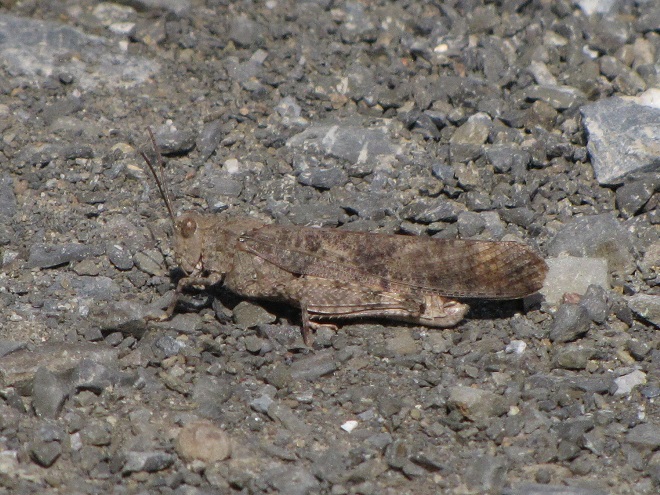
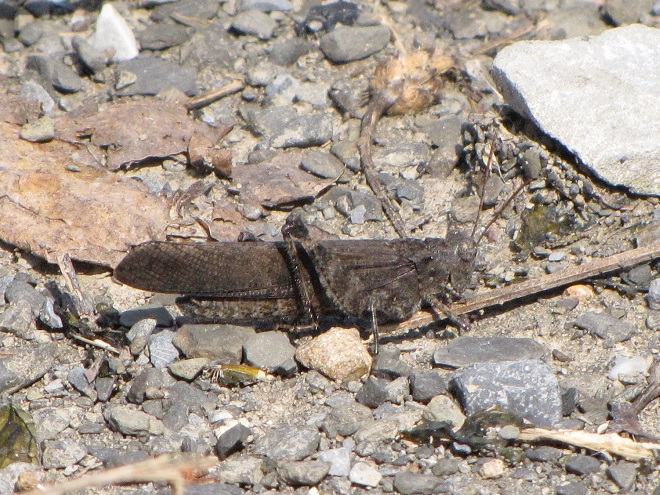
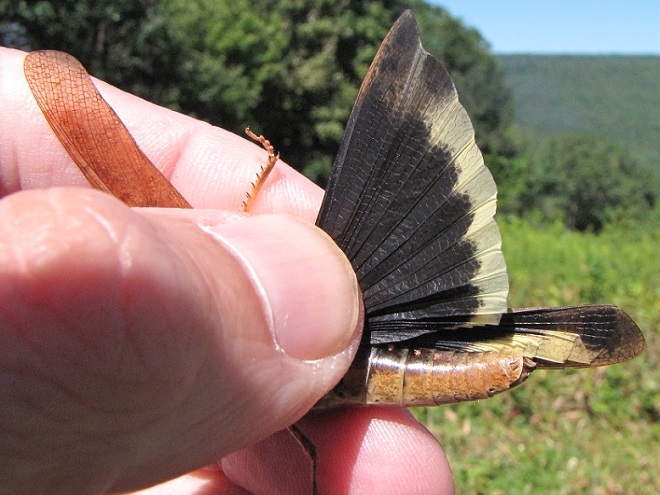
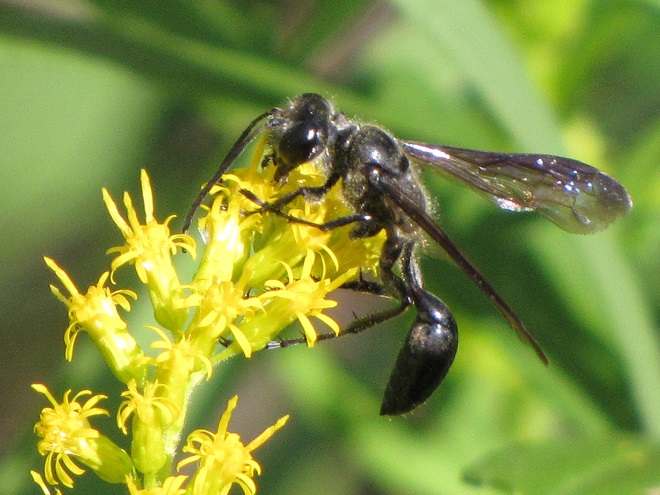
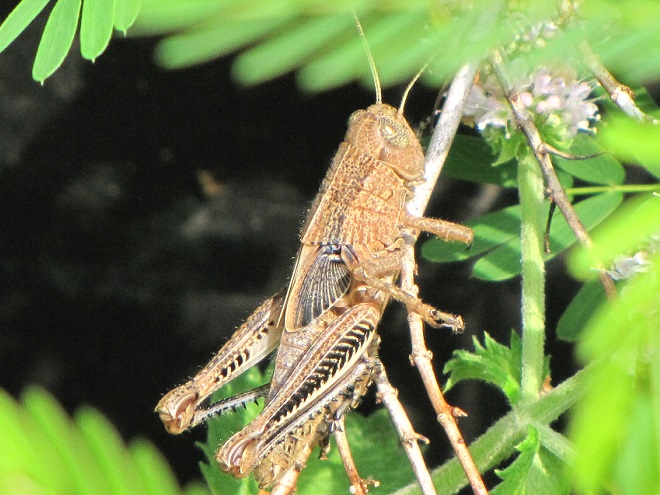
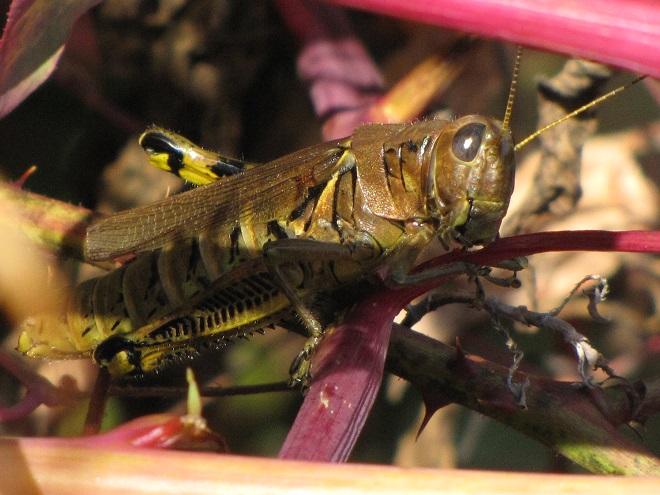
Here’s a look at four species of grasshoppers you’re likely to find in disturbed habitats throughout our region. Each remains common in relatively pesticide-free spaces with stands of dense grasses and broadleaf plants nearby.
CAROLINA GRASSHOPPER
Dissosteira carolina
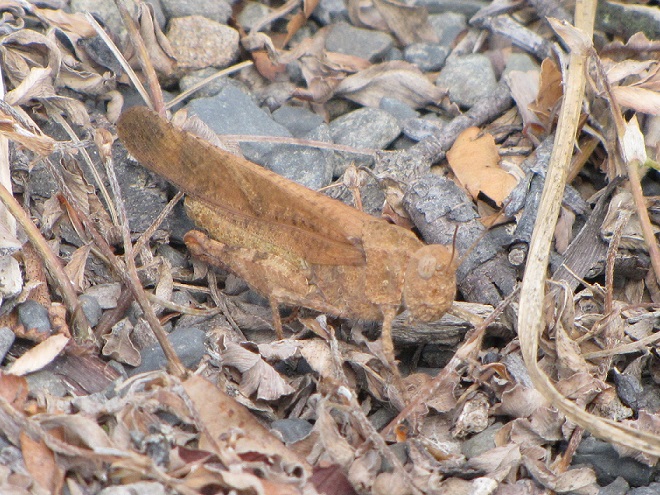
DIFFERENTIAL GRASSHOPPER
Melanoplus differentialis
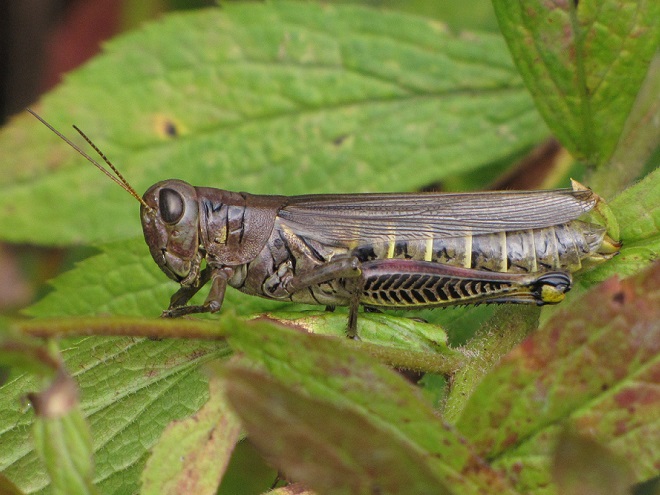
TWO-STRIPED GRASSHOPPER
Melanoplus bivittatus
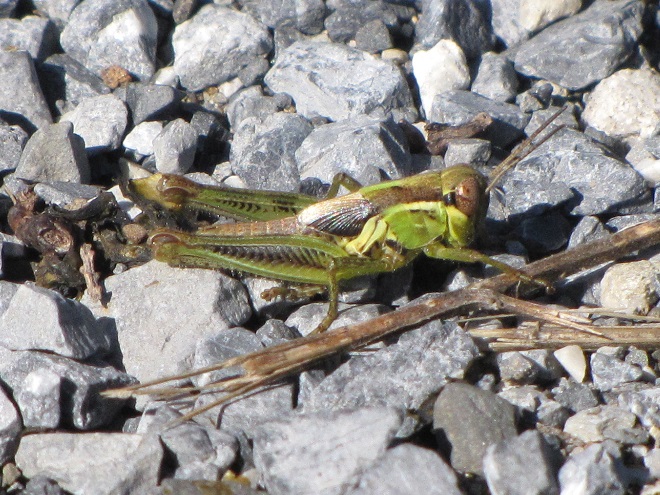
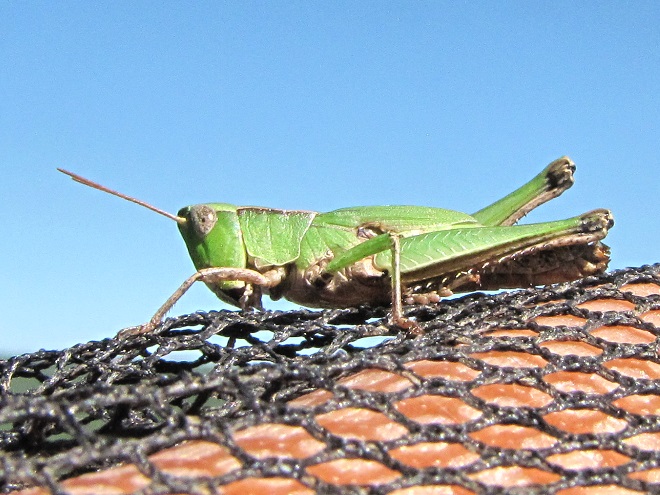
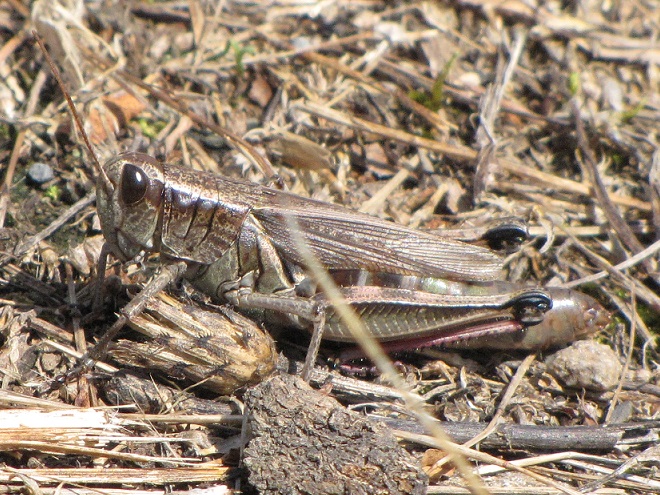
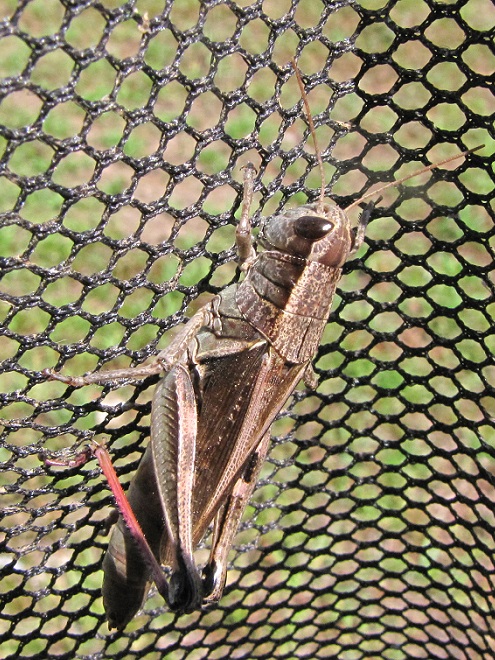
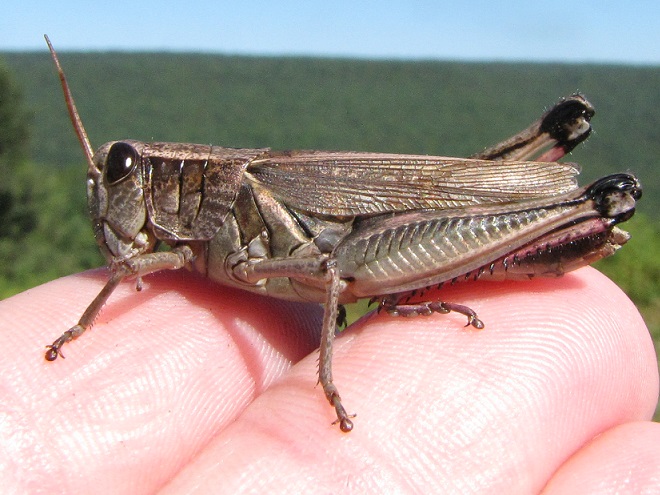
RED-LEGGED GRASSHOPPER
Melanoplus femurrubrum
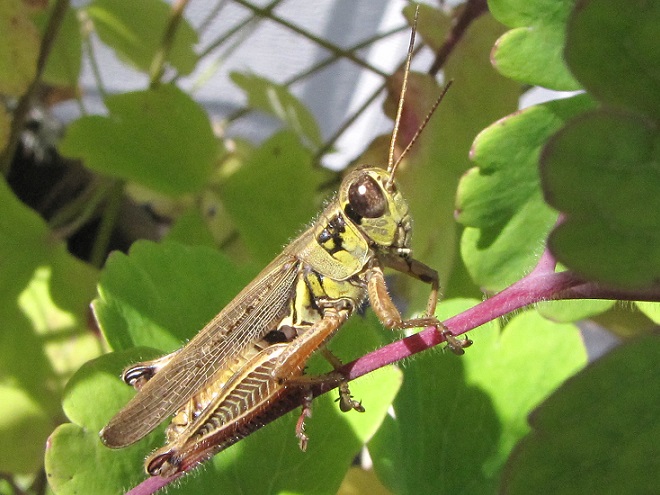
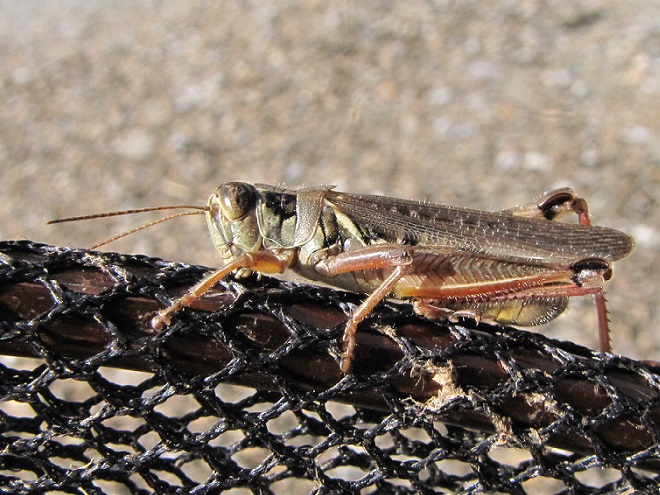
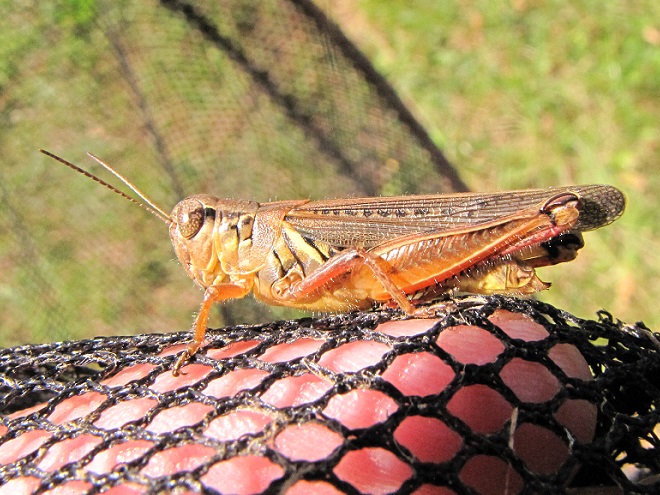
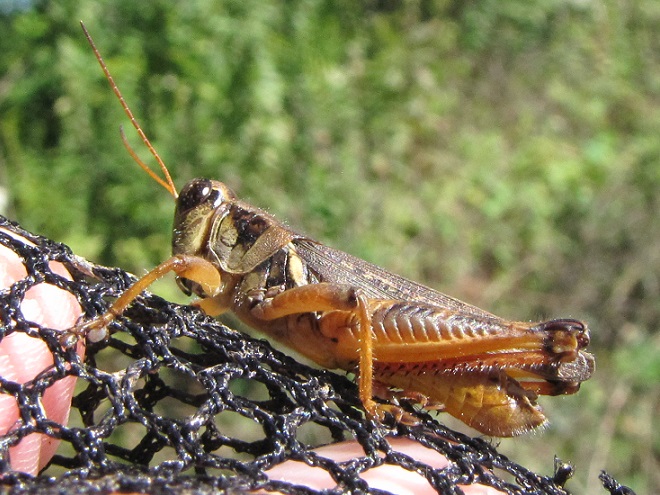
Protein-rich grasshoppers are an important late-summer, early-fall food source for birds. The absence of these insects has forced many species of breeding birds to abandon farmland or, in some cases, disappear altogether.
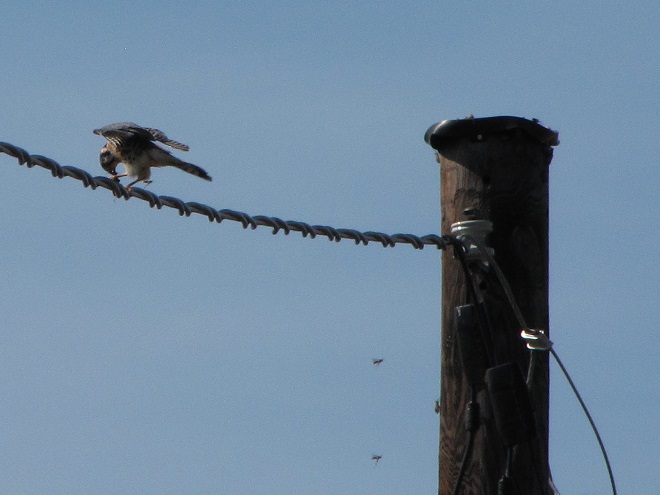
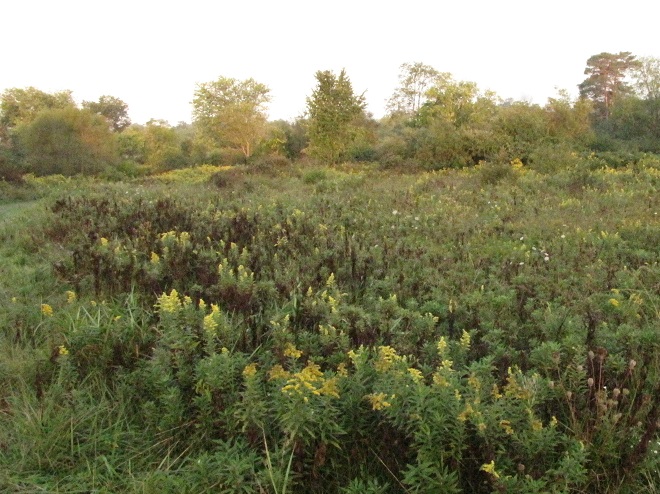
Here in a series of photographs are just a handful of the reasons why the land stewards at Middle Creek Wildlife Management Area and other properties where conservation and propagation practices are employed delay the mowing of fields composed of cool-season grasses until after August 15 each year.
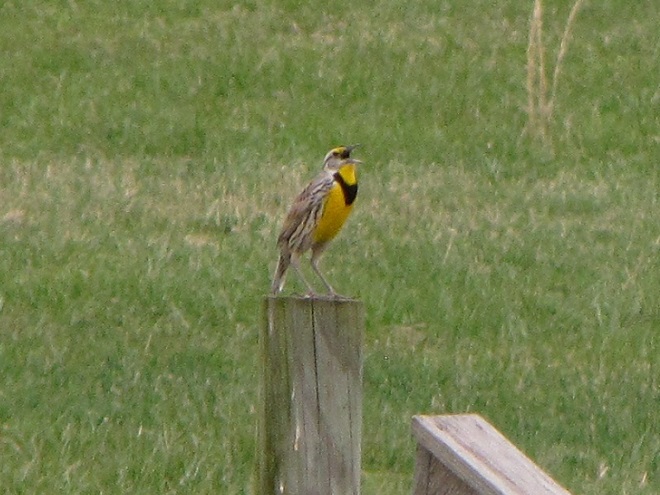
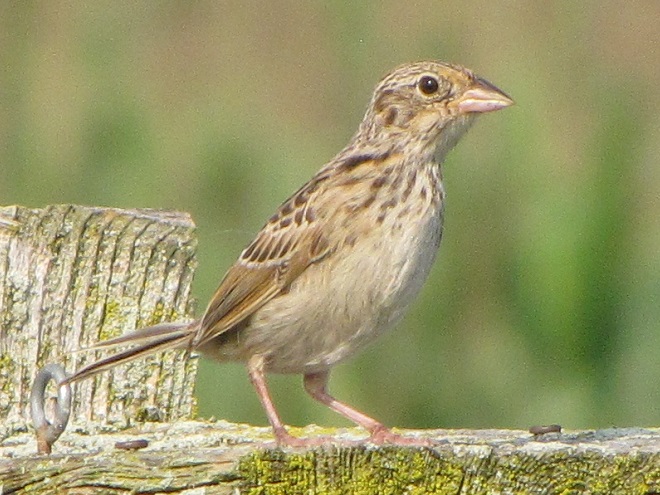
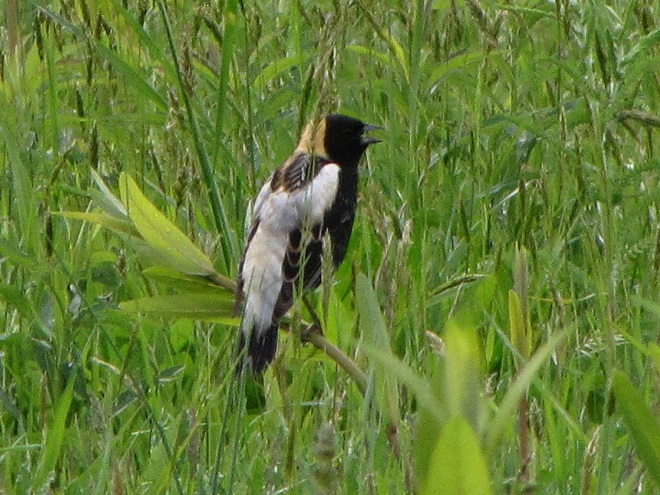
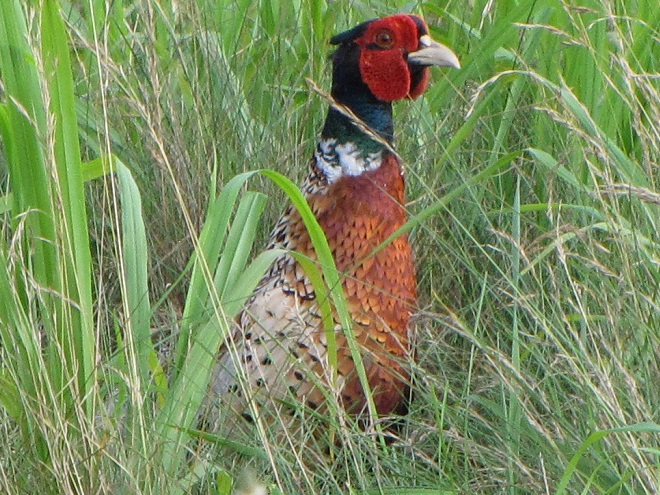
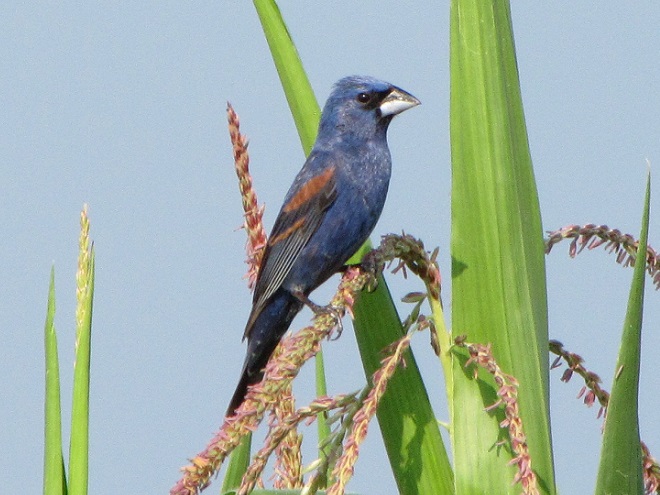
Right now is a good time to visit Middle Creek Wildlife Management Area to see the effectiveness a delayed mowing schedule can have when applied to fields of cool-season grasses. If you slowly drive, walk, or bicycle the auto tour route on the north side of the lake, you’ll pass through vast areas maintained as cool-season and warm-season grasses and early successional growth—and you’ll have a chance to see these and other grassland birds raising their young. It’s like a trip back in time to see farmlands they way they were during the middle years of the twentieth century.
Have you purchased your 2023-2024 Federal Duck Stamp? Nearly every penny of the 25 dollars you spend for a duck stamp goes toward habitat acquisition and improvements for waterfowl and the hundreds of other animal species that use wetlands for breeding, feeding, and as migration stopover points. Duck stamps aren’t just for hunters, purchasers get free admission to National Wildlife Refuges all over the United States. So do something good for conservation—stop by your local post office and get your Federal Duck Stamp.
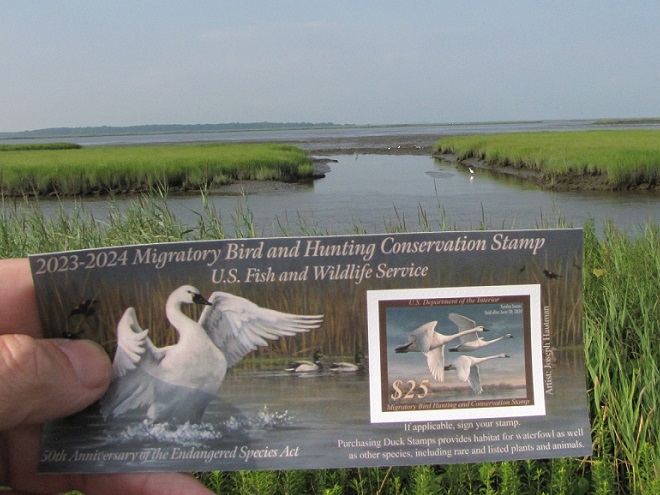
Still not convinced that a Federal Duck Stamp is worth the money? Well then, follow along as we take a photo tour of Bombay Hook National Wildlife Refuge. Numbers of southbound shorebirds are on the rise in the refuge’s saltwater marshes and freshwater pools, so we timed a visit earlier this week to coincide with a late-morning high tide.
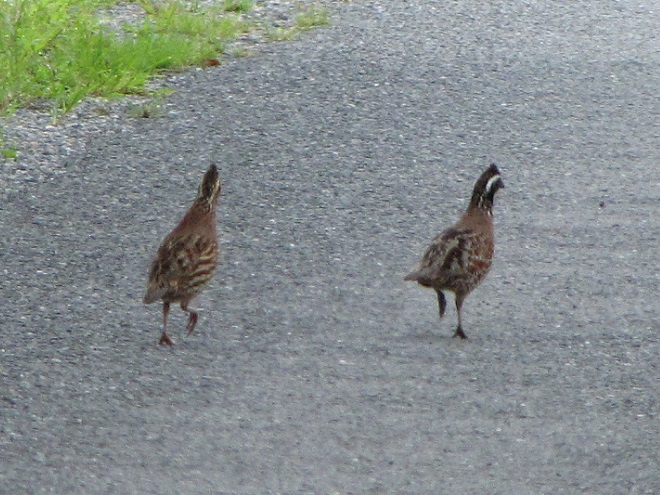
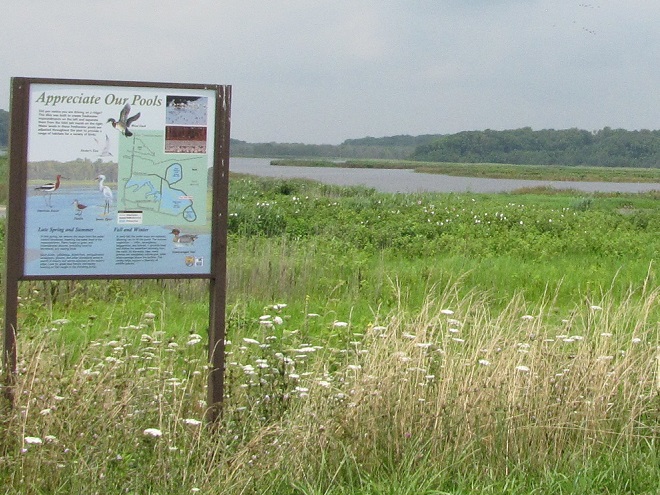
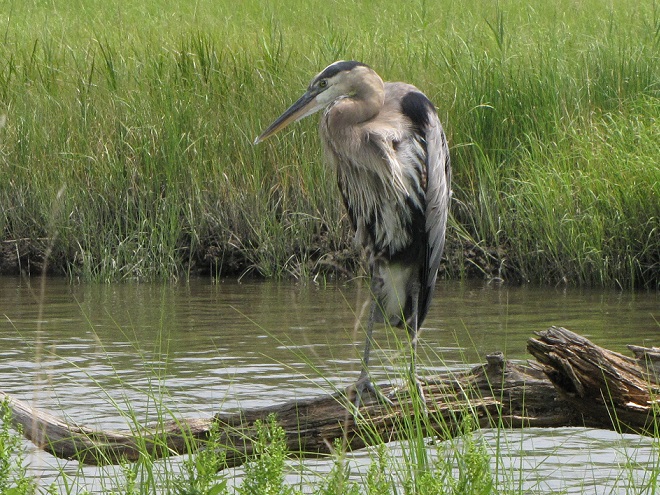
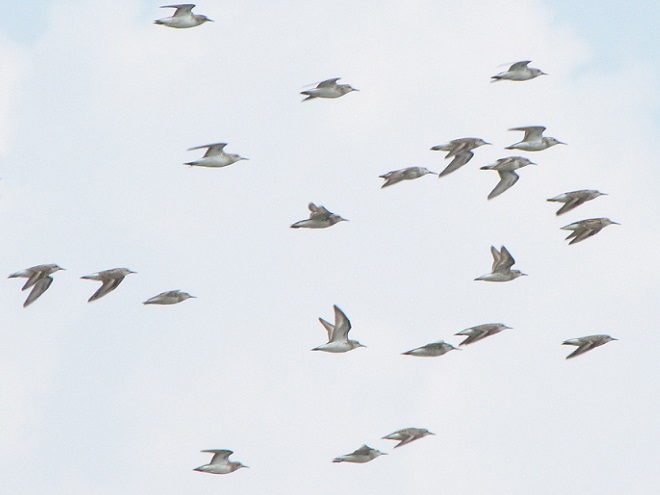
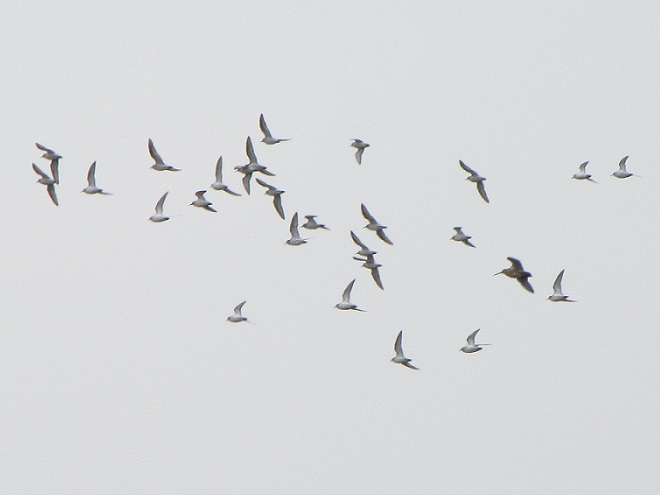
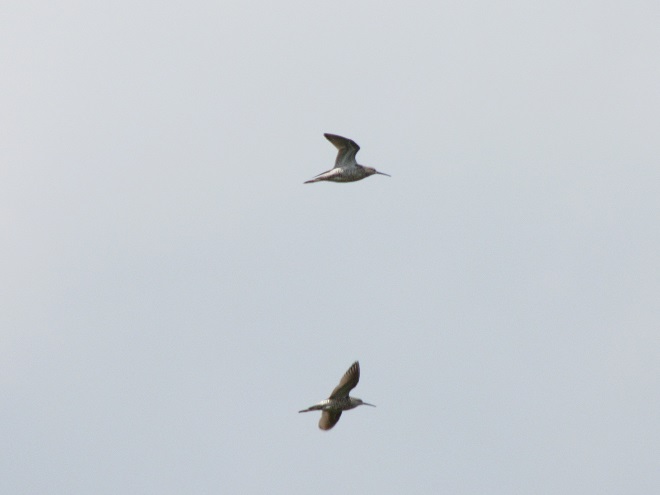
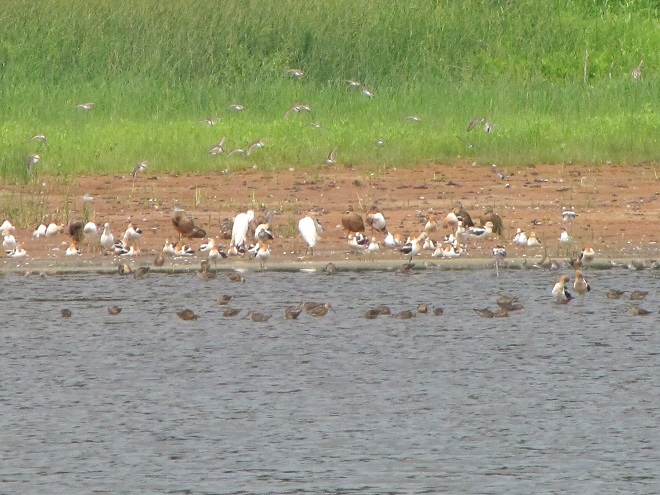
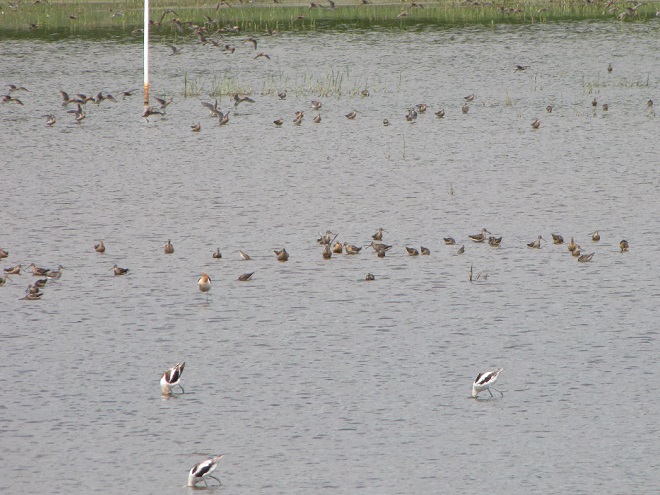
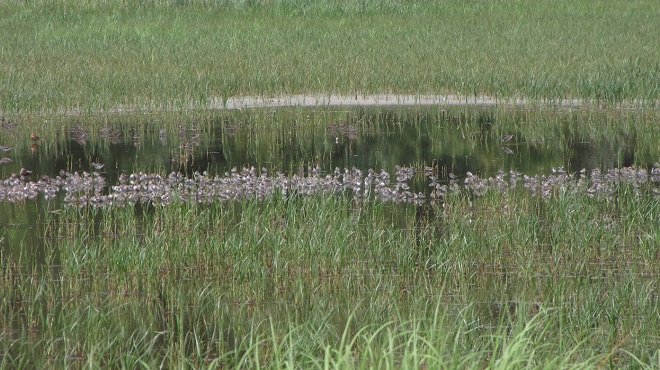
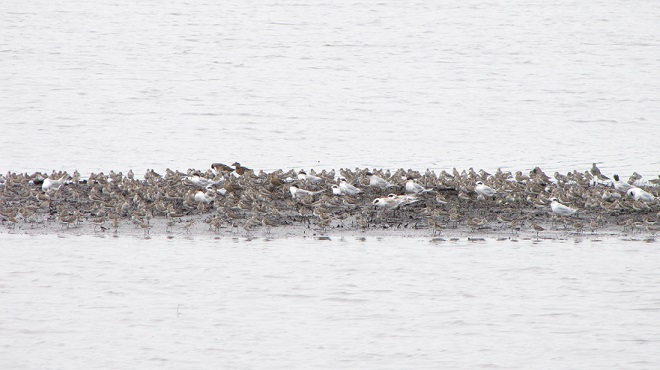
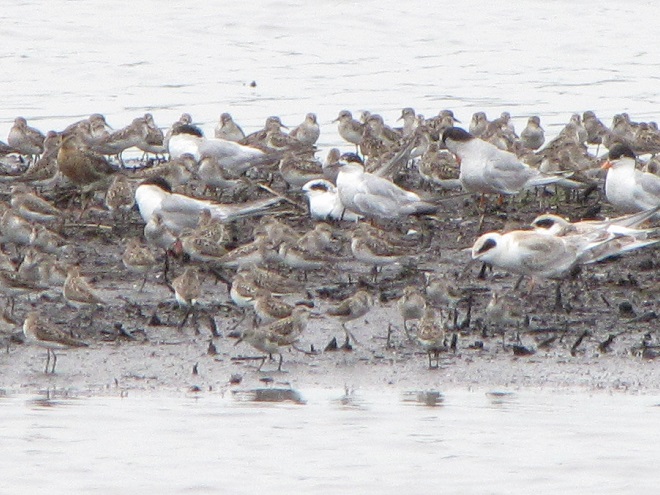
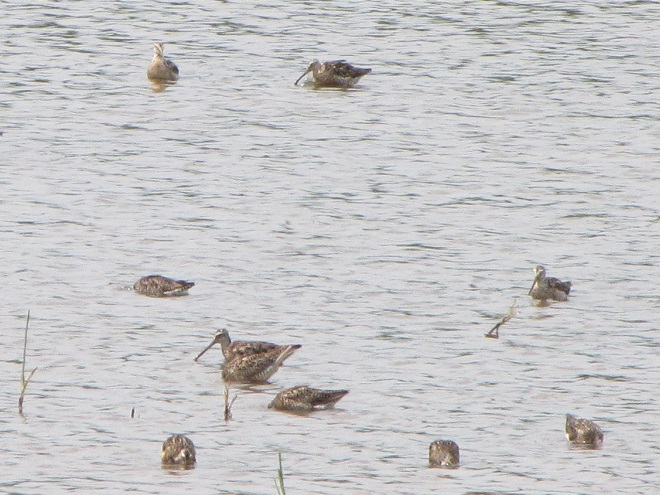
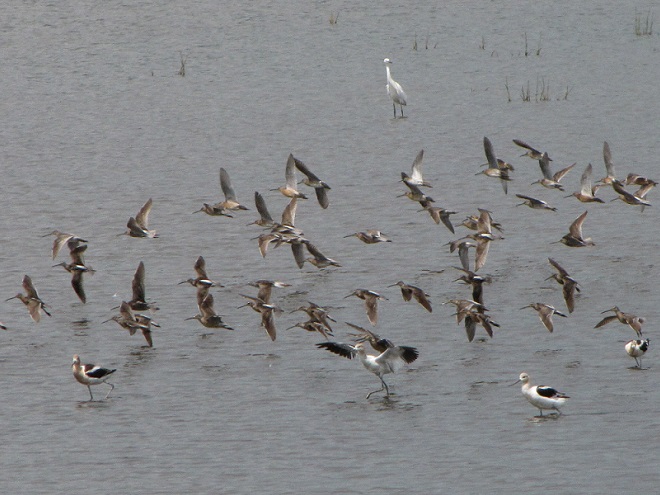
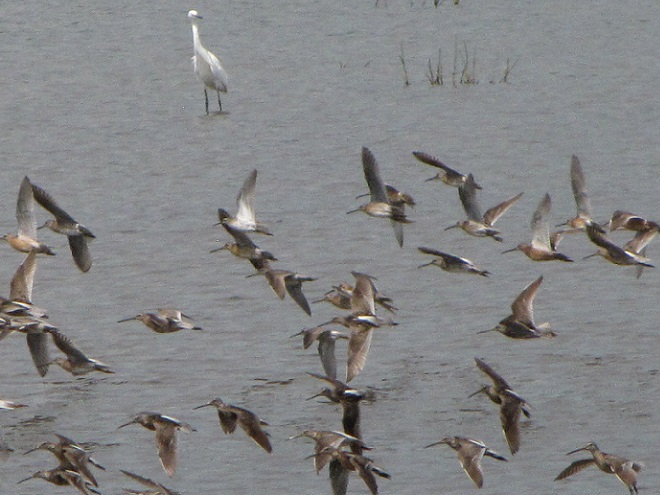
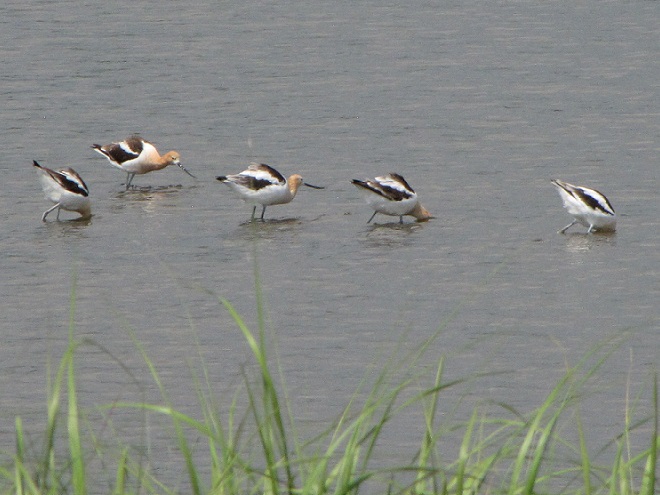
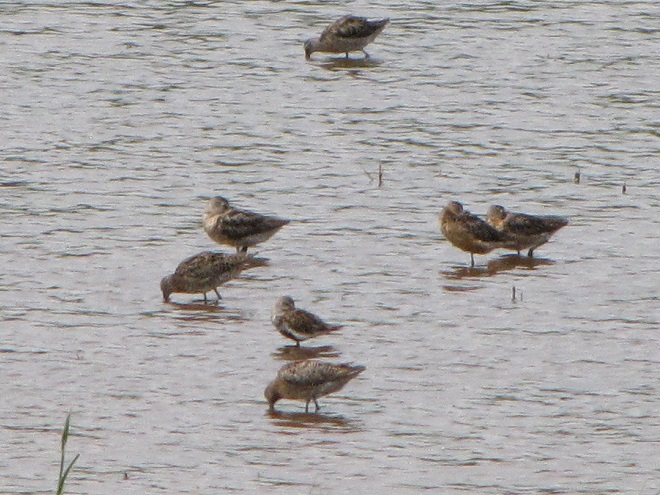
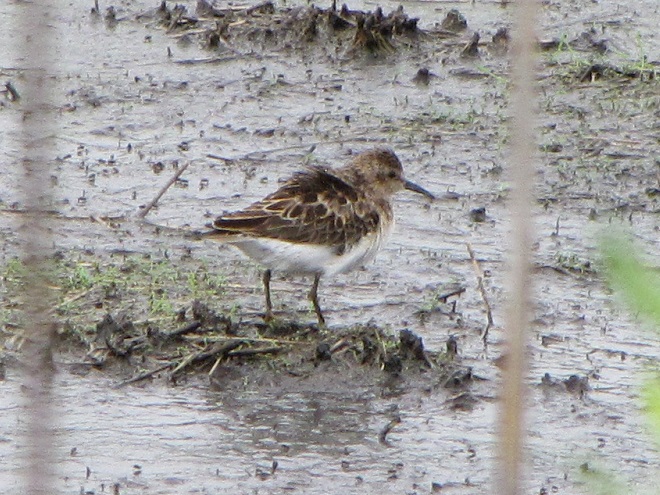
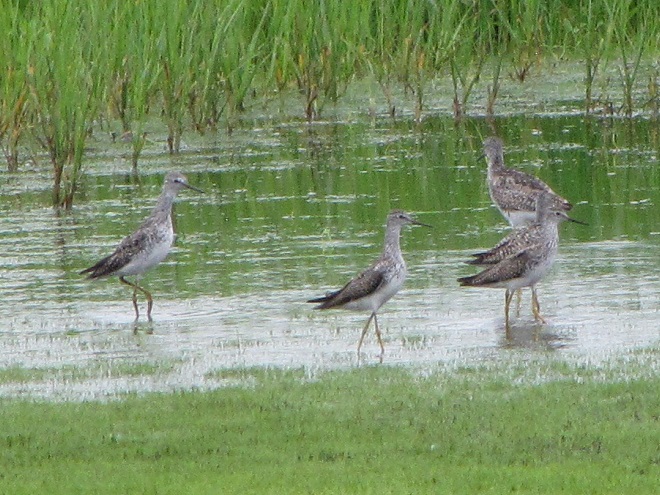
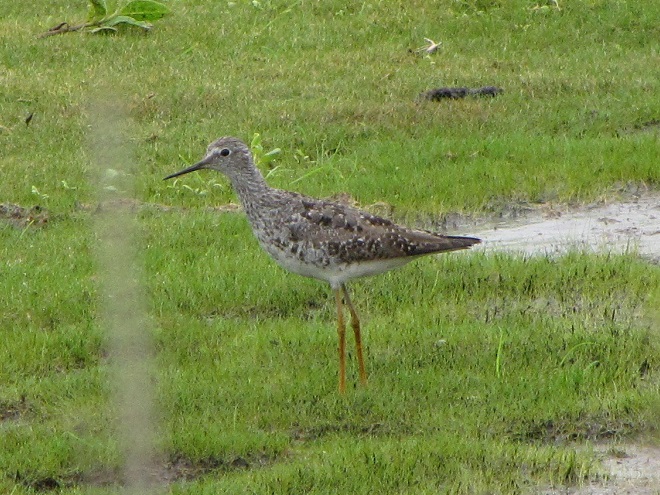
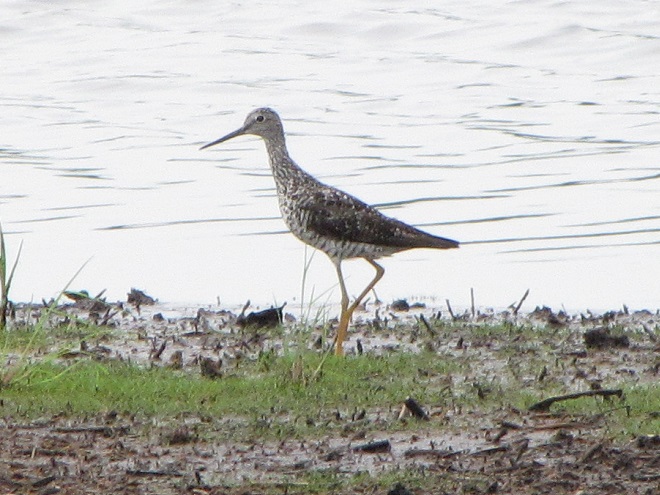
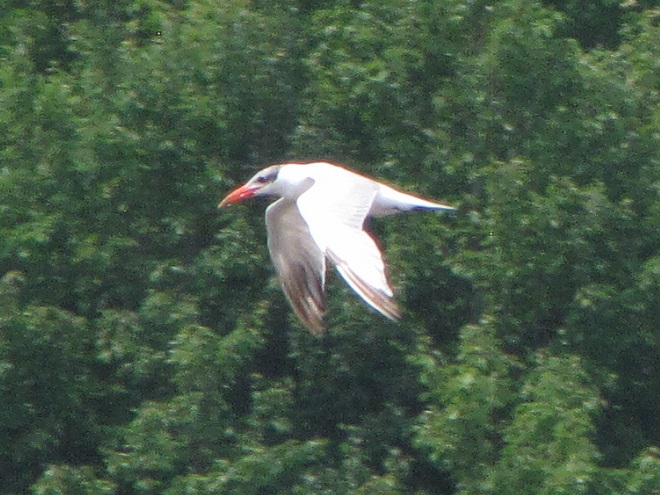
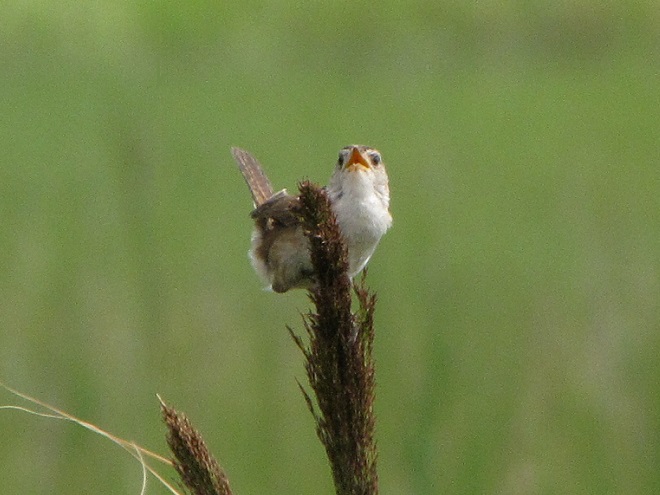
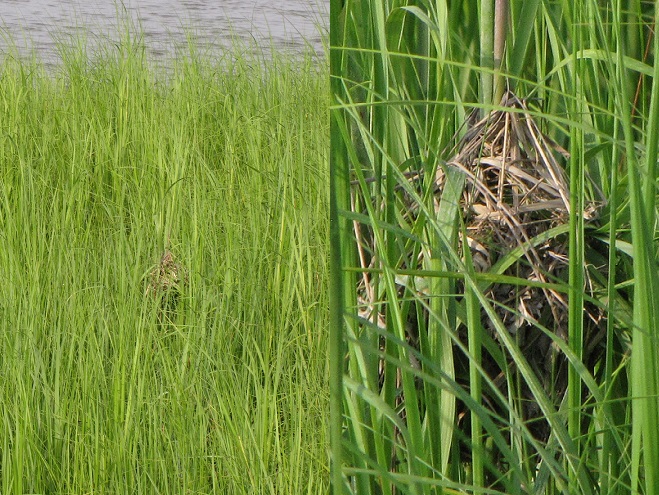
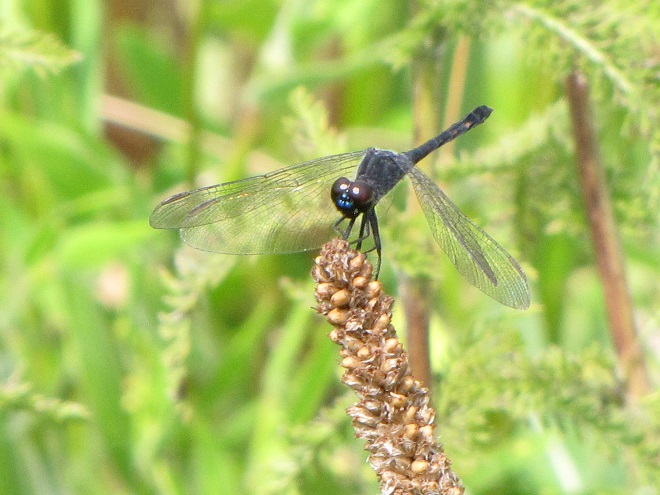
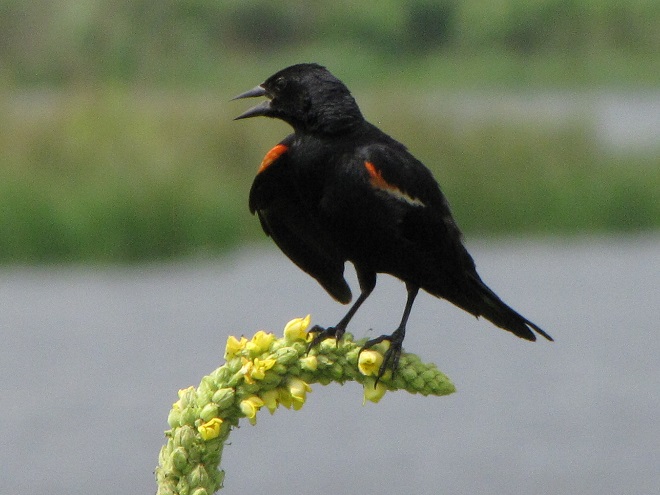
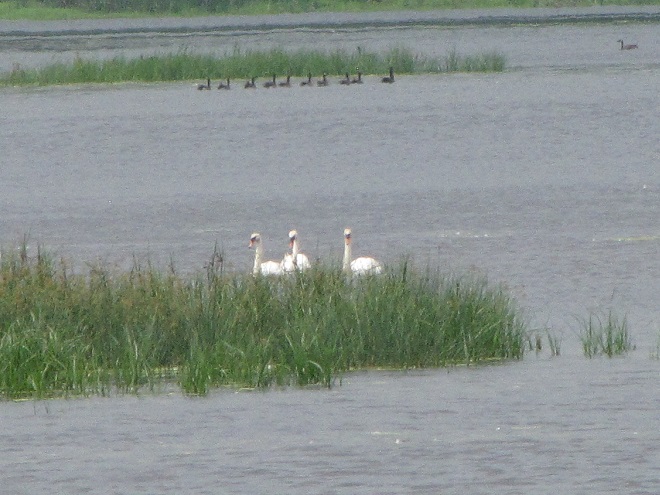
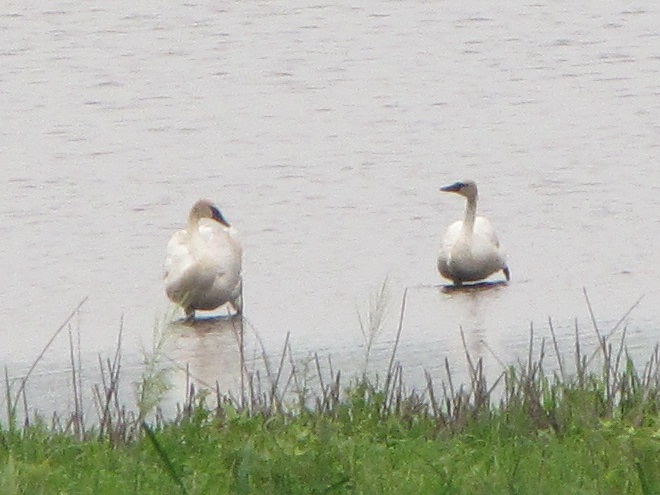
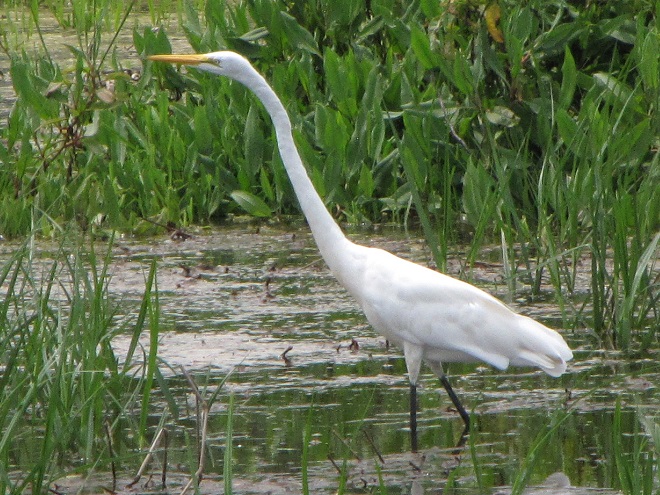
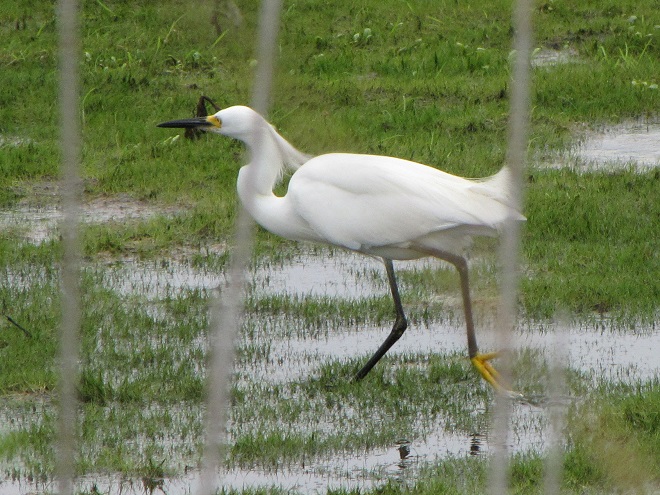
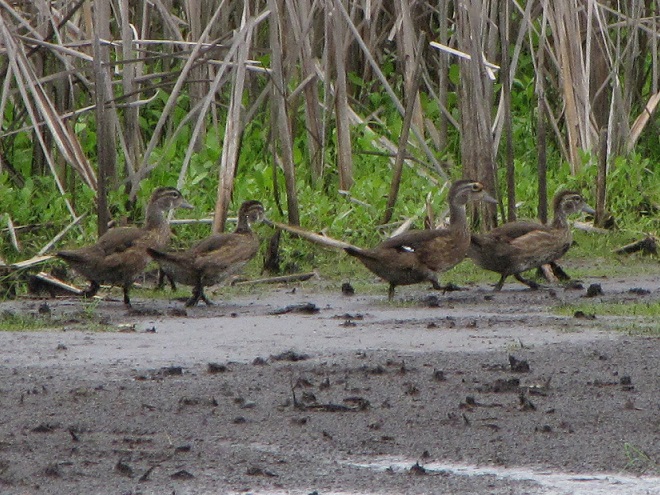
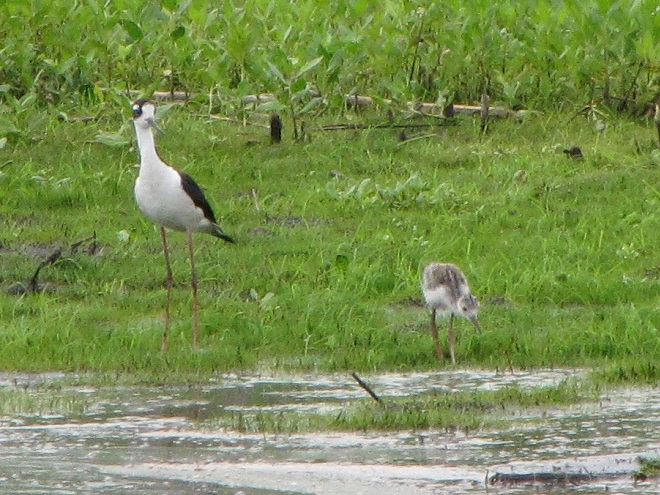
As the tide recedes, shorebirds leave the freshwater pools to begin feeding on the vast mudflats exposed within the saltwater marshes. Most birds are far from view, but that won’t stop a dedicated observer from finding other spectacular creatures on the bay side of the tour route road.
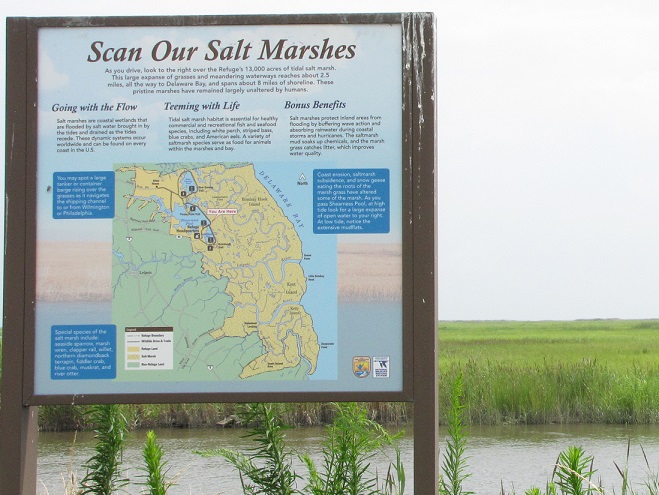
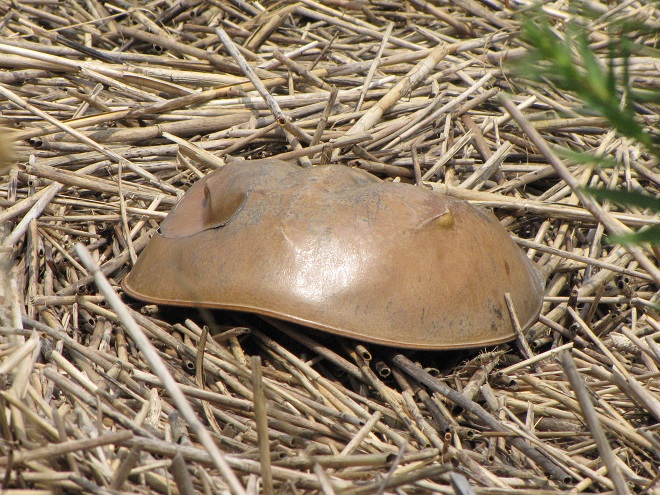
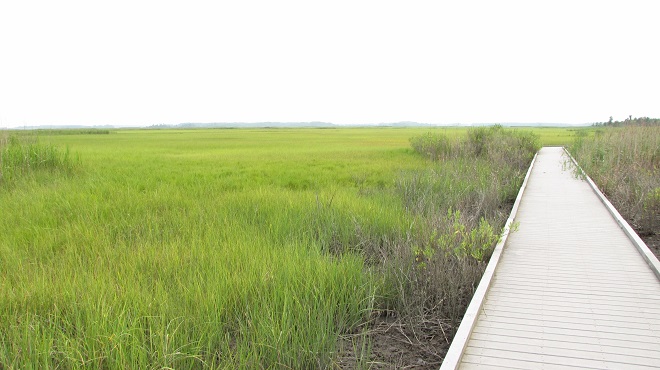
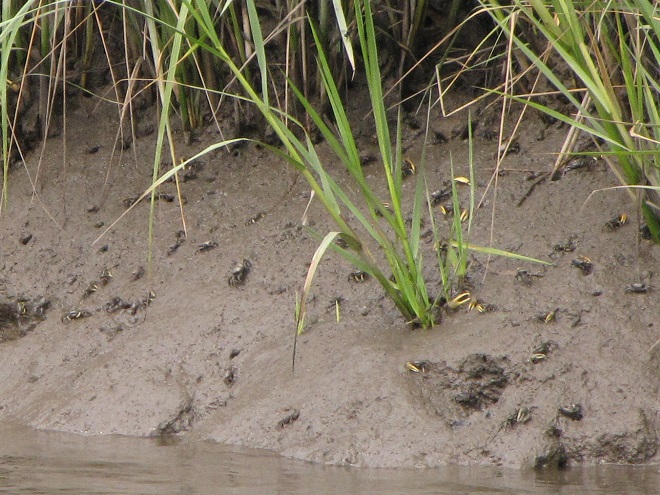
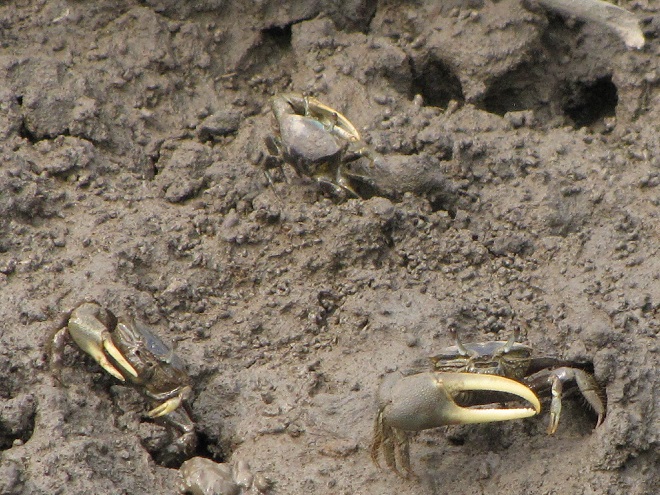
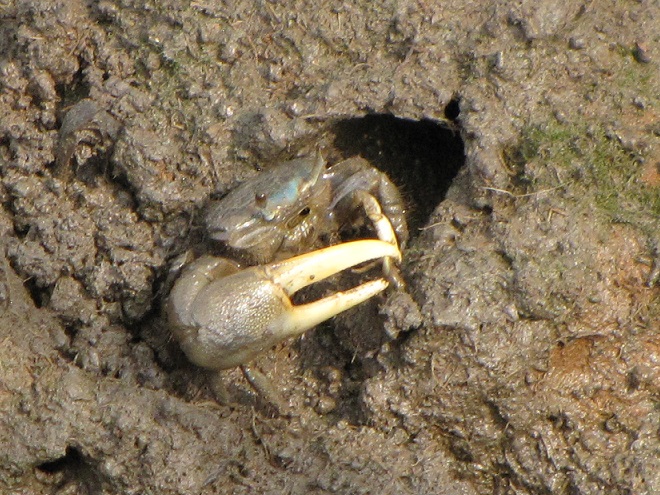

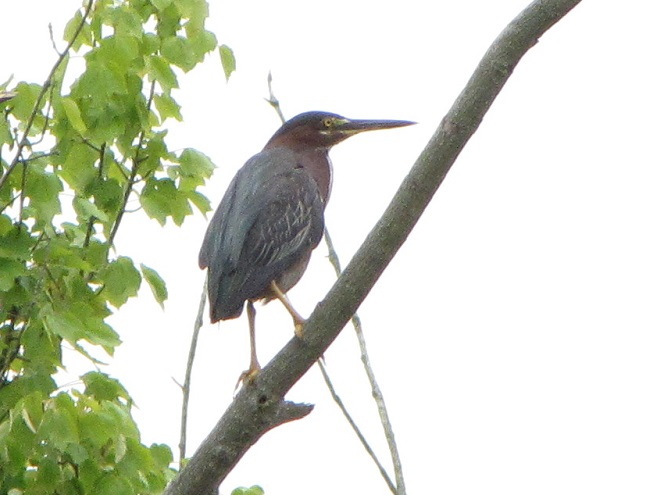
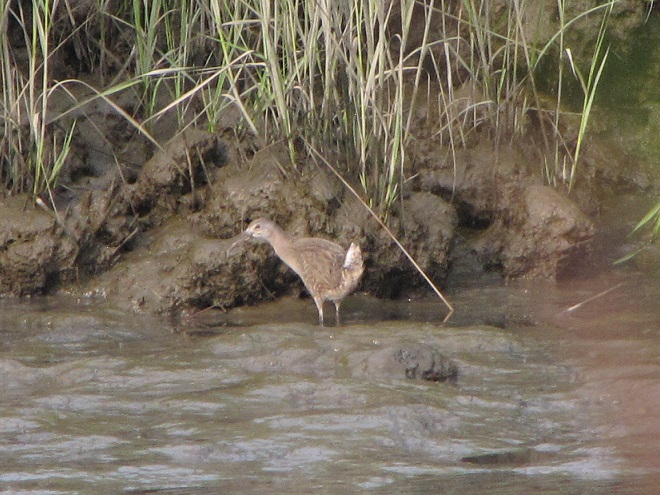
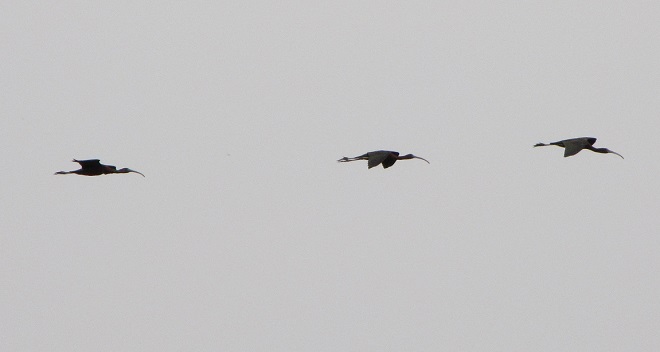
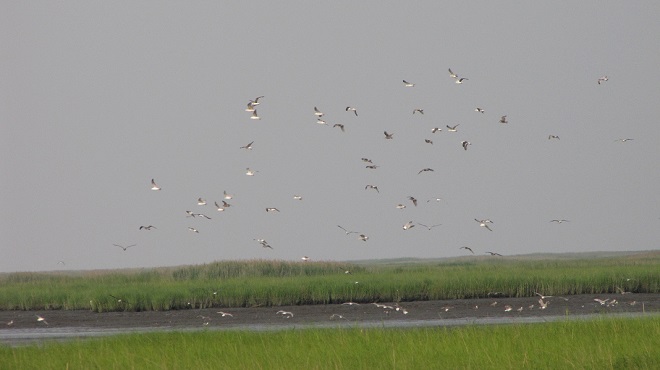
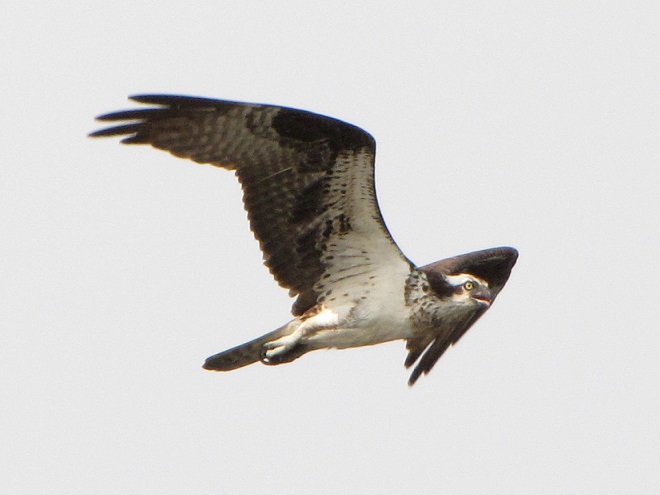
No visit to Bombay Hook is complete without at least a quick loop through the upland habitats at the far end of the tour route.
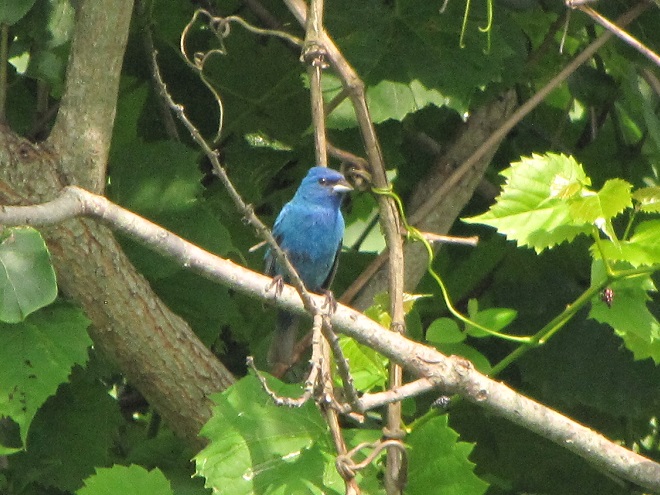
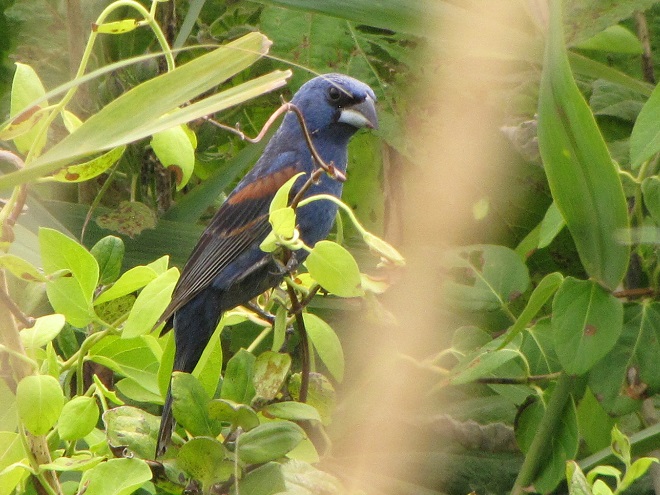
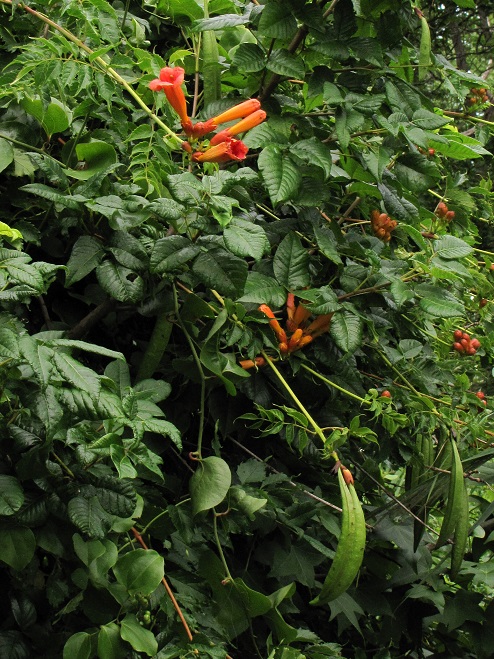
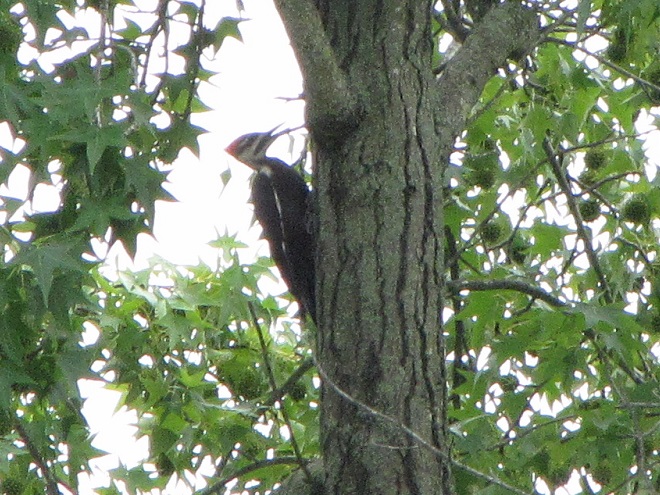
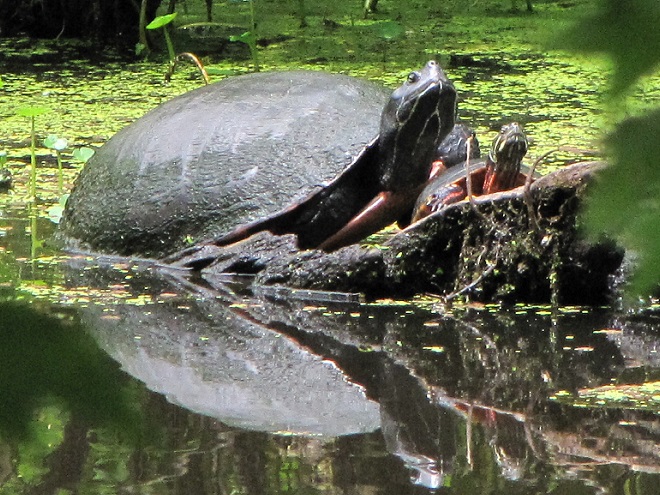
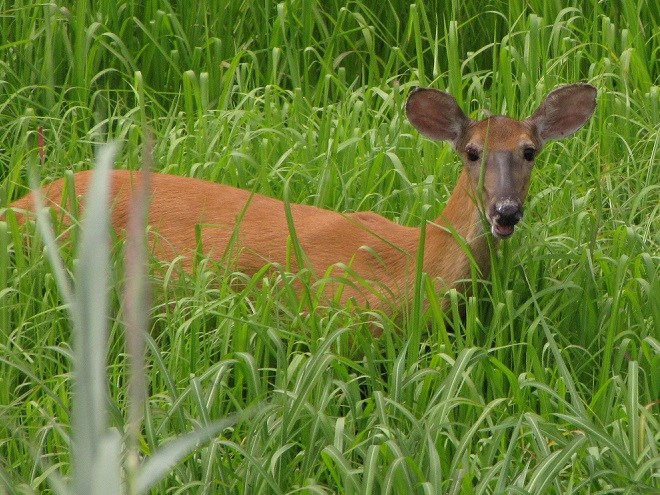
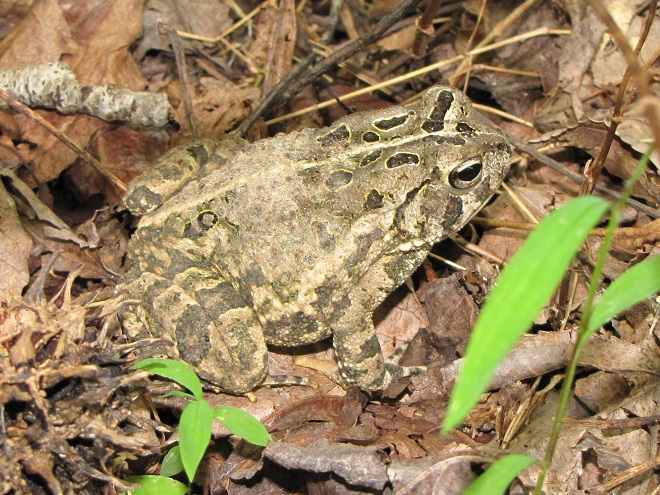
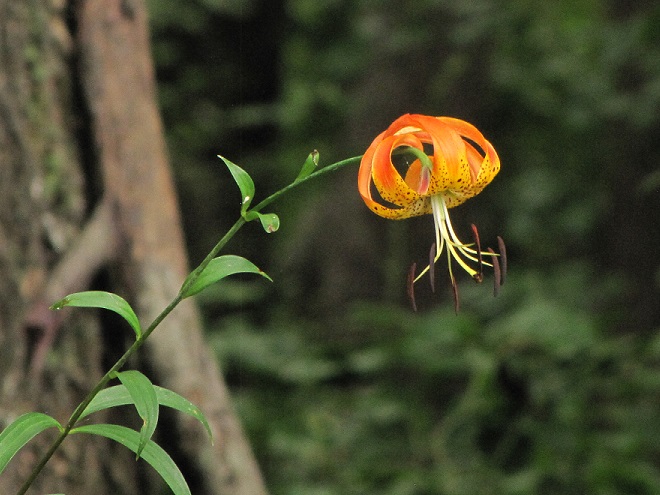
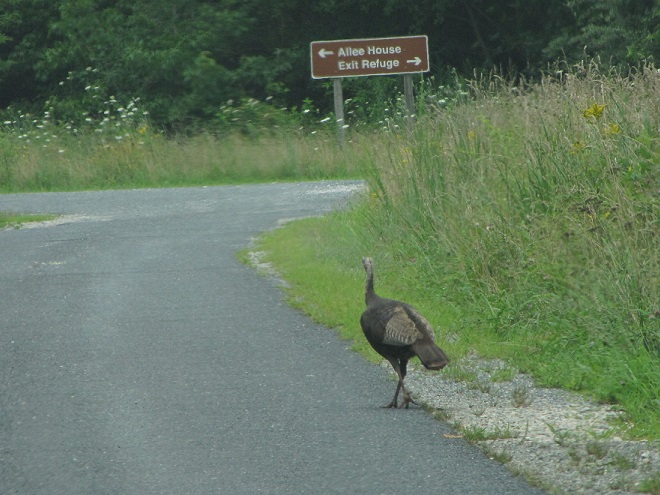
We hope you’ve been convinced to visit Bombay Hook National Wildlife Refuge sometime soon. And we hope too that you’ll help fund additional conservation acquisitions and improvements by visiting your local post office and buying a Federal Duck Stamp.