If maybe you would like to order trees but you’re not quite ready to put them in the ground, why not pot them up and start your own plant nursery. It’s a great way to build an inventory of hardy stock for planting around your own property or for use in community or civic conservation projects.
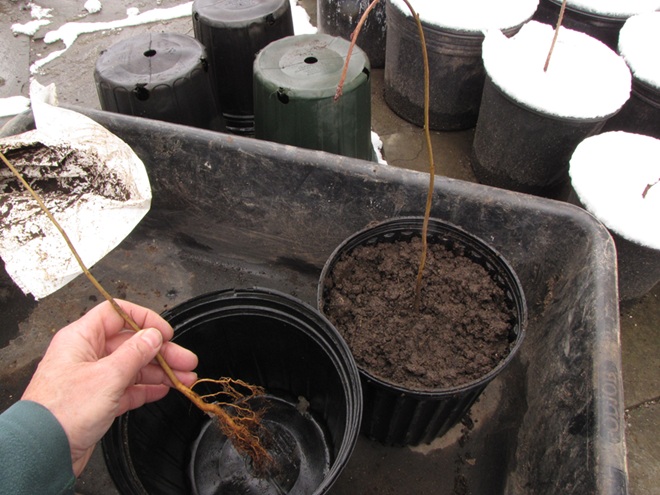
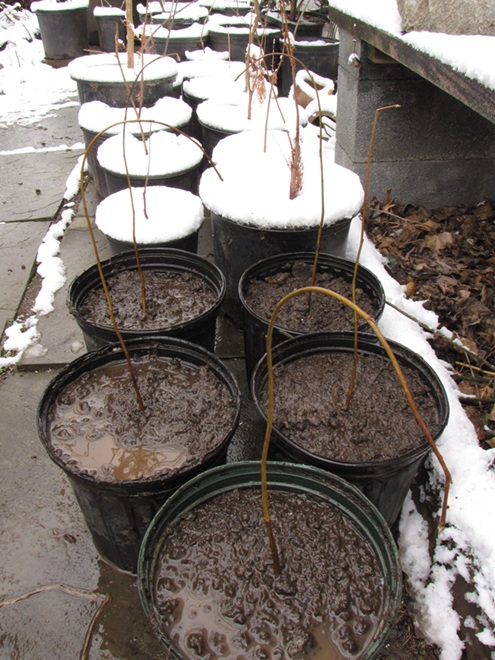
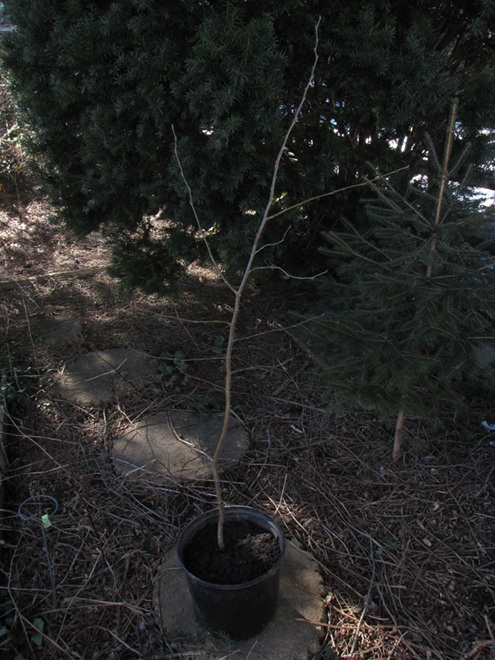
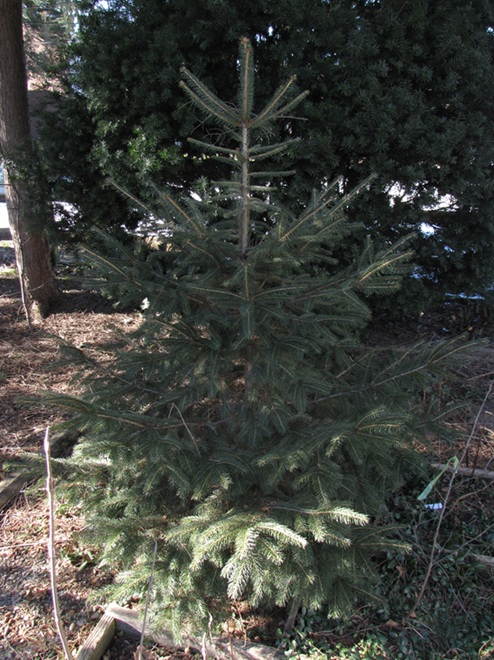
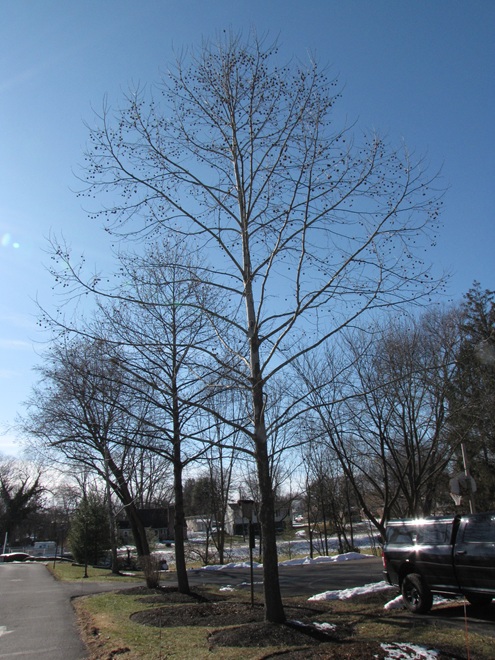
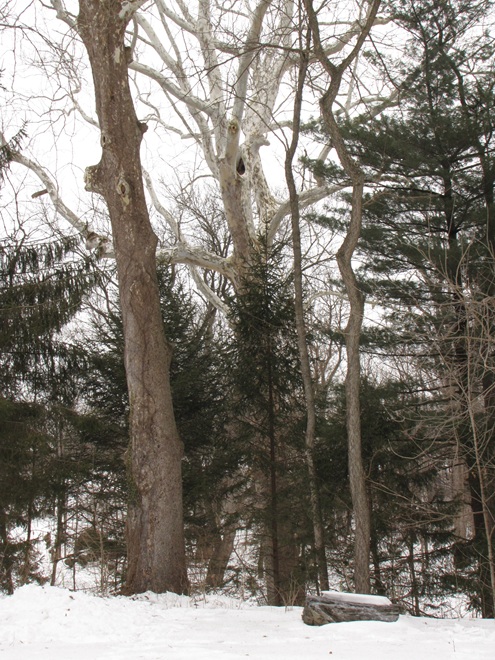
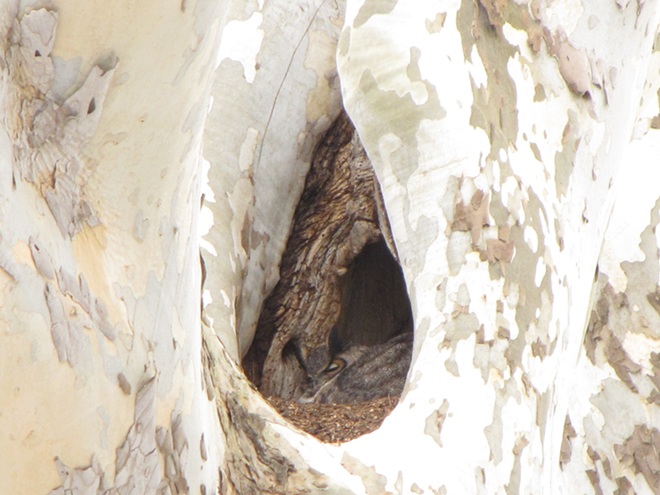
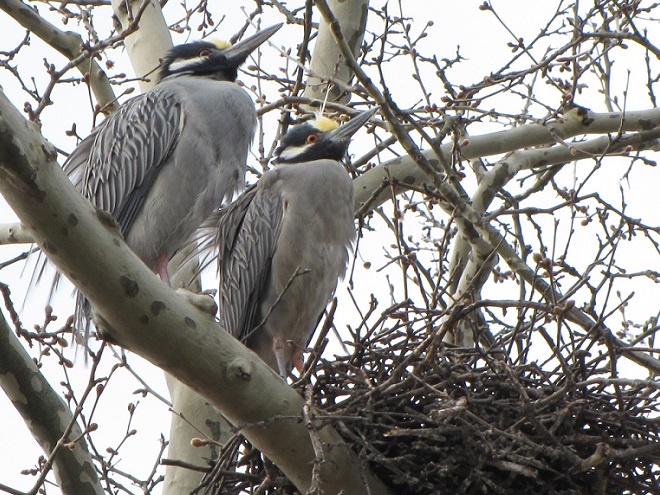
Earlier this week we potted up some bare-root seedlings in a mix of compost and sand to give them a head start before planting them in the ground either during the coming fall or in years to come. These happen to be some young American Sweetgum trees we purchased from a nursery in Perkasie, Bucks County, Pennsylvania.After watering them in, we added our new trees to the inventory we have available for stream buffers, rain gardens, reforestation, and other rewilding projects. We’ll either stake or trim them to remedy the curved stems.In just a season or two, we have nice robust saplings ready to install in a project or in the headquarters garden. Starting plants in the nursery gives them the size they need to improve their chances of survival.This is one of ten Norway Spruce trees we purchased in a pack from a local conservation district sale almost ten years ago. We started each two-year-old seedling in a pot, then transplanted them into the ground a year later. All have been thriving ever since.Since being installed as a potted sapling reared in the headquarters nursery about fifteen years ago, this sturdy Eastern Sycamore has matured and is producing seeds relished by American Goldfinches and other birds.Growing in a streamside woodland, a really massive sycamore that got its start in your nursery could continue to provide valuable wildlife habitat over a lifespan extending one hundred, two hundred, maybe even three hundred years or more. These long-lived denizens of the floodplain provide homes for such beloved breeding birds as Baltimore Orioles, Bald Eagles, Warbling Vireos, Yellow-throated Warblers, and several species of owls,……including this Great Horned Owl, seen currently incubating eggs inside a legacy sycamore that has been an active nest site among its neighboring Norway Spruces and Eastern White Pines for decades.Yellow-crowned Night Herons, an endangered species in Pennsylvania, nesting in an Eastern Sycamore planted during the early twentieth century as a street tree very near the Susquehanna in mid-town Harrisburg. Ordering and planting trees today is essential for their tomorrow.
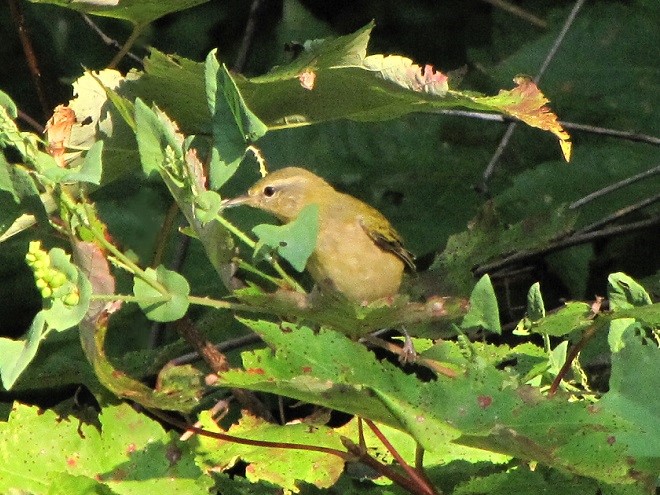
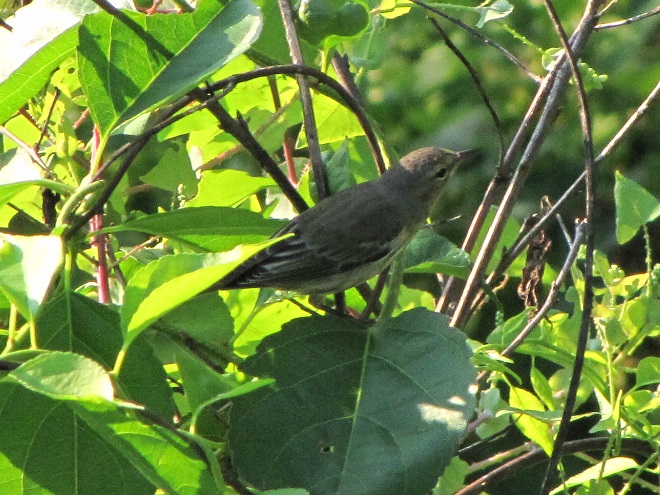
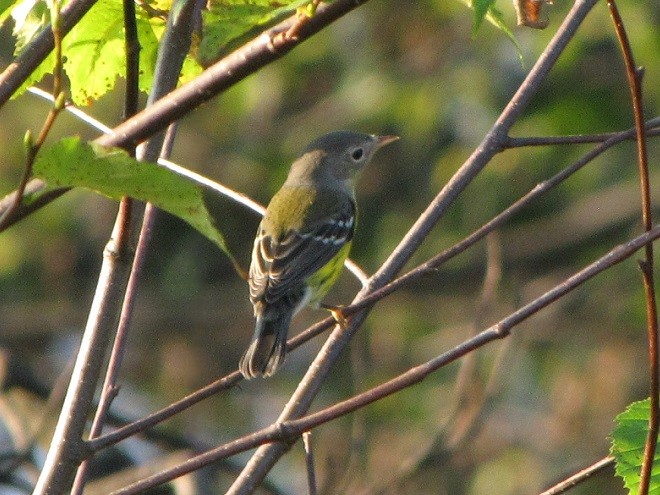
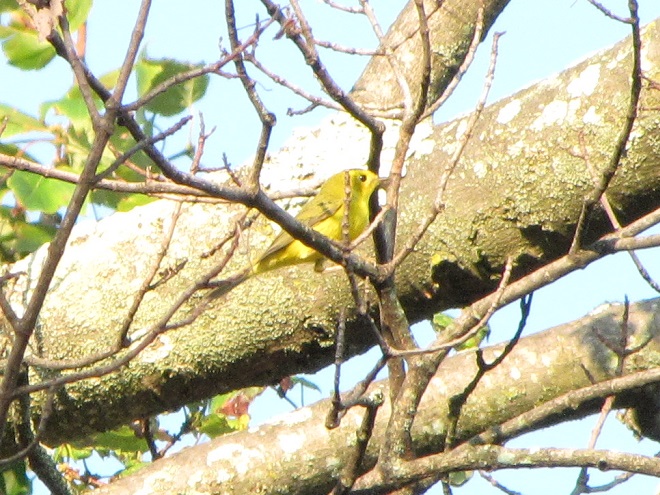
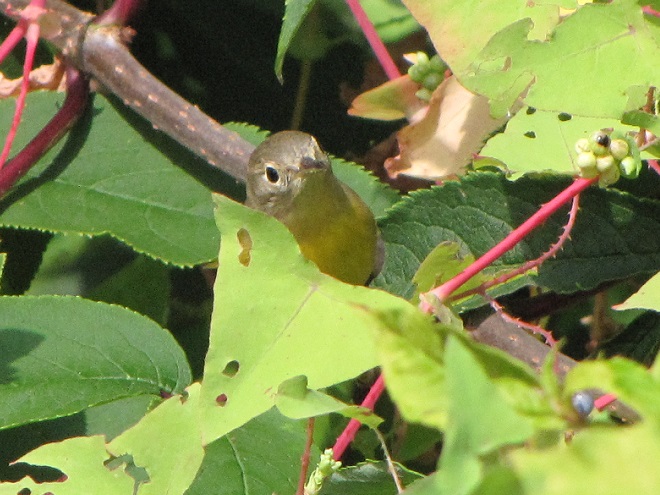
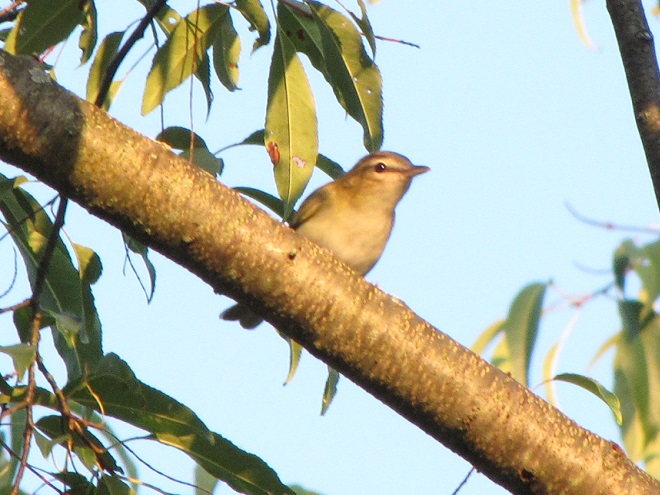
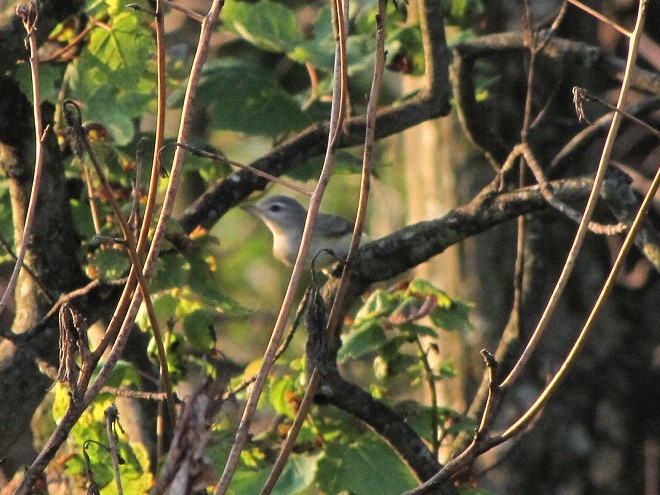
After repeatedly hearing the songs of these Neotropical migrants from among the foliage, we were finally able to get a look at them—but it required persistent effort.
Often found closer to the ground among shrubs and small trees, this Magnolia Warbler was a challenge to find in the upper reaches of a Chestnut Oak.Not far away, we spied this Yellow-rumped Warbler.Despite its status as probably the most common Neotropical songbird to nest in the deciduous woodlands of the lower Susquehanna valley, the Red-eyed Vireo is nevertheless notoriously difficult to locate among the leaves.The Ovenbird spends much of its time on the forest floor where it builds a domed, oven-like nest.A fortunate observer may catch a glimpse of one perched in an understory shrub or small tree.But hearing the Ovenbird’s song, “teacher-teacher-teacher”, is frequently the only way to detect it.The Worm-eating Warbler nests in understory thickets on steep forested slopes. Its rich chipping song is often the only indication of its presence.Frequently easier to locate is the American Redstart, a Neotropical warbler that calls out its territory in damp woodlands from perches atop shrubs or among the lower limbs of trees.Warbling Vireos nest near streams or other bodies of water in large deciduous trees like this Northern Hackberry.Gray Catbirds are abundant in shrubby gardens and thickets. Most will come out of hiding to investigate disturbances like an observer making a pishing sound.Another inhabitant of brushy successional growth is the Common Yellowthroat. It too is curious and responds quickly to squeaky sounds made by human visitors to their home ground.The Yellow-breasted Chat is a bird of early successional growth. To establish and defend a breeding territory, this one adopted a perch along the edge of a woodlands overlooking a field in which prescribed fire was administered less than two months ago.Like the mockingbird and thrasher, the Yellow-breasted Chat is a mimic. Its song is a repertoire of the calls and songs of the bird species with which it may compete for food and nesting space. Unique to the chat is an occasional pause, whistle, or “chuck” note that creates a bridge between many of its song’s elements.The intensely territorial chat dropping down to look us over.
Sometimes we have to count ourselves lucky if we see just one in five, ten, or even twenty of the birds we hear in the cover of the forest canopy or thicket. But that’s what makes this time of year so rewarding for the dedicated observer. The more time you spend out there, the more you’ll eventually discover. See you afield!
A singing Scarlet Tanager lurking in the shade of an oak.Seeing is believing.
“Waves” of warblers and other Neotropical songbirds continue to roll along the ridgetops of southern Pennsylvania. The majority of these migrants are headed to wintering habitat in the tropics after departing breeding grounds in the forests of southern Canada. At Second Mountain Hawk Watch, today’s early morning flight kicked off at sunrise, then slowed considerably by 8:30 A.M. E.D.T. Once again, in excess of 400 warblers were found moving through the trees and working their way southwest along the spine of the ridge. Each of the 12 species seen yesterday were observed today as well. In addition, there was a Northern Parula and a Canada Warbler. Today’s flight was dominated by Bay-breasted, Blackburnian, Black-throated Green, and Tennessee Warblers.
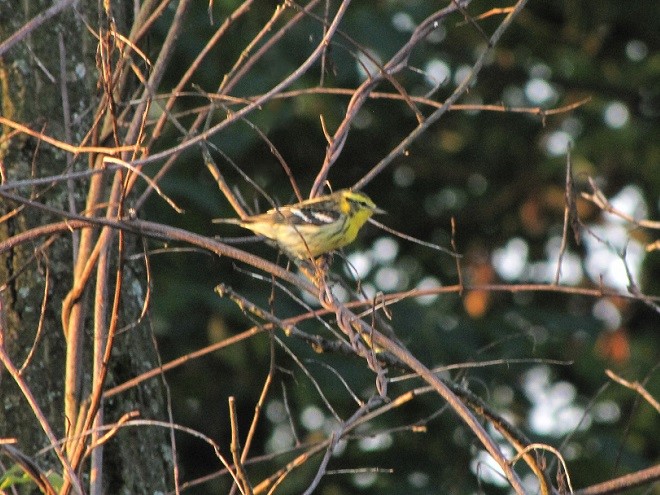
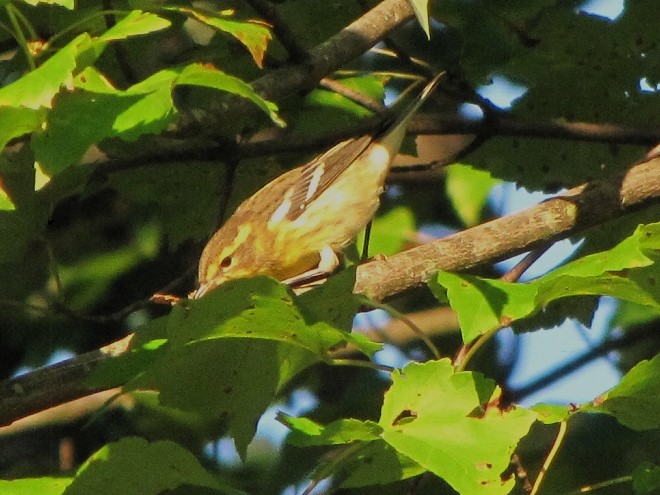
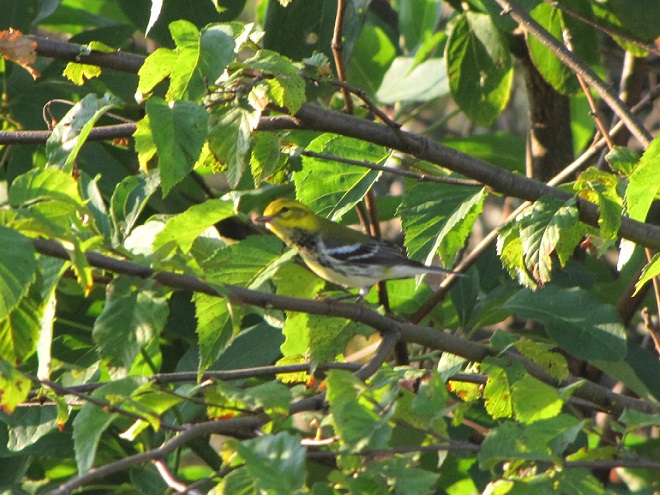
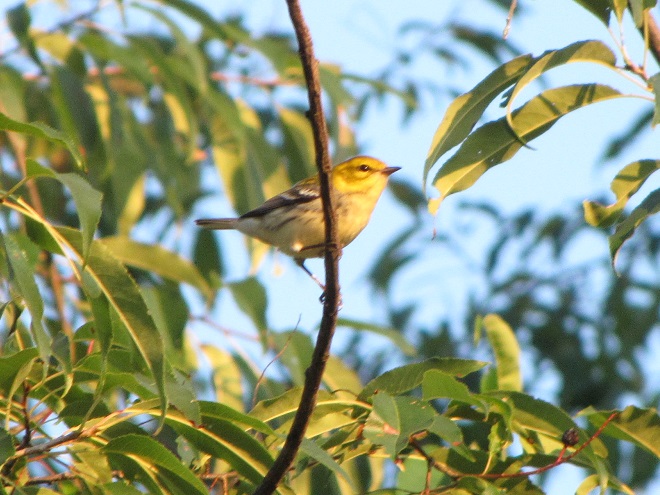
A Blackburnian Warbler at sunrise on Second Mountain.A hungry Blackburnian Warbler feeding on insects.Black-throated Green Warblers were a plentiful species among both yesterday’s and today’s waves of Neotropical migrants.A juvenile Black-throated Green Warbler.One of the scores of Tennessee Warblers seen on Second Mountain early this morning.Cape May Warblers were still common today, but not moving through in the numbers seen yesterday.A male Black-throated Blue Warbler.Compared to yesterday’s flight, lesser numbers of Magnolia Warblers were seen today.An adult male Wilson’s Warbler was a good find among the hundreds of birds swarming the ridgetop.This Nashville Warbler spent much of the day in the tangles of Mile-a-minute Weed surrounding the lookout.
Other interesting Neotropical migrants joined the “waves” of warblers…
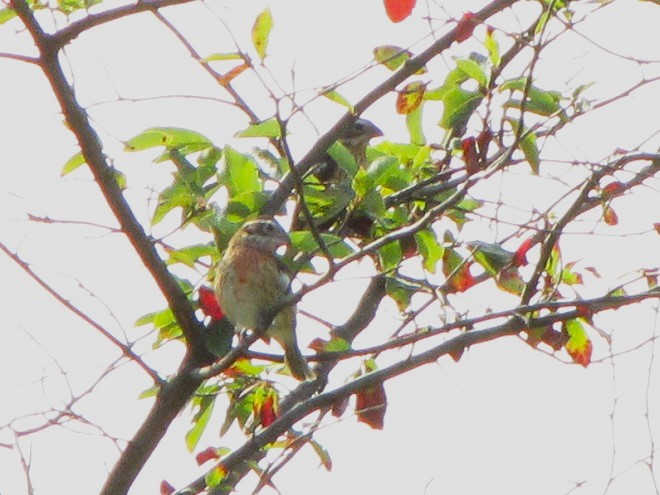
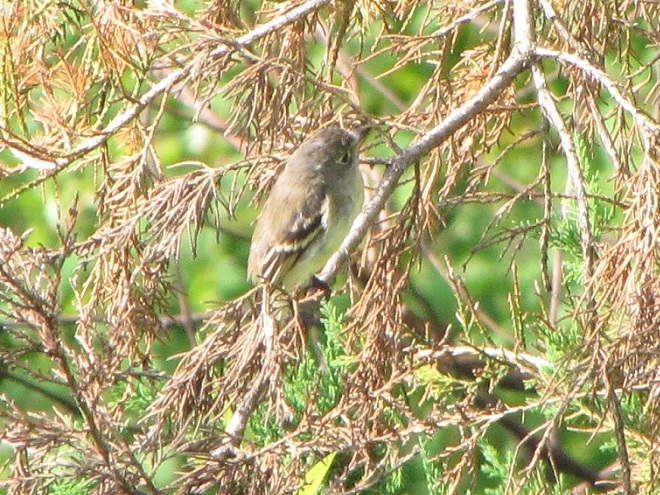
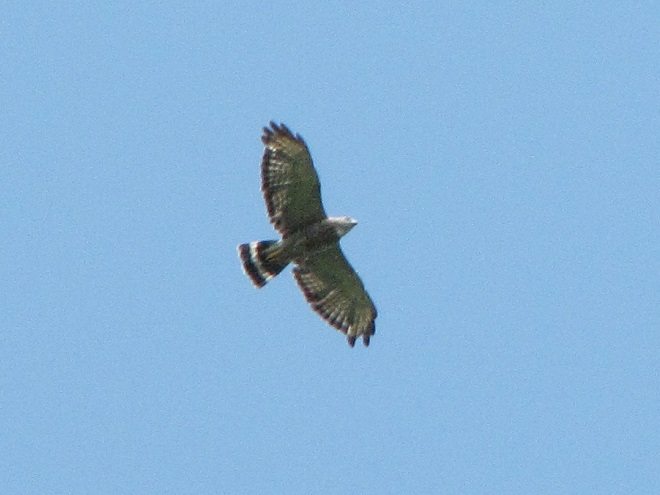
Red-eyed Vireo numbers were higher than yesterday.This Warbling Vireo was found peering from the cover of the shady forest.A minimum of six Rose-breasted Grosbeaks were identified including the juvenile male seen here in first-fall plumage. Other good sightings were Scarlet Tanagers, an adult male Baltimore Oriole, and a dozen or more Ruby-throated Hummingbirds.Three Least Flycatchers were heard calling and seen chasing one another through a stand of dead timber on the south slope below the lookout.After the warbler flight settled, the task of counting migrating raptors commenced. Five Broad-winged Hawks including this one were tallied as they glided away to the southwest for a winter vacation in the tropics of Central and South America.
Here’s a quick look at just a few of the birds that have been moving northward in recent days…
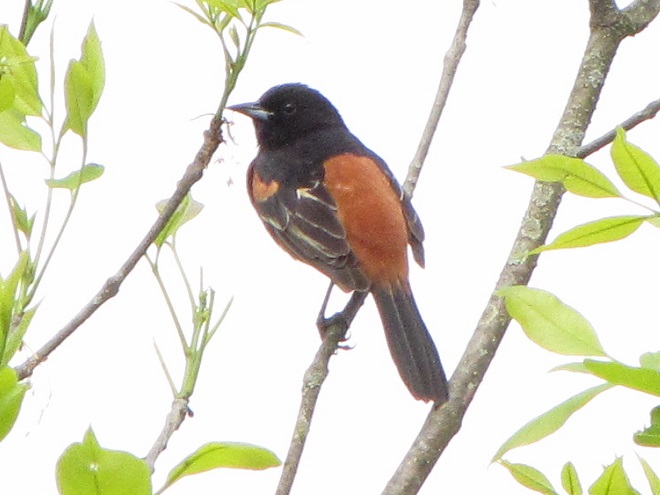
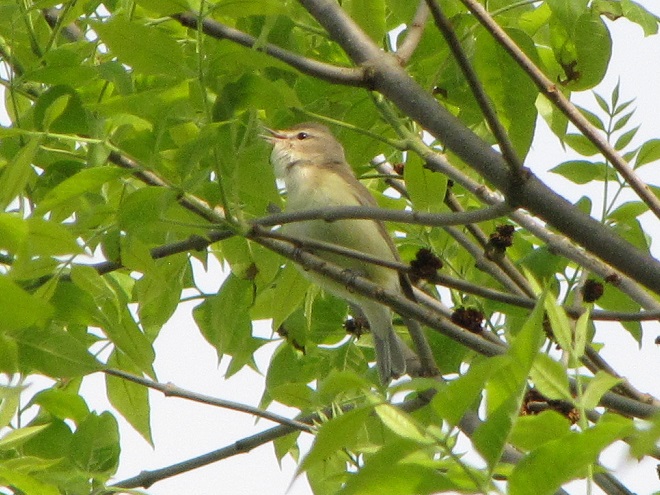
Find a thicket, a garden with plenty of shrubs, or a brushy woodland and you’ll find Gray Catbirds. Many will stay in the Lower Susquehanna River Watershed to nest.Orchard Orioles favor old meadows with large shade trees. Some remain to nest.The Common Yellowthroat is one of the more than two dozen species of warblers found regularly during spring migration. It nests locally in wet thickets.The Warbling Vireo can be found singing among the branches of large streamside trees like this Green Ash.Unlike the preceding species which do the majority of their migrating by night, Blue Jays move north by daylight. Keep an eye on the sky and you just might see a flock or two go by!
You’ll want to go for a walk this week. It’s prime time to see birds in all their spring splendor. Colorful Neotropical migrants are moving through in waves to supplement the numerous temperate species that arrived earlier this spring to begin their nesting cycle. Here’s a sample of what you might find this week along a rail-trail, park path, or quiet country road near you—even on a rainy or breezy day.
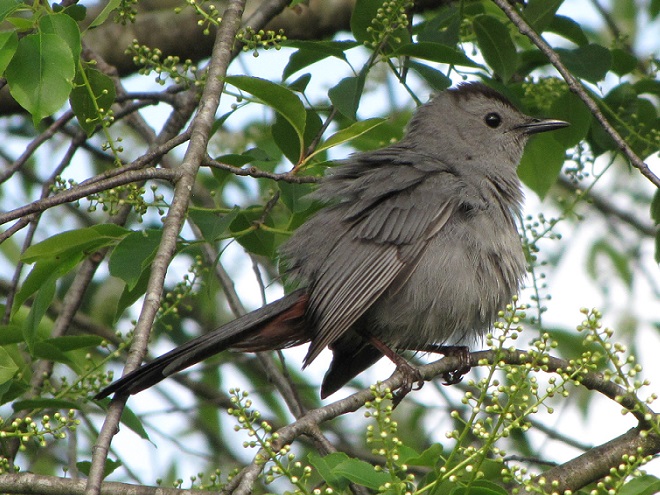
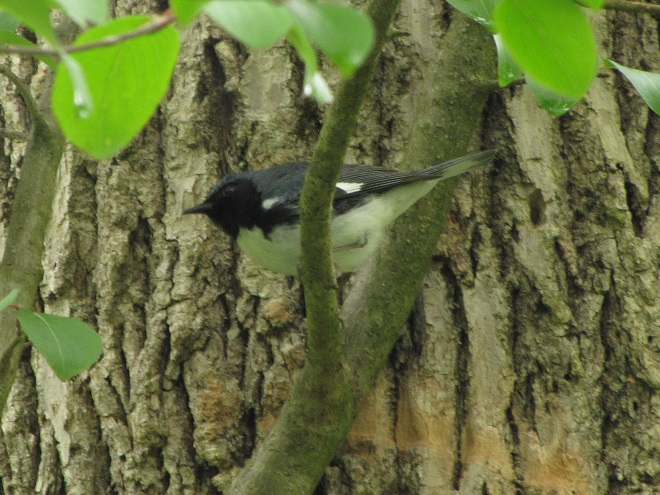
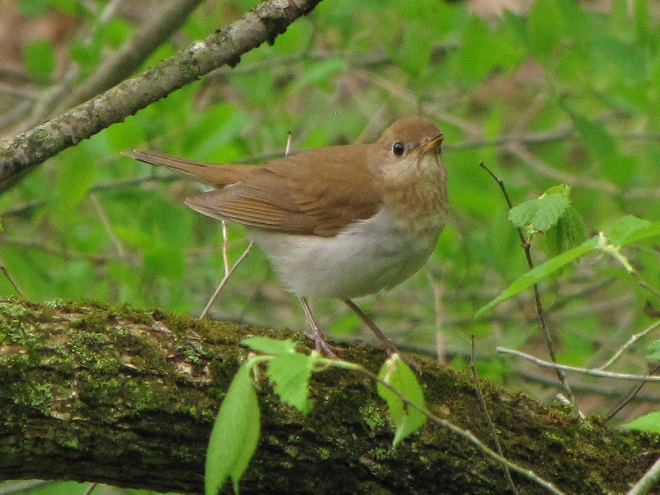
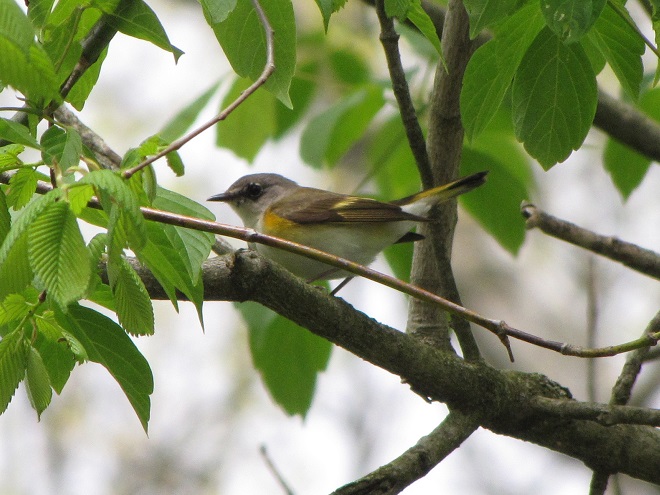
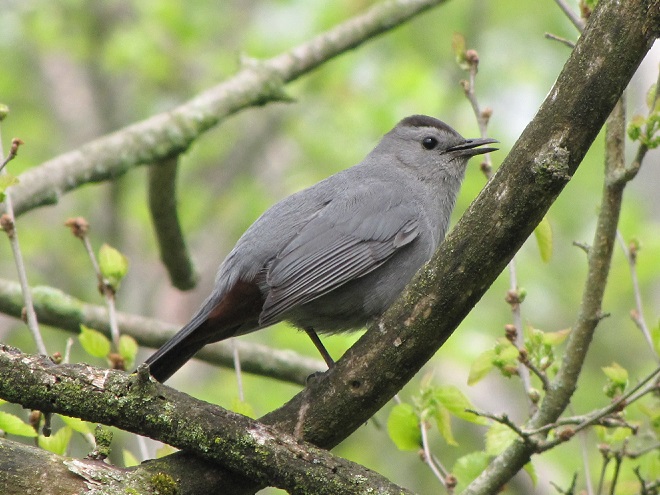
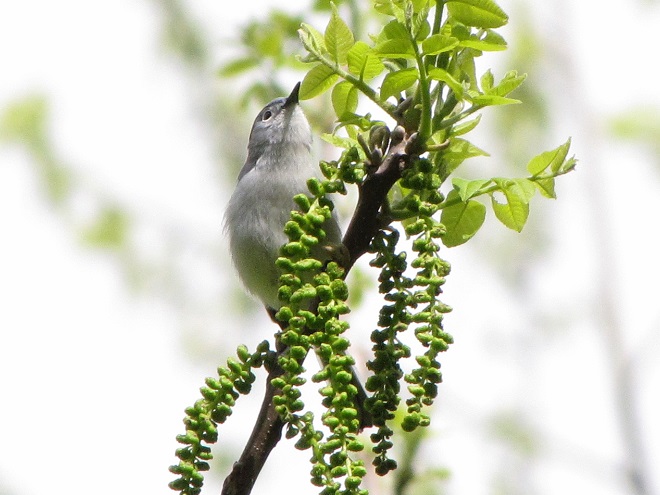
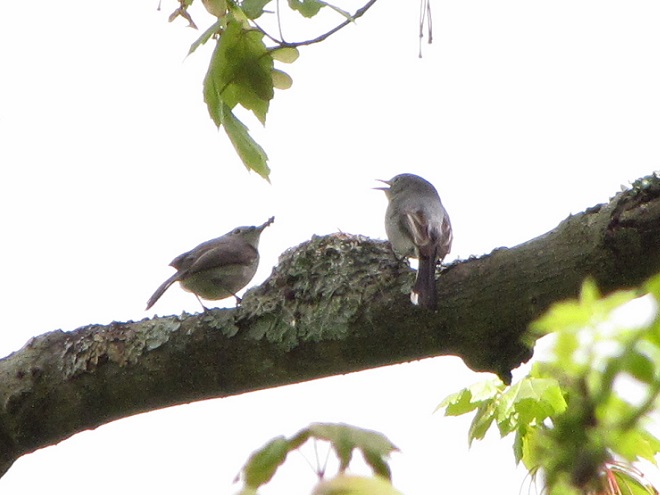
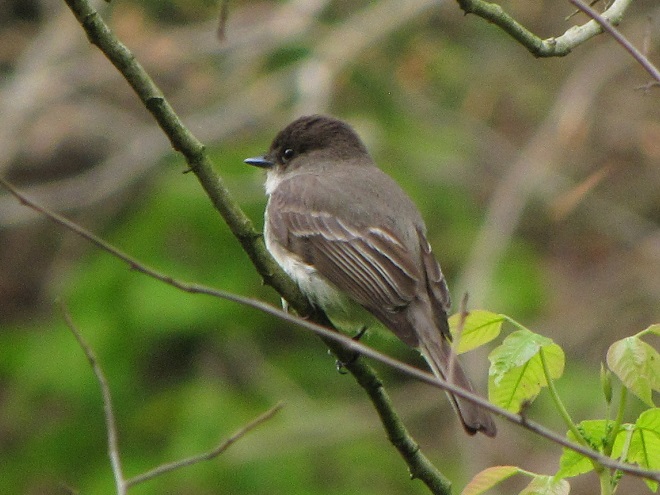
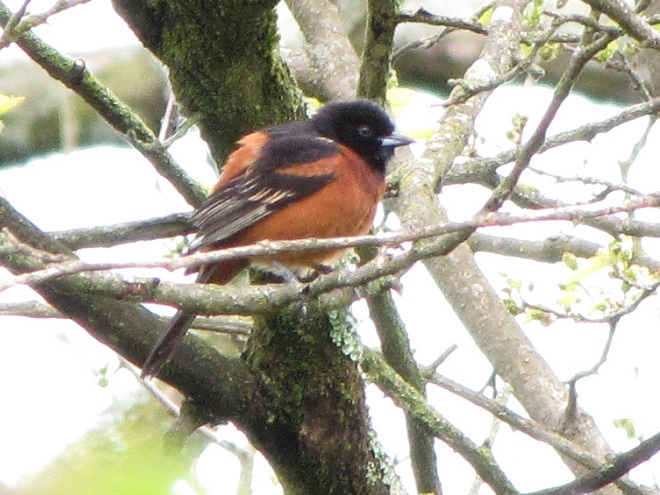
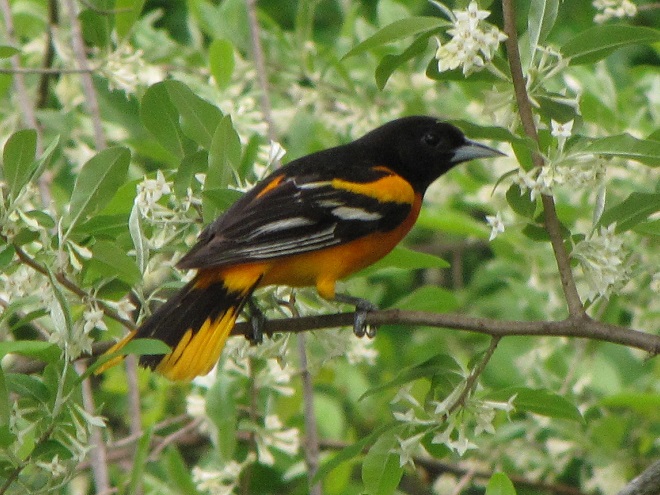
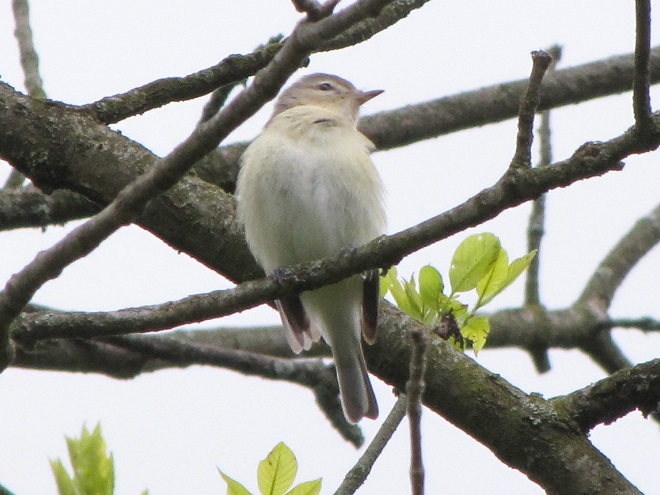
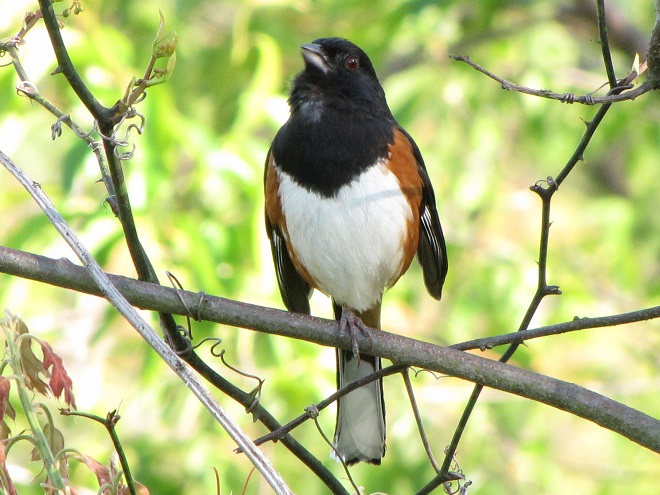
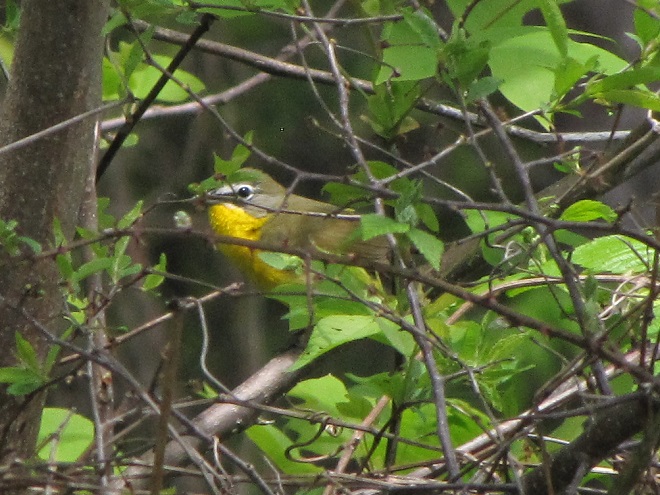
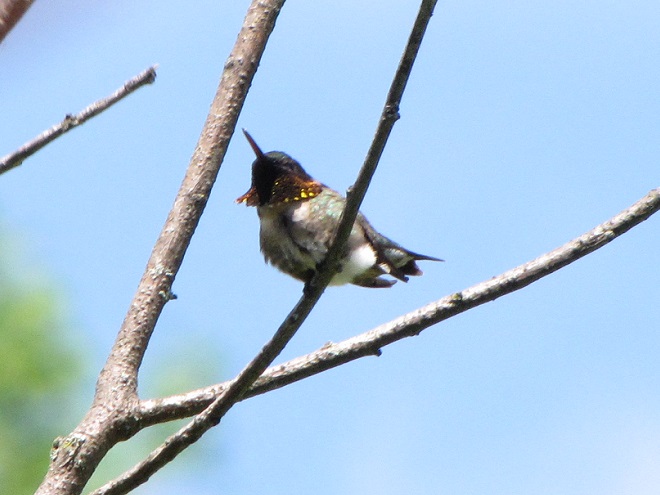
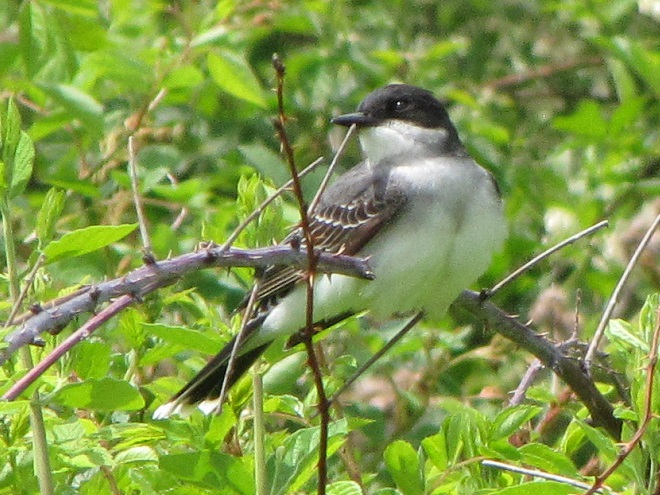
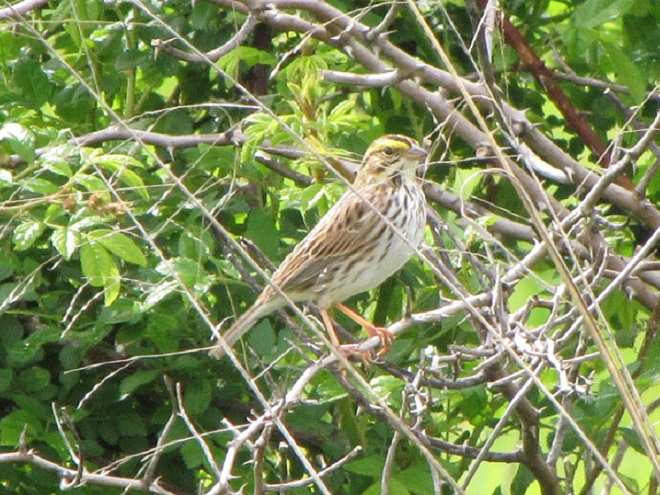
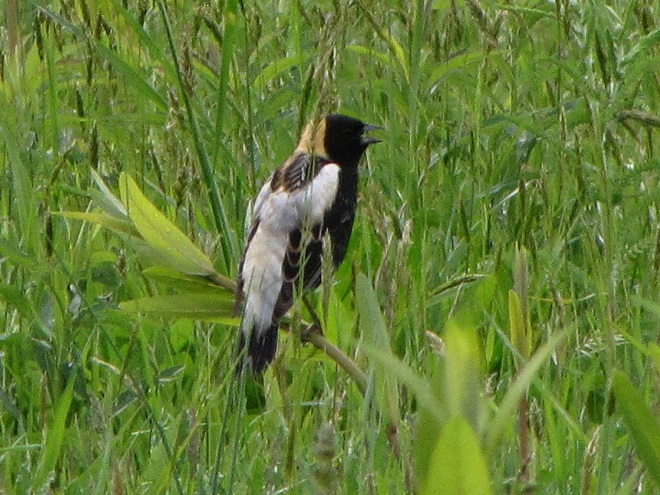
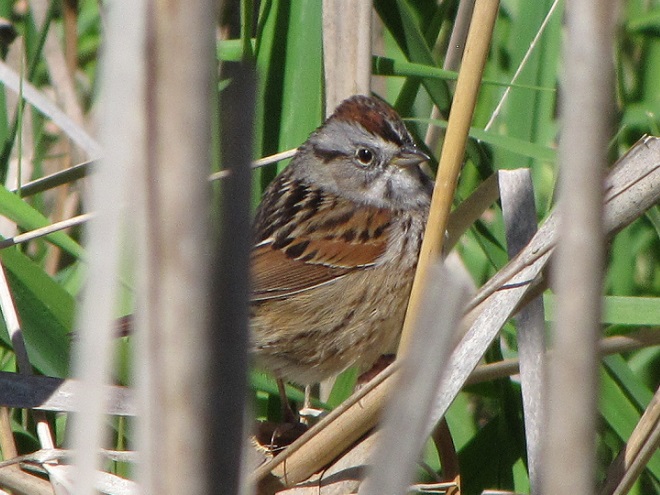
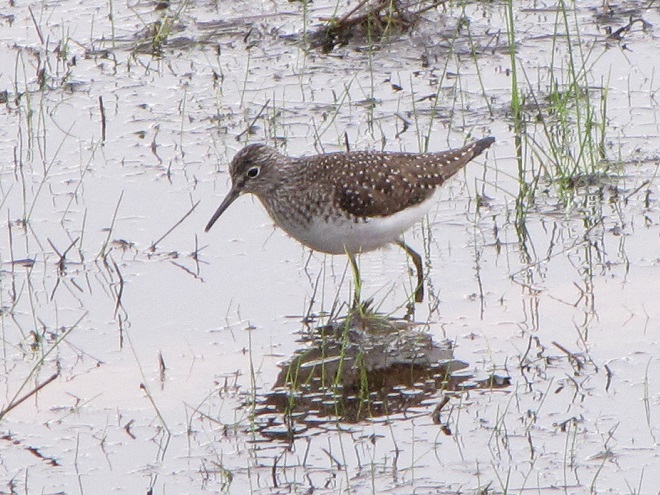
The Black-throated Blue Warbler is one of more than two dozen species of warblers passing through the Lower Susquehanna River Watershed right now. Look for it in the middle and bottom branches of deciduous forest growth.The Veery and other woodland thrushes sing a melodious song. Veerys remain through the summer to nest in damp mature deciduous forests.The American Redstart, this one a first-spring male, is another of the variety of warblers arriving now. Redstarts nest in deciduous forests with a dense understory.Adaptable inquisitive Gray Catbirds are here to nest in any shrubby habitat, whether in a forest or a suburban garden.Blue-gray Gnatcatchers (Polioptilia caerulea) arrive in April, so they’ve been here for a while. They spend most of their time foraging in the treetops. The gnatcatcher’s wheezy call alerts the observer to their presence.Look way up there, it’s a pair of Blue-gray Gnatcatchers building a nest.The Eastern Phoebe, a species of flycatcher, often arrives as early as mid-March. This particular bird and its mate are already nesting beneath a stone bridge that passes over a woodland stream.Orchard Orioles (Icturus spurius) are Neotropical migrants that nest locally in habitats with scattered large trees, especially in meadows and abandoned orchards.In the lower Susquehanna region, the Baltimore Oriole is a more widespread breeding species than the Orchard Oriole. In addition to the sites preferred by the latter, it will nest in groves of mature trees on farms and estates, in parks, and in forest margins where the canopy is broken.The Warbling Vireo (Vireo gilvus) nests in big trees along streams, often sharing habitat with our two species of orioles.Eastern Towhees arrive in numbers during April. They nest in thickets and hedgerows, where a few stragglers can sometimes be found throughout the winter.The Yellow-breasted Chat (Icteria virens) is a migrant from the tropics that sometimes nests locally in thorny thickets. Its song consists of a mixed variety of loud phrases, reminding the listener of mimics like catbirds, thrashers, and mockingbirds.Thickets with fragrant blooms of honeysuckle and olive attract migrating Ruby-throated Hummingbirds. Look for them taking a break on a dead branch where they can have a look around and hold on tight during gusts of wind.The Eastern Kingbird, a Neotropical flycatcher, may be found near fields and meadows with an abundance of insects. In recent years, high-intensity farming practices have reduced the occurrence of kingbirds as a nesting species in the lower Susquehanna valley. The loss of pasture acreage appears to have been particularly detrimental.Savannah Sparrows (Passerculus sandwichensis) can be found in grassy fields throughout the year. Large parcels that go uncut through at least early July offer them the opportunity to nest.Male Bobolinks have been here for just more than a week. Look for them in alfalfa fields and meadows. Like Savannah Sparrows, Bobolinks nest on the ground and will lose their eggs and/or young if fields are mowed during the breeding cycle.Cattail marshes are currently home to nesting Swamp Sparrows. Wetlands offer an opportunity to see a variety of unique species in coming weeks.Shorebirds like this Solitary Sandpiper will be transiting the lower Susquehanna basin through the end of May. They stop to rest in wetlands, flooded fields, and on mudflats and alluvial islets in the region’s larger streams. Many of these shorebirds nest in far northern Canada. So remember, they need to rest and recharge for the long trip ahead, so try not to disturb them.