During winter’s harshest conditions, one must frequently marvel at the methods various forms of wildlife have to survive. Take a look at some of the animals we found using their life-sustaining adaptations to find food amidst the snow-covered landscape and bitter cold air.
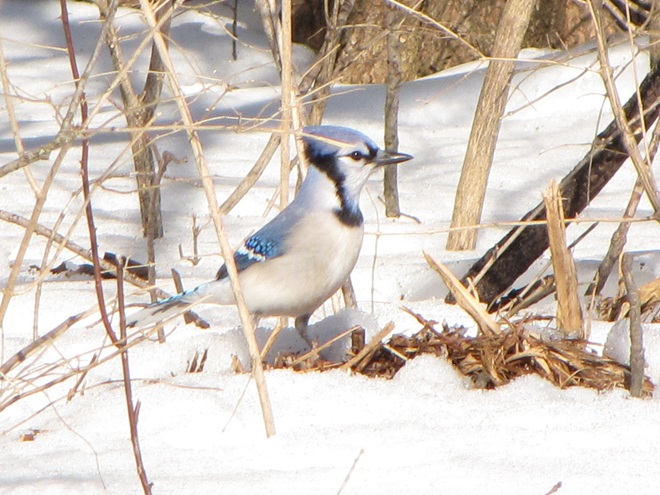
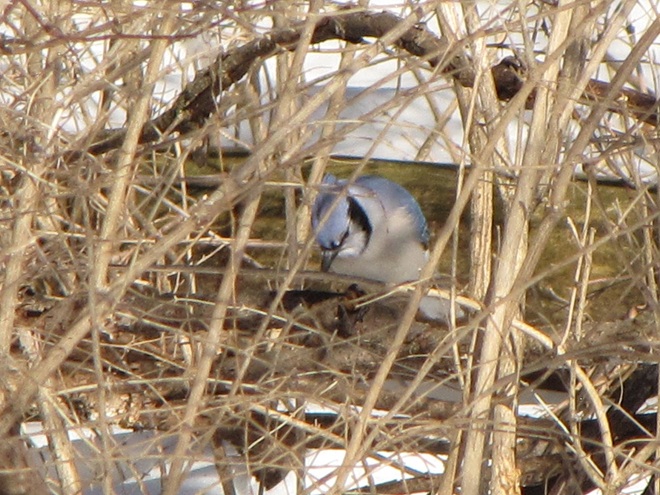
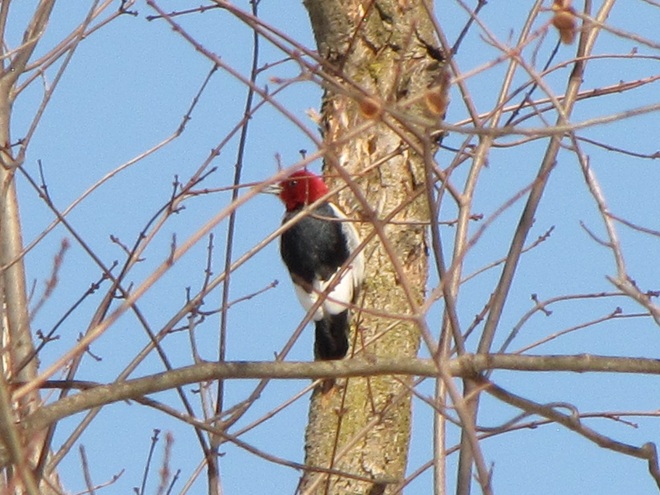
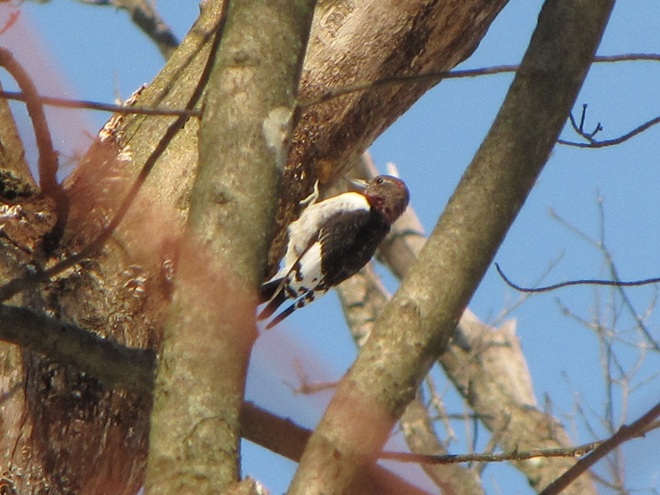
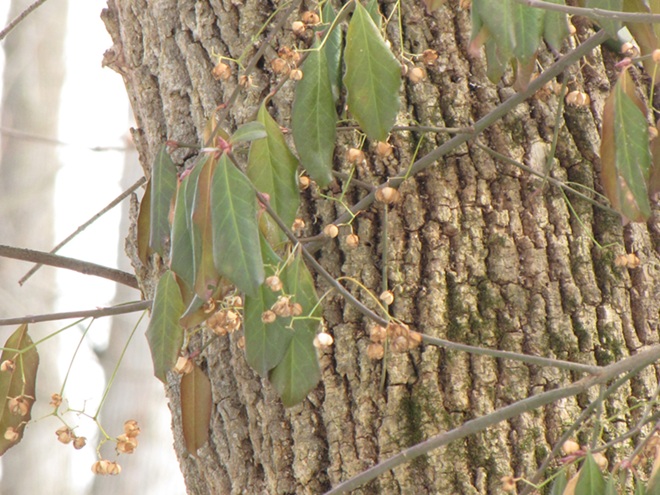
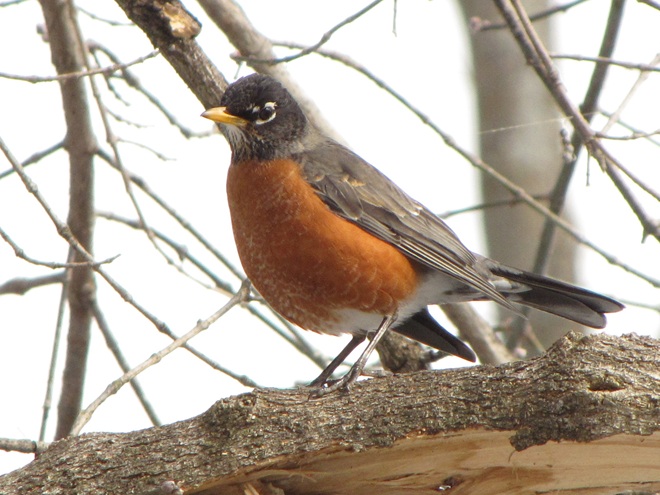
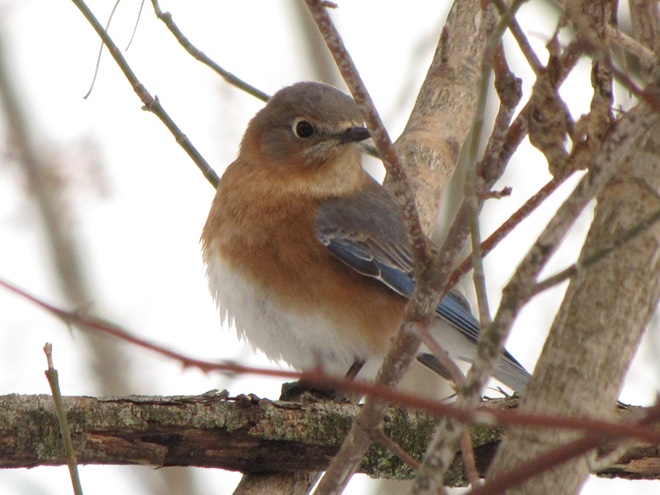
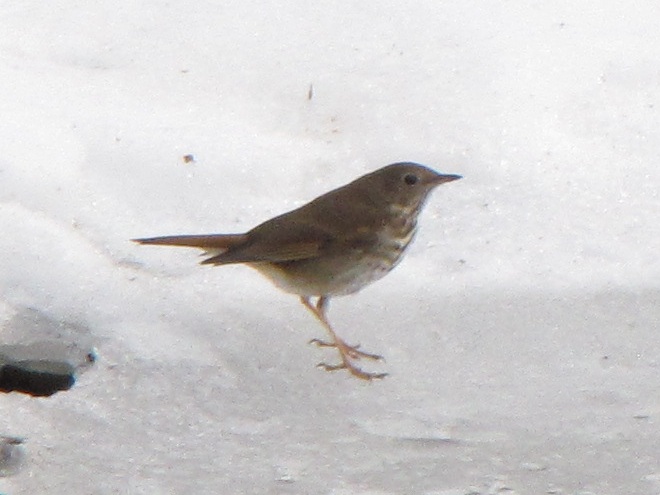
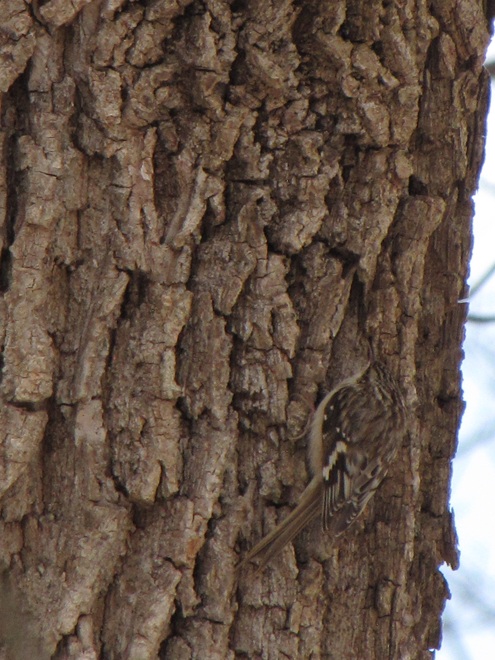
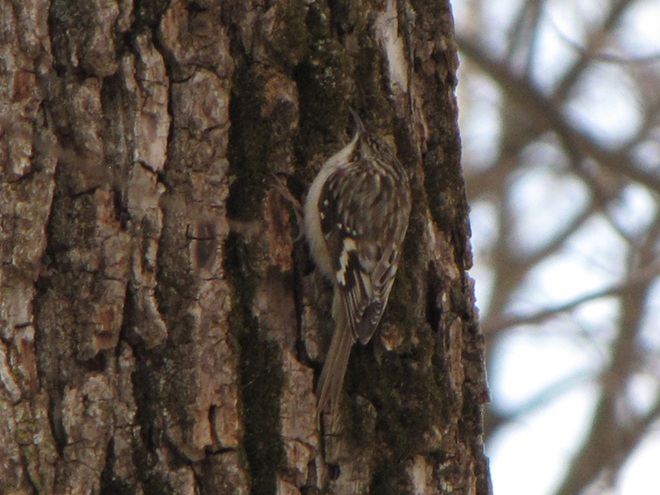
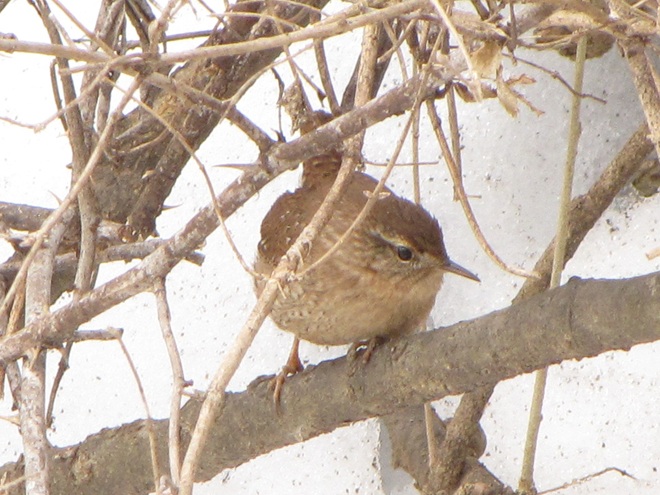
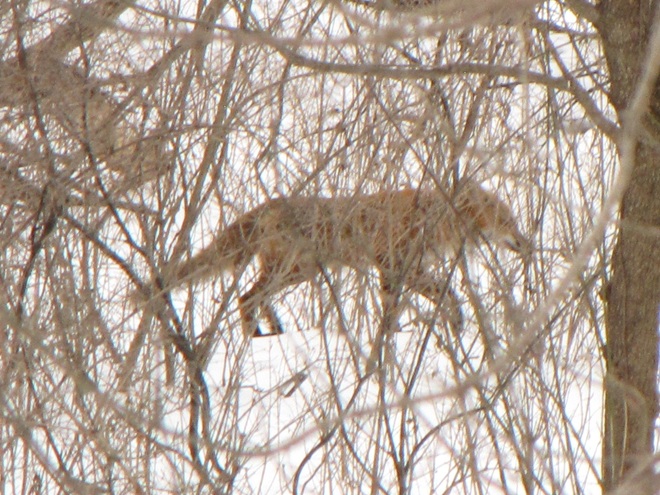
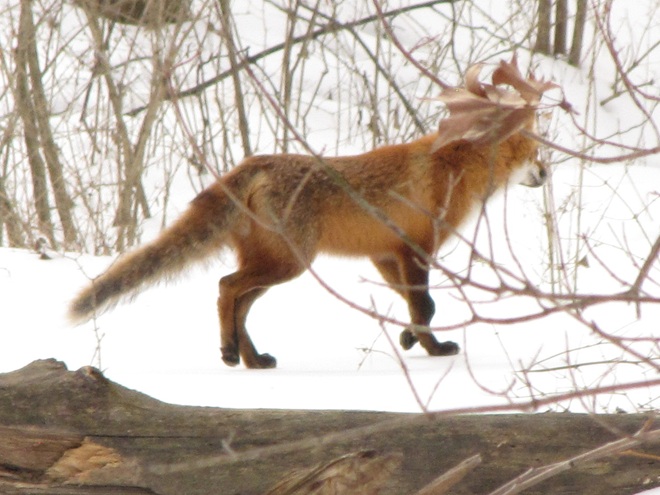
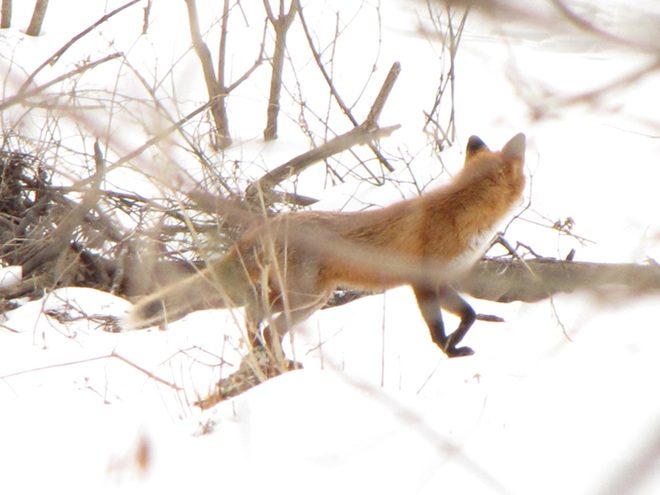
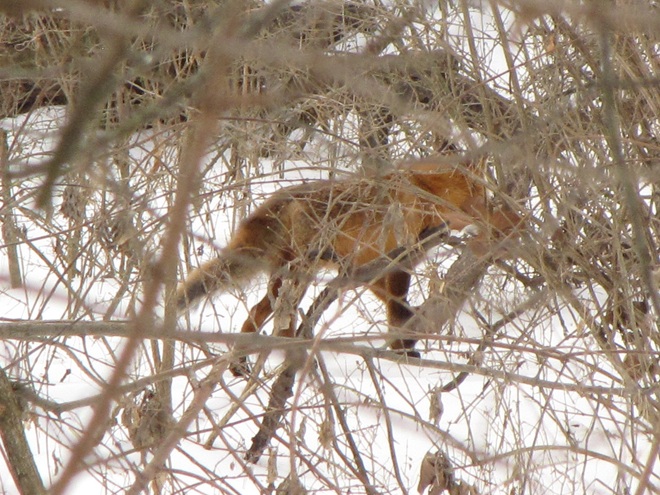
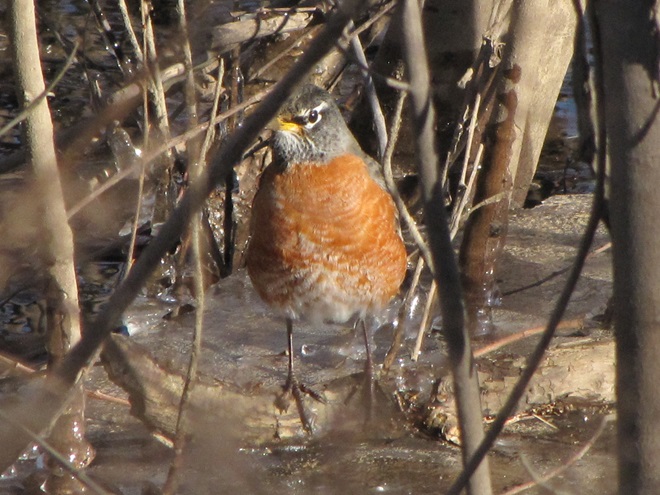
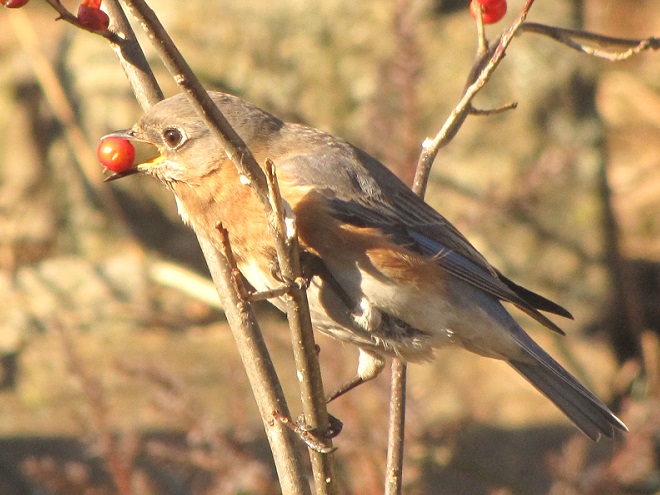
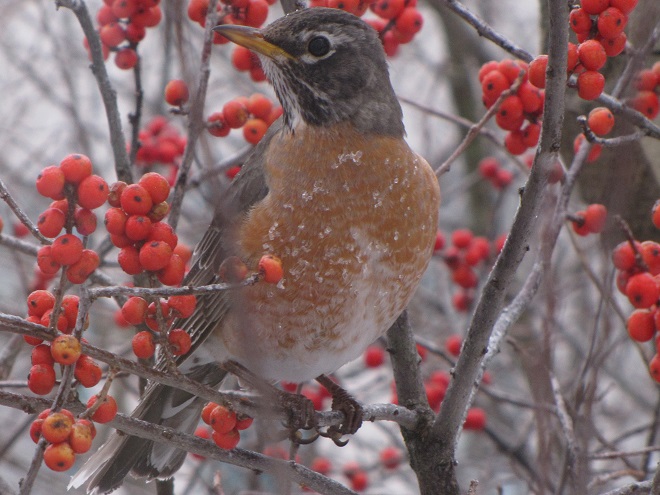
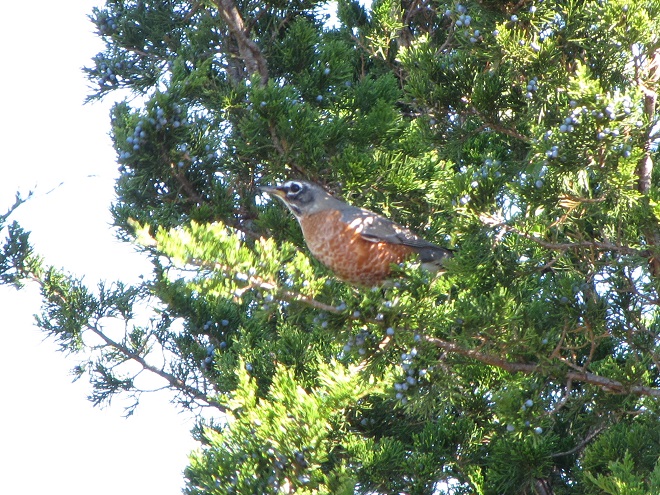
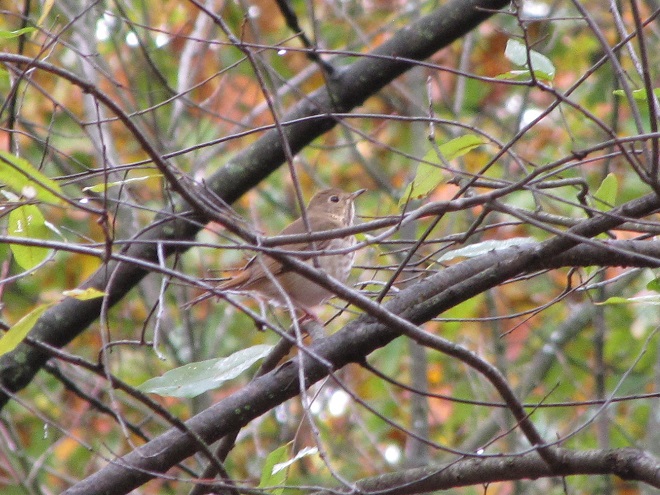
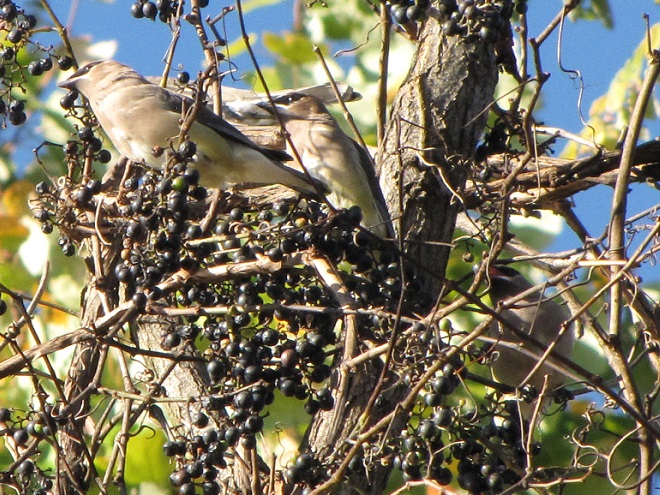
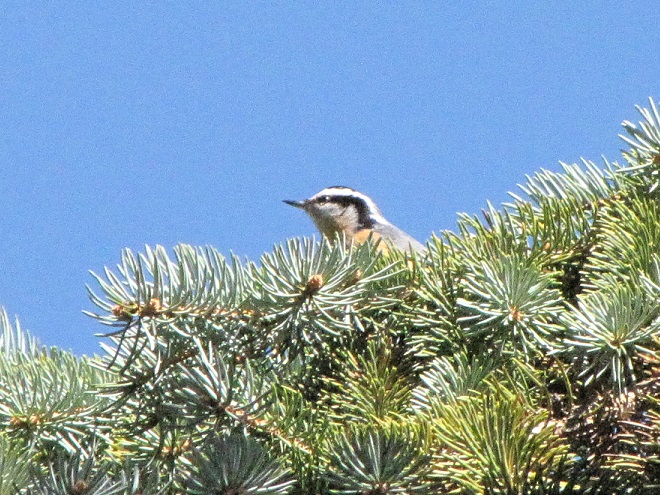
We watched this Blue Jay digging to retrieve an acorn from beneath the tuft of leaves and dried grasses where it had apparently concealed it earlier in the season.It then carried it to a nearby limb and chiseled away the husk to devour the nutritious contents. Blue Jays are known to cache hundreds or even thousands of seeds, nuts, and acorns for winter consumption. Want to see it for yourself? Just put out some unshelled no-salt peanuts and watch the jays haul them away, that is if the hoarding squirrels don’t get them first!Like other members of the Picidae family, Red-headed Woodpeckers pry and chisel away at decaying and insect-infested trees to find food during the winter.Like jays, Red-headed Woodpeckers including this first-winter bird are very fond of acorns and will often collect them from the ground. And like jays, they’ll cache acorns for use as a backup supply when a blanket of snow may prevent them from gathering those that remain beneath the oaks.Native to eastern Asia, Wintercreeper (Euonymus fortunei) has escaped from mostly urban cultivation to become naturalized and often invasive in some wooded areas of the lower Susquehanna River watershed. It can be quite aggressive, usually found growing as a climbing vine or less frequently as a shrub. In the absence of native and more palatable foods, the berries are an attractive survival fare for members of the Turidae (thrush) family and other birds.We found this and several hundred more American Robins surviving the current winter weather while feeding on Wintercreeper in a suburban woods with a heavy growth of the invasive plant.Several Eastern Bluebirds were seen among the Wintercreeper tangles as well. They too are relying upon this non-native plant to provide at least a portion of the energy they need to make through blustery February nights.The Hermit Thrush, a species that nests in the coniferous and mixed forests of the northern United States and Canada, winters sparingly in the lower Susquehanna valley. We found this one among the robins and bluebirds of the Wintercreeper thicket where it too was probably attracted by the supply of berries.Frequently escaping notice in the winter woods is the Brown Creeper, another species that nests primarily in coniferous and mixed forests to our north, though it does breed in our area at scattered locations, primarily in mountainous or swampy terrain.As their name suggests, Brown Creepers spend nearly all of their time creeping along the bark of mature trees searching for small insects, spiders, and other arthropods and their eggs. The creeper’s diet changes little with the seasons, but you may occasionally see them visit your bird feeders in winter for a nip of suet.The petite Winter Wren exhibits mouse-like behavior as it hops and crawls among logs, rocks, and brush along the banks of wooded waterways. Like the creeper, it is primarily an insectivore, spending much of its time escaping notice searching beneath streamside structure for its daily nourishment. In summer, Winter Wrens nest in damp coniferous forests.Seeing a Red Fox repeatedly during daylight hours is typically considered to be a sign that one may be observing a diseased animal, but we soon determined that there was nothing at all wrong with this vulpid we found patrolling a large woodland lying along the outskirts of a lower Susquehanna city.Typically when the ground is covered with snow, a Red Fox will hunt for voles or mice by listening for their movements in the runways below, then leaping and pouncing to plunge snout first into the fluff to grab the pinpointed prey. But the recent rain-soaked snow which is now frozen rock hard prohibits the usual hunting tactic, so this canine has adapted to current conditions.It has switched from its habitually nocturnal schedule to a day shift in pursuit of a diurnal species of prey rodent which can currently be found in abundance at ground level. After about forty minutes of watching this fox dart back and forth through the understory growth without ever paying much attention to us, we became certain of its target when the alarm chatter turned to a series of screams as one of the numerous Eastern Gray Squirrels that had been scurrying around fell into the fox’s grip.Just as suddenly as it had begun, our Red Fox encounter ended as our visitor opted to carry away its quarry and dine in peace. From all appearances, this particular fox’s only ailment was hunger. By adapting to prevailing conditions, it was able to fully utilize its opportunistic feeding traits and may thus survive to pass on these qualities to the next generation of Red Foxes. As for the squirrel, it exhibited a vulnerability that led to its demise. This vulnerability will not be passed on to a future generation of squirrels. Though it may run counter to public perception and understanding, the event strengthens local populations of both native species. And so it goes.
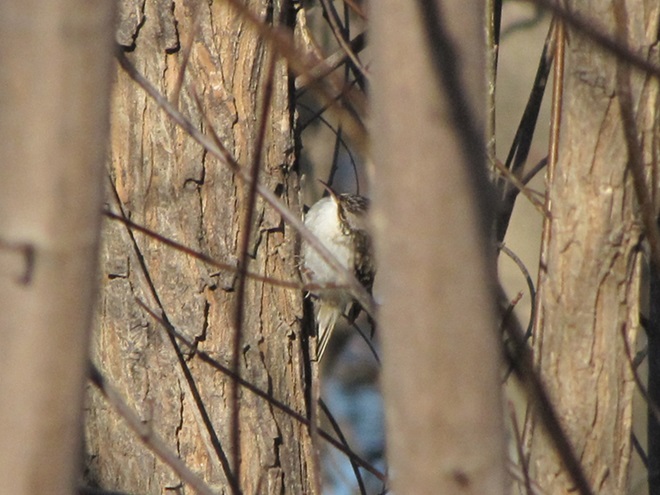
Going almost undetected, the Brown Creeper quietly probes the bark for spiders and tiny insects, as well as their eggs, larvae, and pupae. These unique little birds are rare breeders in the lower Susquehanna valley, finding larger tracts of forest to our north more to their liking. Now is perhaps the best time of year to find them, while their southbound migration reaches its peak. Small numbers of Brown Creepers stick around through winter, somehow finding enough to eat among the cracks and crevices of the tree trunks.
Just as bare ground along a plowed road attracts birds in an otherwise snow-covered landscape, a receding river or large stream can provide the same benefit to hungry avians looking for food following a winter storm.
Here is a small sample of some of the species seen during a brief stop along the Susquehanna earlier this week.
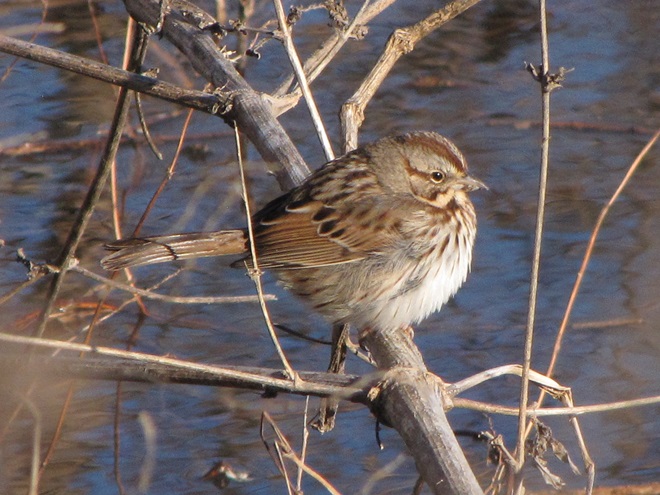
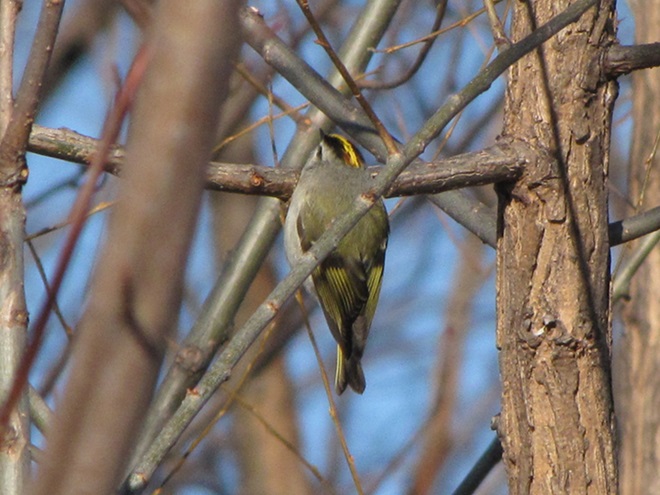
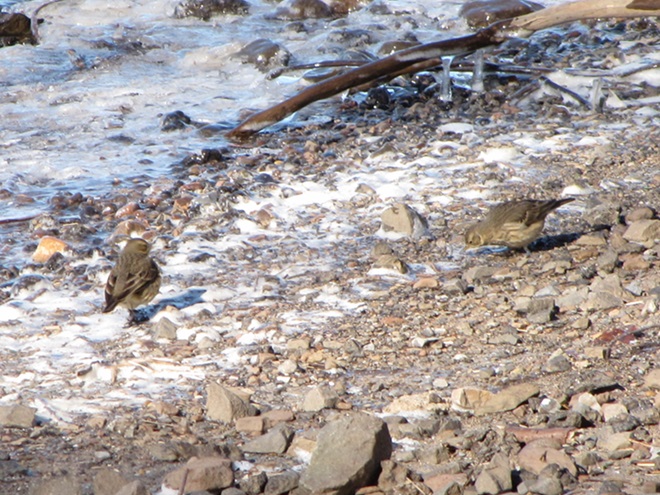
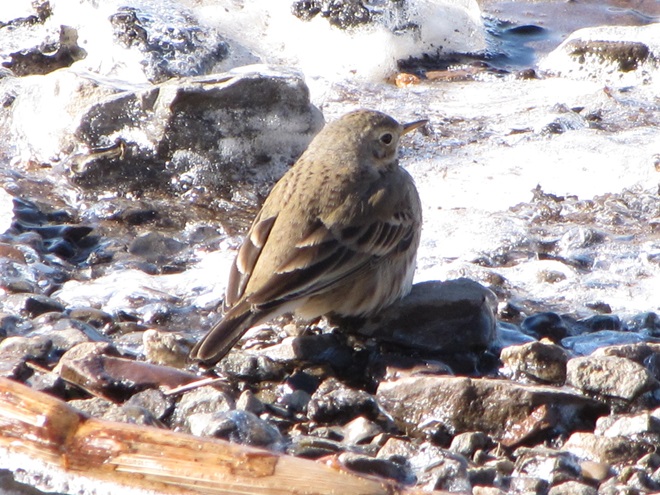
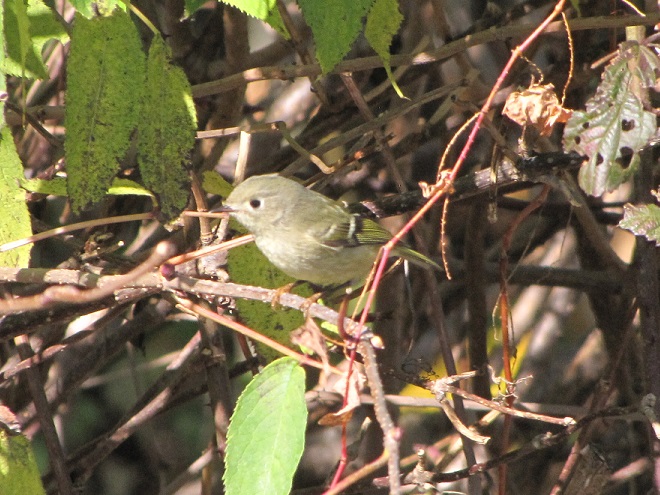
Along vegetated edges of the Susquehanna and its tributaries, the Song Sparrow is ubiquitous in its search for small seeds and other foods. As the river recedes from the effects of this month’s rains, the shoreline is left bare of more recently deposited snow cover. Song Sparrows and other birds are attracted to streamside corridors of frost-free ground to find sufficient consumables for supplying enough energy to survive the long cold nights of winter.Thousands of American Robins have been widespread throughout the lower Susquehanna valley during the past week. Due to the mild weather during this late fall and early winter, some may still be in the process of working their way south. Currently, many robins are concentrated along the river shoreline where receding water has exposed unfrozen soils to provide these birds with opportunities for finding earthworms (Lumbricidae) and other annelids.This Golden-crowned Kinglet was observed searching the trees and shrubs along the Susquehanna shoreline for tiny insects and spiders. Temperatures above the bare ground along the receding river can be a few degrees higher than in surrounding snow-covered areas, thus improving the chances of finding active prey among the trunks and limbs of the riparian forest.Not far from the kinglet, a Brown Creeper is seen searching the bark of a Silver Maple (Acer saccharinum) for wintering insects, as well as their eggs and larvae. Spiders in all their life stages are a favorite too.American Pipits not only inhabit farm fields during the winter months, they are quite fond of bare ground along the Susquehanna. Seen quite easily along a strip of pebbly shoreline exposed by receding water, these birds will often escape notice when spending time on mid-river gravel and sand bars during periods of low flow.An American Pipit on a bitterly cold afternoon along the Susquehanna.
Like a flycatcher, the petite Ruby-crowned Kinglet sometimes darts from its perch in pursuit of airborne insects. More frequently, you’ll see them quickly searching twigs and foliage for tiny invertebrates to snack upon. Though common in woodlands during autumn migration, only a few will remain for winter, mostly in the vicinity of pines and often in small flocks with other small birds such as chickadees and Brown Creepers. During freezing weather, kinglets probe beneath peeling bark and chunks of rotting wood for overwintering insects, including their eggs and larvae. On rare occasions, they will visit bird feeding stations to nibble on suet.
Despite being located in an urbanized downtown setting, blustery weather in recent days has inspired a wonderful variety of small birds to visit the garden here at the susquehannawildlife.net headquarters to feed and refresh. For those among you who may enjoy an opportunity to see an interesting variety of native birds living around your place, we’ve assembled a list of our five favorite foods for wild birds.
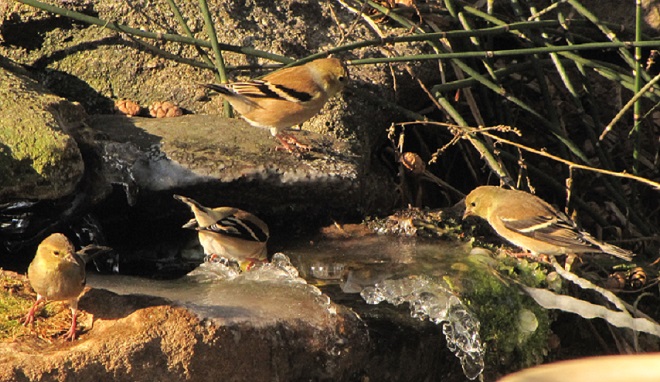
American Goldfinches in drab winter (basic) plumage visit the trickle of water entering the headquarters pond to bathe and drink. In addition to offering the foods animals need to survive, a source of clean water is an excellent way to attract wildlife to your property.
The selections on our list are foods that provide supplemental nutrition and/or energy for indigenous species, mostly songbirds, without sustaining your neighborhood’s non-native European Starlings and House Sparrows, mooching Eastern Gray Squirrels, or flock of ecologically destructive hand-fed waterfowl. We’ve included foods that aren’t necessarily the cheapest but are instead those that are the best value when offered properly.
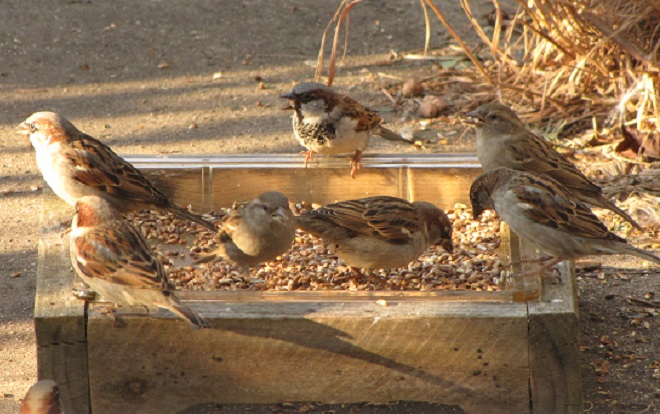
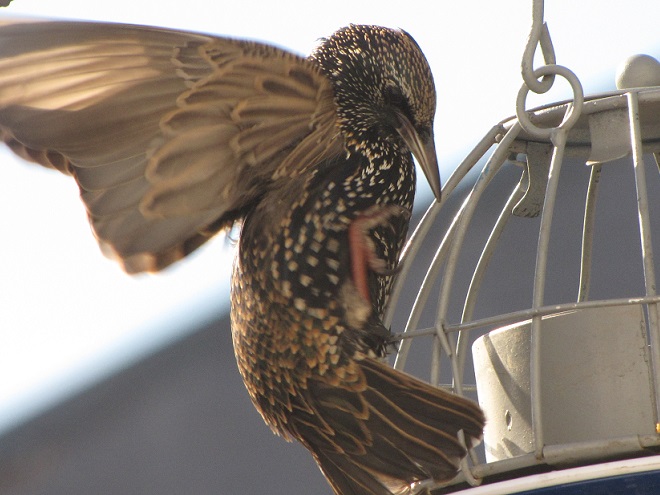
Bread, “bargain” seed mixes, and cracked corn can attract and sustain large numbers of House Sparrows and European Starlings. Both are non-native species that compete mercilessly with indigenous birds including bluebirds for food and nesting sites. Though found favorable for feeding Northern Cardinals without attracting squirrels, the expensive safflower seed seen here is another favorite of these aggressive House Sparrows. Ever wasteful, they “shovel” seed out of feeders while searching for the prime morsels from which they can easily remove the hulls. Trying not to feed them is an ongoing challenge, so we don’t offer these aforementioned foods to our avian guests.
Number 5
Raw Beef Suet
In addition to rendered beef suet, manufactured suet cakes usually contain seeds, cracked corn, peanuts, and other ingredients that attract European Starlings, House Sparrows, and squirrels to the feeder, often excluding woodpeckers and other native species from the fare. Instead, we provide raw beef suet.
Because it is unrendered and can turn rancid, raw beef suet is strictly a food to be offered in cold weather. It is a favorite of woodpeckers, nuthatches, and many other species. Ask for it at your local meat counter, where it is generally inexpensive.
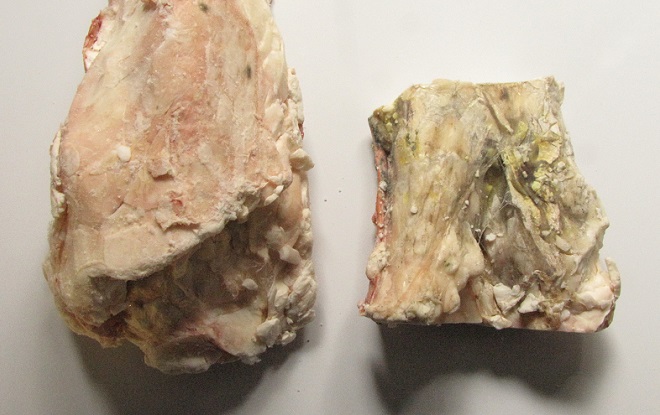
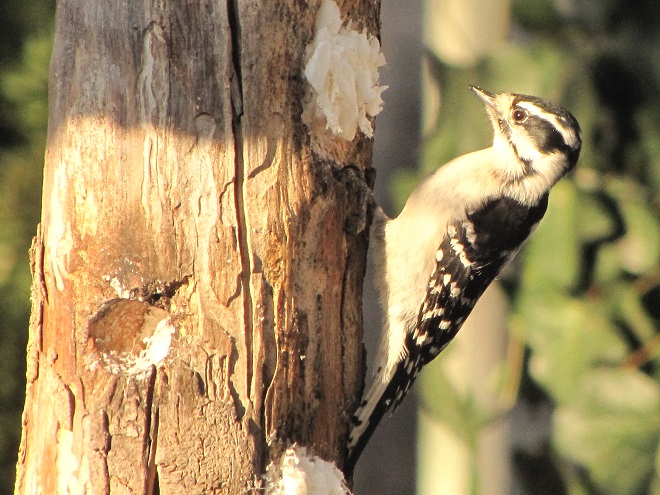
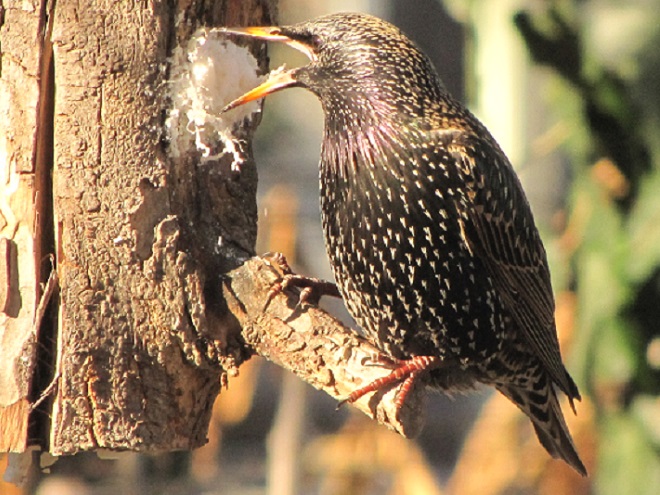
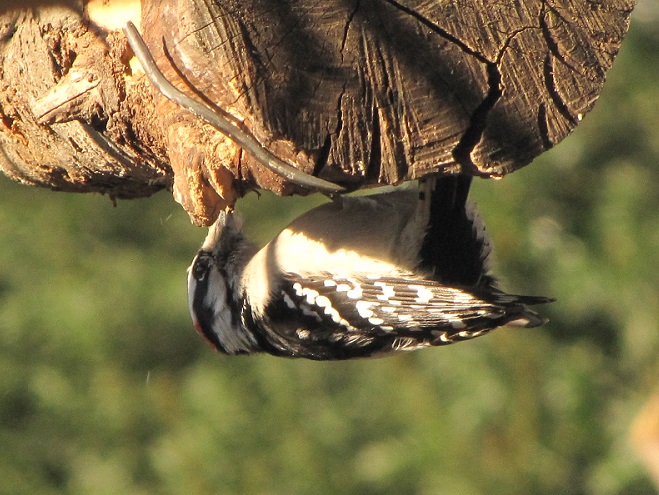
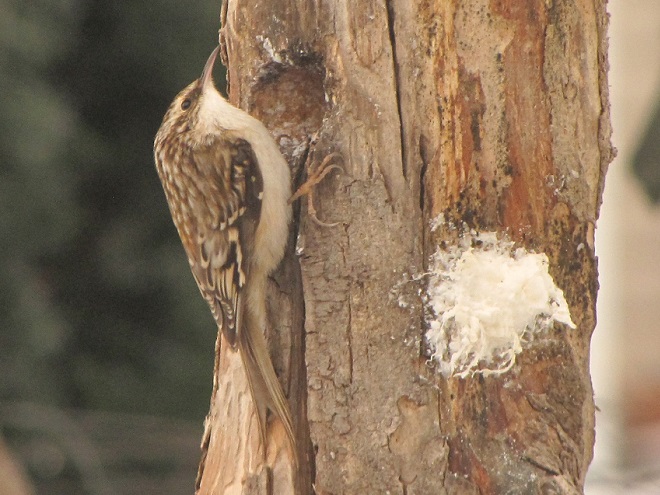
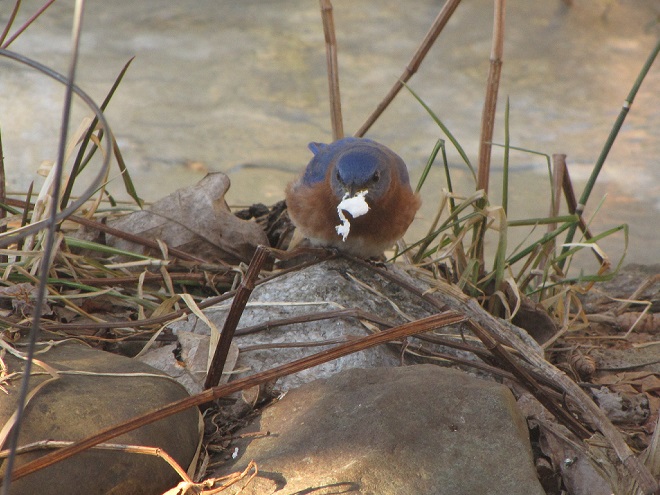
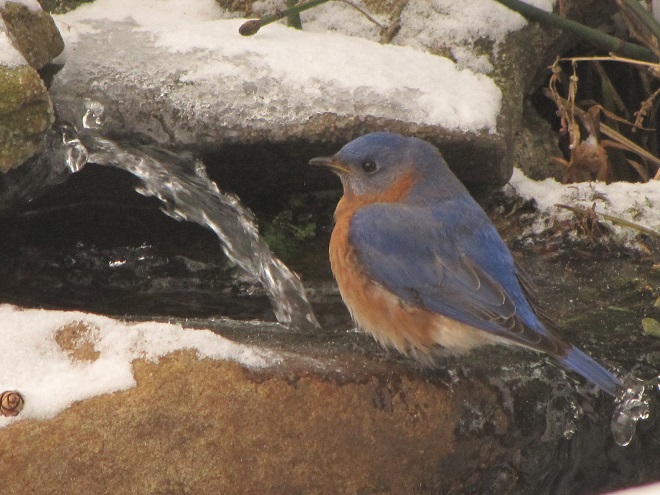
Raw beef suet is fat removed from areas surrounding the kidneys on a beef steer. To avoid spoiling, offer it only in the winter months, particularly if birds are slow to consume the amount placed for them. If temperatures are above freezing, it’s important to replace uneaten food frequently. The piece seen here on the left was stored in the freezer for almost a year while the rancid piece to the right was stored in a refrigerator at about 40 degrees Fahrenheit for just two months. You can render raw beef suet and make your own cakes by melting it down and pouring it into a form such as cupcake tin. But do it outdoors or you’ll be living alone for a while.A female Downy Woodpecker feeds on raw beef suet stuffed into holes drilled into a vertically hanging log. Because they can’t be cleaned, log feeders should be discarded after one season. Wire cage feeders though, can usually be scrubbed, disinfected, dried, and reused.Pesky European Starlings might visit a raw beef suet feeder but won’t usually linger unless other foods to their liking are available nearby.This male Downy Woodpecker has no trouble feeding on raw beef suet packed into holes drilled into the underside of this horizontally hanging log. Starlings don’t particularly care to feed this way.Unusual visitors like a Brown Creeper are more likely to stop by at a suet feeder when it isn’t crowded by raucous starlings, House Sparrows, and squirrels. This one surprised us just this morning.Below the feeders, scraps of suet that fall to the ground are readily picked up, usually by ground-feeding birds. In this instance, a male Eastern Bluebird saw a chunk break loose and pounced on it with haste.
Number 4
Niger (“Thistle”) Seed
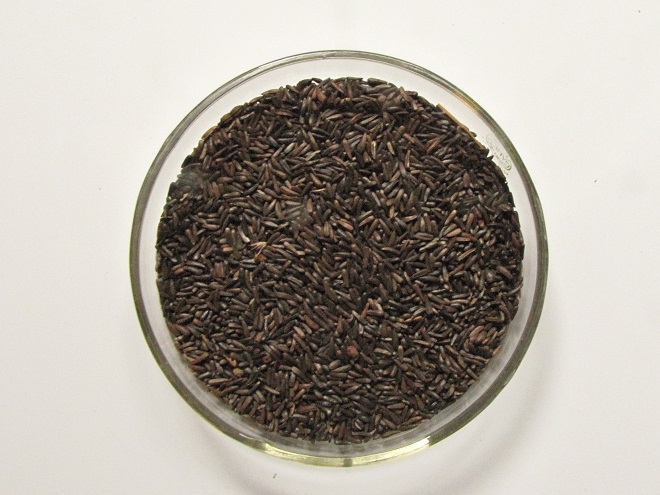
Niger seed, also known as nyjer or nyger, is derived from the sunflower-like plant Guizotia abyssinica, a native of Ethiopia. By the pound, niger seed is usually the most expensive of the bird seeds regularly sold in retail outlets. Nevertheless, it is a good value when offered in a tube or wire mesh feeder that prevents House Sparrows and other species from quickly “shoveling” it to the ground. European starlings and squirrels don’t bother with niger seed at all.
Niger seed must be kept dry. Mold will quickly make niger seed inedible if it gets wet, so avoid using “thistle socks” as feeders. A dome or other protective covering above a tube or wire mesh feeder reduces the frequency with which feeders must be cleaned and moist seed discarded. Remember, keep it fresh and keep it dry!
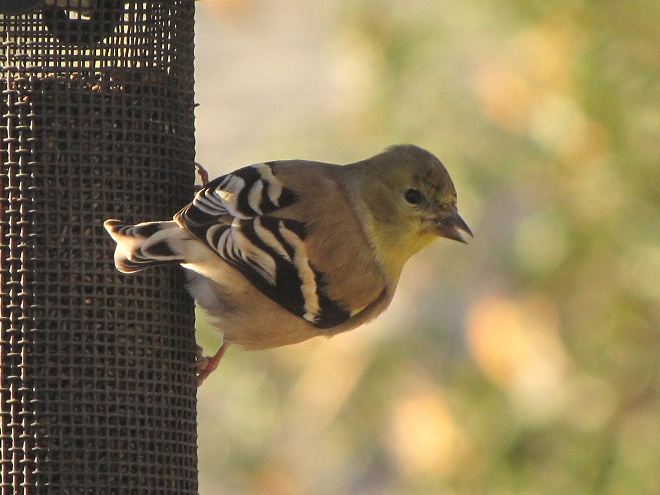
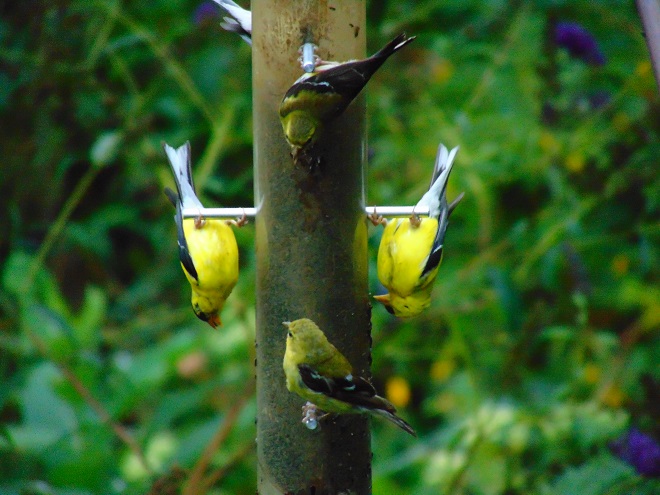
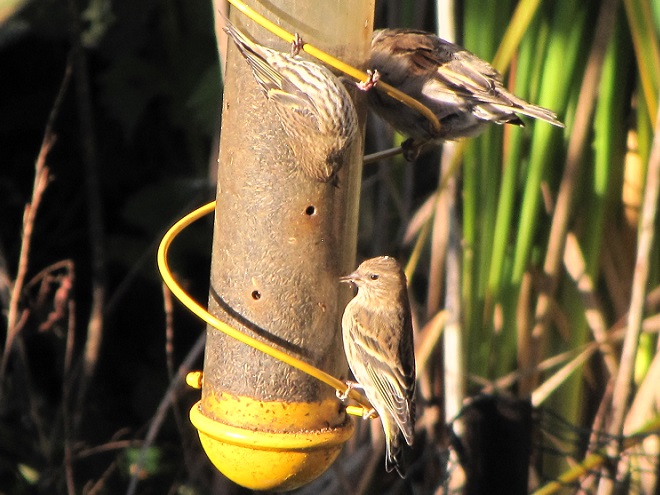
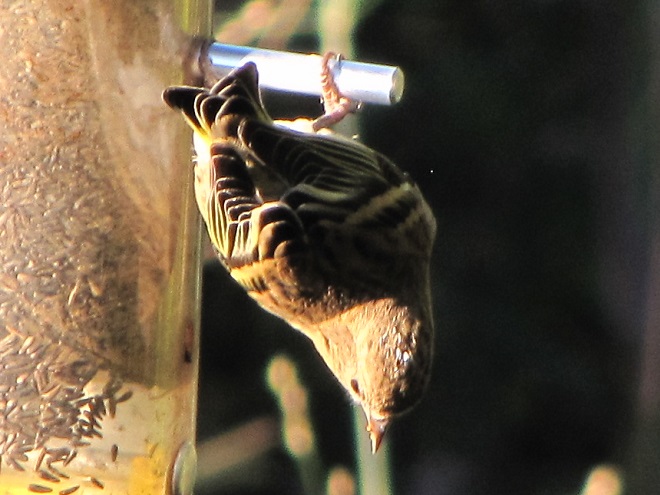
Niger (“thistle”) seed is very small, so it is offered in specialized feeders to prevent seed from spilling out of oversize holes as waste.An American Goldfinch in winter plumage feeding on niger seed from a wire mesh feeder. By April, goldfinches are molting into spectacular breeding feathers. Niger seed can be offered year-round to keep them visiting your garden while they are at maximum magnificence.American Goldfinches in August. This tube feeder is designed specifically for goldfinches, birds that have no difficulty hanging upside down to grab niger seed from small feeding ports.During invasion years, visiting Pine Siskins favor niger seed at feeding stations.Like goldfinches, Pine Siskins are quite comfortable feeding upside down on specialized tubes with perches positioned above the seed ports. Seeds dropped to the ground are readily picked up by ground-feeding birds including Mourning Doves and Dark-eyed Juncos. Periodically, uneaten niger seed should be swept up and discarded.
Number 3
Striped Sunflower Seed
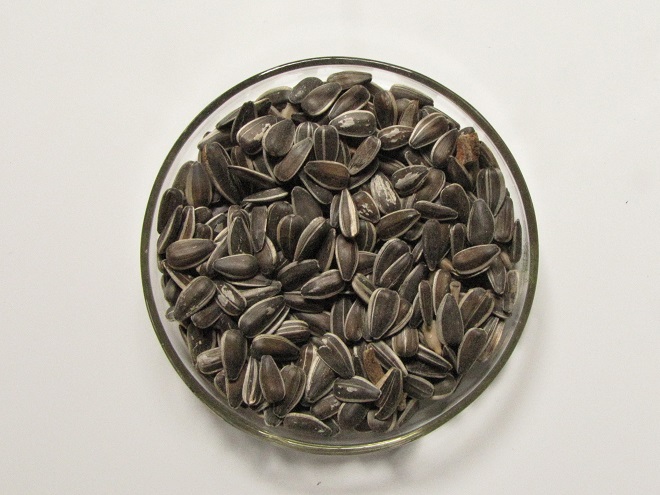
Striped sunflower seed, also known as grey-striped sunflower seed, is harvested from a cultivar of the Common Sunflower (Helianthus annuus), the same tall garden plant with a massive bloom that you grew as a kid. The Common Sunflower is indigenous to areas west of the Mississippi River and its seeds are readily eaten by many native species of birds including jays, finches, and grosbeaks. The husks are harder to crack than those of black oil sunflower seed, so House Sparrows consume less, particularly when it is offered in a feeder that prevents “shoveling”. For obvious reasons, a squirrel-proof or squirrel-resistant feeder should be used for striped sunflower seed.
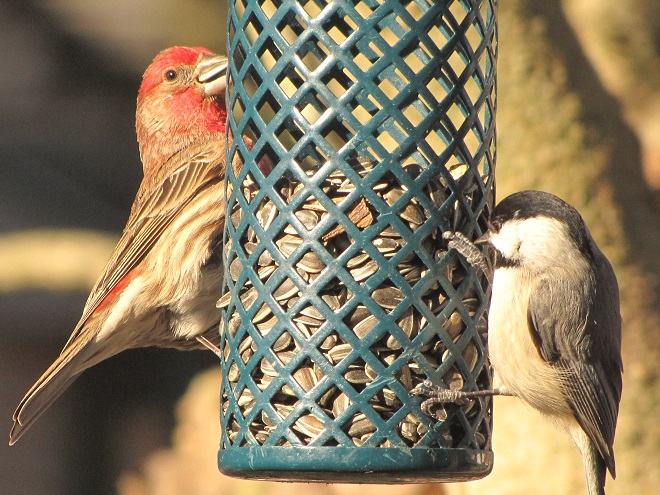
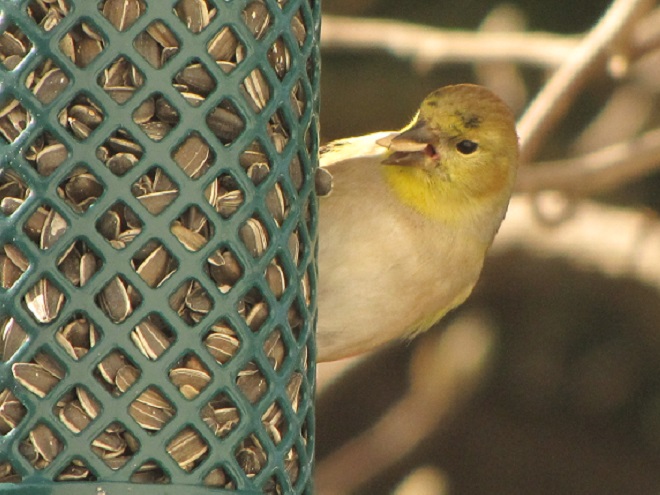
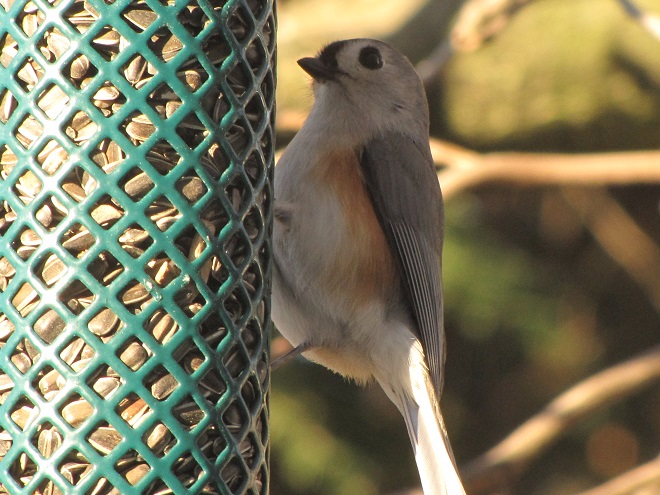
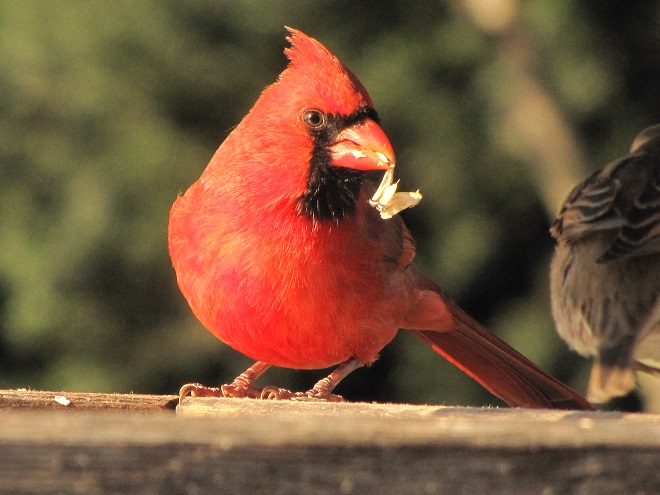
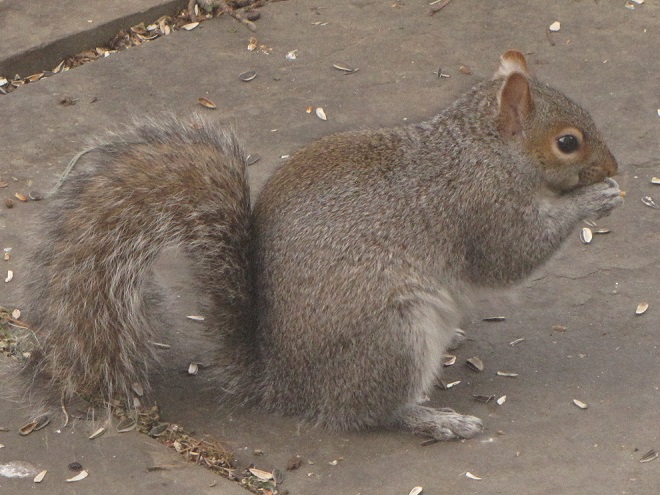
Striped sunflower seed.A male House Finch and a Carolina Chickadee pluck striped sunflower seeds from a squirrel-resistant powder-coated metal-mesh tube feeder.An American Goldfinch in winter plumage finds striped sunflower seeds irresistible, even with niger seed being offered in an adjacent feeder.A Tufted Titmouse visits a feeder stocked with striped sunflower seeds.Northern Cardinals readily feed on striped sunflower seeds, especially those that fall from our metal-mesh tube feeders.An Eastern Gray Squirrel (Sciurus carolinensis) has no choice but to be satisfied with striped sunflower seeds that spill from our wire-mesh tube feeders.
Number 2
Mealworms
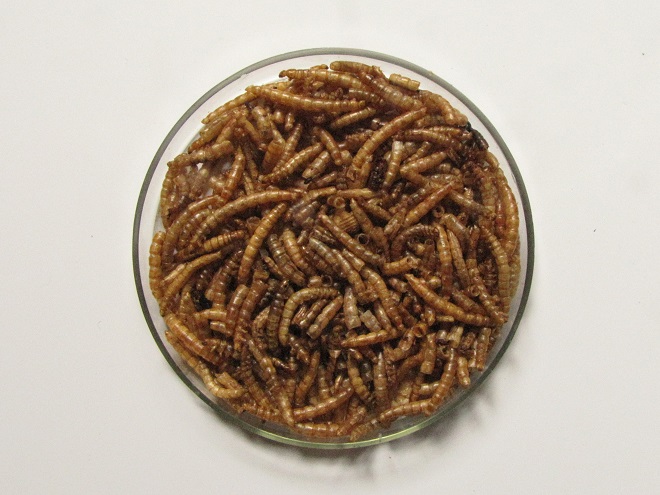
Mealworms are the commercially produced larvae of the beetle Tenebrio molitor. Dried or live mealworms are a marvelous supplement to the diets of numerous birds that might not otherwise visit your garden. Woodpeckers, titmice, wrens, mockingbirds, warblers, and bluebirds are among the species savoring protein-rich mealworms. The trick is to offer them without European Starlings noticing or having access to them because European Starlings you see, go crazy over a meal of mealworms.
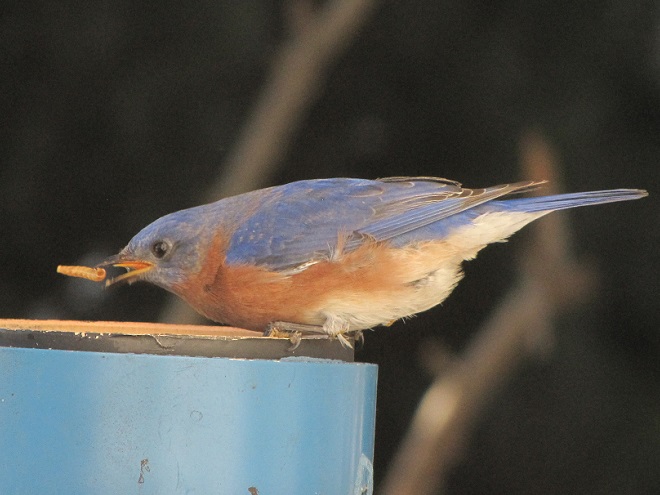
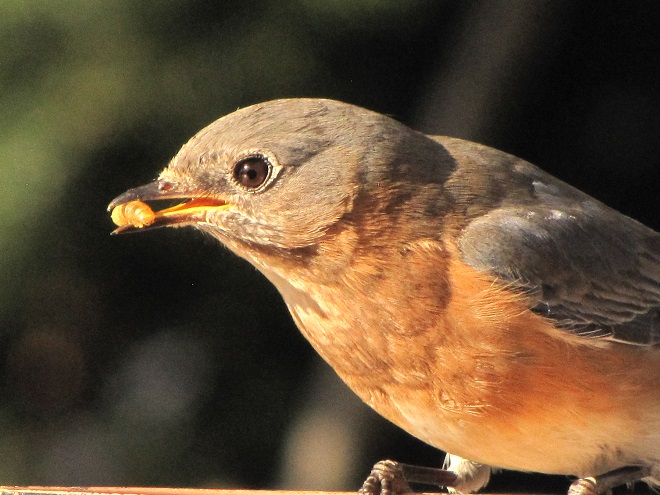
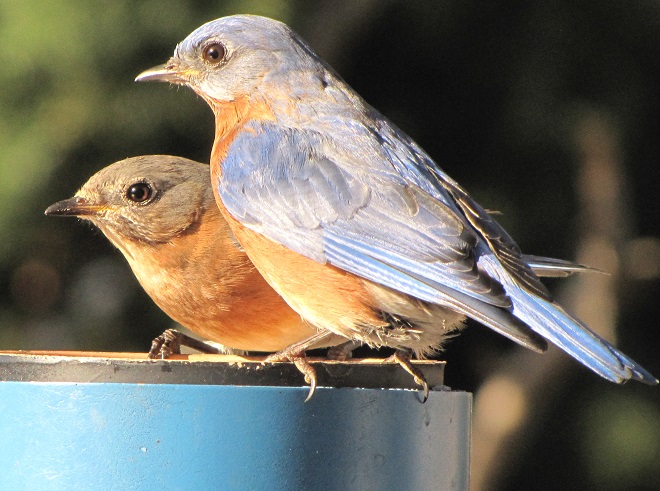
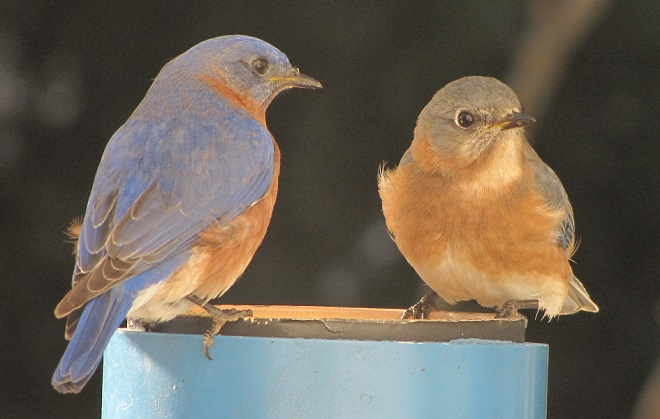
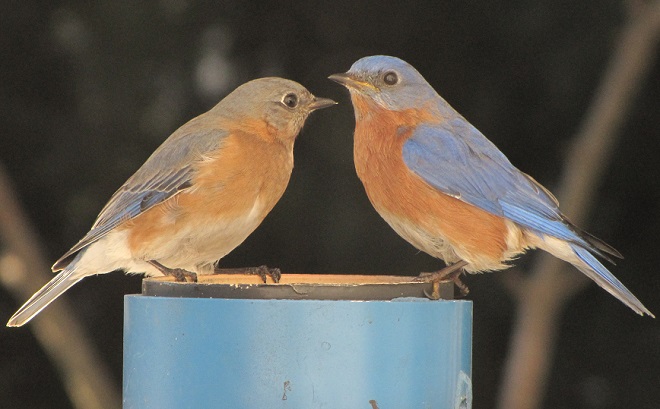
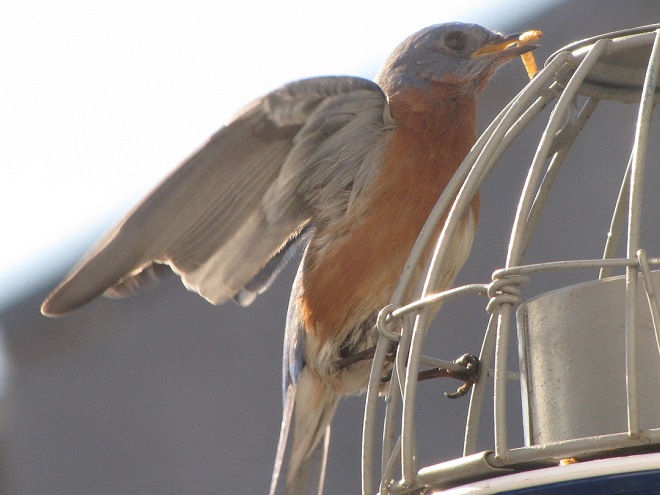
Dried mealworms can be offered in a cup or on a tray feeder. Live mealworms need to be contained in a steep-sided dish, so they don’t crawl away. Unless you’re really lucky, you’ll probably have to place your serving vessel of mealworms inside some type of enclosure to exclude European Starlings.A male Eastern Bluebird tossing and grabbing a dried mealworm.A female Eastern Bluebird with a dried mealworm.A pair of Eastern Bluebirds. The value of mealworms is self-evident: you get to have bluebirds around.
To foil European Starlings, we assembled this homemade mealworm feeder from miscellaneous parts. The bluebirds took right to it.It frustrates the starlings enough to discourage them from sticking around for long.If you’re offering dried mealworms, a source of clean water must be available nearby so that the bluebirds and other guests at your feeder don’t become dehydrated.
Number 1
Food-producing Native Shrubs and Trees
The best value for feeding birds and other wildlife in your garden is to plant food-producing native plants, particularly shrubs and trees. After an initial investment, they can provide food, cover, and roosting sites year after year. In addition, you’ll have a more complete food chain on a property populated by native plants and all the associated life forms they support (insects, spiders, etc.).
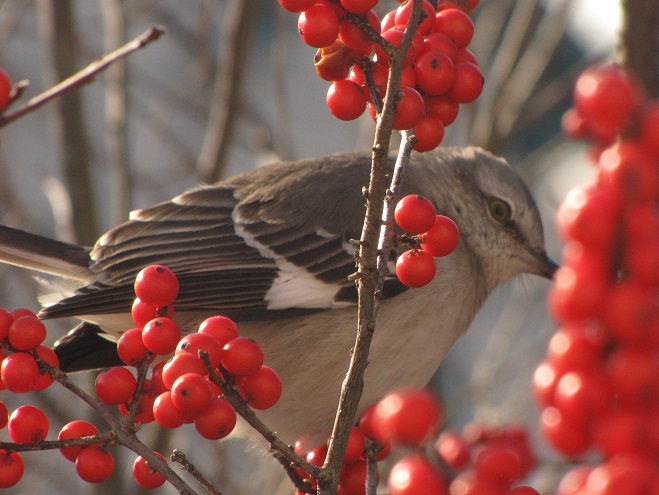
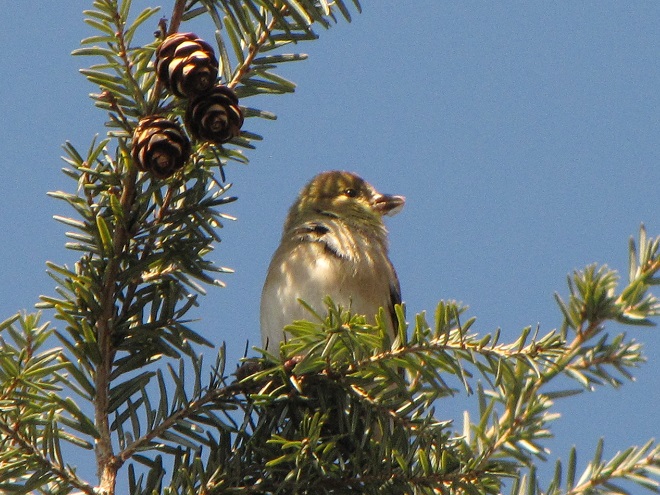
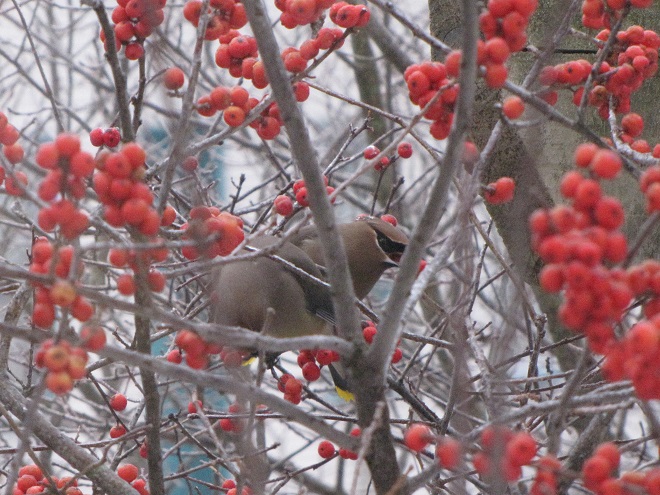
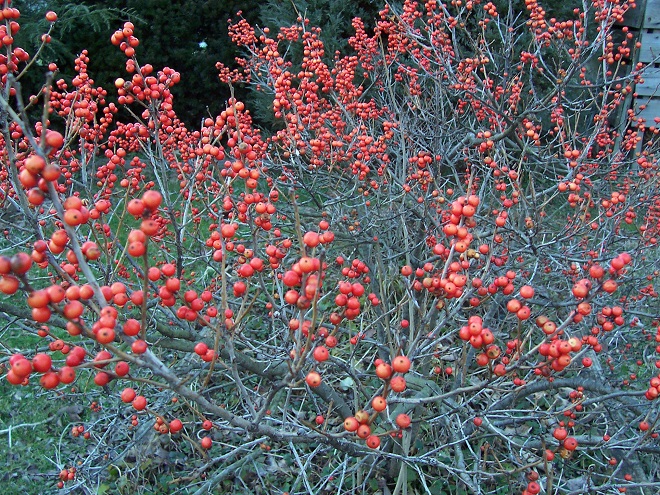
In your garden, a Northern Mockingbird may defend a food supply like these Common Winterberry fruits as its sole means of sustenance for an entire winter season. Having an abundance of plantings assures that in your cache there’s plenty to eat for this and other species.The American Goldfinches currently spending the winter at our headquarters are visiting the feeders for niger and striped sunflower seeds, but the bulk of their diet consists of tiny seeds from the cones on our Eastern Hemlock trees. At night, birds obtain shelter from the weather by roosting in this clump of evergreens.While the Eastern Bluebirds visiting the susquehannawildlife.net headquarters are fond of mealworms, the bulk of their diet here consists of these Common Winterberry fruits and the berries on our American Holly trees.Cedar Waxwings are readily attracted to red berries including Common Winterberry fruit.Migrating American Robins visit the headquarters garden in late winter each year to devour berries before continuing their journey to the north.
Your local County Conservation District is having its annual spring tree sale soon. They have a wide selection to choose from each year and the plants are inexpensive. They offer everything from evergreens and oaks to grasses and flowers. You can afford to scrap the lawn and revegetate your whole property at these prices—no kidding, we did it. You need to preorder for pickup in the spring. To order, check their websites now or give them a call. These food-producing native shrubs and trees are by far the best bird feeding value that you’re likely to find, so don’t let this year’s sales pass you by!
Thoughts of October in the Lower Susquehanna River Watershed bring to mind scenes of brilliant fall foliage adorning wooded hillsides and stream courses, frosty mornings bringing an end to the growing season, and geese and other birds flying south for the winter.
The autumn migration of birds spans a period equaling nearly half the calendar year. Shorebirds and Neotropical perching birds begin moving through as early as late July, just as daylight hours begin decreasing during the weeks following their peak at summer solstice in late June. During the darkest days of the year, those surrounding winter solstice in late December, the last of the southbound migrants, including some hawks, eagles, waterfowl, and gulls, may still be on the move.
The Rough-legged Hawk (Buteo lagopus), a rodent-eating raptor of tundra, grassland, and marsh, is rare as a migrant and winter resident in the lower Susquehanna valley. It may arrive as late as January, if at all.
During October, there is a distinct change in the list of species an observer might find migrating through the lower Susquehanna valley. Reduced hours of daylight and plunges in temperatures—particularly frost and freeze events—impact the food sources available to birds. It is during October that we say goodbye to the Neotropical migrants and hello to those more hardy species that spend their winters in temperate climates like ours.
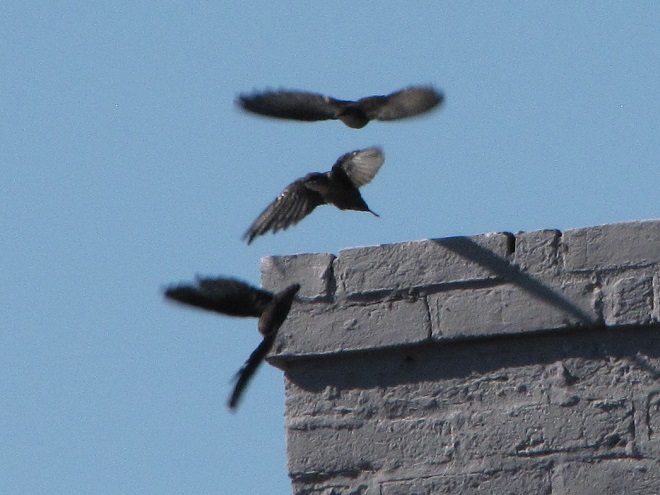
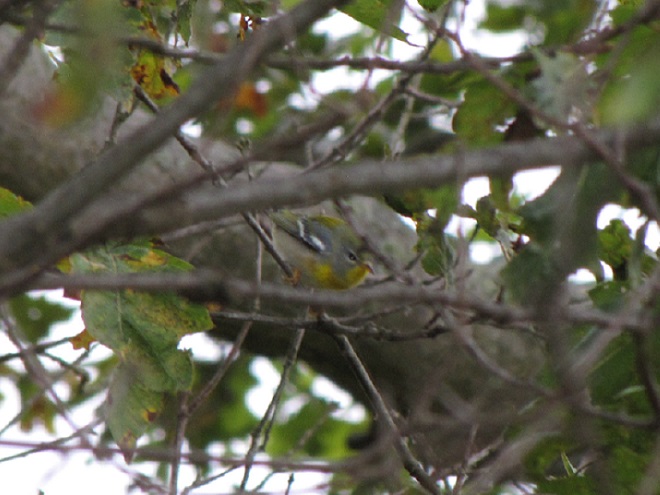
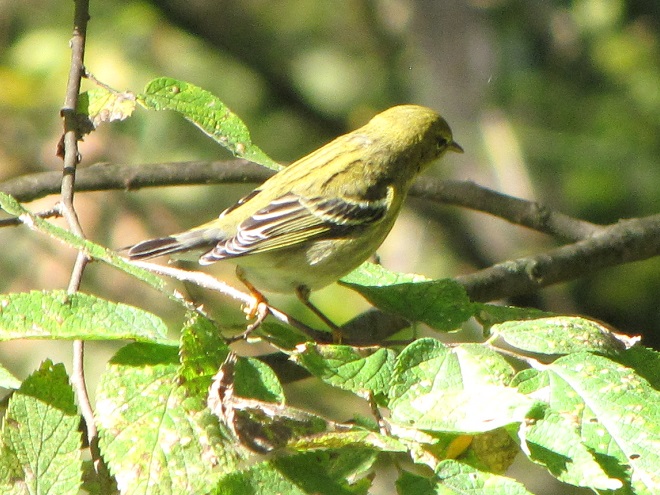
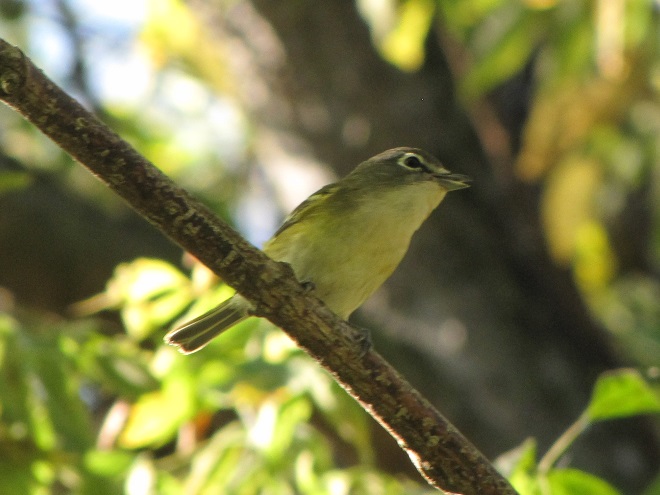
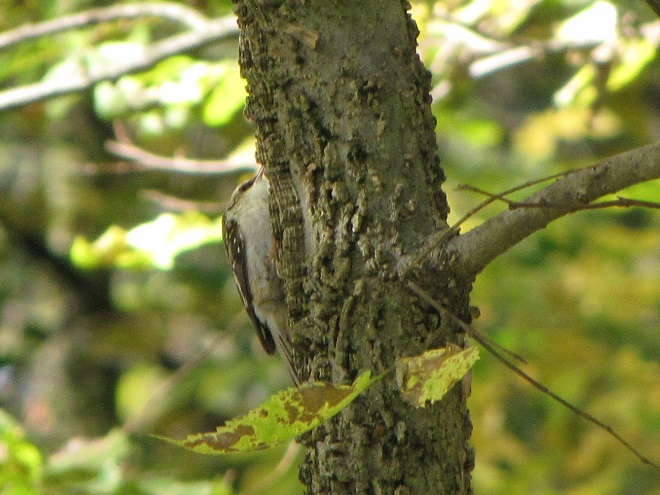
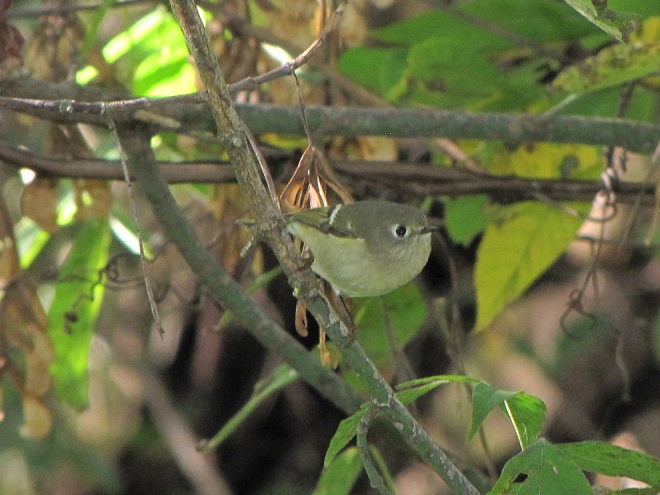
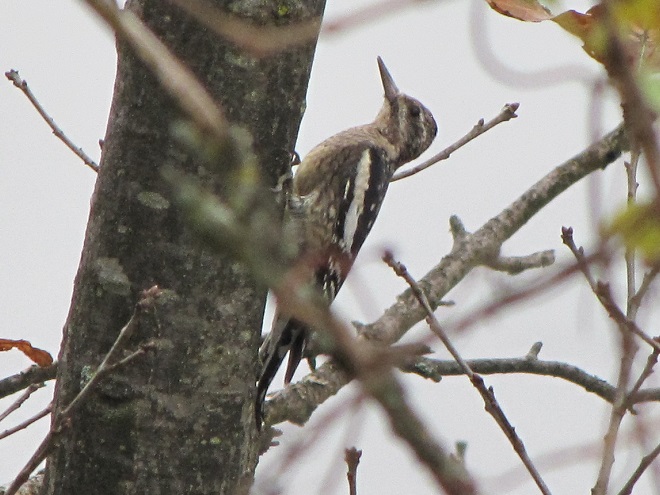
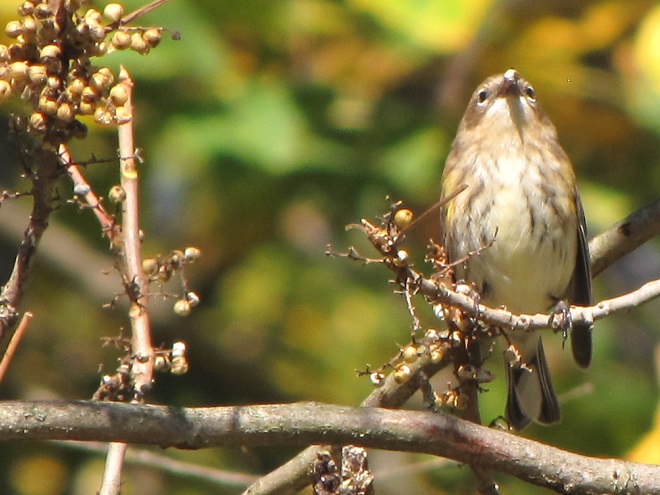
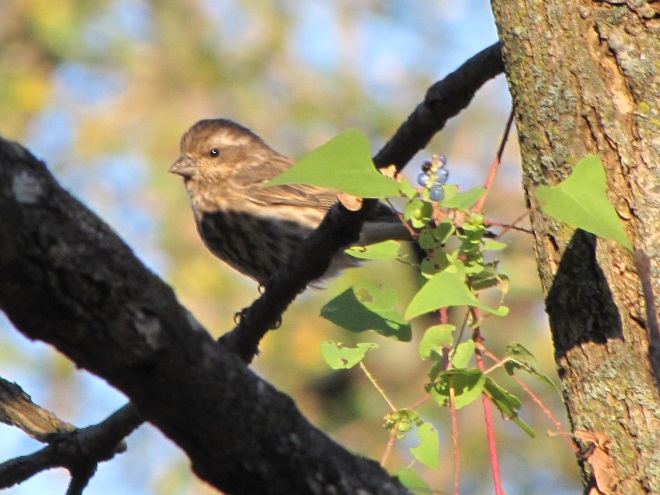
During several of the first days of October, two hundred Chimney Swifts remained in this roost until temperatures warmed from the low forties at daybreak to the upper fifties at mid-morning; then, at last, the flock ventured out in search of flying insects. When a population of birds loses its food supply or is unable to access it, that population must relocate or perish. Like other insectivorous birds, these swifts must move to warmer climes to be assured a sustained supply of the flying bugs they need to survive. Due to their specialized food source, they can be considered “specialist” feeders in comparison to species with more varied diets, the “generalists”. After returning to this chimney every evening for nearly two months, the swifts departed this roost on October 5 and did not return.A Northern Parula lingers as an October migrant along the Susquehanna. This and other specialist feeders that survive almost entirely on insects found in the forest canopy are largely south of the Susquehanna watershed by the second week of October.The Blackpoll Warbler is among the last of the insectivorous Neotropical warblers to pass through the riparian forests of the lower Susquehanna valley each fall. Through at least mid-October, it is regularly seen searching for crawling insects and larvae among the foliage and bark of Northern Hackberry (Celtis occidentalis) trees near Conewago Falls. Most other warblers, particularly those that feed largely upon flying insects, are, by then, already gone.The Blue-headed Vireo, another insectivore, is the last of the vireo species to pass through the valley. They linger only as long as there are leaves on the trees in which they feed.Brown Creepers begin arriving in early October. They are specialist feeders, well-adapted to finding insect larvae and other invertebrates among the ridges and peeling bark of trees like this hackberry, even through the winter months.Ruby-crowned Kinglets can be abundant migrants in October. They will often behave like cute little flycatchers, but quickly transition to picking insects and other invertebrates from foliage and bark as the weather turns frosty. Some may spend the winter here, particularly in the vicinity of stands of pines, which provide cover and some thermal protection during storms and bitter cold.Beginning in early October, Golden-crowned Kinglets can be seen searching the forest wood for tiny invertebrates. They are the most commonly encountered kinglet in winter.The Yellow-bellied Sapsucker, a woodpecker, is an October migrant that specializes in attracting small insects to tiny seeps of sap it creates by punching horizontal rows of shallow holes through the tree bark. Some remain for winter.The Yellow-rumped Warbler arrives in force during October. It is the most likely of the warblers to be found here in winter. Yellow-rumped Warblers are generalists, feeding upon insects during the warmer months, but able to survive on berries and other foods in late fall and winter. Wild foods like these Poison Ivy berries are crucial for the survival of this and many other generalists.American Robins are most familiar as hunters of earthworms on the suburban lawn, but they are generalist feeders that rely upon fruits like these Eastern Red Cedar (Juniperus virginiana) berries during their southbound migration in late October and early November each year. Robins remain for the winter in areas of the lower Susquehanna valley with ample berries for food and groves of mature pines for roosting.Like other brown woodland thrushes, the Hermit Thrush (Catharus guttatus) is commonly seen scratching through organic matter on the moist forest floor in search of invertebrates. Unlike the other species, it is a cold-hardy generalist feeder, often seen eating berries during the southbound October migration. Small numbers of Hermit Thrushes spend the winter in the lower Susquehanna valley, particularly in habitats with a mix of wild foods.Due to their feeding behavior, Cedar Waxwings can easily be mistaken for flycatchers during the nesting season, but by October they’ve transitioned to voracious consumers of small wild fruits. During the remainder of the year, flocks of waxwings wander widely in search of foods like this Fox Grape (Vitis labrusca). An abundance of cedar, holly, Poison Ivy, hackberry, bittersweet , hawthorn, wild grape, and other berries is essential to their survival during the colder months.Red-breasted Nuthatches have moved south in large numbers during the fall of 2020. They were particularly common in the lower Susquehanna region during mid-October. Red-breasted Nuthatches can feed on invertebrates during warm weather, but get forced south from Canada in droves when the cone crops on coniferous trees fail to provide an adequate supply of seeds for the colder fall and winter seasons. In the absence of wild foods, these generalists will visit feeding stations stocked with suet and other provisions.Purple Finches (Haemorhous purpureus) were unusually common as October migrants in 2020. They are often considered seed eaters during cold weather, but will readily consume small fruits like these berries on an invasive Mile-a-minute Weed (Persicaria perfoliata) vine. Purple Finches are quite fond of sunflower seeds at feeding stations, but often shy away if aggressive House Sparrows or House Finches are present.
The need for food and cover is critical for the survival of wildlife during the colder months. If you are a property steward, think about providing places for wildlife in the landscape. Mow less. Plant trees, particularly evergreens. Thickets are good—plant or protect fruit-bearing vines and shrubs, and allow herbaceous native plants to flower and produce seed. And if you’re putting out provisions for songbirds, keep the feeders clean. Remember, even small yards and gardens can provide a life-saving oasis for migrating and wintering birds. With a larger parcel of land, you can do even more.
GOT BERRIES? Common Winterbery (Ilex verticillata) is a native deciduous holly that looks its best in the winter, especially with snow on the ground. It’s slow-growing, and never needs pruning. Birds including bluebirds love the berries and you can plant it in wet ground, even along a stream, in a stormwater basin, or in a rain garden where your downspouts discharge. Because it’s a holly, you’ll need to plant a male and a female to get the berries. Full sun produces the best crop. Fall is a great time to plant, and many garden centers that sell holiday greenery still have winterberry shrubs for sale in November and December. Put a clump of these beauties in your landscape. Gorgeous!
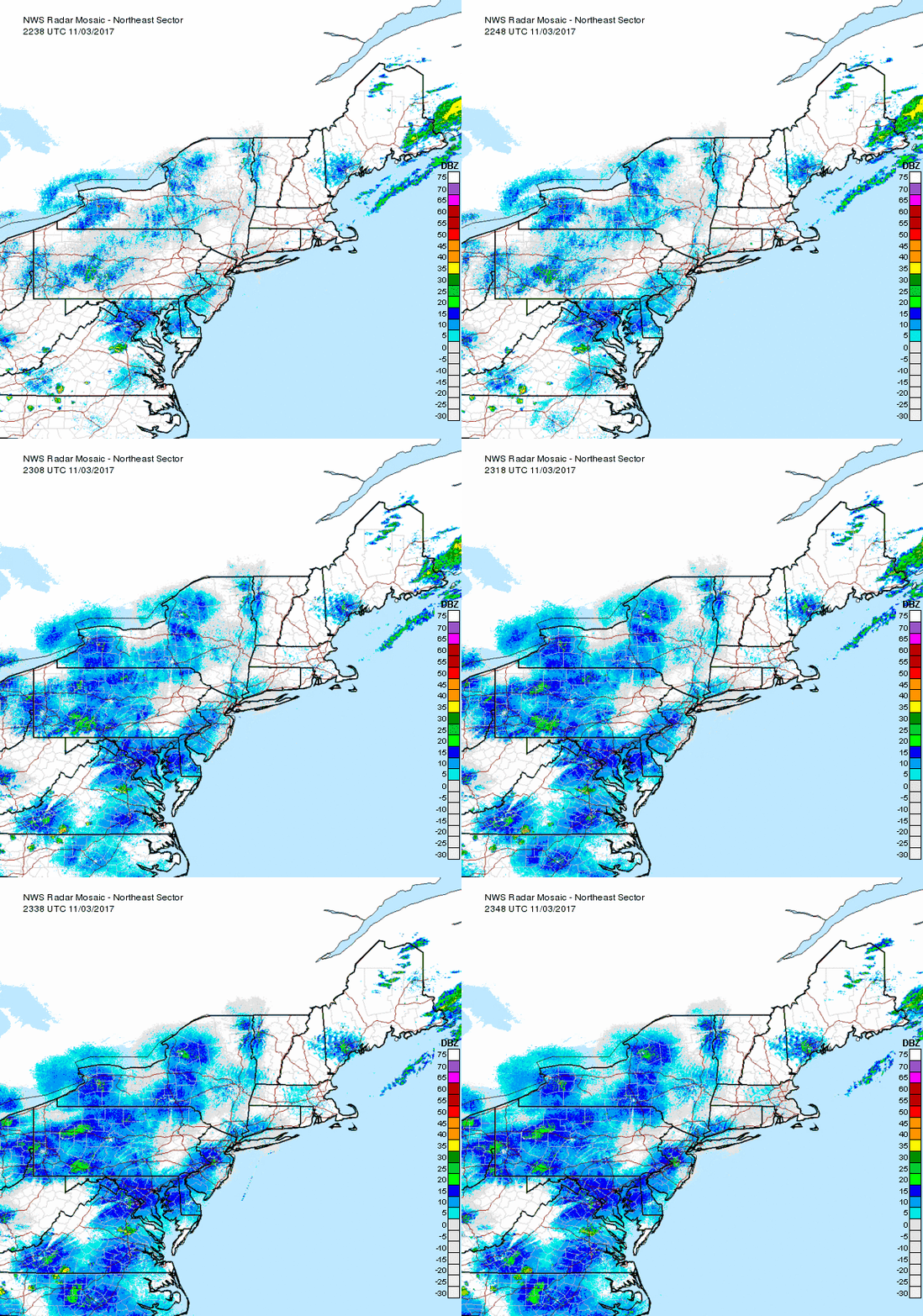
The NOAA National Weather Service radar images from last evening provided an indication that there may be a good fallout of birds at daybreak in the lower Susquehanna valley. The moon was bright, nearly full, and there was a gentle breeze from the north to move the nocturnal migrants along. The conditions were ideal.
Rising from daytime roosts in New York and Pennsylvania, then streaming south in moonlit skies, migrating birds are recorded as echoes on this post-sunset composite NEXRAD loop from last evening. (NOAA/National Weather Service image)
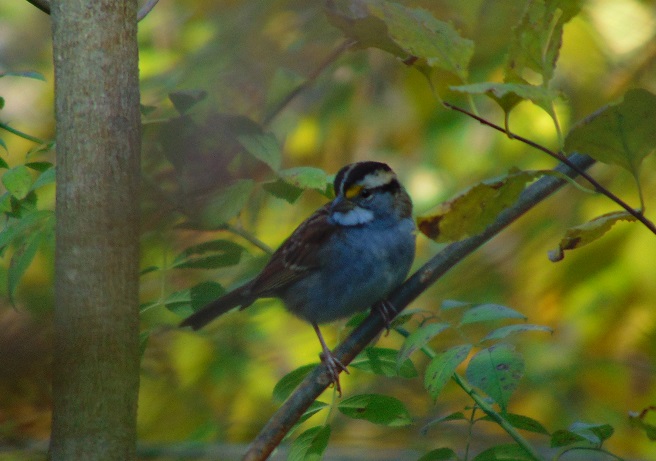
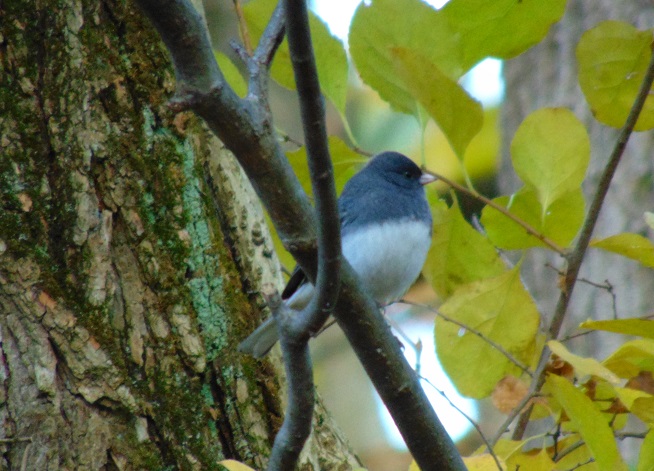
The Riparian Woodlands at Conewago Falls were alive with migrants this morning. American Robins and White-throated Sparrows were joined by new arrivals for the season: Brown Creeper (Certhia americana), Ruby-crowned Kinglets (Regulus calendula), Golden-crowned Kinglets (Regulus satrapa), Dark-eyed Junco (Junco hyemalis), and Yellow-rumped Warbler (Setophaga coronata). These are the perching birds one would expect to have comprised the overnight flight. While the individuals that will remain may not yet be among them, these are the species we will see wintering in the Mid-Atlantic states. No trip to the tropics for these hardy passerines.
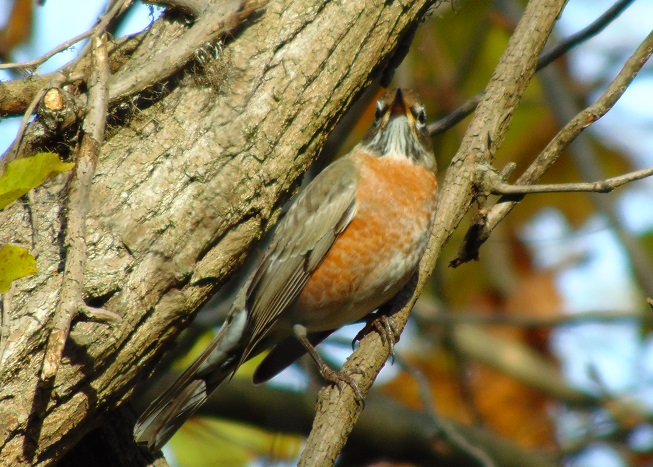
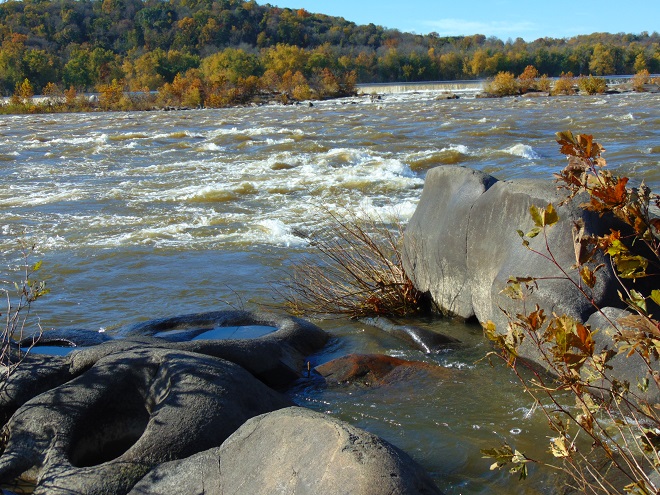
American Robins continued migratory flight into the first hour of daylight this morning. Their calls are commonly heard at night as migrating individuals pass overhead.White-throated Sparrows are nocturnal migrants, and are a familiar find on woodland edges and at suburban feeding stations through the winter.Dark-eyed Juncos, also nocturnal migrants, are common winter residents in the Lower Susquehanna River Watershed, frequently visiting bird feeders.Heavy rain earlier this week in the Susquehanna River drainage basin has flooded most of the Pothole Rocks; the rapids of Conewago Falls have returned.CLICK ON THE LOGO FOR TODAY’S MIGRATION COUNT TOTALS