It looks like the worst of the cold may be behind us. With temperatures trending upwards during the coming days and weeks, some species of wildlife will soon find their search for food made a whole lot easier.

LIFE IN THE LOWER SUSQUEHANNA RIVER WATERSHED
A Natural History of Conewago Falls—The Waters of Three Mile Island
It looks like the worst of the cold may be behind us. With temperatures trending upwards during the coming days and weeks, some species of wildlife will soon find their search for food made a whole lot easier.
Despite what seemed to be a chilly early spring, the bright green leaves that unfold to close the canopy of our deciduous forests were dense and casting shade by the last days of April. For northbound migrants, this fresh foliage provides the cover they need for foraging, resting, and, for those that will stick around to breed in the lower Susquehanna valley, nesting.
We recall many occasions when sparse foliage during the first days of May seemed to delay the big push of Neotropical species, but the seasonal arrival of these birds in 2025 is thus far mostly ahead of schedule. This absence of delay is due in part to the lushness of the oaks. Some stands have not only leafed out, but are finished flowering and have added up to 12 inches of new branch growth. We spent these early hours of May among the oaks. Here’s a look at the Neotropical migrants and other species we found…


The movements of our migratory birds typically continue through much of the month of May. And peak numbers of Neotropical species often occur sometime during the second week of the month. But with habitat at the ready, favorable flight conditions could facilitate quick arrival and/or passage of the bulk of the remaining migrants during the coming week. You may want to venture out sooner rather than later—but watch your step!


During Saturday’s Prescribed Fire Demonstration at the Pennsylvania Game Commission’s Middle Creek Wildlife Management Area, we noticed just how fast some species of wildlife return to areas subjected to burns administered to maintain grassland habitat and reduce the risk of high-intensity blazes.


Following the Prescribed Fire Demonstration, we decided to pay a visit to some of the parcels where burns had been administered one week earlier on the north side of Middle Creek’s main impoundment. We found a surprising amount of activity.


We’ve seen worse, but this winter has been particularly tough for birds and mammals in the Lower Susquehanna River Watershed. Due to the dry conditions of late summer and fall in 2024, the wild food crop of seeds, nuts, berries, and other fare has been less than average. The cold temperatures make insects hard to come by. Let’s have a look at how some of our local generalist and specialist species are faring this winter.


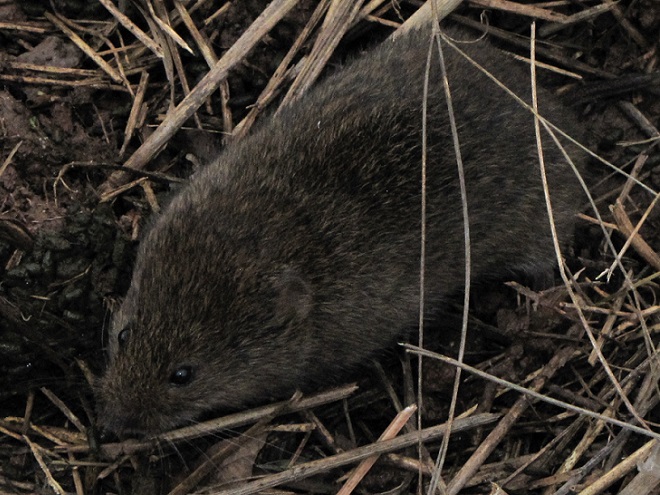


Wildlife certainly has a tough time making it through the winter in the lower Susquehanna valley. Establishing and/or protecting habitat that includes plenty of year-round cover and sources of food and water can really give generalist species a better chance of survival. But remember, the goal isn’t to create unnatural concentrations of wildlife, it is instead to return the landscape surrounding us into more of a natural state. That’s why we try to use native plants as much as possible. And that’s why we try to attract not only a certain bird, mammal, or other creature, but we try to promote the development of a naturally functioning ecosystem with a food web, a diversity of pollinating plants, pollinating insects, and so on. Through this experience, we stand a better chance of understanding what it takes to graduate to the bigger job at hand—protecting, enhancing, and restoring habitats needed by specialist species. These are efforts worthy of the great resources that are sometimes needed to make them a success. It takes a mindset that goes beyond a focus upon the welfare of each individual animal to instead achieve the discipline to concentrate long-term on the projects and processes necessary to promote the health of the ecosystems within which specialist species live and breed. It sounds easier than it is—the majority of us frequently become distracted.


On the wider scale, it’s of great importance to identify and protect the existing and potential future habitats necessary for the survival of specialist species. And we’re not saying that solely for their benefit. These protection measures should probably include setting aside areas on higher ground that may become the beach intertidal zone or tidal marsh when the existing ones become inundated. And it may mean finally getting out of the wetlands, floodplains, and gullies to let them be the rain-absorbing, storm-buffering, water purifiers they spent millennia becoming. And it may mean it’s time to give up on building stick structures on tinderbox lands, especially hillsides and rocky outcrops with shallow, eroding soils that dry to dust every few years. We need to think ahead and stop living for the view. If you want to enjoy the view from these places, go visit and take plenty of pictures, or a video, that’s always nice—then live somewhere else. Each of these areas includes ecosystems that meet the narrow habitat requirements of many of our specialist species, and we’re building like fools in them. Then we feign victimhood and solicit pity when the calamity strikes: fires, floods, landslides, and washouts—again and again. Wouldn’t it be a whole lot smarter to build somewhere else? It may seem like a lot to do for some specialist animals, but it’s not. Because, you see, we should and can live somewhere else—they can’t.


Here are 7 reasons why you, during the coming week or so, should consider spending some time at Willow Point overlooking the lake at the Pennsylvania Game Commission’s Middle Creek Wildlife Management Area.
REASON NUMBER ONE— Wildlife is at close quarters along the trail leading from the parking lot to Willow Point…


REASON NUMBER TWO— A variety of waterfowl species are lingering on ice-free sections of the lake surrounding Willow Point…


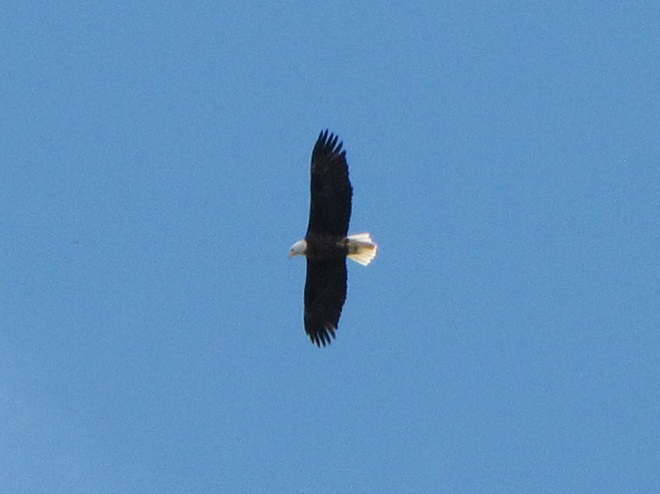
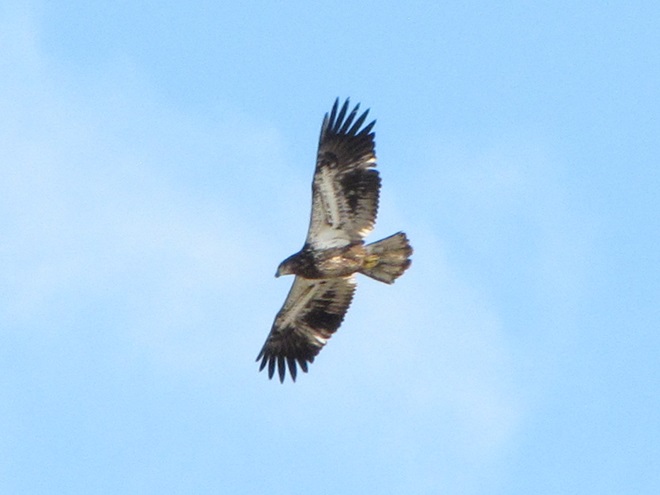
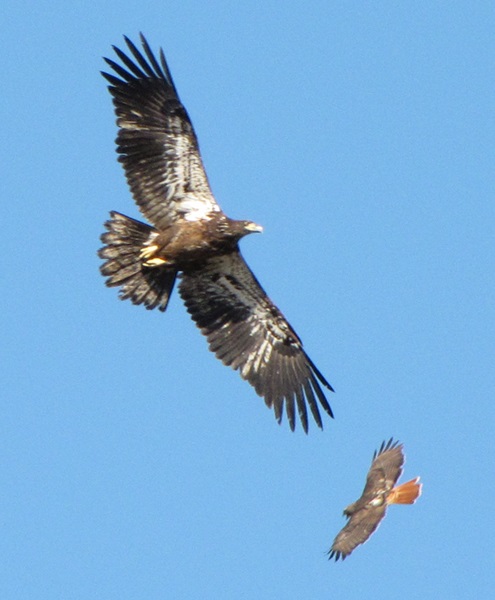
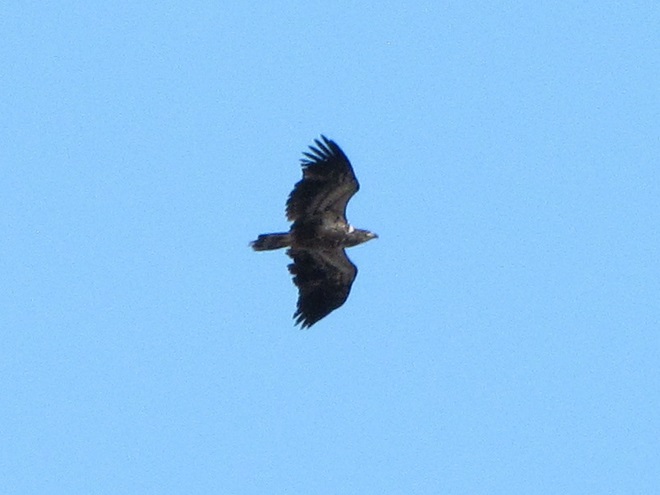
REASON NUMBER THREE— Bald Eagles are conspicuous, easily seen and heard…


REASON NUMBER FOUR— Northern Harriers have been making close passes over Willow Point as they patrol Middle Creek’s grasslands while hunting voles…


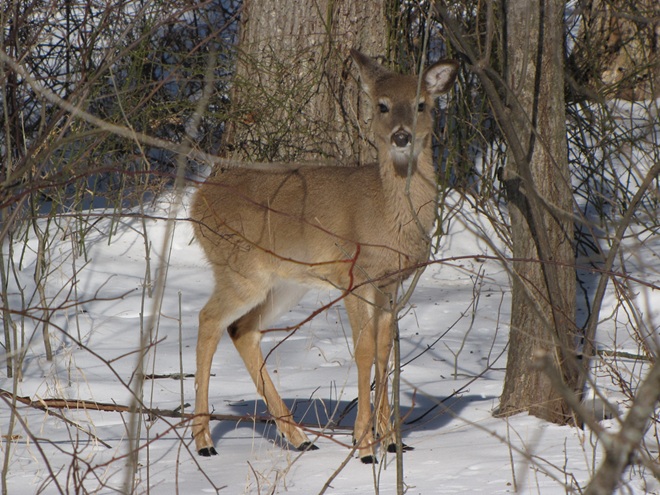
REASON NUMBER FIVE— The annual observance of the White-tailed Deity holidays may be drawing to a close for the gasoline and gunpowder gang, but for the supreme ungulates, the rituals that lead to consummation of their unions are still ongoing…


REASON NUMBER SIX— Sandhill Cranes are still being seen from Willow Point…


REASON NUMBER SEVEN— The crowds that will accompany the arrival of thousands of Snow Geese in early 2025 can make visiting Willow Point a stressful experience. Visit now to see these birds and mammals at Willow Point and you might just have the place all to yourself. Then you can spend your time looking through the flocks of waterfowl and other birds for unusual new arrivals instead of wading through a sea of humanity.

In recent days, the peak northbound push of migratory birds that includes the majority of our colorful Neotropical species has been slowed to a trickle by the presence of rain, fog, and low overcast throughout the Mid-Atlantic States. Following sunset last evening, the nocturnal flight resumed—only to be grounded this morning during the pre-dawn hours by the west-to-east passage of a fast-moving line of strong thundershowers. The NOAA/National Weather Service images that follow show the thunderstorms as well as returns created by thousands of migrating birds as they pass through the Doppler Radar coverage areas that surround the lower Susquehanna valley.
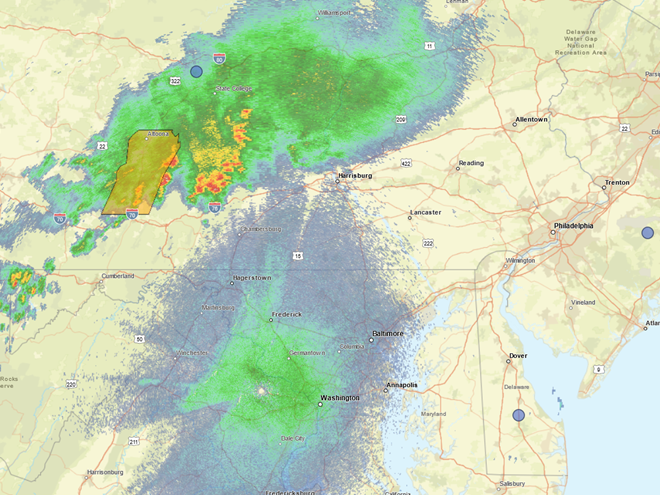
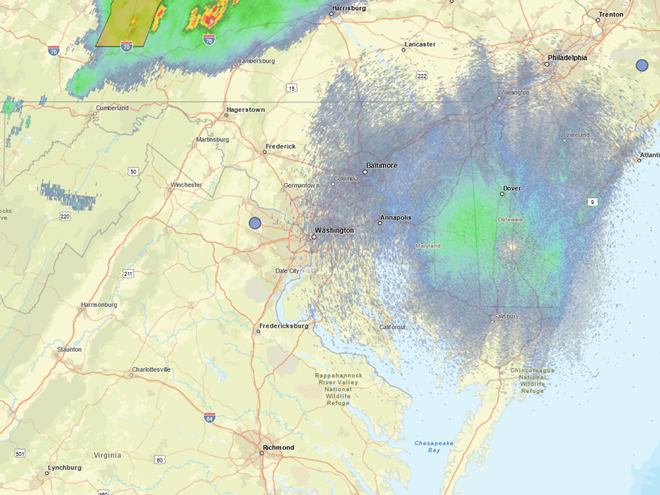
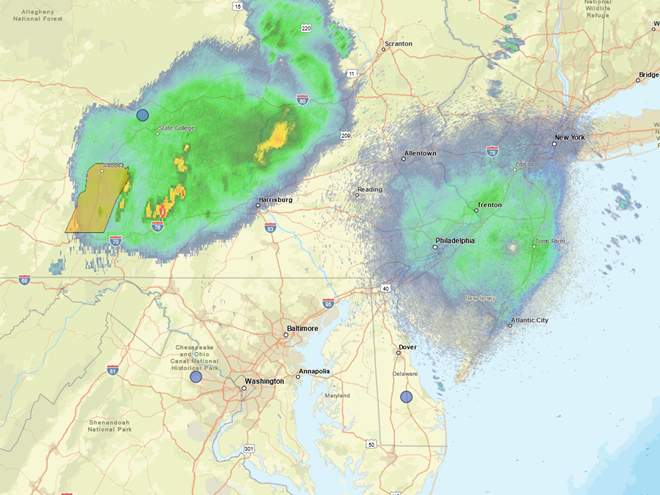
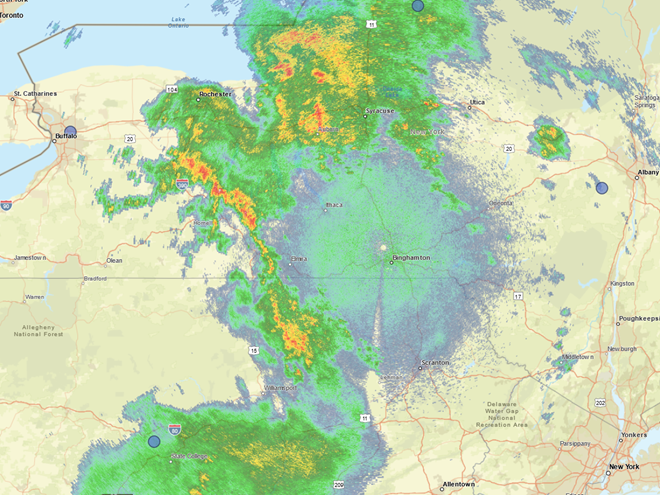
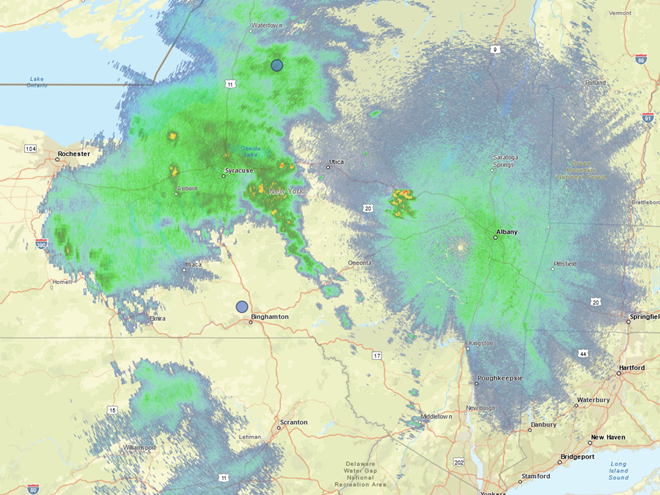
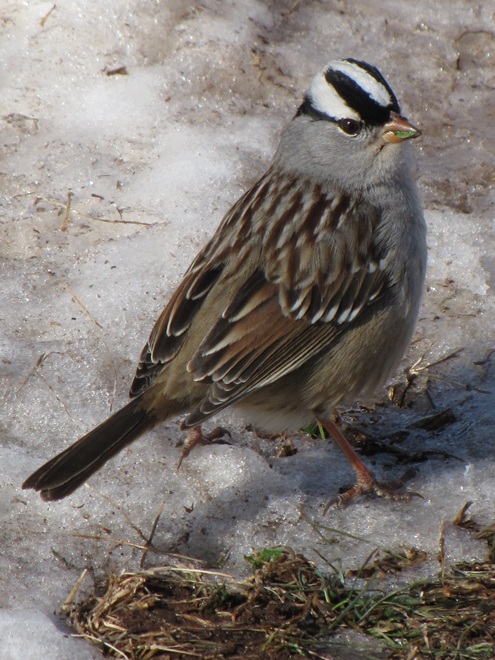
Just after 4 A.M., flashes of lightning in rapid succession repeatedly illuminated the sky over susquehannawildlife.net headquarters. Despite the rumbles of thunder and the din of noises typical for our urban setting, the call notes of nocturnal migrants could be heard as these birds descended in search of a suitable place to make landfall and seek shelter from the storm. At least one Wood Thrush and a Swainson’s Thrush (Catharus ustulatus) were in the mix of species passing overhead. A short time later at daybreak, a Great Crested Flycatcher was heard calling from a stand of nearby trees and a White-crowned Sparrow was seen in the garden searching for food. None of these aforementioned birds is regular here at our little oasis, so it appears that a significant and abrupt fallout has occurred.
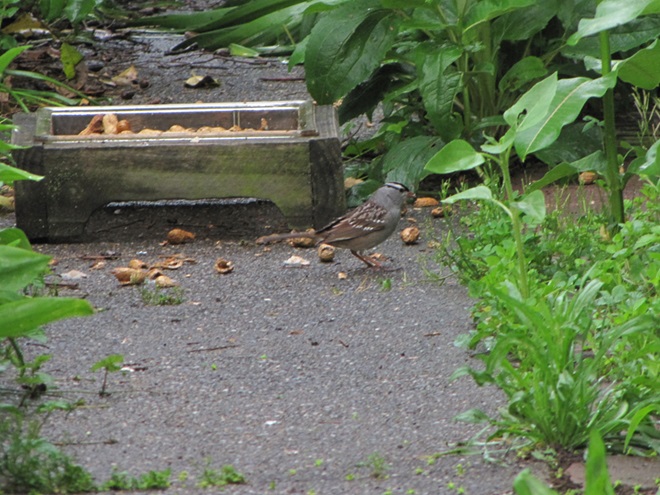
Looks like a good day to take the camera for a walk. Away we go!
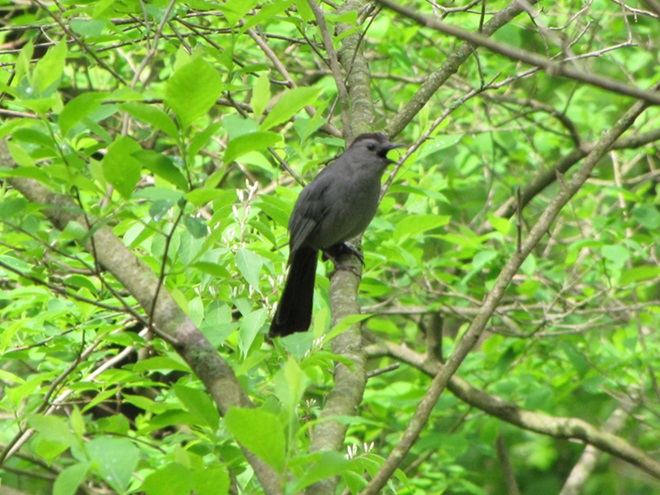
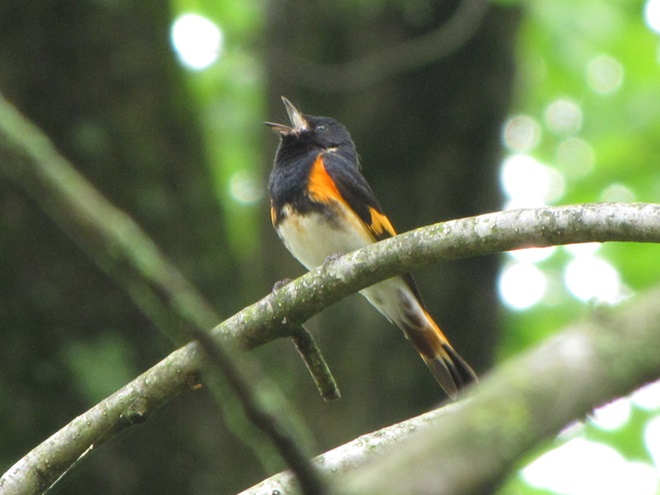
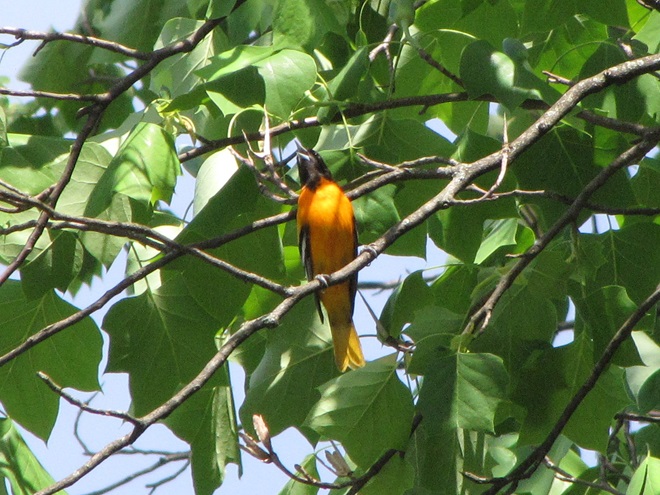
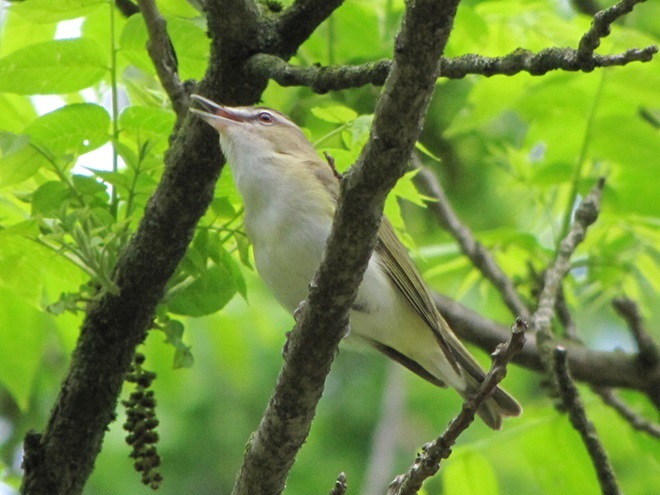
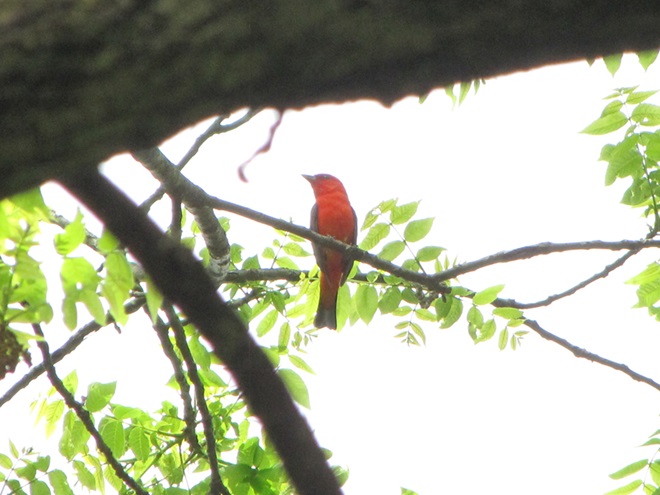
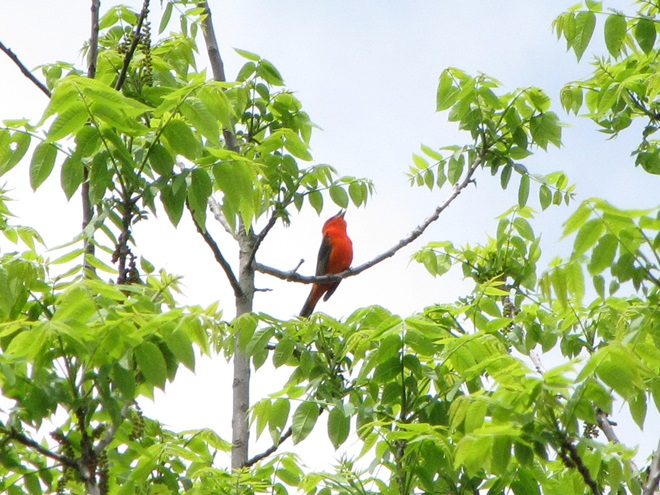
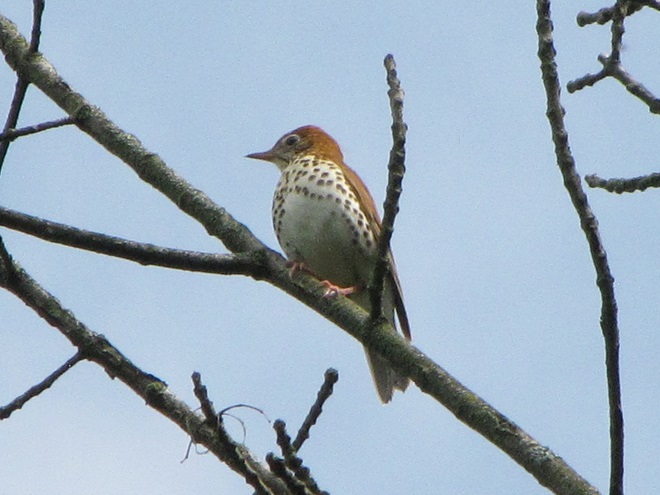
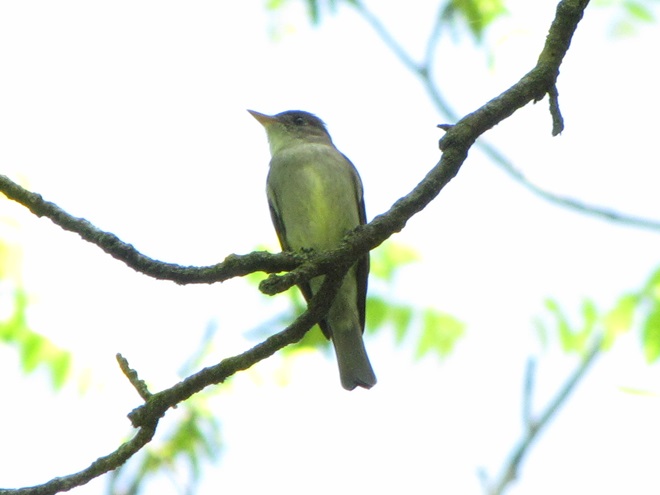
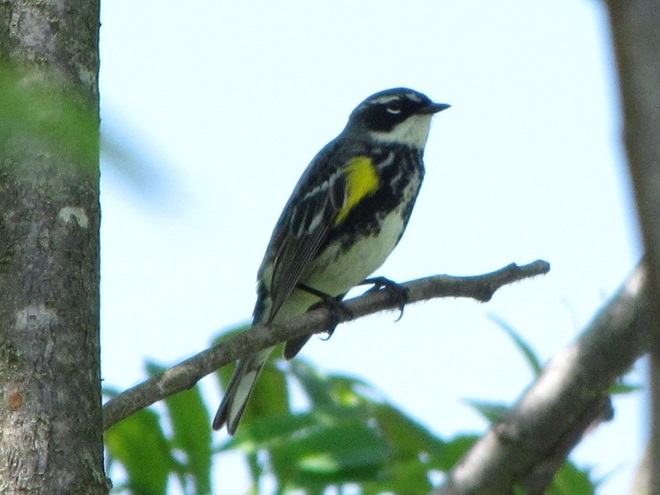
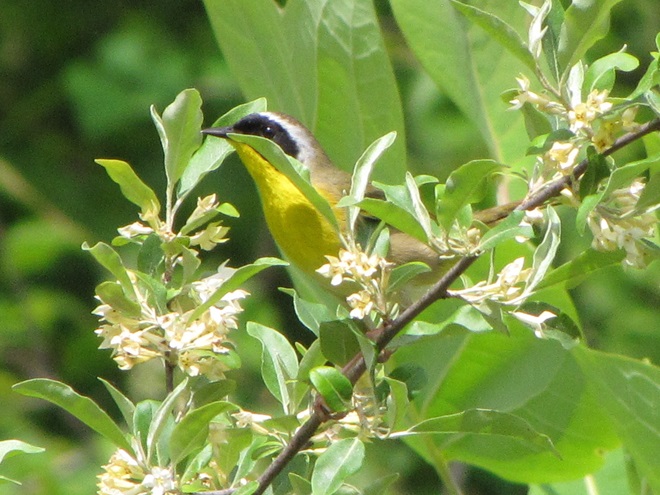
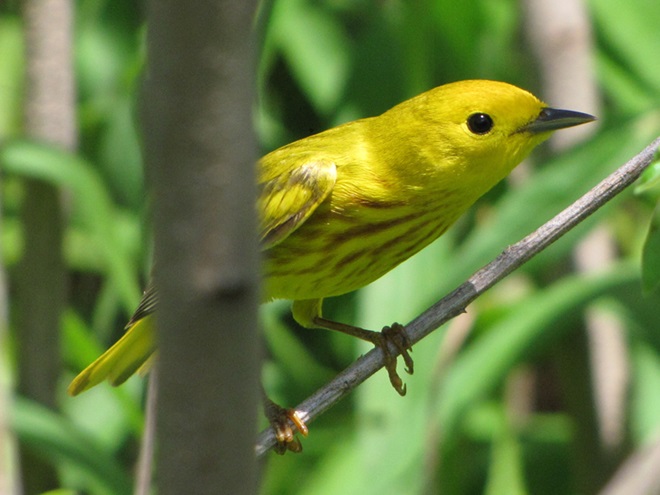
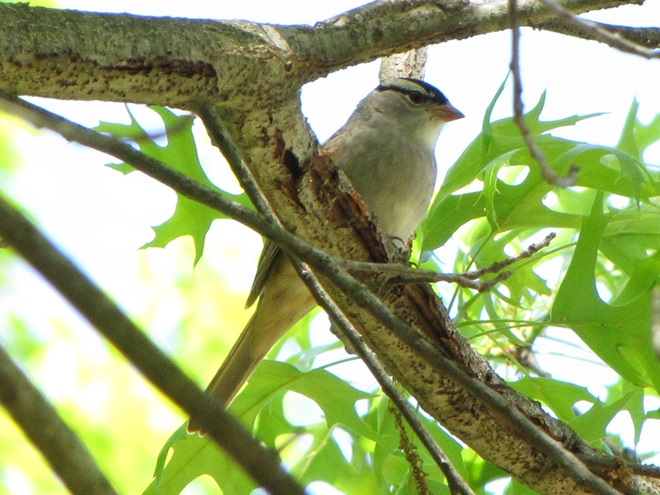
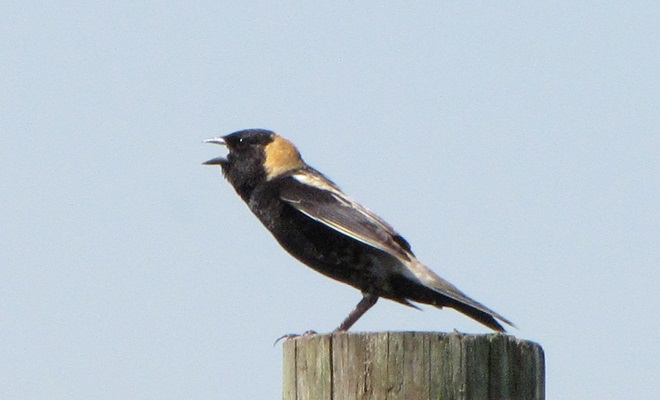
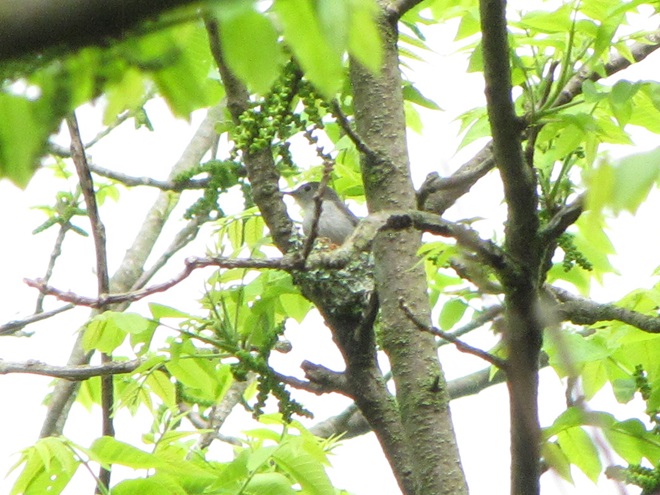
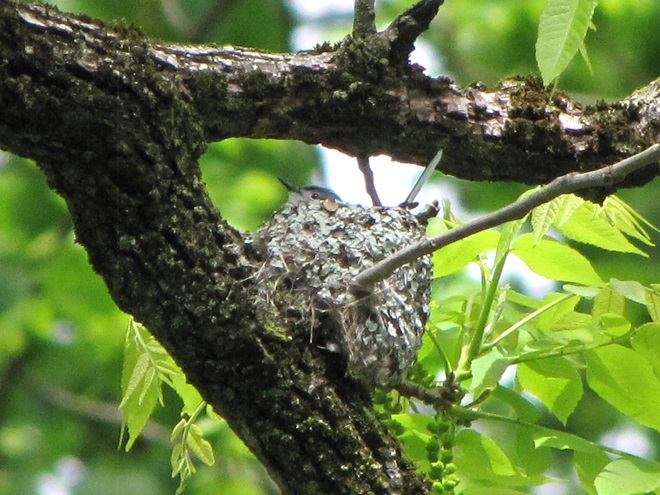
There’s obviously more spring migration to come, so do make an effort to visit an array of habitats during the coming weeks to see and hear the wide variety of birds, including the spectacular Neotropical species, that visit the Lower Susquehanna River Watershed each May. You won’t regret it!
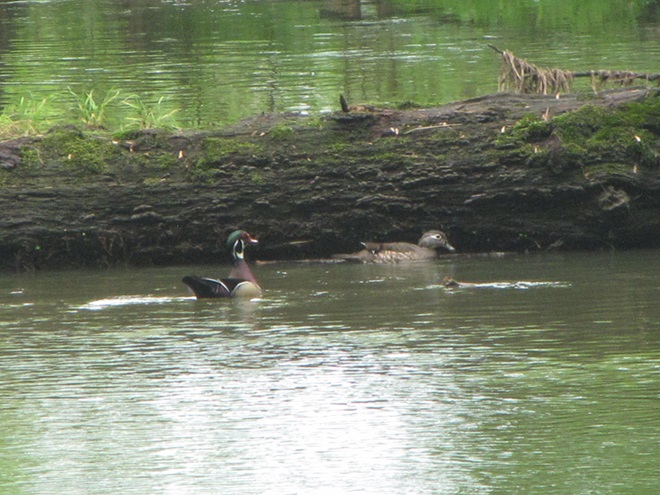
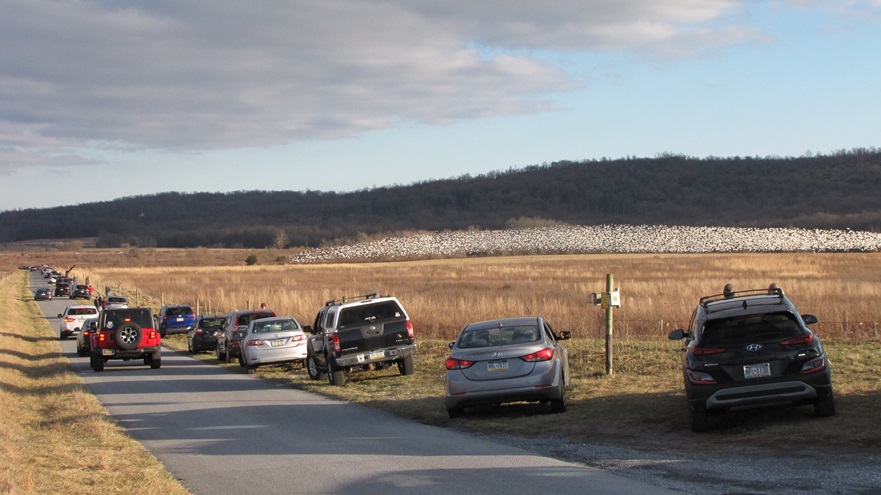
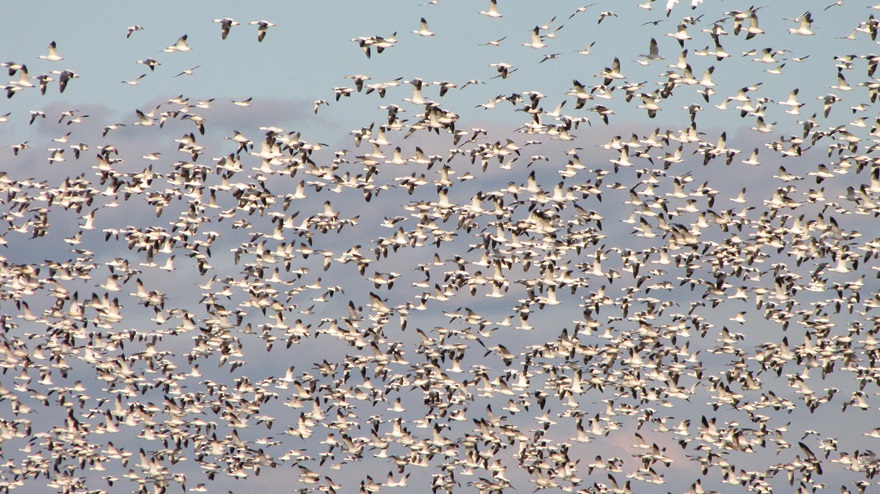
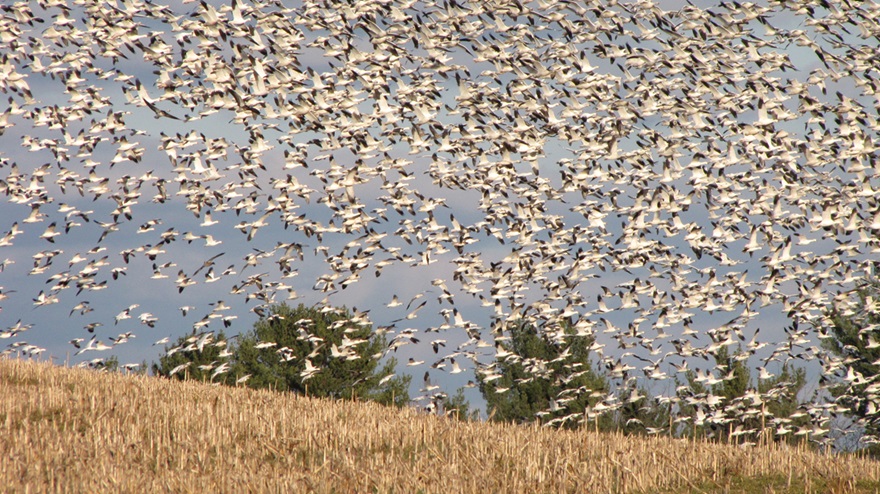
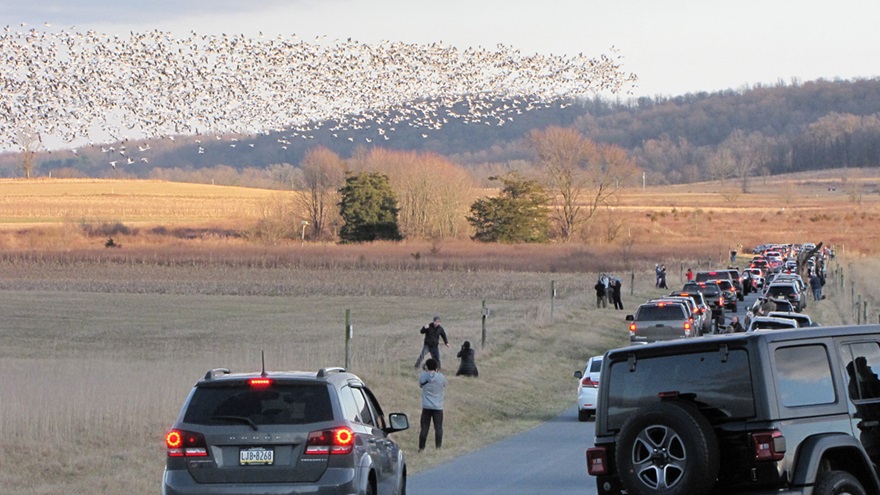
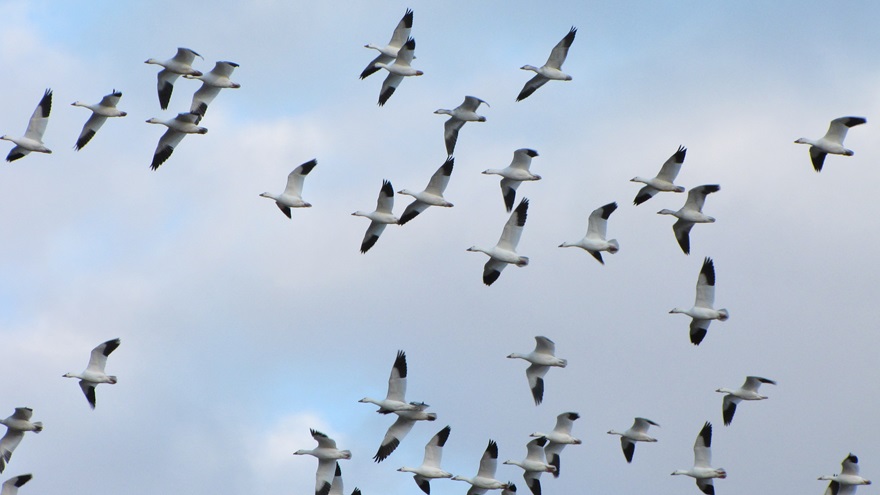
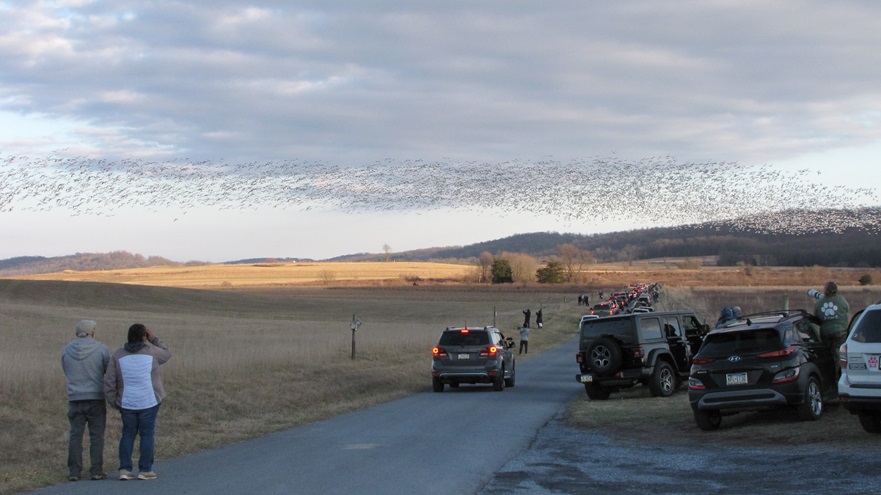
To take advantage of this unusually mild late-winter day, observers arrived by the thousands to have a look at an even greater number of migratory birds gathered at the Pennsylvania Game Commission’s Middle Creek Wildlife Management Area. Here are some highlights…
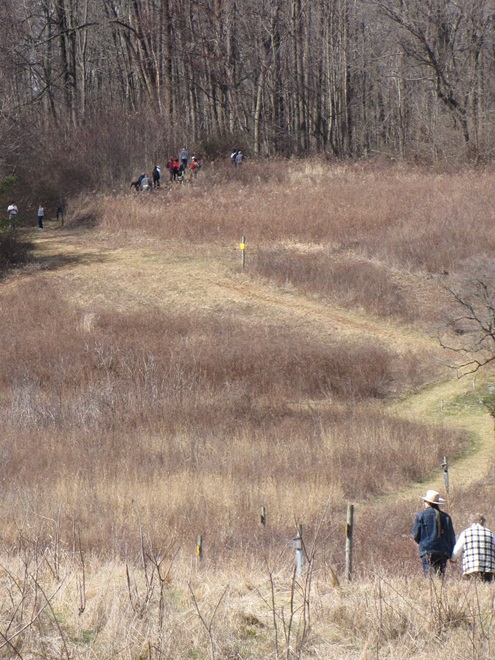
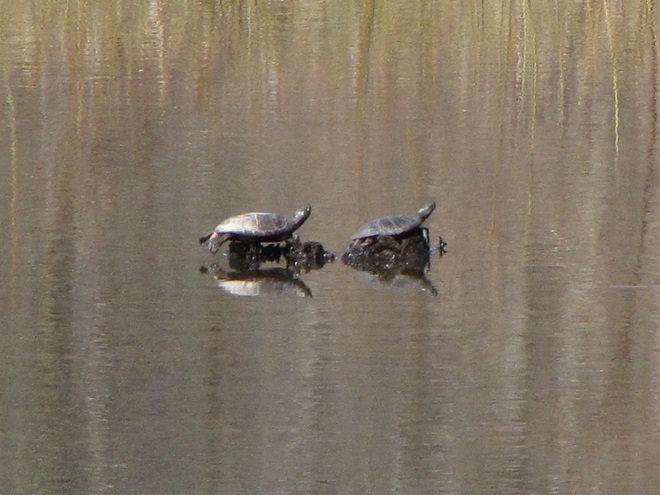
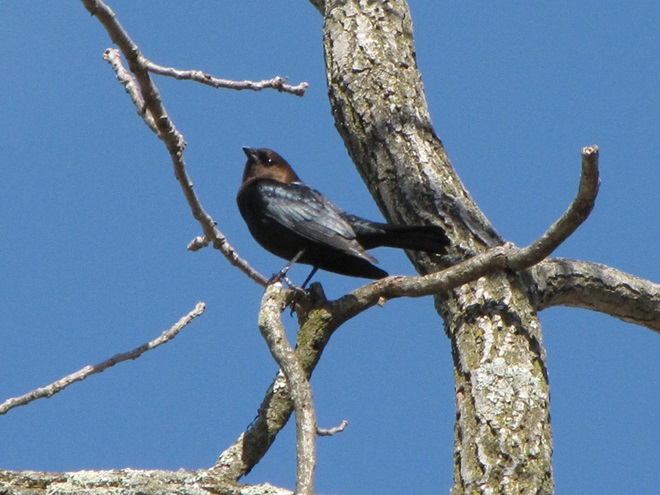
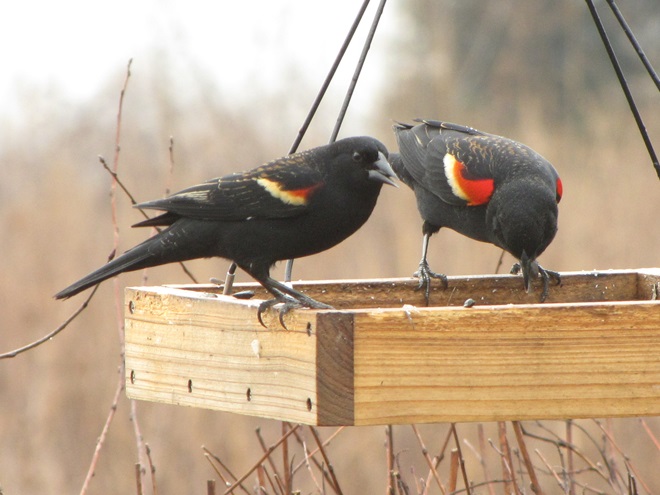
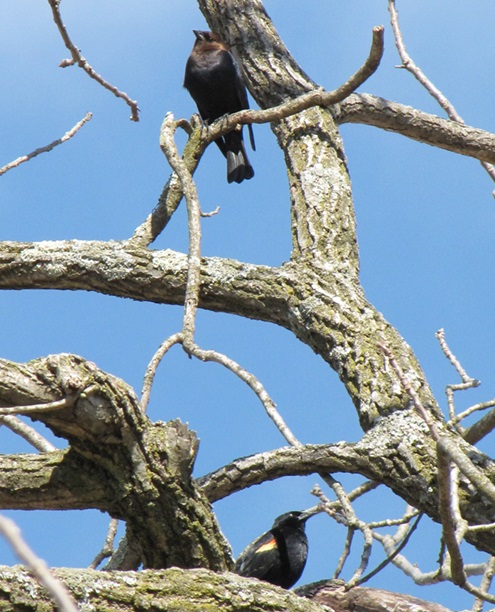
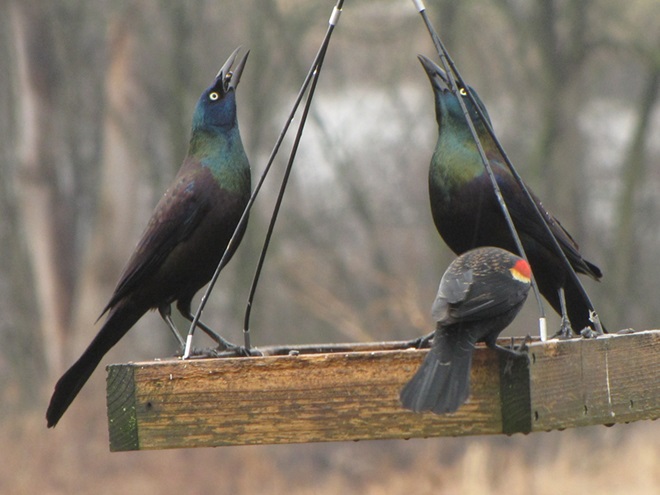
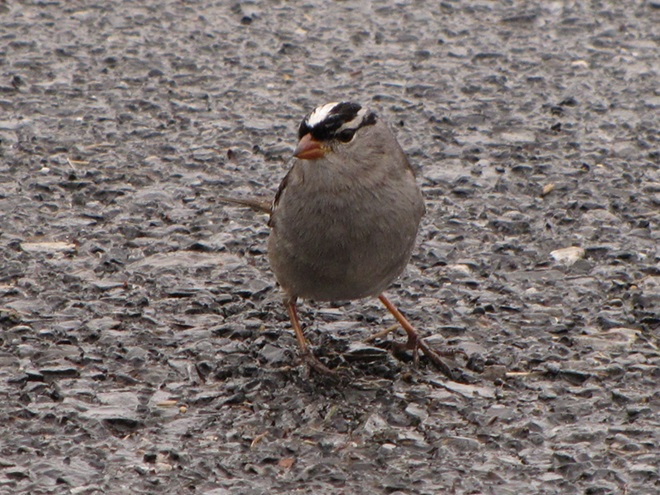
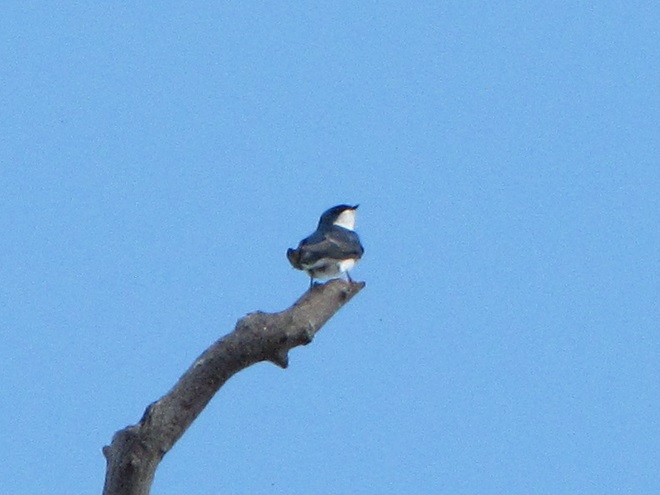
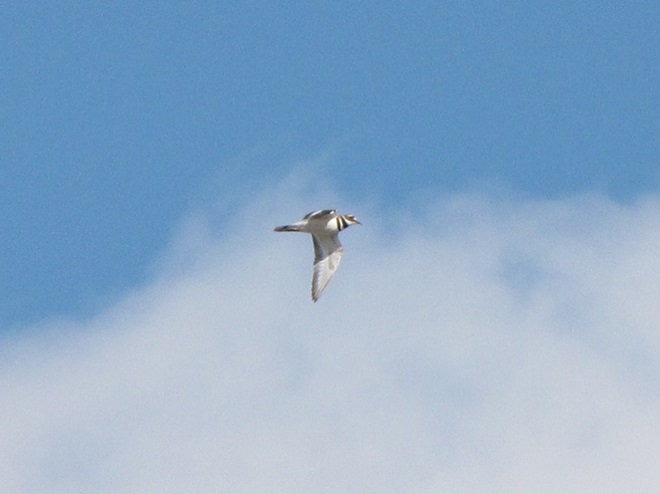
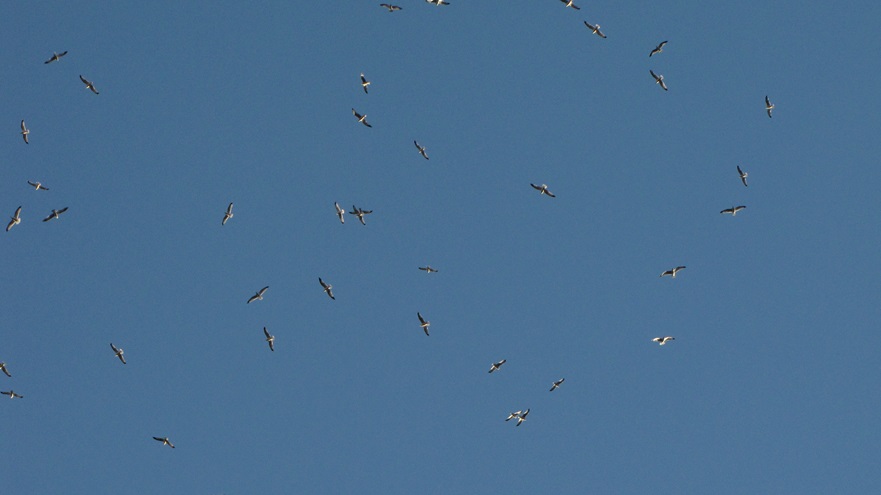
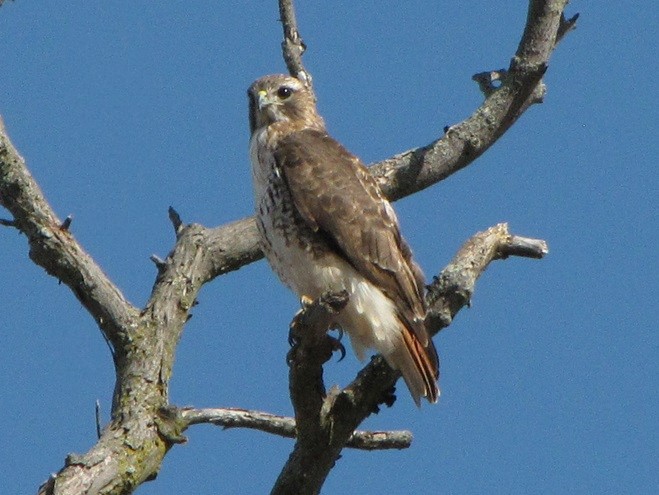
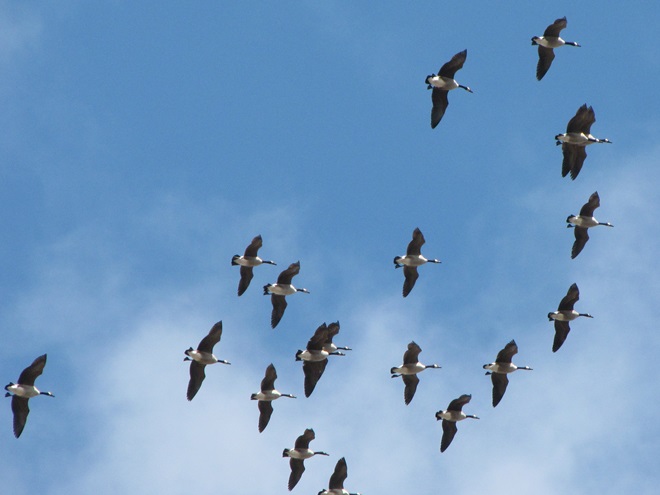
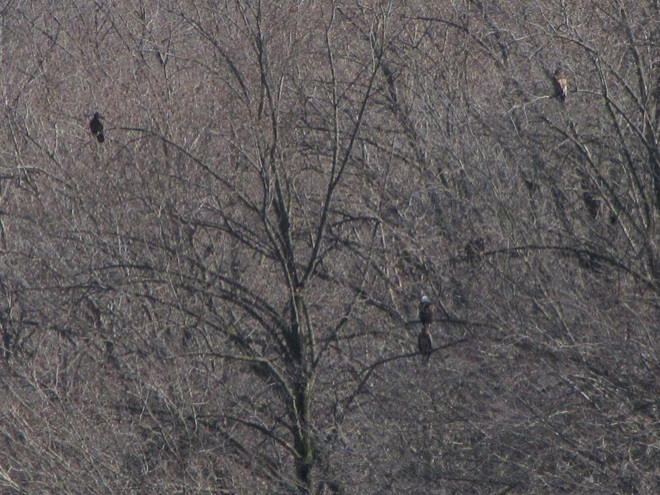
As week-old snow and ice slowly disappears from the Lower Susquehanna River Watershed landscape, we ventured out to see what might be lurking in the dense clouds of fog that for more than two days now have accompanied a mid-winter warm spell.
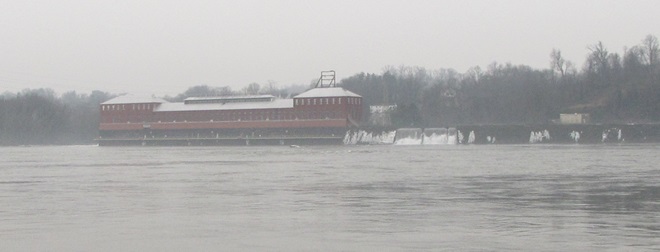
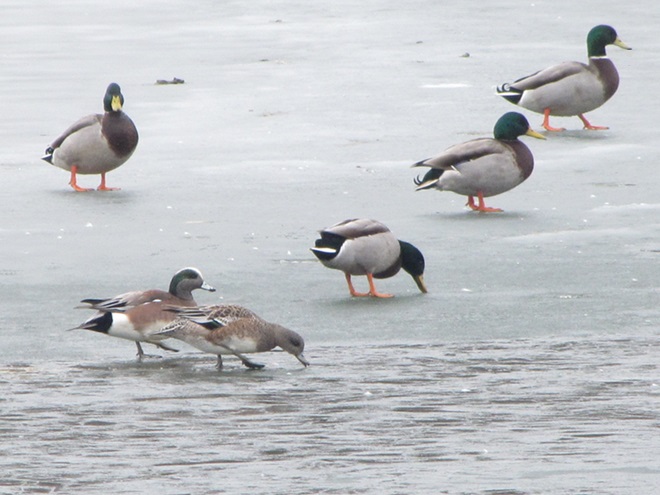
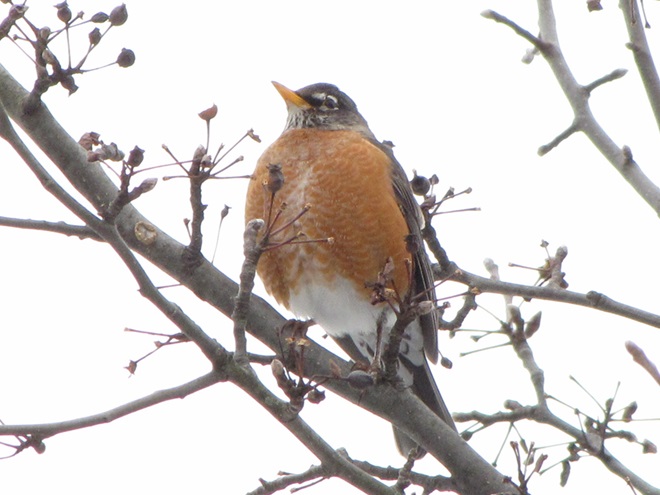
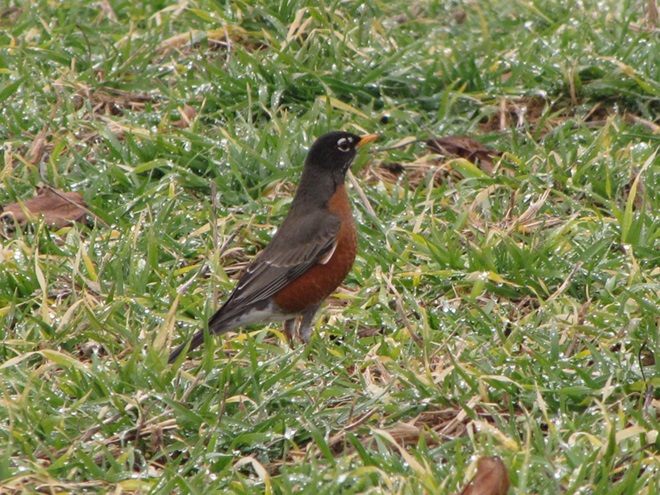
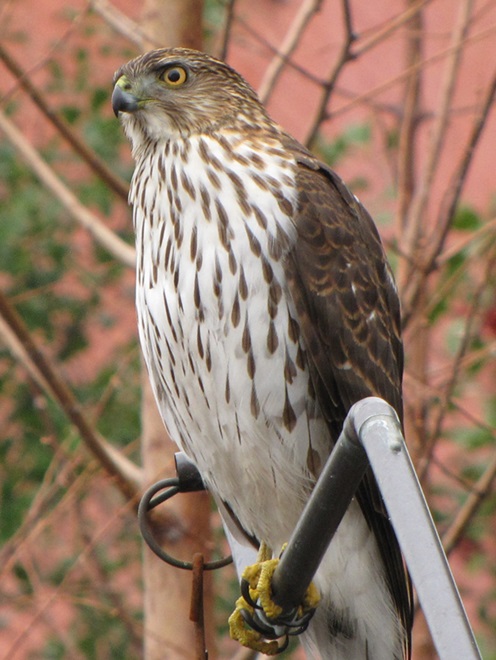
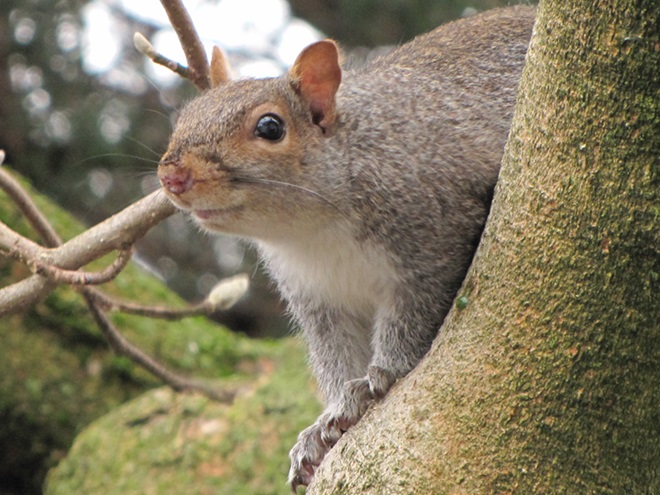
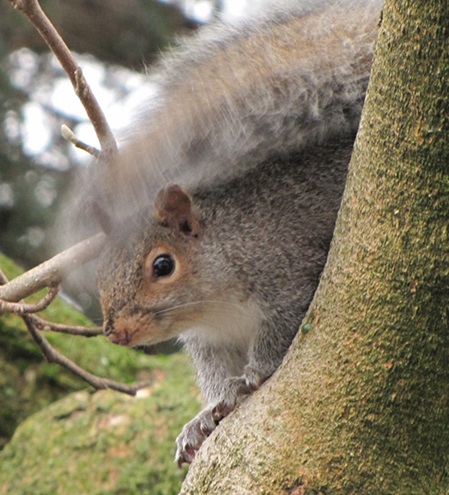
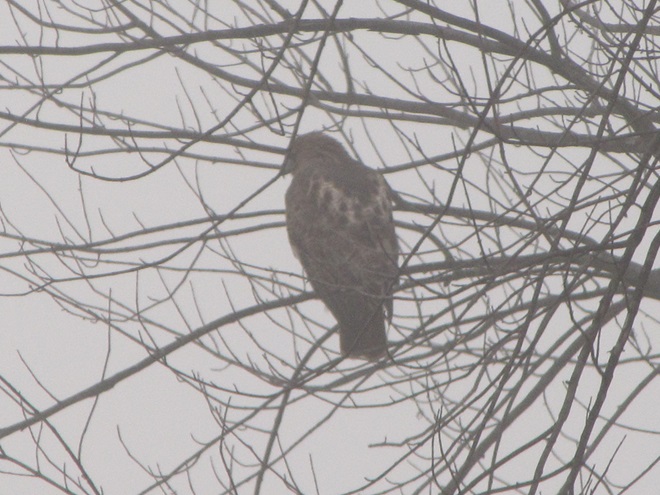
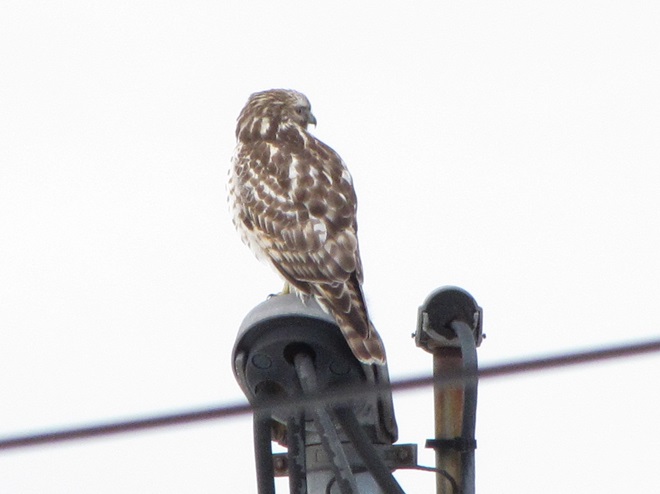
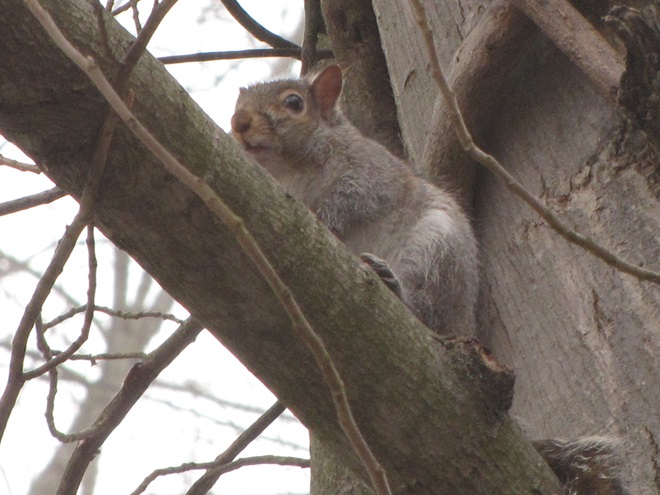
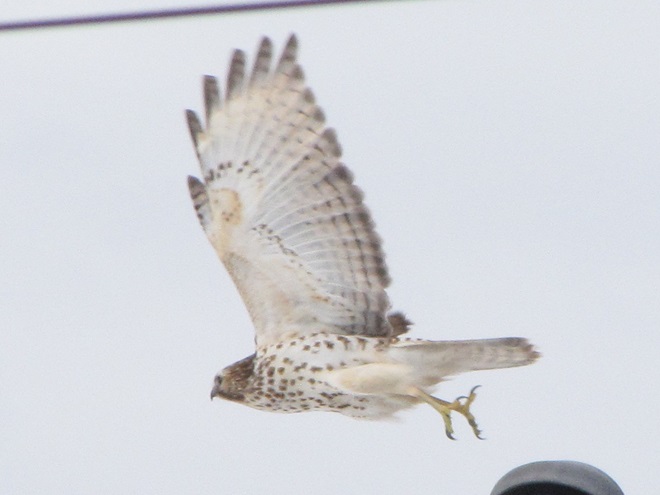
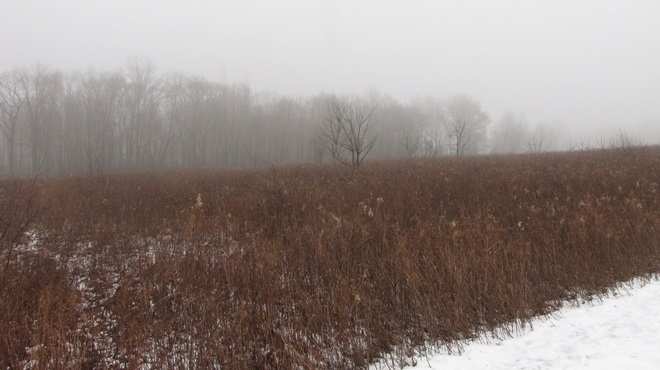
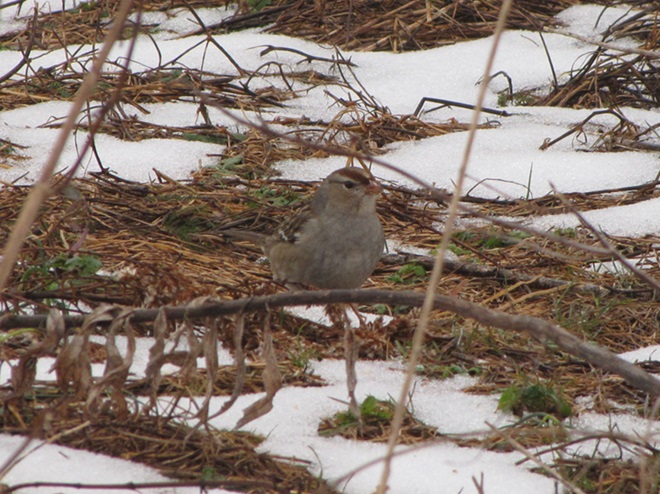
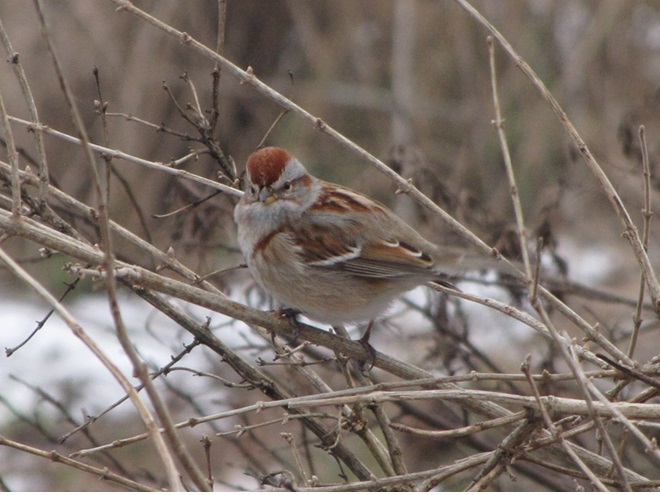
If scenes of a January thaw begin to awaken your hopes and aspirations for all things spring, then you’ll appreciate this pair of closing photographs…
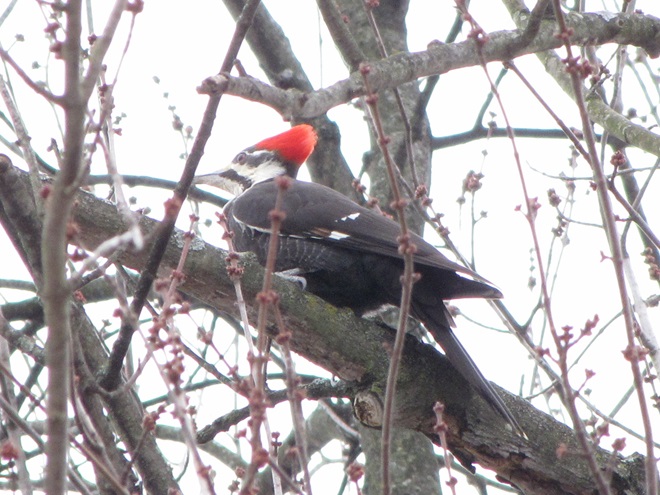
With the earth at perihelion (its closest approach to the sun) and with our home star just 27 degrees above the horizon at midday, bright low-angle light offered the perfect opportunity for doing some wildlife photography today. We visited a couple of grasslands managed by the Pennsylvania Game Commission to see what we could find…
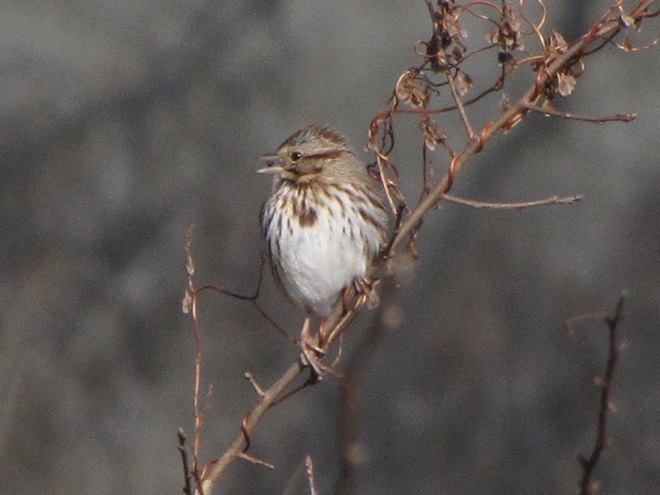
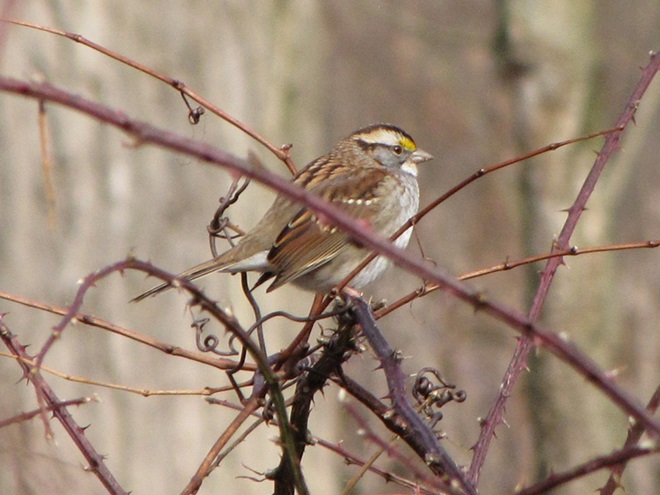
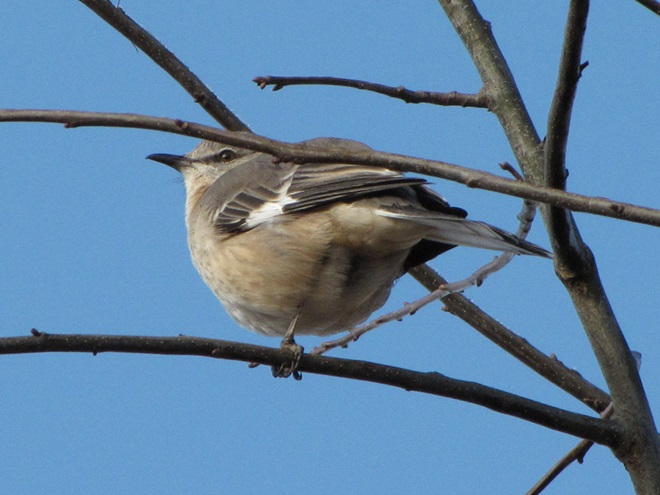
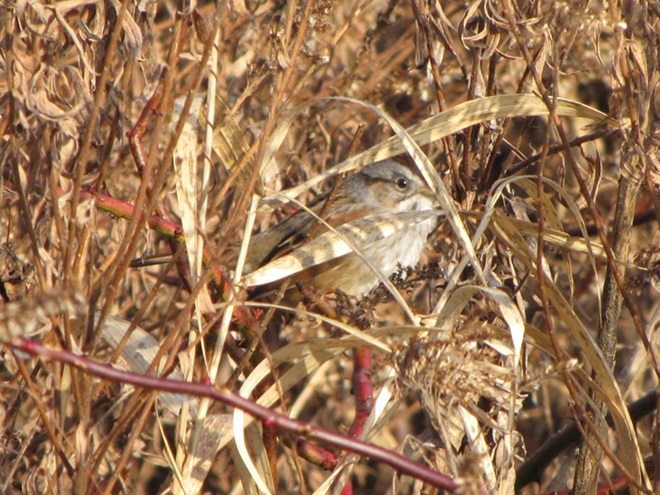
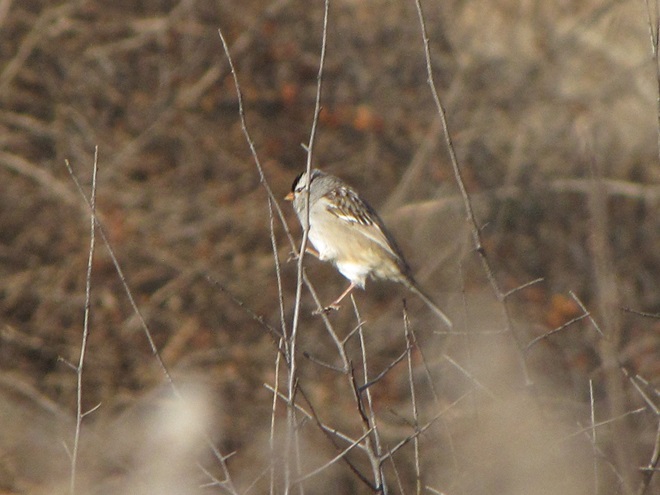
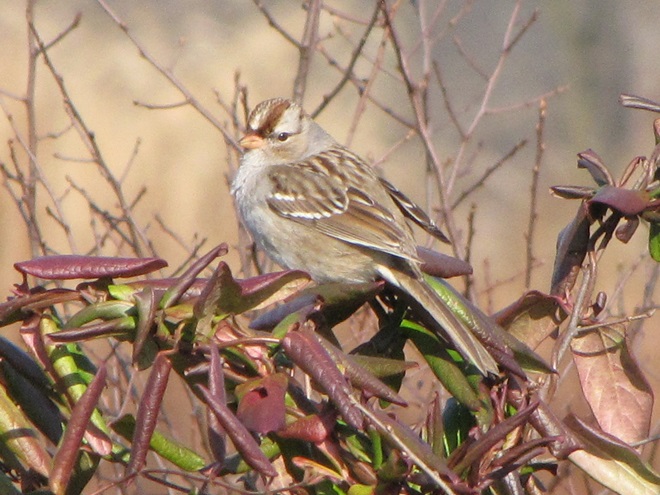
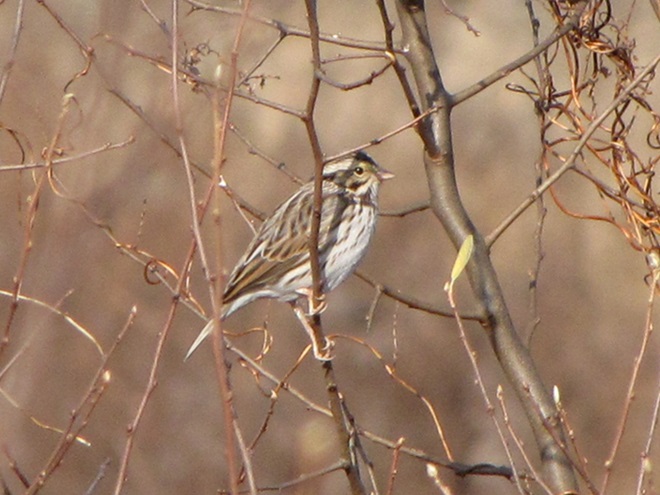
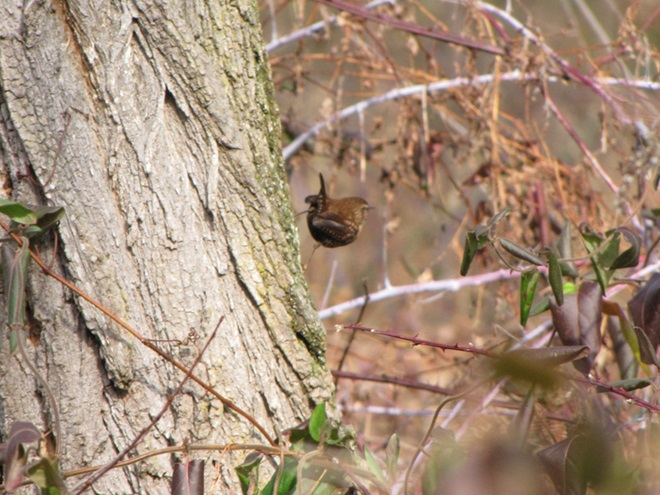
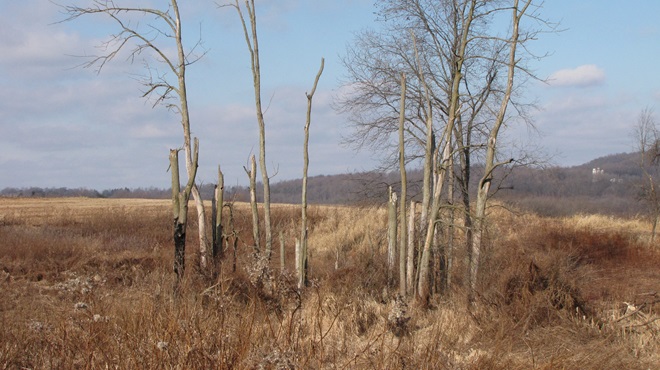
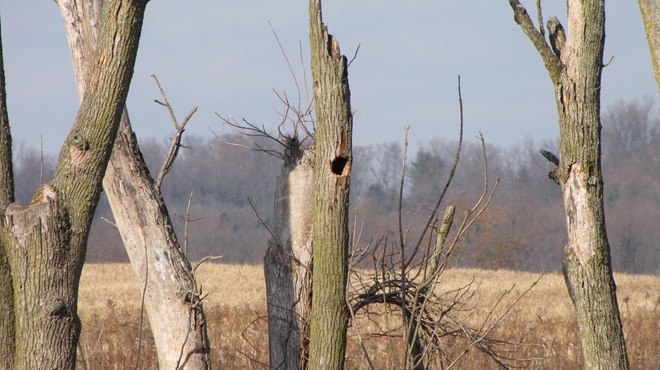
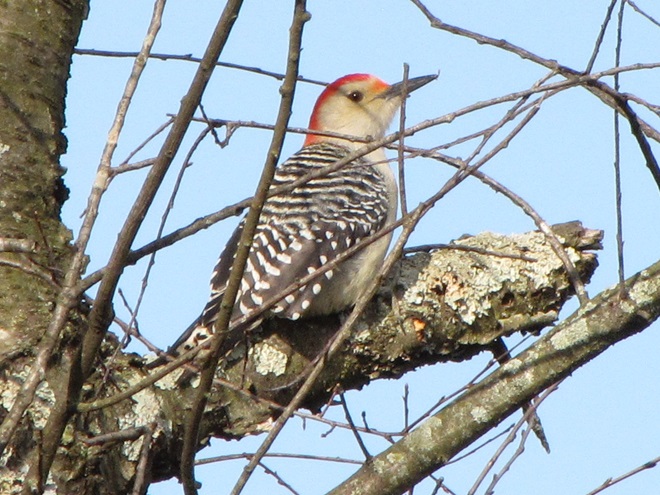
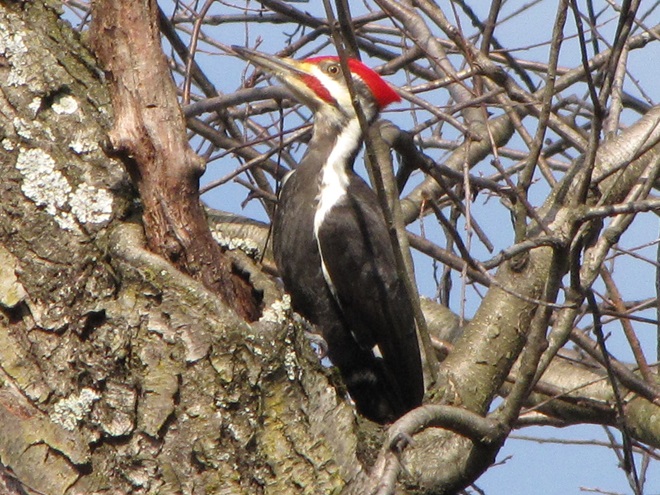
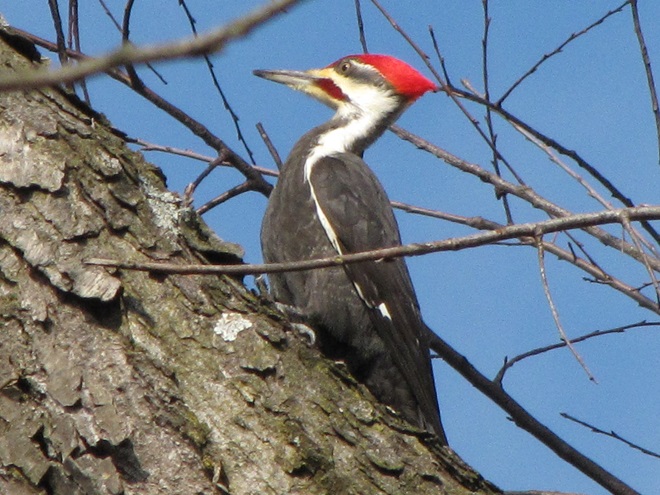
It’s just common sense to take it easy and drive carefully when snow covers streets and highways. Everyone knows that. But did you know that slowing down when the landscape is blanketed in white can save lives even after the roadways have been cleared?
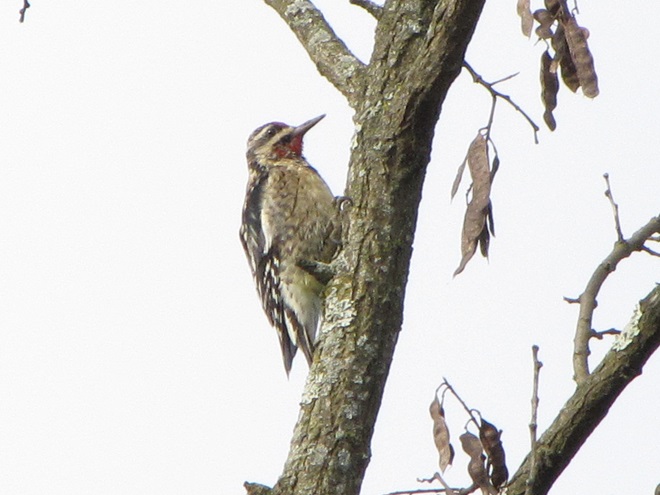
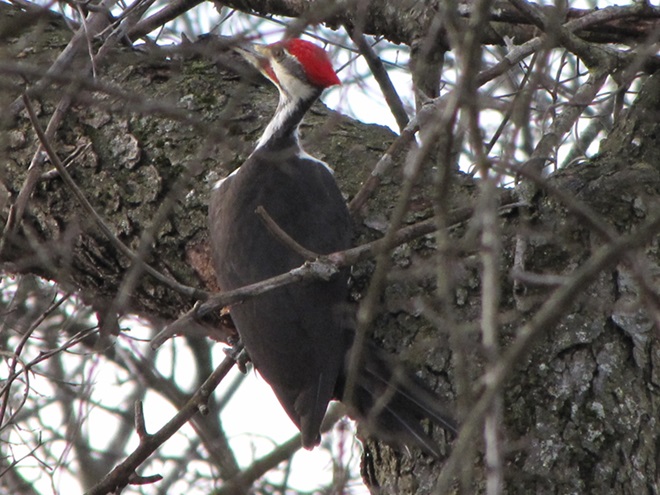
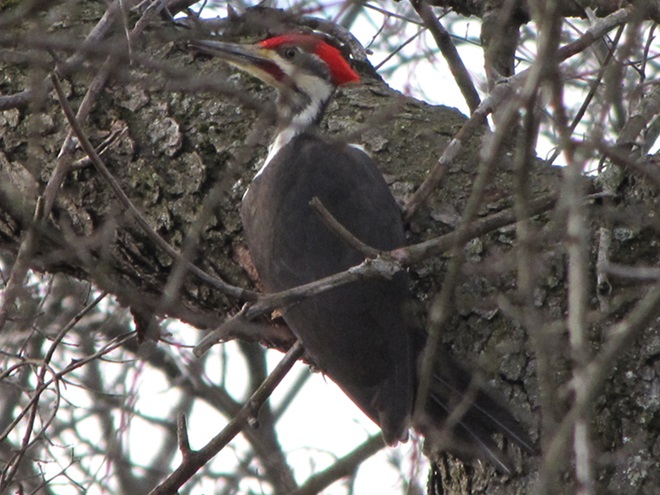
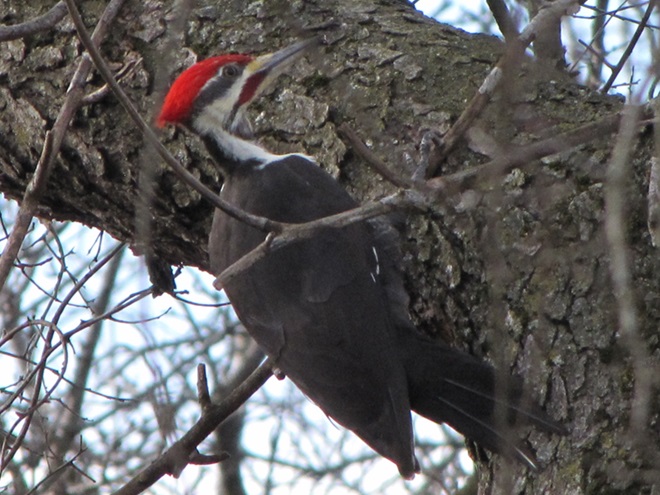
Following significant snowfalls such as the one earlier this week, birds and other wildlife are attracted to bare ground along the edges of plowed pavement. They are often so preoccupied with the search for food that they ignore approaching cars and trucks until it is too late.
Take a look at the species found today along a one mile stretch of plowed rural roadway in the lower Susquehanna valley.
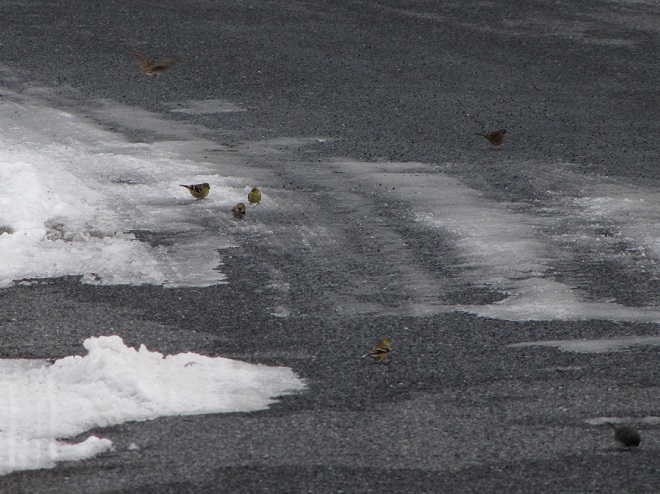


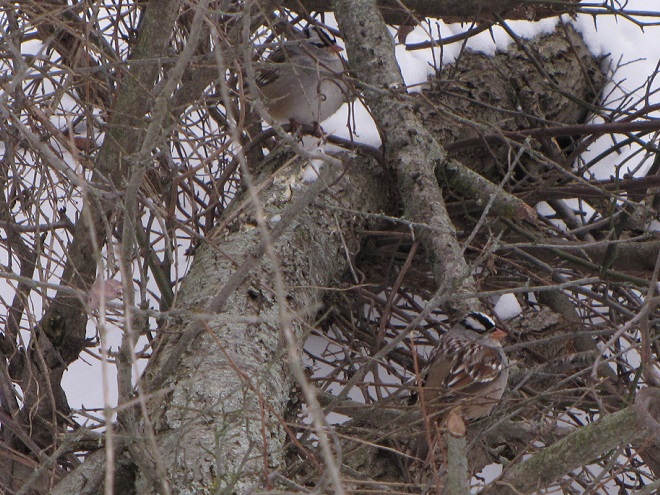
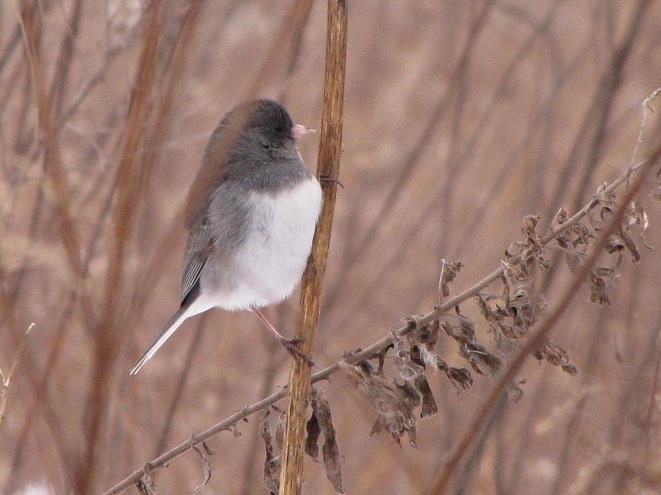
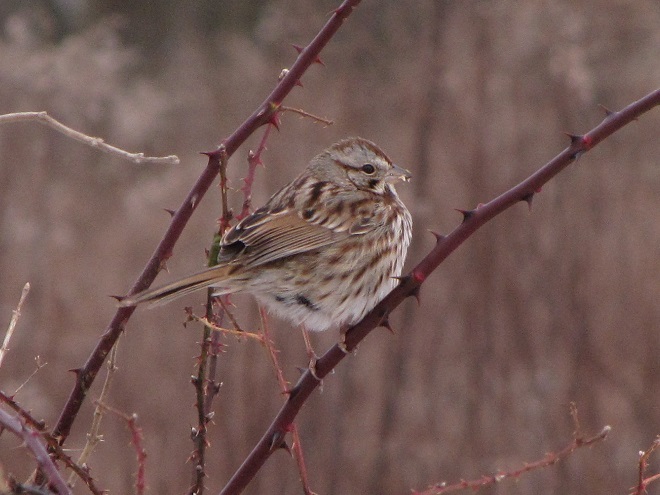
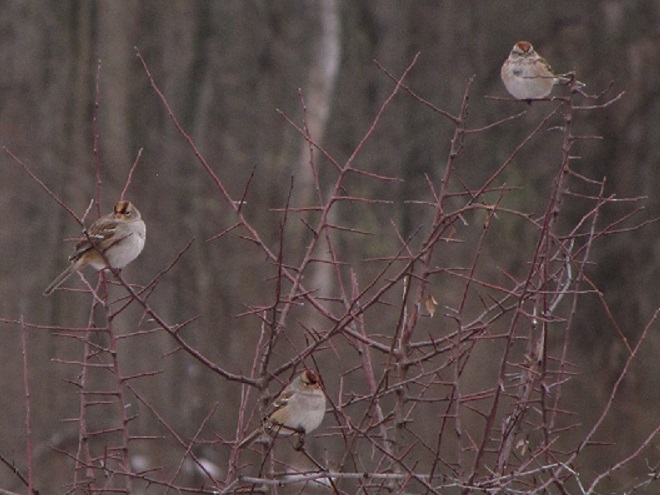
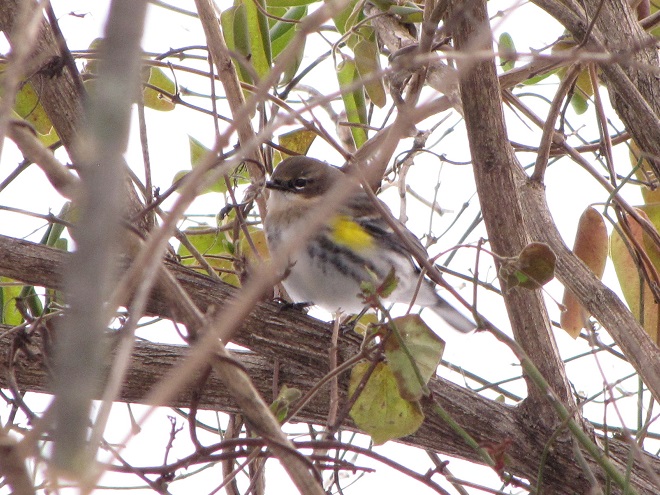

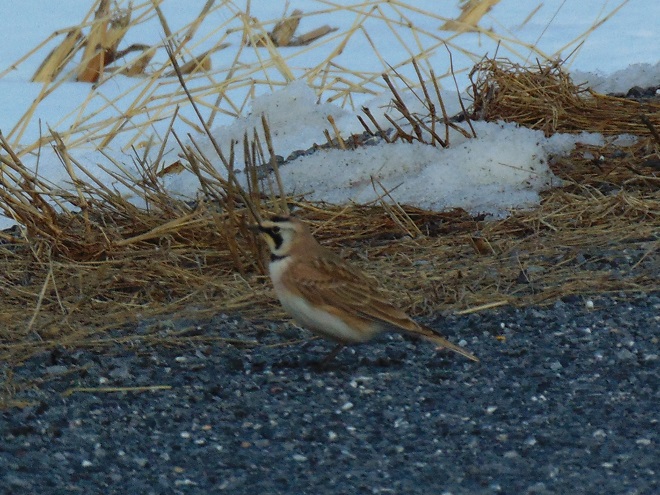
For many species of wildlife in the Lower Susquehanna River Watershed, the fragmented and impaired state of habitat already challenges their chances of surviving the winter. Snow cover can isolate them from their limited food supplies and force them to roadsides and other dangerous locations to forage. Mauling them with motor vehicles just adds to the escalating tragedy, so do wildlife and yourself a favor—please slow down.
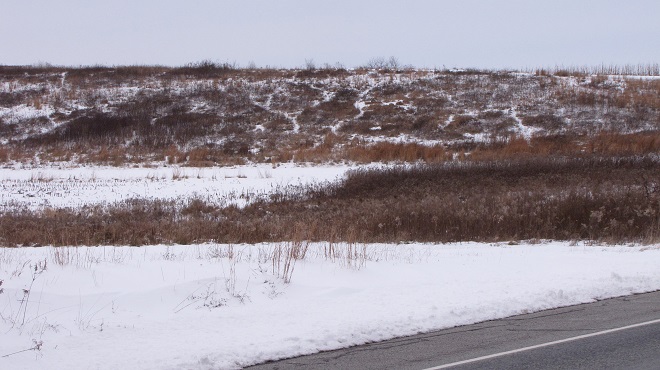
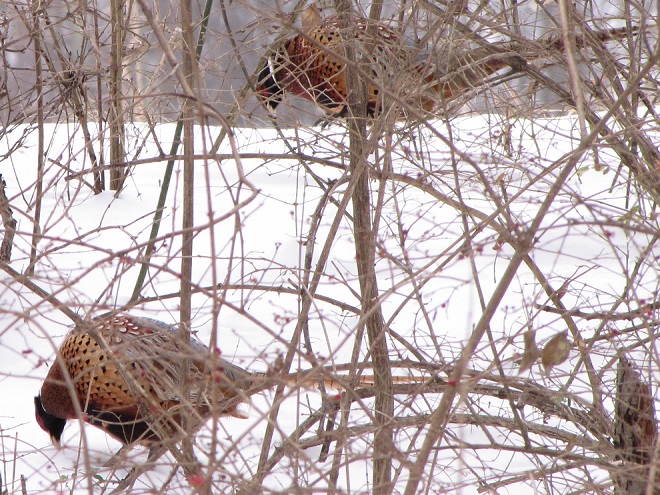
You need to get outside and go for a walk. You’ll be sorry if you don’t. It’s prime time to see wildlife in all its glory. The songs and colors of spring are upon us!
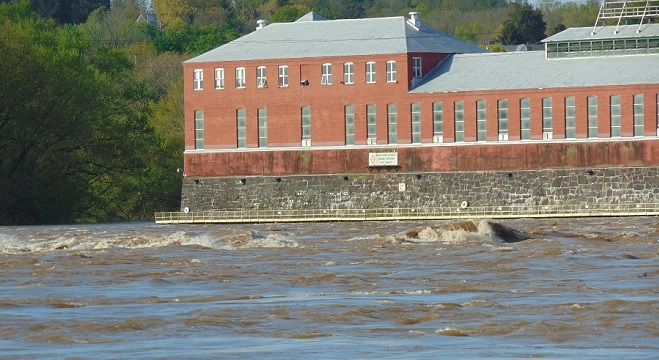
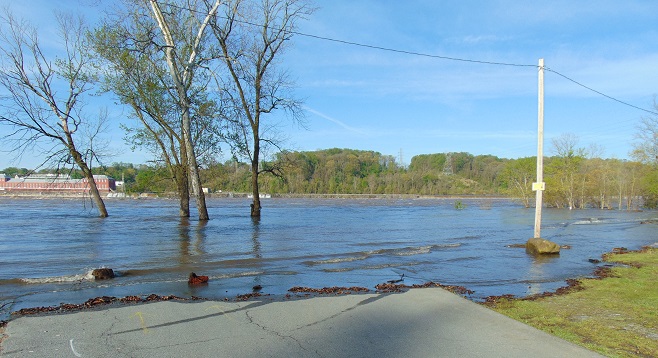
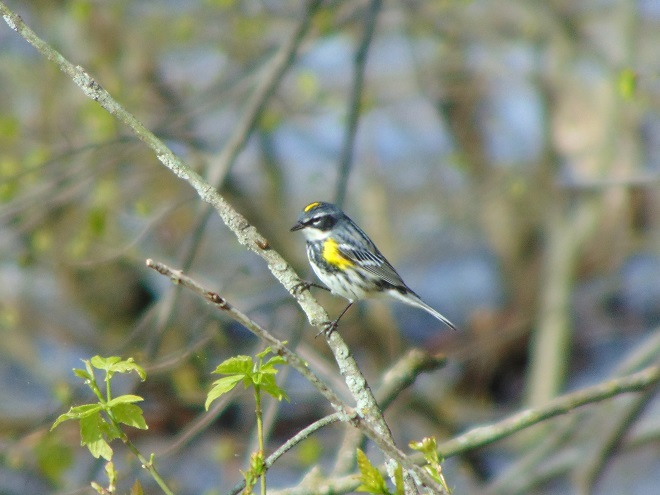
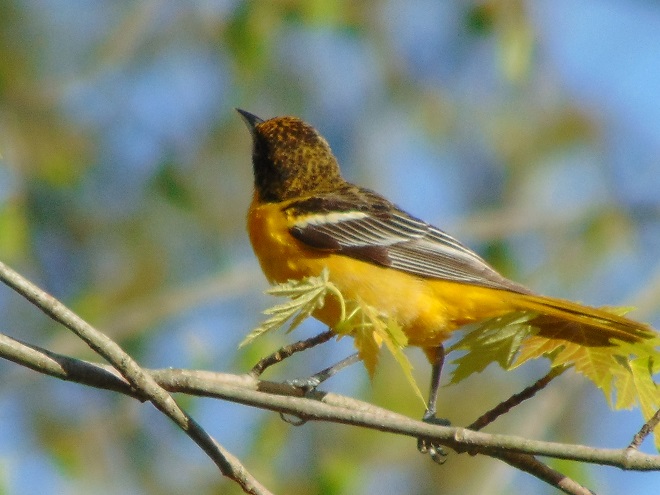
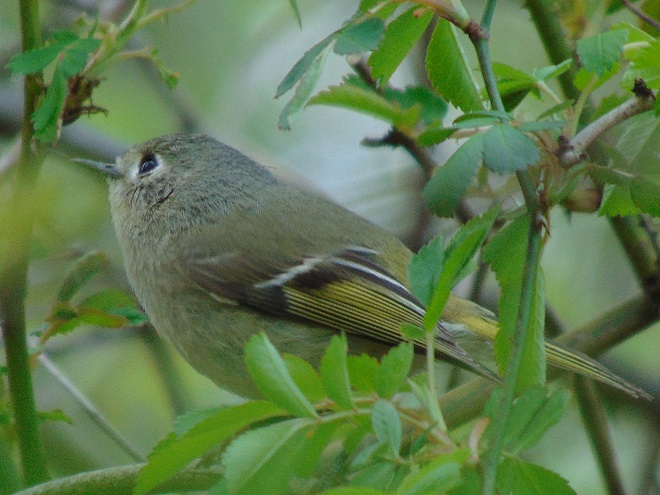
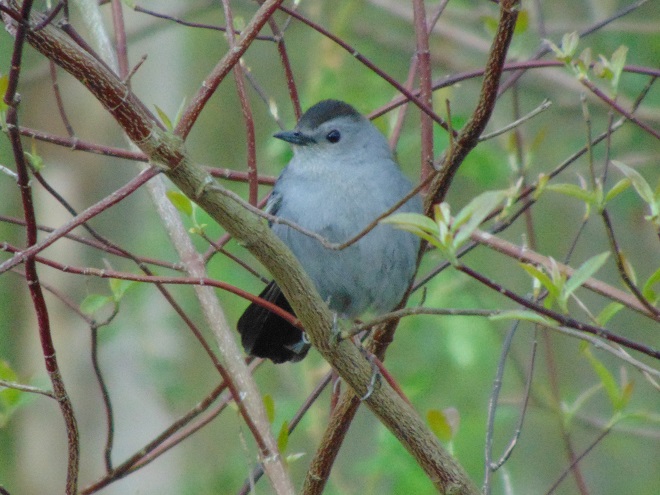
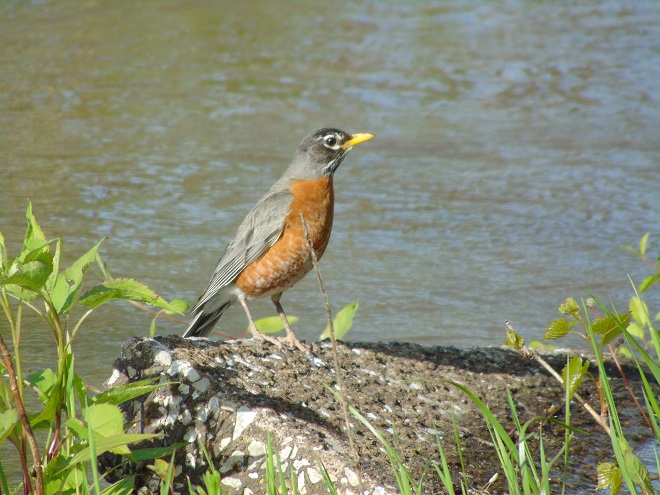
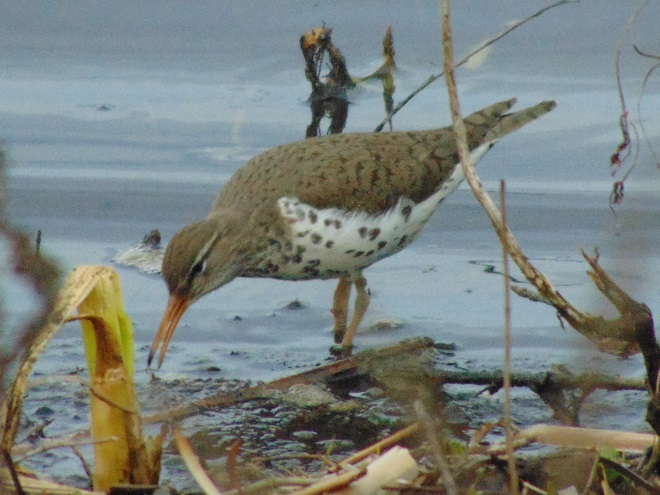
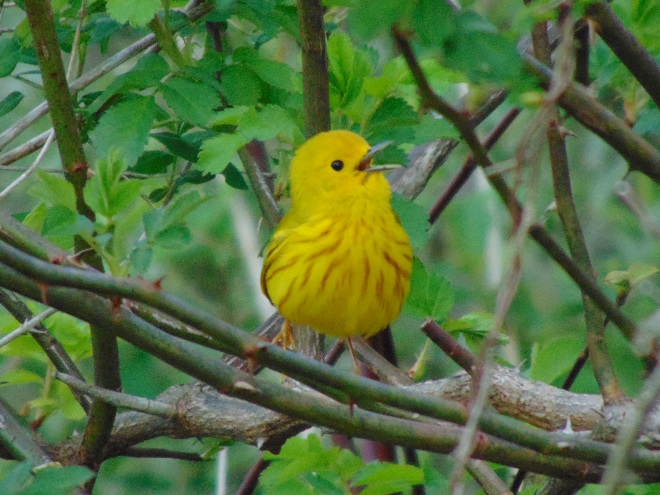
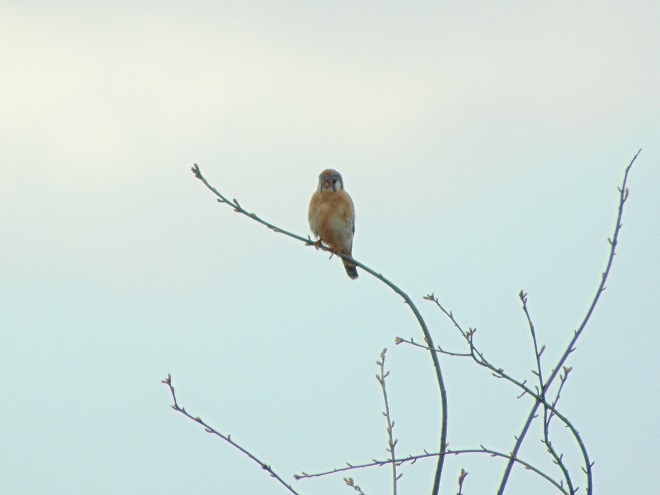
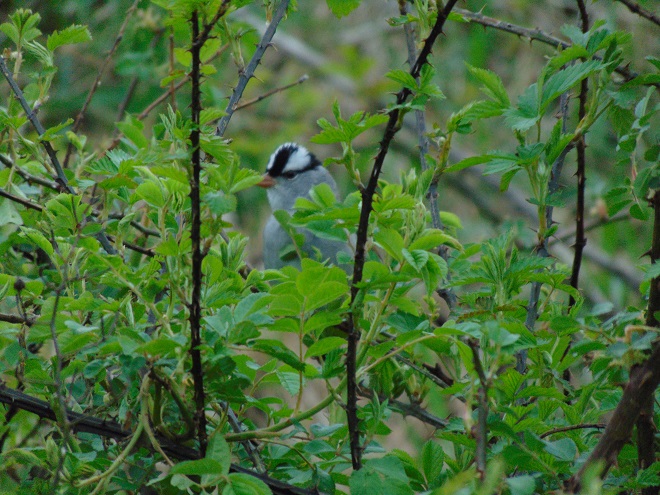
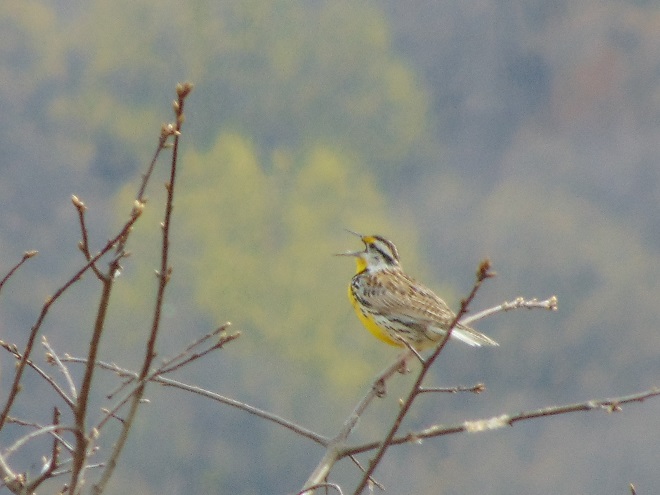
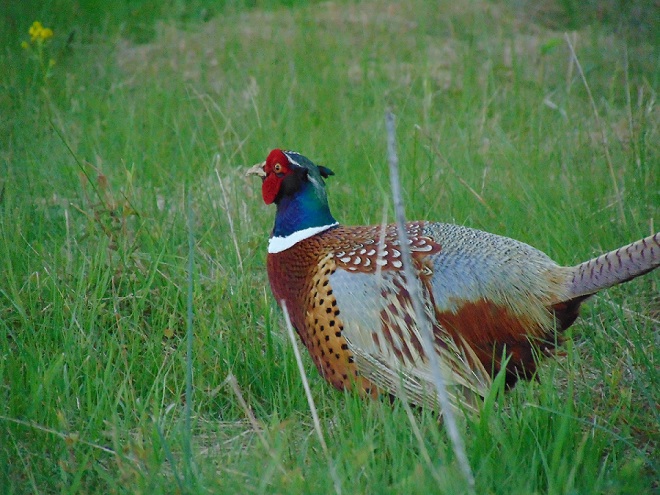
If you’re not up to a walk and you just want to go for a slow drive, why not take a trip to Middle Creek Wildlife Management Area and visit the managed grasslands on the north side of the refuge. To those of us over fifty, it’s a reminder of how Susquehanna valley farmlands were before the advent of high-intensity agriculture. Take a look at the birds found there right now.
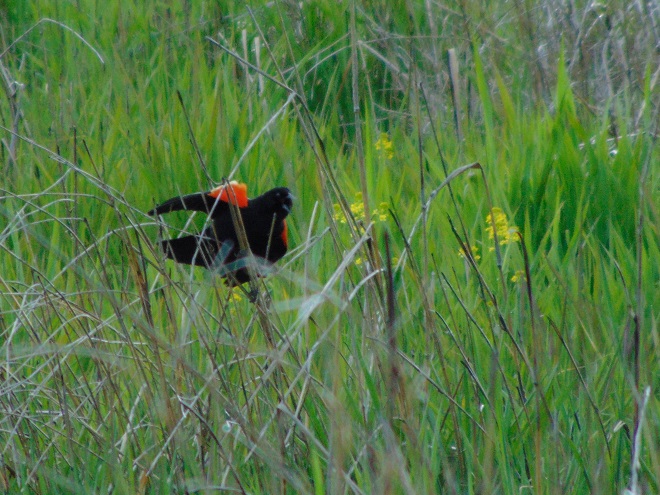
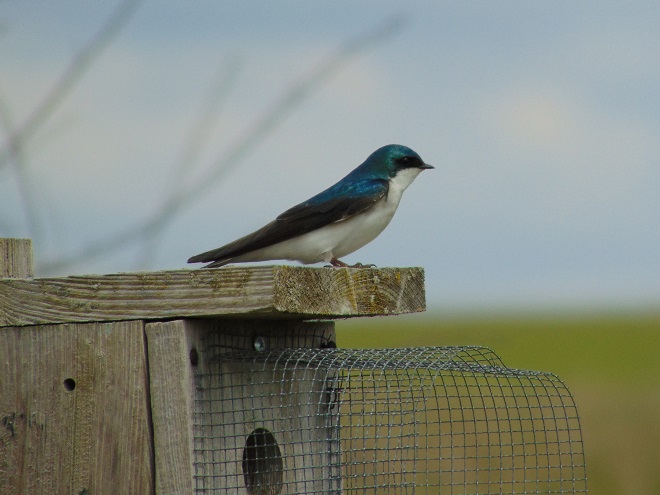
And remember, if you happen to own land and aren’t growing crops on it, put it to good use. Mow less, live more. Mow less, more lives.