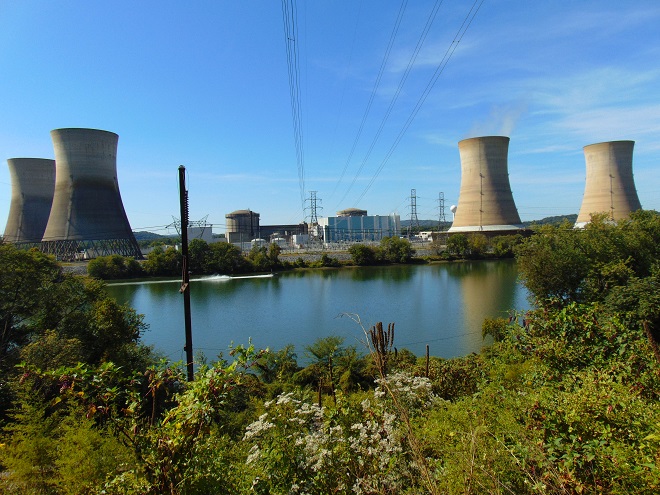
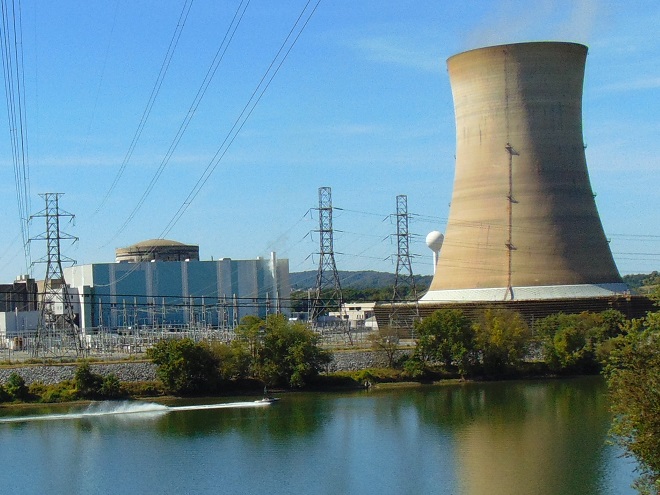
At 12:07 P.M., E.D.T. today, forty-five years and eighteen days after being commissioned into commercial service on September 2, 1974, the Three Mile Island Nuclear Generating Station’s Unit 1 reactor was shut down for the final time. There will be no refueling. There will be no more electricity furnished to the grid by the plant. It is henceforth a user, not a producer, of energy.
Here’s the final shutdown, in pictures…
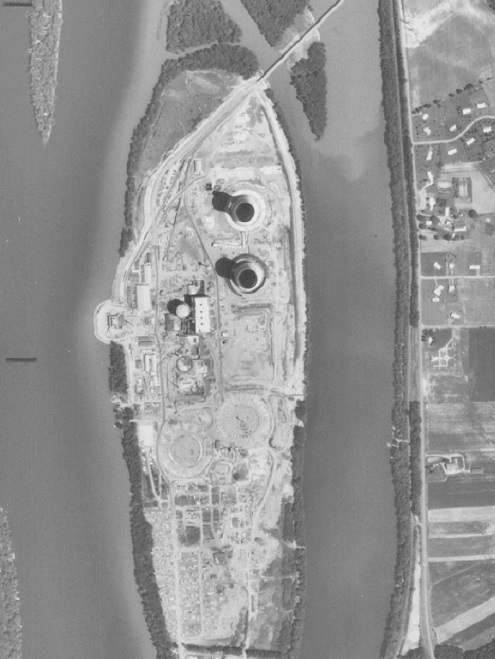
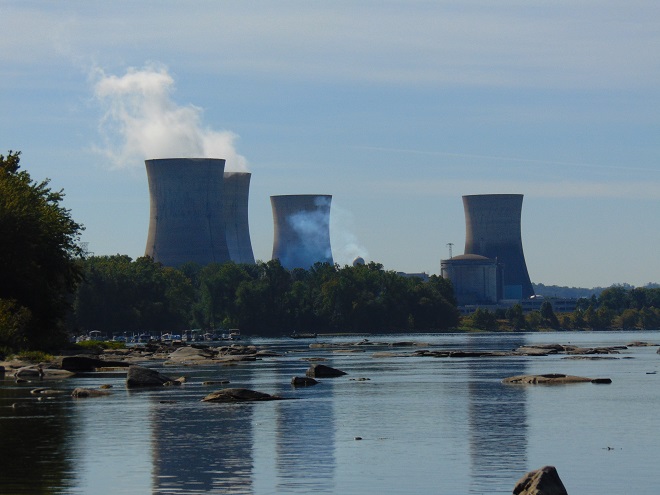
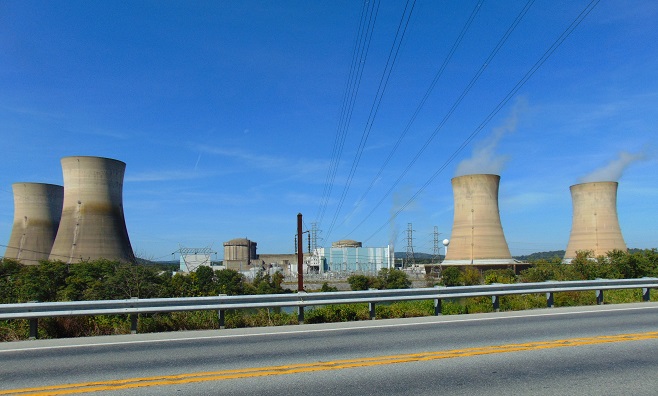
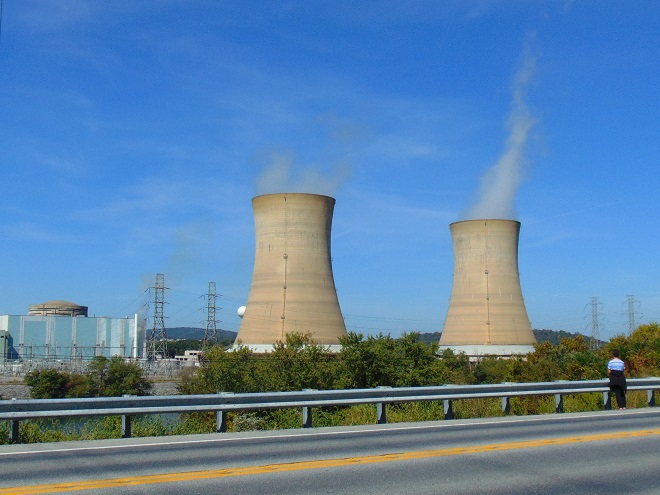
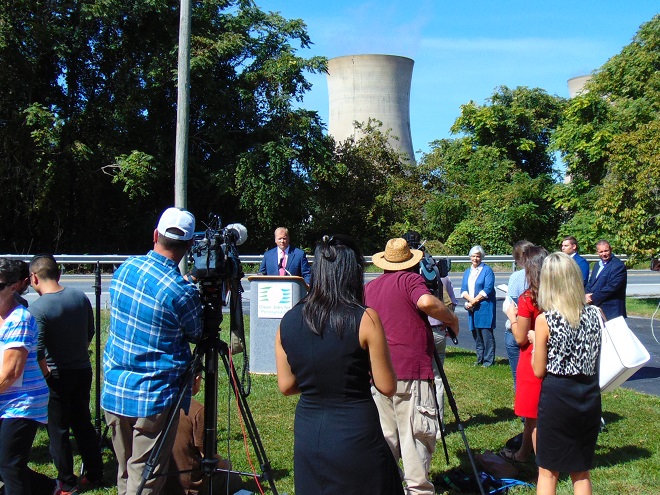
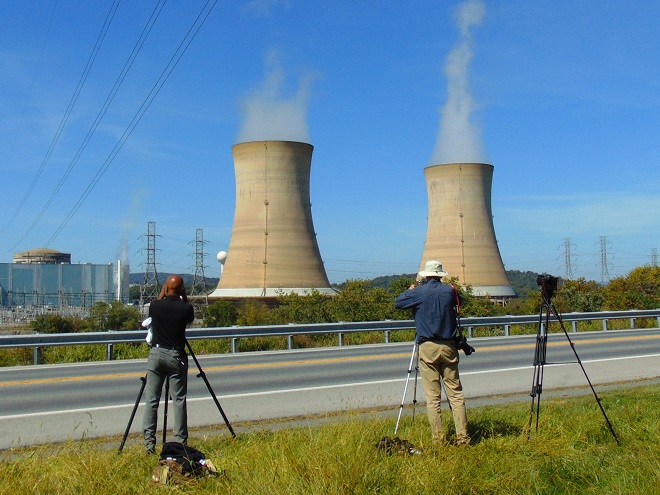
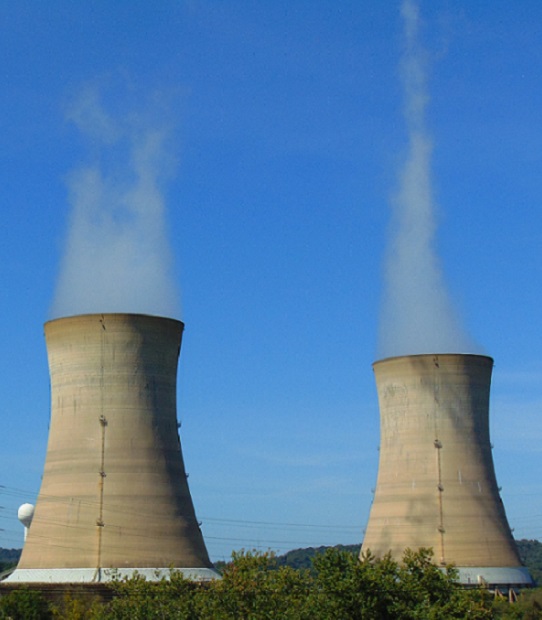
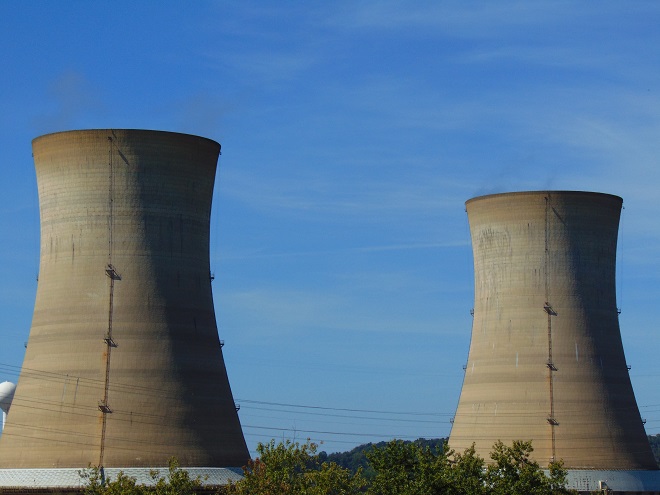
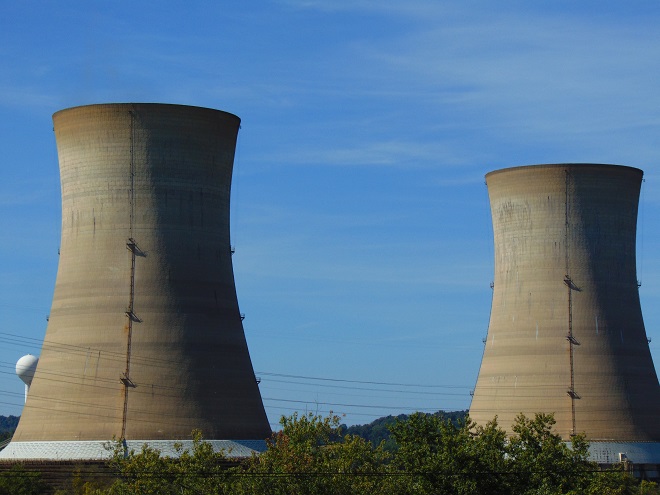
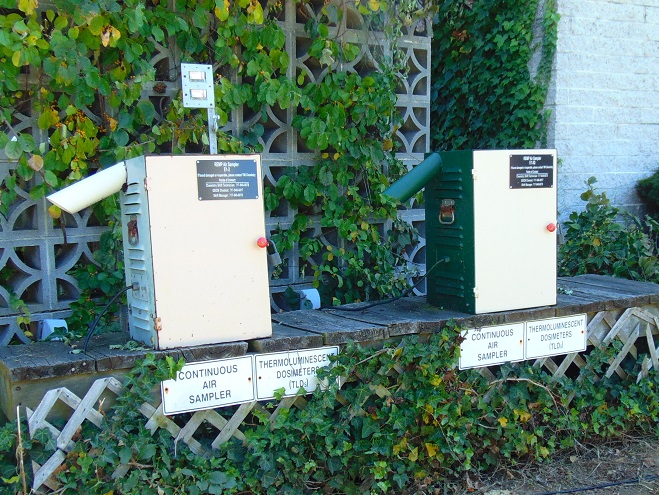
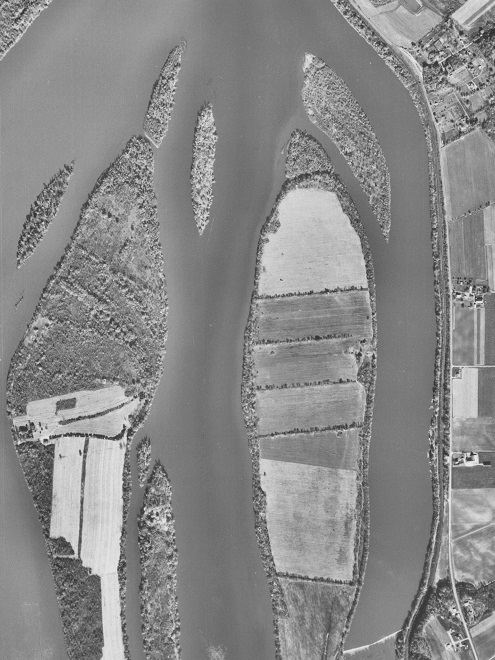
Work began to build the Three Mile Island Nuclear Generating Station in 1968. In this photo taken on July 7, 1970, one can see that Unit One’s reactor containment building and cooling towers have been erected and that the excavation and early construction of the ill-fated Unit 2 is underway. (United States Department of Agriculture Agricultural Stabilization and Conservation Service image)11:15 A.M., E.D.T. Water vapor clouds rise from the Unit 1 cooling towers (left) during the plant’s final hour of electricity generation. Smoke in the center of the photo is from a diesel-powered auxiliary steam generator that is used during the shutdown process.11:40 A.M., E.D.T. Three Mile Island Unit 2 (left), and Unit 1 (right), just prior to the latter’s final shutdown. Unit 2 is presently in monitored storage. It has not operated since the 1979 accident. Unit 1 did not operate for 6 years following Unit Two’s shutdown. Since being permitted to restart, Unit 1 has continued to be a reliable pressurized water reactor electricity generating system.12:00 Noon Unit 1 in the process of shutdown. Control rods were inserted into the fuel assembly and “zero percent” generation was marked at about 12:07 P.M., E.D.T. By then, the heat release rate in the core had dropped to 10% of the level produced while a full-capacity reaction is occurring.Just after the reactor was placed in cooling mode, a press conference got underway at the Three Mile Island Training Center, site of all the press action during 1979’s Unit 2 accident. Dauphin County Commissioner Mike Pries lamented the eventual loss of 675 full-time jobs at the T.M.I. facility. He noted that if the plant were not now closing, 1,000 workers would be arriving to refuel and service the reactor. The local economy will now miss out on the 36,000 “room nights” of revenue previously generated by skilled labor remaining in the area for a little more than a month to complete a shutdown refueling.Dave Marcheskie, Exelon’s Senior Site Communications Manager at Three Mile Island, reported that by shutdown, Unit 1 had completed a record 709 continuous days of safe and reliable energy production. Despite being permitted through 2034, in 2017, Exelon Corporation announced plans to shut down the T.M.I. Unit 1 reactor early, citing an inability to operate the facility profitably while competing with natural gas-fired generators and subsidized producers including wind turbines.It’s always lots of fun at a Three Mile Island news conference when there’s a dissenting point of view. I’ll bet Uncle Tyler Dyer knows this guy, although he’s probably upset with him for not wearing one of the custom shirts he makes. Better luck next time Uncle Ty.12:59 P.M., E.D.T. Nearly one hour after shutdown, steam clouds continue to rise from the Unit 1 cooling towers. One thousand gallons per minute or more of water are circulating through the primary (reactor) cooling loop to absorb the energy produced by the “leftover” fission products that are decaying in the core.1:23 P.M., E.D.T. The last remaining heat from the core is transmitted by a primary cooling loop inside the reactor containment building to a secondary loop that would, when making electricity, drive the steam generator in the neighboring building. A third loop, which never enters the reactor, cools the condenser on the secondary loop, and finally surrenders its heat in the cooling towers. Unit 1 can use “once-through” river water to direct cool the condenser during shutdown.2:11 P.M., E.D.T. The cooling process progresses.2:29 P.M., E.D.T. Wispy water vapor clouds are gradually diminishing in density at the top of the Unit 1 cooling towers (right).2:29 P.M., E.D.T. Yes, that is a water skier behind the boat.2:33 P.M., E.D.T. The periods of time without visible steam clouds lengthen as the heat release rate from the reactor core continues to plummet toward a cold shutdown.Environmental monitoring will continue on and around Three Mile Island during the decades of cleanup and decommissioning to come.By 2074, as the centennial anniversary of Unit One’s commissioning comes around, the cooling towers and most of the other buildings at T.M.I. should be gone. By then, Three Mile Island may look more like it did during the years before construction ever began. By then, nothing but a historical marker will be left to tell future generations of the events that transpired during the power plant’s operating years. Here’s an idea for a sign to go with it: “Three Mile Island N.W.R. (Nuclear Wildlife Refuge), people keep out!” By 2074, maybe society will have enough sense not to build and live on beaches, in tidal estuaries, and in floodplains. Wouldn’t that be nice? (United States Department of Agriculture Commodity Stabilization Service image-November, 1956)
It’s that time of year when one may expect to find migratory Neotropical songbirds feeding among the foliage of trees and shrubs in the forests, woodlots, and thickets of the lower Susquehanna valley.
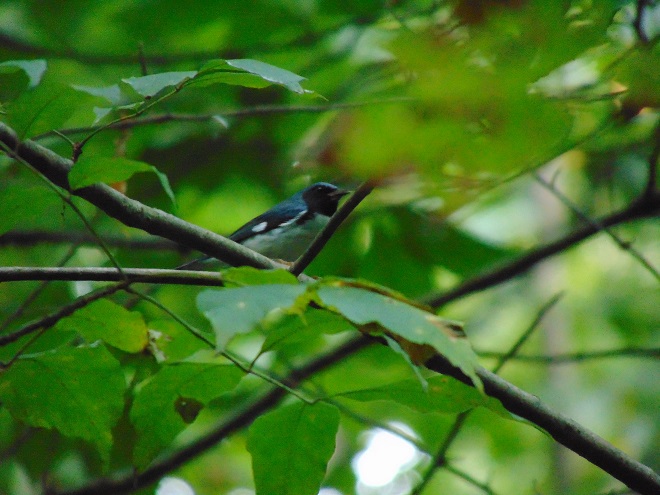
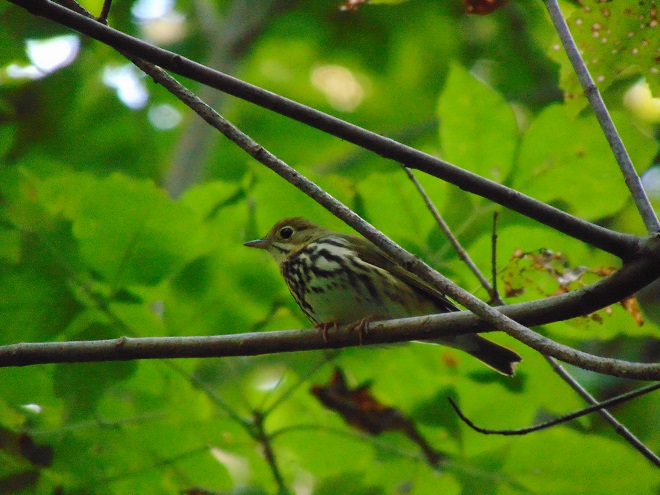
During a late afternoon stroll through a headwaters forest east of Conewago Falls outside Mount Gretna, I was pleased to finally come upon a noisy gathering of about two dozen birds. It had, previous to that, been a quiet two hours of walking, only the rumble of an approaching thunderstorm punctuated the silence. Among this little flock were some chickadees, robins, Gray Catbirds, an Eastern Towhee (Pipilo erythrophthalmus), and a Hairy Woodpecker (Dryobates villosus). Besides the catbirds, there were two other species of Neotropical migrants; both were warblers. No less than six Black-throated Blue Warblers (Setophaga caerulescens) were vying for positions in the trees from which they could investigate the stranger on the footpath below. And among the understory shrubs there were at least as many Ovenbirds (Seiurus aurocapilla) satisfying a similar curiosity.
The Black-throated Blue Warbler nests to the north of the lower Susquehanna valley, which it transits as a common spring and fall migrant. On their wintering grounds, they have a thing for warm weather and the better part of a P.B. & J. sandwich.Throughout the Susquehanna watershed, the Ovenbird is a common ground-nesting species in deciduous forests with moderately vegetated understories. The birds seen today may have been a family group that has not yet begun the journey south.
When they depart the Susquehanna valley, these two warbler species will be southbound for wintering ranges that include Florida, many of the Caribbean Islands, Central America, and, for the Ovenbirds, northern South America. Their flights occur at night. During the breeding season and while migrating, both feed primarily on insects and other arthropods . On the wintering grounds, they will consume some fruit. It is during their time in the tropics that the Black-throated Blue Warbler sometimes visits feeding stations that offer grape jelly, much to the delight of bird enthusiasts.
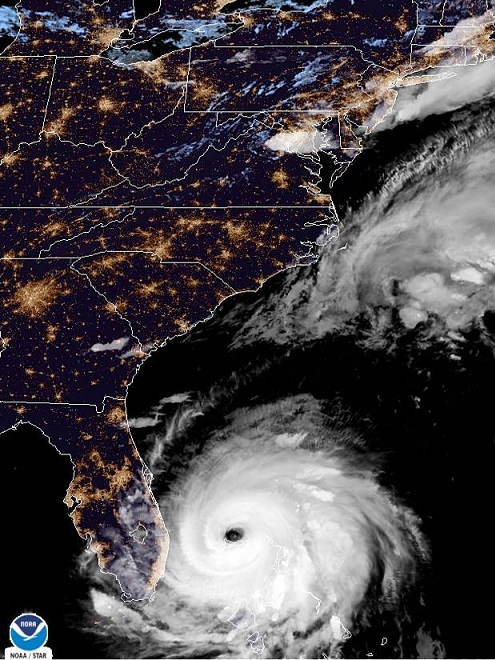
Black-throated Blue Warblers and Ovenbirds commonly winter on the Florida peninsula and in the Bahamas. With the major tropical cyclone Hurricane Dorian presently ripping through the region, these birds are better off taking their time getting there. There’s no need to hurry. The longer they and the other Neotropical migrants hang around, the more we get to enjoy them anyway. So get out there to see them before they go—and remember to look up.
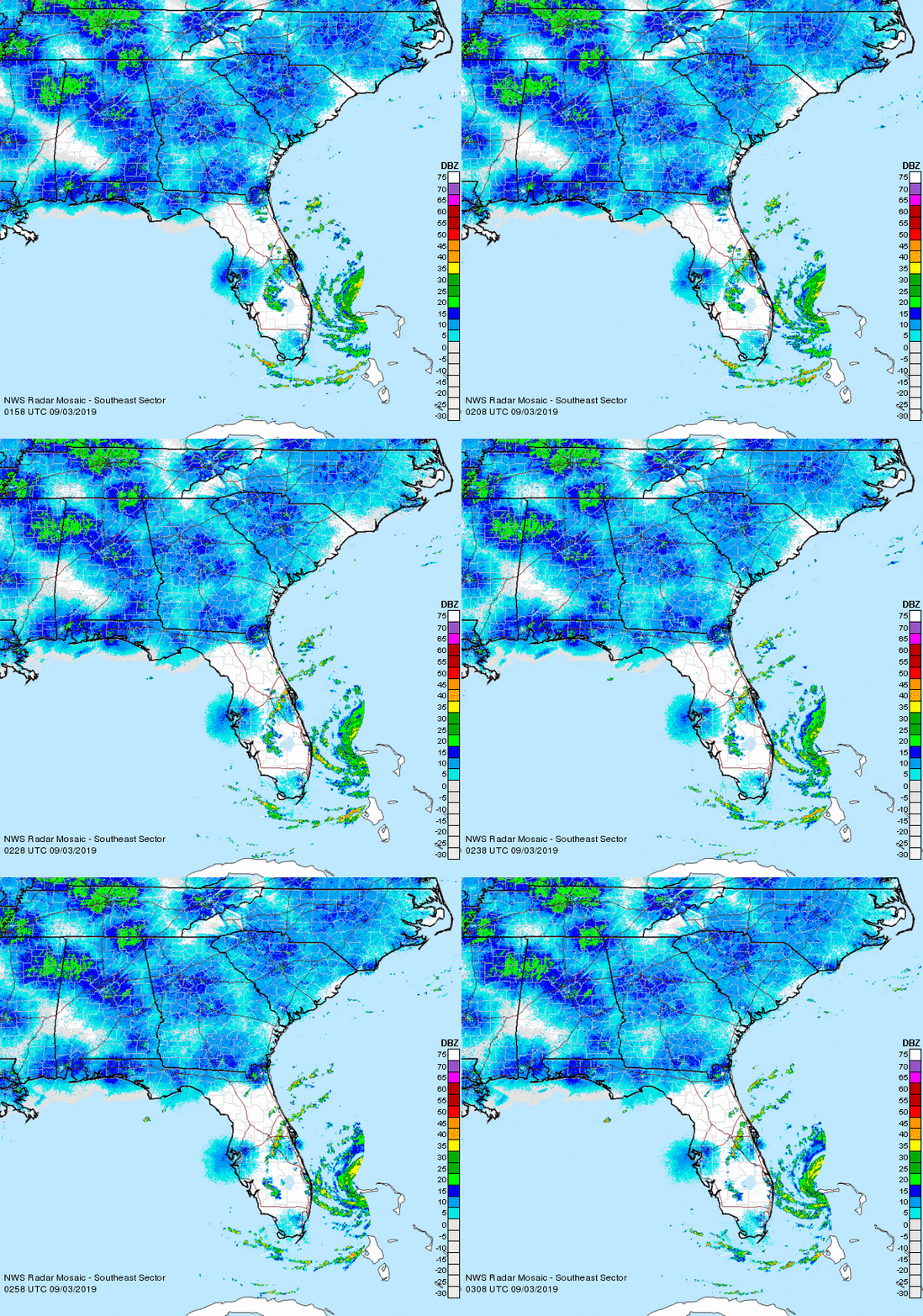
Category 4 Hurricane Dorian at 9:06 EDT on September 2, 2019. If you’re headed that direction, there’s no need to hurry. Note the cloud-free skies over much of the mainland. (NOAA National Environmental Satellite, Data, and Information Service image)A massive bird migration is indicated on Doppler radar in the clear skies over the eastern United States tonight (blue and green over most of the mainland). In this loop of composite radar images from the southeastern states, note the relative absence of a flight over the Florida peninsula where the outer precipitation bands of Hurricane Dorian can be seen. Note too that there appears to be a heavy concentration of birds flying in a southwest direction to cross the Gulf of Mexico, thus continuing their journey to Central or South America while avoiding the deadly hurricane and a much smaller tropical disturbance off the shores of Texas and Tamaulipas, Mexico. (NOAA/National Weather Service image)