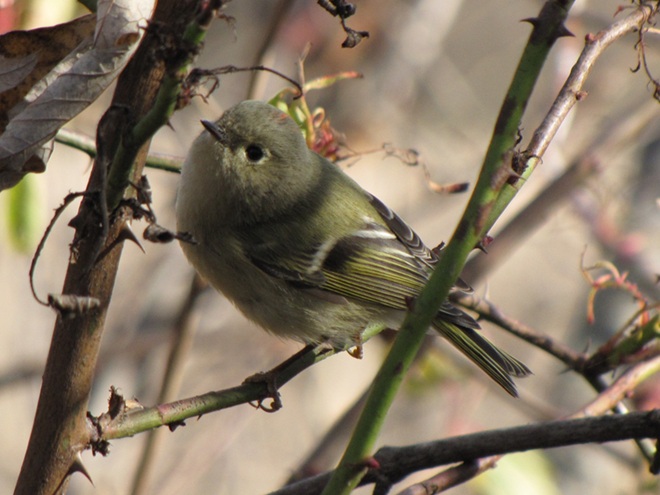
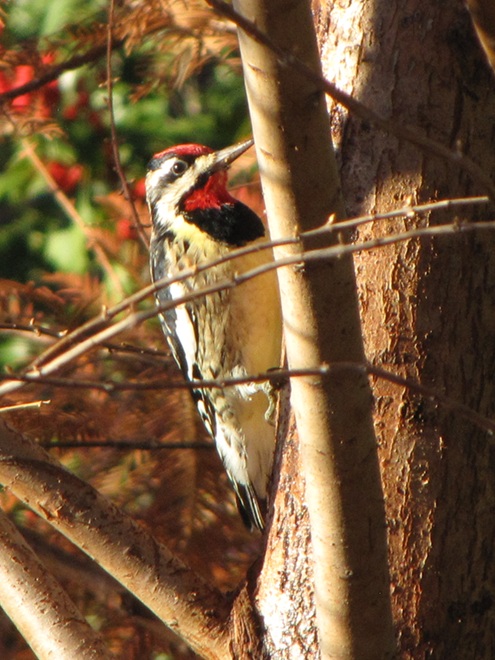
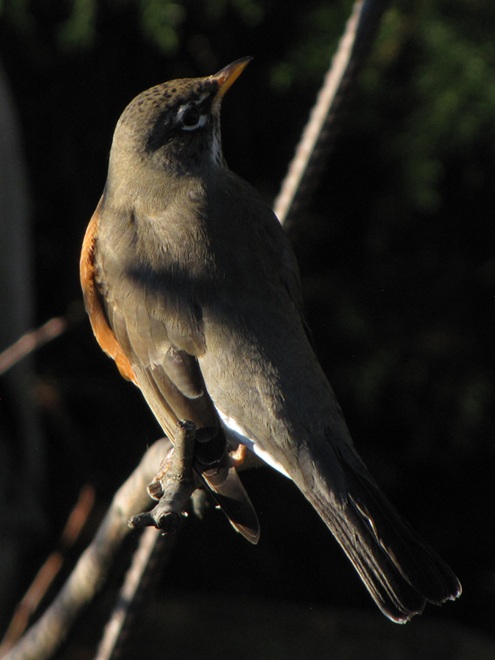
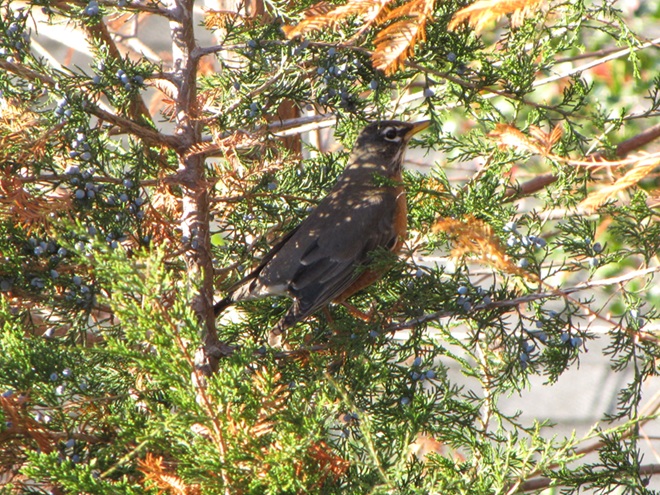
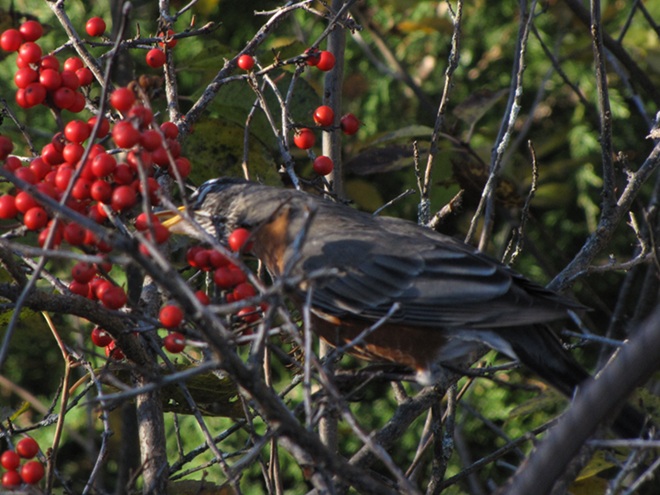
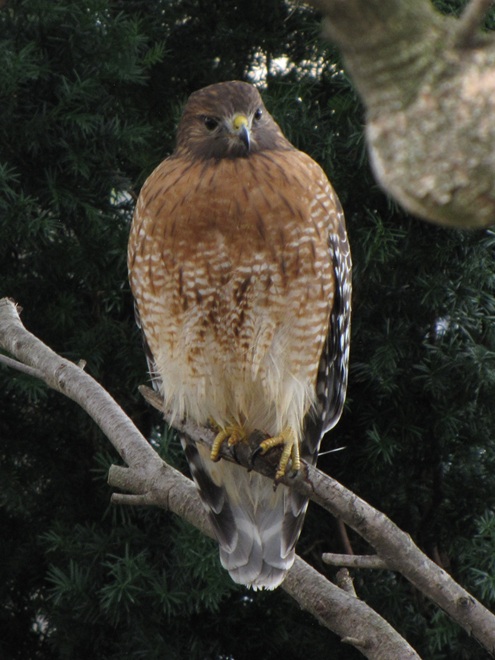
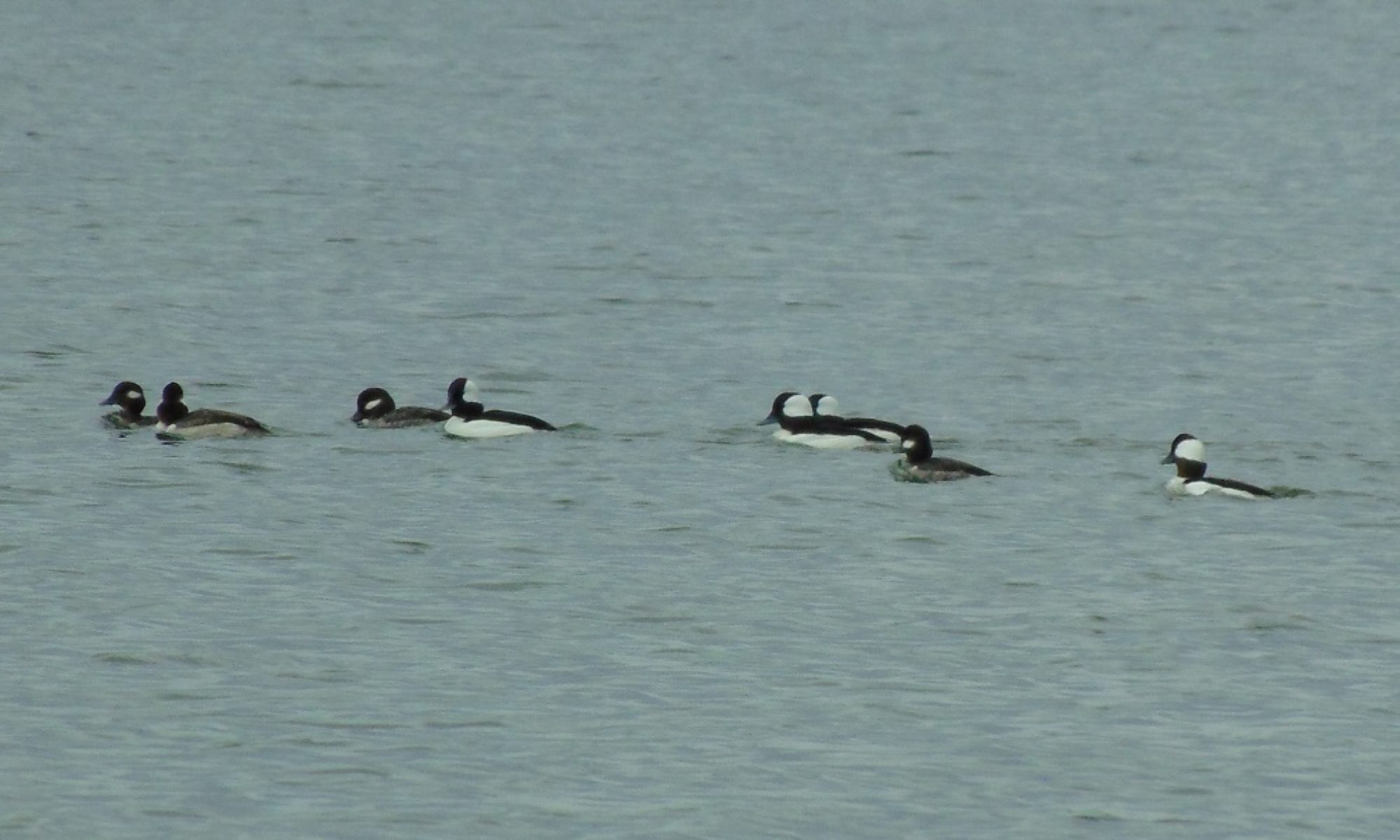
Here are a few more late-season migrants you might currently see passing through the lower Susquehanna valley. Where adequate food and cover are available, some may remain into part or all of the winter…
LIFE IN THE LOWER SUSQUEHANNA RIVER WATERSHED
A Natural History of Conewago Falls—The Waters of Three Mile Island
Here are a few more late-season migrants you might currently see passing through the lower Susquehanna valley. Where adequate food and cover are available, some may remain into part or all of the winter…
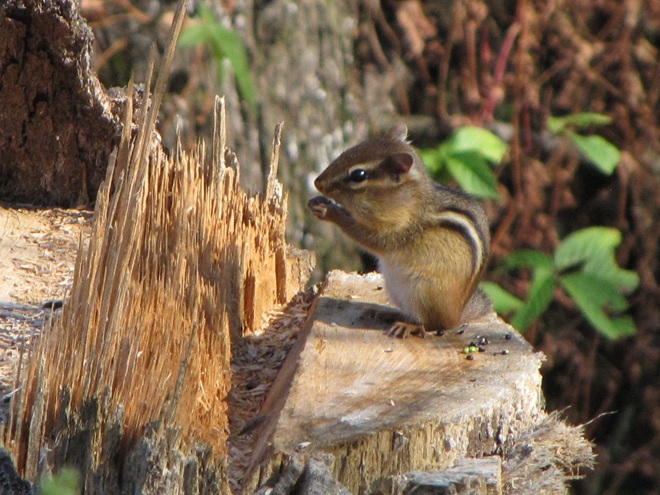
Having experienced our first frost throughout much of the lower Susquehanna valley last night, we can look forward to seeing some changes in animal behavior and distribution in the days and weeks to come. Here are a few examples…
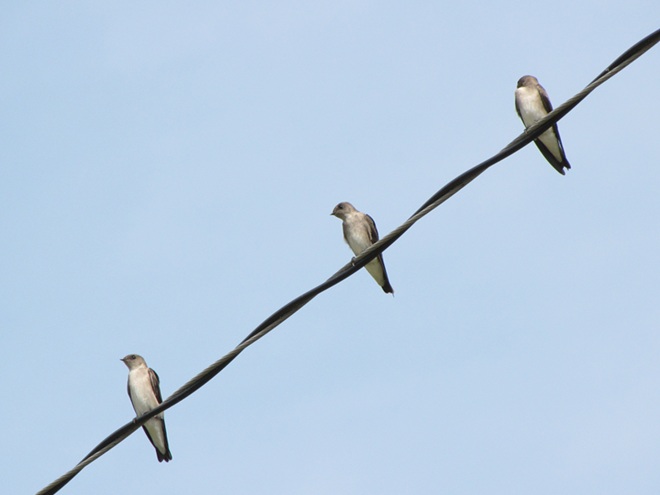
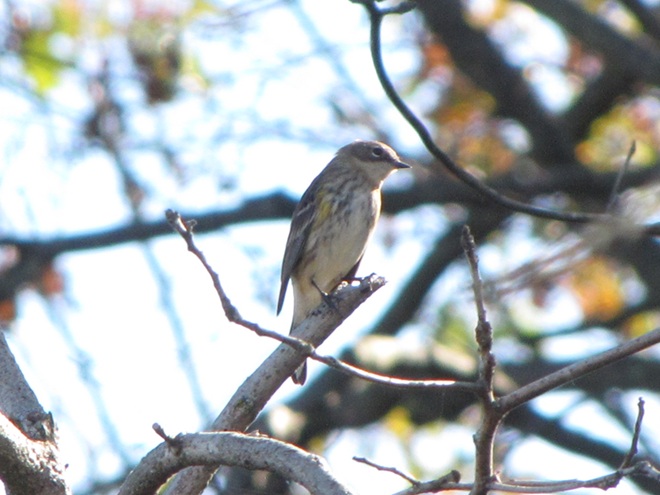
Crisp cool nights have the Neotropical birds that visit our northern latitudes to nest during the summer once again headed south for the winter.
Flying through the night and zipping through the forest edges at sunrise to feed are the many species of migrating vireos, warblers, and other songbirds.


As the nocturnal migrants fade into the foliage to rest for the day, the movement of diurnal migrants picks up the pace.


To find a hawk-counting station near you, check out our “Hawkwatcher’s Helper: Identifying Bald Eagles and other Diurnal Raptors” page by clicking the tab at the top of this page. And plan to spend some time on the lookout during your visit, you never know what you might see…

Despite what seemed to be a chilly early spring, the bright green leaves that unfold to close the canopy of our deciduous forests were dense and casting shade by the last days of April. For northbound migrants, this fresh foliage provides the cover they need for foraging, resting, and, for those that will stick around to breed in the lower Susquehanna valley, nesting.
We recall many occasions when sparse foliage during the first days of May seemed to delay the big push of Neotropical species, but the seasonal arrival of these birds in 2025 is thus far mostly ahead of schedule. This absence of delay is due in part to the lushness of the oaks. Some stands have not only leafed out, but are finished flowering and have added up to 12 inches of new branch growth. We spent these early hours of May among the oaks. Here’s a look at the Neotropical migrants and other species we found…


The movements of our migratory birds typically continue through much of the month of May. And peak numbers of Neotropical species often occur sometime during the second week of the month. But with habitat at the ready, favorable flight conditions could facilitate quick arrival and/or passage of the bulk of the remaining migrants during the coming week. You may want to venture out sooner rather than later—but watch your step!


During the past week, Uncle Tyler Dyer has been out searching for autumn leaves to add to his collection. One of the species he had not encountered in previous outings was the American Elm (Ulmus americana), so he made a special trip to see a rare mammoth specimen in a small neighborhood park (Park Place) along Chestnut Street between 5th and Quince Streets in Lebanon, Pennsylvania.


There’s still time to get out and see autumn foliage. With warmer weather upon us—at least temporarily—it’s a good time to go for a stroll. Who knows, you might find some spectacular leaves like these collected by Uncle Ty earlier this week. All were found adorning native plants!


Have you purchased your 2023-2024 Federal Duck Stamp? Nearly every penny of the 25 dollars you spend for a duck stamp goes toward habitat acquisition and improvements for waterfowl and the hundreds of other animal species that use wetlands for breeding, feeding, and as migration stopover points. Duck stamps aren’t just for hunters, purchasers get free admission to National Wildlife Refuges all over the United States. So do something good for conservation—stop by your local post office and get your Federal Duck Stamp.
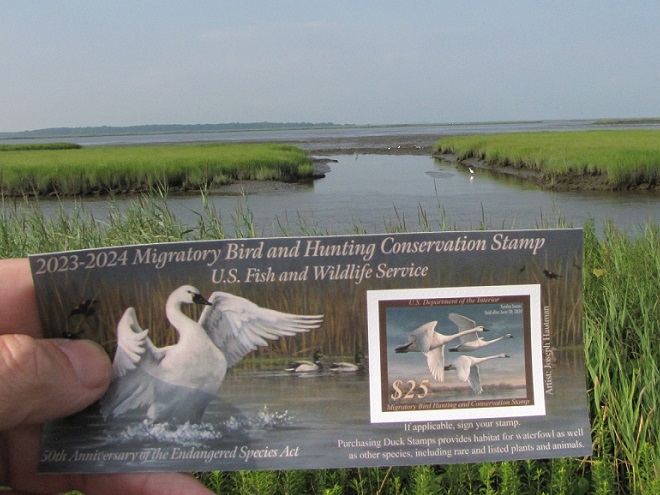
Still not convinced that a Federal Duck Stamp is worth the money? Well then, follow along as we take a photo tour of Bombay Hook National Wildlife Refuge. Numbers of southbound shorebirds are on the rise in the refuge’s saltwater marshes and freshwater pools, so we timed a visit earlier this week to coincide with a late-morning high tide.
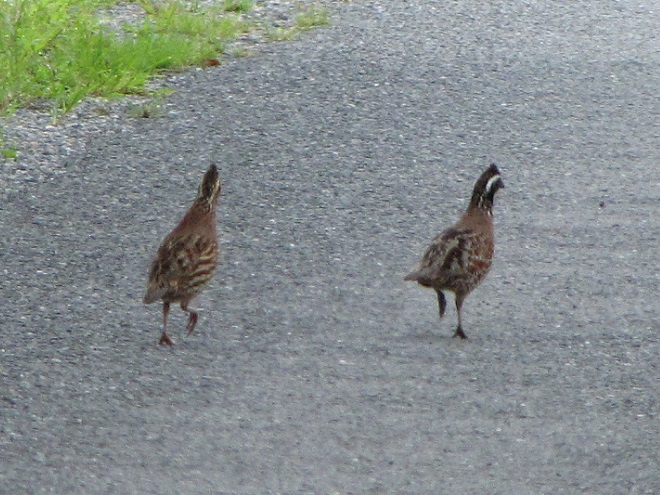
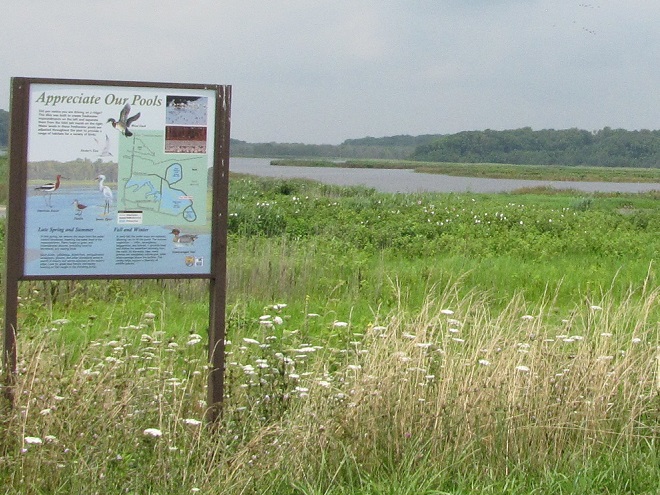
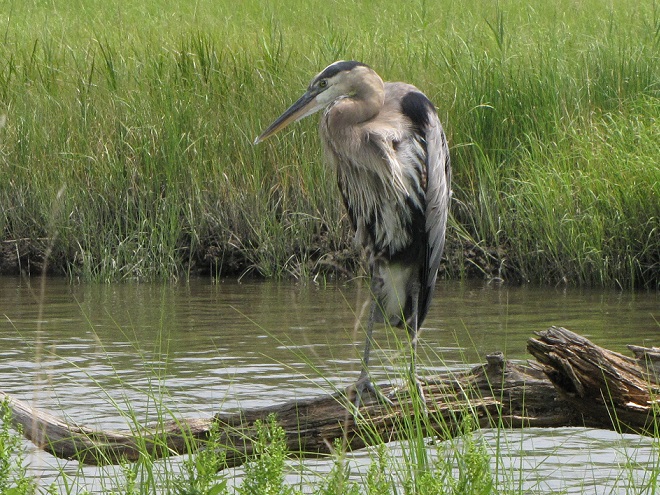
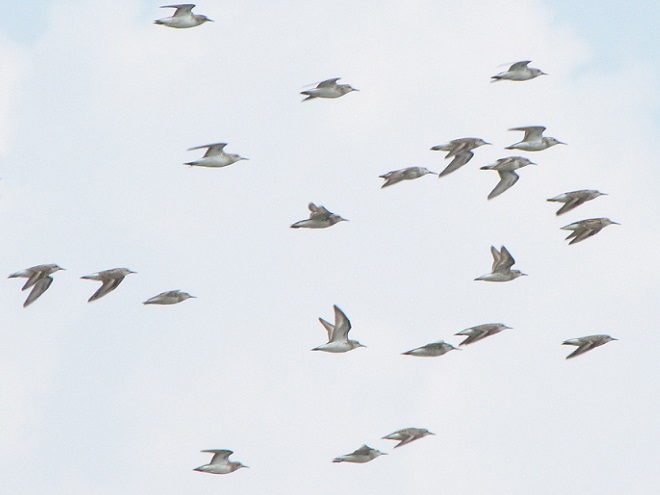
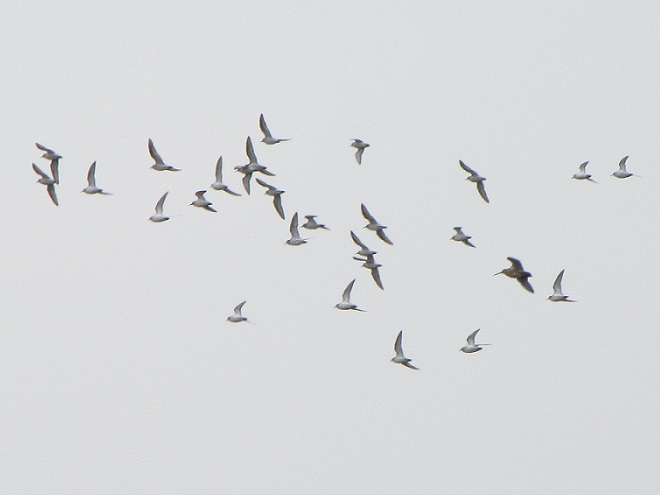
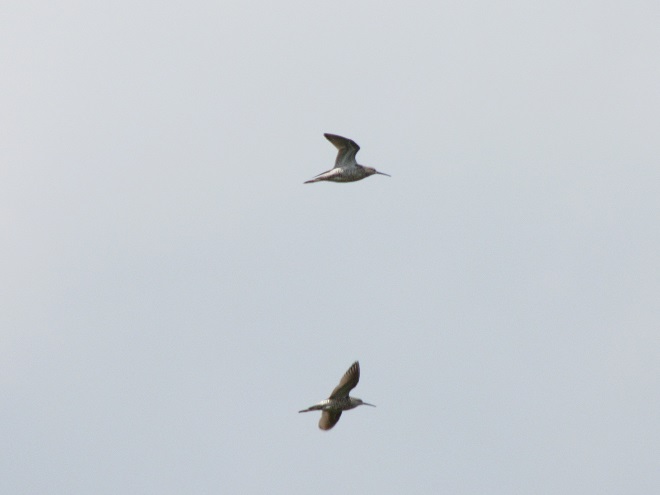
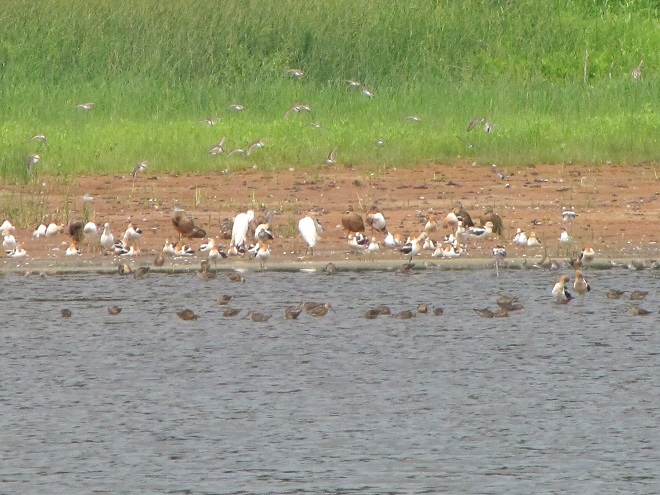
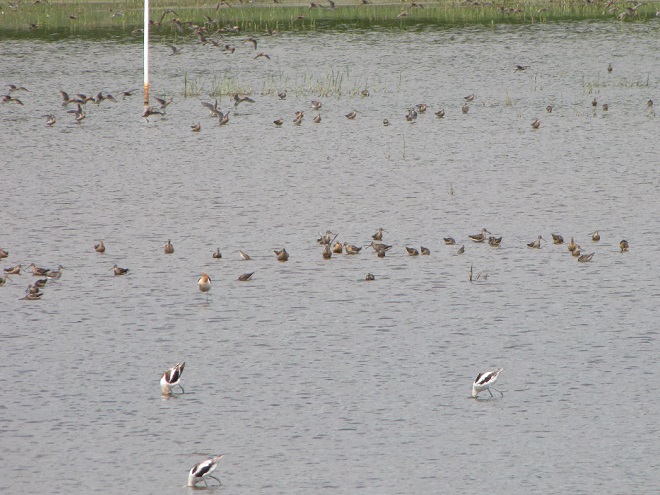
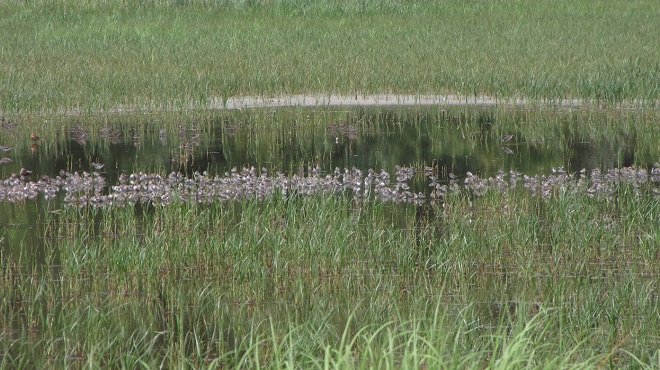
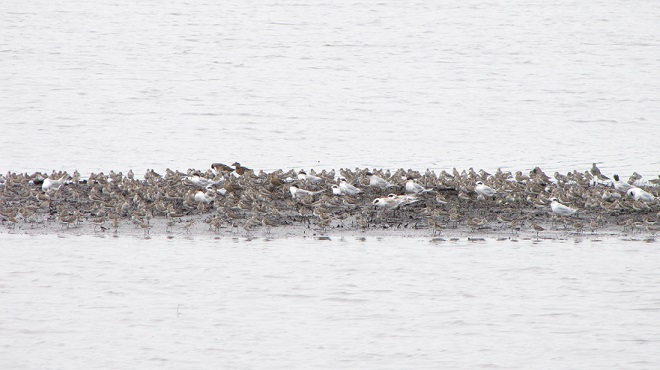
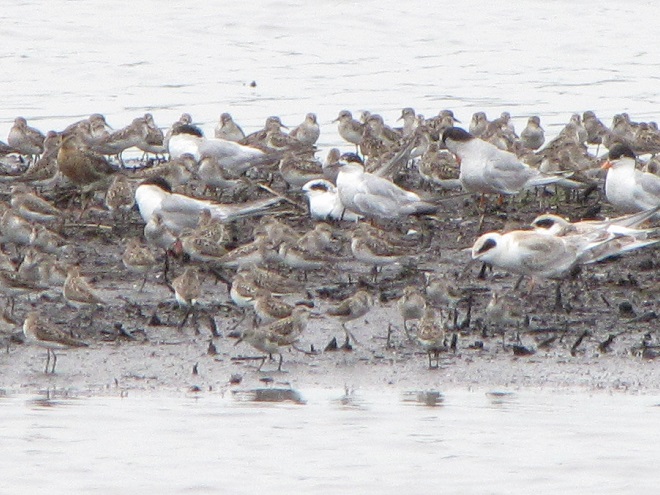
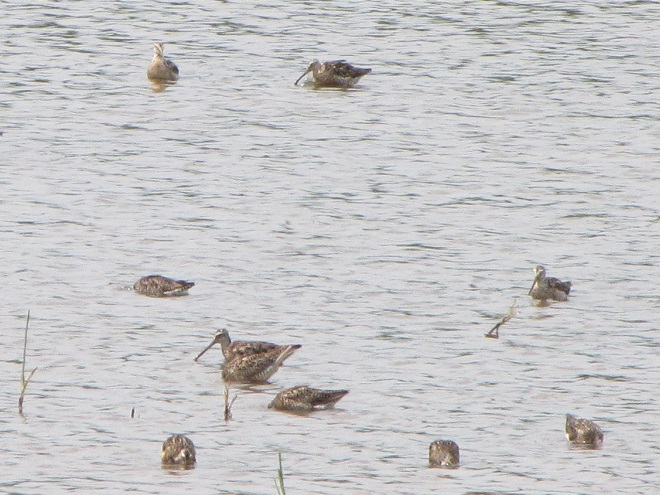
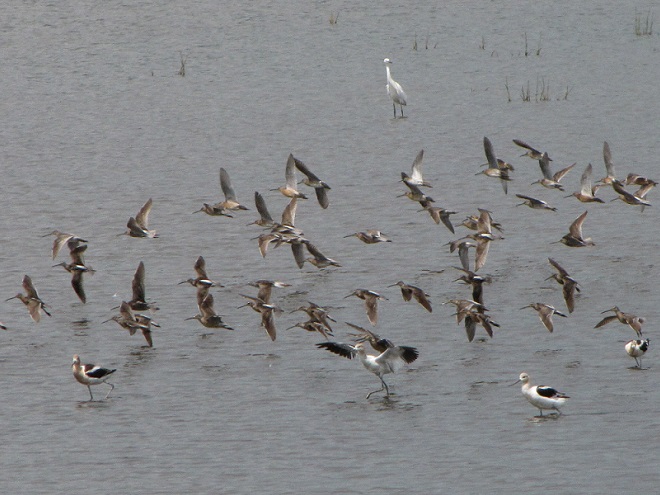
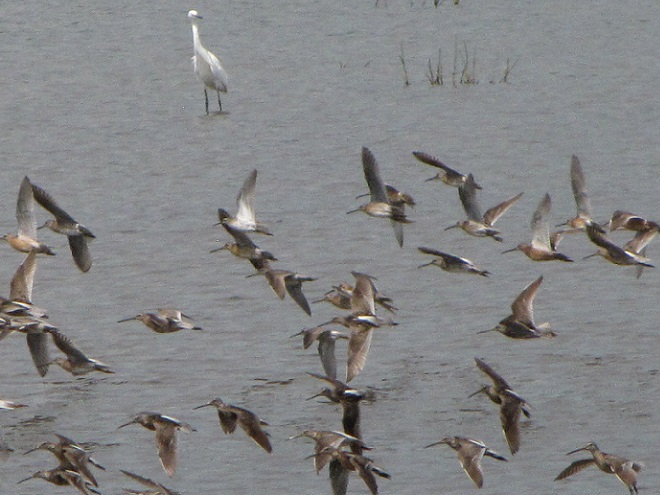
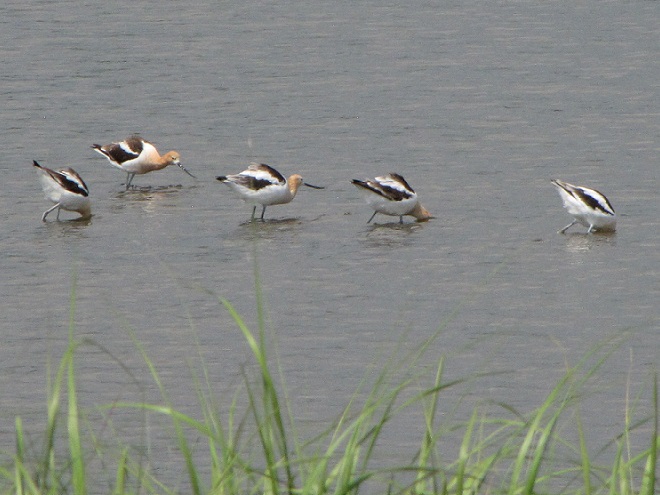
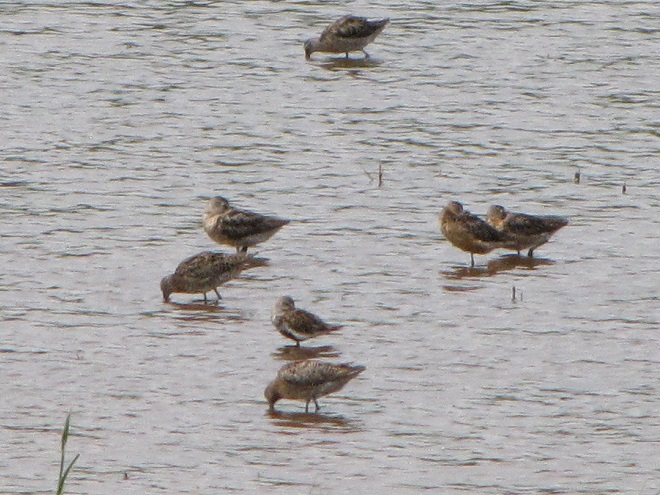
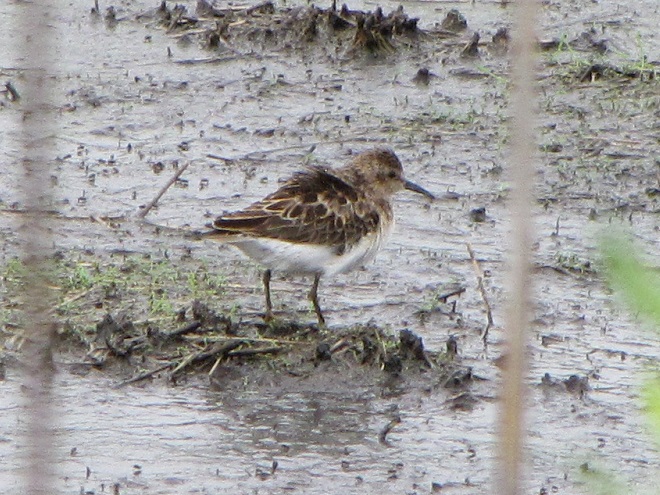
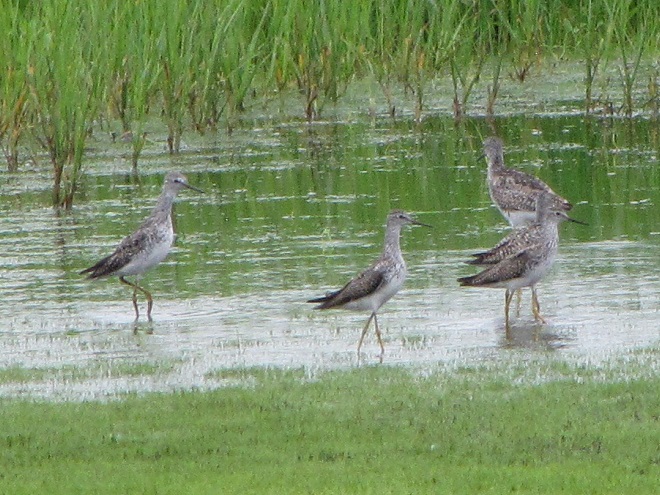
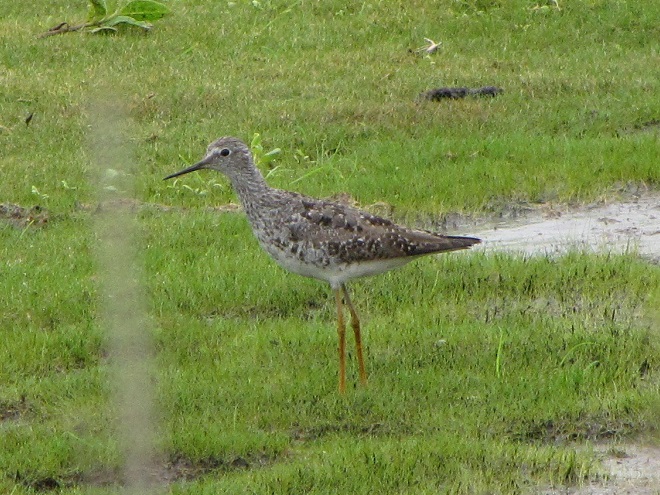
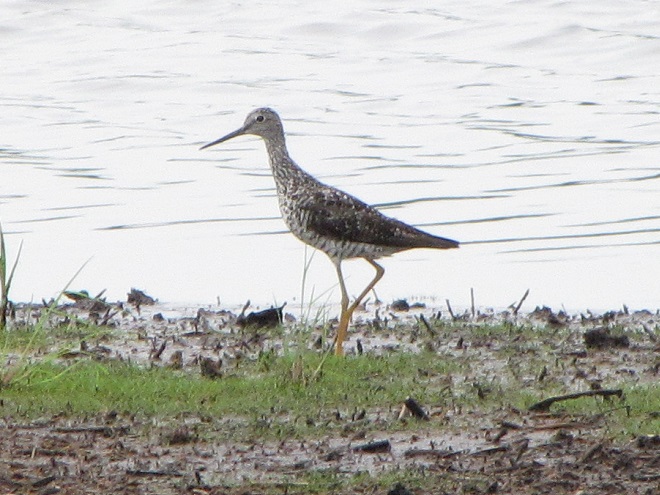
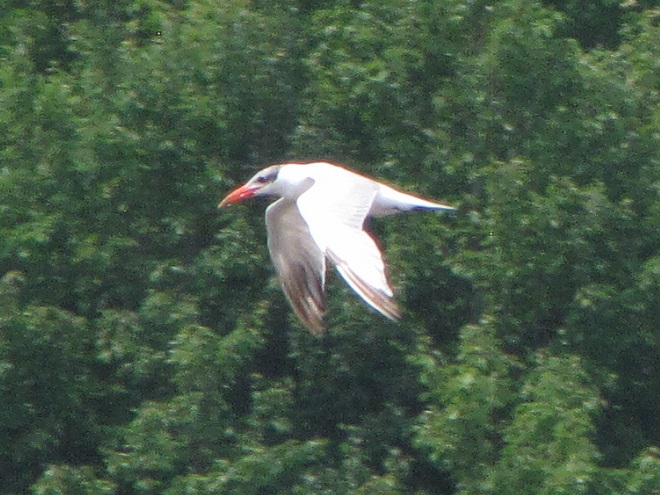
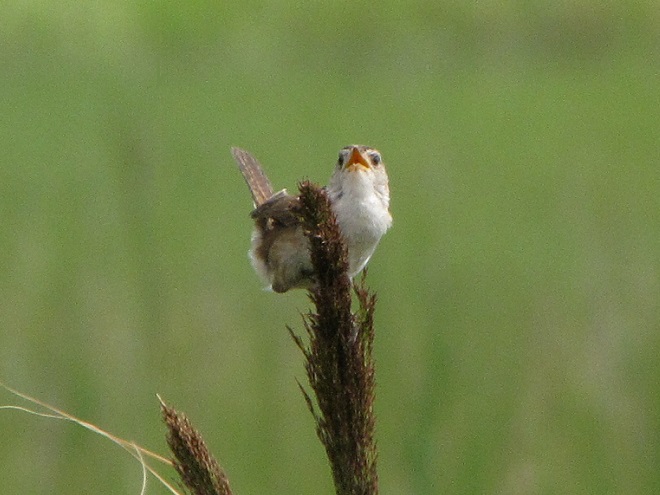
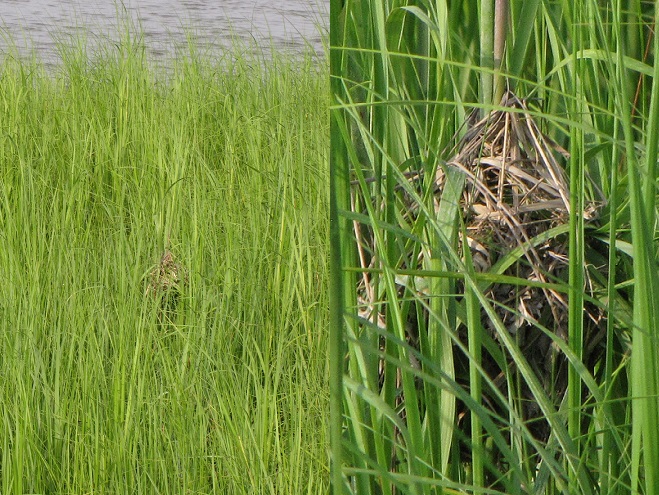
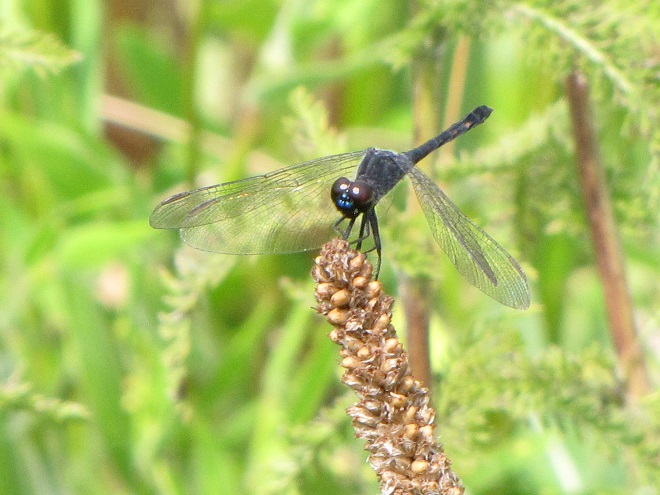
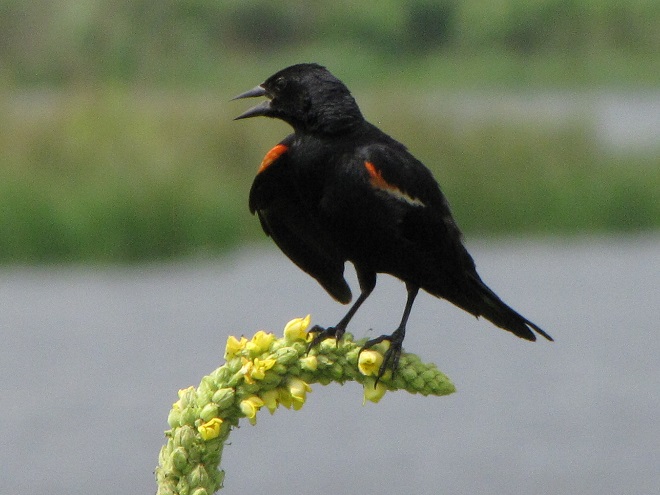
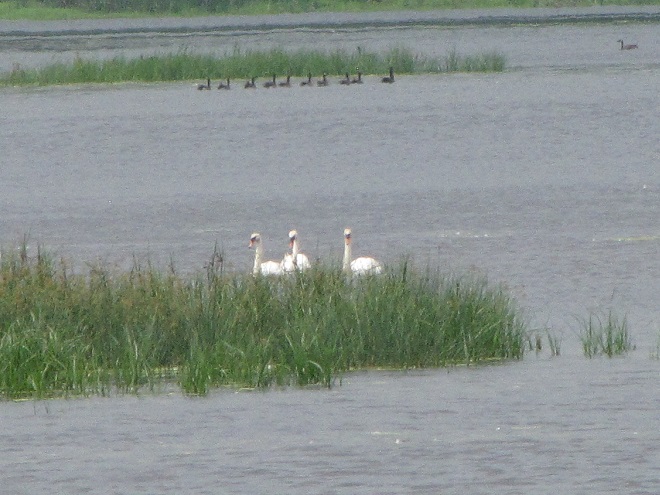
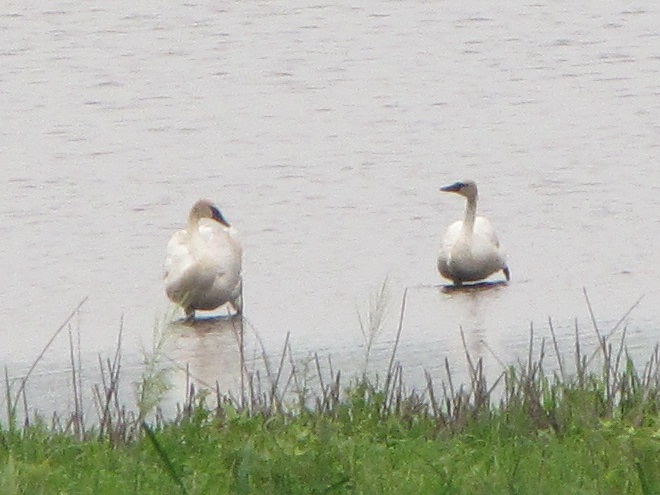
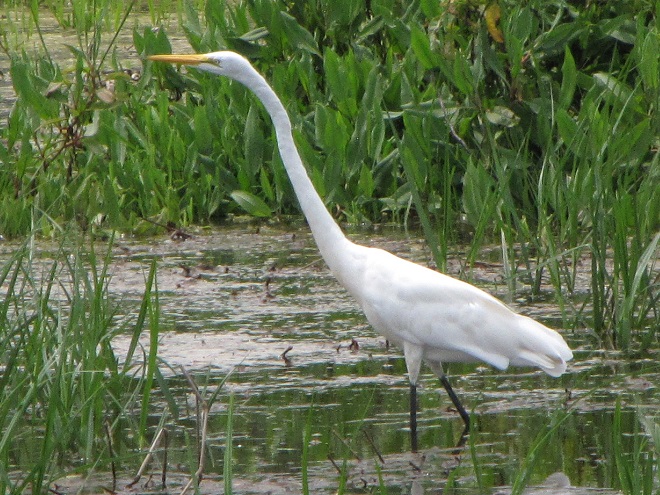
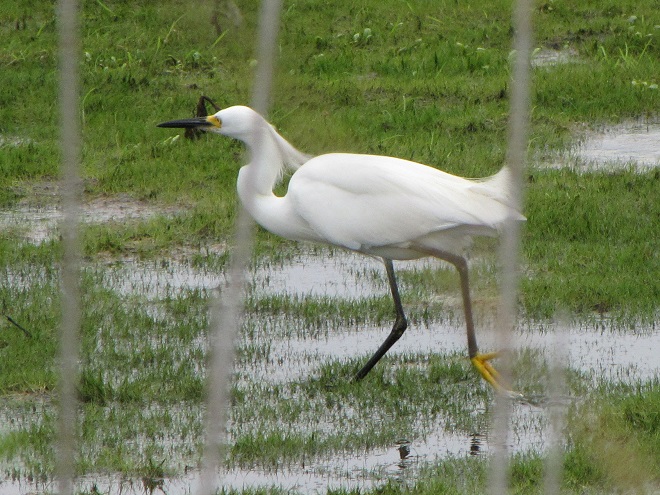
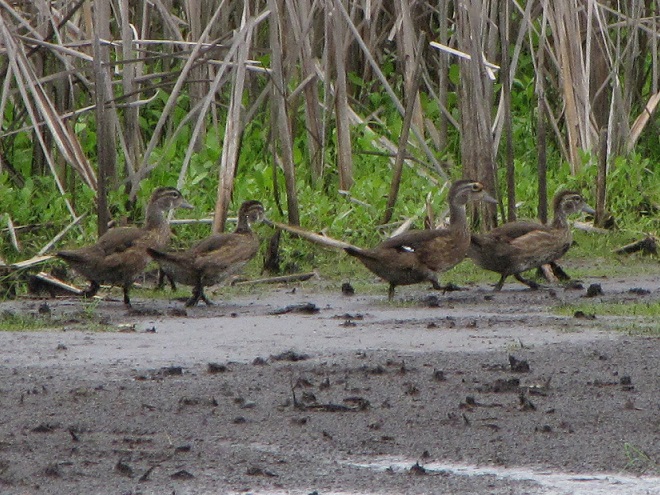
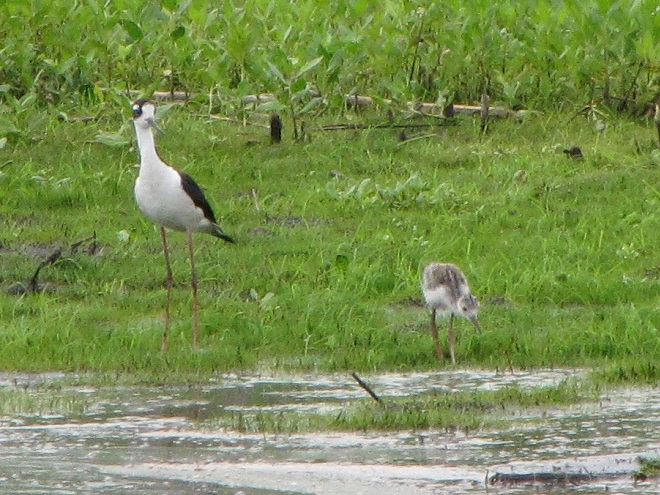
As the tide recedes, shorebirds leave the freshwater pools to begin feeding on the vast mudflats exposed within the saltwater marshes. Most birds are far from view, but that won’t stop a dedicated observer from finding other spectacular creatures on the bay side of the tour route road.
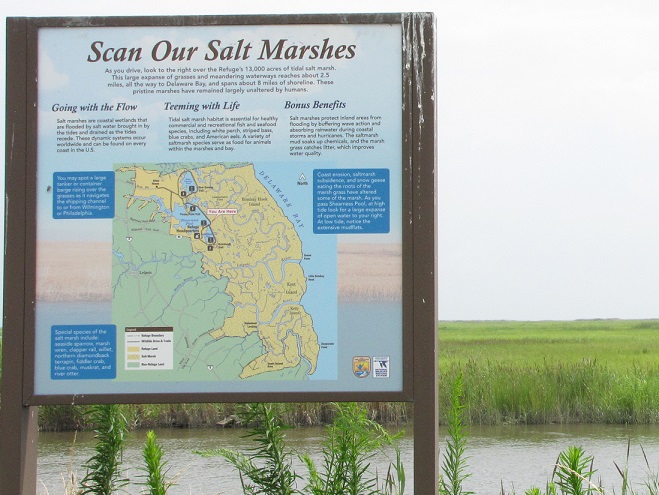
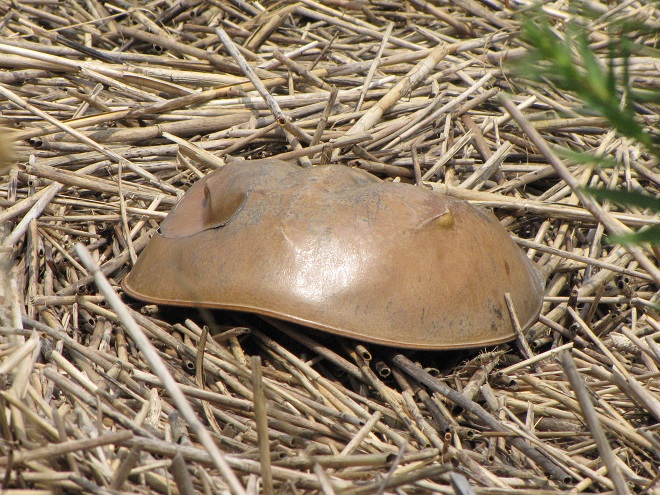
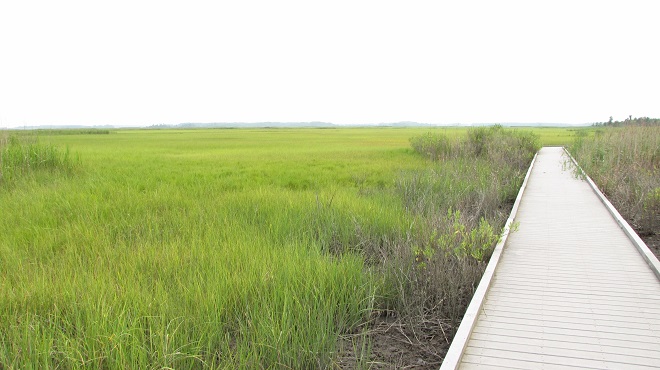
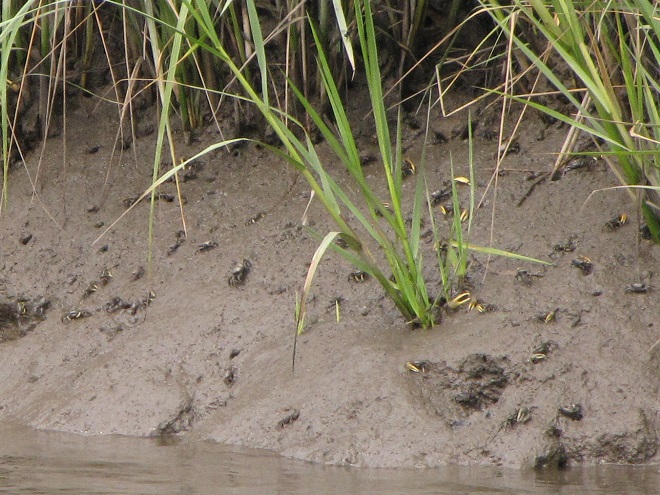
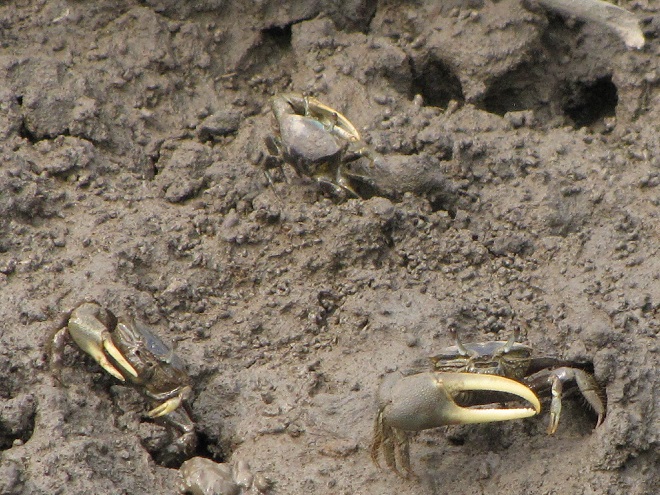
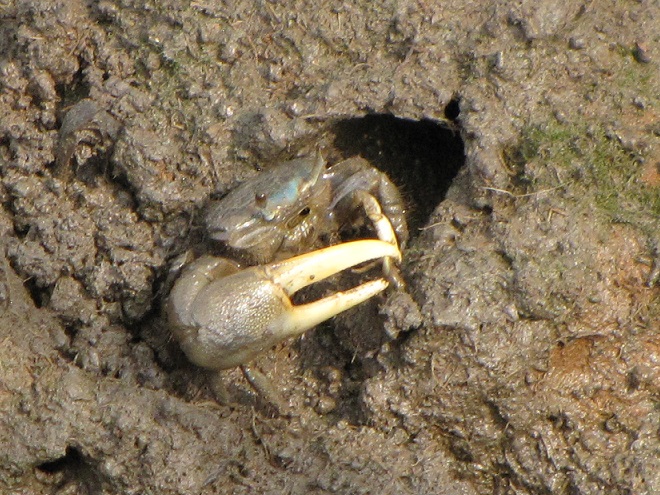

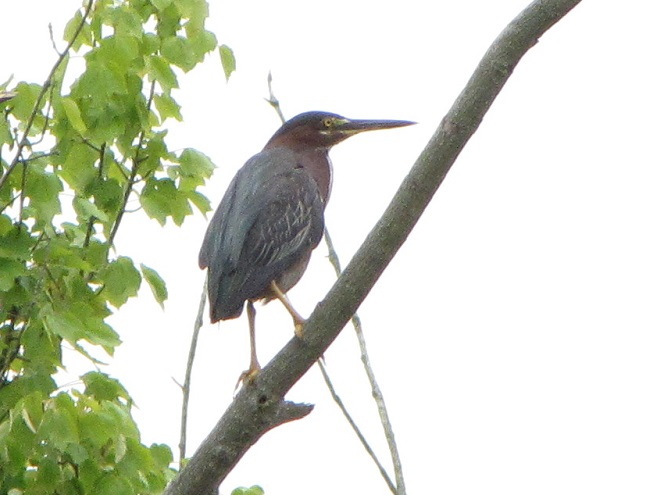
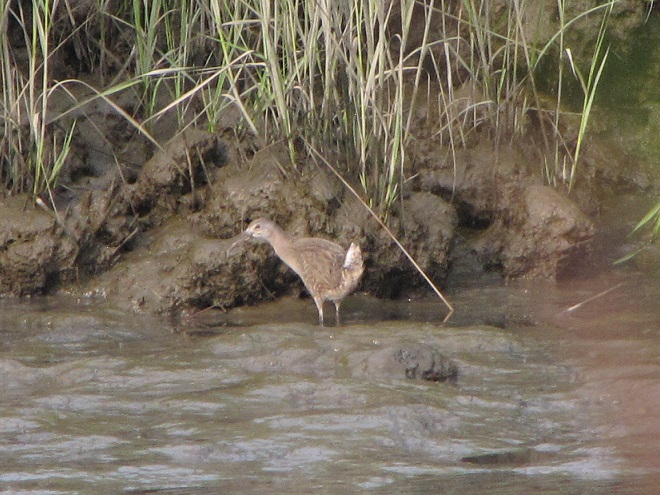
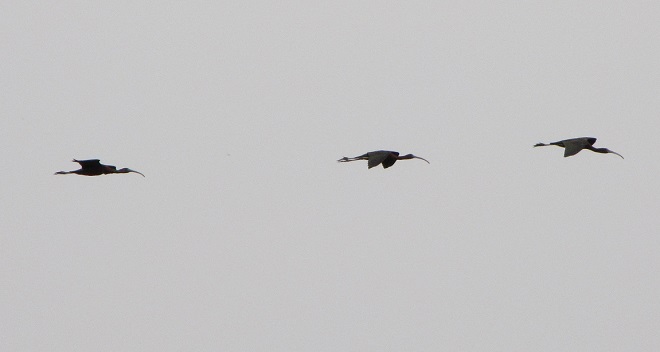
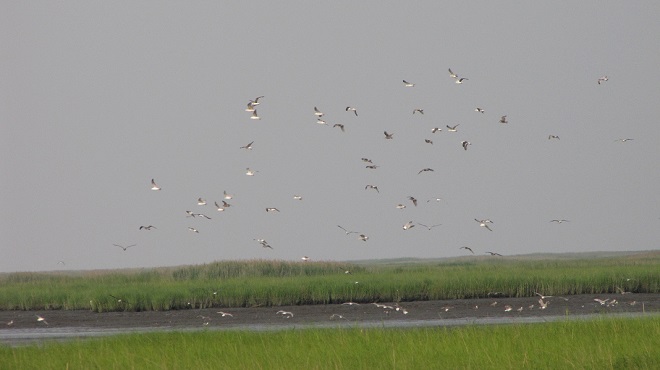
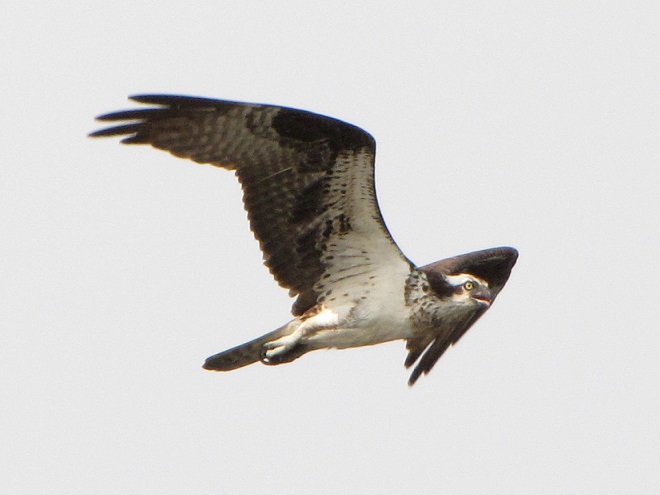
No visit to Bombay Hook is complete without at least a quick loop through the upland habitats at the far end of the tour route.
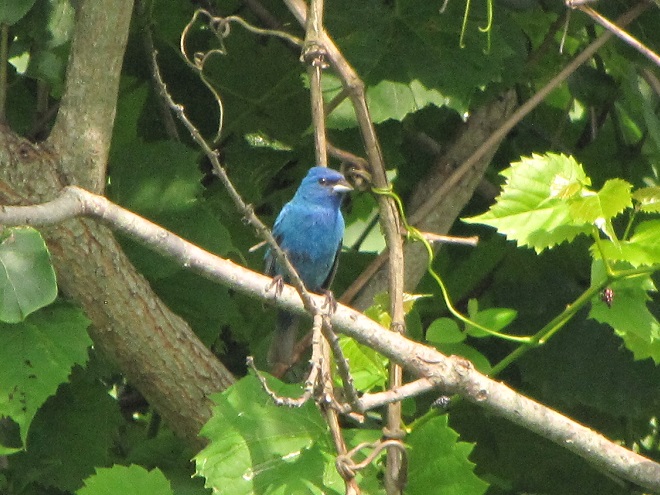
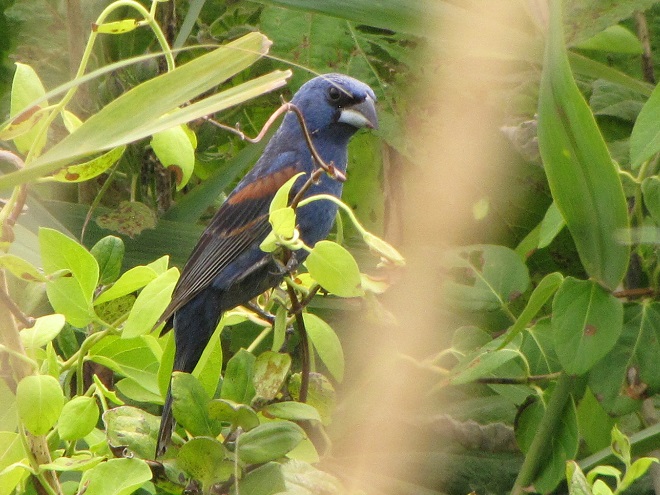
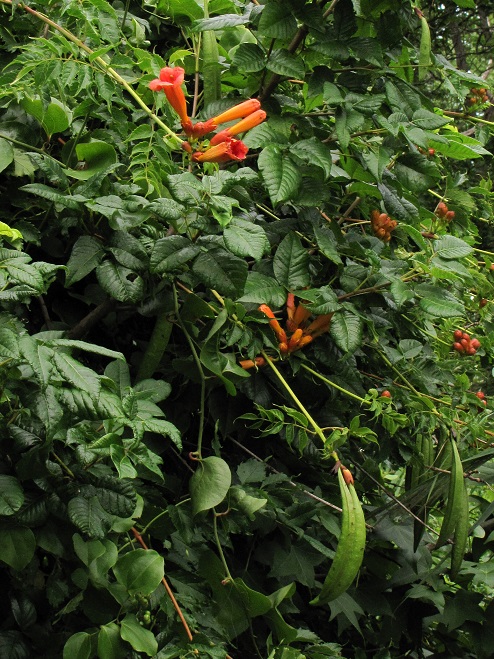
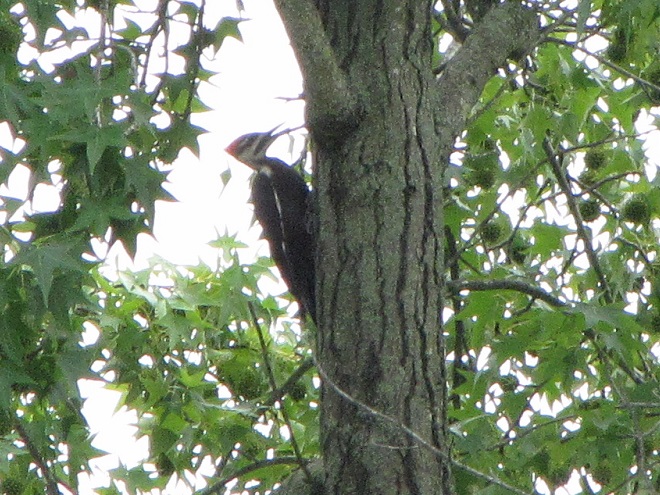
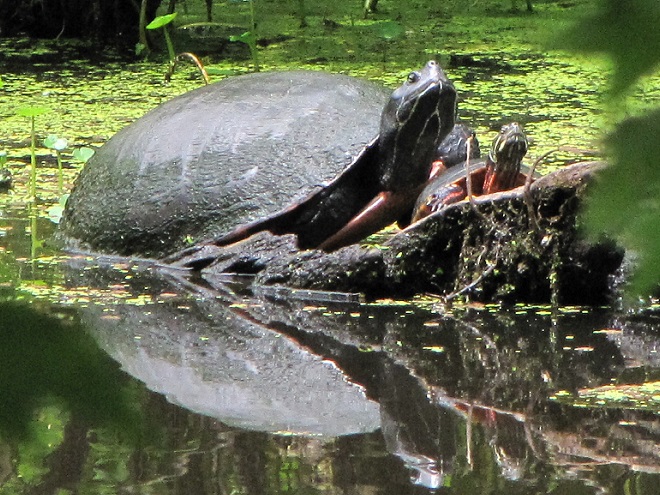
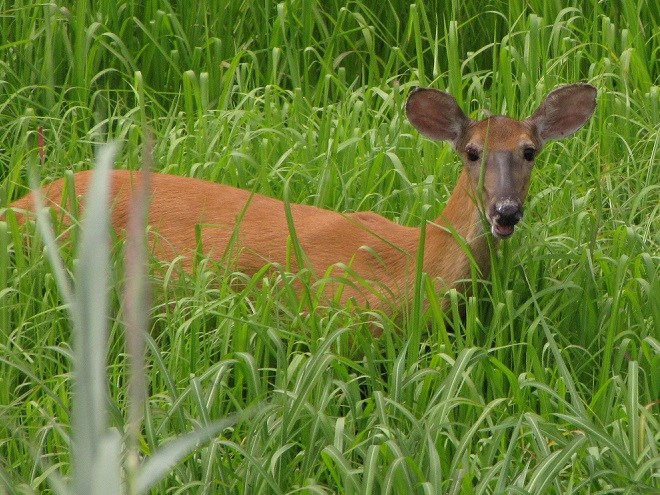
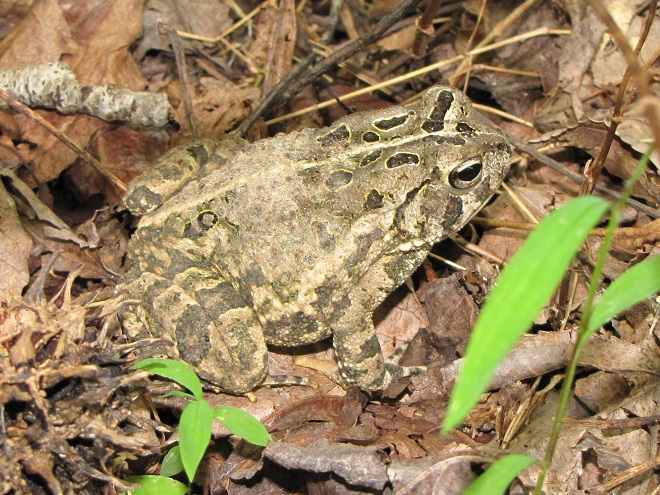
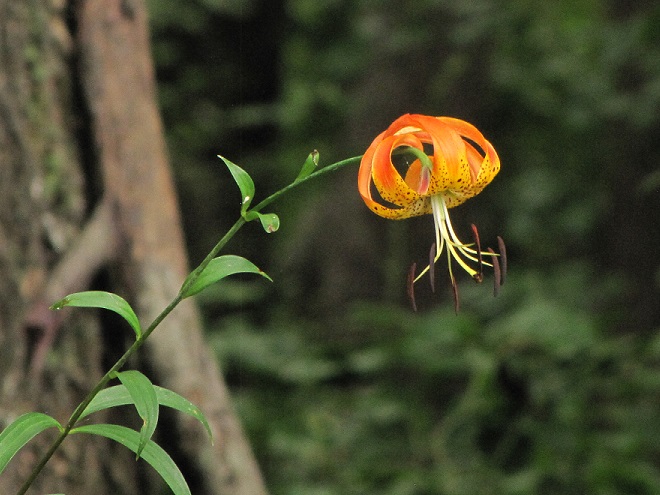
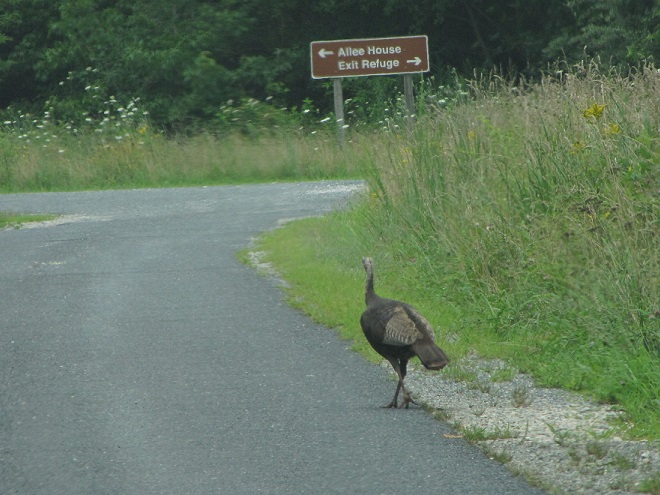
We hope you’ve been convinced to visit Bombay Hook National Wildlife Refuge sometime soon. And we hope too that you’ll help fund additional conservation acquisitions and improvements by visiting your local post office and buying a Federal Duck Stamp.

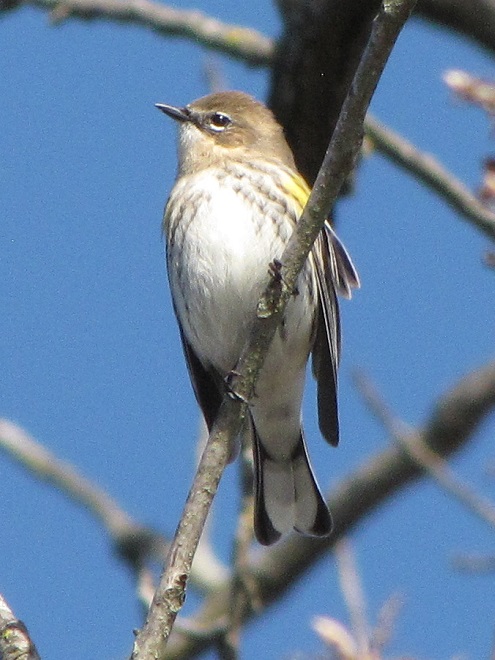
Thoughts of October in the Lower Susquehanna River Watershed bring to mind scenes of brilliant fall foliage adorning wooded hillsides and stream courses, frosty mornings bringing an end to the growing season, and geese and other birds flying south for the winter.
The autumn migration of birds spans a period equaling nearly half the calendar year. Shorebirds and Neotropical perching birds begin moving through as early as late July, just as daylight hours begin decreasing during the weeks following their peak at summer solstice in late June. During the darkest days of the year, those surrounding winter solstice in late December, the last of the southbound migrants, including some hawks, eagles, waterfowl, and gulls, may still be on the move.
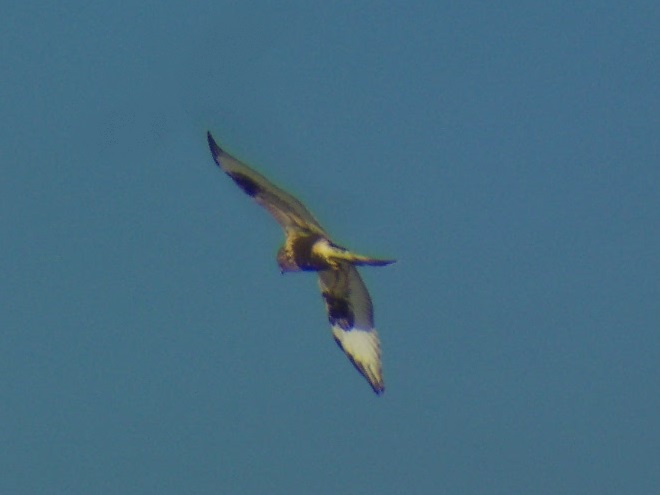
During October, there is a distinct change in the list of species an observer might find migrating through the lower Susquehanna valley. Reduced hours of daylight and plunges in temperatures—particularly frost and freeze events—impact the food sources available to birds. It is during October that we say goodbye to the Neotropical migrants and hello to those more hardy species that spend their winters in temperate climates like ours.
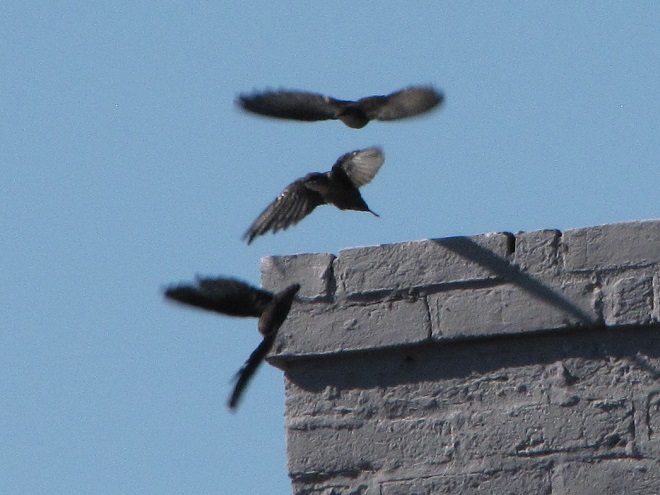
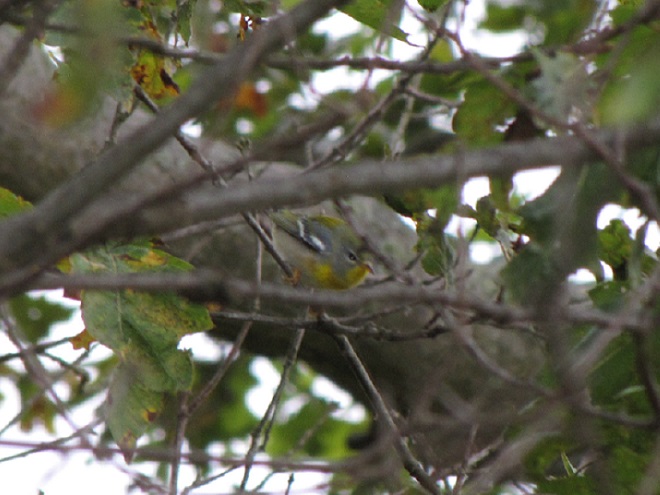
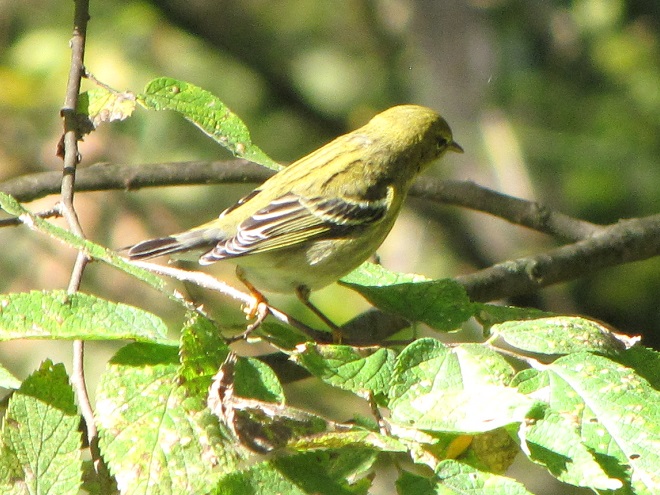
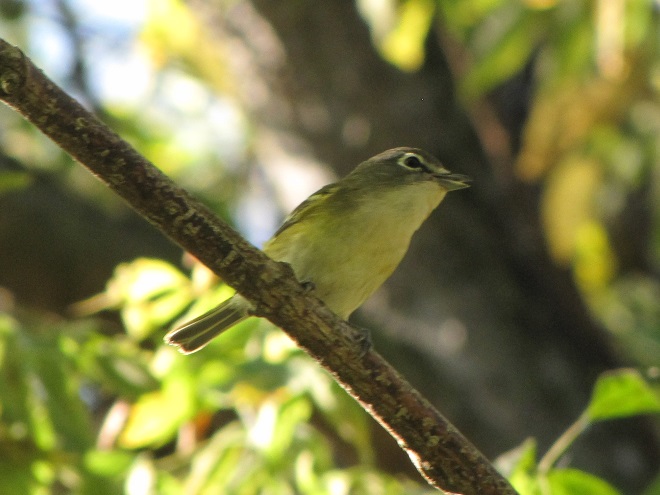
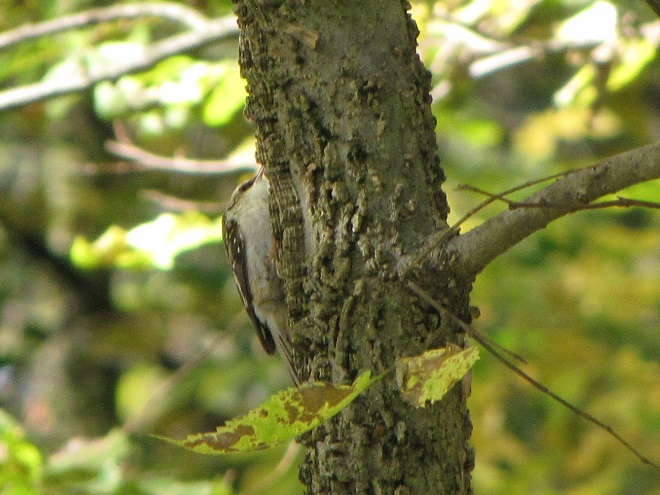
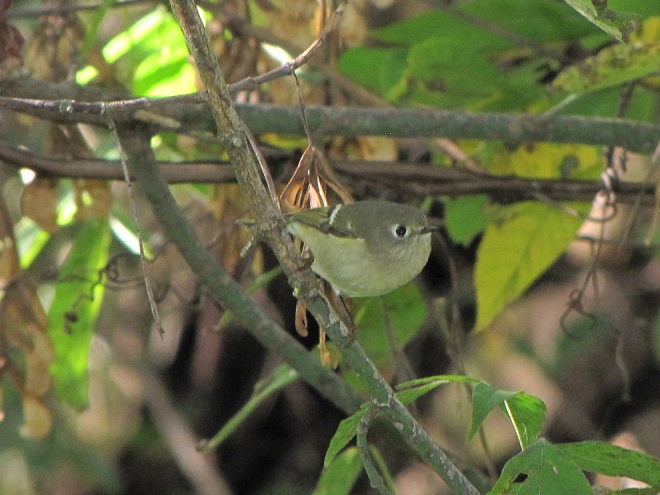

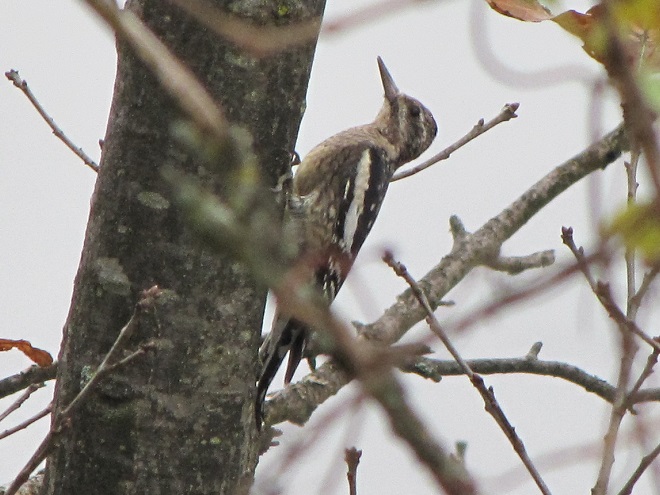
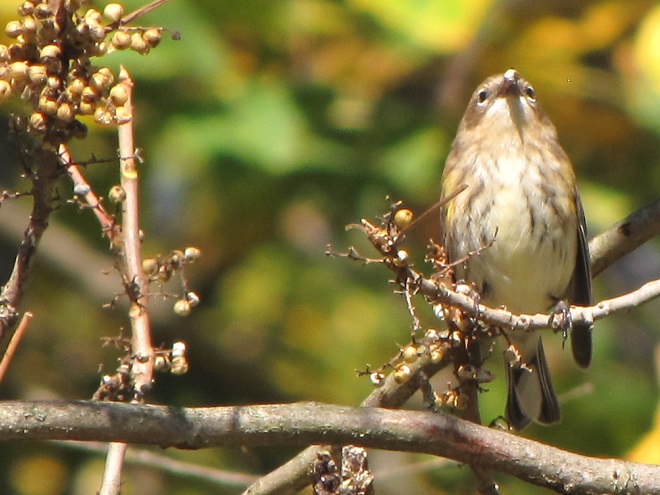
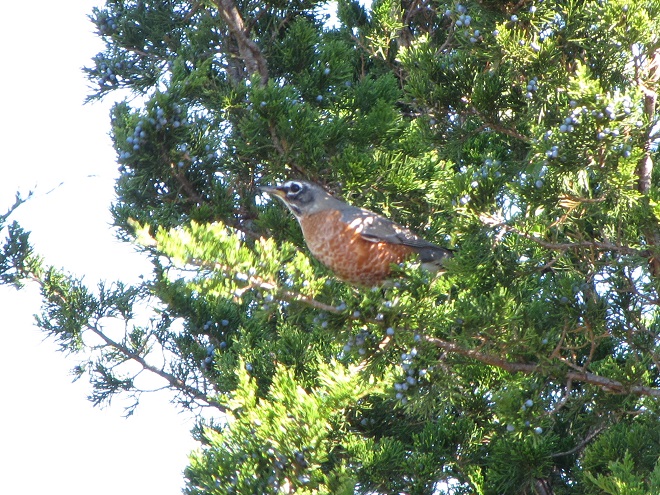
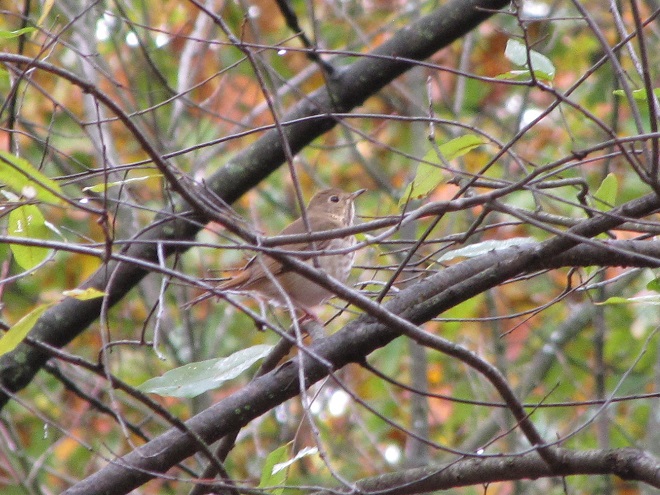
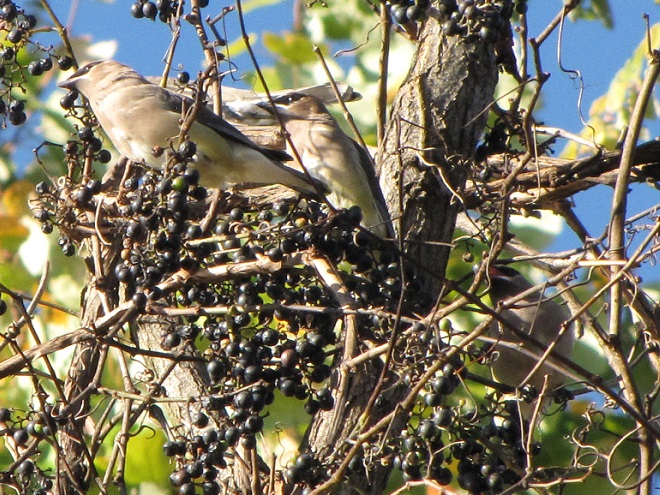
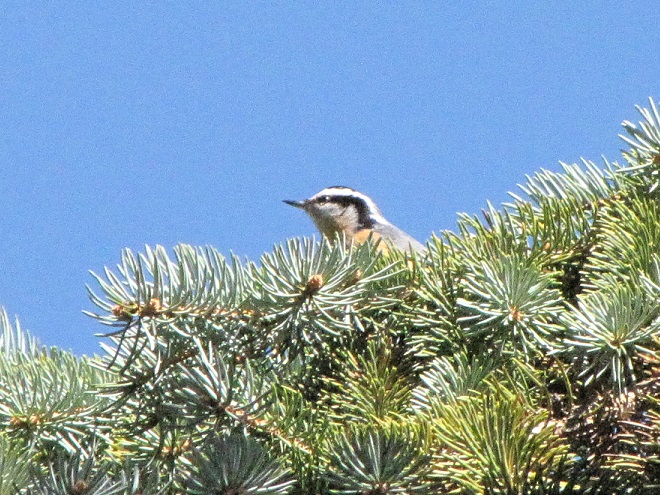
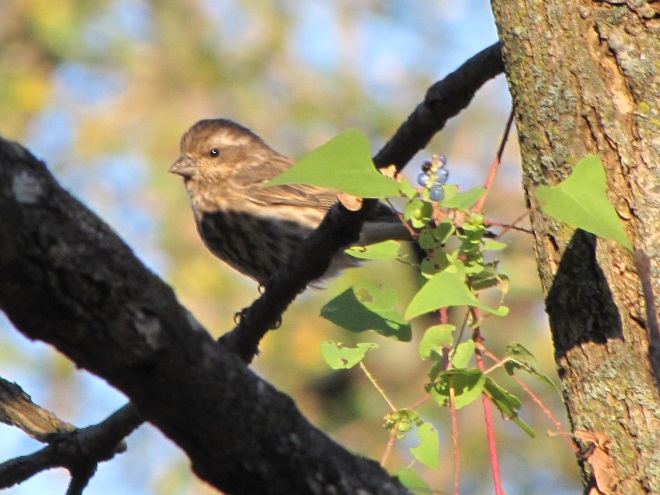
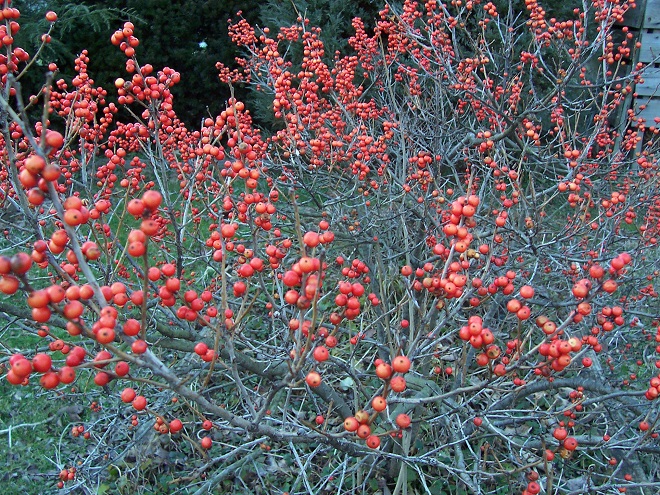
The need for food and cover is critical for the survival of wildlife during the colder months. If you are a property steward, think about providing places for wildlife in the landscape. Mow less. Plant trees, particularly evergreens. Thickets are good—plant or protect fruit-bearing vines and shrubs, and allow herbaceous native plants to flower and produce seed. And if you’re putting out provisions for songbirds, keep the feeders clean. Remember, even small yards and gardens can provide a life-saving oasis for migrating and wintering birds. With a larger parcel of land, you can do even more.
They get a touch of it here, and a sparkle or two there. Maybe, for a couple of hours each day, the glorious life-giving glow of the sun finds an opening in the canopy to warm and nourish their leaves, then the rays of light creep away across the forest floor, and it’s shade for the remainder of the day.
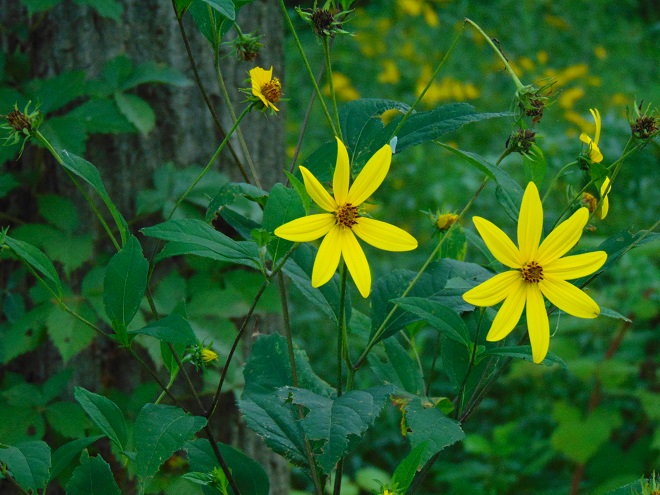
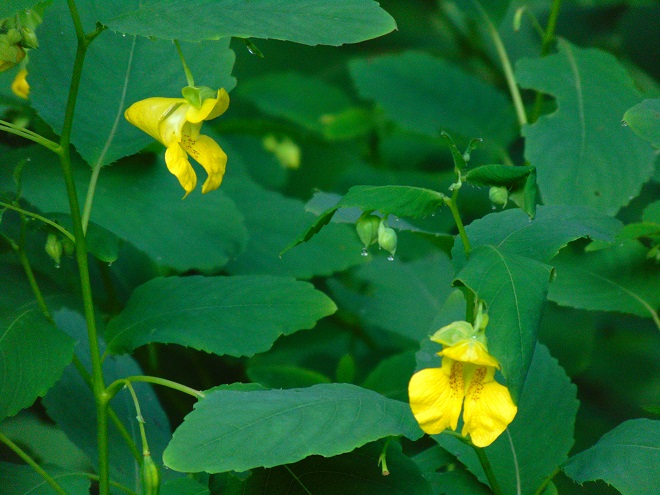
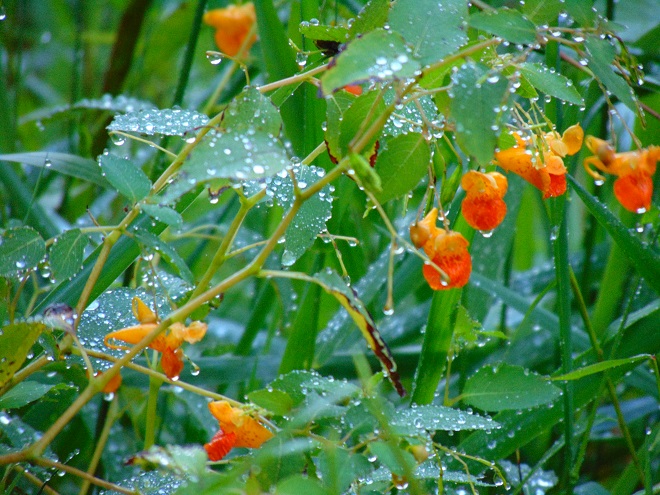
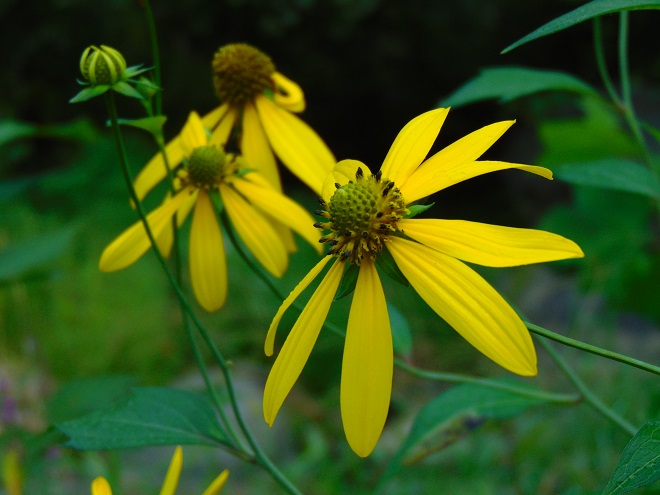
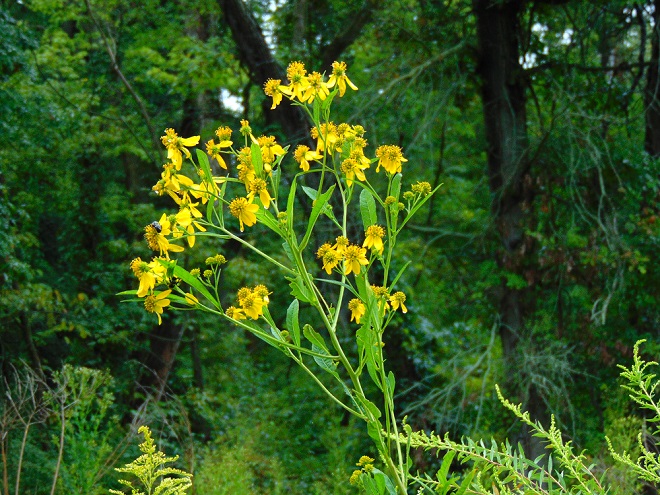
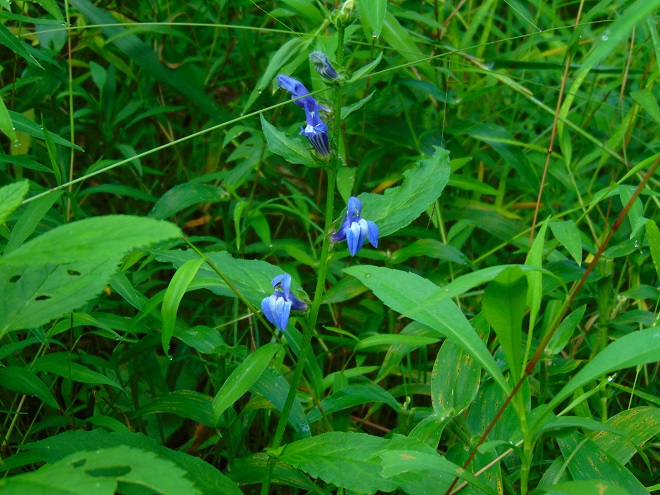
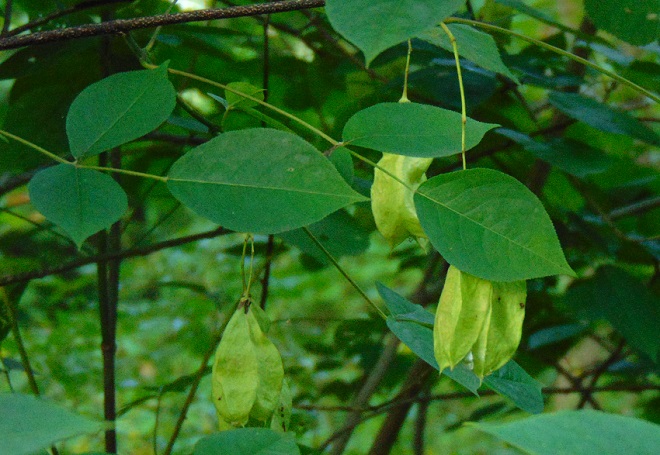
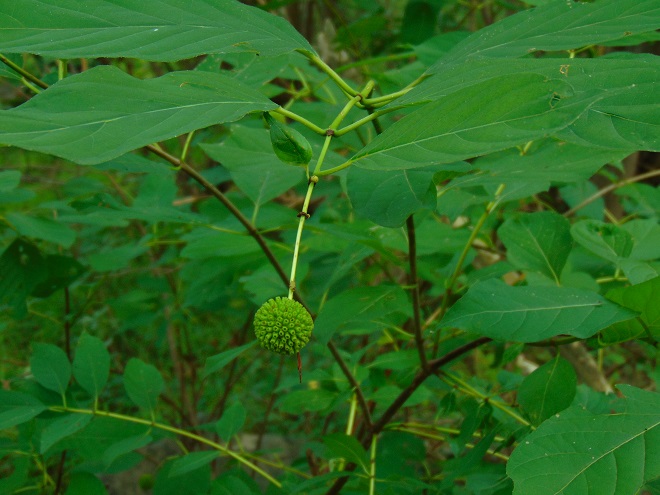
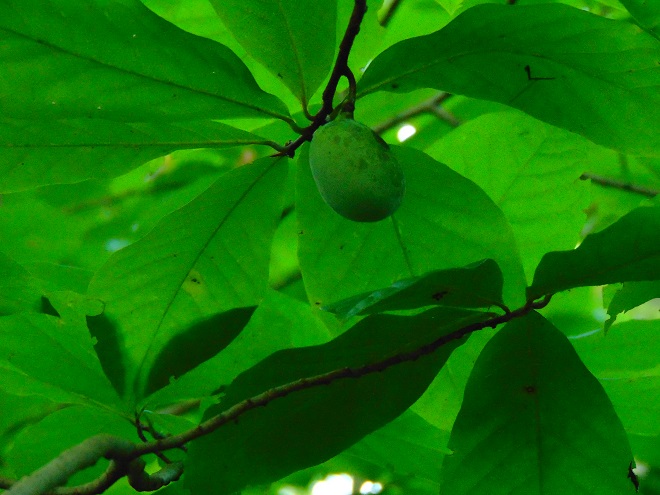
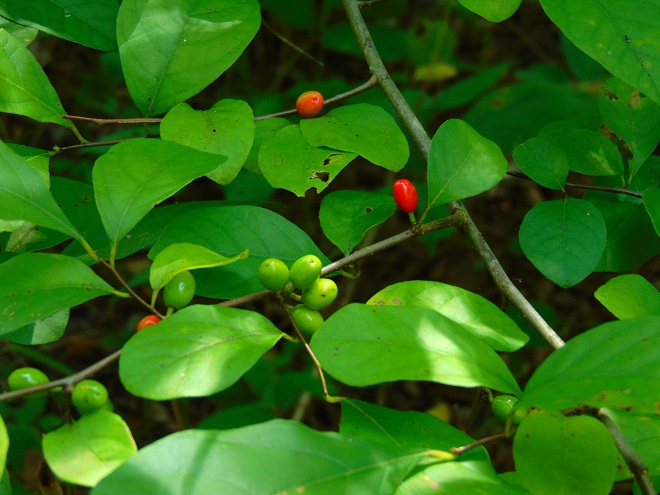
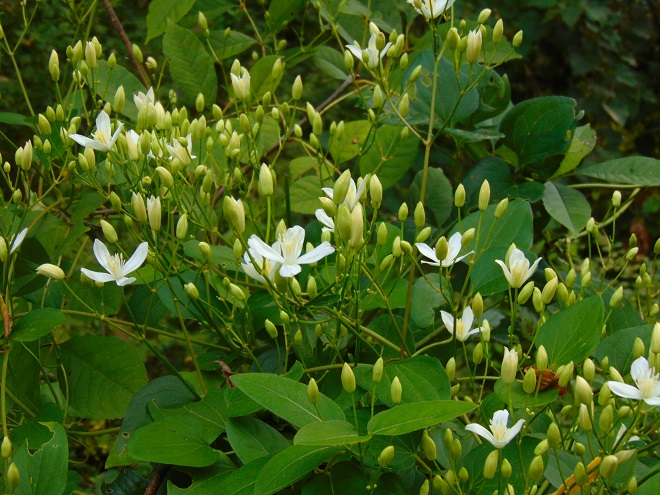
The flowering plants which thrive in the understory of the Riparian Woodlands often escape much notice. They gather only a fraction of the daylight collected by species growing in full exposure to the sun. Yet, by season’s end, many produce showy flowers or nourishing fruits of great import to wildlife. While light may be sparingly rationed through the leaves of the tall trees overhead, moisture is nearly always assured in the damp soils of the riverside forest. For these plants, growth is slow, but continuous. And now, it’s show time.
So let’s take a late-summer stroll through the Riparian Woodlands of Conewago Falls, minus the face full of cobwebs, and have a look at some of the strikingly beautiful plants found living in the shadows.
SOURCES
Long, David; Ballentine, Noel H.; and Marks, James G., Jr. 1997. Treatment of Poison Ivy/Oak Allergic Contact Dermatitis With an Extract of Jewelweed. American Journal of Contact Dermatitis. 8(3): pp. 150-153.
Newcomb, Lawrence. 1977. Newcomb’s Wildflower Guide. Little, Brown and Company. Boston, Massachusetts.