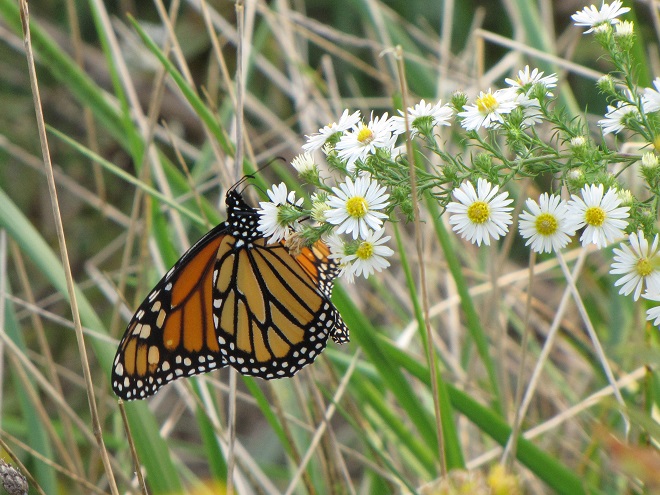
Photo of the Day

LIFE IN THE LOWER SUSQUEHANNA RIVER WATERSHED
A Natural History of Conewago Falls—The Waters of Three Mile Island
Mountain Laurel (Kalmia latifolia), designated as Pennsylvania’s state flower, is a native evergreen shrub of forests situated on dry rocky slopes with acidic soils. As the common name implies, we think of it mostly as a plant of the mountainous regions—those areas of the Susquehanna watershed north of Harrisburg. It is indeed symbolic of Appalachian forests. But Mountain Laurel can also be found to the south of the capital city in forested highlands of the Piedmont. There, currently, it happens to be in full bloom. Let’s put on a pair of sturdy shoes and take a walk in the Hellam Hills of eastern York County at Rocky Ridge County Park to have a look.
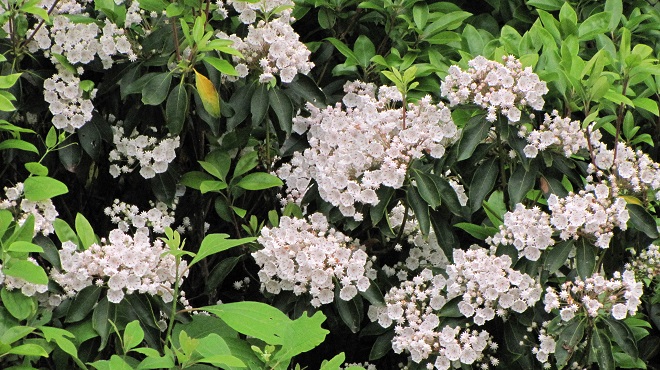
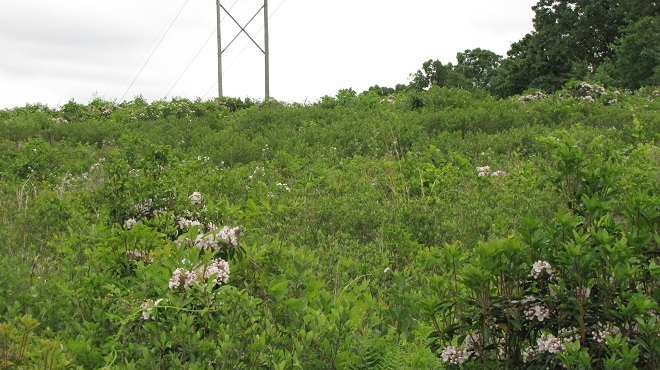
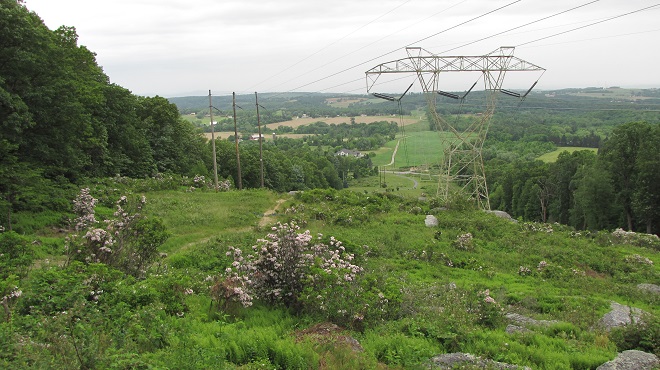

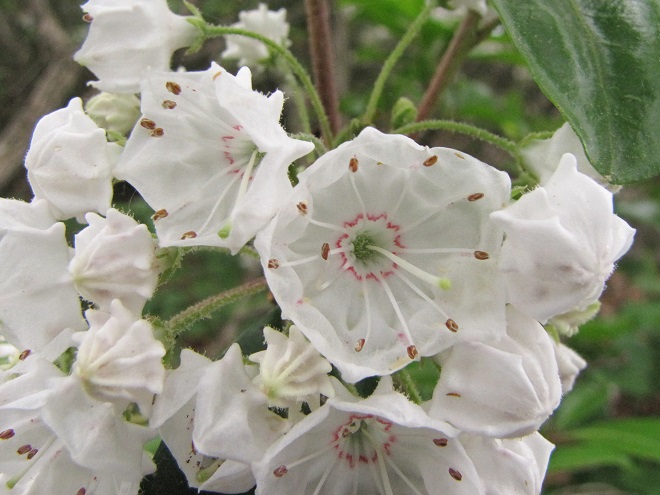
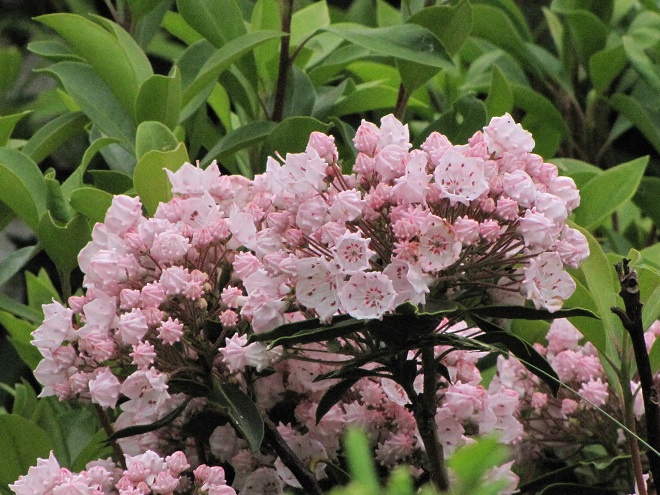
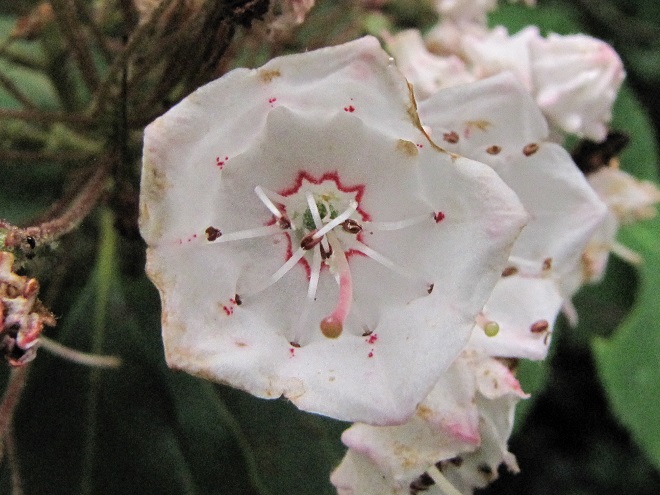
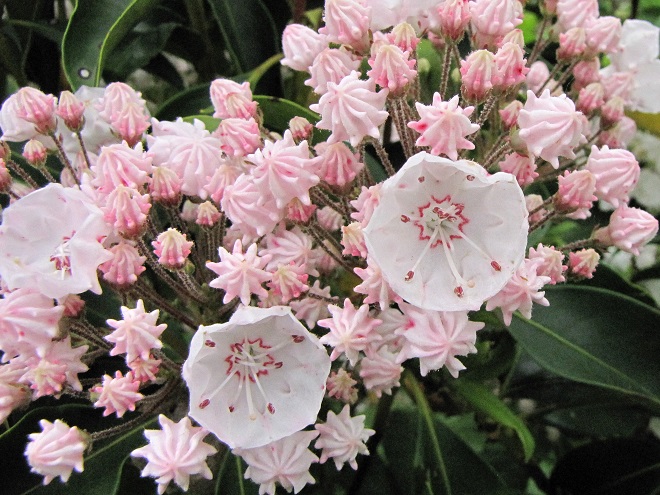
Rain or shine, do get out and have a look at the blooming Mountain Laurel.
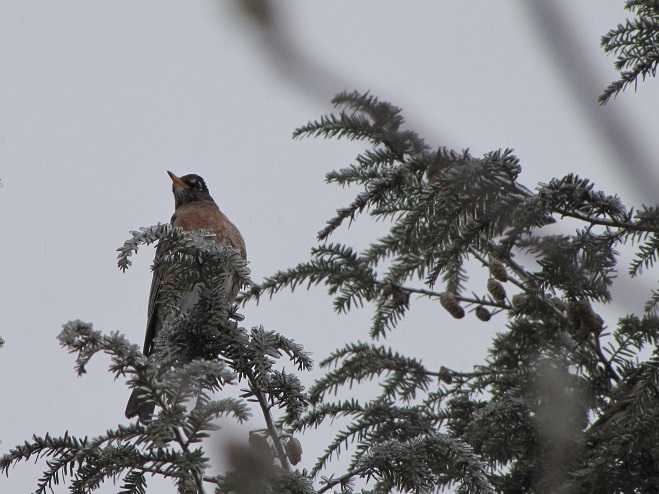
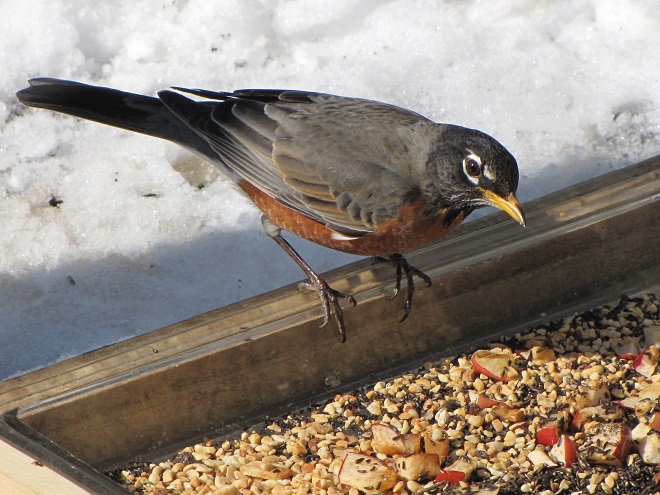
On a snowy winter day, it sure is nice to see some new visitors at a backyard feeding station. Here at the susquehannawildlife.net headquarters, American Robins have arrived to partake of the offerings.
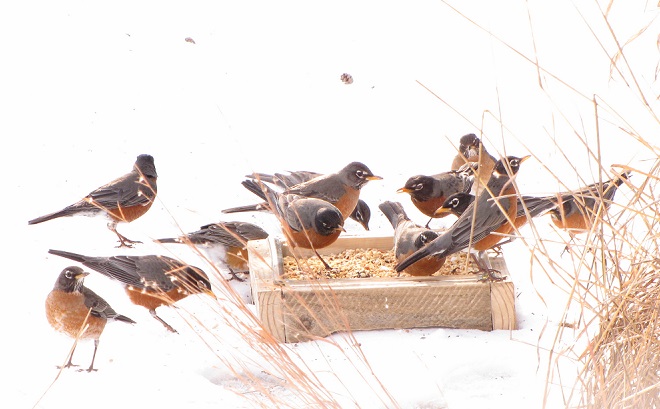
For this flock of robins, which numbered in excess of 150 individuals, the contents of this tray were a mere garnish to the meal that would sustain them through 72 hours of stormy weather. The main course was the supply of ripe berries on shrubs and trees in the headquarters garden.
Their first choice—the bright red fruits of the Common Winterberry.
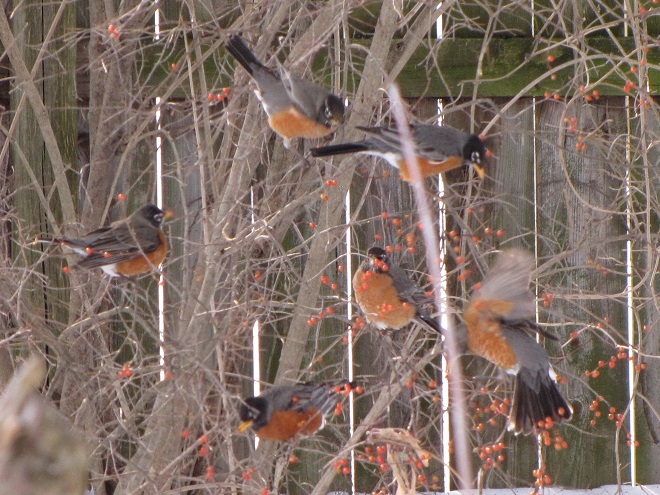
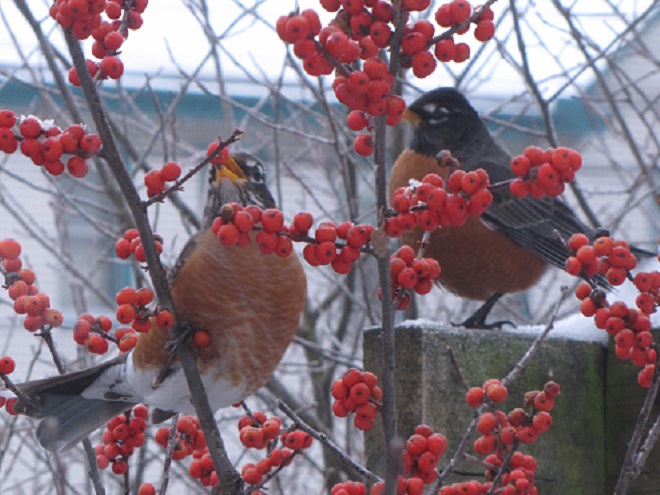
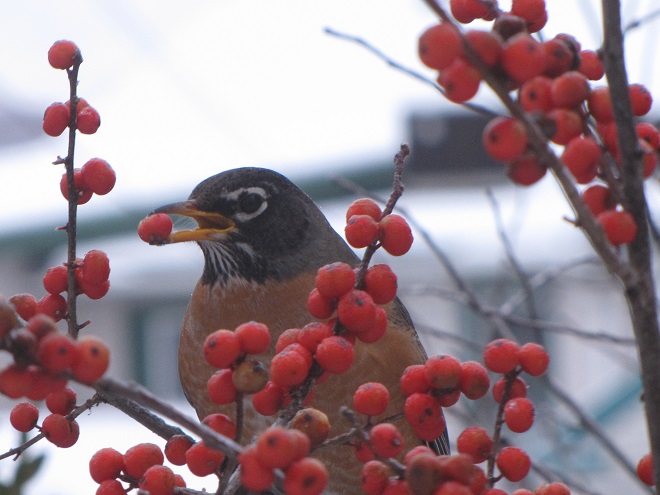
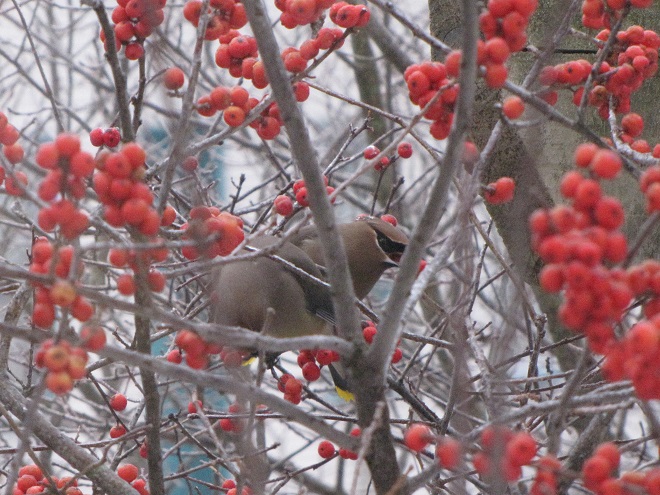

After cleaning off the winterberry shrubs, other fruits became part of the three-day-long feast.
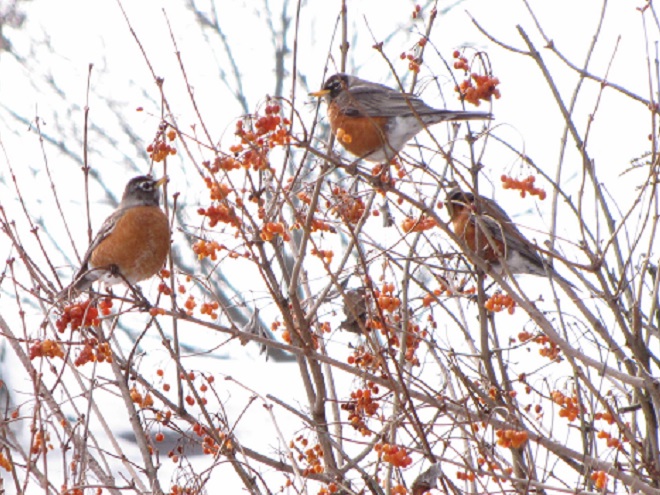
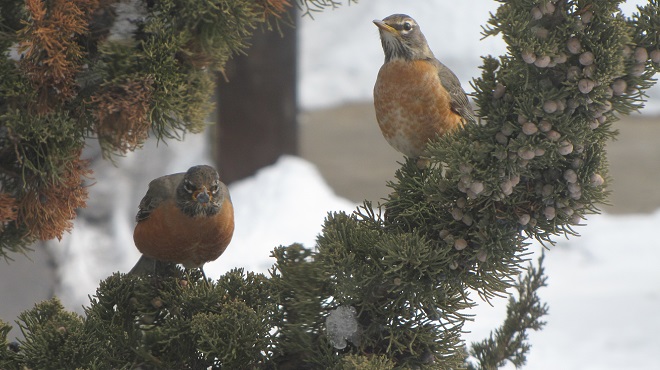
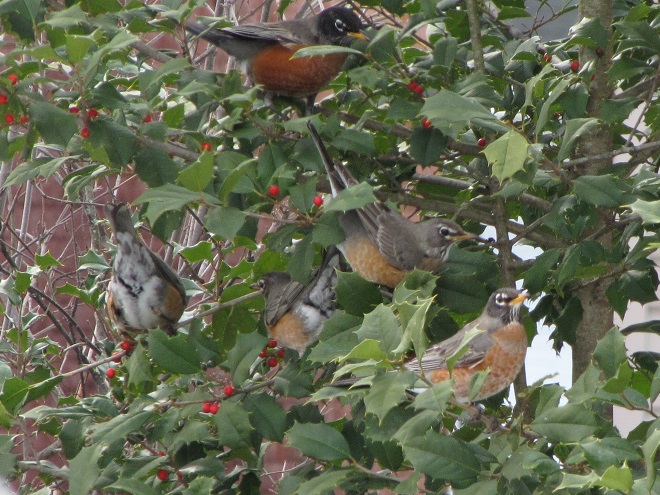
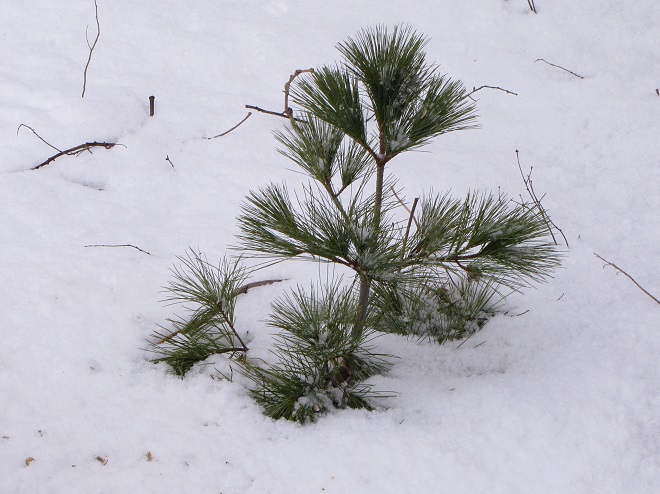
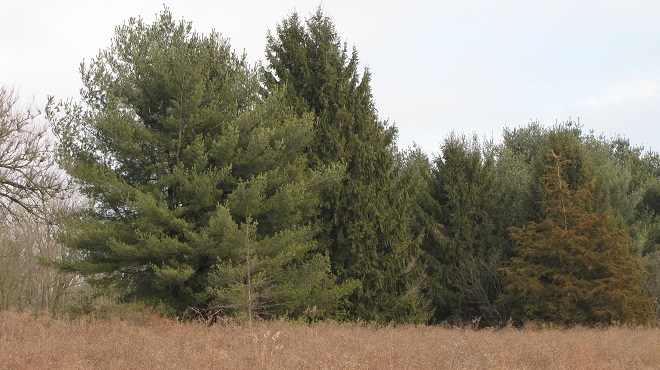
Wouldn’t it be great to see these colorful birds in your garden each winter? You can, you know. Won’t you consider adding plantings of native trees and shrubs to your property this spring? Here at the susquehannawildlife.com headquarters we mow no lawn; the lawn is gone. Mixing evergreens and fruit-producing shrubs with native warm-season grasses and flowering plants has created a wildlife oasis absent of that dirty habit of mowing and blowing.
You can find many of the plants seen here at your local garden center. Take a chunk out of your lawn by paying them a visit this spring.
Want a great deal? Many of the County Conservation District offices in the lower Susquehanna region are having their annual spring tree sales right now. Over the years, we obtained many of our evergreens and berry-producing shrubs from these sales for less than two dollars each. At that price you can blanket that stream bank or wet spot in the yard with winterberries and mow it no more! The deadlines for orders are quickly approaching, so act today—literally, act today. Visit your County Conservation District’s website for details including selections, prices, order deadlines, and pickup dates and locations.
County Conservation District Tree Sales
Consult each County Conservation District’s Tree Sale web page for ordering info, pickup locations, and changes to these dates and times.
Cumberland County Conservation District Tree Seedling Sale—deadline for prepaid orders Tuesday, March 30, 2021. Pickup 1 P.M. to 5 P.M., Thursday, April 22, 2021, and 8 A.M. to 2 P.M., Friday, April 23, 2021. https://www.ccpa.net/4636/Tree-Seedling-Sale
Lancaster County Conservation District Tree Sale—deadline for prepaid orders (hand-delivered to drop box) 5 P.M., Friday, March 5, 2021. Pickup 8 A.M. to 5 P.M., Thursday, April 15, 2021. https://www.lancasterconservation.org/tree-sale/
Lebanon County Conservation District Tree Sale—deadline for prepaid orders Thursday, March 11, 2021. Pickup 9 A.M. to 6 P.M., Friday, May 7, 2021. https://www.lccd.org/2021-tree-sale/
Perry County Conservation District Tree Sale—deadline for prepaid orders Wednesday, March 24, 2021. Pickup 10 A.M. to 6 P.M., Thursday, April 8, 2021. www.perrycd.org/Documents/2021 Tree Sale Flyer LEGAL SIZE.pdf
York County Conservation District Seedling Sale—deadline for prepaid orders Monday, March 15, 2021. Pickup 10 A.M. to 6 P.M., Thursday, April 15, 2021. https://www.yorkccd.org/events/2021-seedling-sale
Thoughts of October in the Lower Susquehanna River Watershed bring to mind scenes of brilliant fall foliage adorning wooded hillsides and stream courses, frosty mornings bringing an end to the growing season, and geese and other birds flying south for the winter.
The autumn migration of birds spans a period equaling nearly half the calendar year. Shorebirds and Neotropical perching birds begin moving through as early as late July, just as daylight hours begin decreasing during the weeks following their peak at summer solstice in late June. During the darkest days of the year, those surrounding winter solstice in late December, the last of the southbound migrants, including some hawks, eagles, waterfowl, and gulls, may still be on the move.
During October, there is a distinct change in the list of species an observer might find migrating through the lower Susquehanna valley. Reduced hours of daylight and plunges in temperatures—particularly frost and freeze events—impact the food sources available to birds. It is during October that we say goodbye to the Neotropical migrants and hello to those more hardy species that spend their winters in temperate climates like ours.
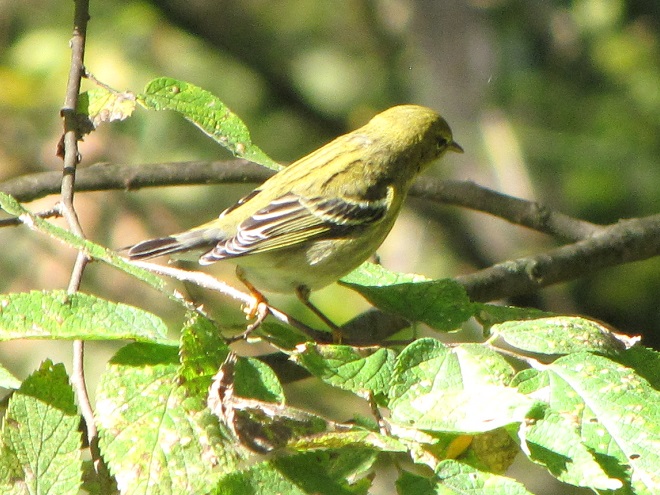
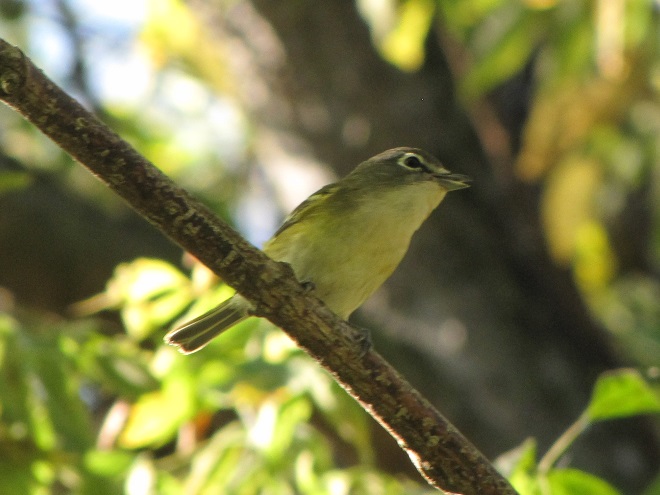
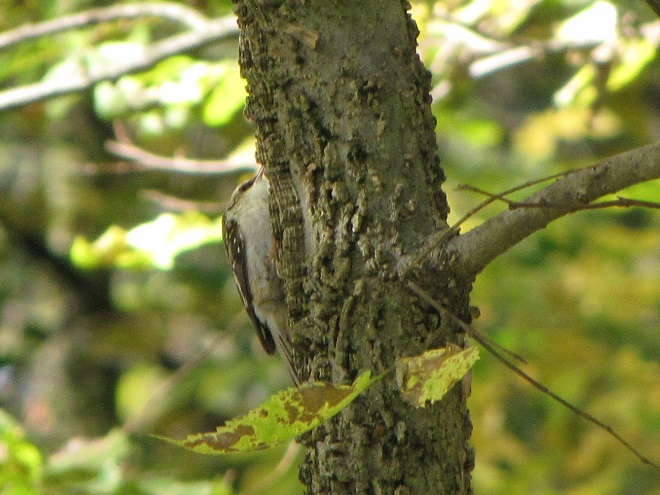
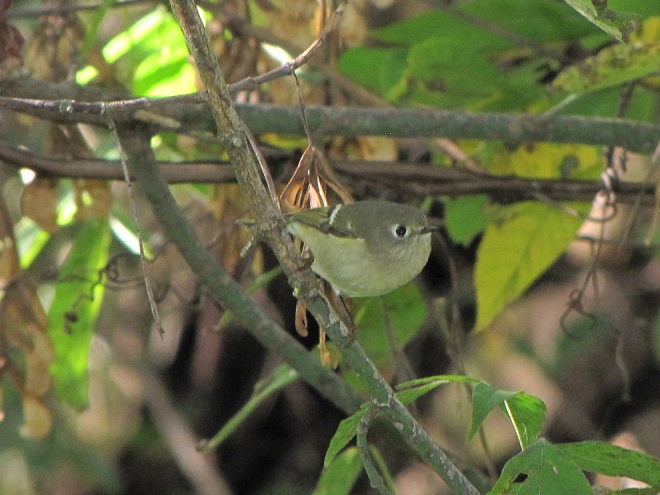

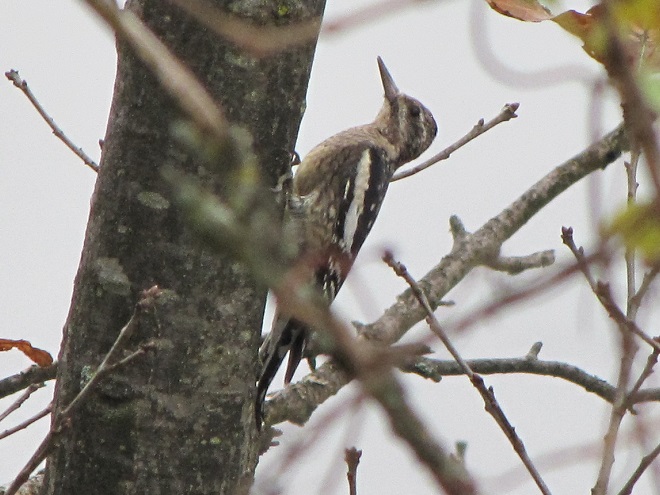
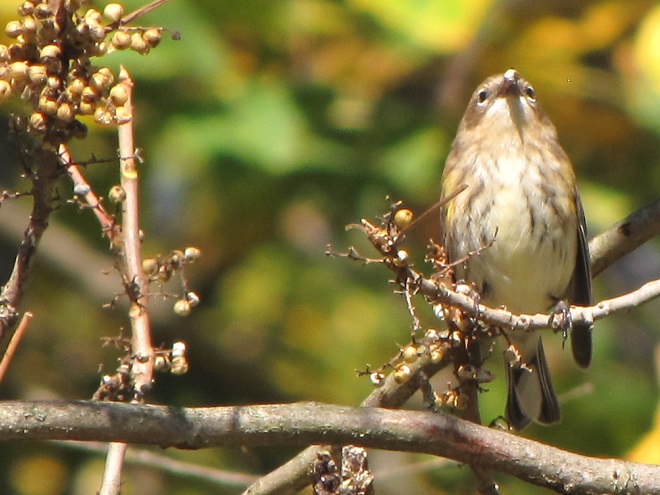
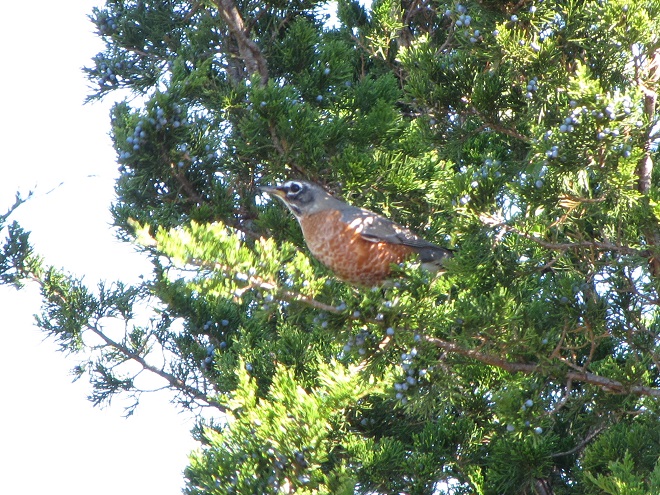
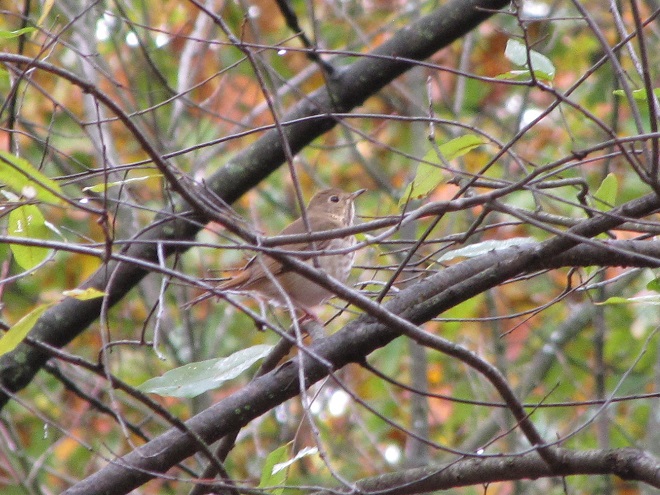
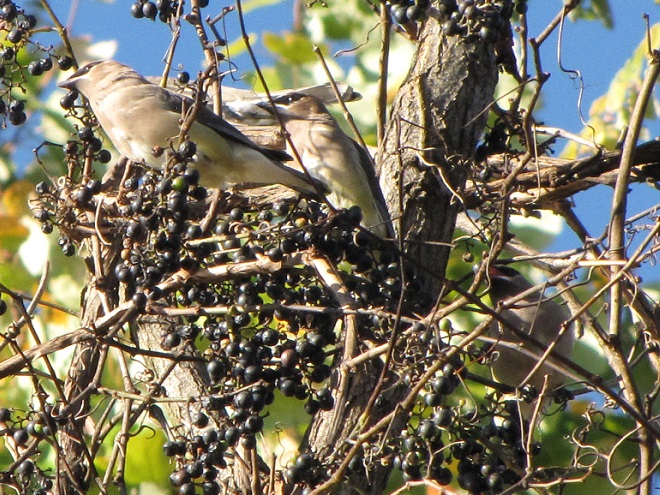
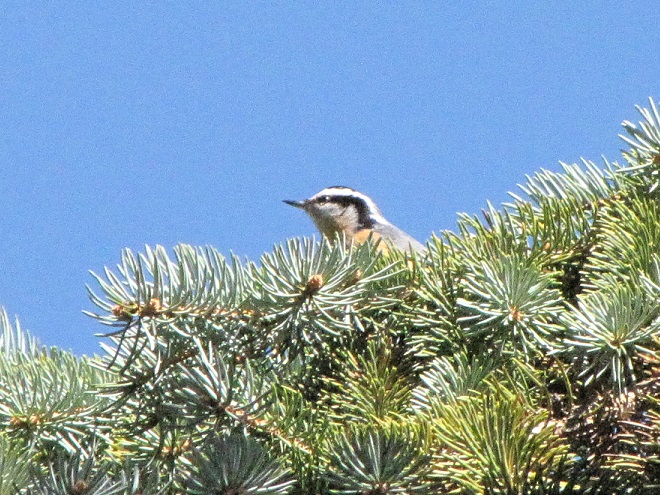
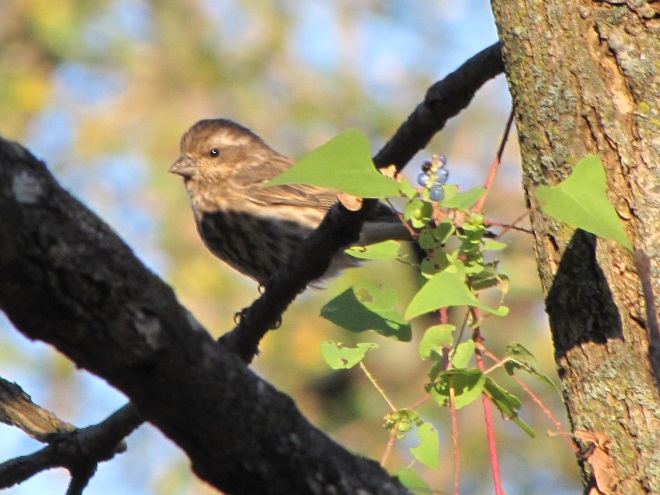
The need for food and cover is critical for the survival of wildlife during the colder months. If you are a property steward, think about providing places for wildlife in the landscape. Mow less. Plant trees, particularly evergreens. Thickets are good—plant or protect fruit-bearing vines and shrubs, and allow herbaceous native plants to flower and produce seed. And if you’re putting out provisions for songbirds, keep the feeders clean. Remember, even small yards and gardens can provide a life-saving oasis for migrating and wintering birds. With a larger parcel of land, you can do even more.
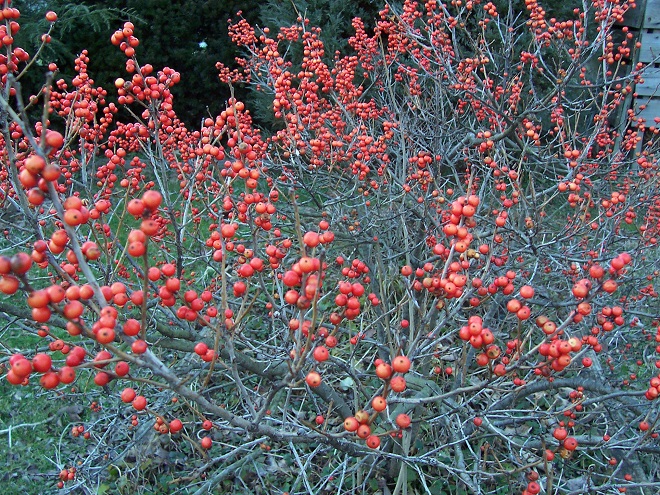
For those of you who dare to shed that filthy contaminated rag you’ve been told to breathe through so that you might instead get out and enjoy some clean air in a cherished place of solitude, here’s what’s around—go have a look.
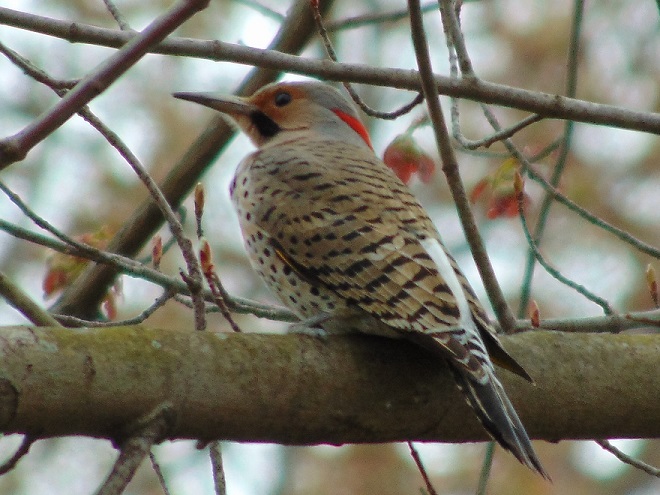
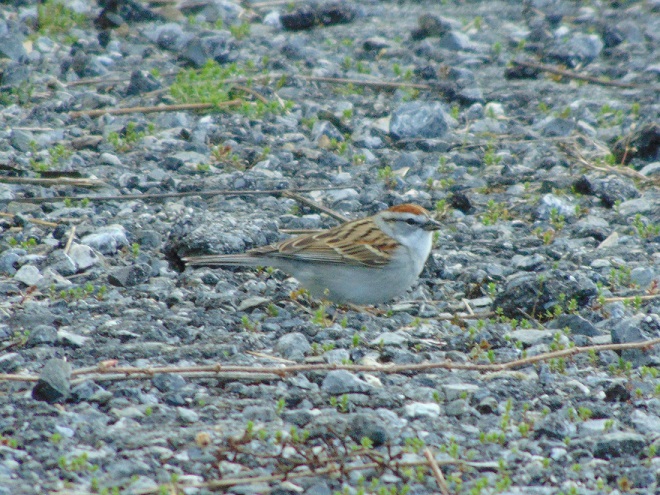
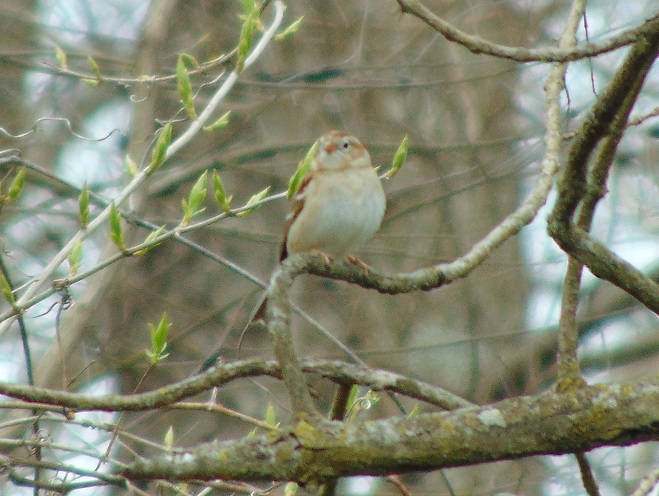
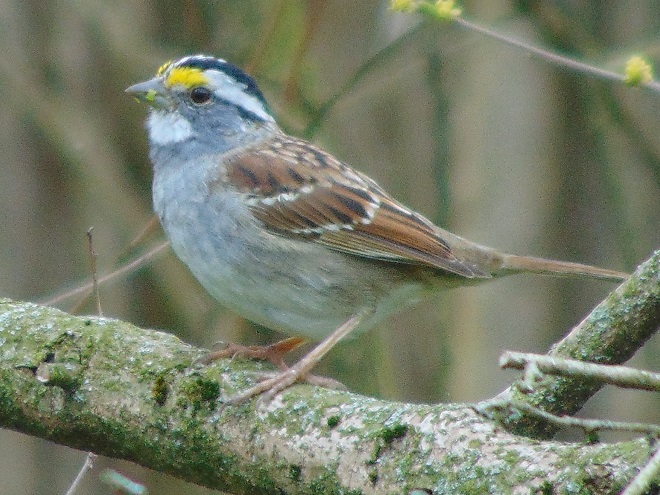

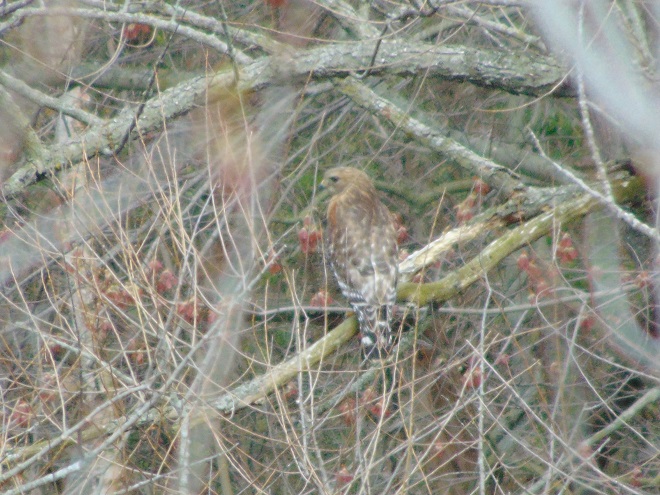
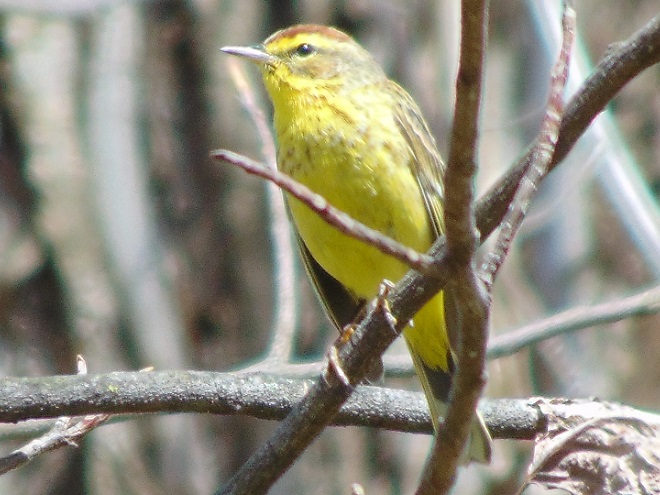
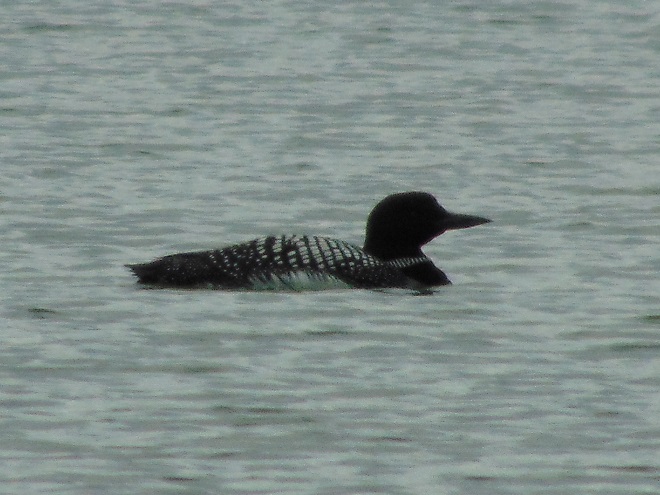
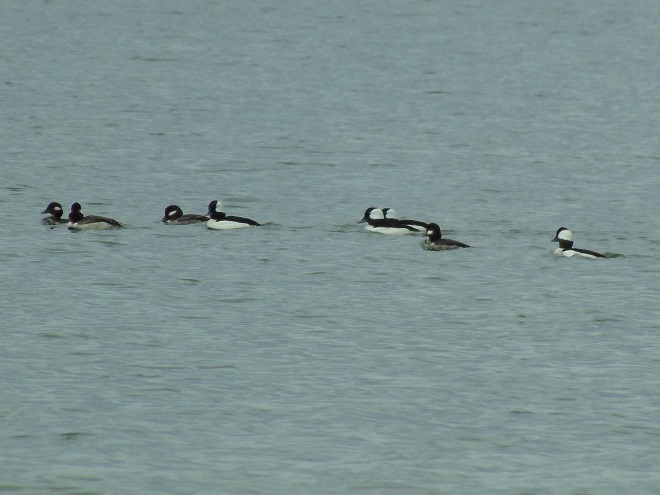
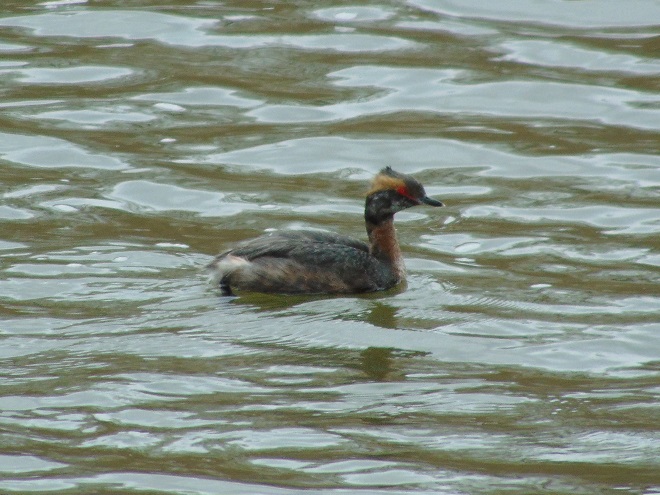
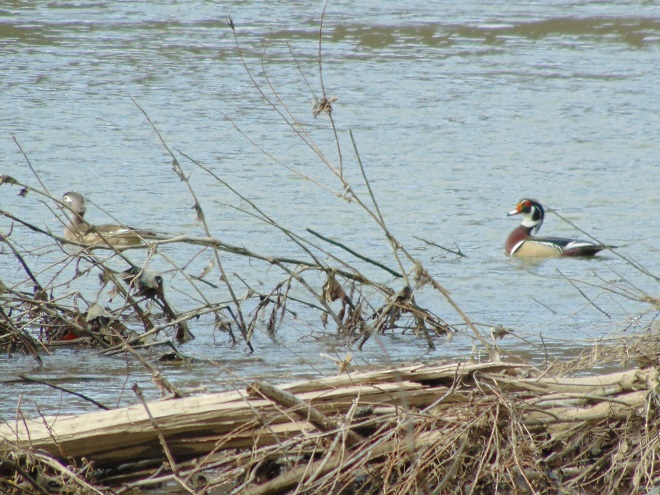
The springtime show on the water continues…
Hey, what are those showy flowers?
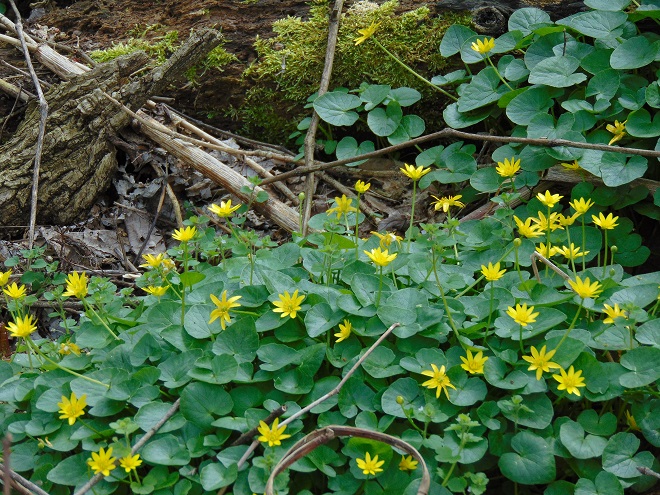
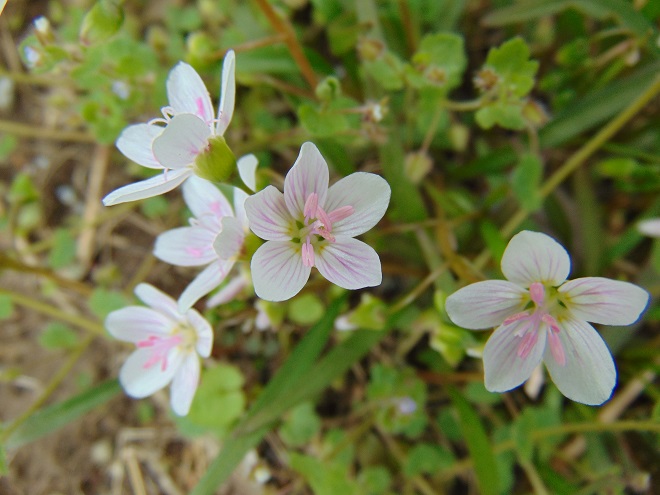
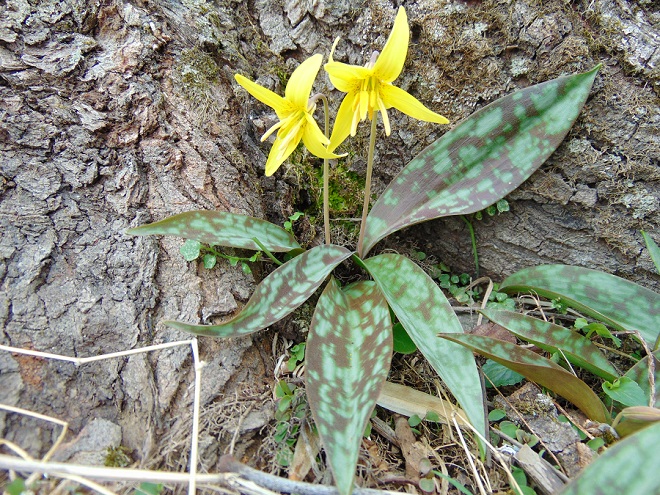
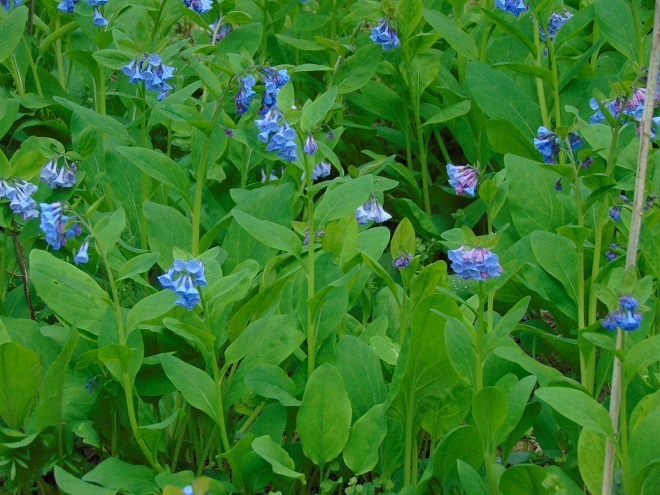
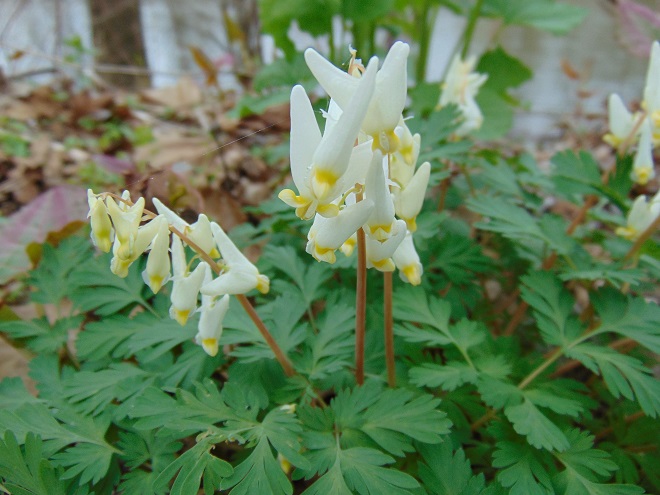
Wasn’t that refreshing? Now go take a walk.
Inside the doorway that leads to your editor’s 3,500 square foot garden hangs a small chalkboard upon which he records the common names of the species of birds that are seen there—or from there—during the year. If he remembers to, he records the date when the species was first seen during that particular year. On New Year’s Day, the results from the freshly ended year are transcribed onto a sheet of notebook paper. On the reverse, the names of butterflies, mammals, and other animals that visited the garden are copied from a second chalkboard that hangs nearby. The piece of paper is then inserted into a folder to join those from previous New Year’s Days. The folder then gets placed back into the editor’s desk drawer beneath a circular saw blade and an old scratched up set of sunglasses—so that he knows exactly where to find it if he wishes to.
A quick glance at this year’s list calls to mind a few recollections.
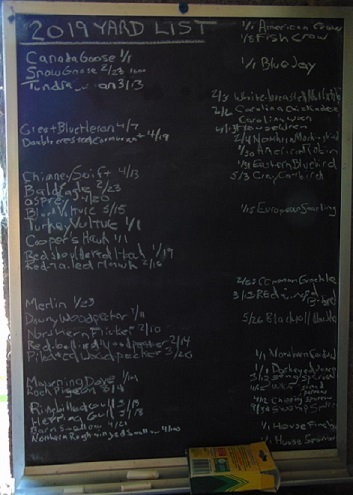
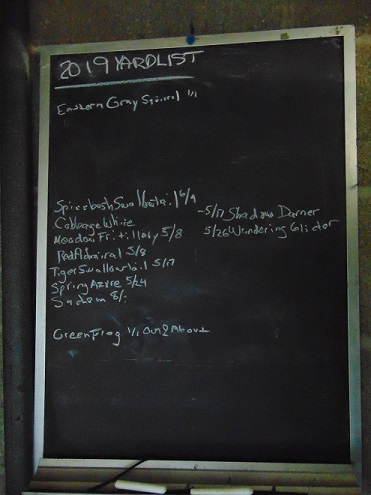
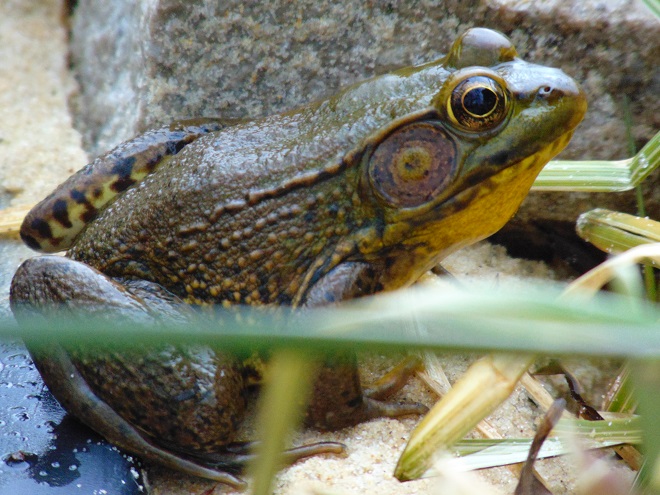
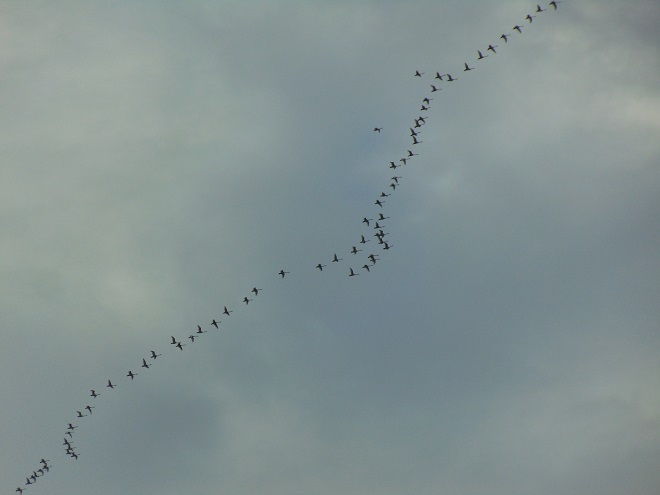
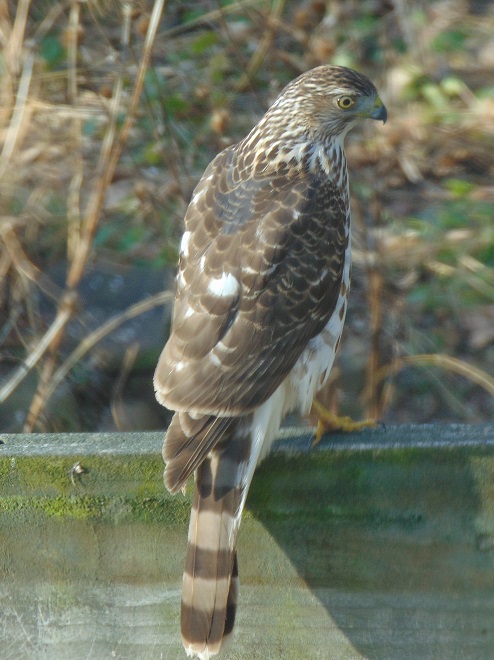
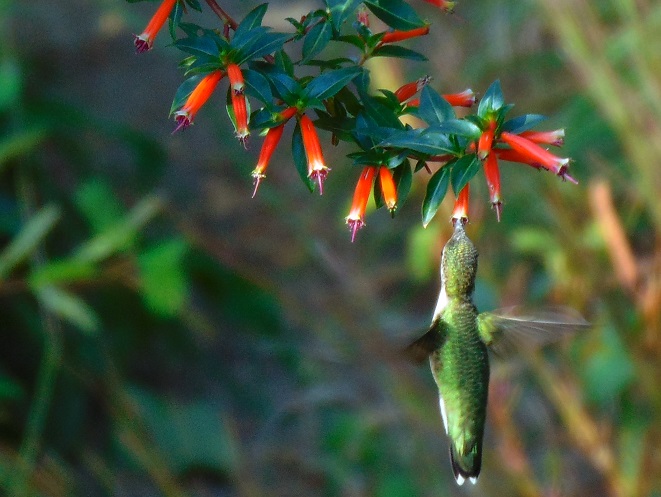
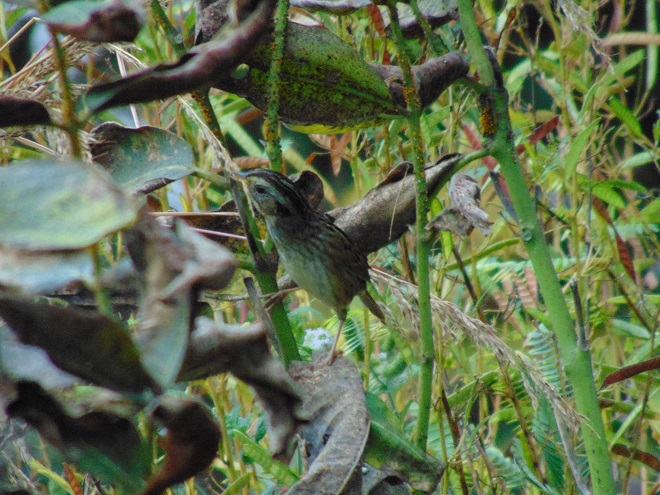
Before putting the folder back into the drawer for another year, the editor decided to count up the species totals on each of the sheets and load them into the chart maker in the computer.
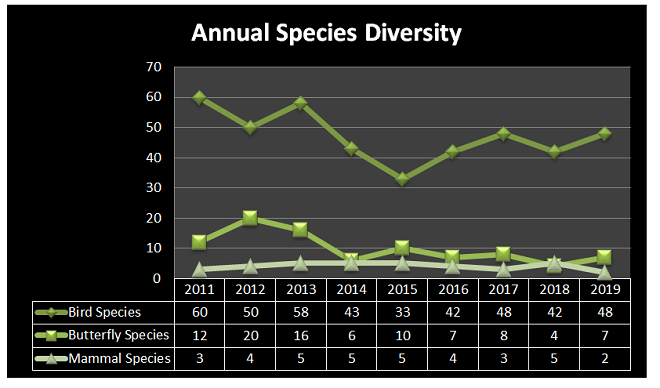 Despite the habitat improvements in the garden, the trend is apparent. Bird diversity has not cracked the 50 species mark in 6 years. Despite native host plants and nectar species in abundance, butterfly diversity has not exceeded 10 species in 6 years.
It appears that, at the very least, the garden habitat has been disconnected from the home ranges of many species by fragmentation. His little oasis is now isolated in a landscape that becomes increasingly hostile to native wildlife with each passing year. The paving of more parking areas, the elimination of trees, shrubs, and herbaceous growth from the large number of rental properties in the area, the alteration of the biology of the nearby stream by hand-fed domestic ducks, light pollution, and the outdoor use of pesticides have all contributed to the separation of the editor’s tiny sanctuary from the travel lanes and core habitats of many of the species that formerly visited, fed, or bred there. In 2019, migrants, particularly “fly-overs”, were nearly the only sightings aside from several woodpeckers, invasive House Sparrows (Passer domesticus), and hardy Mourning Doves. Even rascally European Starlings became sporadic in occurrence—imagine that! It was the most lackluster year in memory.
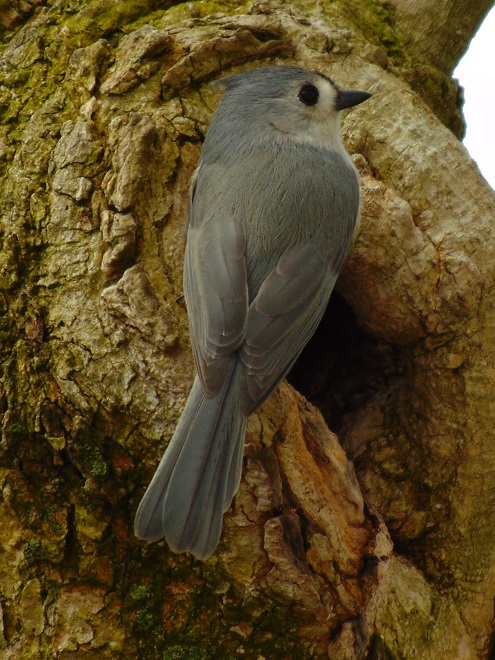
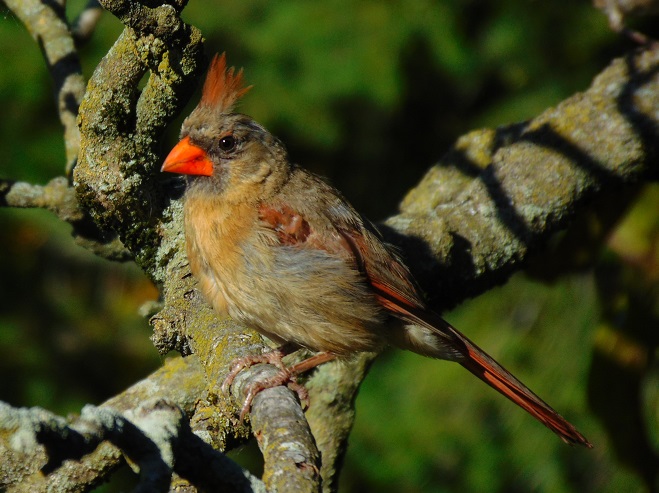
If habitat fragmentation were the sole cause for the downward trend in numbers and species, it would be disappointing, but comprehensible. There would be no cause for greater alarm. It would be a matter of cause and effect. But the problem is more widespread.
Although the editor spent a great deal of time in the garden this year, he was also out and about, traveling hundreds of miles per week through lands on both the east and the west shores of the lower Susquehanna. And on each journey, the number of birds seen could be counted on fingers and toes. A decade earlier, there were thousands of birds in these same locations, particularly during the late summer.
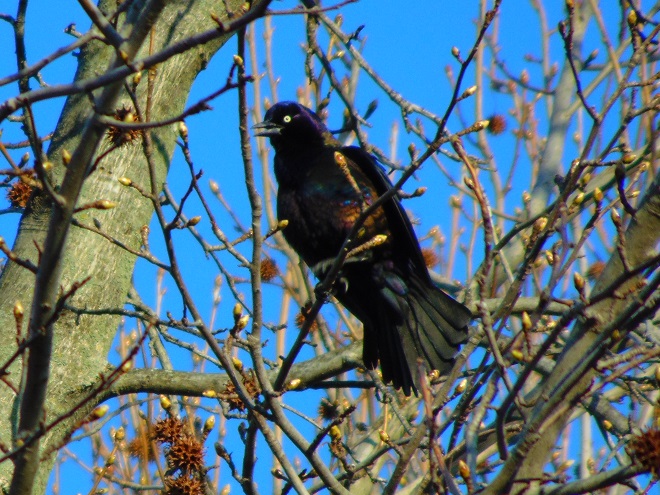
In the lower Susquehanna valley, something has drastically reduced the population of birds during breeding season, post-breeding dispersal, and the staging period preceding autumn migration. In much of the region, their late-spring through summer absence was, in 2019, conspicuous. What happened to the tens of thousands of swallows that used to gather on wires along rural roads in August and September before moving south? The groups of dozens of Eastern Kingbirds (Tyrannus tyrannus) that did their fly-catching from perches in willows alongside meadows and shorelines—where are they?
Several studies published during the autumn of 2019 have documented and/or predicted losses in bird populations in the eastern half of the United States and elsewhere. These studies looked at data samples collected during recent decades to either arrive at conclusions or project future trends. They cite climate change, the feline infestation, and habitat loss/degradation among the factors contributing to alterations in range, migration, and overall numbers.
There’s not much need for analysis to determine if bird numbers have plummeted in certain Lower Susquehanna Watershed habitats during the aforementioned seasons—the birds are gone. None of these studies documented or forecast such an abrupt decline. Is there a mysterious cause for the loss of the valley’s birds? Did they die off? Is there a disease or chemical killing them or inhibiting their reproduction? Is it global warming? Is it Three Mile Island? Is it plastic straws, wind turbines, or vehicle traffic?
The answer might not be so cryptic. It might be right before our eyes. And we’ll explore it during 2020.

In the meantime, Uncle Ty and I going to the Pennsylvania Farm Show in Harrisburg. You should go too. They have lots of food there.
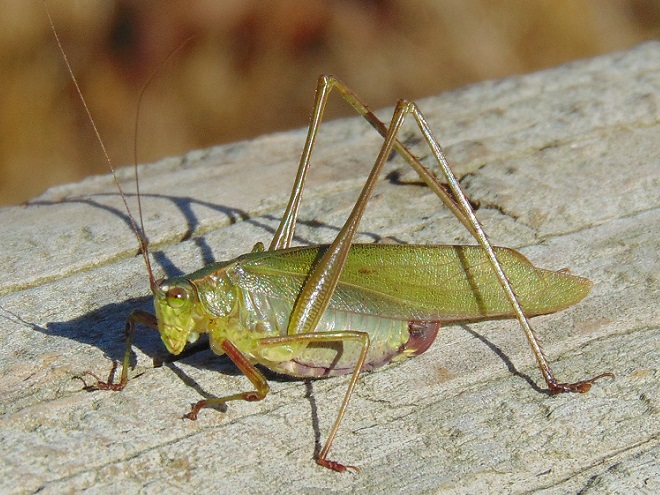
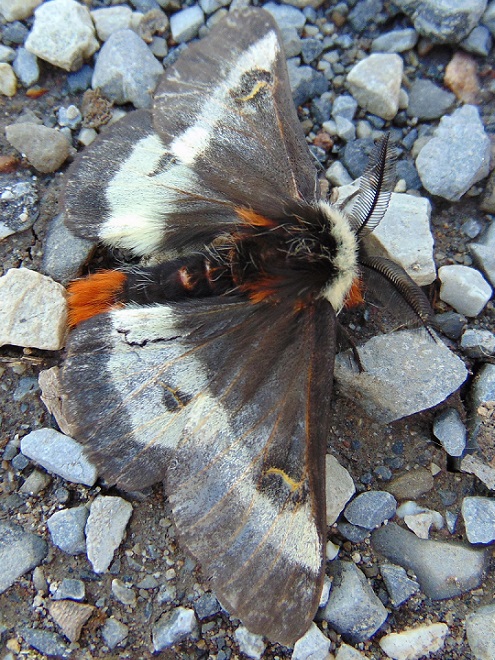
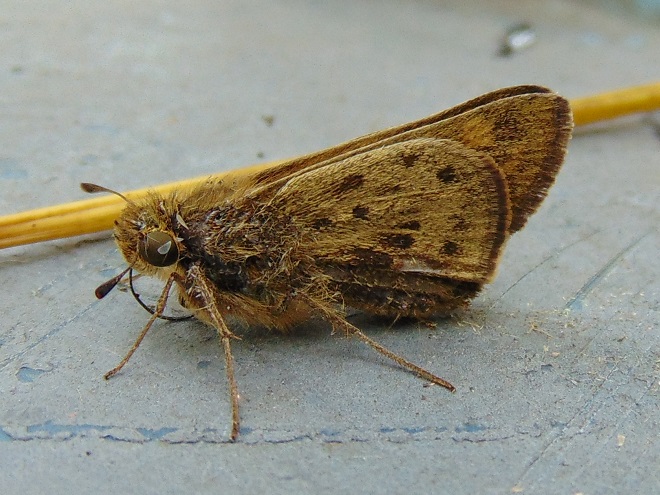
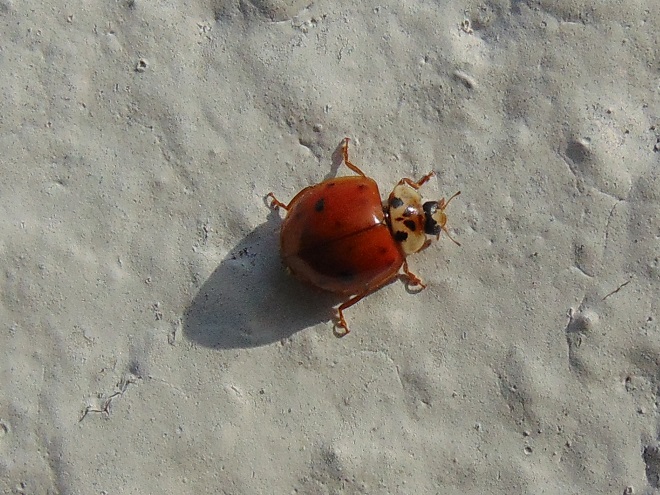
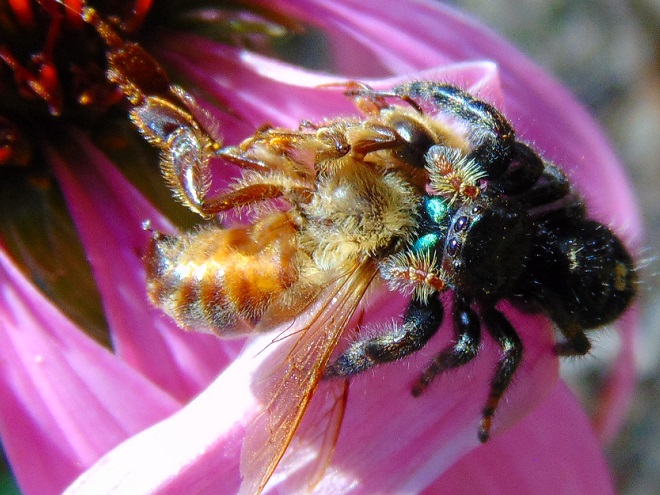
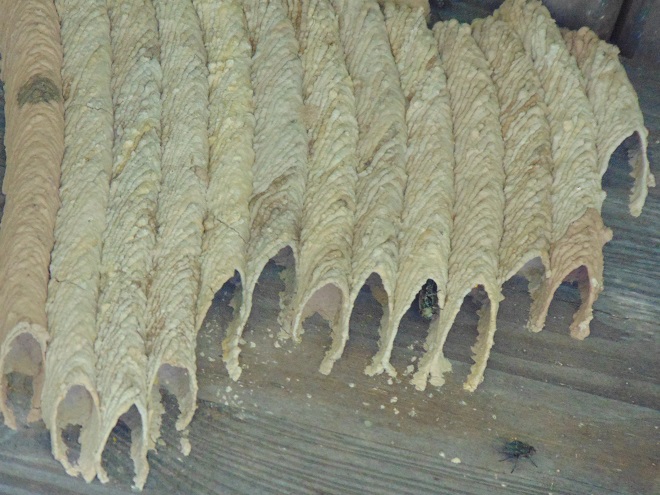
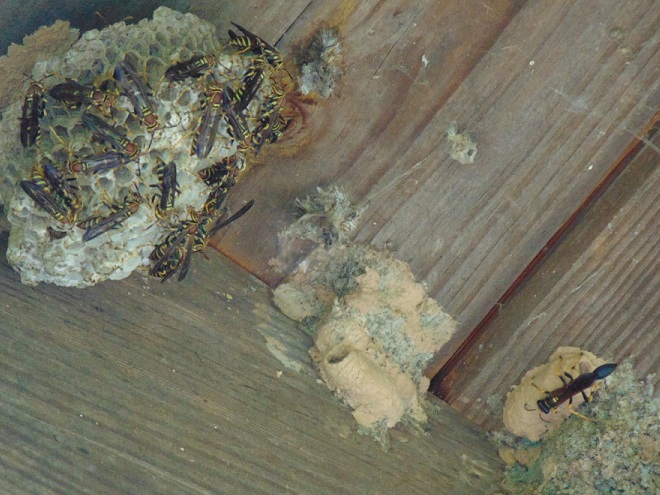
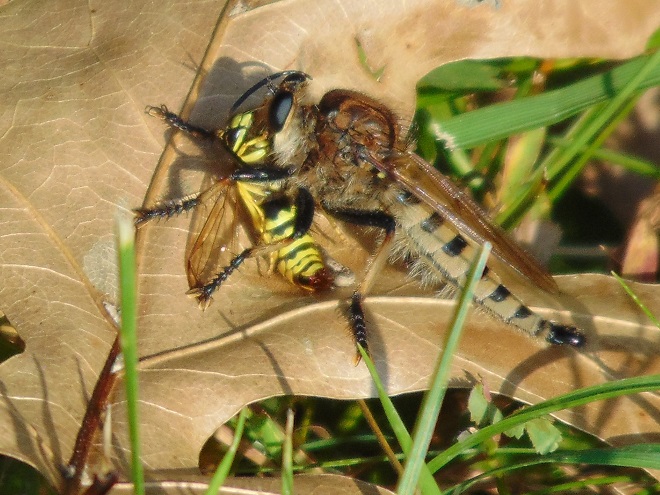
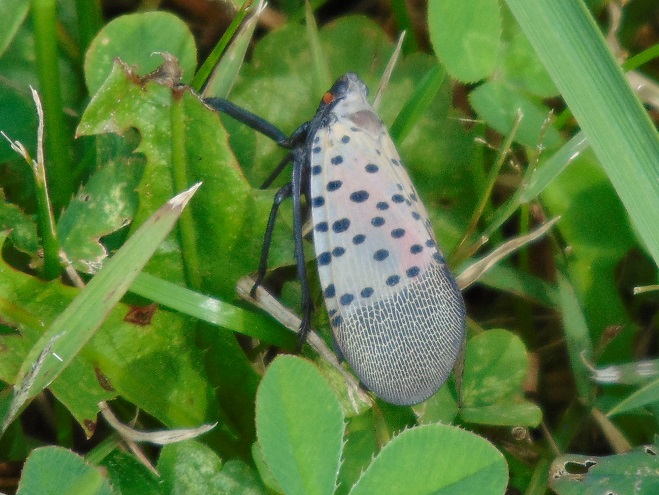
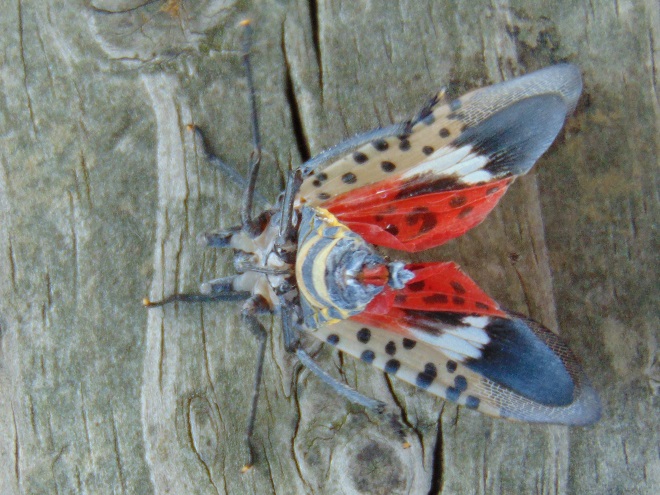
With autumn coming to a close, let’s have a look at some of the fascinating insects (and a spider) that put on a show during some mild afternoons in the late months of 2019.
SOURCES
Eaton, Eric R., and Kenn Kaufman. 2007. Kaufman Field Guide to Insects of North America. Houghton Mifflin Company. New York, NY.
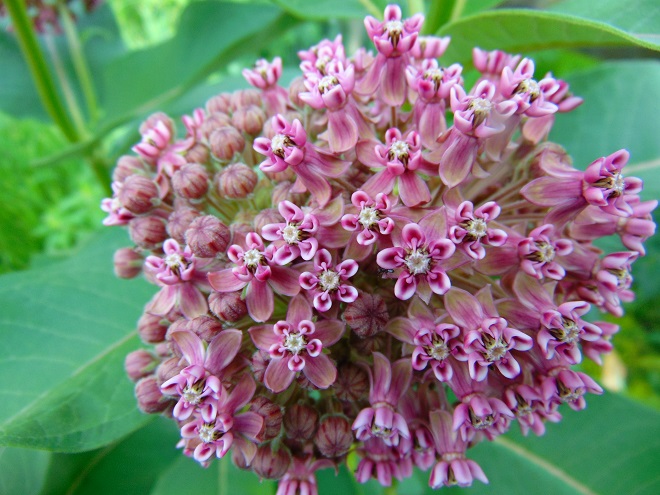
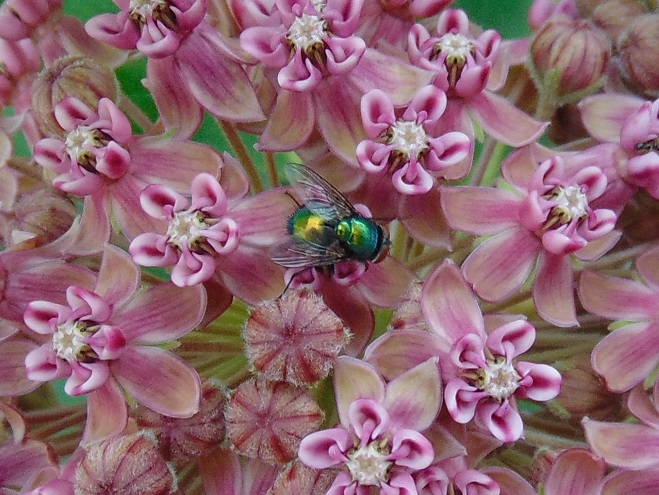
It’s sprayed with herbicides. It’s mowed and mangled. It’s ground to shreds with noisy weed-trimmers. It’s scorned and maligned. It’s been targeted for elimination by some governments because it’s undesirable and “noxious”. And it has that four letter word in its name which dooms the fate of any plant that possesses it. It’s the Common Milkweed, and it’s the center of activity in our garden at this time of year. Yep, we said milk-WEED.
Now, you need to understand that our garden is small—less than 2,500 square feet. There is no lawn, and there will be no lawn. We’ll have nothing to do with the lawn nonsense. Those of you who know us, know that the lawn, or anything that looks like lawn, are through.
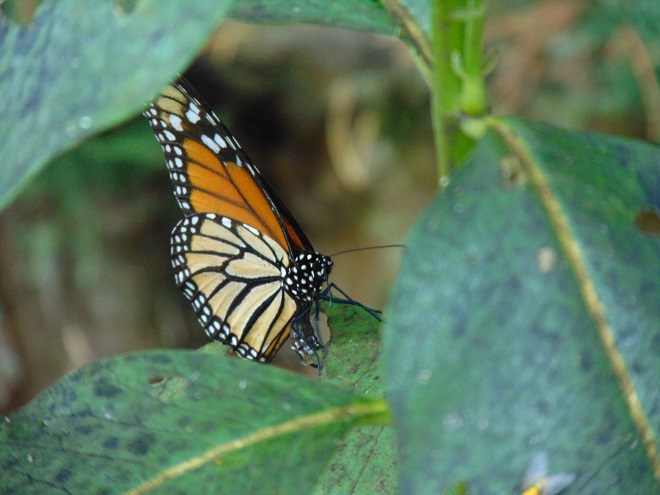
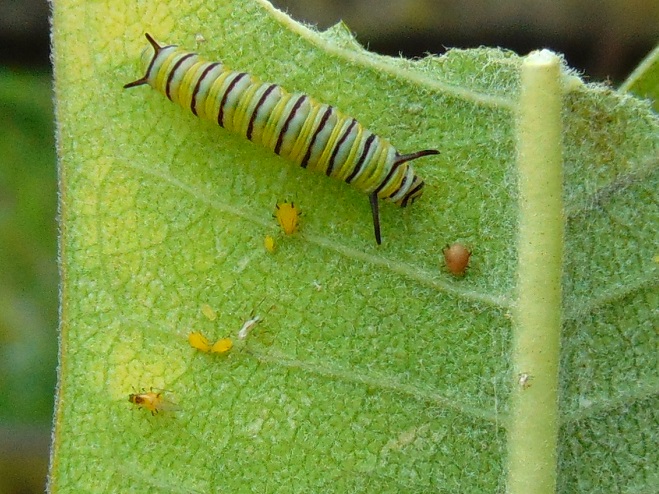
Anyway, most of the plants in the garden are native species. There are trees, numerous shrubs, some water features with aquatic plants, and filling the sunny margins is a mix of native grassland plants including Common Milkweed. The unusually wet growing season in 2018 has been very kind to these plants. They are still very green and lush. And the animals that rely on them are having a banner year. Have a look…

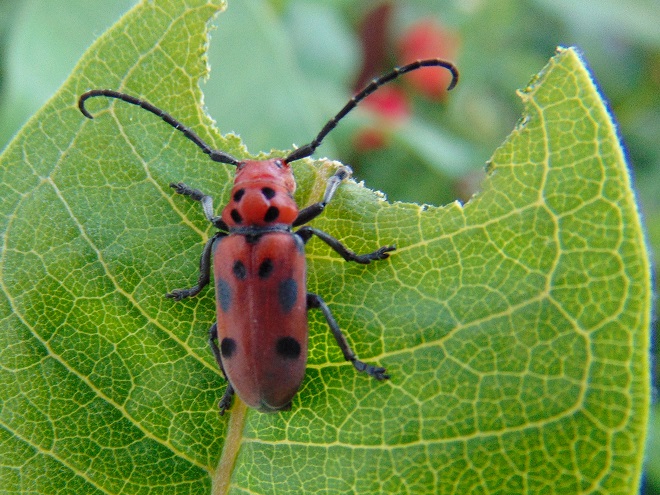
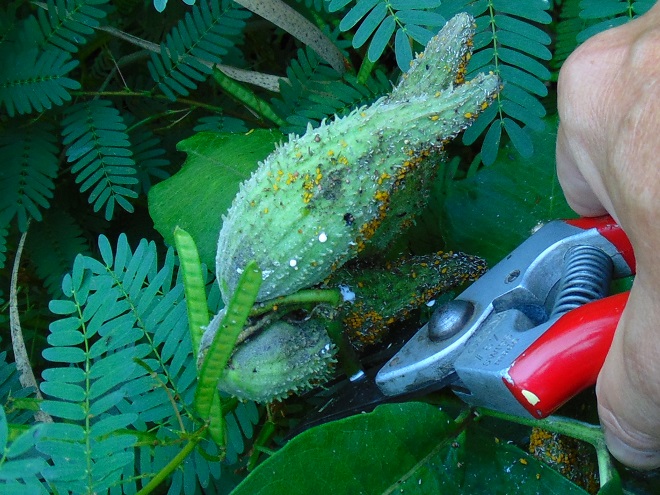
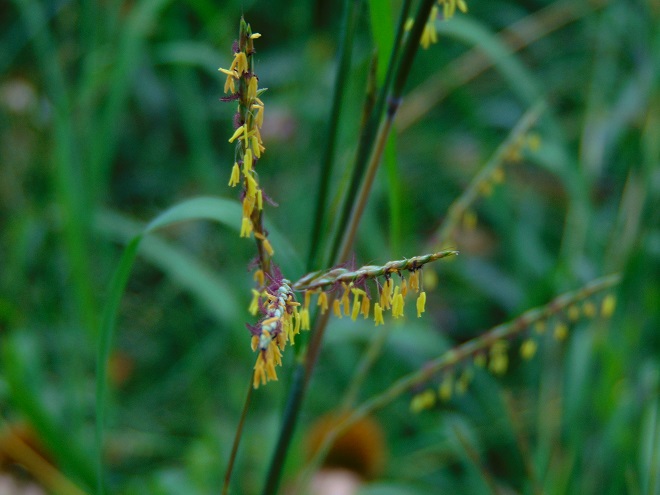
We’ve planted a variety of native grassland species to help support the milkweed structurally and to provide a more complete habitat for Monarch butterflies and other native insects. This year, these plants are exceptionally colorful for late-August due to the abundance of rain. The warm season grasses shown below are the four primary species found in the American tall-grass prairies and elsewhere.


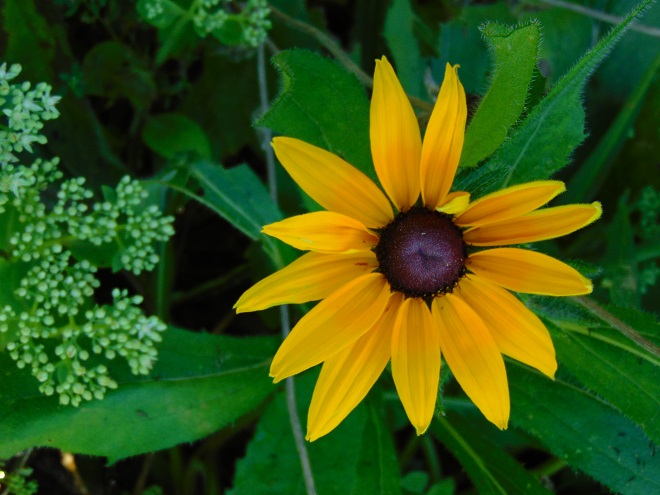
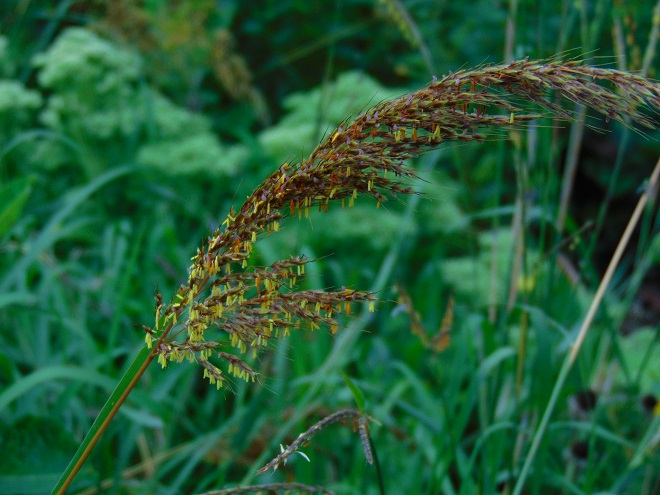
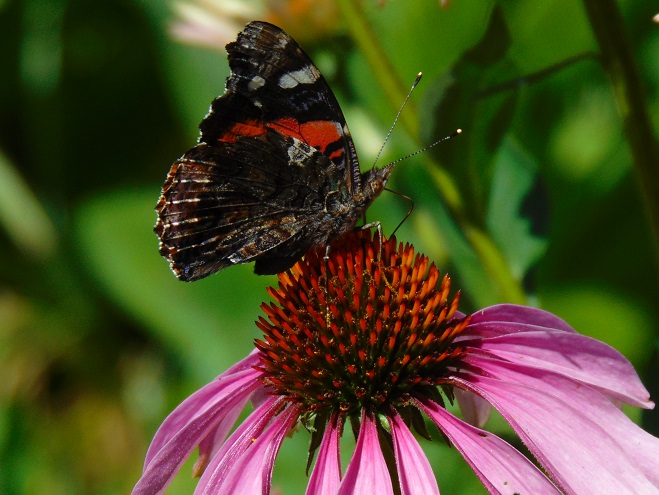
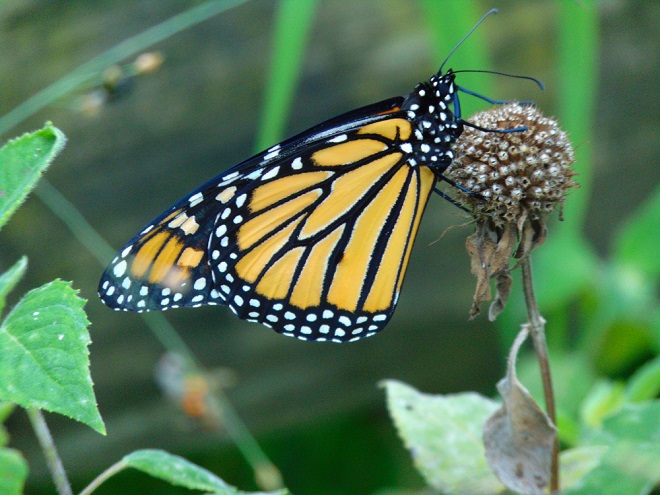
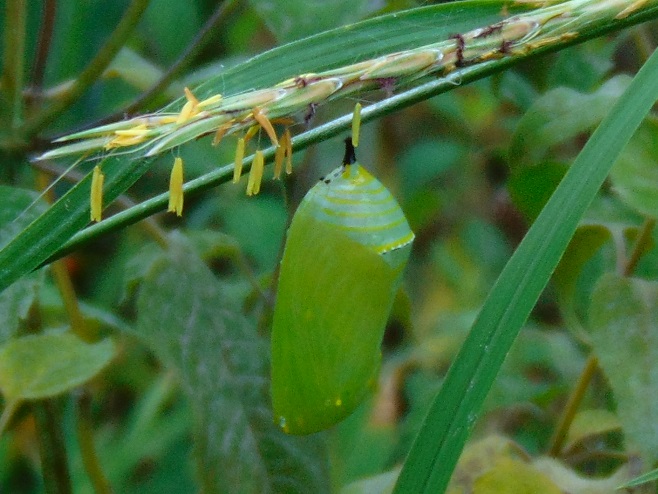
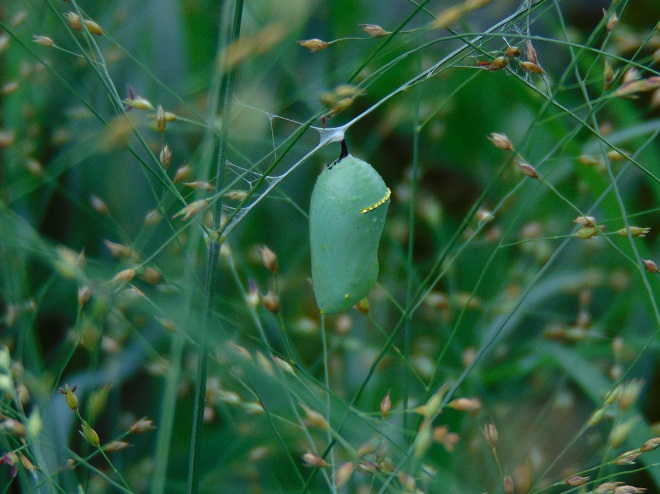
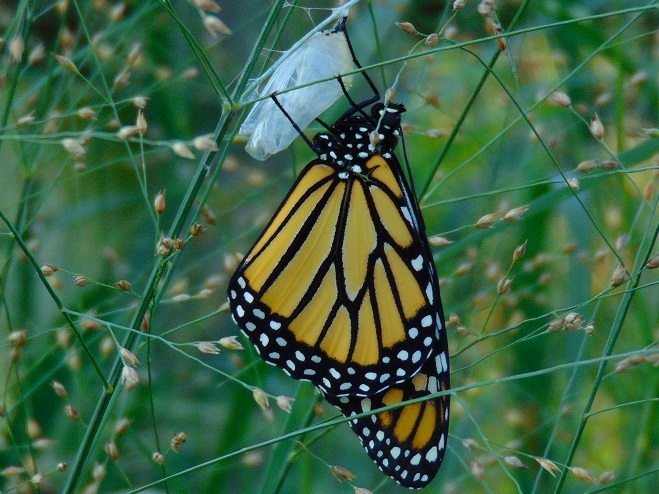
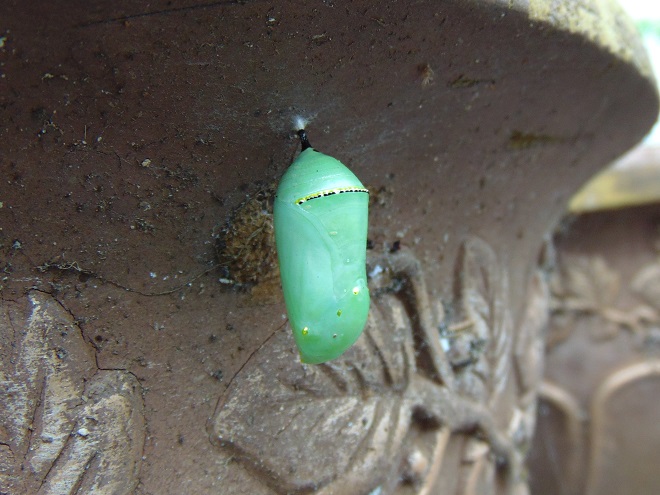
There was Monarch activity in the garden today like we’ve never seen before—and it revolved around milkweed and the companion plants.
SOURCES
Eaton, Eric R., and Kenn Kaufman. 2007. Kaufman Field Guide to Insects of North America. Houghton Mifflin Company. New York.
They get a touch of it here, and a sparkle or two there. Maybe, for a couple of hours each day, the glorious life-giving glow of the sun finds an opening in the canopy to warm and nourish their leaves, then the rays of light creep away across the forest floor, and it’s shade for the remainder of the day.
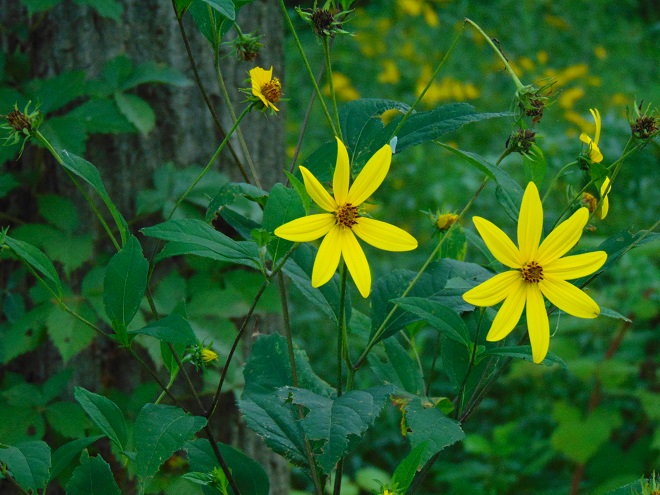
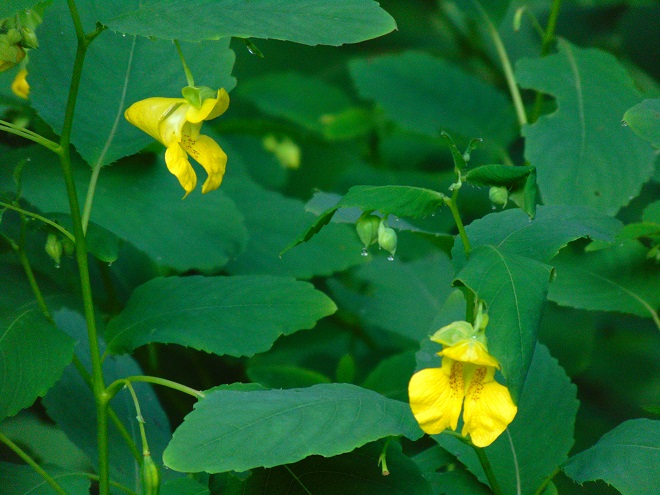
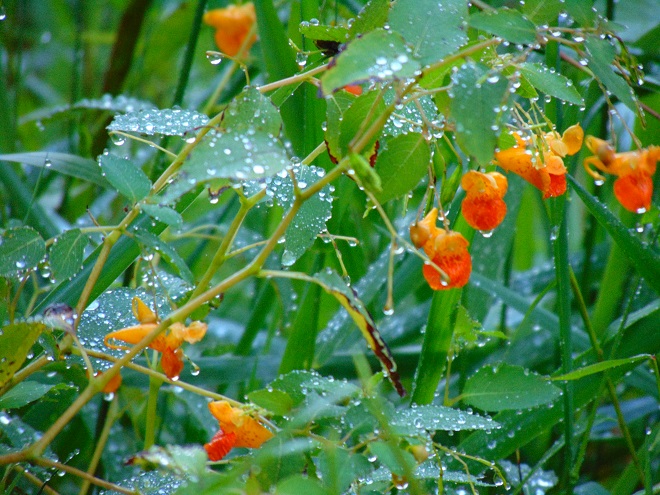
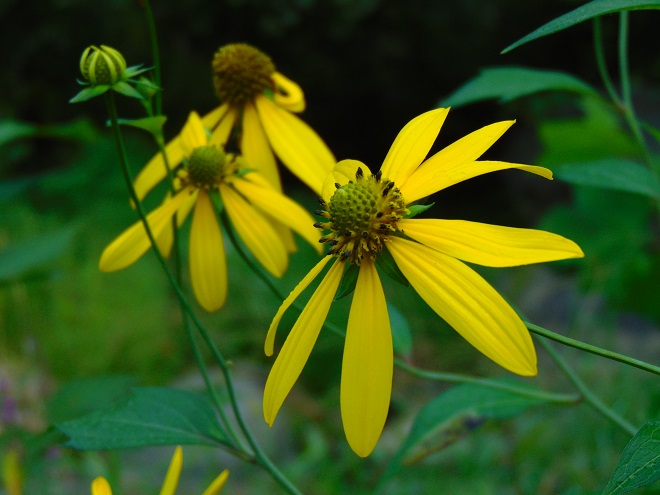
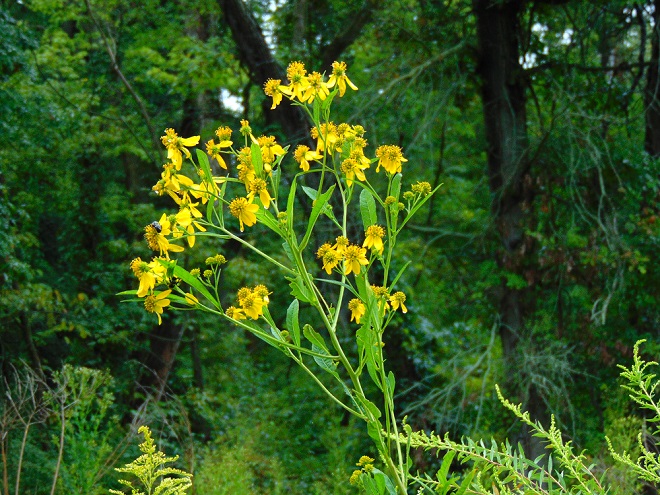
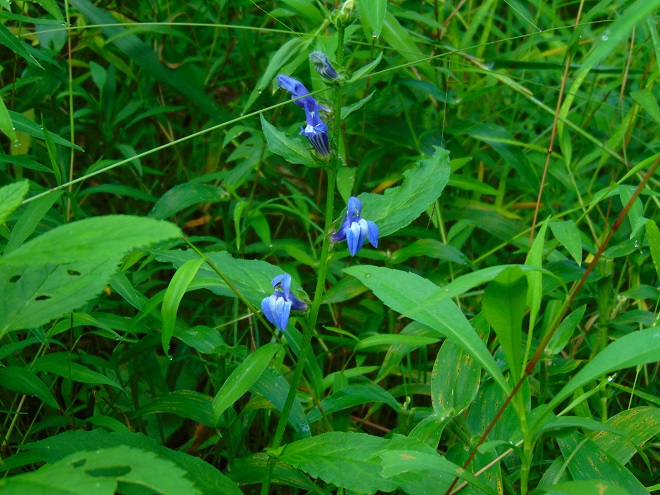
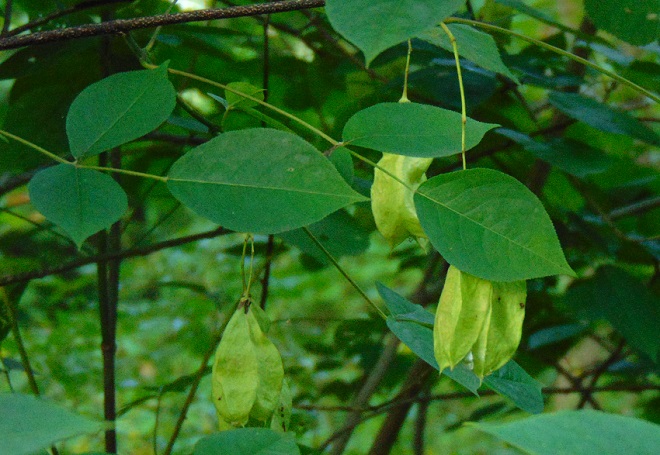
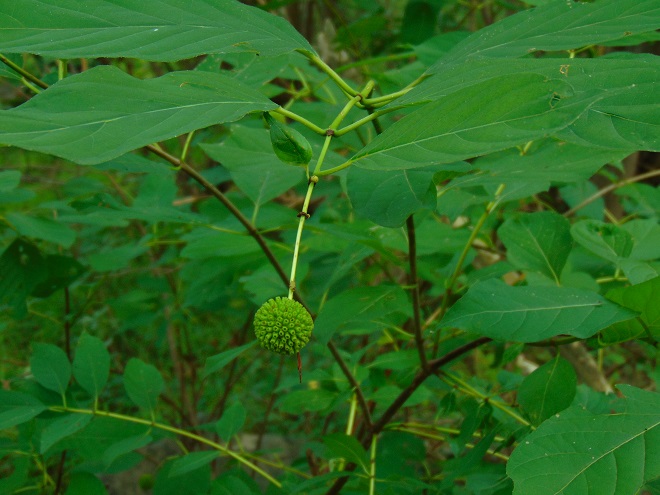
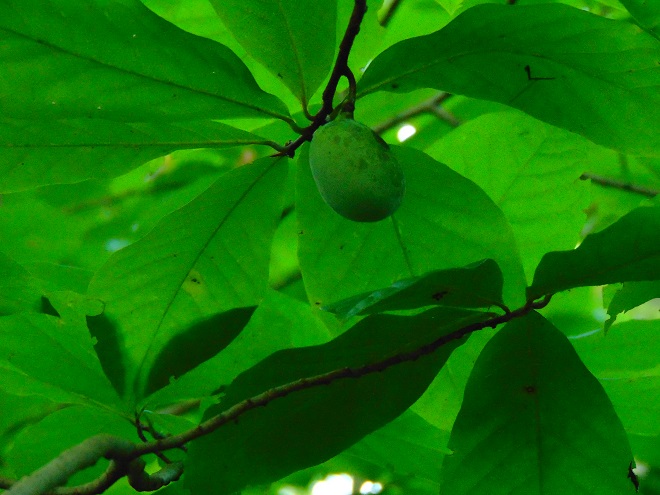
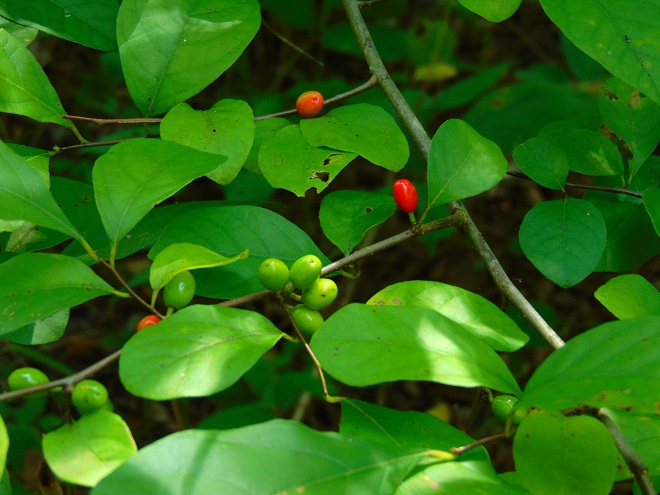
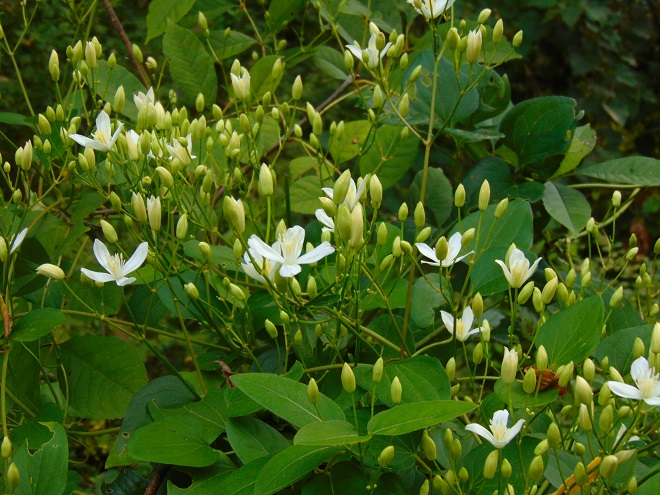
The flowering plants which thrive in the understory of the Riparian Woodlands often escape much notice. They gather only a fraction of the daylight collected by species growing in full exposure to the sun. Yet, by season’s end, many produce showy flowers or nourishing fruits of great import to wildlife. While light may be sparingly rationed through the leaves of the tall trees overhead, moisture is nearly always assured in the damp soils of the riverside forest. For these plants, growth is slow, but continuous. And now, it’s show time.
So let’s take a late-summer stroll through the Riparian Woodlands of Conewago Falls, minus the face full of cobwebs, and have a look at some of the strikingly beautiful plants found living in the shadows.
SOURCES
Long, David; Ballentine, Noel H.; and Marks, James G., Jr. 1997. Treatment of Poison Ivy/Oak Allergic Contact Dermatitis With an Extract of Jewelweed. American Journal of Contact Dermatitis. 8(3): pp. 150-153.
Newcomb, Lawrence. 1977. Newcomb’s Wildflower Guide. Little, Brown and Company. Boston, Massachusetts.
It’s tough being good-looking and liked by so many. You’ve got to watch out, because popularity makes you a target. Others get jealous and begin a crusade to have you neutralized and removed from the spotlight. They’ll start digging to find your little weaknesses and flaws, then they’ll exploit them to destroy your reputation. Next thing you know, people look at you as some kind of hideous scoundrel.
Today, bright afternoon sunshine and a profusion of blooming wildflowers coaxed butterflies into action. It was one of those days when you don’t know where to look first.
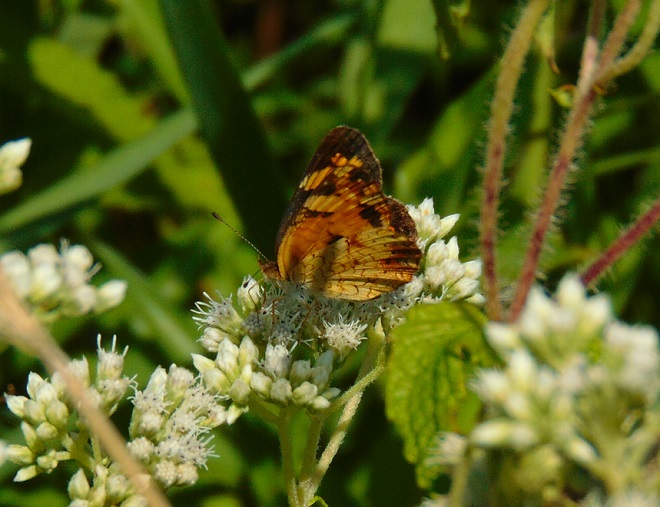
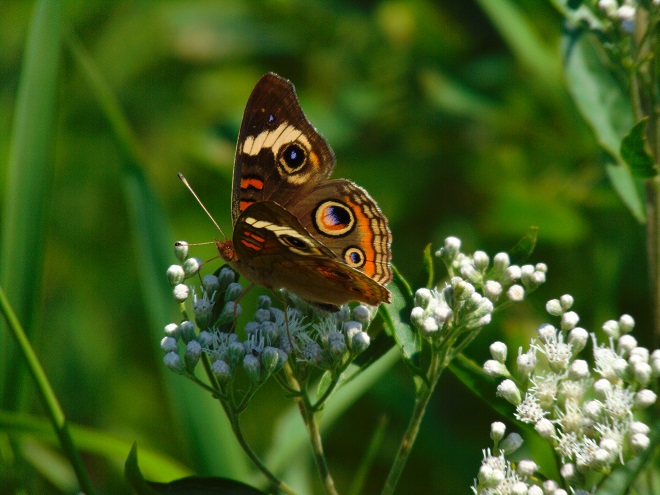
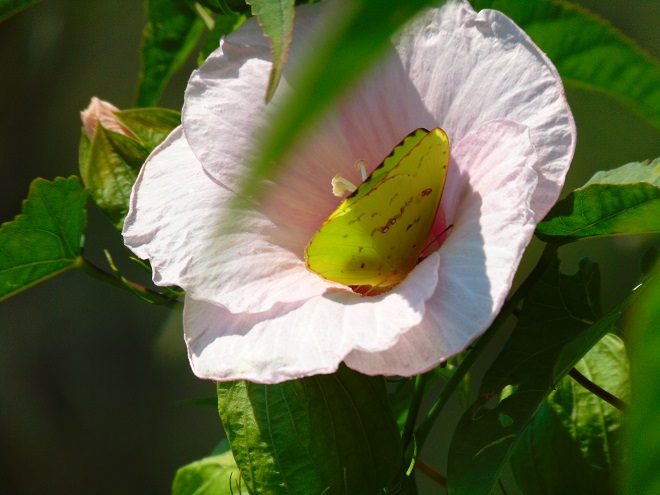
Purple Loosestrife (Lythrum salicaria) has a bad reputation. Not native to the Americas, this prolific seed producer began spreading aggressively into many wetlands following its introduction. It crowds out native plant species and can have a detrimental impact on other aquatic life. Stands of loosestrife in slow-moving waters can alter flows, trap sediment, and adversely modify the morphology of waterways. Expensive removal and biological control are often needed to protect critical habitat.
The dastardly Purple Loosestrife may have only two positive attributes. First, it’s a beautiful plant. And second, it’s popular; butterflies and other pollinators find it to be irresistible and go wild over the nectar.
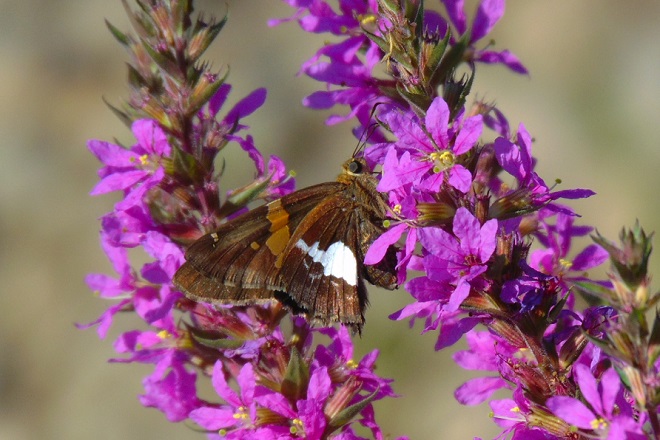
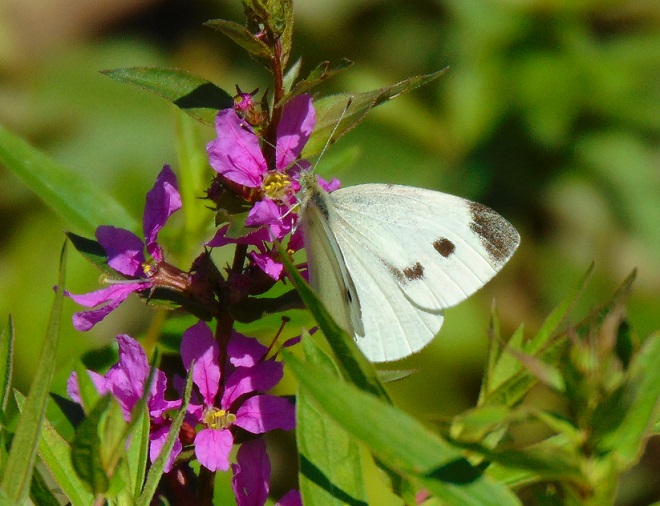
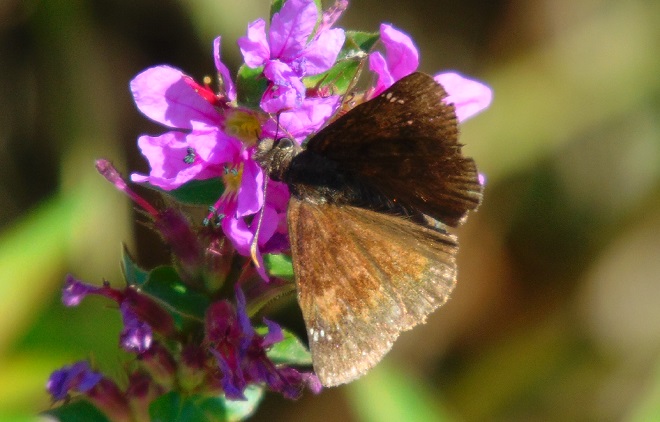
Don’t you just adore the wonderful butterflies. Everybody does. Just don’t tell anyone that they’re pollinating those dirty filthy no-good Purple Loosestrife plants.
SOURCES
Brock, Jim P., and Kenn Kaufman. 2003. Butterflies of North America. Houghton Mifflin Company. New York.
Newcomb, Lawrence. 1977. Newcomb’s Wildflower Guide. Little, Brown and Company. Boston, Massachusetts.
It has not been a good summer if you happen to be a submerged plant species in the lower Susquehanna River. Regularly occurring showers and thunderstorms have produced torrents of rain and higher than usual river stages. The high water alone wouldn’t prevent you from growing, colonizing a wider area, and floating several small flowers on the surface, however, the turbidity, the suspended sediment, would. The muddy current casts a dirty shadow on the benthic zone preventing bottom-rooted plants from getting much headway. There will be smaller floating mats of the uppermost leaves of these species. Fish and invertebrates which rely upon this habitat for food and shelter will find sparse accommodation…better luck next year.
Due to the dirty water, fish-eating birds are having a challenging season as they try to catch sufficient quantities of prey to feed themselves and their offspring. A family of Ospreys (Pandion haliaetus) at Conewago Falls, including recently fledged young, were observed throughout this morning and had no successful catches. Of the hundred or more individual piscivores of various species present, none were seen retrieving fish from the river. The visibility in the water column needs to improve before fishing is a viable enterprise again.
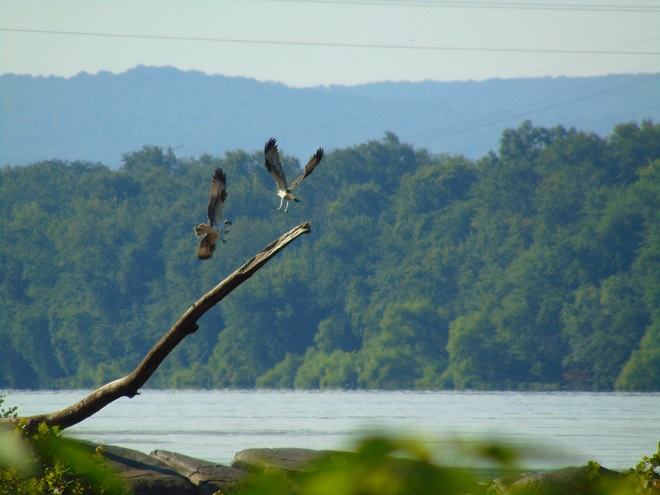
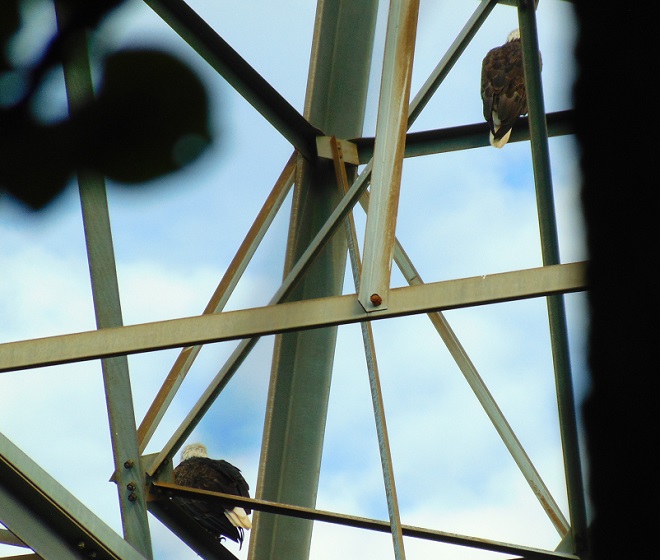
While the submerged plant communities may be stunted by 2017’s extraordinary water levels, there is a very unique habitat in Conewago Falls which endures summer flooding and, in addition, requires the scouring effects of river ice to maintain its mosaic of unique plants. It is known as a Riverine Grassland or scour grassland.
The predominant plants of the Riverine Grasslands are perennial warm-season grasses. The deep root systems of these hardy species have evolved to survive events which prevent the grassland from reverting to woodland through succession. Fire, intense grazing by wild herd animals, poor soils, drought, and other hardships, including flooding and ice scour, will eliminate intolerant plant species and prevent an area from reforesting. In winter and early spring, scraping and grinding by flood-driven chunk ice mechanically removes large woody and poorly rooted herbaceous growth from susceptible portions of the falls. These adverse conditions clear the way for populations of species more often associated with North America’s tall grass prairies to take root. Let’s have a look at some of the common species found in the “Conewago Falls Pothole Rocks Prairie”.
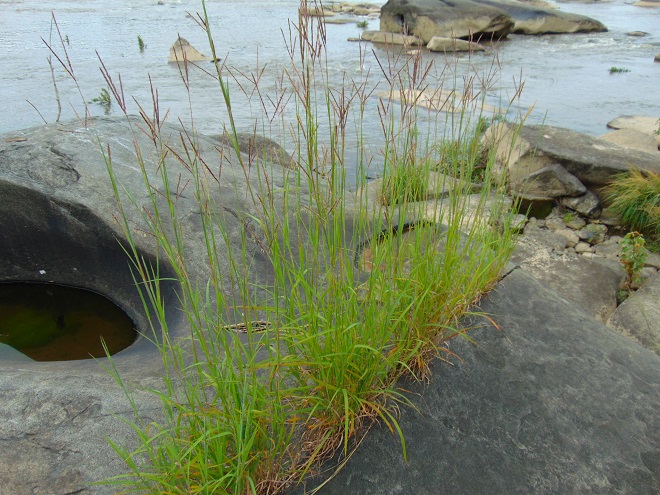
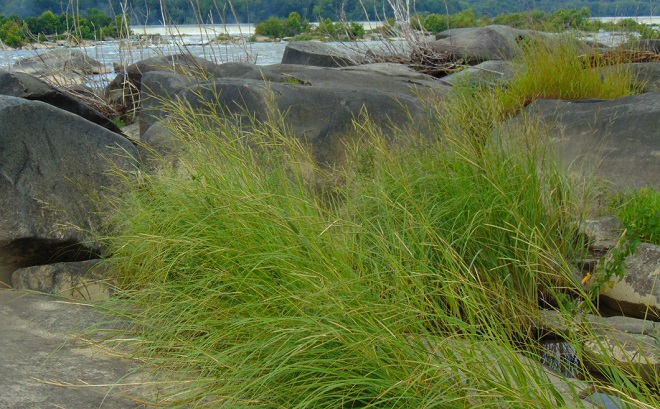
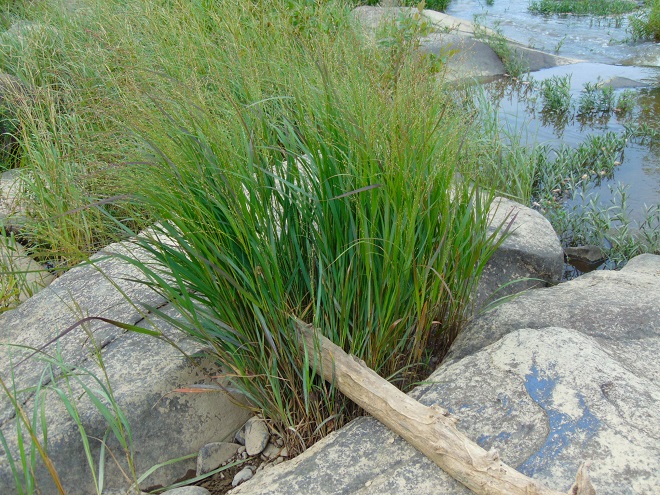
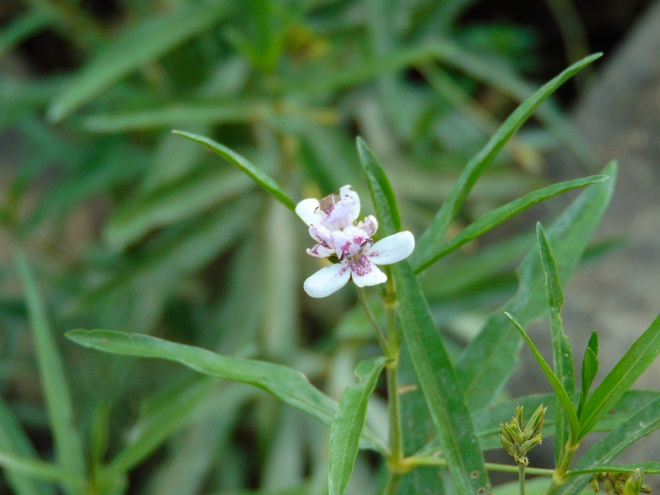
The Conewago Falls Riverine Grassland is home to numerous other very interesting plants. We’ll look at more of them next time.
SOURCES
Brown, Lauren. 1979. Grasses, An Identification Guide. Houghton Mifflin Company. New York, NY.
She ate only toaster pastries…that’s it…nothing else. Every now and then, on special occasions, when a big dinner was served, she’d have a small helping of mashed potatoes, no gravy, just plain, thank you. She received all her nutrition from several meals a week of macaroni and cheese assembled from processed ingredients found in a cardboard box. It contains eight essential vitamins and minerals, don’t you know? You remember her, don’t you?
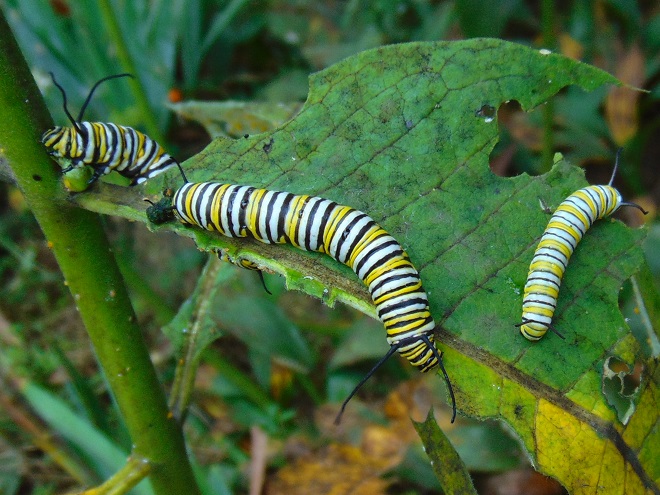
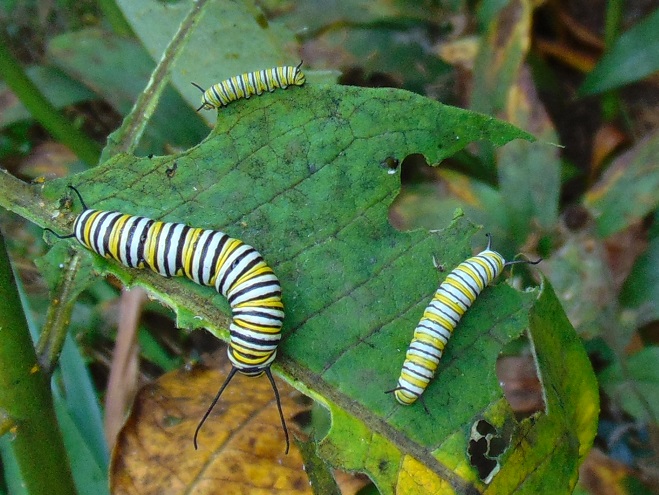
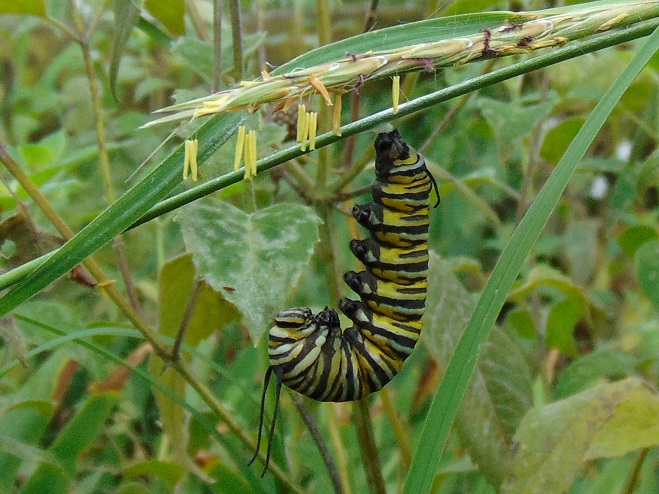
Adult female butterflies must lay their eggs where the hatched larvae will promptly find the precise food needed to fuel their growth. These caterpillars are fussy eaters, with some able to feed upon only one particular species or genus of plant to grow through the five stages, the instars, of larval life. The energy for their fifth molt into a pupa, known as a chrysalis, and metamorphosis into an adult butterfly requires mass consumption of the required plant matter. Their life cycle causes most butterflies to be very habitat specific. These splendid insects may visit the urban or suburban garden as adults to feed on nectar plants, however, successful reproduction relies upon environs which include suitable, thriving, pesticide-free host plants for the caterpillars. Their survival depends upon more than the vegetation surrounding the typical lawn will provide.
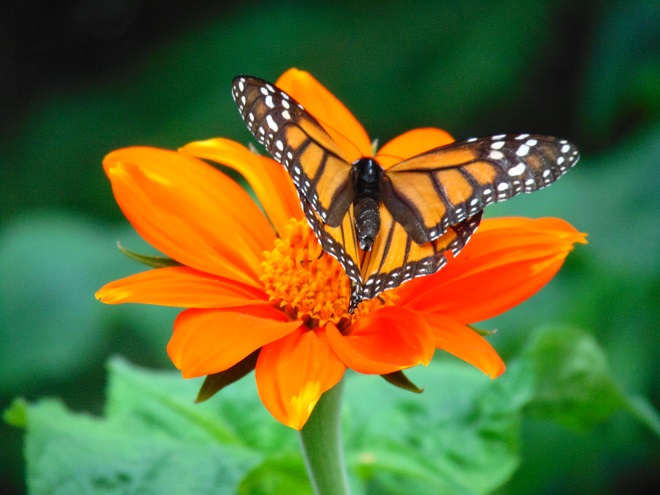
The Monarch (Danaus plexippus), a butterfly familiar in North America for its conspicuous autumn migrations to forests in Mexico, uses the milkweeds (Asclepias) almost exclusively as a host plant. Here at Conewago Falls, wetlands with Swamp Milkweed (Asclepias incarnata) and unsprayed clearings with Common Milkweed (A. syriaca) are essential to the successful reproduction of the species. Human disturbance, including liberal use of herbicides, and invasive plant species can diminish the biomass of the Monarch’s favored nourishment, thus reducing significantly the abundance of the migratory late-season generation.
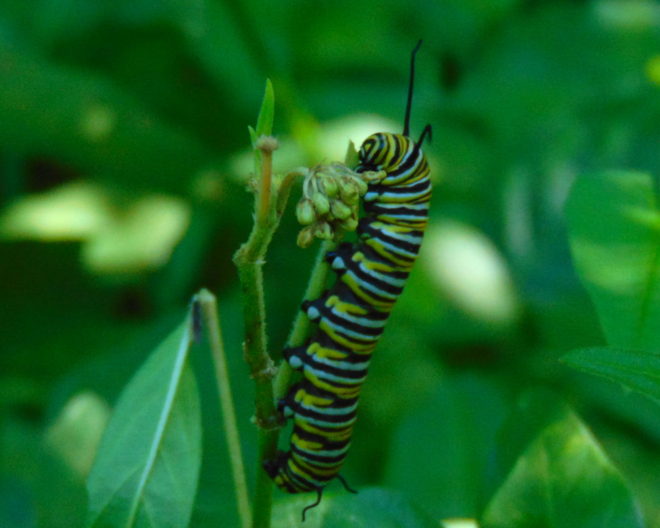
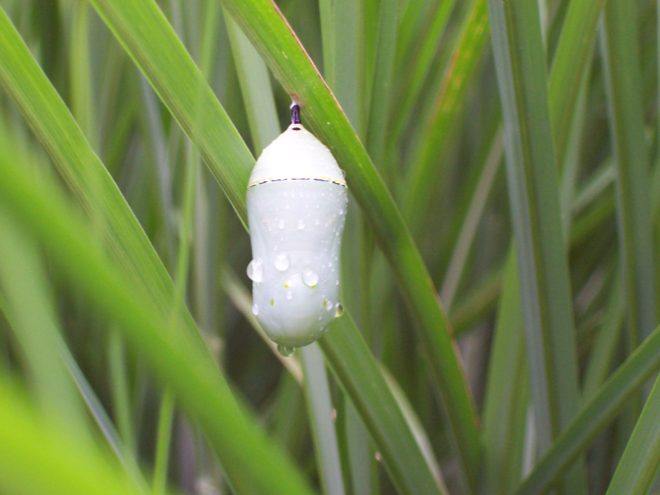

Butterflies are good indicators of the ecological health of a given environment. A diversity of butterfly species in a given area requires a wide array of mostly indigenous plants to provide food for reproduction. Let’s have a look at some of the species seen around Conewago Falls this week…
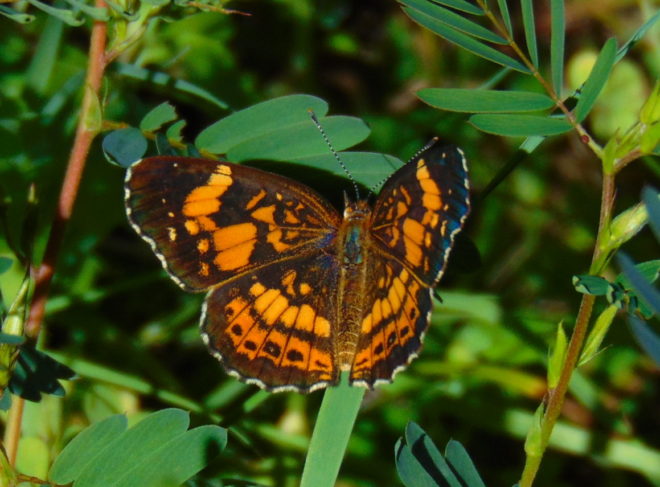
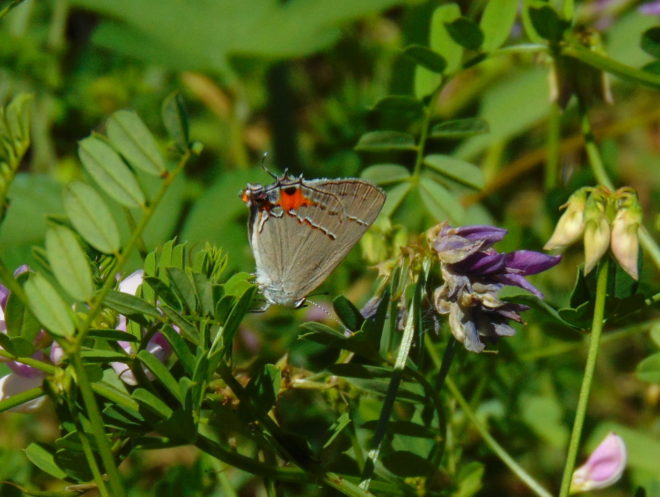
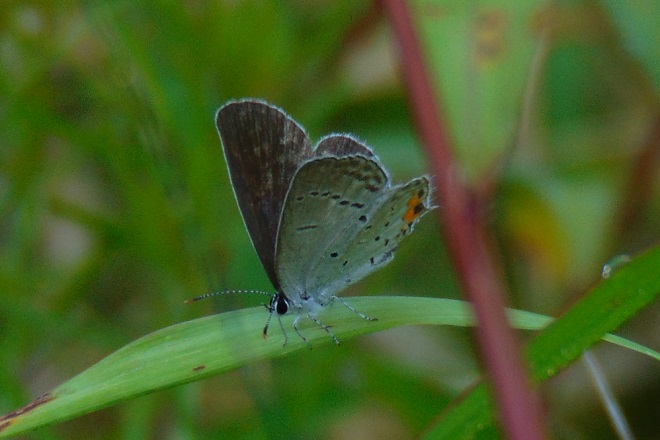
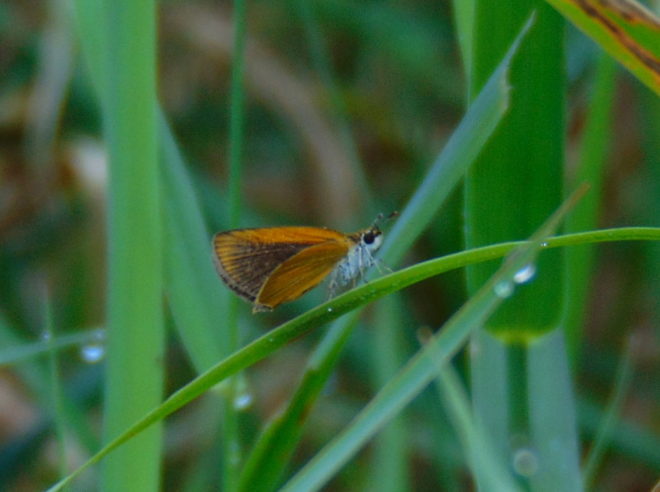

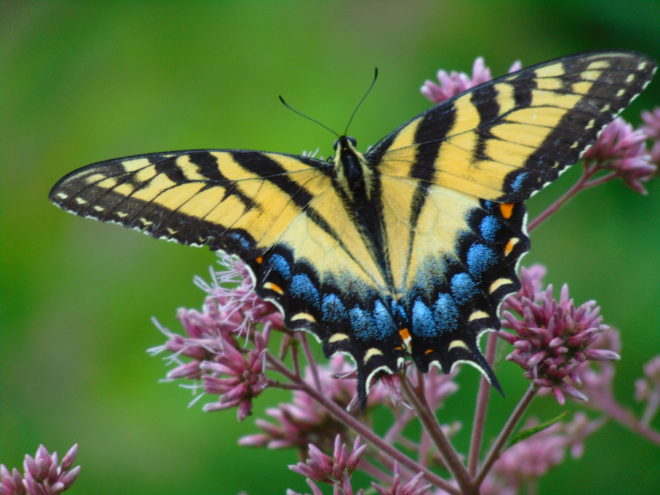
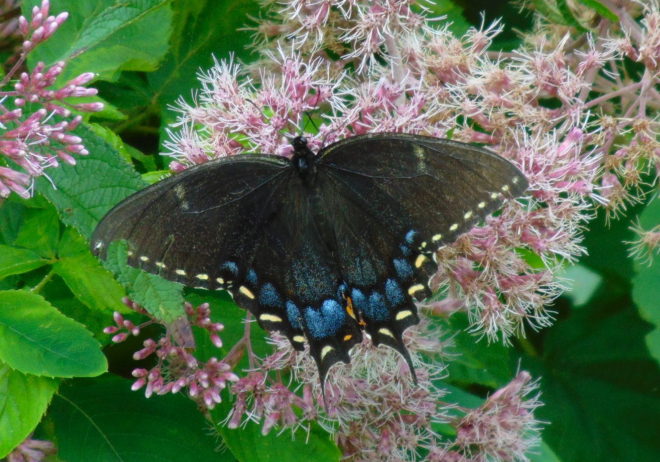
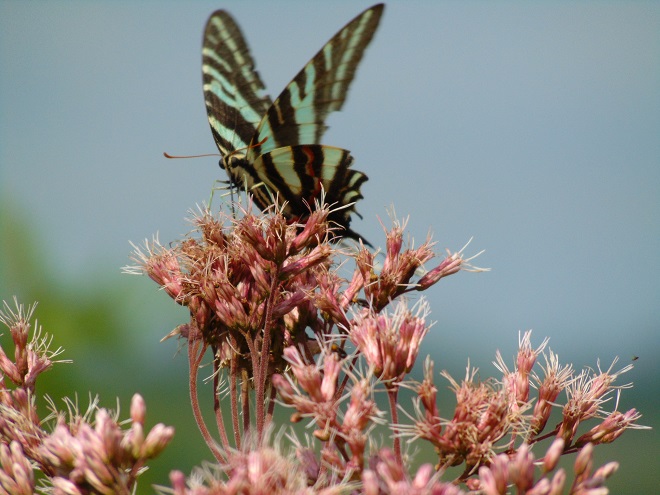
The spectacularly colorful butterflies are a real treat on a hot summer day. Their affinity for showy plants doubles the pleasure.
By the way, I’m certain by now you’ve recalled that fussy eater…and how beautiful she grew up to be.
SOURCES
Brock, Jim P., and Kaufman, Kenn. 2003. Butterflies of North America. Houghton Mifflin Company. New York, NY.