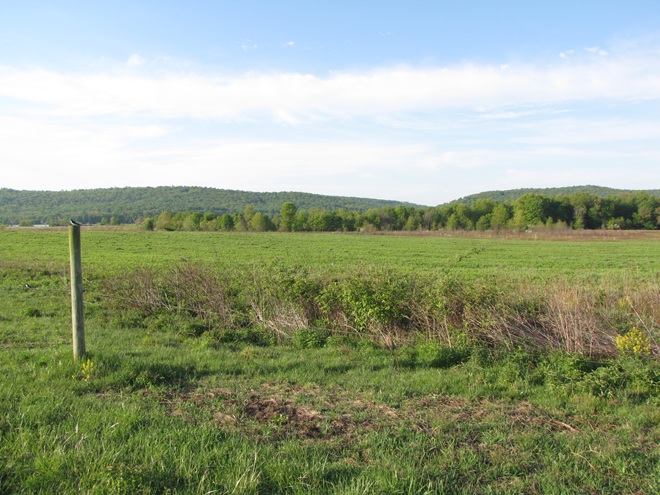
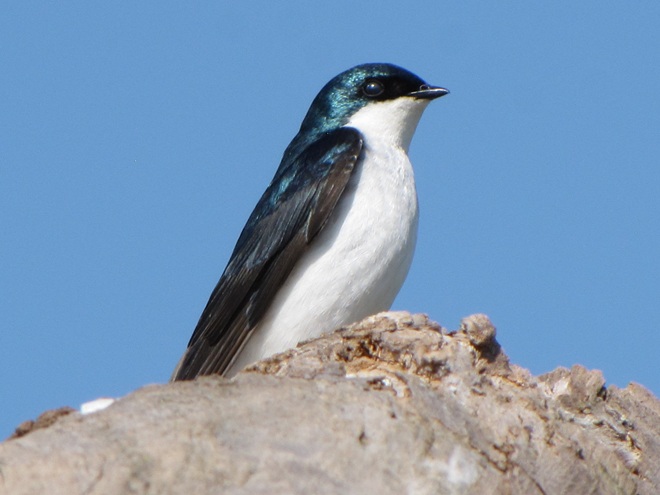
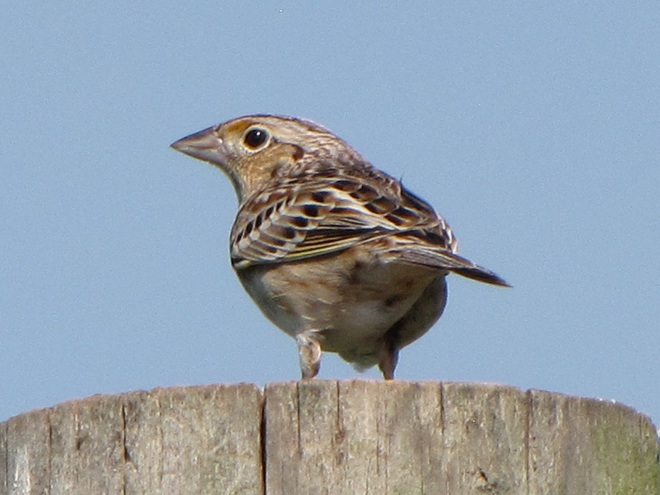
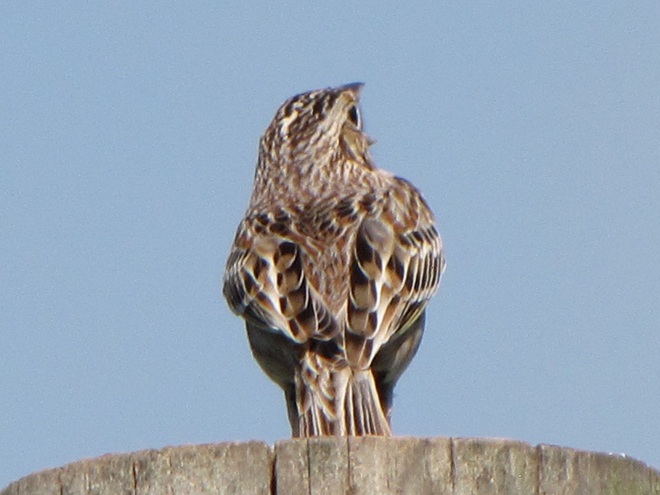
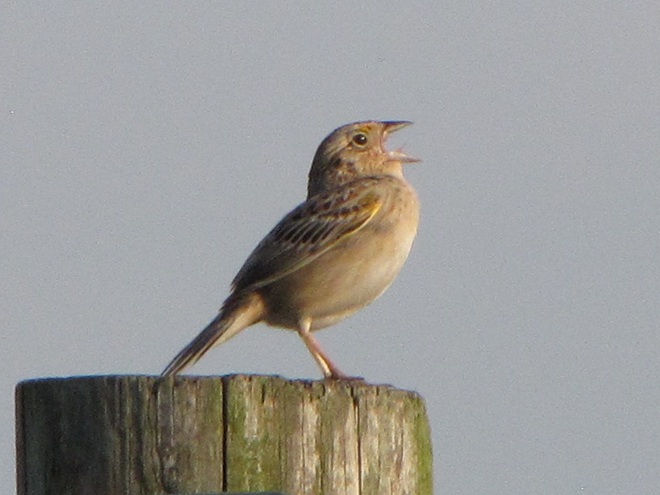
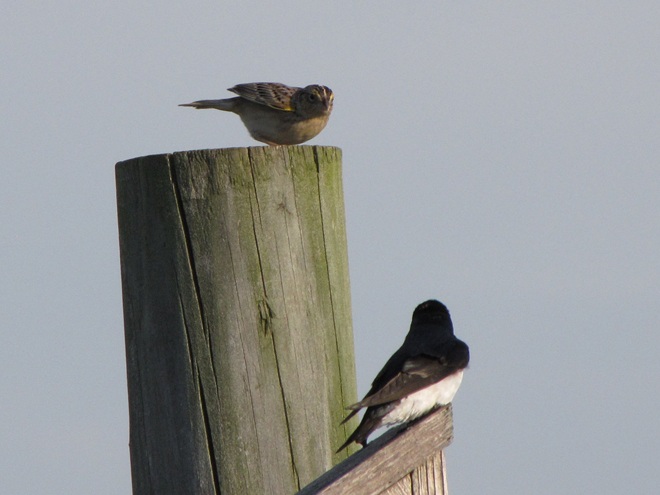
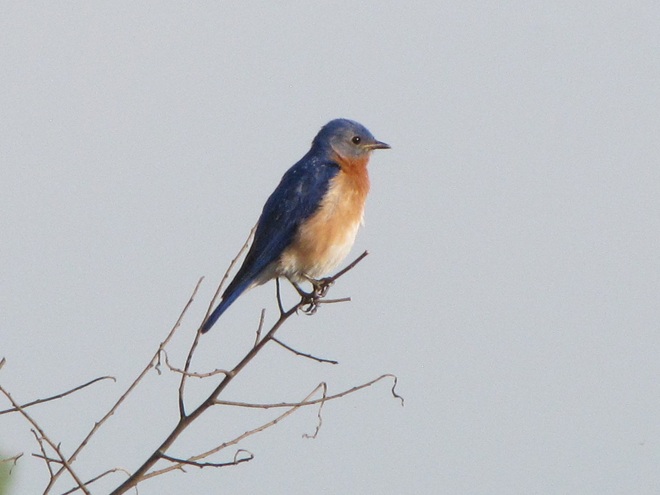
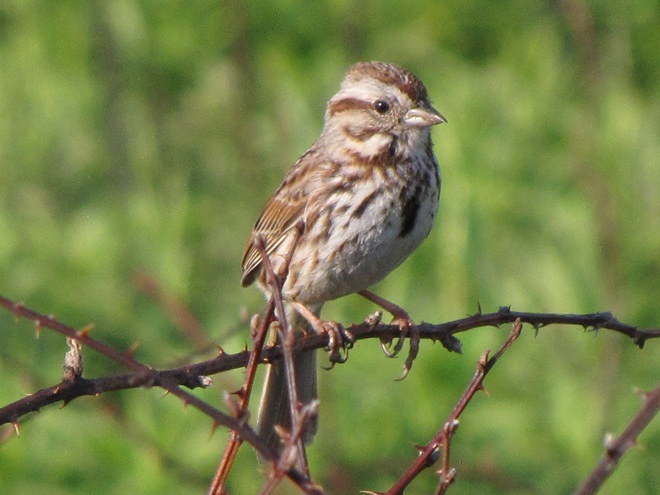
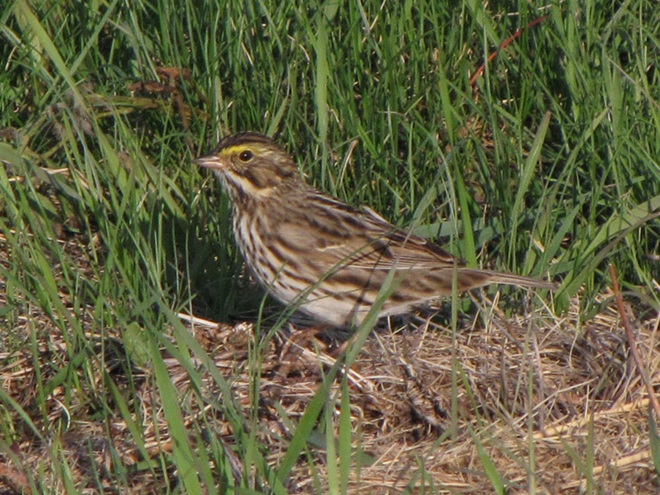
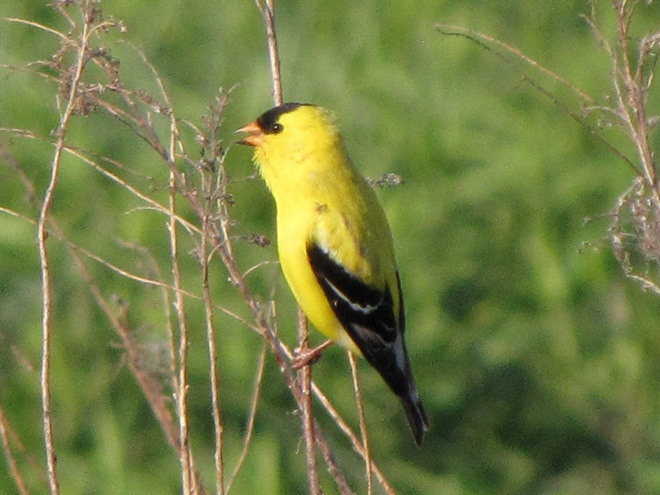
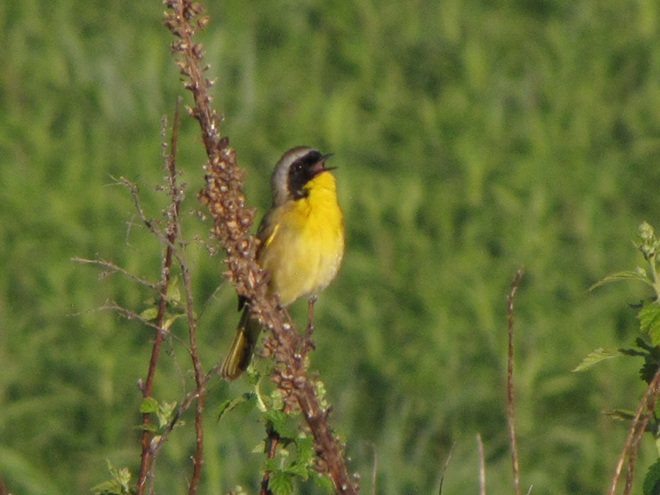
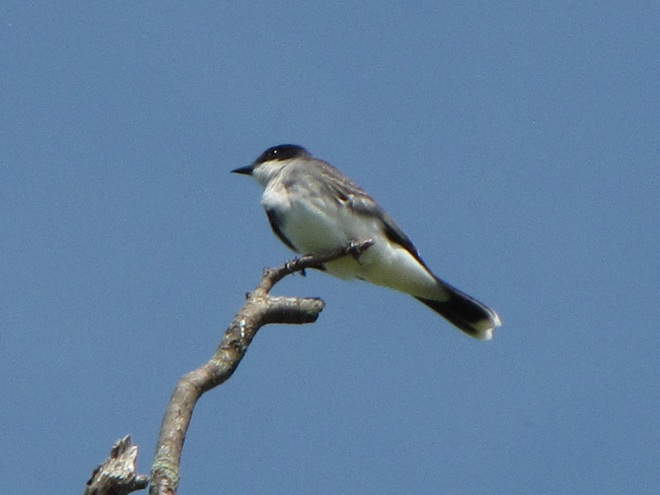
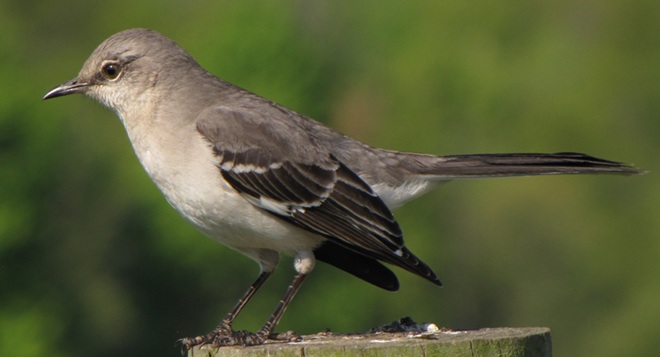
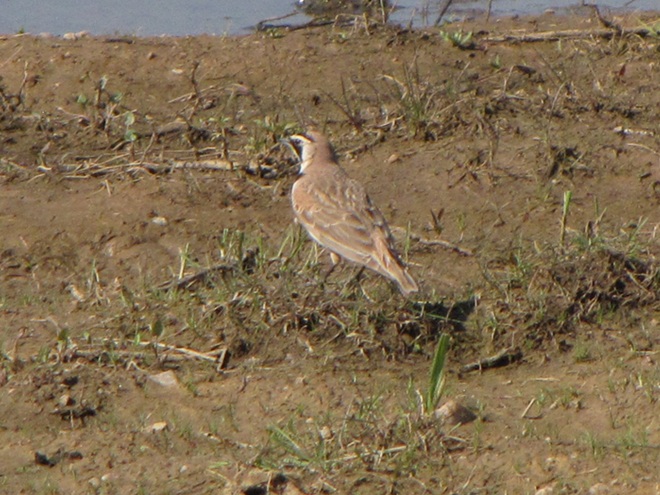
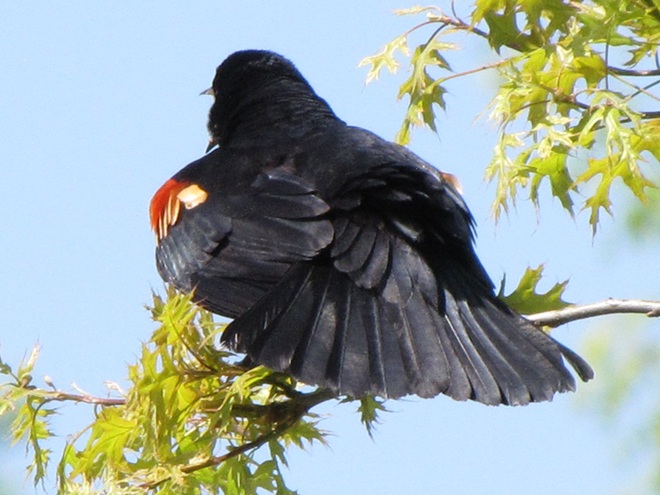
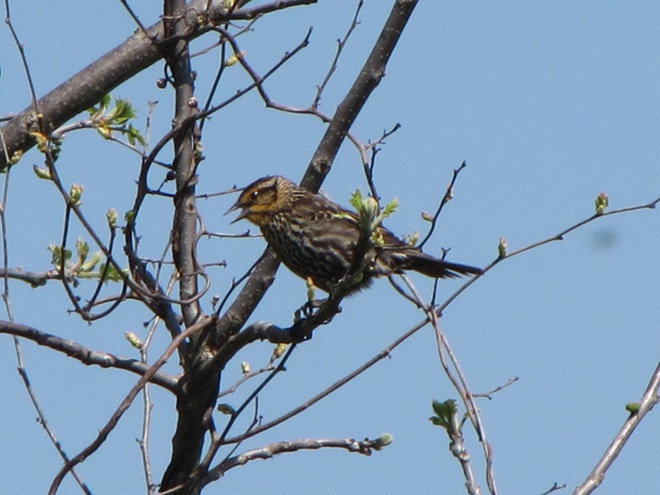
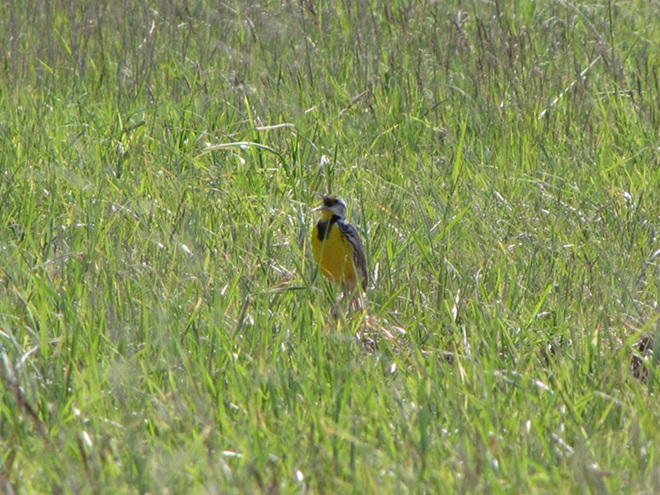
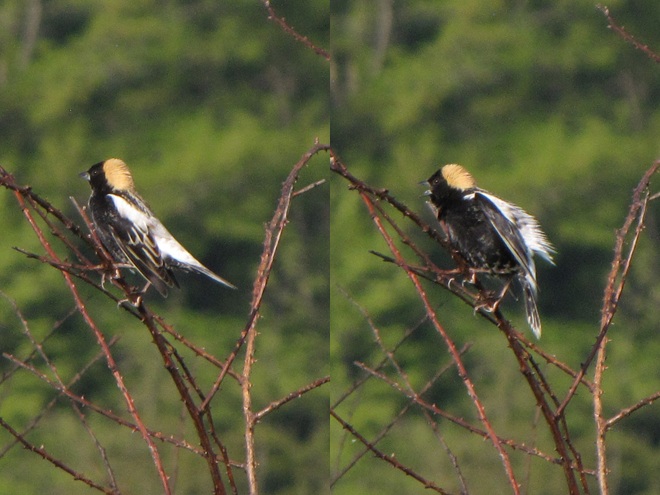
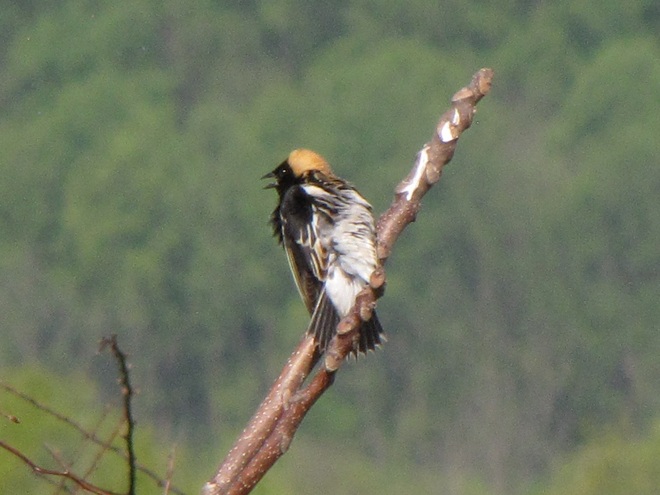
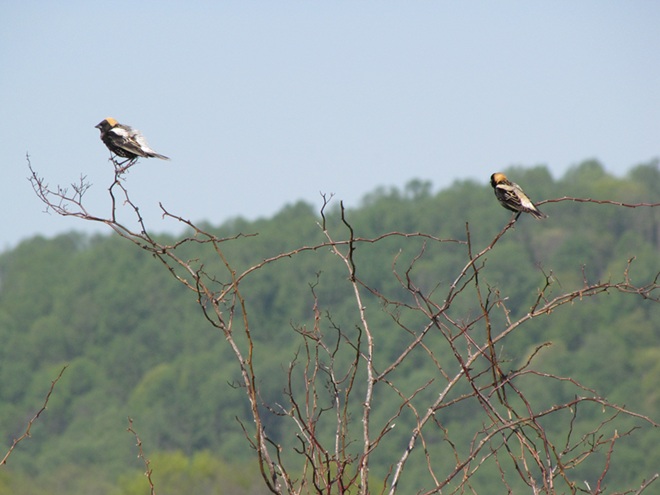
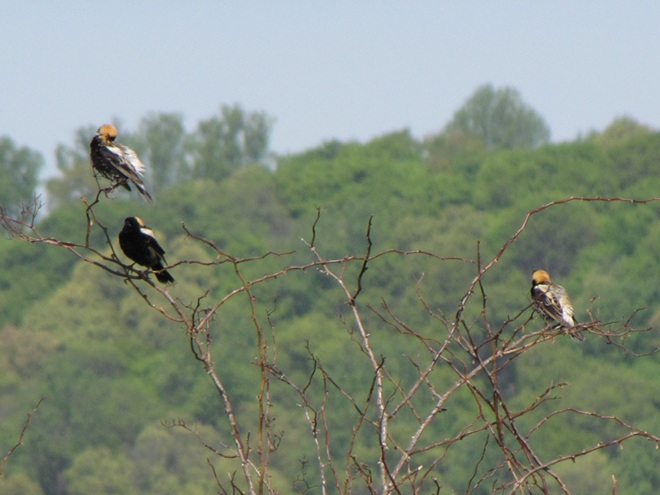
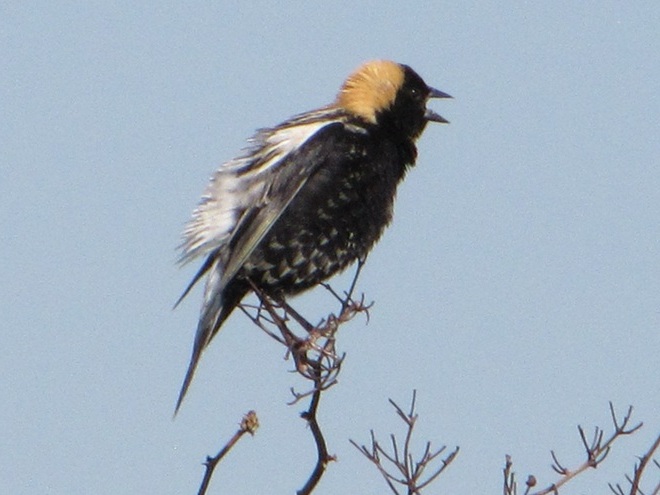
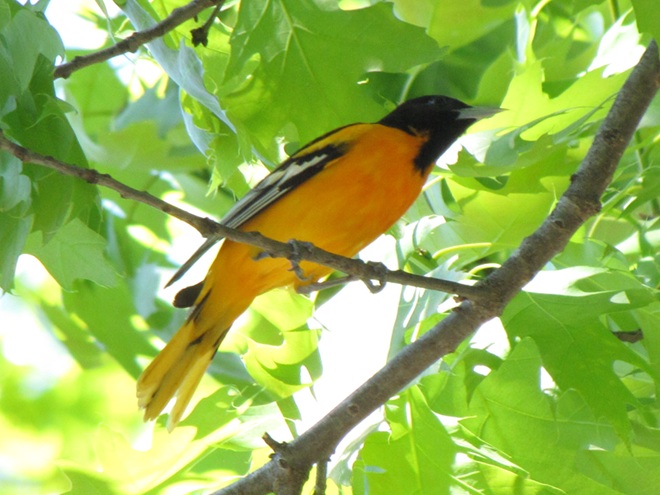
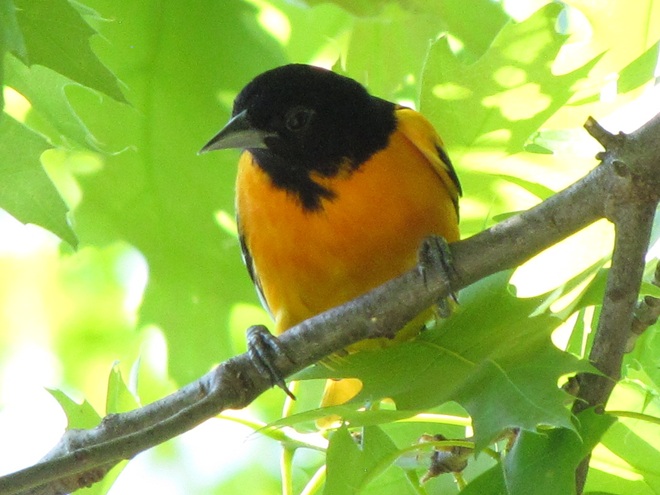
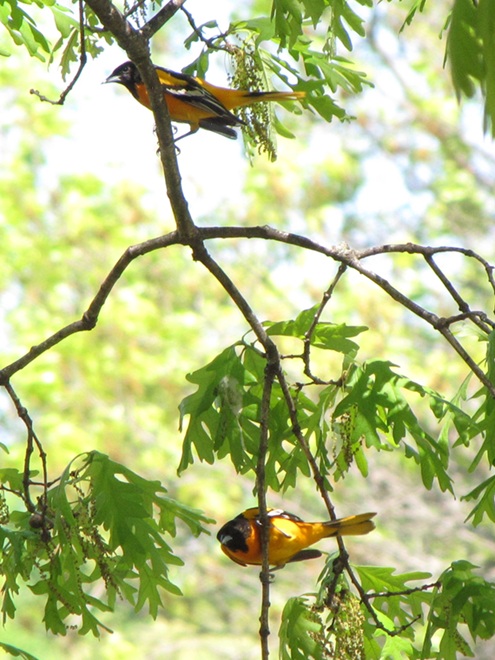
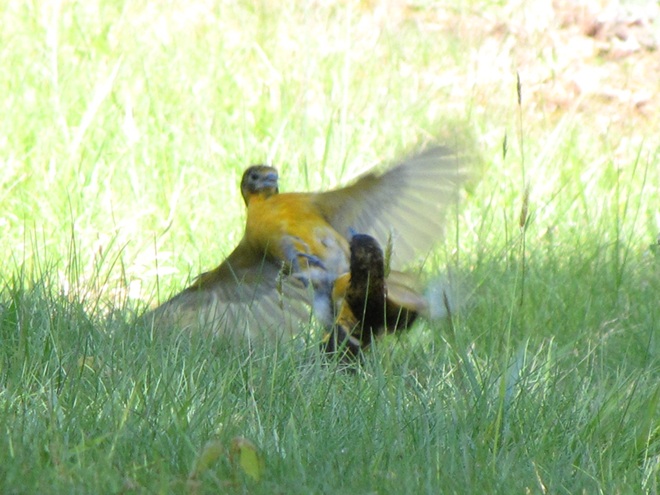
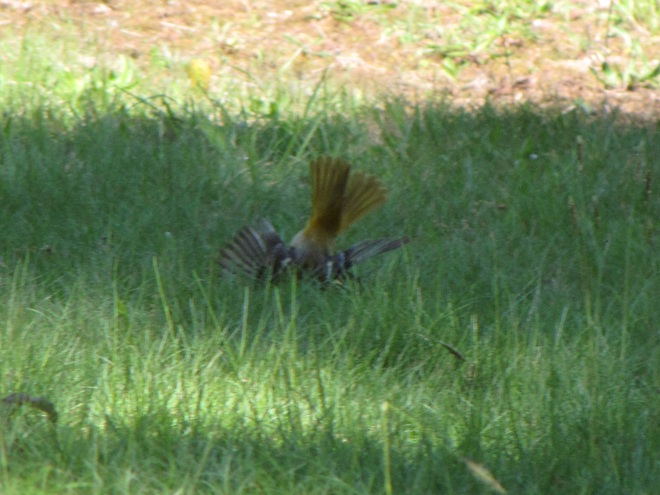
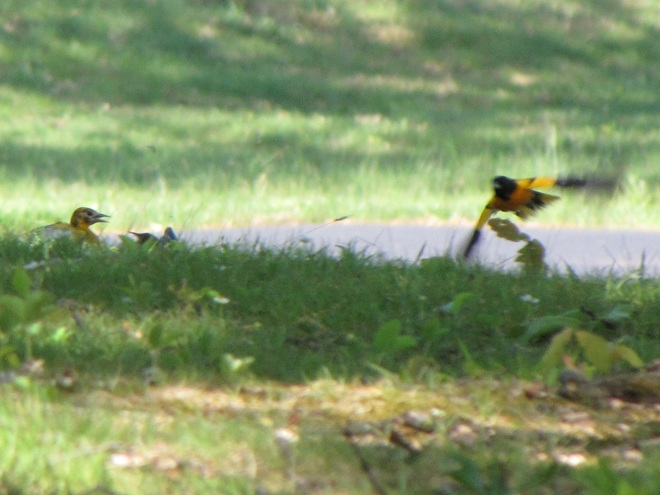
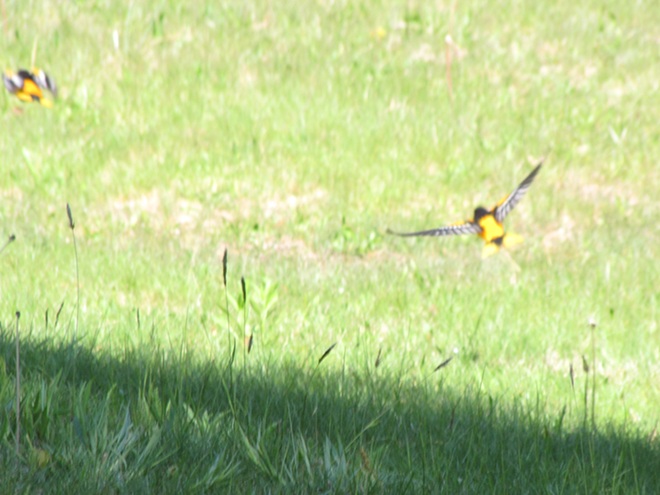
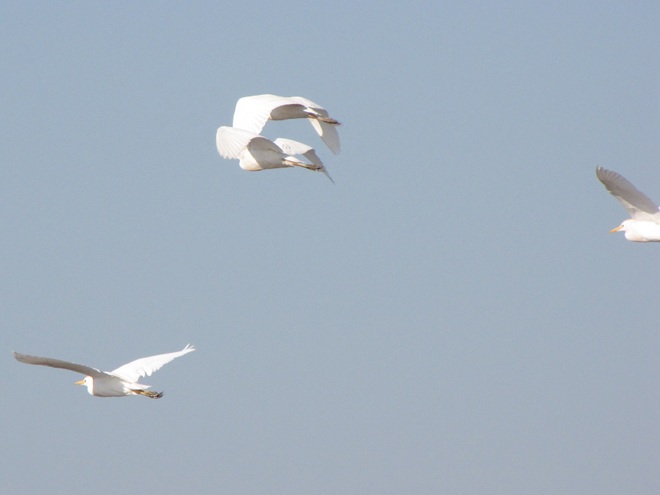
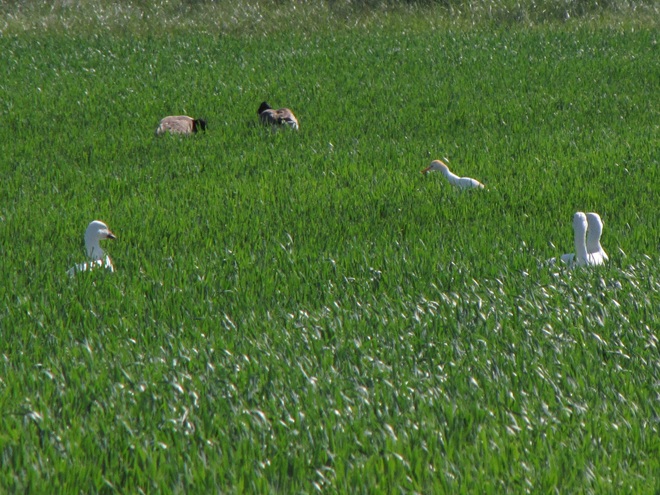
Photographing Neotropical migrants as they arrive to nest in our local forests can be frustrating under closed canopies and diffused light conditions. We instead decided to focus our efforts and lenses on the grassland species at Middle Creek Wildlife Management Area where, earlier this week, several prescribed fire burns were wrapping up the spring treatments for 2026.Managed warm-season grassland habitat at Middle Creek Wildlife Management Area.Already tending nests containing eggs and young, Tree Swallows are scattered around the refuge’s grasslands to welcome newly arriving migrants, and human visitors!Middle Creek is probably the best place in the lower Susquehanna valley to see ground-nesting Grasshopper Sparrows.To attract a mate and establish a defendable territory, the males are singing their buzzy, insect-like songs from atop roadside fence posts.The songs persist as the male moves from perch to perch around a potential breeding site.It’s a behavior that occasionally puts the newcomer Grasshopper Sparrow in conflict with a well-ensconced Tree Swallow guarding its nest box.Eastern Bluebirds squeeze in among the Tree Swallows to find a vacant nest box within which they can raise their young.Song Sparrows may be present year-round in grasslands with interspersed growth of early successional shrubs and briars, however the populations at a given location changes as birds migrate in and out of the area seasonally. Those individuals observed nesting here in the spring and summer are not usually the same birds seen during the late fall and winter.As a species, the Savannah Sparrow, like the Song Sparrow, may be represented in the grasslands throughout the year, though the individuals vary with the changing seasons. Unlike the Song Sparrow which nests in shrubs, the Savannah Sparrow nests on the ground among thick grasses.Still munching on the seeds of last year’s wildflowers, American Goldfinches are pairing up around the grasslands waiting for thistle down and other fibers to be available for nest construction. They will then build a small cup within the upper limbs of a small to medium-sized tree to shelter their eggs and nestlings.The Common Yellowthroat, one of our Neotropical warblers, will reproduce in grasslands with scattered early successional thorny shrubs to afford a safe place to construct a nest. The males sing almost incessantly from the time they arrive in late April and early May until sometime in July, or even later.Eastern Kingbirds are arriving from tropical wintering grounds to nest in grasslands and pastures throughout the lower Susquehanna region. They are a tyrant flycatcher that will ambush insects from a perch atop a tree, shrub, or tuft of tall grass.Northern Mockingbirds are considered a resident species, though there may be some southward movement during severe winters when foods such as berries become scarce. At Middle Creek, some of these evacuees have returned to nest along the interface zone between the grassland and early successional shrub habitats.Nesting Horned Larks apparently take advantage of the interface between the managed grasslands and nearly bare soils in spring-planted croplands at Middle Creek. They may be one of the few, possibly the only, species of bird life to take advantage of no-till farming for nesting on the ground.Red-winged Blackbirds not only construct nests in cattails and other marsh growth, but in dense grasses and shrubs in and near grasslands and pastures. The males are easily seen displaying their plumage as they sing from a small tree, shrub, or a cattail seed spike.Less frequently seen is the female Red-winged Blackbird. She spends the majority of her time in the nest, but will periodically come out to join the ruckus when an intruder is being scolded into leaving the premises.Another member of the blackbird family is the Eastern Meadowlark. It too is an energetic singer during the breeding season. Meadowlarks build their nests on the ground, often in pastures of cool-season grasses where harvests prior to August are fatal to eggs and young. Middle Creek’s managers delay harvests to allow the birds enough time to complete their reproduction cycle.Another blackbird is the Bobolink, an obligate grassland specialist and a Neotropical migrant. One of its few uses for trees and shrubs is as a place to burst into display and song, though it will also perform these rituals on the wing and among the grass.A male Bobolink singing and displaying from a perch.As the males arrive, competition for suitable nesting sites among the grasses becomes intense, even before a female is anywhere in sight.We saw as many as five males at a time clustered into this one tuft of thorny twigs to take turns chattering and showing their wares to one another.A territorial male Bobolink at Middle Creek Wildlife Management Area. Delayed mowing allows cool-season grasslands to provide nesting sites for this species too.Did you know the Baltimore Oriole is a blackbird? Well, it is.When surrounded by acres of grasslands for collecting insects, groves of mature shade trees including oaks, walnuts, sycamores, and elms provide excellent nesting sites for Baltimore Orioles.Competition for these ideal sites can get quite animated.Fights like this one between two second-year males can become vicious,……leaving combatants rolling on the ground in their fury,……at least until the more-experienced adult males who’ve been fighting over the place have had enough……and decide to send the clumsy, younger males packing.During our visit to the Middle Creek grasslands earlier this week, we were afforded an encounter with some unusual grassland birds, Western Cattle Egrets. To the delight of birders who never got to enjoy the abundance of this species on the lower Susquehanna during the 1970s and early 1980s, these birds have been a popular attraction as they’ve lingered around the refuge for a couple of weeks now.It’s an unusual experience, watching Western Cattle Egrets feeding in a field of cultivated cool-season grasses alongside Snow Geese, though they certainly aren’t looking for the same thing.
We’ll have more on the Western Cattle Egrets and other interesting migrants at Middle Creek in an upcoming post. Check back soon!