During winter’s harshest conditions, one must frequently marvel at the methods various forms of wildlife have to survive. Take a look at some of the animals we found using their life-sustaining adaptations to find food amidst the snow-covered landscape and bitter cold air.
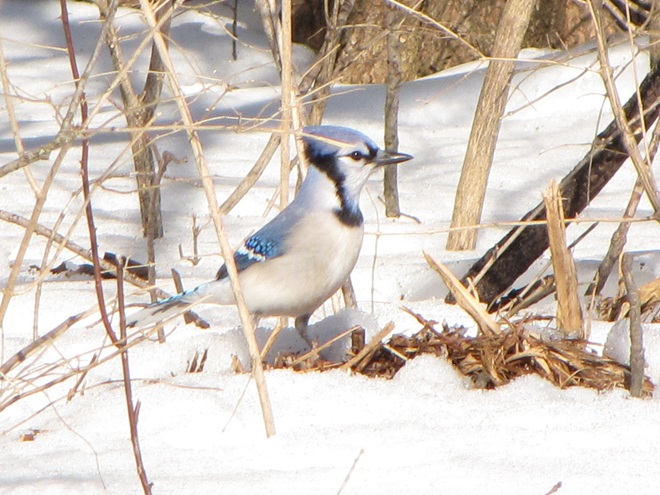
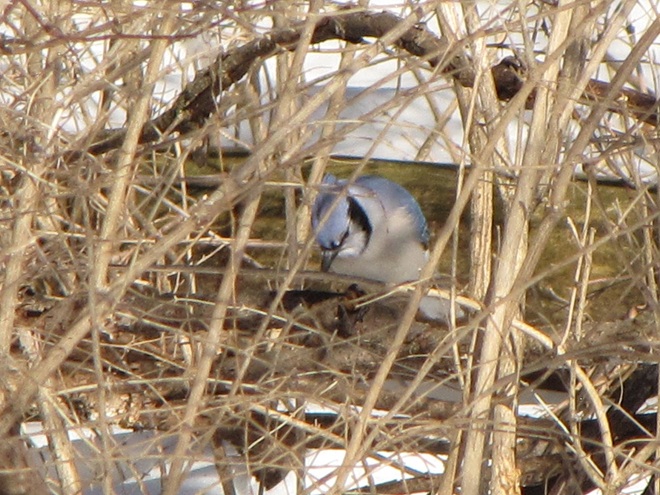
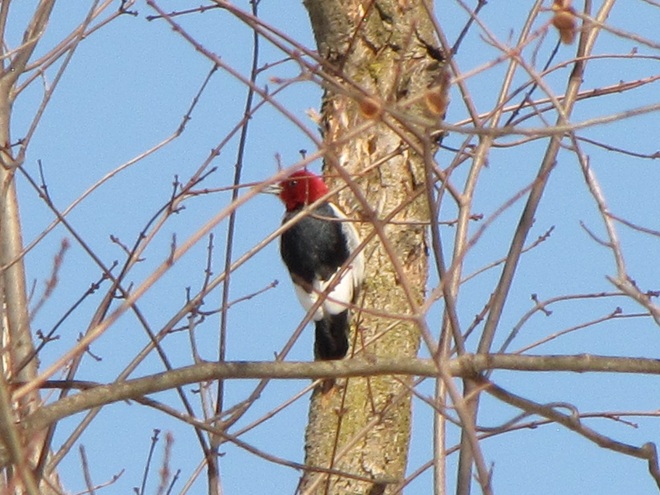
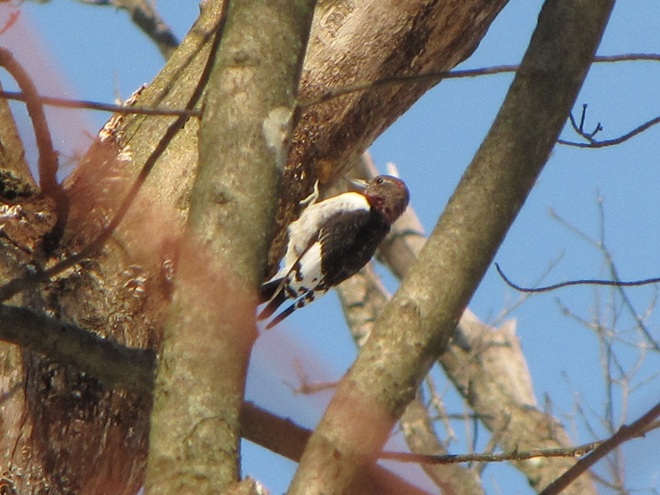
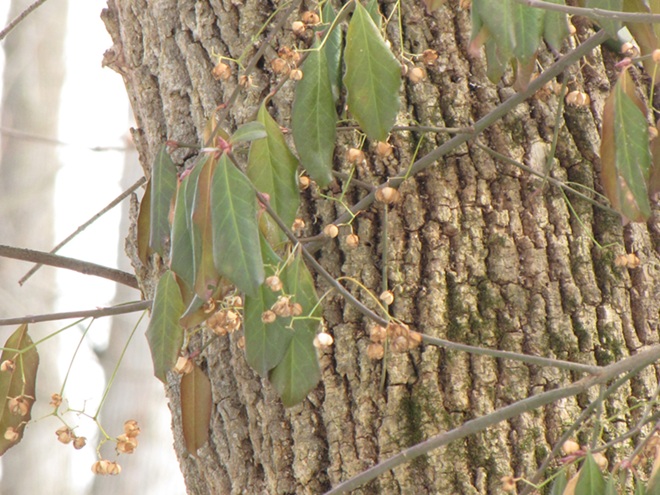
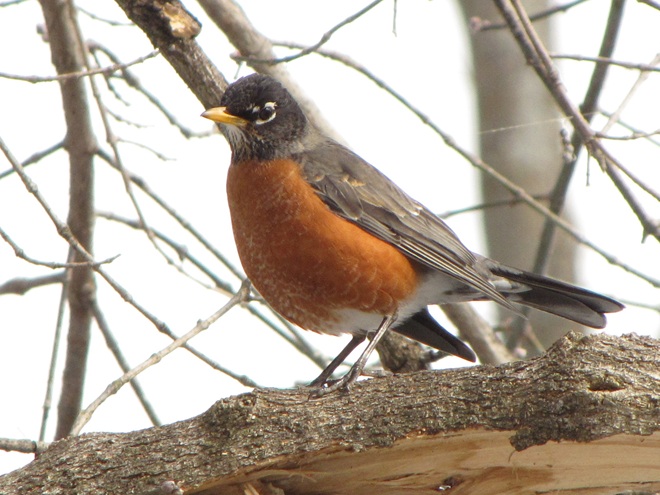
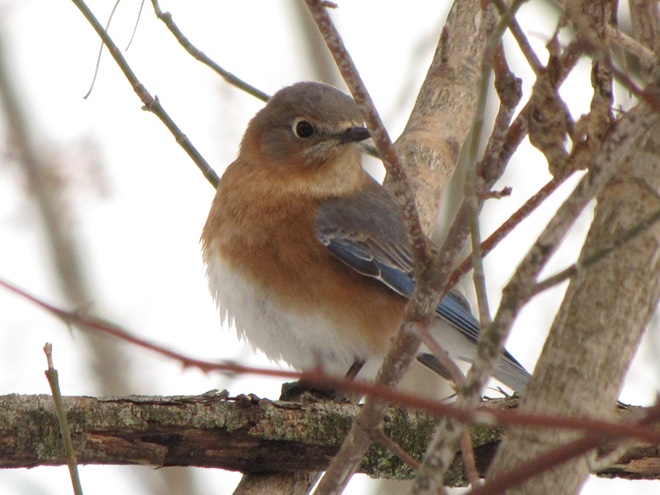
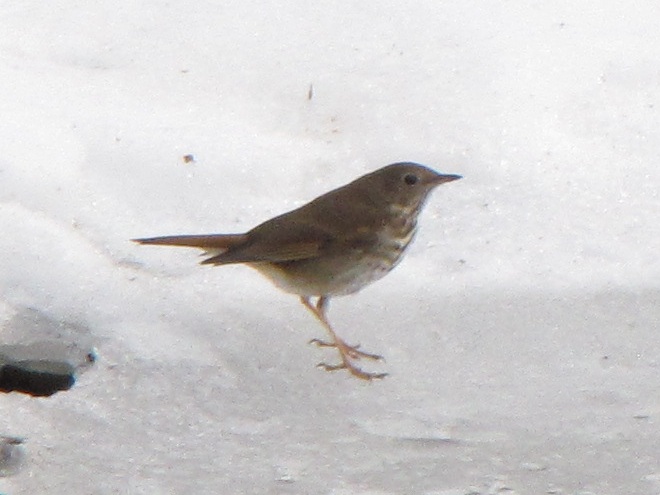
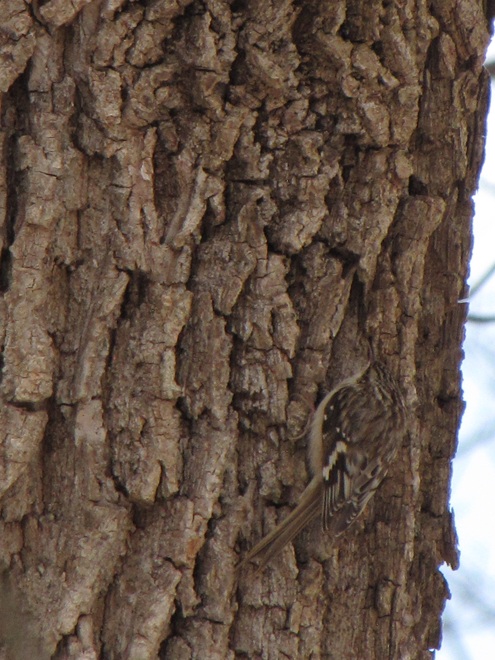
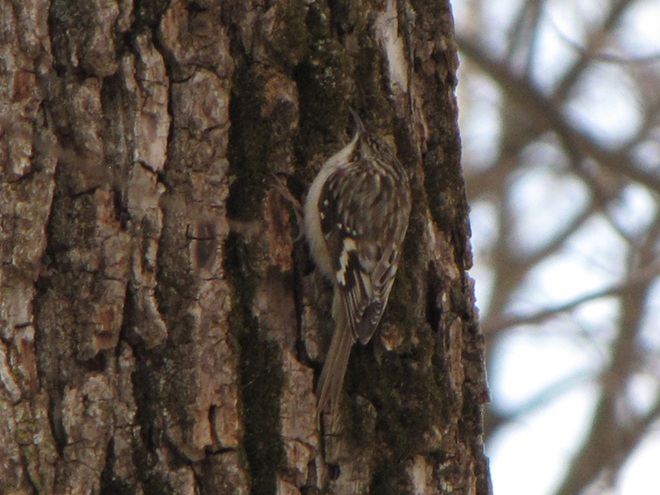
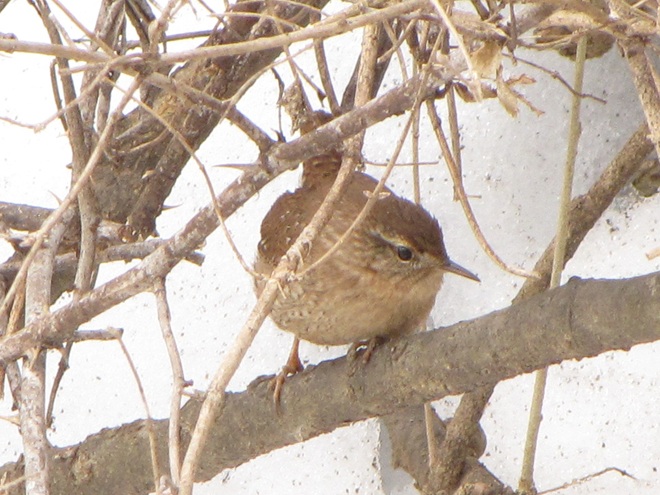
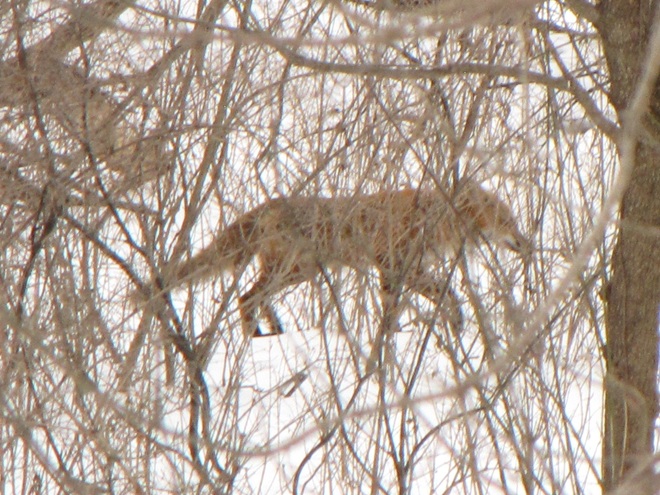
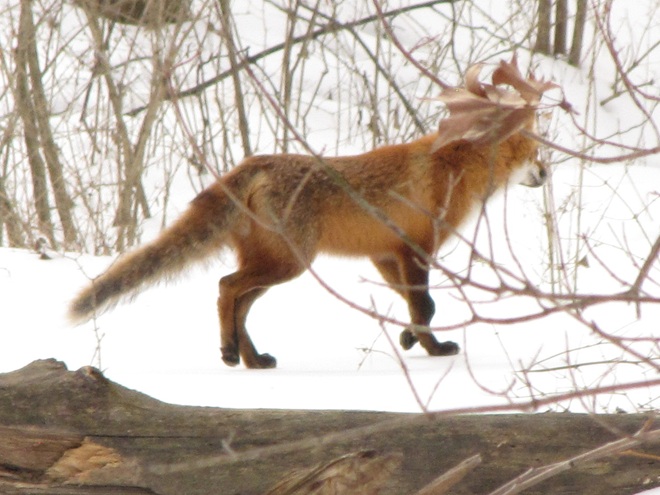
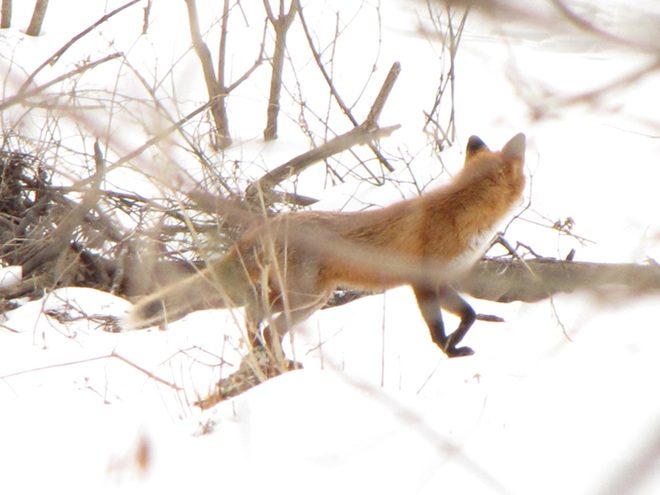
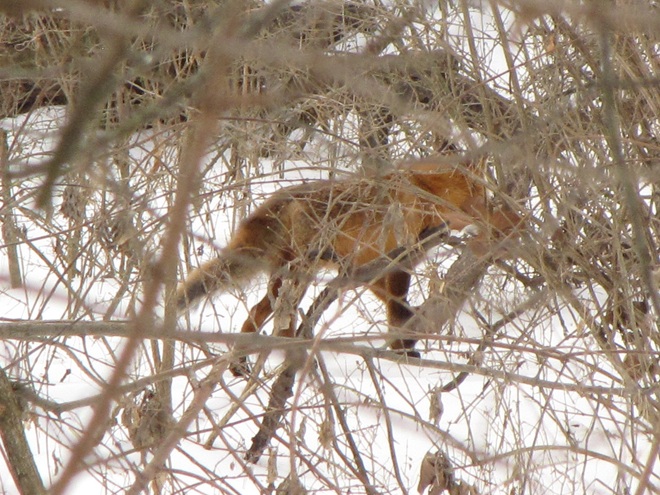
We watched this Blue Jay digging to retrieve an acorn from beneath the tuft of leaves and dried grasses where it had apparently concealed it earlier in the season.It then carried it to a nearby limb and chiseled away the husk to devour the nutritious contents. Blue Jays are known to cache hundreds or even thousands of seeds, nuts, and acorns for winter consumption. Want to see it for yourself? Just put out some unshelled no-salt peanuts and watch the jays haul them away, that is if the hoarding squirrels don’t get them first!Like other members of the Picidae family, Red-headed Woodpeckers pry and chisel away at decaying and insect-infested trees to find food during the winter.Like jays, Red-headed Woodpeckers including this first-winter bird are very fond of acorns and will often collect them from the ground. And like jays, they’ll cache acorns for use as a backup supply when a blanket of snow may prevent them from gathering those that remain beneath the oaks.Native to eastern Asia, Wintercreeper (Euonymus fortunei) has escaped from mostly urban cultivation to become naturalized and often invasive in some wooded areas of the lower Susquehanna River watershed. It can be quite aggressive, usually found growing as a climbing vine or less frequently as a shrub. In the absence of native and more palatable foods, the berries are an attractive survival fare for members of the Turidae (thrush) family and other birds.We found this and several hundred more American Robins surviving the current winter weather while feeding on Wintercreeper in a suburban woods with a heavy growth of the invasive plant.Several Eastern Bluebirds were seen among the Wintercreeper tangles as well. They too are relying upon this non-native plant to provide at least a portion of the energy they need to make through blustery February nights.The Hermit Thrush, a species that nests in the coniferous and mixed forests of the northern United States and Canada, winters sparingly in the lower Susquehanna valley. We found this one among the robins and bluebirds of the Wintercreeper thicket where it too was probably attracted by the supply of berries.Frequently escaping notice in the winter woods is the Brown Creeper, another species that nests primarily in coniferous and mixed forests to our north, though it does breed in our area at scattered locations, primarily in mountainous or swampy terrain.As their name suggests, Brown Creepers spend nearly all of their time creeping along the bark of mature trees searching for small insects, spiders, and other arthropods and their eggs. The creeper’s diet changes little with the seasons, but you may occasionally see them visit your bird feeders in winter for a nip of suet.The petite Winter Wren exhibits mouse-like behavior as it hops and crawls among logs, rocks, and brush along the banks of wooded waterways. Like the creeper, it is primarily an insectivore, spending much of its time escaping notice searching beneath streamside structure for its daily nourishment. In summer, Winter Wrens nest in damp coniferous forests.Seeing a Red Fox repeatedly during daylight hours is typically considered to be a sign that one may be observing a diseased animal, but we soon determined that there was nothing at all wrong with this vulpid we found patrolling a large woodland lying along the outskirts of a lower Susquehanna city.Typically when the ground is covered with snow, a Red Fox will hunt for voles or mice by listening for their movements in the runways below, then leaping and pouncing to plunge snout first into the fluff to grab the pinpointed prey. But the recent rain-soaked snow which is now frozen rock hard prohibits the usual hunting tactic, so this canine has adapted to current conditions.It has switched from its habitually nocturnal schedule to a day shift in pursuit of a diurnal species of prey rodent which can currently be found in abundance at ground level. After about forty minutes of watching this fox dart back and forth through the understory growth without ever paying much attention to us, we became certain of its target when the alarm chatter turned to a series of screams as one of the numerous Eastern Gray Squirrels that had been scurrying around fell into the fox’s grip.Just as suddenly as it had begun, our Red Fox encounter ended as our visitor opted to carry away its quarry and dine in peace. From all appearances, this particular fox’s only ailment was hunger. By adapting to prevailing conditions, it was able to fully utilize its opportunistic feeding traits and may thus survive to pass on these qualities to the next generation of Red Foxes. As for the squirrel, it exhibited a vulnerability that led to its demise. This vulnerability will not be passed on to a future generation of squirrels. Though it may run counter to public perception and understanding, the event strengthens local populations of both native species. And so it goes.