The Next Wave

Our first big wave of northbound migrants has come and gone, but don’t despair; for spring is still a few days away, and we have yet to reach the end of the beginning …
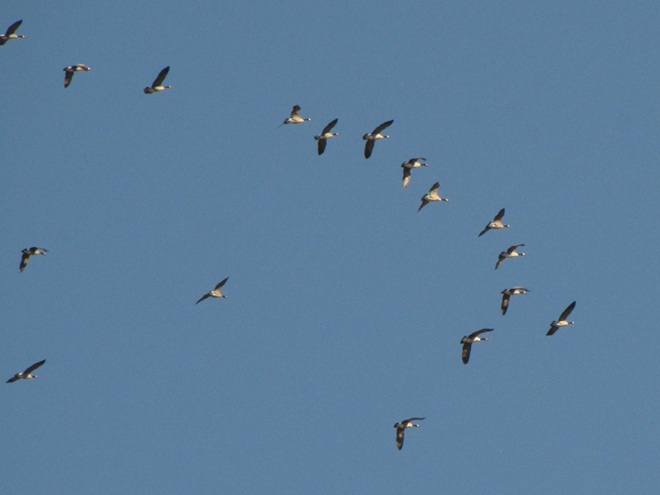
Migrating Canada Geese
All but the last of the migratory Canada Geese have passed through the lower Susquehanna basin en route to their nesting grounds in the land for which they are named.  Those that remain are mostly members of a resident population established here during the latter decades of the twentieth century.
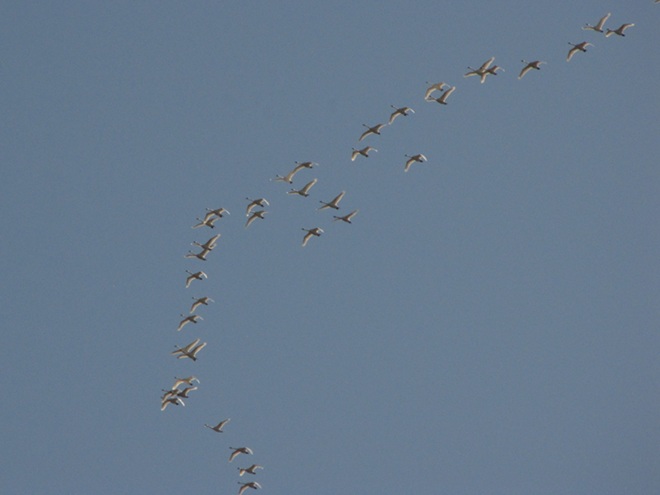
Migrating Tundra Swans
The majority of the northwest-flying Tundra Swans that wintered on the Atlantic Coastal Plain and will nest in Alaska and western Canada have now traversed our skies and are on their way through the Eastern Great Lakes region.
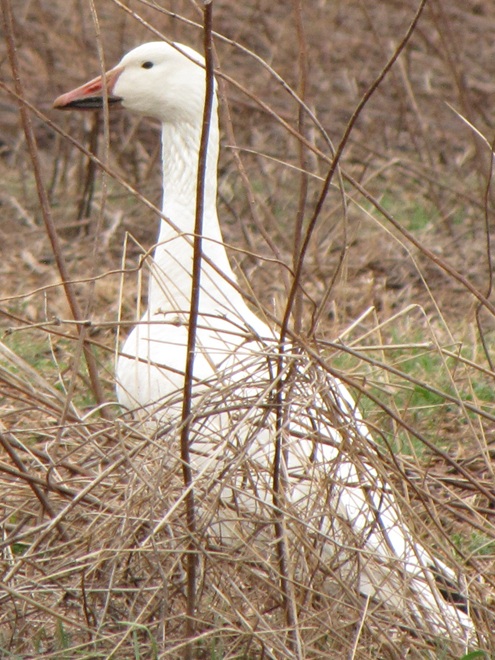
Snow Goose
Snow Geese too have departed.  Only stragglers like this individual with a wounded wing linger.
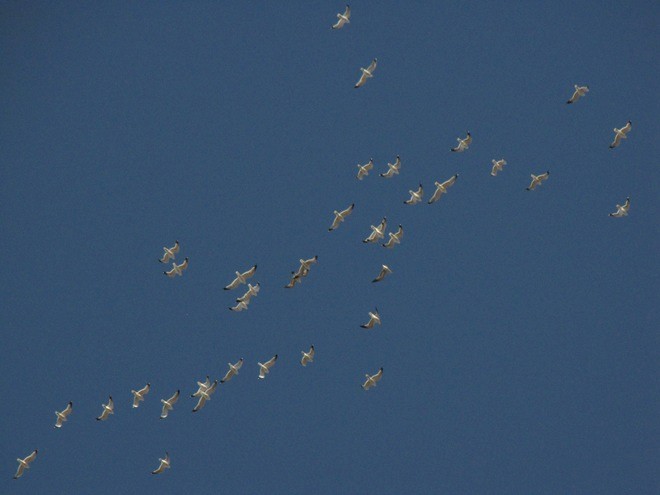
Migrating Ring-billed Gulls
Still moving up the river corridor are thousands of Ring-billed Gulls.  Their movements are prolonged, extending through much of the late winter and into early spring with primarily adult birds leading the way.
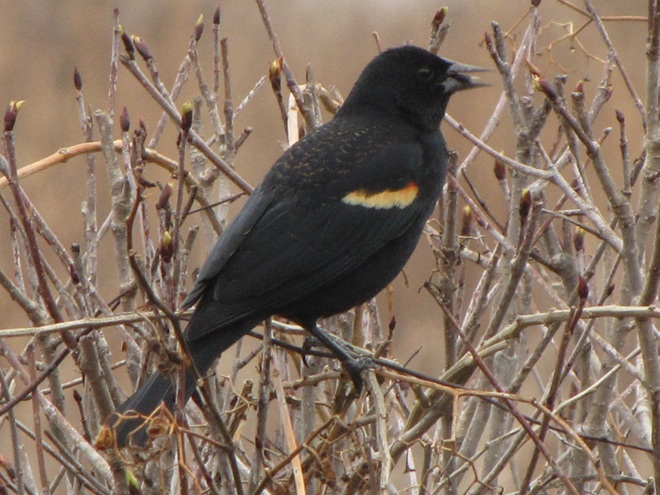
Red-winged Blackbird
The Red-winged Blackbird exodus continues as well with mostly male birds like this one venturing on ahead of the females to secure suitable breeding sites before the arrival of the competition.
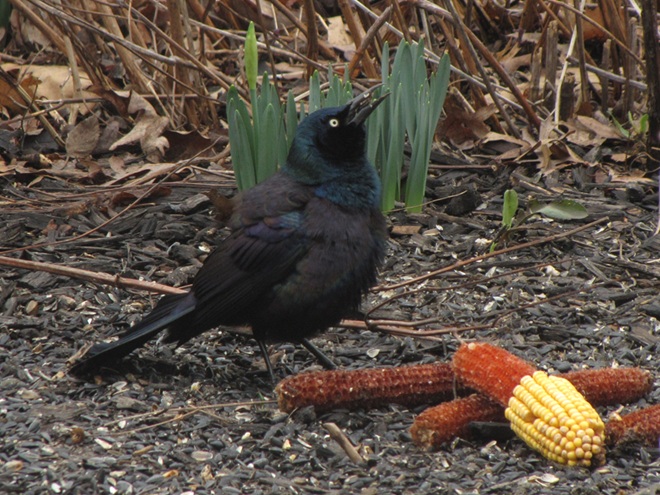
Displaying Common Grackle
Male Common Grackles are coming north to lay claim to favorable nesting habitat too.  In an effort to fend off rivals, a male will thrust back his head and ruffle his feathers to display the colorful sheen adorning his plumage.
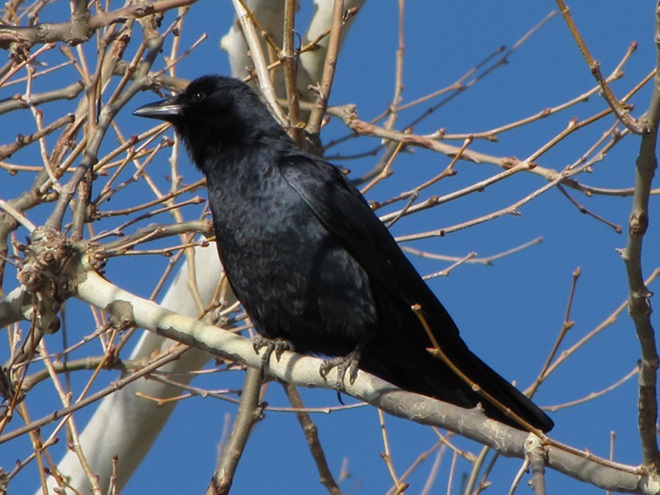
Fish Crow
Recognized by their nasal two-syllable calls, Fish Crows have been filtering up the valleys of the river’s main stem and its tributaries for almost a month now.  While the closely related American Crow is numerous throughout the winter in the lower Susquehanna watershed, most of our Fish Crows retreat to the Atlantic Coastal Plain during the colder months.  
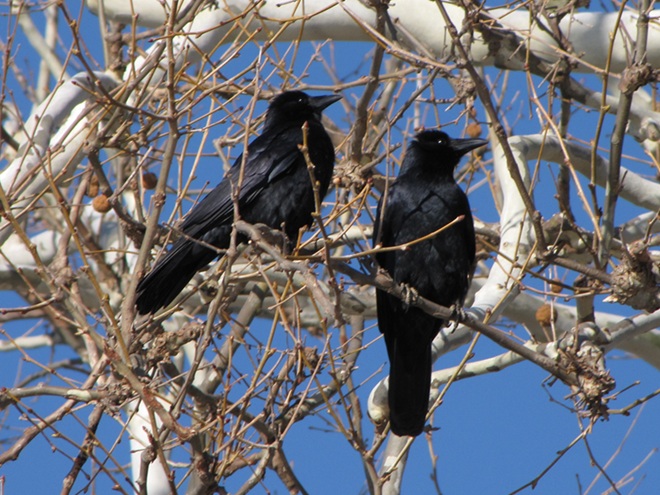
Fish Crows
The Fish Crows that return early stake claims on the best nest sites, often in lowland areas where they are sometimes in direct competition with a portion of the population of American Crows that commonly breeds here.

With the arrival of the spring equinox, longer periods of daylight will accompany the return of many more species.  Be sure to get outside, then have a look around.

Leave a Reply

Your email address will not be published. Required fields are marked *